REVIEW · BUCHAREST OLD TOWN
Bucharest: The Italian emigration in Romania
Book on GetYourGuide →Operated by Transylvanian Wonders SRL · Bookable on GetYourGuide
Bucharest has a way of surprising you fast. This 2-hour walking tour traces Italian immigration in Bucharest from the late 1700s into the early 1800s, using the city streets as your map. You’ll start in Piata Natiunile Unite, cross the Dambovita River, and walk into the story-rich stretch locals know as Victory Road.
I like that the route links big landmarks to the human story behind them. You’ll see the Palace of Justice along the Dambovita and then move into a corridor of sights tied to Italian presence, from the National History Museum to the Italian Church. I also appreciate the guide format: it’s a live, professional local guide, and in at least one case the guide Daniel was punctual, friendly, and strong on answering questions.
One practical consideration: the meeting spot is specific, and the area can be easy to miss if you’re expecting heavy signage. Do yourself a favor and locate the Transylvanian Wonders office address—Bulevardul Natiunile Unite 4, Bloc 107/A—before you arrive, then head to Piata Natiunile Unite (about 100 meters away) to find your guide.
In This Review
- Key things I’d plan around
- Italian immigration in Bucharest: why this tour works on foot
- Meeting at Piata Natiunile Unite and crossing the Dambovita River
- Palace of Justice to Victory Road: when the street becomes the storyline
- National History Museum, CEC Palace, and Revolution Square
- Atheneum and the Italian Church: culture you can point to
- Walking comfort, timing, and what makes this a real 2-hour tour
- Price and value: is $34 a good deal?
- Who should book this tour (and who might skip it)
- Should you book the Bucharest Italian emigration walk?
- FAQ
- How long is the Bucharest Italian emigration walking tour?
- What landmarks will I pass on this route?
- Where do I meet the guide?
- What time does the tour start?
- What’s included in the price?
- What language is the tour in?
- Is there anything I’m not allowed to do during the tour?
- What should I bring, and is the tour accessible?
Key things I’d plan around
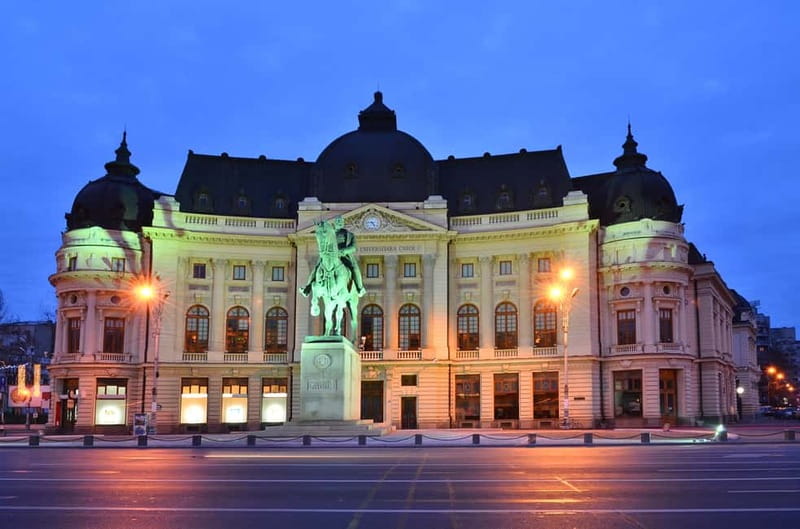
- Italian emigration story, mapped to street-level landmarks across central Bucharest
- Victory Road as the main “aha” corridor where the historical influences show up
- Landmarks you can actually point to: Palace of Justice, CEC Palace, Revolution Square, Atheneum
- A live Italian-language guide (great if you speak Italian; check your comfort first)
- Comfort-first walking: bring proper shoes and dress for the weather
- Ends back at the meeting point, so it’s easy to plug into your day afterward
Italian immigration in Bucharest: why this tour works on foot
I love a tour that doesn’t just name places—it explains why those places matter. This one does that by tying late-18th/early-19th century Italian immigration to the way Bucharest developed, then showing you the physical clues across the old center.
The idea is simple: instead of reading history in a book, you walk past the kinds of buildings that usually get skipped when you’re racing from one photo stop to another. You’ll connect the dots between institutions, architecture, and cultural presence as you move along Victory Road and nearby streets. Even if you’re not a hardcore history person, you’ll still come away with a clearer sense of how Bucharest became what it is.
And because the story is anchored in a time window (late 1700s into early 1800s), the tour feels focused. You’re not getting a vague overview of everything that ever happened in Romania—you’re following a specific thread and watching it show up in city life.
Meeting at Piata Natiunile Unite and crossing the Dambovita River
Your tour starts at the Transylvanian Wonders office on Bulevardul Natiunile Unite 4, Bloc 107/A. The guide meets you in Piata Natiunile Unite about 100 meters from the office, so once you arrive at the general plaza area, you’re still doing one short final step to get to the correct exact point.
Early on, you’ll cross the Dambovita River. That crossing matters more than it sounds. Bucharest’s center can feel like a blur of avenues and monuments, and crossing the river gives you a clean mental line: you’re leaving one visual zone and entering another where the story becomes easier to track.
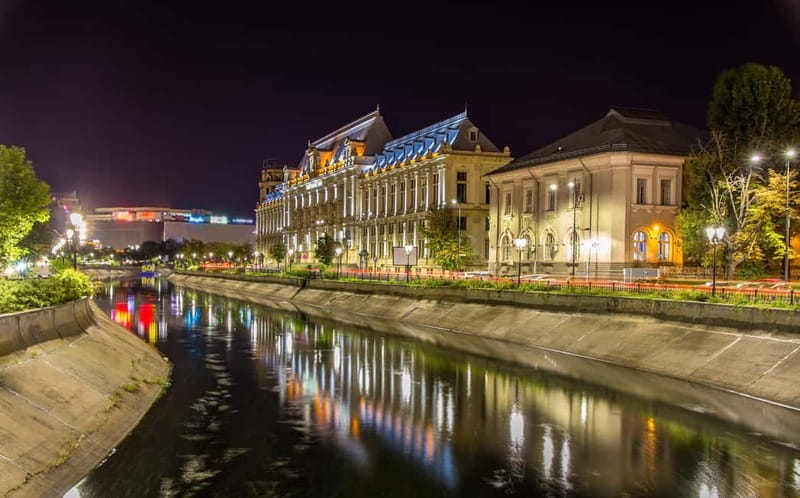
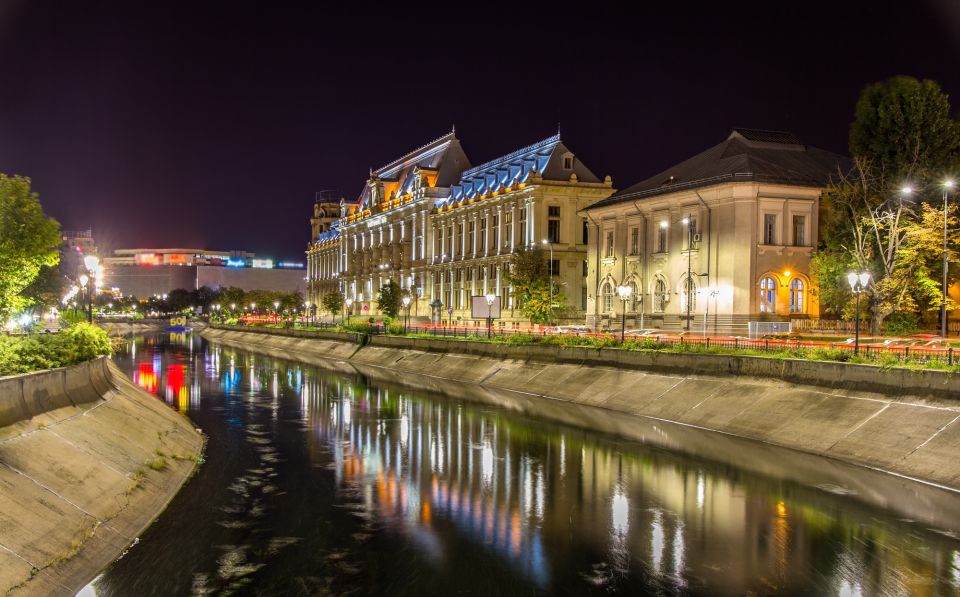
The first major landmark you’ll run into is the Palace of Justice on the riverbanks. It’s the kind of building that instantly helps you orient yourself—big, obvious, and hard to ignore—so you start the tour with something you can anchor to while the guide connects it to the bigger narrative.
Practical tip: you’re walking most of the time, so don’t dress for the “nice photo” version of Bucharest. You’ll want comfortable shoes that handle uneven sidewalks without drama.
Palace of Justice to Victory Road: when the street becomes the storyline
After the riverbank start, the route heads toward Victory Road, which is where the tour really switches gears. The tour description even frames it as a surreal world, but the real reason it feels that way is the concentration of notable buildings along a single corridor.
As you walk on Victory Road, you’re essentially doing a history lesson with your feet. Each stop gives you a different angle on Italian influence—cultural, institutional, and architectural—so the street turns into something more than just a long avenue.
What I like about this section is that it prevents “list fatigue.” Instead of stopping at random big spots, the stops cluster around a central theme. You’re moving through the city with the sense that you’re following a route that someone planned on purpose, not a loose hopscotch of monuments.
Also, because it’s a walking tour, you’ll feel the pace of Bucharest rather than just stand in front of buildings. You notice the scale of streets, how landmarks sit relative to traffic, and how the city layout shapes what you see next.
National History Museum, CEC Palace, and Revolution Square
This is where you start linking names to meaning. Along the route, you pass by several major landmarks that act like “chapters” in the Italian immigration story.
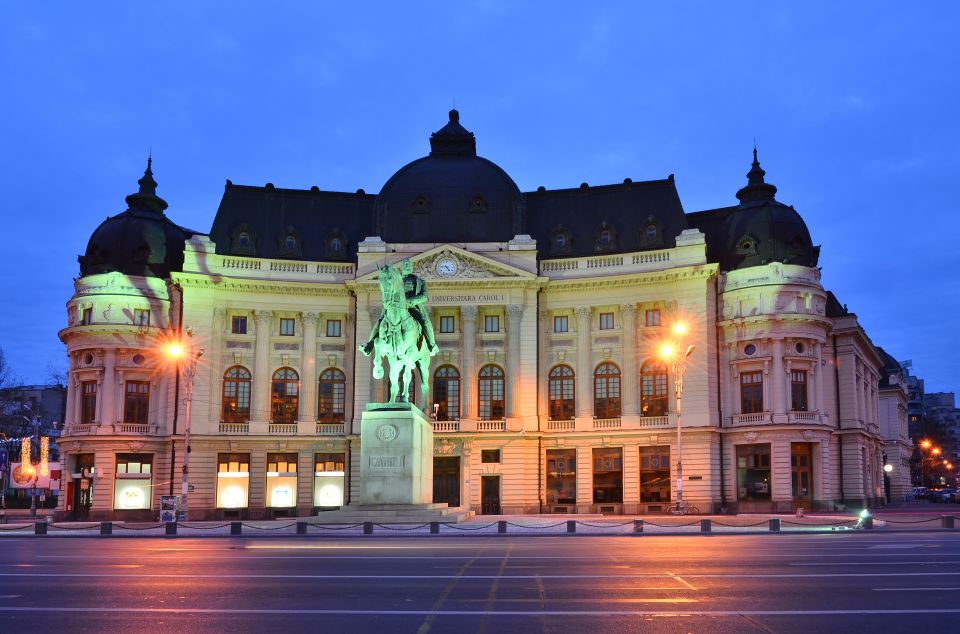
You’ll be in the area of the National History Museum. Even without getting stuck in the building, the stop helps set context—this is part of Bucharest’s official cultural space, and your guide uses the location to explain why Italians became part of the city’s growth narrative.
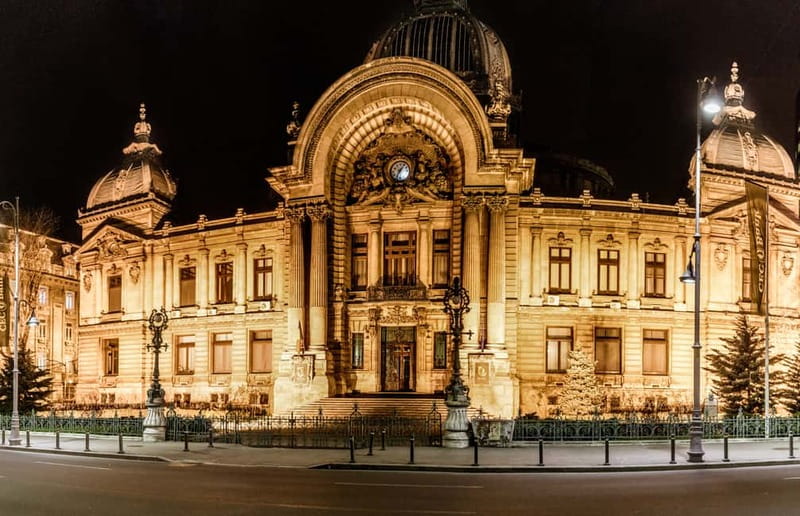
Next comes the CEC Palace. This is a stop I’d treat as more than architecture spotting. Financial and institutional buildings tend to reflect who had influence, how trade and services developed, and how a city organized itself as it modernized. The guide uses this type of clue to connect community presence to city development—so you’re not just appreciating a façade, you’re learning what kind of role certain groups played.
Then you’ll reach Revolution Square. Squares are good story settings because they’re built for gathering and meaning. Here, the guide uses the square to connect the Italian presence to Bucharest’s broader history, helping you understand how different eras leave layers behind in the urban design.
If you’re the kind of person who likes to ask questions mid-walk, this section is a solid time to do it. You’ll have multiple landmarks in a short stretch, so it’s easy to keep the guide’s explanation tied to something you can see right in front of you.
Atheneum and the Italian Church: culture you can point to
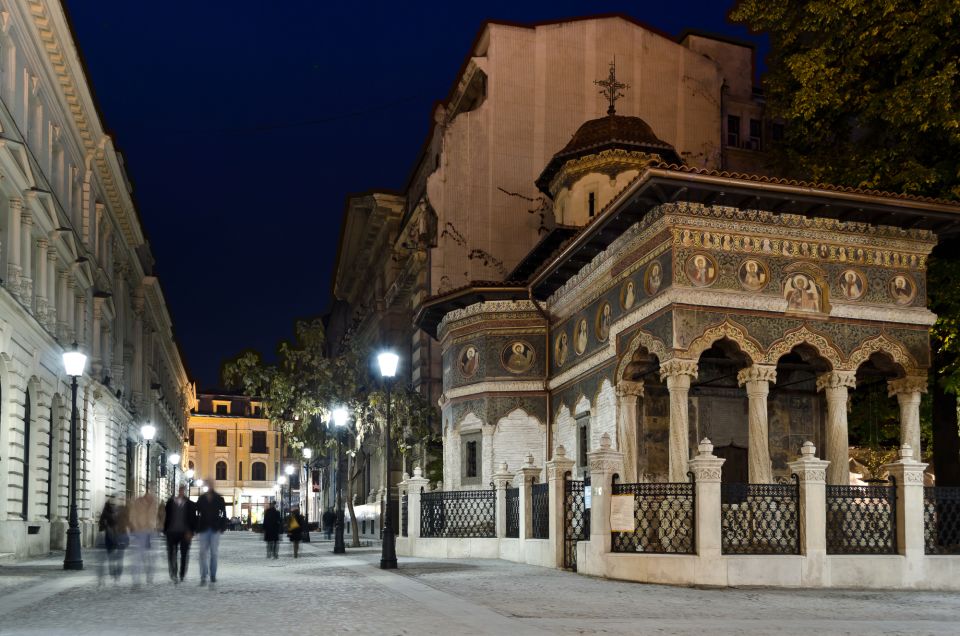
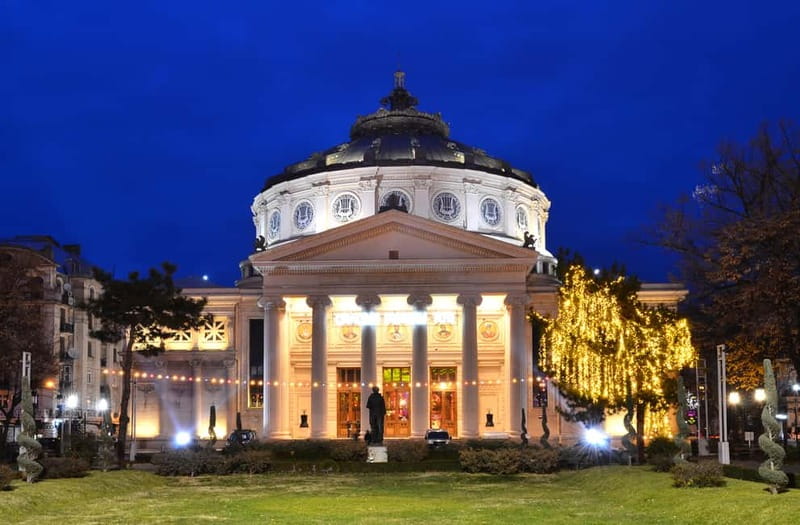
As the walk continues, you’ll pass by the Atheneum. This stop is valuable because it signals the cultural dimension of the story. The guide frames the Italian immigration influence not only through commerce or institutions, but also through the cultural footprint Italians left behind as Bucharest grew.
Then there’s the Italian Church, which is one of the most direct “this is not just theory” moments on the route. A church doesn’t show up in a city unless a community needed it, so it’s a powerful physical clue. It also helps you understand immigration as lived experience—people arriving, settling, and building the places that match their beliefs and daily life.
One note: the tour is conducted in Italian (live guide). That doesn’t mean you can’t enjoy the sights if your Italian is limited, but it does mean your experience will depend on how comfortable you are following an Italian explanation while walking. If you speak the language well enough to catch key points, you’ll get noticeably more out of the stops.
Walking comfort, timing, and what makes this a real 2-hour tour
This is a 2-hour guided walk. That time window is a sweet spot for a history-and-architecture experience because you can absorb a lot without your feet filing a complaint.
To keep it enjoyable:
- Wear comfortable shoes that you can walk in for a solid chunk of time.
- Dress for the weather. You’ll be outside and moving.
- Plan to keep your hands free. You’ll want at least one hand ready for directions, not for constantly adjusting your bag.
There are also a couple of rules you should know so you don’t accidentally run into friction. Audio recording isn’t allowed, and you’re expected not to bring alcohol and drugs. Also, bare feet aren’t permitted. It’s a standard policy for many walking tours, but worth remembering.
By the end, you’ll return to Bucharest’s old town for a quick recap. That recap matters because it ties the route together. Without it, you might remember the landmarks but miss the theme. With it, you walk away with the sense that you followed one clear idea from stop to stop.
Price and value: is $34 a good deal?
At $34 per person for a 2-hour guided walking tour, the value is mostly in three areas: the guided storytelling, the concentration of landmarks, and the fact that you’re walking a route that connects them.
You’re not paying just for transit between sights—you’re paying for a professional local guide who can explain why the Italian emigration story shows up where it does. When the guide is strong, that’s what makes a walking tour worth it. One example from past tours: the guide Daniel was described as punctual, friendly, and able to answer questions while accommodating specific requests. That kind of guiding turns a list of monuments into a narrative you actually remember.
If you prefer self-guided wandering, you could technically do the same route on your own. But you’d lose the threaded explanation, and you’d likely spend more time trying to figure out what connects one stop to the next. In that sense, the price feels fair for people who want meaning, not just photos.
Who should book this tour (and who might skip it)
This experience is a strong match if you:
- like city history that’s tied to real buildings
- enjoy walking through major Bucharest landmarks without museum lines
- want a focused story on a specific migration period rather than a generic overview
It’s also a good fit for travelers who enjoy asking questions. Since it’s a live guide tour, you’ll get more out of it by engaging than by simply following along.
It may be less suitable if:
- you don’t feel comfortable with an Italian-language tour guide
- you don’t enjoy walking in central city areas
- you need accessibility beyond what a typical walking tour implies (it’s specifically noted as not suitable for people over 95 years)
Finally, remember the meeting point detail. If you hate hunting for an office with no signs, check your location carefully in advance. The start can be smooth when you find the right address quickly—and frustrating when you don’t.
Should you book the Bucharest Italian emigration walk?
I think you should book it if you want a compact, theme-driven walk through central Bucharest—one that turns Victory Road and nearby landmarks into an actual story. The pairing of Palace of Justice, CEC Palace, Revolution Square, the Atheneum, and the Italian Church gives you a strong concentration of sights linked to one historical thread, which is exactly what makes a short tour feel worthwhile.
Just go in smart: check your Italian comfort level, wear good shoes, and locate the meeting point at Bulevardul Natiunile Unite 4, Bloc 107/A plus the nearby Piata Natiunile Unite meeting area. If you do that, you’re set up for a clean 2 hours of walking with a guide who can help you see Bucharest’s layers in a way that’s hard to DIY.
FAQ
How long is the Bucharest Italian emigration walking tour?
The tour lasts 2 hours.
What landmarks will I pass on this route?
You’ll see or pass by the Palace of Justice on the Dambovita River, CEC bank building, Revolution Square, the Atheneum, the Italian Church, and you’ll walk along Victory Road. You’ll also pass the National History Museum.
Where do I meet the guide?
Meet at the Transylvanian Wonders office on Bulevardul Natiunile Unite 4, Bloc 107/A. The guide meets you about 100 meters from Piata Natiunile Unite.
What time does the tour start?
Starting times depend on availability, since tours run at set times.
What’s included in the price?
A professional local guide is included.
What language is the tour in?
The live tour guide speaks Italian.
Is there anything I’m not allowed to do during the tour?
Audio recording, bare feet, and alcohol or drugs are not allowed.
What should I bring, and is the tour accessible?
Bring comfortable shoes and weather-appropriate clothing. The tour is not suitable for people over 95 years.