REVIEW · BUCHAREST
Your rendez-vous with Europe’s past: time-travel to Maramures, Transylvania
Book on Viator →Operated by Transylvanian Tours · Bookable on Viator
Romania has a way of slowing time. This private, 7-day journey through Maramures and Transylvania turns big-name legends into real places you can walk through, from medieval churches to fortified Saxon towns, with a driver and guide doing the heavy lifting.
Two things I especially like: first, you get UNESCO wooden-church country in Maramures without struggling with directions or schedules. Second, the tour uses planned stops with admissions handled (so you spend your energy looking, not figuring out ticket lines).
One consideration: the days can be long in a car. You’ll travel between regions and climb stairs at a few sites, so pack comfy shoes and plan your evenings for rest.
In This Review
- Key things to know before you go
- From Bucharest to legend country: how this trip moves
- Cozia Monastery and Sibiu: Wallachia’s opening act
- Alba Iulia and Cluj-Napoca: Hunyadi’s battlefield footprint
- Surdesti and Breb: the Maramures start that hits hardest
- Barsana, Merry Cemetery, and Sighet: faith and the cost of control
- Ieud, Biertan, and Sighișoara: UNESCO after UNESCO
- Viscri, Saschiz, Rupea, and Brasov: Saxon fortresses meet Gothic drama
- Bran Castle, Peles Castle, and Bucharest’s Stavropoleos: the closing loop
- Price and value: what $2,185.67 buys you in real terms
- Who this Maramures and Transylvania tour fits best
- Should you book this tour?
- FAQ
- How long is this tour?
- Where does the tour start, and do you offer pickup?
- Is this a private tour?
- How many nights of lodging are included, and is breakfast included?
- What meals are included during the tour?
- Are entrance tickets included for the stops?
- Can the itinerary be adjusted?
- Is the booking refundable if I cancel?
Key things to know before you go
- Private guide and driver with hotel pickup in Bucharest (or the airport)
- UNESCO wooden churches in Maramures plus fortified church stops in Saxon Transylvania
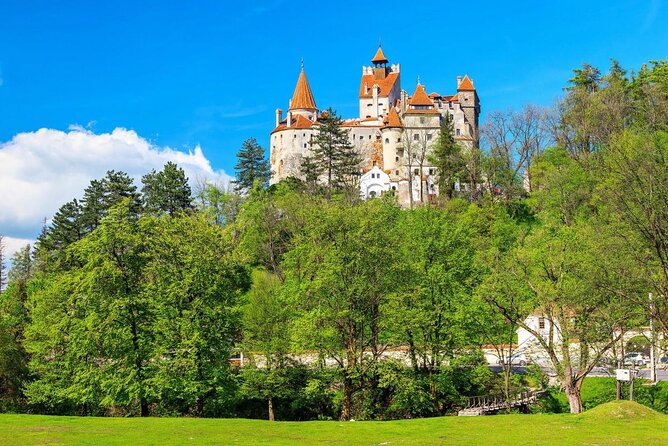
- Iconic castles like Bran and Peles, timed with scenic road views
- Meals built into the pace: breakfast daily plus two included lunches and two included dinners
- Admission is organized for the key sights, so you’re not hunting down tickets
- Bespoke itinerary flexibility inside a set regional route
From Bucharest to legend country: how this trip moves
This tour is built like a “Romania greatest hits” road trip, but with an important twist. You start in Wallachia near Bucharest and work north into Maramures, where traditional village life still feels close to the past. Then you swing into Transylvania’s Saxon zones—fortified churches, walled towns, and the kind of medieval architecture that makes Dracula feel less like a movie and more like a mood.
What you’ll feel most is rhythm. Some days are tight city visits with guided walking, like Sibiu’s old squares. Other days are slower and more visual—wooden churches rising from valleys, memorials that stop you for a minute, and evening time inside UNESCO citadels.
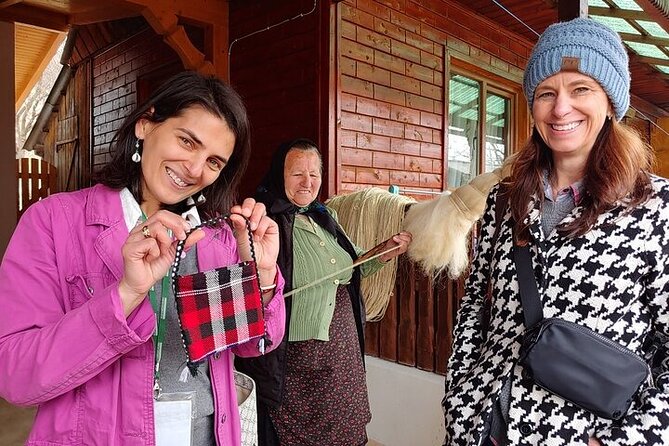
If you care about getting context (not just photos), the guide matters. In this case, the guide often named Gelu is described as warm and attentive, and the pace leaves room for questions, photos, and just breathing between stops. Add the driver Vlad, and the practical side stays smooth.
You can also read our reviews of more tours and experiences in Bucharest.
Cozia Monastery and Sibiu: Wallachia’s opening act
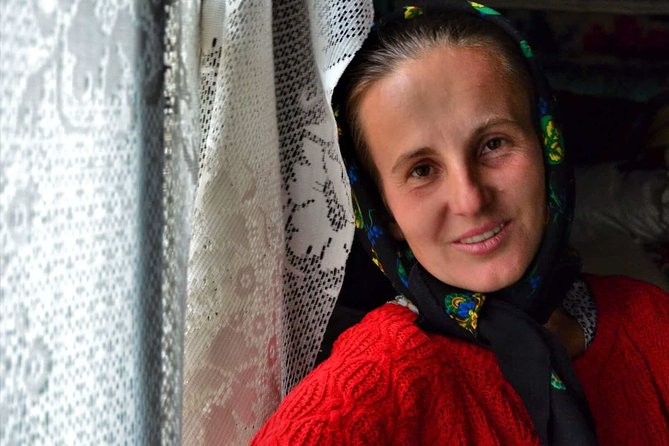
You begin with a scenic drive through the Olt River Valley, heading toward Cozia Monastery, a site founded in 1388 by Mircea the Elder—an important Wallachian prince and grandfather of Vlad-related legend. The timing is quick, but it’s a strong start because it puts the region’s medieval power story on the table fast.
Then you move on to Sibiu, one of those Transylvanian-friendly cities where the old town is walkable and rewarding. The guided stroll takes you through major plazas, including the Grand Square and Small Square, plus Albert Huet Square (noted as dating to the 12th century). There’s also a climb involved: the Council Tower viewpoint is the kind of payoff you can feel in your legs first.
Two highlights to keep in mind:
- Sibiu’s religious mix: you visit the Orthodox Cathedral and the Evangelical Church, and you’ll hear comparisons to other historic Orthodox architecture (including references to Constantinople’s St. Sofia-style influence).
- The squares: they’re not just scenic; they help you understand how a Central European town works—market life, civic space, and church power all in one compact area.
Sibiu is also where this tour’s “organized but not rushed” style shows. You get time to walk, and you’re not forced to sprint between every photo.
Alba Iulia and Cluj-Napoca: Hunyadi’s battlefield footprint
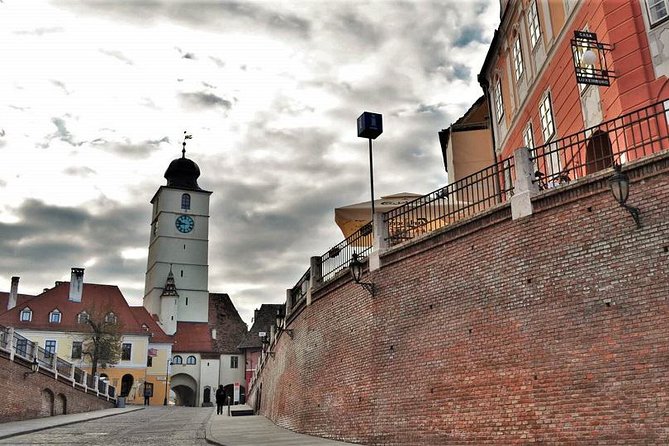
Day two shifts you into a different kind of medieval story—one tied to the Kingdom of Hungary, Ottoman pressure, and the region’s military heroes. You start at Cetatea Alba Iulia (Alba Carolina Fortress), linked with John Hunyadi (often called Corvin) and his son King Matthias Corvinus. It’s not just walls; it’s a whole setting for the Saint Michael Cathedral and multiple layers of faith and power.
The focus stop here is the fortress area with the ancient Saint Michael Cathedral, construction started in 1004, plus the Orthodox Coronation Cathedral. You’ll also see ruins related to the 13th Gemina Roman Legion, which gives you a neat “Rome to medieval” connection without needing to hop museums for hours.
After that, the tour continues to Cluj-Napoca for a short guided city walk. It’s a lighter day in terms of stop density, and that’s a good thing—this is a trip where you need one or two breaks so you don’t feel like you’re only in motion. Cluj’s visit also ties to the region’s dynastic story, including the connection to Matthias Rex, son of Hunyadi.
If you like your history with names and dates, you’ll probably enjoy how this day frames the conflict timeline. If you don’t, the upside is that the walking itself is still pleasant and you’ll get a real sense of how cities grew and shifted over centuries.
Surdesti and Breb: the Maramures start that hits hardest
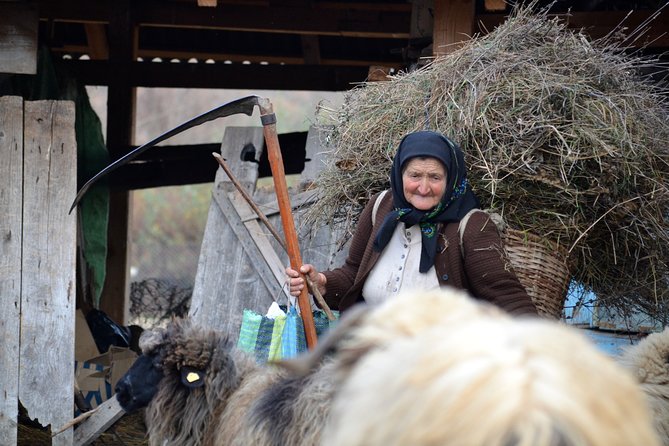
This is where the tour becomes more than a highlight reel. After Cluj-Napoca, you head north toward Maramures, known for some of the last strongholds of older peasant culture in Europe.
Your first Maramures stop is Surdesti Wooden Church, a UNESCO World Heritage site built in 1766. It’s a Greek-Catholic wooden church and is noted as having been, until recently, the tallest wooden church in the world. That detail matters because it explains why the structure feels so tall in person—you’re not just looking at wood, you’re looking at engineering and devotion in the same object.
Then you check in to Breb, staying in a traditional cottage in the village for about two nights. This is a major value point for you: Maramures doesn’t feel like a postcard when you sleep in the place instead of speeding through it. The afternoon time is intentionally yours—traditional food with your hosts, slower pacing, and a chance to notice the quieter village rhythms.
Practical tip: these areas are about atmosphere, not crowds. If you’re prone to rushing, this portion is a gentle reset. If you like photography, bring extra memory space—wood detail and weather changes can look different by the hour.
Barsana, Merry Cemetery, and Sighet: faith and the cost of control
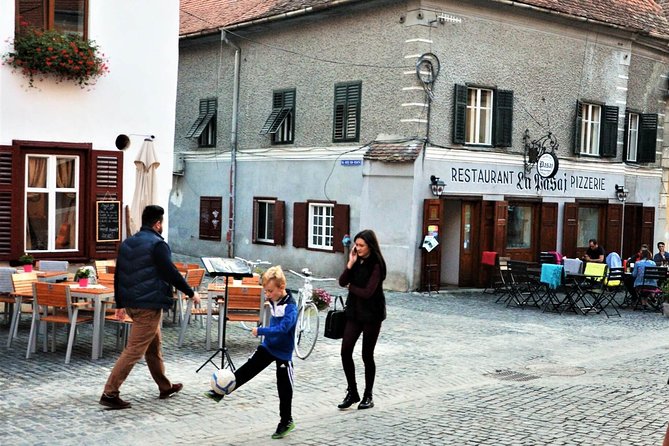
Day four is a mix of awe and gravity, which is exactly what makes it memorable. You begin at Barsana Monastery, described as a large Orthodox monastic complex built in the early 1990s, but rooted in local ecclesiastical tradition. It’s one of those stops that proves the region isn’t frozen in time; people keep building in older forms and values.
Next comes something surprising and human: Sapânta’s Merry Cemetery. In 1935, a local artist began carving and painting colorful wooden crosses and adding epitaphs with ironic humor. The result is a cemetery that doesn’t feel grim in the usual way—it feels like the community talking back to death with wit. You’ll hear at least one of the funniest epitaph styles, the kind that jokes about family arguments or wishing the person had died later. (It lands as dark humor, not disrespect.)
Then the tour moves to the Memorial of the Victims of Communism and of the Resistance in Sighet. This part is heavier: a Communist prison converted into a memorial, positioned on Romania’s northern border with the USSR. The tour highlights the intent to exterminate political, religious, academic, and cultural elites, and lists specific imprisonment numbers for major leaders, academics, bishops, and priests. It’s not long—about an hour—but it’s the stop where your perspective shifts from medieval layers to 20th-century power.
You finish with Desesti Wooden Church, another UNESCO site with a reputation for a well-preserved naive old painting. That final visual note helps balance the day before you continue south.
If you get overwhelmed easily by heavy topics, pace yourself here. Give the cemetery and memorial your full attention, then let your mind reset with the wooden church details.

Ieud, Biertan, and Sighișoara: UNESCO after UNESCO
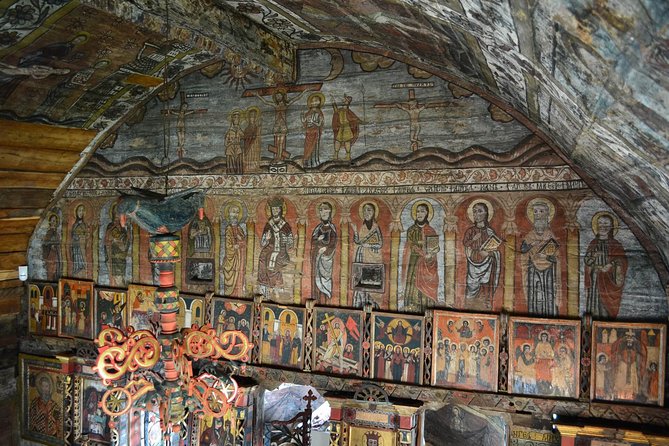
Day five turns you from Maramures villages toward Saxon Transylvania. The drive is described as long, and that feels accurate—this is a region where distance matters, even when stops are close together on a map. The payoff comes in UNESCO clusters.
First stop is Ieud, with two traditional churches:
- Church on the hill: Orthodox, from the 17th century.
- Church in the valley: Greek-Catholic, known as the Wooden Cathedral, erected in 1718. It’s famous for slender proportions and for holding a collection of glass icons.
There’s a story built into the church timing: it was erected after the last Tartar invasion in Maramures, with a noted defeat in 1717 by Romanian peasants led by a priest. Whether you love battle tales or not, it gives the building a clear reason to exist.
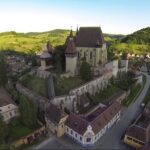
After that you arrive at Biertan Fortified Church, a UNESCO World Heritage site built from 1486 to 1524. This isn’t a single-candle church stop—it’s a defended place with walls, a protective context, and a nave ceiling you’ll want to look at more than once. The tombstones for former bishops and notabilities add another layer of meaning: this fortified church wasn’t only about worship; it was about community survival.
Then you end in Sighișoara, visiting the medieval citadel UNESCO zone. The late afternoon and evening timing is smart because it usually makes places feel less staged. You’ll also hear the connection to the Vlad the Impaler birthplace story, which ties your whole week’s Dracula-adjacent theme together without turning the trip into a costume party.
Viscri, Saschiz, Rupea, and Brasov: Saxon fortresses meet Gothic drama
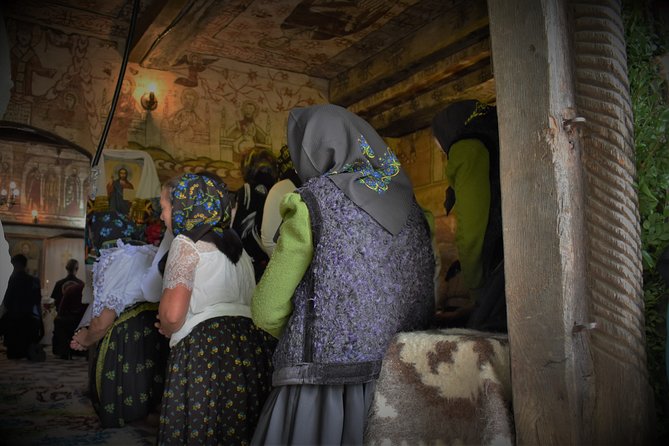
Day six is your fortified-church day plus a city landing in Brasov. You head toward Viscri Fortified Church and stop for lunch in Viscri, a village tied to Prince Charles’s interest. The tour notes that he fell in love with the area and bought an old Saxon household there, number 163, a blue house built in 1753, and returned every few years for horseback riding and travel. If you like real-world details, it’s the kind of fact that makes the village feel connected to more than just local legend.
From Viscri, you also see Saschiz Fortified Church along the way. The note here is visual: the tower resembles the Clock Tower of Sighișoara, a fun way to compare Transylvanian architecture across different towns without needing an architecture degree.
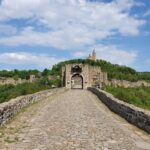
Then there’s a sighting of Rupea Fortress, described as one of Romania’s oldest fortifications, built over earlier Roman and Dacian fortresses. You don’t need to know every layer to enjoy the feeling of continuity: different empires, same hill, same defensive idea.
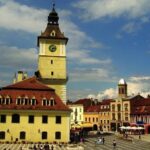
Brasov is where you get the bigger city payoff. The guided visit includes the Black Church, a 14th-century Gothic monument, plus medieval fortress fortifications, bastions, and towers. You’ll also walk Rope Street, described as one of the narrowest streets in Europe. It’s not just a photo stop; it’s how you feel medieval urban planning in your body.
If you want a day where your eyes rotate through details—stone shapes, street geometry, church silhouettes—this is it.
Bran Castle, Peles Castle, and Bucharest’s Stavropoleos: the closing loop
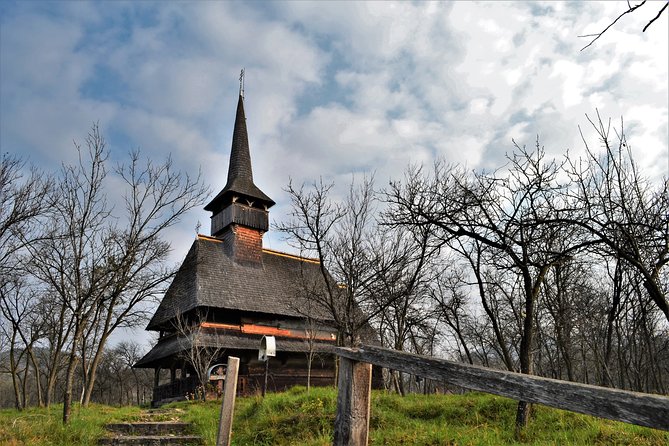
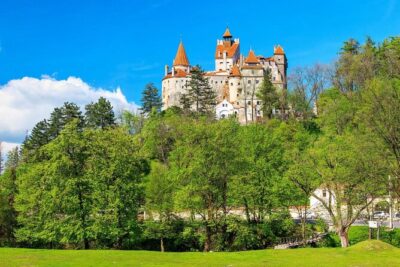
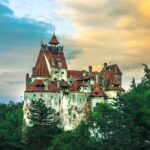
The final full day is built around two major castles plus the scenic road between them. You leave Brasov for Bran Castle, often linked with the Dracula story, and you’re also promised the views from Bran Pass over the Piatra Craiului and Bucegi mountains. The scenery is part of the experience here. You’re not just arriving at a castle; you’re traveling through the drama.
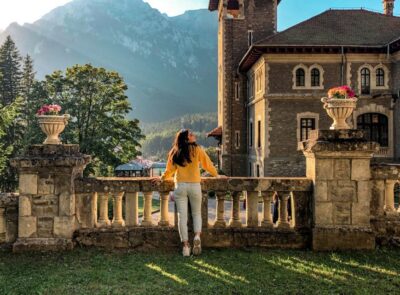
From Bran, you continue to Sinaia for Peles Castle. It’s a late-19th-century castle, described as flamboyant, and the tour frames the contrast with its founder, King Carol I, who is portrayed as sober despite the castle’s style. Peles works well on this kind of route because it feels like a complete change of tone from fortress churches and wooden towers.
Then, as you return to Bucharest, you end with Stavropoleos Church in the evening—an elegant 18th-century setting built in 1724. The schedule gives you enough time afterward to let Transylvania sink in before jumping into city life again.
This is a good ending because Bucharest feels like a return to reality. You’ve already had your medieval, gothic, and village days. Now it’s calm, central, and manageable.
Price and value: what $2,185.67 buys you in real terms
At $2,185.67 per person for an about-7-day trip, this isn’t a budget outing. The value is in what’s bundled and what you avoid.
You’re paying for:
- Private transportation with an air-conditioned vehicle
- A private driver and guide, not a shared coach shuffle
- 7 nights in 3 superior hotels and guesthouses with breakfast included
- Two included lunches and two included dinners
- All fees and taxes
- A plan that handles major site admissions rather than leaving you to sort out each ticket yourself
The admissions detail matters more than it sounds. Over a week, even small ticketing problems add up. Here, the experience keeps momentum so you’re not spending half your day on admin.
Also, the structure is built for comfort and decision-making. Because it’s private, you can adjust the itinerary to your needs. That’s not just a perk—it’s how you keep the trip from feeling like a rigid template.
If you’re traveling with a group where one person loves castles, another loves villages, and someone else is history-driven, this style tends to work well. Everyone gets their thing, but the tour still moves as one story.
Who this Maramures and Transylvania tour fits best
This works best if you want:
- UNESCO sites without logistical headaches
- A mix of medieval towns, wooden churches, fortified Saxon villages, and famous castles
- A guide who can explain the context in a way that keeps you engaged from stop to stop
It’s especially suited to first-time Romania visitors. You’ll see big icons like Bran and Peles, yes, but you’ll also get the north’s wooden-church culture in Maramures, plus memorial depth in Sighet.
If you’re the type who hates driving time, this may be tougher. The route is packed with places, and you’ll spend enough hours in the car to feel the distance between regions.
Should you book this tour?
I’d book it if you want a guided, organized route that blends UNESCO stops with medieval legends in a way that still has breathing room. It’s the kind of trip where a warm guide like Gelu and a steady driver like Vlad can make the difference between checking boxes and actually enjoying the story.
If your ideal Romania trip is slow travel with lots of free time and minimal driving, you might want a more focused route instead. But if you want one week that covers Maramures and Transylvania in a smart sequence, with lodging and meals handled, this is a strong match.
FAQ
How long is this tour?
It’s listed as 7 days (approximately).
Where does the tour start, and do you offer pickup?
It starts in Bucharest. Pickup is offered from your hotel in Bucharest or from the airport.
Is this a private tour?
Yes. It’s a private tour/activity, and only your group participates.
How many nights of lodging are included, and is breakfast included?
You get 7 nights of accommodation in 3 superior hotels/guesthouses, with breakfast included.
What meals are included during the tour?
Breakfast is included daily. The tour also includes 2 lunches and 2 dinners.
Are entrance tickets included for the stops?
Admission is organized as part of the tour, and many major stops show admission as included or free in the schedule.
Can the itinerary be adjusted?
Yes. The tour is described as bespoke and private, with the ability to adjust the itinerary to your needs.
Is the booking refundable if I cancel?
No. The experience is non-refundable and cannot be changed for any reason. If you cancel or ask for an amendment, the amount you paid will not be refunded.