REVIEW · BUCHAREST
A Journey Back in Time: Countryside from Transylvania and Maramures – 15 Days
Book on Viator →Operated by Touring Romania · Bookable on Viator
Time travel starts on Romanian dirt roads. This private 15-day route mixes famous sights with countryside detours, and I especially like how George’s history explanations put the places in context while you walk. I also like that breakfast and many dinners are built in, so you’re not constantly juggling meals after a long day of driving.
One thing to plan for: the itinerary is active and you’ll spend plenty of time in the vehicle between regions and villages. It’s a great way to cover a lot of ground, but it’s not a slow, meandering vacation.
In This Review
- Key things you’ll feel fast
- A 15-day Transylvania + Maramureș route that actually feels rural
- Bucharest walking tour: a good warm-up before the countryside
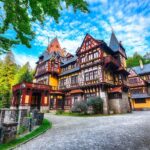
- Peles Palace and Fundățica: royalty meets mountain Romania
- Bran Castle, Rasnov Citadel, and a bear sanctuary day
- Viscri and Saxon villages: church towers, village lanes, and real stays
- Cluj to Maramureș: wooden churches and the Breb village base
- Merry Cemetery, Desesti wooden church, and Barsana Monastery
- Mocănița steam train: the ride that makes the countryside real
- A relaxed Breb day, then Rimetea and an ethnographic museum night
- Alba Iulia, Corvin Castle, Sibiu: history on bigger stages
- Transfăgărășan views: road trip by season, cable car when needed
- Curtea de Argeș monastery and the return to Bucharest
- Price and what this tour includes in real terms
- Should you book this Transylvania and Maramureș countryside time machine?
- FAQ
- How long is the tour?
- Where does the tour start, and what time?
- Is this a private tour?
- What meals are included?
- Are entrance tickets included?
- How does the tour handle the Transfăgărășan Highway?
- Are any sights closed on certain days?
- What if I need to cancel?
Key things you’ll feel fast
- Private, guide-led pacing with George working as both history brain and driver-care team.
- Village stays in older Saxon and mountain communities, not just hotel rooms in big cities.
- Castles plus “lesser-seen” heritage like fortified churches, wooden churches, and Orthodox monasteries.
- Mocănița steam train ride in Maramureș, one of the more memorable transit moments of the trip.
- Transfăgărășan views handled smartly by season (road vs cable car).
- Meals included: breakfast every day of the trip and dinner on most evenings.
A 15-day Transylvania + Maramureș route that actually feels rural
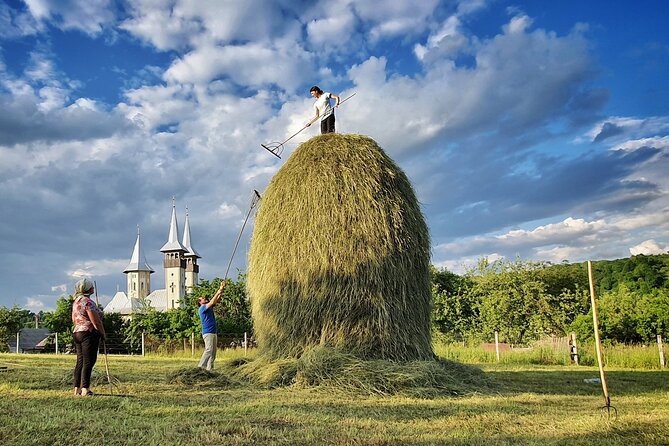
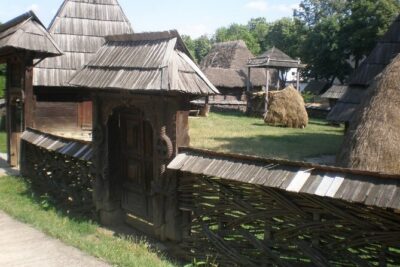
This is the kind of trip that makes Romania feel personal. You’re not only seeing landmarks from a bus window. You’re spending nights in traditional villages across Transylvania’s Saxon belt and deeper into Maramureș culture.
What makes it work is the blend: major icons (Sinaia, Bran, Sighisoara, Corvin Castle) paired with heritage you’d miss if you traveled alone (wooden church stops, remote Saxon villages, monasteries, and village life in Breb). You also get private transportation in an air-conditioned vehicle, which matters because the day-to-day changes in scenery can be big.
If you’re hoping for a trip where everything is laid back, this one may feel full. If you want a strong sense of place, history, and tradition, the rhythm is the point.
You can also read our reviews of more tours and experiences in Bucharest.

Bucharest walking tour: a good warm-up before the countryside
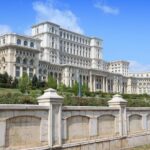
You start in Bucharest with a walking tour aimed at the main sights. It’s the kind of first day that helps you get your bearings quickly: you’ll understand the city’s layout and historical layers before you head for castles and mountain villages.
A walking tour also sets the tone for what follows. Later, you’ll be walking again and again through fortified church compounds, village streets, and medieval-town lanes. Starting on foot in Bucharest helps you build that travel muscle early.
At about three hours, it’s long enough to matter, but short enough that you don’t feel wrecked before the mountain days begin.
Peles Palace and Fundățica: royalty meets mountain Romania
On day two, you visit Peleș Castle in Sinaia, the former summer residence of Romania’s royal family. This palace is a chance to see a different side of the country than Dracula-storybook lore. It’s also a calm, high-quality stop with admission included and a planned visit window of around two hours.
Then the pace changes toward the mountains. You head to Fundățica, described as one of Romania’s beautiful mountain villages, and you spend two nights there. The best part of this stop is the scenery change and the shift in daily life—less grand architecture, more atmosphere, and time to reset before the iconic castle day.
If you’re the type who likes photos, you’ll likely take a lot here. If you’re the type who prefers quiet, you’ll also do fine, because the schedule gives you overnight time rather than a quick photo-and-go.
Bran Castle, Rasnov Citadel, and a bear sanctuary day
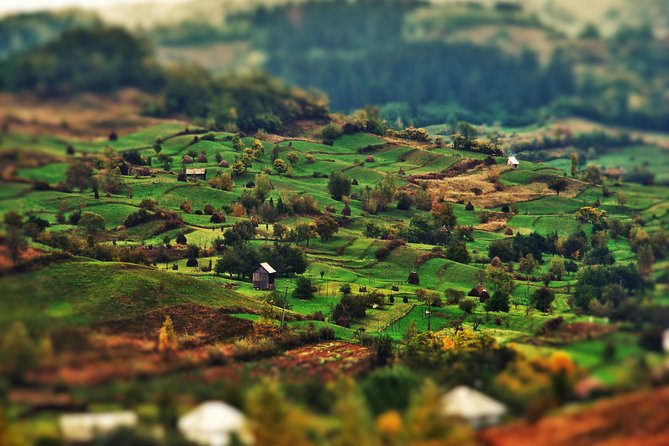
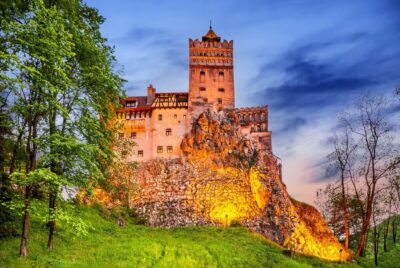
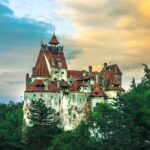
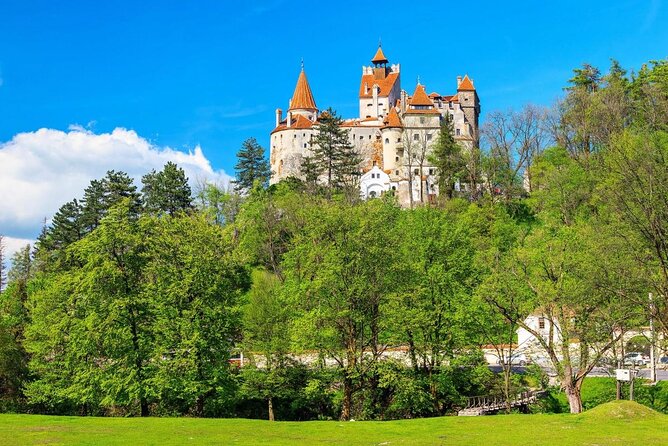
Bran Castle is the headline stop on day three, and the tour frames it with a practical approach: what’s real, what’s legend, and the actual story behind the fame. You’re there for about an hour, with admission included, which keeps it from turning into a long queue-and-stare slog.
Right after, you get contrast. Rasnov Citadel brings you to an 800-year-old fortress with garden and panoramic views. It’s not just another wall photo—fortresses work best when you see how they command the terrain.
Then comes something many Romania itineraries skip: Liberty Bear Sanctuary in Zărnești. You spend about two hours with admission included, and the tour focuses on the reality of the sanctuary setting, with 80 bears living in a forest area. It’s a nature-and-ethics stop that still feels like part of the countryside story, not an add-on.
Tip: if you hate rushing, keep your questions ready for George. Stops like these go smoother when you know what you want to learn and what you want to see.
Viscri and Saxon villages: church towers, village lanes, and real stays
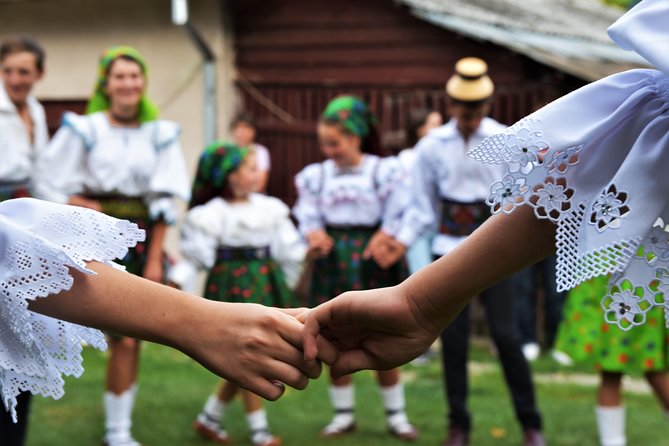
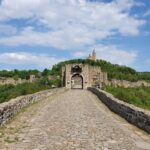
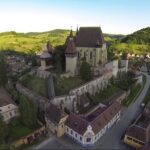
Day four shifts you to Viscri, a Saxon village with fortified church heritage and even a royal connection. You spend one night here, and the plan includes walking the village streets, visiting the fortified church, and eating traditional food.
The appeal of Saxon villages is how coherent they feel. Even when the landscape changes, the stone churches, fortified walls, and village layout create a repeating visual rhythm that makes the region easier to understand.
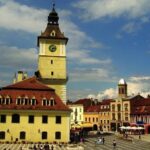
Day five and day six extend that theme in a big way. You visit Sighișoara, which is often treated as a medieval-time portal, with UNESCO World Heritage status and a planned visit of around three hours. Then you go deeper into remote heritage with a couple nights in the Mălâncrav area, staying in a traditional old Saxon house and visiting the fortified Lutheran church.
Later, you add more fortified church sites:
- Biertan Fortified Church (UNESCO), about an hour.
- Valea Viilor Fortified Church, a shorter stop.
- Alma Vii, a remote Saxon village with a traditional lunch included during the day’s time block.
Drawback to consider here: this part is packed with churches and fortifications. If you want total variety every hour, you may feel church fatigue. But if you enjoy how one style of community spreads across villages, it clicks fast.

Cluj to Maramureș: wooden churches and the Breb village base
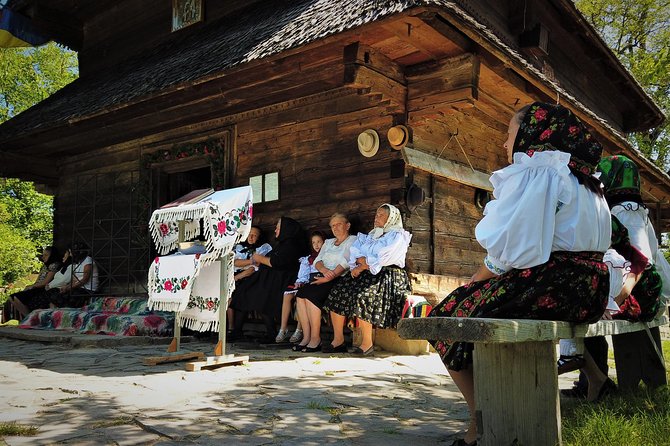
On the way north, you pause in Cluj-Napoca for a walking tour of the bigger Transylvanian city. It’s useful because it breaks the rhythm. After days of villages, a city stop gives context for services, markets, and how people actually live day to day.
Then you head into Maramureș, and the first heritage hit is a wooden church stop in Surdești. The tour highlights it as the first wooden church from Maramureș, and notes its impressive height. You also get a timed visit of about 45 minutes, which is about right for a stop like this.
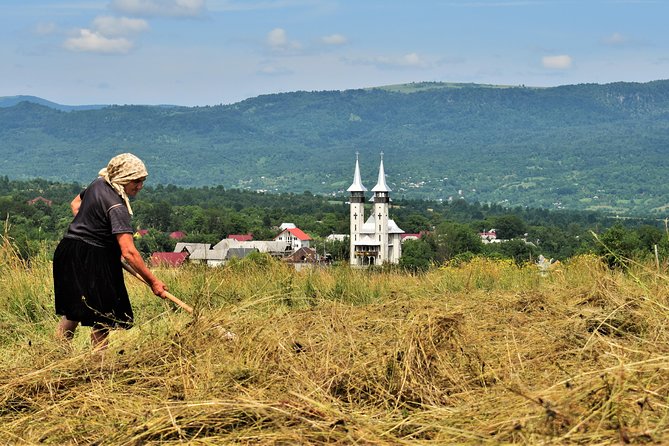
You then reach Breb, where you stay for four nights. This is the trip’s village anchor. Instead of constant hotel-hopping, you get time to walk the village, meet locals, and eat local food at a slower tempo.
I like this structure because it builds memory. You’re not only seeing places; you’re living near them long enough for the details to show up.
Merry Cemetery, Desesti wooden church, and Barsana Monastery
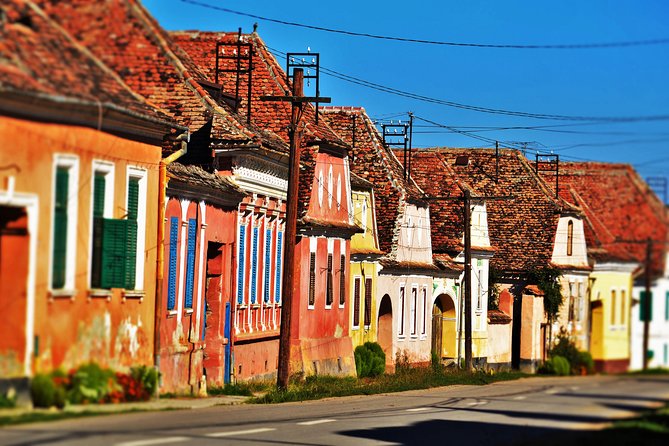
Day eight turns the tone toward culture and the Orthodox tradition. You visit Merry Cemetery in Săpânța, where you see a different perspective over death. The timing is short (about 30 minutes), but it’s the kind of stop that sticks because it challenges your expectations in a very human way.
After that, you visit Desesti, including the wooden church there, described as the best preserved in Maramureș and placed beside a beautiful cemetery. Admission is free for that specific church stop in the schedule.
Then you close the day at Barsana Monastery, one of the most famous Orthodox monasteries in Romania, with an admission-included visit around 45 minutes. This works well because it transitions you from folk symbolism (Merry Cemetery) to religious architecture and monastic life.
If you’re visiting in cooler months, your legs will likely feel it on this day. It’s not long on the calendar, but it’s emotionally and visually busy.
Mocănița steam train: the ride that makes the countryside real
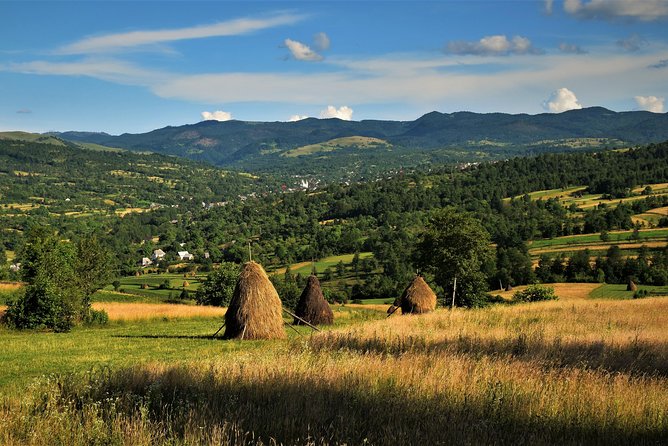
On day nine, you get a steam locomotive train ride on the Mocănița Maramureș line. The trip notes this as a great ride with old steam locomotives pulled by older engines, and you spend about six hours.
This is more than a transport moment. It’s a moving window into Maramureș, and it also gives you a break from constant walking and driving. When your schedule is full, a ride like this can feel like a reset.
Practical note: six hours is substantial. If you want frequent snack stops or lots of stretching breaks, plan to use stations and waiting moments as your pacing time.
A relaxed Breb day, then Rimetea and an ethnographic museum night
Day ten is a calmer one: a relaxed day in Breb, with time to walk and take in village life. This is a smart inclusion. After Maramureș heritage stops and the steam train day, you need breathing room to actually process what you’ve seen.
Day eleven changes landscapes with a drive to Rimetea, described as one of Romania’s most beautiful villages. You spend about eight hours total in this area and then add an ethnographic layer by visiting a museum (included) before you stay the night.
This is where the trip balances romance with understanding. Villages are pretty, sure. But ethnographic context helps you see what traditions were built for and how people preserved them.
Alba Iulia, Corvin Castle, Sibiu: history on bigger stages
Day twelve starts with Cetatea Alba Iulia, the Alba Iulia citadel. It’s framed as the most important historical site of Romania, with admission included and about two hours for your visit. If you’ve been learning about regional heritage, this gives you the national story spine.
Then you visit Castelul Corvinilor (Corvin Castle), described as Romania’s biggest Gothic castle, built in the 14 hundreds. This stop is about an hour and admission is included.
Finally you explore Sibiu, walking to major medieval attractions. Admission isn’t listed for the walking tour itself, and the time block is short (about an hour). Sibiu works best as a finishing taste: you get the medieval feel without exhausting your day.
If you’re the type who loves photos, this is a high-yield day. The caution is energy management; you’re switching between different history styles fast.
Transfăgărășan views: road trip by season, cable car when needed
Day thirteen is built around the Transfăgărășan Highway and mountain views. The tour handles it in a practical way based on the travel period: if you’re there from July 1 to October 31, you drive the road by car. If you travel outside that window, you take the cable car for views over the mountains.
This matters because it protects your expectations. You’re not just guessing whether you’ll get the famous road experience. You’ll get views either way, and the tour adapts.
You spend about six hours on this day, including the travel time and the stop experience. It’s one of the longer days on the calendar, so it’s worth conserving energy earlier in the morning.
Curtea de Argeș monastery and the return to Bucharest
On the final day, you stop at Curtea de Argeș Monastery with admission included. The church is described as 500 years old and likely the most beautiful Orthodox church in Romania, with a visit time around 45 minutes.
Then you return toward Bucharest. After castles, fortified churches, and long countryside travel, this monastery stop feels like a calm closing note—religious stonework, quieter pacing, and a clean end before your trip wraps.
If you’re buying souvenirs, the last day is often where you feel the most practical: you know what you want, and you’re done chasing the perfect photo angle.
Price and what this tour includes in real terms
At $4,585.57 per person, this isn’t a budget trip. But you also get a lot that’s expensive or hard to arrange on your own.
What’s built in:
- Private transport in an air-conditioned vehicle plus round-trip private transfer.
- Pickup and drop-off in Bucharest.
- Professional guide and tour escort/host, plus a driver/guide in the mix.
- Breakfast every day (15) and dinner on 12 evenings.
- Many stops with admission included, while some are free in the schedule.
- All taxes, fees, and handling charges, plus a mobile ticket.
Also, you’re paying for something intangible: someone to sequence the day, explain what you’re seeing, and keep the trip moving without the stress of planning. The reviews you provided give extra weight to this—George is praised as both an expert in Romanian history and as a calm driver who tailors the trip when needed.
If your goal is a fast overview of Transylvania and Maramureș with minimal logistics work, this price starts to make sense. If your goal is a slow travel style with lots of free time, you might feel like you’re paying to be scheduled.
Should you book this Transylvania and Maramureș countryside time machine?
Book it if you want a private, guide-driven itinerary that blends the headline castles with real regional culture. The village stays, wooden church heritage, Orthodox monastery stops, and the Mocănița steam train all give you variety without turning the trip chaotic.
Think twice if you dislike long driving days or if you want lots of free afternoons. This route packs a lot into two weeks, and even with breaks, it’s an active plan.
One last planning tip: when you book, line up your calendar with the note that some sights can be closed on Mondays and public holidays. Also check your travel month for the Transfăgărășan plan, since road access depends on season.
FAQ
How long is the tour?
The trip is listed as 14 days approximately, and the tour name states 15 days.
Where does the tour start, and what time?
It starts in Bucharest, with a start time of 9:00 am.
Is this a private tour?
Yes. It is a private tour, and only your group will participate. A minimum of 2 people per booking is required.
What meals are included?
Breakfast is included for 15 days, and dinner is included for 12 days.
Are entrance tickets included?
Many attractions include admissions as part of the schedule, while some stops are free. Photo fees are not included.
How does the tour handle the Transfăgărășan Highway?
If you travel between July 1 and October 31, you drive the road by car. In other periods, you take a cable car for mountain views.
Are any sights closed on certain days?
Some sights are closed on Mondays and on public holidays.
What if I need to cancel?
This experience is non-refundable and cannot be changed for any reason. If you cancel or request an amendment, the amount paid is not refunded.