REVIEW · BUCHAREST
Discover Transylvania: Peles, Bran, Sighisoara in 2 days
Book on GetYourGuide →Operated by Rolandia · Bookable on GetYourGuide
Some places in Romania feel like movies. This one strings together Peles, Bran, and Sighisoara in a tight 2-day loop that still leaves room for real wandering. I like that it mixes famous names with less-automatic stops like Sighisoara’s Clock Tower views and the Rupea fortress lookouts.
What really makes it work is the pace and support: small group size, private transport, and a guide you can ask questions to. One watch-out: the schedule is intense, and during July–October the plan may swap Rupea/Prejmer for the Transfagarasan road, which can be weather-dependent.
In This Review
- The best parts of this 2-day Transylvania push
- A fast, focused route through Transylvania’s highlights
- Small-group comfort with private transport (and why that matters)
- Day 1: Peles Castle in Sinaia, then Bran, then Brasov
- Dracula lore at Bran Castle: fun for myth lovers, better with context
- Overnight in Sighisoara: why staying overnight pays off
- Day 2: Sighisoara’s Clock Tower and the view that makes it click
- Rupea and Prejmer versus the Transfagarasan road
- Rolling into Bucharest at night: finishing with a clean handoff
- Price and value: what $695 includes in real terms
- Guides make the difference: the human touch behind the route
- What to pack and how to be comfortable
- Should you book this Transylvania tour?
- FAQ
- What is the duration of the tour?
- Where does the tour take place?
- What sights are included?
- Is accommodation included?
- Are entrance fees included?
- Are meals included?
- How big is the group?
- What languages are available for the guide?
- When is Transfagarasan Road available?
- Is free cancellation available?
- Is this tour suitable for wheelchair users?
The best parts of this 2-day Transylvania push
- Peles Castle in Sinaia: royal summer residence now turned into a national museum stop with serious wow-factor.
- Bran Castle’s Dracula energy: not Vlad’s real address, but perfect for the myth-and-mountains vibe.
- Brasov old town time: a chance to stroll historic streets after the castles.
- Sighisoara’s Clock Tower view: 64 meters tall, four floors, and a balcony that helps you understand the town’s layout.
- Rupea fortress or Transfagarasan road: either a hilltop fortress panorama or one of Romania’s most spectacular drives (season rules apply).
A fast, focused route through Transylvania’s highlights
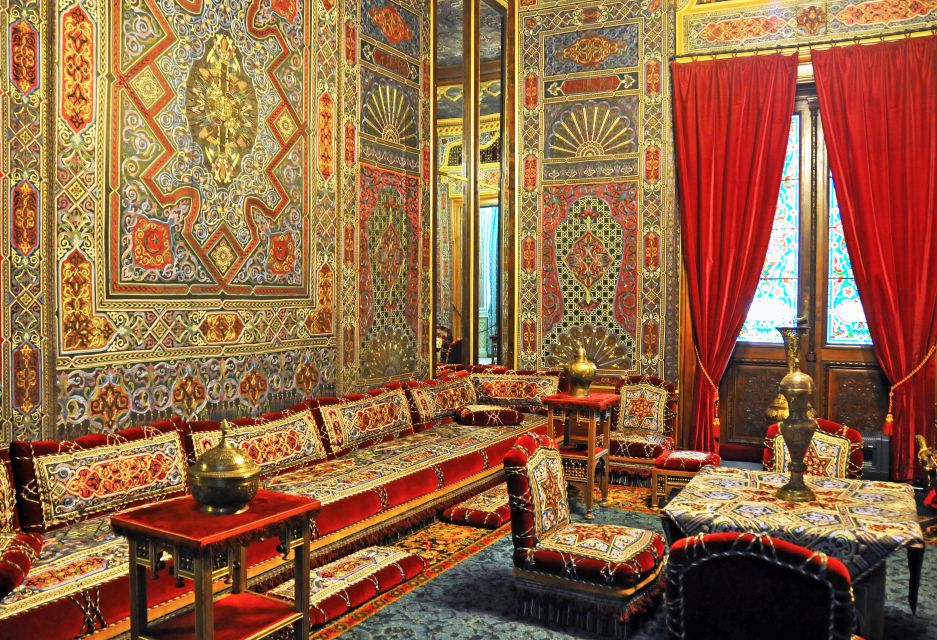
This is a classic “greatest hits” Transylvania itinerary, but it’s built sensibly. In two days, you get a spread of settings: palace-and-park grandeur at Peles, medieval legend at Bran, urban history in Brasov, and fortress-city life in Sighisoara. Then you either finish with more stone-and-views at Rupea and Prejmer or trade that for the dramatic Transfagarasan road, depending on the season.
You should like this tour if you want iconic sights without the stress of driving yourself. You should also like it if your idea of a good day includes asking questions and getting context, not just taking photos and moving on.
You can also read our reviews of more tours and experiences in Bucharest
Small-group comfort with private transport (and why that matters)
Limited to 14 participants, this tour stays in the “small group” zone instead of feeling like a moving crowd. You also get private transport in a modern car, minibus, or coach, plus hotel pickup and drop-off, which makes a huge difference in Romania where distances add up fast.
That private setup is also why you can handle timing. You’ll move efficiently between sights like Sinaia, Bran area stops, Brasov, and then on to Sighisoara for the overnight. With a group size like this, it’s easier to pause for viewpoints and regroup without turning every stop into a logistical puzzle.
Day 1: Peles Castle in Sinaia, then Bran, then Brasov
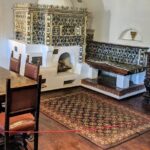
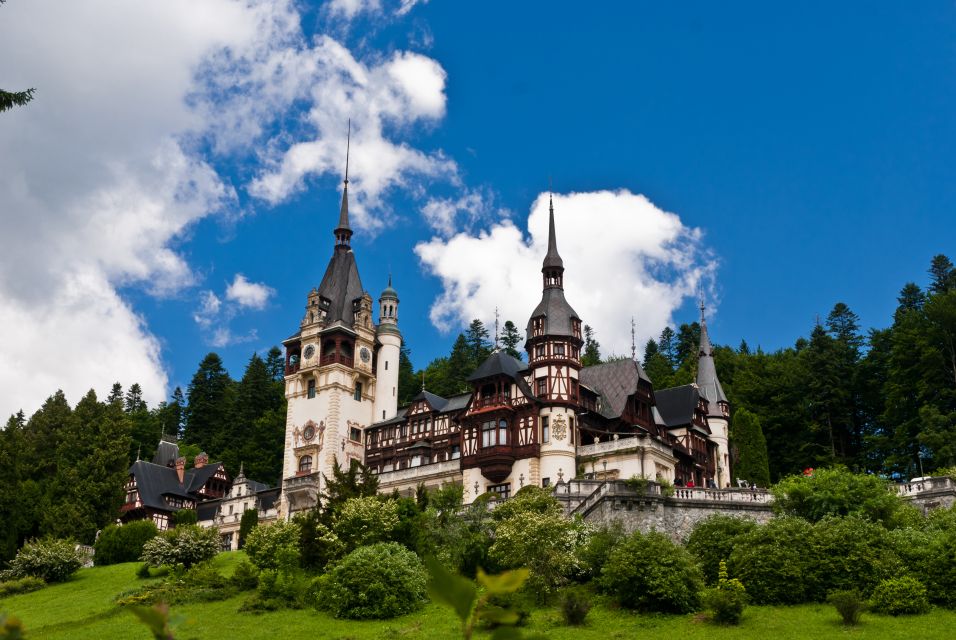
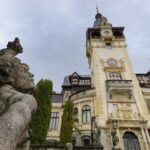
Your first day starts with the drive to Sinaia, where you visit Peles Castle. This isn’t just a pretty building on a hill. It was the summer residence of the Romanian Royal Family and is now the Peles National Museum, so you’ll see how monarchy, design, and everyday court life get translated into museum form.
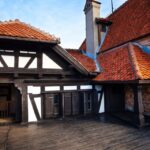
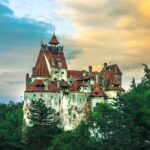
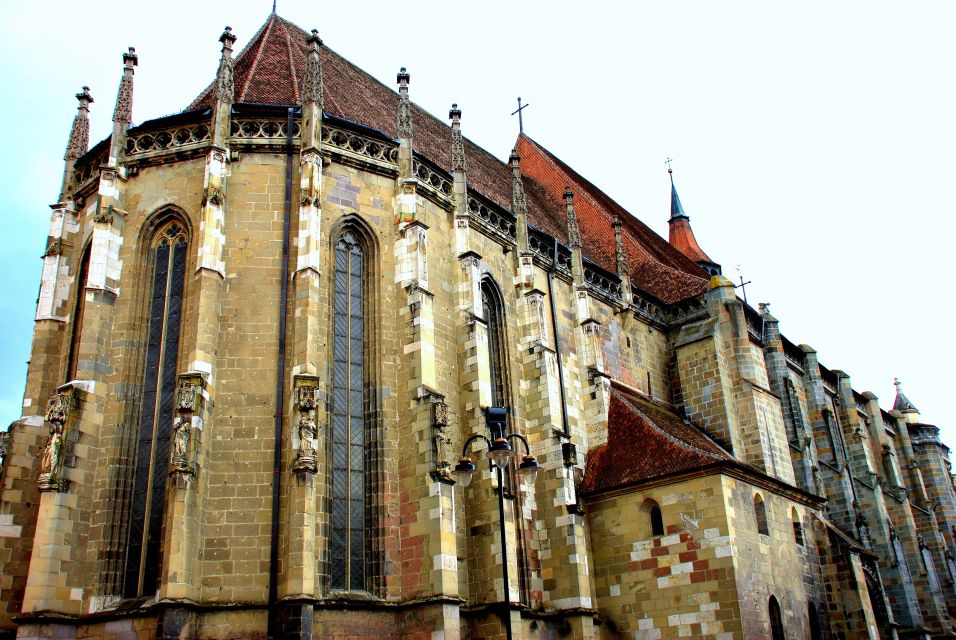
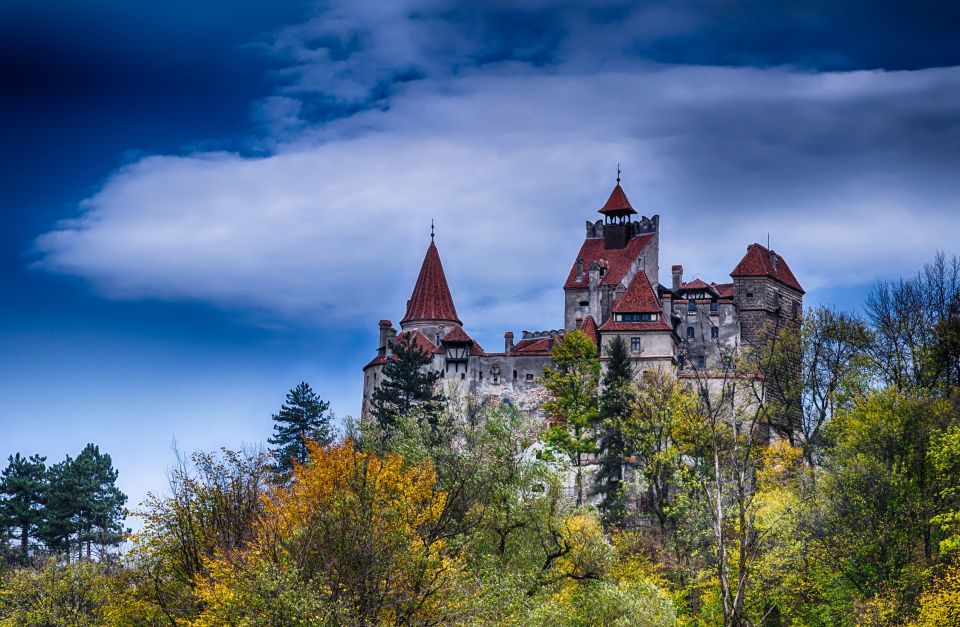
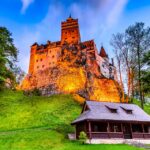
From there, you head to Bran Castle. Here’s the thing I appreciate: the tour does not pretend Bran is a direct historical link to Vlad the Impaler. Bran’s Dracula reputation is mostly popular lore, not a neat factual chain. That makes your visit more interesting, because you can treat it as cultural storytelling—how myths stick to places—and not as a documentary reenactment.
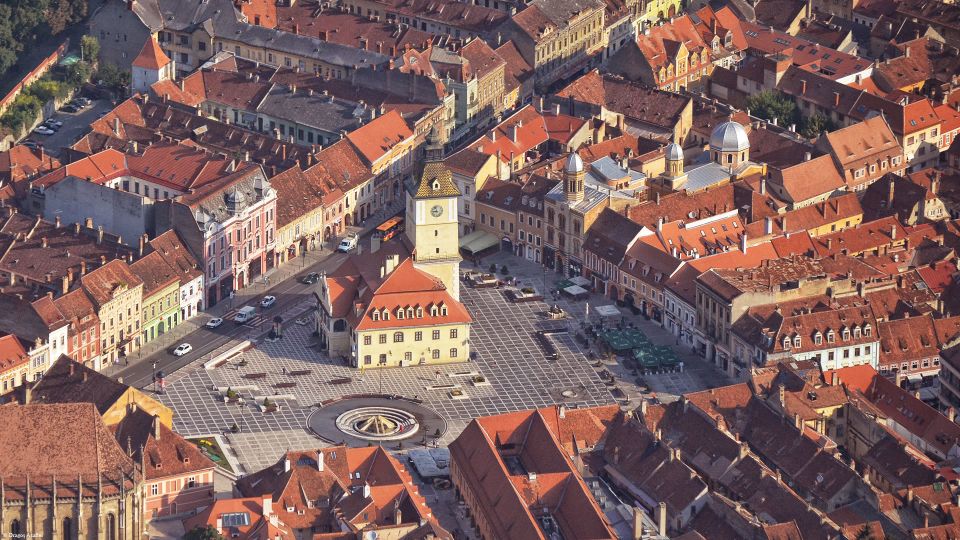
After lunch, you explore the historic center of Brasov. This is where the day balances out. Instead of more castles, you get a real town to wander—street scale, local energy, and the chance to slow down. It’s also a smart move after castle-heavy mornings. Brasov lets you mix architecture with small human details like shopfronts, courtyards, and side streets.
Practical tip: in castle towns, the best photos usually come after you walk 5–10 minutes away from the main crowd flow. Brasov is the kind of place where that simple tactic pays off.
Dracula lore at Bran Castle: fun for myth lovers, better with context
Bran Castle is famous for one reason: it shows up in Dracula discussions again and again. But if you’re expecting strict historical accuracy, you might feel the edges of the legend. The tour handles this in a helpful way by keeping the Dracula association in the spotlight while also flagging that Bran does not have a direct connection to Vlad the Impaler.
That blend works because it gives you two layers at once:
- a castle visit that stands on its own visuals and medieval setting
- a chance to learn how pop culture maps onto real geography
If you’re into storytelling, this stop can feel like stepping into the same atmosphere that made the legend travel far beyond Romania. If you’re strictly history-first, treat Bran like the myth’s stage rather than its origin point.
Overnight in Sighisoara: why staying overnight pays off
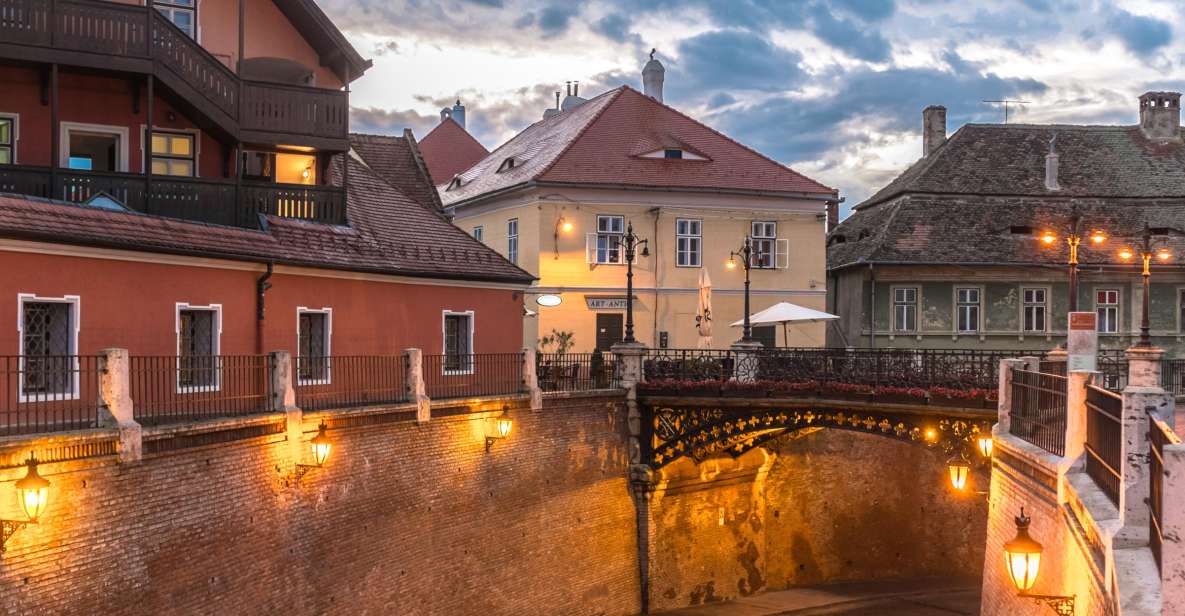
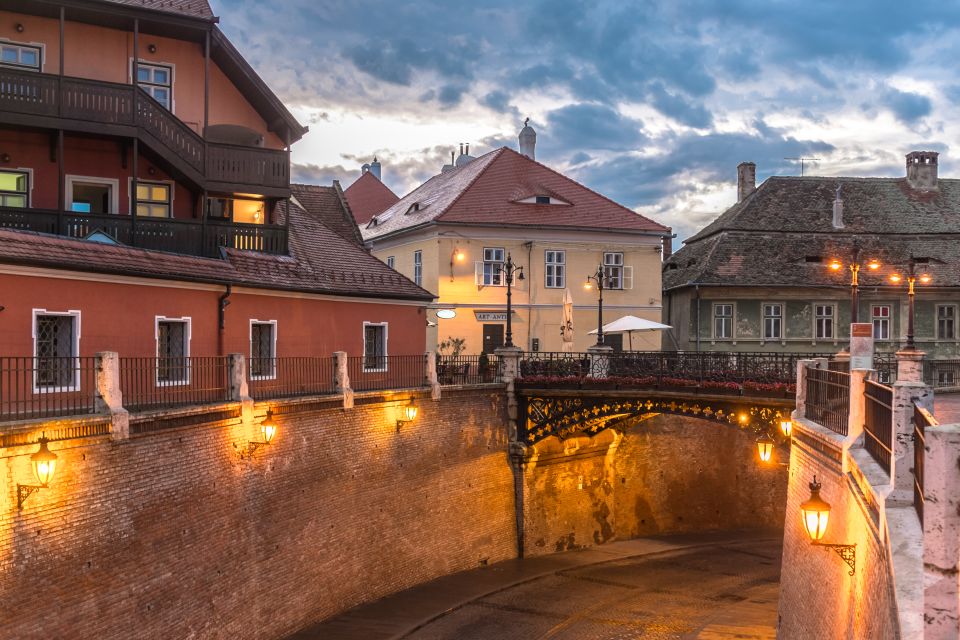
Instead of rushing through Sighisoara as a quick photo stop, you check in for the night so you can enjoy the city at the pace it deserves. An overnight is not just a comfort perk—it changes what you notice. With less hurry, you can look at how streets funnel toward the citadel core and how the town’s medieval shape affects walking routes.
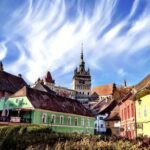
You’ll set yourself up for the next morning too. After breakfast, you start exploring Sighisoara as the only still-inhabited medieval fortress in Romania. That phrase matters because it hints at something you’ll feel right away: you’re not just touring a museum set. People live here, and the town layout was built for defense, daily life, and community all at once.

Day 2: Sighisoara’s Clock Tower and the view that makes it click
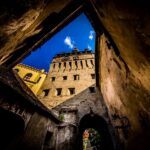
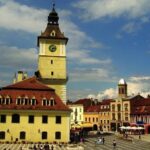
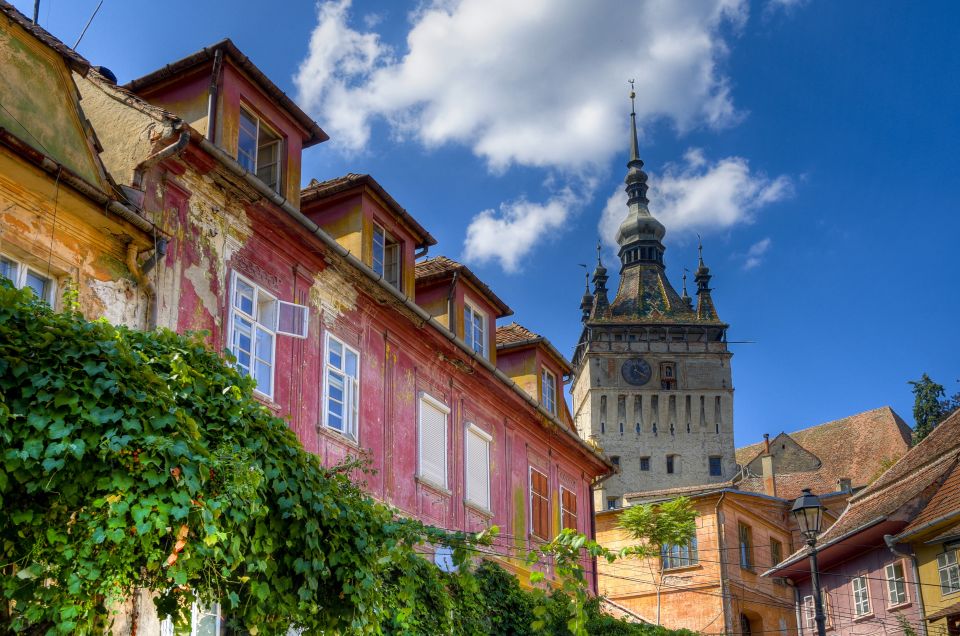
The highlight morning step is Sighisoara. One of the most memorable features is the Clock Tower, listed as 64 meters tall with four massive walls across four floors. Even if you don’t go full “I love towers” mode, the structure helps you understand the town’s medieval design logic.
From the balcony, you get a bird’s-eye view of Sighisoara. This is the kind of perspective that makes later sights make sense. From street level, fortress cities can feel like you’re wandering in circles. From above, you see why the routes and walls fall where they do.
The tower also helps break the day into a rhythm: you climb, look, then wander with your new mental map. It’s one of the few ways a short itinerary can still feel coherent instead of like a checklist.
Rupea and Prejmer versus the Transfagarasan road
Your second day ends with a fork in the road, and this is one of the biggest decision points in the whole tour.
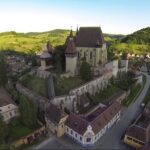
During the summer months (between July and October), Rupea Fortress and Prejmer Fortress can be replaced with Transfagarasan Road. If that’s your timing, you’ll go for the drive instead of the two fortress stops.
Here’s why it’s worth paying attention:
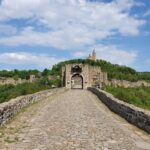
- Rupea Fortress: you get an amazing view over the surroundings. It’s a great “stand up and look” moment that connects you with the terrain.
- Prejmer Fortress: you still get fortress-focused time (it’s listed as a stop option in the plan), which fits the medieval theme strongly.
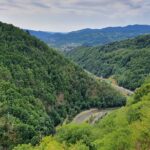
- Transfagarasan Road: noted as one of the world’s most spectacular routes, but it’s only open from the end of June to the end of October, and weather can affect access.
So if you book for mid-summer, you’re more likely to experience the dramatic scenery of Transfagarasan. If you book outside that window, you’re more likely to see Rupea and Prejmer instead. Either way, you end the trip with a strong finish: either fortress views or road views.
Practical note: road-trip days depend on conditions. If you’re the type who plans around weather, keep some mental flexibility for that final stretch.
Rolling into Bucharest at night: finishing with a clean handoff
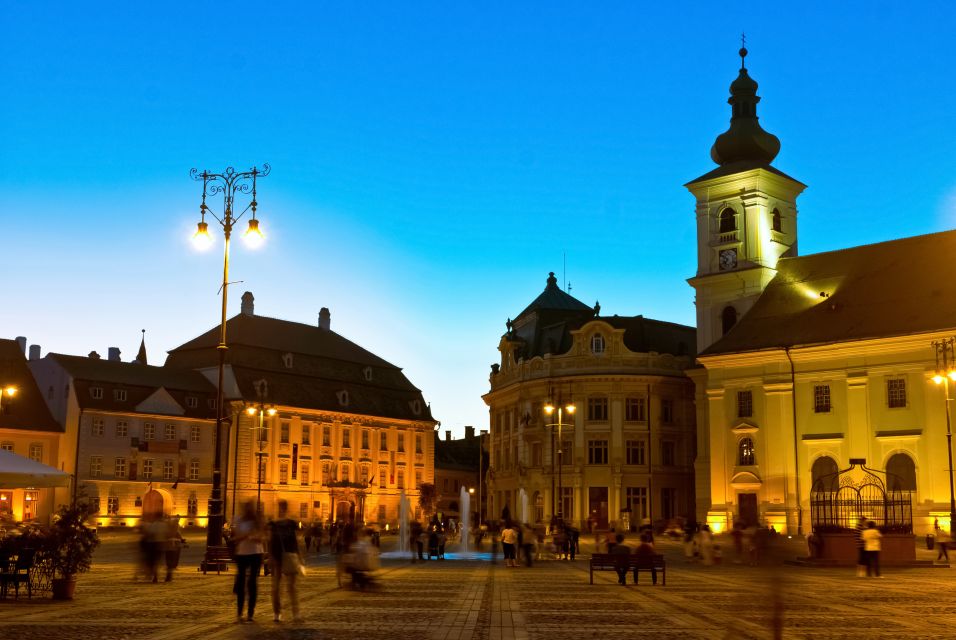
The tour concludes by reaching Bucharest at night. That’s useful because it sets you up for next-day plans without forcing you to turn the whole trip into a final-day marathon.
At this point, you’ve covered the major themes of Transylvania in two compact days: royal aesthetics at Peles, Dracula lore at Bran, urban medieval life in Brasov and Sighisoara, and either fortress viewpoints or road-based mountain drama.
Price and value: what $695 includes in real terms
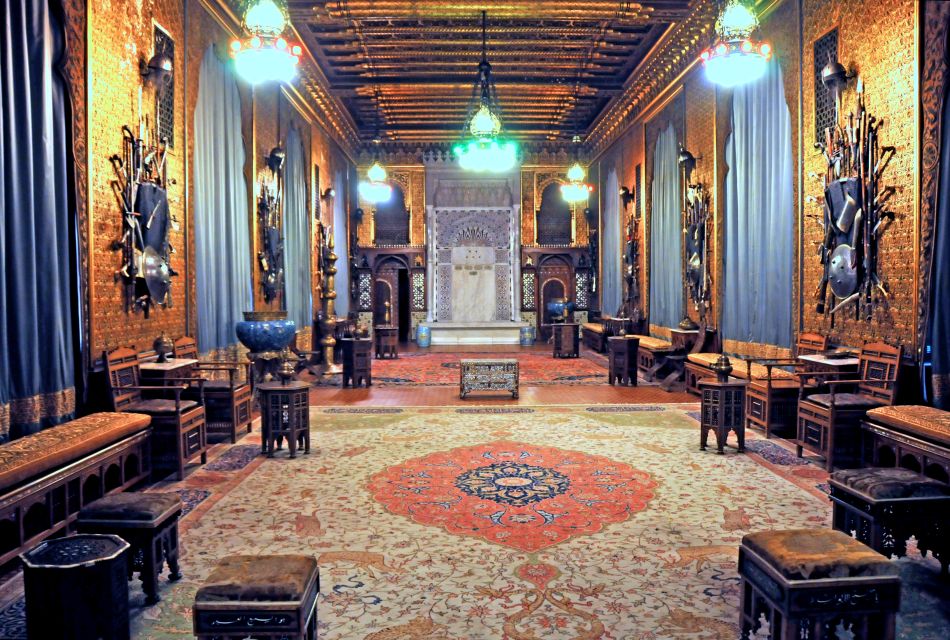
At $695 per person for 2 days, you’re paying for more than sightseeing. The price includes:
- entrance fees
- 1 night accommodation with breakfast in a centrally located hotel
- a private English-speaking guide
- private transport with a modern vehicle
- hotel pickup and drop-off
Not included: meals beyond what’s specifically mentioned (breakfast is covered via the hotel), alcoholic beverages, photography fees, and personal expenses.
So the value story isn’t just the castles. It’s the combination. If you tried to replicate this independently, the costs often shift into private guiding time, paid entry tickets across multiple sites, and transport between places that aren’t close together. Here, those components are bundled, and you’re buying a smooth route with someone steering the day.
Also, the group limit matters for value. A max of 14 participants means the “shared” part stays efficient instead of turning into mass-tour pacing.
Guides make the difference: the human touch behind the route
The guides are a real strength of this experience. From past tours, I’ve seen names like Catalin, Emil, and Marcel tied to excellent results—good English, clear explanations, and the ability to adapt to what people want to focus on.
That matters on a trip like this because Transylvania stories can go in two directions: pure folklore, or history-with-context. A good guide helps you find the right balance without turning the day into lectures.
If you like conversations, this setup is your friend. You can ask why places became famous, what’s myth, and what’s real—and get answers that stay practical rather than academic.
What to pack and how to be comfortable
This trip is built on walking and stairs, especially with tower viewpoints and fortress terrain. Wear comfortable shoes. Bring your passport or ID card.
A few other practical things to know:
- photography fees are not included, so if you plan to shoot inside attractions, assume there may be extra costs
- pets are not allowed
- it’s not suitable for people with mobility impairments or wheelchair users, since the stops involve uneven terrain and stairs
If you’re sensitive to long days, plan to keep your body fuel simple: good breakfast (included), water when available, and a relaxed mindset. This itinerary is full, but it’s full in a way that makes sense.
Should you book this Transylvania tour?
You should book if you want a high-value 2-day introduction to Transylvania’s biggest names and best “feel of place” stops, with private transport and a guide who can explain the mix of history and legend. It’s especially strong for first-timers who want Peles, Bran, and Sighisoara without navigating logistics.
You might skip it if you prefer long, slow stays in one town rather than a packed route, or if you need accessibility support. You’ll also want to check the season impact: July–October can trade Rupea/Prejmer for Transfagarasan, and that road depends on the opening window and conditions.
If your goal is to leave Romania with vivid memories and a coherent sense of medieval Transylvania, this plan hits the target.
FAQ
What is the duration of the tour?
The tour runs for 2 days.
Where does the tour take place?
It’s based around Sibiu County, Romania, with stops including Sinaia, Bran, Brasov, Sighisoara, and ends in Bucharest at night.
What sights are included?
The tour includes Peles Castle, Bran Castle, time in the historic center of Brasov, a tour of Sighisoara (including the Clock Tower), plus either Rupea and Prejmer or the Transfagarasan Road depending on the season.
Is accommodation included?
Yes. You get 1 night with breakfast in a centrally located hotel.
Are entrance fees included?
Yes. Entrance fees are included.
Are meals included?
Breakfast is included with your hotel stay. Other meals are not included unless specifically mentioned on the itinerary, and alcohol is not included.
How big is the group?
It’s a small group limited to 14 participants.
What languages are available for the guide?
The guide is available in English and Spanish.
When is Transfagarasan Road available?
It’s only open from the end of June to the end of October, and it can depend on weather conditions. During July–October, Rupea/Prejmer may be replaced by the Transfagarasan road.
Is free cancellation available?
Yes. You can cancel up to 24 hours in advance for a full refund.
Is this tour suitable for wheelchair users?
No. It is not suitable for people with mobility impairments and wheelchair users. Pets are also not allowed.