REVIEW · BUCHAREST
2 Days – Private Tour to Transylvania – Brașov, Sighișoara, Sibiu
Book on Viator →Operated by Supplier · Bookable on Viator
Transylvania is the kind of trip you can’t really do justice with a quick stop. This private 2-day route uses dedicated transport so you can see major sights without feeling like you’re constantly sprinting between towns. I especially love the plan for UNESCO medieval centers in Sighișoara and Sibiu, plus the chance to pair them with two big castles. The main drawback to plan around is simple: entrance fees and meals are not included, and this itinerary is packed enough that you’ll spend a lot of time on the road.
What makes it work well in practice is the human side. An English-speaking guide (people like George, Laura, Sebastian, Catalin, and Mircea are specifically mentioned) keeps the history clear and the day moving, while the private driver handles the logistics in an air-conditioned vehicle. If your travel days hit a Monday or Tuesday, remember Peleș Castle is closed and you’ll visit the outer courtyard instead.
In This Review
- Key Points at a Glance
- Private Transylvania Route: Why Two Days Feels Just Right
- Peleș Castle in Sinaia: Royal Luxury With Real-World Technology
- Bran Castle and the Dracula Myth Check
- Brașov Historical Center: A Medieval City That Kept Moving
- Sighișoara Citadel: UNESCO Streets You Can Still Live On
- Sibiu’s Old Town: Guild Wealth, Fortress Walls, and Two Big Squares
- Cozia Monastery Near the Olt River: A Calm Orthodox Pause
- Price and Value: What $431.35 Covers (and What It Doesn’t)
- How the Guides Make or Break a Private Tour
- Pacing and Practical Comfort: What to Expect Day to Day
- Who This Tour Fits Best
- Should You Book This 2-Day Private Transylvania Tour?
Key Points at a Glance
- Time-saving private transport to cover multiple towns in 2 days without the DIY headache
- Peleș Castle details like royal-era tech (including the first European castle electricity claims) and art-filled rooms
- Bran Castle myth-busting that separates Bram Stoker’s fiction from the real history
- Sighișoara Citadel UNESCO with Saxon medieval streets that stay inhabited
- Flexible guiding style shown in reviews, from rerouting when needed to adding special stops if time allows
Private Transylvania Route: Why Two Days Feels Just Right
This is a tour built for people who want more than just Dracula-photo energy. In two days, you cover castle-country, then switch gears into German-influenced medieval towns that feel different from the capital. The big value is the private pacing: you’re not stuck with a bus schedule that forces you to rush.
You start in Bucharest with hotel pickup and end with drop-off on both days. Between stops, you ride in an air-conditioned vehicle with a professional driver, which matters in Romania because road time adds up when you’re trying to see a lot.
Here’s how I’d frame it: if you want castles plus medieval cities in a short window, this route is efficient. If you want slow travel with lots of free time and long meals, you may feel the pace.
You can also read our reviews of more private tours in Bucharest

Peleș Castle in Sinaia: Royal Luxury With Real-World Technology
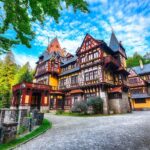
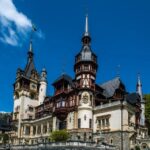
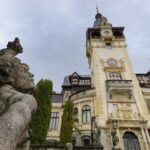
Peleș Castle is the kind of sight that makes you lower your voice without meaning to. Set at the foot of the Bucegi Mountains in Sinaia, it’s often described as one of Europe’s most stunning castles, and the building style is notably elegant—German new-Renaissance architecture commissioned by King Carol I.
What I like most is that Peleș isn’t just a pretty façade. The castle opened as a royal summer residence from 1883 and ran until 1947, and the place is packed with specifics: 160 rooms, Murano crystal chandeliers, German stained-glass windows, and even Cordoba leather-covered walls. You can also hear the practical side of “royal” here: the castle is credited as the first European castle to have electricity, with its own power plant. It also reportedly had hot and cold running water, central heat, and a central vacuum system.
A key practical note: the tour includes the experience of going there, but the admission fee is not included. You should budget 100 RON (about €20) per person. Also, on Mondays and Tuesdays, Peleș Castle is closed, and the tour visits the outer courtyard instead. That matters, because for some visitors the interior is the whole point.
Bran Castle and the Dracula Myth Check
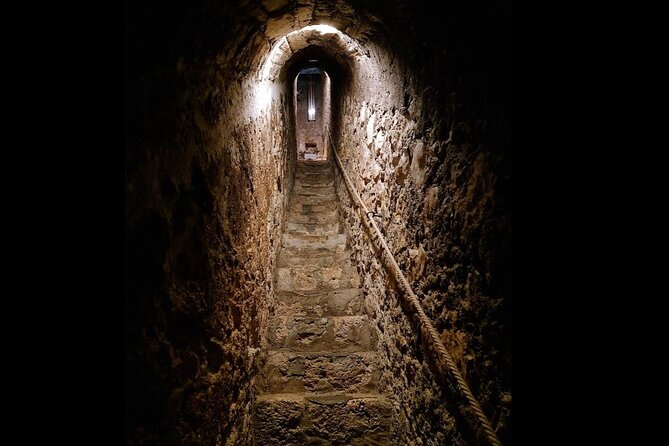
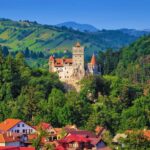
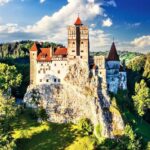
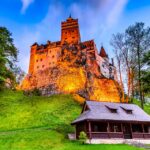
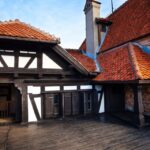
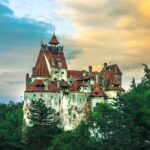
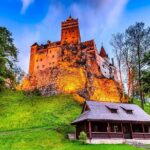
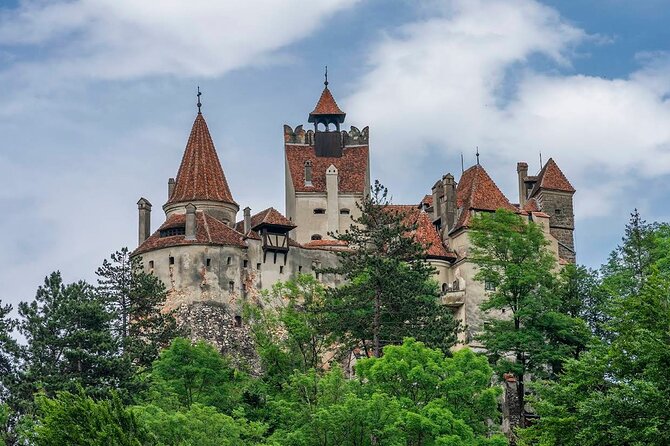
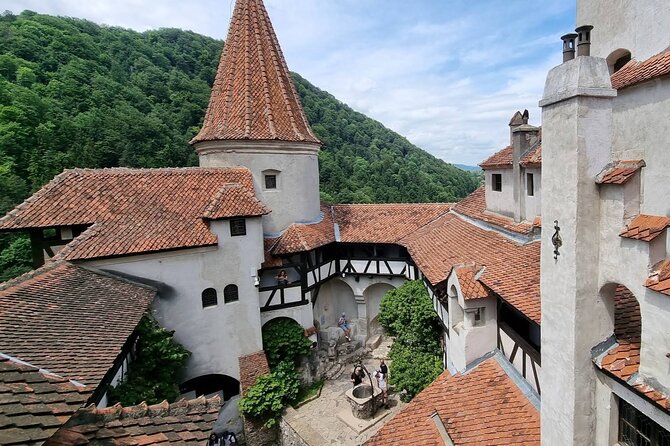
Bran Castle is where pop culture takes the mic. Outside Romania, it’s commonly called Dracula’s Castle, and it gets tied to Bram Stoker’s Dracula. But the tour also gives you the more honest version: there’s no evidence Stoker knew about Bran Castle, and the fictional castle description doesn’t match Bran’s real look. If you’re tired of Dracula lore that ignores facts, you’ll appreciate this framing.
Still, Bran has its own attraction even if you view it as a legend site, not an origin-story site. It’s a castle built for drama—views, walls, and the sense of medieval theater. You’ll want to treat it like a mix of history and mythology rather than a documentary.
Entrance fees are also not included for Bran. Budget 150 RON (about €30) per person. If you’re cost-conscious, plan your total day spend early so you don’t get surprised at ticket time.
Brașov Historical Center: A Medieval City That Kept Moving
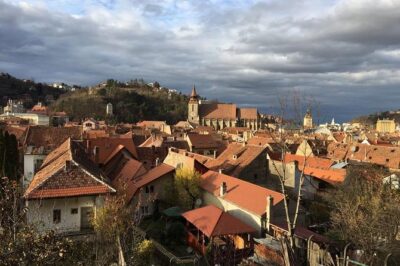
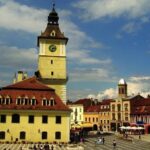
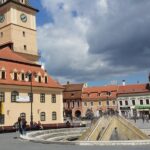
Brașov is one of those Romanian cities where the past isn’t trapped behind ropes. You get architecture and old-town structure, plus the feeling of a working city with layers. The tour time here is built for a real walk through the center, not just a quick photo stop.
What I like is how the story includes both deep medieval roots and more recent political history. For centuries, Brașov was a key commercial center and industrial hub during communism, and its name changed for ten years to Stalin City. That’s the kind of detail you don’t expect in a castle-and-Dracula itinerary, and it gives the town more dimension.
There’s no entrance fee listed for the historical center stop, which helps you keep costs under control. You still pay for your time with tickets where required (like the castles), but this portion is mostly about walking, viewpoints, and street-level city texture.
Sighișoara Citadel: UNESCO Streets You Can Still Live On
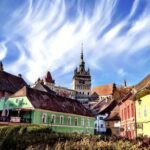
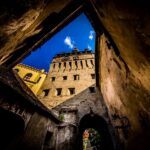
Day 2’s first stop is Sighișoara Citadel, and it’s special for a simple reason: it’s not a dead museum site. This medieval citadel was built in the 12th century by Saxon settlers and is still inhabited. In 1999, it became a UNESCO World Heritage Site, recognized for about 850 years of evidence of Transylvanian Saxon history and culture.
If you care about what medieval Europe felt like beyond postcards, Sighișoara does a good job. The tour notes the birthplace of Vlad III the Impaler (often tied to Dracula), and the town keeps medieval energy alive with festivals that blend arts and crafts and performances. It also has a “border feeling”—it’s described as marking the upper boundary of the Land of Sachsen.
One thing I’d suggest for your planning: Sighișoara can reward curiosity. If you want a more specific angle—craft traditions, religious heritage, even Jewish history—ask your guide. In reviews, guides such as Alin are mentioned as arranging a synagogue visit and a Jewish cemetery stop in Sighișoara. That kind of tailoring isn’t guaranteed, but private guiding makes it more possible than on a fixed group tour.
You can also read our reviews of more tours and experiences in Bucharest
Sibiu’s Old Town: Guild Wealth, Fortress Walls, and Two Big Squares
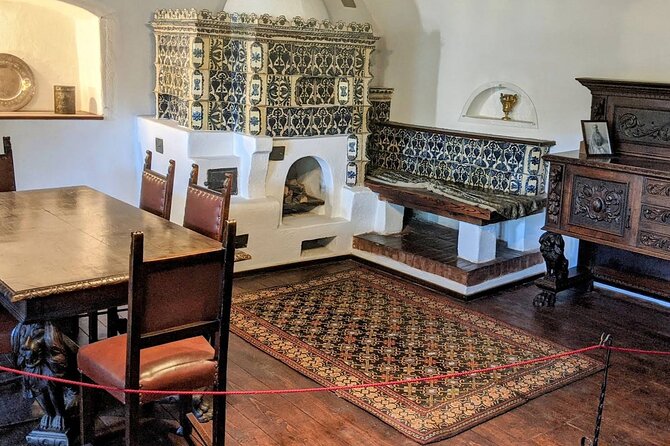
After Sighișoara, you head to Sibiu, another Saxon-founded medieval citadel with a distinctly Germanic atmosphere. The tour highlights Sibiu as the largest and wealthiest of the seven walled citadels (Siebenburgen), built starting in the 12th century by Transylvanian Saxons.
What makes Sibiu feel different is the way the city’s money shows up in its structure. The guild riches helped pay for impressive buildings and the fortifications needed to protect them. So when you see walls, streets, and squares, you can understand them as practical power—not just decoration.
Sibiu’s old town still has sections of the medieval wall, and you’ll notice the street layout right away: narrow lanes, steep-roofed buildings with gable overhangs, and then sudden openings into major church-dominated squares. The tour time focuses on major areas like Great Square and Little Square.
Sibiu’s stop lists no entrance fee for the old town wandering, which makes it a good return on time. You get a lot of visual payback without extra ticket costs.
Cozia Monastery Near the Olt River: A Calm Orthodox Pause
Most two-day castle tours skip the spiritual side. This one adds Cozia Monastery, a historic Eastern Orthodox site near the Olt River. The short stop is only about 30 minutes, so you’re not looking at a long detour, but it still changes the tone of the trip.
Cozia is known as one of the most important and well-preserved medieval religious sites in Romania. It was founded in 1388 by Mircea the Elder (Mircea cel Bătrân), with Byzantine-style church architecture and Romanian influences. The church features stone carvings and frescoes, with some dating to the 14th and 18th centuries.
There’s also a strong “who’s tied to who” element: Mircea the Elder is buried there, and he’s described as the grandfather of Vlad the Impaler. The monastery has served as a cultural and religious center for centuries and is still active today, also drawing pilgrims.
The good news for budgets: admission is listed as free, and the stop is short. It’s a nice reset before you continue onward.
Price and Value: What $431.35 Covers (and What It Doesn’t)
At $431.35 per person for two days, the price is best seen as a package deal: private transport from Bucharest, hotel pickup and drop-off both days, and a professional English-speaking guide. In plain terms, you’re paying for reduced friction and more time at sights.
Here’s where you should be mentally prepared. Entrance fees are not included for Peleș and Bran, and meals are not included. The tour data gives you these castle budgets:
- Peleș Castle: 100 RON (about €20) per person
- Bran Castle: 150 RON (about €30) per person
Accommodation also isn’t included. The tour suggests Central Park Hotel in Sighișoara and lists accommodation at about €50 per person (based on the info provided). That helps you estimate the full cost if you’re planning from scratch.
Is this expensive? It’s not a bargain tour, but it’s also not just paying for sightseeing. You’re paying for door-to-door organization, a driver who knows how to keep things moving, and a guide who can explain what you’re looking at. If you’d otherwise try to DIY these towns by train and taxis, the private transport piece can feel like real money well spent.
Two quick value checks for you:
- If you want castles plus medieval cities and you’re short on time, this plan often beats slow DIY.
- If you only care about one castle, this may feel like paying for more than you need.
How the Guides Make or Break a Private Tour
This is where the reviews have a consistent theme: guides who adjust and communicate well. People named George are cited for punctual hotel pickup and professional handling, including adding extras like a bear sanctuary if time allows. Laura is praised for teaching a lot about Romania and customizing portions. Sebastian is mentioned for rerouting when a planned Peleș visit was closed, and for immediate ticket adjustments in that situation.
Then there’s Catalin, who is described as careful, punctual, and strong on history, culture, architecture, and cuisine. Mircea is credited for taking care of details and keeping the trip smooth, with an emphasis on time. Alin is highlighted for going beyond the signed plan with a synagogue and Jewish cemetery visit in Sighișoara, plus helping with practical stops like a supermarket run.
None of this means every guide will do the same extras every time. But it does point to a real advantage of private guiding: if you care about a specific angle, you can ask. If you don’t ask, you’ll get the standard route—still strong, just less tailored.
Pacing and Practical Comfort: What to Expect Day to Day
This itinerary is built around a clear rhythm:
- Day 1: Peleș, then Bran, then a walkable Brașov center
- Day 2: Sighișoara citadel, Sibiu old town, then a quick spiritual stop at Cozia Monastery
Two days is the main constraint. You’ll likely feel the “see a lot, move a lot” tempo. The good part is that the tour uses private transport and a professional driver, so the fatigue is managed better than DIY.
Also note that you get confirmation at booking and a mobile ticket, which reduces last-minute hassle. If you’re sensitive to timing changes, it’s smart to keep flexibility in your schedule for castle days, since the tour notes Peleș closure on Mondays and Tuesdays.
Who This Tour Fits Best
This tour is a strong match for:
- First-time visitors who want Transylvania highlights without complicated logistics
- People who like guided explanations but still want time to look around on foot
- Anyone who cares about medieval Saxon culture in Sighișoara and Sibiu, not just Dracula-themed stops
It may not be ideal if:
- You hate schedules and want hours of free time in each place
- You’re only interested in Bran or only interested in one castle (this route includes multiple major sites)
- You can’t or don’t want to budget for entrance fees and meals
Should You Book This 2-Day Private Transylvania Tour?
If your goal is to get a real taste of Transylvania in a short window, I’d say yes, book it. The value comes from the private transport setup, the English-speaking guide, and the smart mix of castles plus two UNESCO medieval towns that feel alive rather than staged.
Book it especially if you want more than Dracula pictures. The myth-checking at Bran, the royal tech talk at Peleș, and the Saxon-influenced city feel in Sighișoara and Sibiu give you variety in just two days.
I’d think twice if you’re traveling on a Monday or Tuesday and Peleș interior matters to you—outer courtyard is the alternative there. If that’s your situation, ask the operator how they handle timing for your specific dates.
If you want an efficient, guided, and genuinely rewarding Transylvania sampler, this private 2-day plan is the kind of trip that pays you back fast.