REVIEW · BUCHAREST
Eastern Orthodox Church Art in Bucharest
Book on GetYourGuide →Operated by Bucharest Break · Bookable on GetYourGuide
Six churches in one short walk.
This Eastern Orthodox church art tour is the best kind of time-saver: you get Byzantine-style frescoes and Orthodox church details without hunting them down yourself. I really like how the route takes you through the Wallachian Middle Ages feel of central Bucharest, then ties each church to what you’re seeing on the walls. The main drawback is simple: every stop is an active place of worship, so you need modest behavior and dress from start to finish.
The guide focus is also a strong point. The name Helen (and sometimes Elena) comes up in feedback, and the best part is how seriously they take art interpretation, while still staying human and flexible with the group. One thing to consider if you’re easily put off by religious conversation: this is not a neutral, museum-only setting, so go in with respect for Orthodox practices rather than debate-mode.
Finally, this is a practical 2.5-hour format. You’ll see several churches, learn the visual language behind the iconography, and still have the option to grab a coffee afterward since no food is served on the tour. Bring comfortable shoes and plan on being on your feet.
In This Review
- Key highlights you’ll feel fast
- Why this Bucharest Orthodox art route works so well
- Meeting point: Anton icon shop and the first taste of the tradition
- Saint Anton Church: looking at church painting like a story
- Saint George Km0 Church on Lipscani Street
- Saint Elijah and the Lady’s Church: two ways to see Orthodox art
- Stavropoleos Monastery and the final church stops: art styles that keep changing
- Price and value: what $57 buys you in 2.5 hours
- What to wear, how to behave, and what to bring
- Is the guide a big deal? Yes, and the feedback points to why
- Should you book this Eastern Orthodox church art tour in Bucharest?
- FAQ
- How long is the Eastern Orthodox Church Art tour in Bucharest?
- Where do I meet the guide?
- How big is the group?
- What languages is the live guide available in?
- Which churches are included in the tour?
- Is food or drinks included?
- What should I wear or bring?
- Can I cancel for a refund?
Key highlights you’ll feel fast
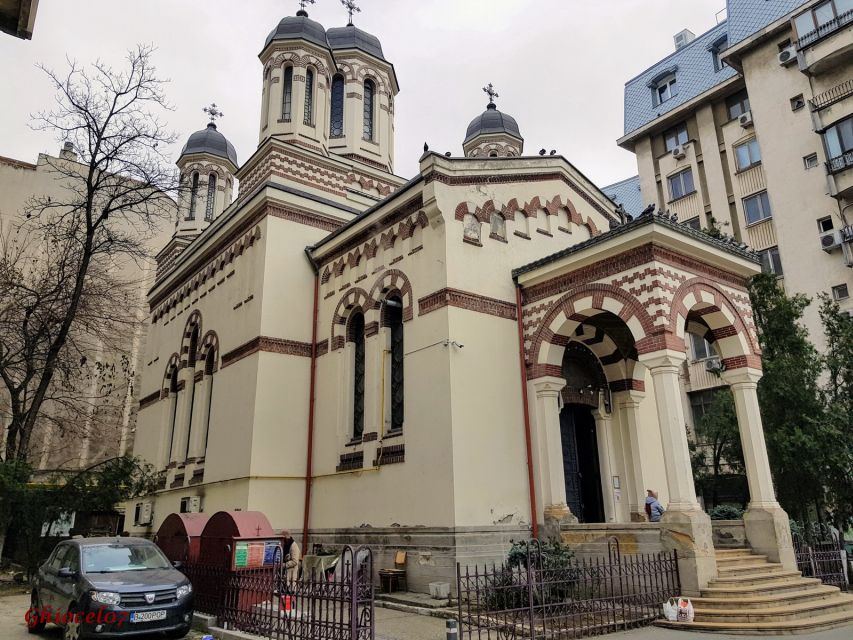
- Wallachian Middle Ages vibe in the route: the churches aren’t random stops; the walk strings together a story.
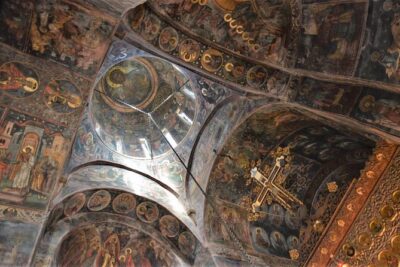
- Byzantine + Orthodox art in context: frescoes and church painting style get explained as you go.
- Active worship spaces: you’re looking at living tradition, not staged history.
- Small-group pacing (up to 10): the guide can slow down where details matter.
- Icon shop moment near the start: you’ll be near an icon shop right at the meeting point.
Why this Bucharest Orthodox art route works so well
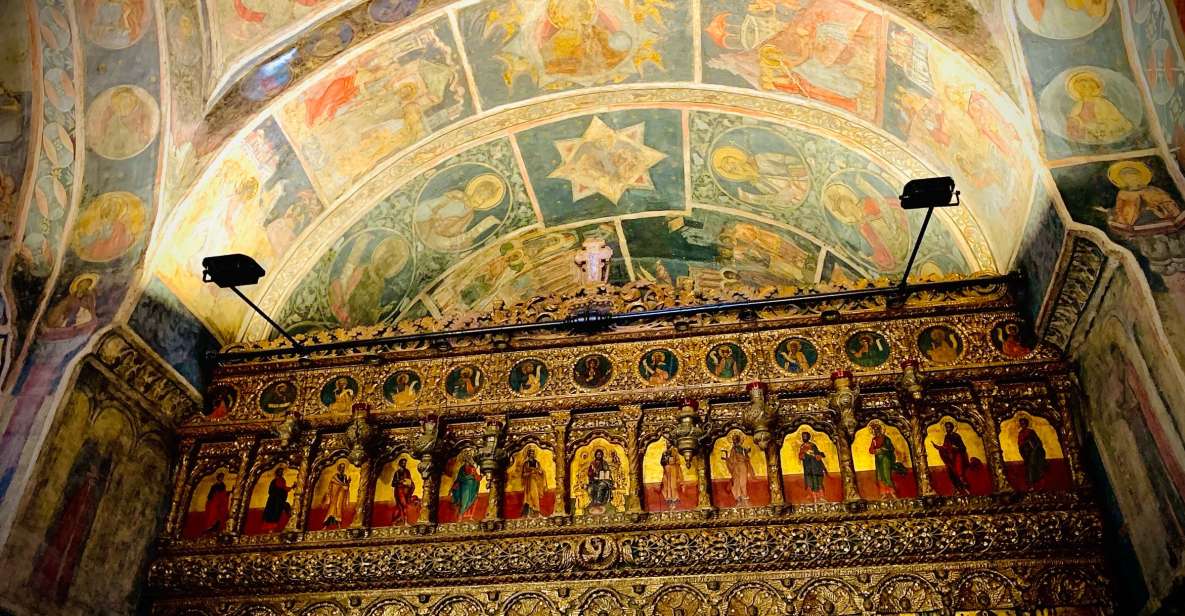
Bucharest has plenty of churches, but this tour avoids the common trap: staring at beautiful walls without knowing what you’re looking at. Instead, you move from one Orthodox site to the next and gradually build a mental map of the symbols, painting conventions, and church layout cues that make Eastern Orthodox art feel so direct.
You’re also saving energy. Instead of planning six separate visits—each with its own opening hours and the risk of walking past the wrong entrance—you get a tight 2.5-hour loop that keeps you close to the action. That short duration matters if you only have a day in town, or if you want a culture block that doesn’t turn into a half-day slog.
The other big reason I like this format: it treats the art as part of everyday life. Because the churches are active, you’ll get a clearer sense of why icon painting and fresco cycles are more than decoration. They function like visual teaching—stories you can read with your eyes, prayers you can feel without needing a guidebook in your lap.
One note for your expectations: you should be ready for modest, quiet behavior. It’s not strict theater, but you are stepping into a working religious environment.
You can also read our reviews of more tours and experiences in Bucharest.
Meeting point: Anton icon shop and the first taste of the tradition
You start in front of the Anton icon shop. That detail matters. Before you even reach your first church, you’re already in the commercial and devotional world that surrounds Orthodox icons—this is not a purely academic outing.
From the beginning, the tour is set up like a guided art walk, not a lecture. You’ll likely get a short orientation so you know what to notice as you enter each church: where the frescoes are placed, how the figures are arranged, and what the church painting style is trying to communicate.
And because the meeting point is right there by an icon shop, you’re also in a good position if you want to buy something small later. A couple of people in feedback described how the guide made time for icon shopping, especially when the group was tiny. Even if you don’t plan to buy, it’s a useful anchor point for understanding how icons fit into the local rhythm.
Practical tip: arrive a few minutes early. Orthodox churches can have moments when entrances feel limited, and you’ll want time to settle in without rushing.
Saint Anton Church: looking at church painting like a story
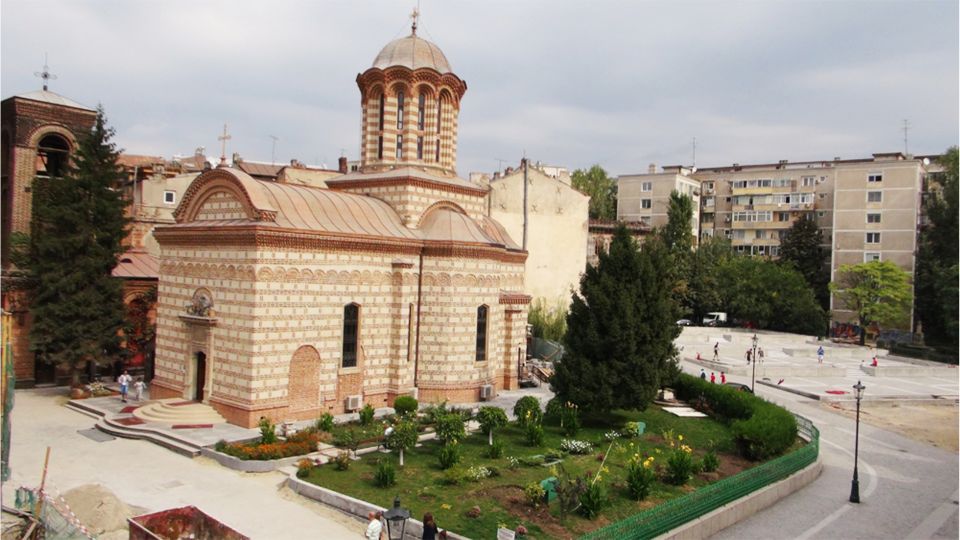
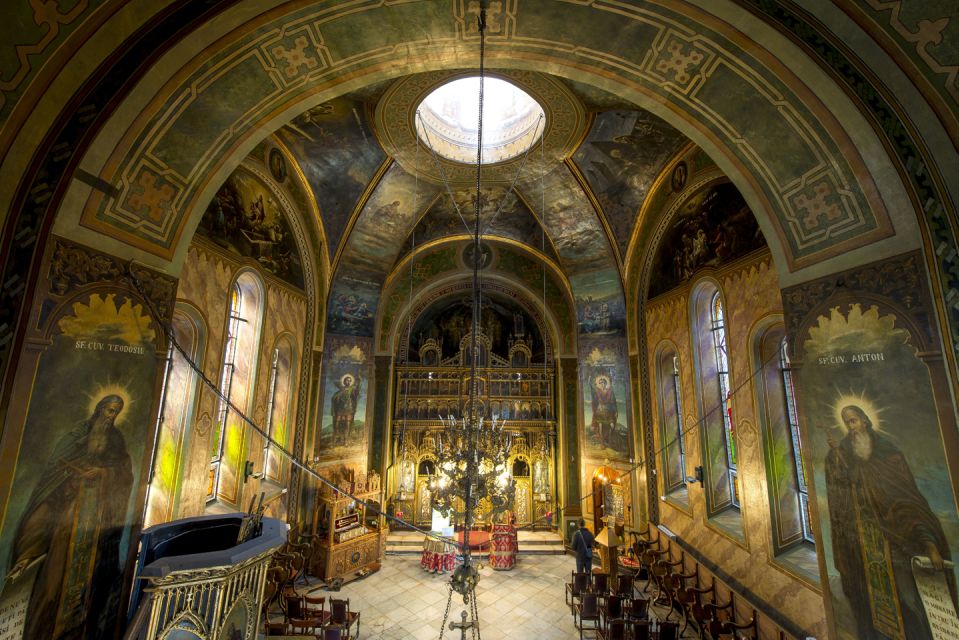
Your first stop is Saint Anton Church, near the Old Princely Court. This is a strong “start big” choice because it immediately places you in the Wallachian historical atmosphere. From there, you can connect the visual style of Orthodox art to the wider idea of how communities expressed faith across centuries.
What I like about starting here is that you get your eye trained early. Your guide will point out what makes Eastern Orthodox fresco and church painting distinct—how figures are depicted, how space is organized, and how the overall composition is meant to guide attention.
This is also where you learn the tour’s main theme: Orthodox church art isn’t random. It’s intentional placement, intentional symbolism, and intentional continuity. When you understand that, every later church stop becomes easier and more rewarding because you’re reading patterns rather than guessing.
Drawback to keep in mind: because it’s an active church, you won’t be viewing like a ticketed museum guest. You’ll need to keep your voice down, follow any guidance about where to stand, and dress and behave modestly.
Saint George Km0 Church on Lipscani Street
After Saint Anton, you head along Lipscani street to Saint George, known as Saint George Km0 Church. This part of the tour gives you the best of two worlds: city energy on the walk, then a slow art moment once you’re inside.
The highlight here is a fresco made by one of Romania’s greatest church painters. Even without needing the artist’s name memorized, you’ll get something practical out of the explanation: why the painting style feels recognizable, what details carry meaning, and how fresco work interacts with the church architecture.
What you’ll love in this stop is the contrast. You’re leaving a lively street scene and stepping into painted narrative. Lipscani helps you feel where the church sits within modern Bucharest, while the fresco helps you feel how old religious art still anchors everyday space.
One consideration: since you’re walking from stop to stop, keep an eye on your time. Lipscani is busy, and you’ll want comfortable shoes to move between entrances and any narrow sections.
Saint Elijah and the Lady’s Church: two ways to see Orthodox art
Next you’ll visit Saint Elijah, described as an Orthodox basilica and one of two in the city. This is a great stop if you like architecture as much as art. Basilicas tend to communicate their religious purpose through layout and rhythm, and that shows up in how frescoes and icons are experienced from different angles.
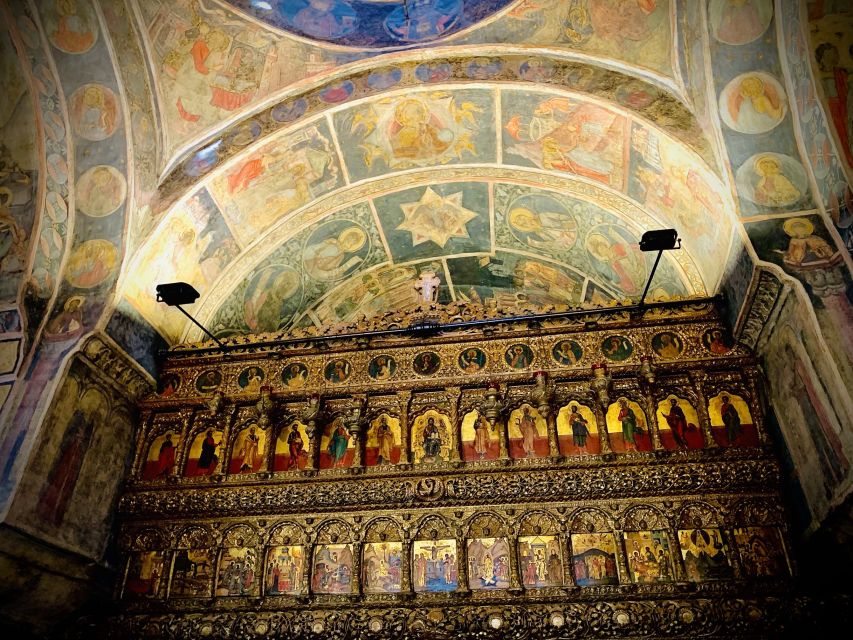
Then comes Lady’s Church, a stop famous for having some of the oldest preserved original frescoes in Bucharest. If you’re a visual person, this is the one where you may feel the timeline most strongly. Older frescoes can make the painting style feel less like a trend and more like a tradition carried forward.
Here’s what I think is the real value of pairing these two churches: you see how Orthodox art works across different church types and artistic ages. Even when the themes are familiar, the church space and the painting survival story can change how the work hits you emotionally.
If you want a simple approach for enjoying this section, do it like this:
- Look first at the figures and the way they’re placed.
- Then look at the background choices: colors, depth cues, and repeated motifs.
- Finally, step back and see how your viewing angle changes what you notice.
Also remember: these are active churches. Your best viewing moments come when you act like you belong there, not like you’re passing through.

Stavropoleos Monastery and the final church stops: art styles that keep changing
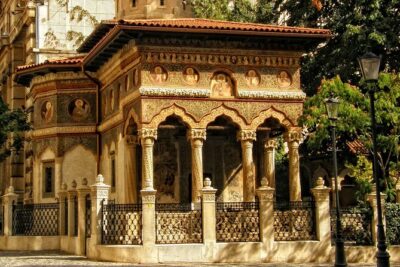
After the Lady’s Church, your route reaches Stavropoleos Monastery, described as eclectic. That word matters in practice. Monasteries often bring together layers—different periods, different influences, and different visual priorities—so the art feels like a conversation over time, not a single snapshot.
Right next to it, your tour route includes a final Orthodox-art stop with Saint Demetrios, described as a neo-baroque 19th-century church. This mix of styles can be a fun moment because it reminds you that religious art isn’t trapped in one era. Even within an Orthodox setting, you’ll see how later architectural tastes and church aesthetics can sit alongside older traditions.
One small wrinkle: the experience package also lists Saint Cyprian Church among included stops. You may see this as part of the route cluster around the Stavropoleos area. Either way, the practical takeaway is the same: you’re closing with churches that show different artistic and architectural personalities, which makes the whole tour feel more complete.
What makes this ending work: by this point, you’ve already learned what to look for. You’re not starting over. You’re comparing—style to style, placement to placement, and earlier fresco focus to later church aesthetics.
Price and value: what $57 buys you in 2.5 hours
At $57 per person for about 2.5 hours, you’re paying for three things: interpretation, efficiency, and small-group comfort.
Here’s the value logic I’d use if I were choosing this tour today:
- Six church stops is a lot for one walking window. You’re effectively outsourcing the planning and route guesswork.
- A live guide helps you see the art correctly the first time, which is the difference between pretty and meaningful.
- Small group limits (up to 10) keep the tour from turning into a traffic jam inside churches.
Also, this tour doesn’t pretend you’ll eat your way through the day. No food or drinks are served, but that’s not a deal-breaker if you like to pick your own café spot afterward. It can even be better: you’re not stuck with a set meal plan, and you can match your food stop to your personal tastes and timing.
If your goal is to get the most art understanding per hour with minimal planning, the price can feel fair.
What to wear, how to behave, and what to bring
Because all churches are active, the tour requires modest dress and respectful behavior. You’ll want to treat the clothing rules like a checklist so you can relax once you arrive.
What to bring:
- Comfortable shoes (you’ll be walking and standing in church interiors)
Not allowed:
- Pets
- Short skirts
- Sleeveless shirts
- Tight clothing
- Ripped clothing
- Strong fragrances
My practical advice: wear something easy to move in and easy to adjust quickly if you’re close to a dress code line. Think “covered shoulders and knees,” not “vacation outfit with one bold detail.”
Behavior tip: keep your voice low and follow any guidance about where to stand. In active churches, your best photos (if allowed) often come after you’ve paused and watched how others are viewing the icons and frescoes.
Also, don’t plan on perfume-heavy day mode. Strong fragrances are listed as not allowed, so go light.
Is the guide a big deal? Yes, and the feedback points to why
A good church art guide can make the difference between you admiring paintings and you actually understanding them. One theme from feedback is that the guide is flexible with the group and can adapt pacing. There’s even a story of a guide tailoring the excursion to guests who had mobility needs like crutches and a walking stick.
You should also know this: because the tour is religious and the churches are active, conversation style matters. If you’re the type who wants to treat everything as debate, you may find the vibe less comfortable. If you come curious and respectful, you’ll likely get more out of the art explanations.
If you want a personal connection with Orthodox art, be open to small moments. On one departure, a christening was happening, and the guide arranged sweets and drinks with the family. That’s not something you can schedule, but it’s a reminder that you’re stepping into living tradition.
Should you book this Eastern Orthodox church art tour in Bucharest?
Book it if you:
- want an efficient way to see multiple Orthodox churches in one morning/afternoon block
- care about Byzantine and Orthodox frescoes and icon-style church art
- like small group tours (limited to 10)
- enjoy guided interpretation more than wandering alone with a map
Skip it if you:
- want a museum-only experience with no worship environment
- don’t want to follow modest dress expectations
- prefer food included in the price and don’t want to plan a café stop yourself
- dislike any religious context in your travel activities
If you’re on the fence, here’s my practical tie-breaker: if your time in Bucharest is short and you want real understanding, not just photos, this tour is a solid bet.
FAQ
How long is the Eastern Orthodox Church Art tour in Bucharest?
The tour lasts about 2.5 hours.
Where do I meet the guide?
You meet in front of the Anton icon shop.
How big is the group?
It’s a small group with a maximum of 10 participants.
What languages is the live guide available in?
The guide offers tours in English, Spanish, and Romanian.
Which churches are included in the tour?
The included stops are Saint Anton Church, Saint George Km0 Church, Saint Elijah, The Lady’s Church, Stavropoleos Monastery, and Saint Cyprian Church.
Is food or drinks included?
No. The tour does not serve food or drinks, but you can stop in nearby cafés, bars, or restaurants.
What should I wear or bring?
Wear comfortable shoes. Modest dress is required because the churches are active. Short skirts, sleeveless shirts, tight clothing, ripped clothing, and strong fragrances are not allowed.
Can I cancel for a refund?
Yes. Free cancellation is available up to 24 hours in advance for a full refund.