REVIEW · BUCHAREST
Bucharest: Palace of Parliament Tickets and Guided Tour
Book on GetYourGuide →Operated by CT&T, Romania · Bookable on GetYourGuide
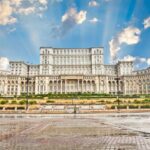
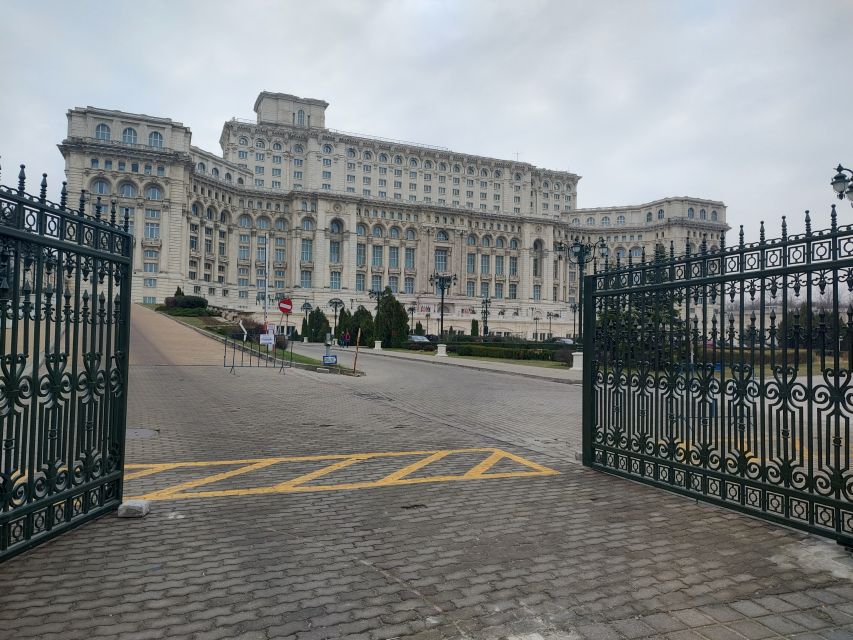
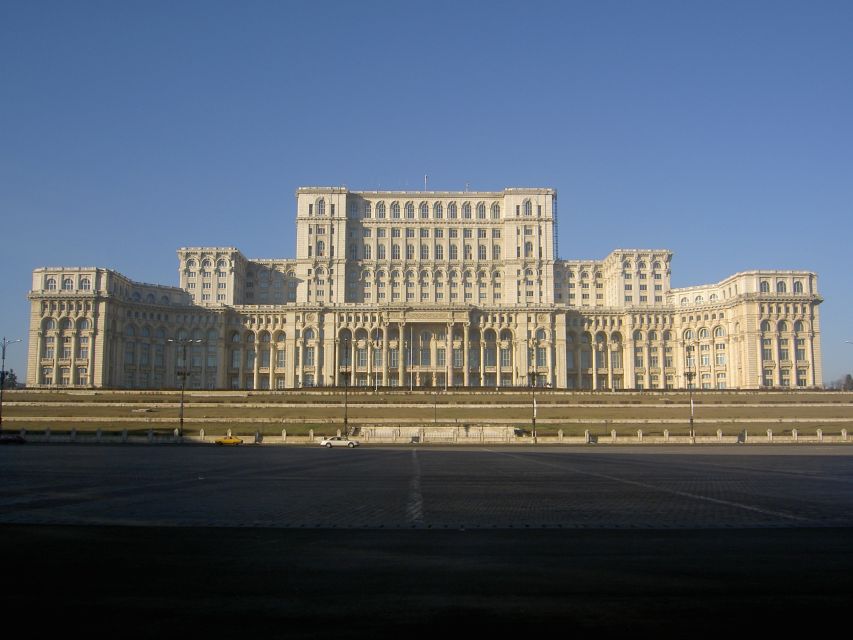
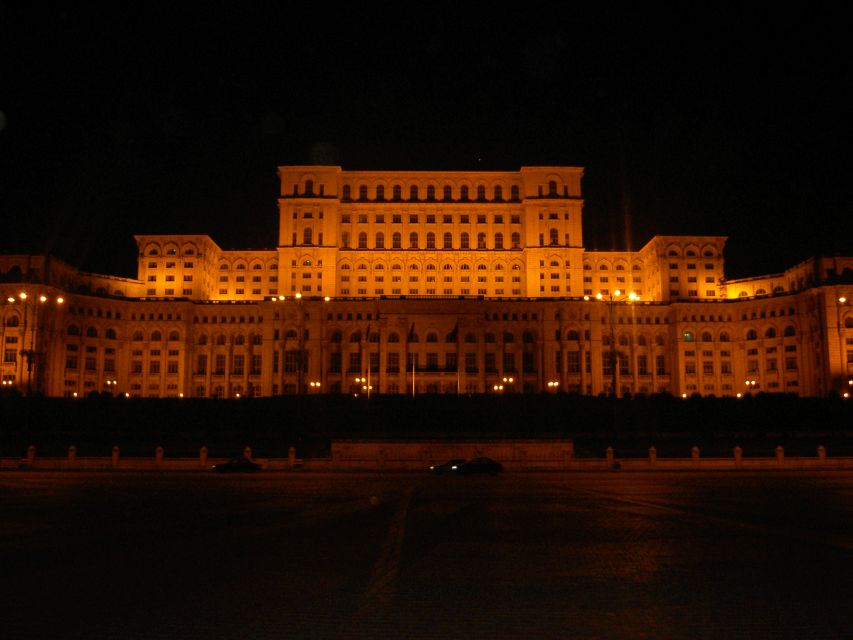
Bucharest’s mega-building hits you differently in person. This Palace of Parliament tour is a one-hour guided look inside a structure that began in 1984 on what officials considered the safest ground in the city, built for earthquake risk, and now famous as a Communist-era symbol.
I love the sheer physical scale: it is the second largest administrative building in the world, with 9 storeys and 4 underground levels, so even a short visit feels like stepping into a different kind of city. I also love the craftsmanship in the interiors—marble, crystal, carpets, curtains, stucco—built with local materials and shown up close through the main staircases, long galleries, and conference spaces.
The main drawback is time: the visit is short, and access can be limited. Depending on the day, you might also find the balcony with the view of the main square is not available, and the Plenary Room of the Senate may show up only on specific weekend tours.
In This Review
- Key things I’d circle before you go
- Palace of Parliament in Bucharest: what makes it worth your time
- Ticket value: why $28 can feel fair for this kind of access
- Before you arrive: ID rules and security that can’t be skipped
- Meeting point details: WhatsApp updates and changing entrances
- What you actually see on the 1-hour guided tour
- The Senate plenary room: a weekend-only treat
- The balcony: stunning when open, forgettable when closed
- The architecture and interior materials: where the tour earns its wow factor
- How the guide turns a monument into a story
- Is it “Communist propaganda” or “architecture history”?
- Who this tour is best for (and who should skip it)
- Small annoyances to plan for
- Should you book the Palace of Parliament tour?
- FAQ
- How long is the Palace of Parliament guided tour?
- Does this ticket include skip-the-line entry?
- What ID do I need to enter?
- What items aren’t allowed inside?
- Are photo and video fees included?
- What languages are available for the tour?
- Is this tour wheelchair-friendly?
- Can I cancel for a refund?
Key things I’d circle before you go
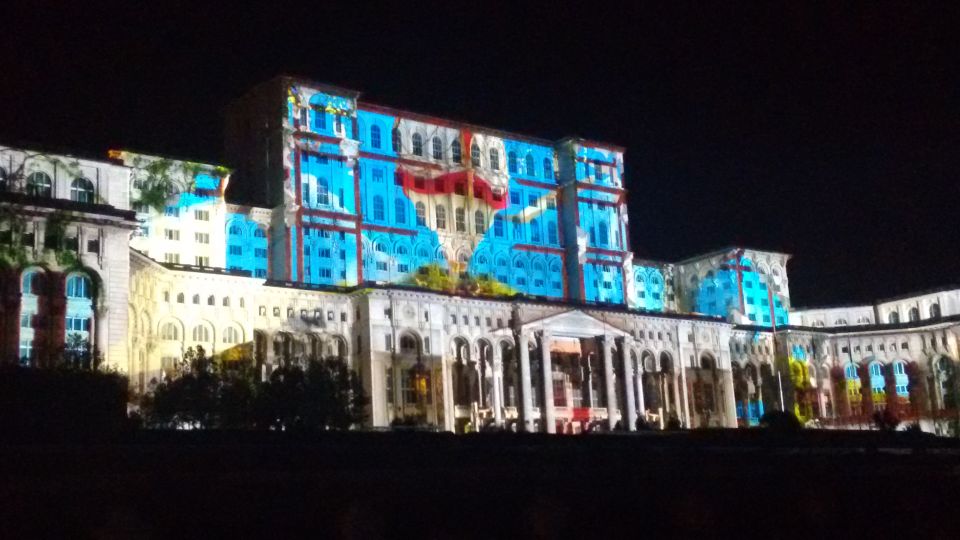
- A real official guided circuit through big ceremonial spaces, not just a quick lobby look
- Lavish local materials (marble, crystal, carpets, stucco) that you can actually see in person
- Communist-era context that tries to balance perspectives, sometimes with guides like Laurena and Claudiu leading the story
- Built on earthquake-safe ground, which adds weight to why the building looks the way it does
- A one-hour tour with variable room access, so plan around what is available that day
Palace of Parliament in Bucharest: what makes it worth your time
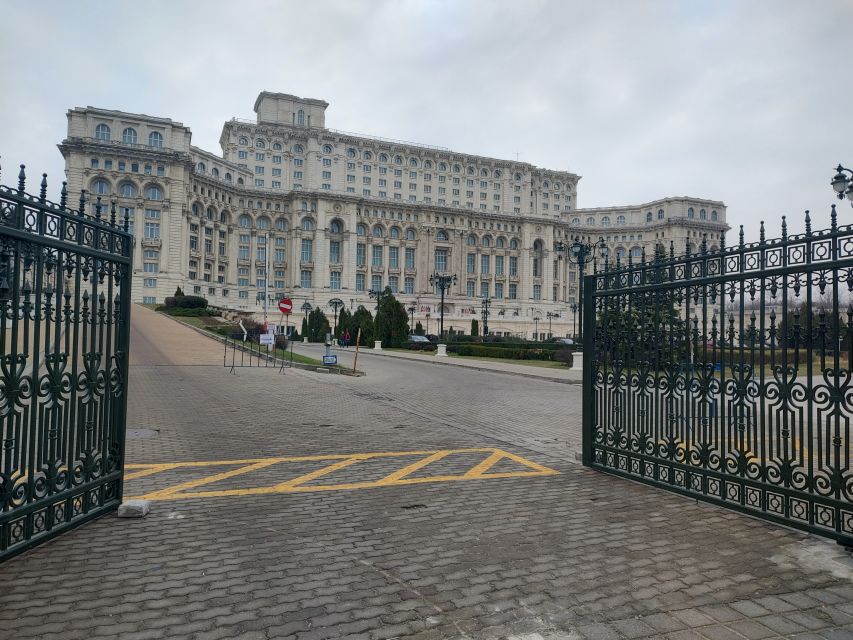
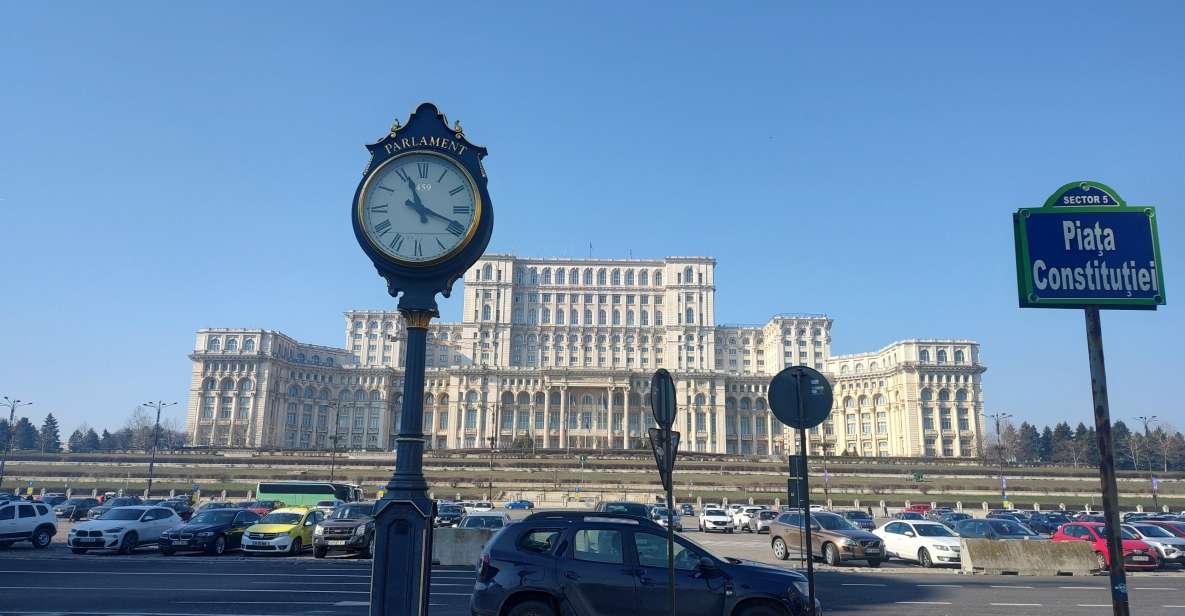
The Palace of Parliament is Bucharest’s boldest “love it or hate it” monument. Known in earlier decades as the Casa Republicii and later the Casa Poporului, it was designed as a home for government ministries and Communist party offices, plus temporary apartments for high functionaries. The result is not a museum in the usual sense—it is a working, political monument with ceremonial rooms that feel built for power.
What makes the tour especially compelling is that you are not stuck staring at the outside façade. You move through the most important internal spaces, where the scale becomes clear and the decoration stops being abstract. The building’s design also tells its own story: it started in 1984 on a part of the city considered safer for earthquakes, and it reaches down with 4 underground levels as well as up with 9 storeys. That “mass first” idea is why the interior feels like a whole city trapped in stone.
You can also read our reviews of more tours and experiences in Bucharest

Ticket value: why $28 can feel fair for this kind of access
This experience costs about $28 per person, and the price is tied to getting you inside with official guided access. You are paying for entry tickets for the official tour plus a reservation fee tied to your booking, and you get help to skip the ticket line.
Is it the cheapest way to do it? Possibly not. One common theme is that on-site pricing can be lower than booking through a tour platform. But if you have limited time, you are likely buying a simpler path: reserve your spot, show up, pass the checks, and go. For a building with strict access rules and a short tour window, that convenience matters.
Also, the time commitment is realistic. Your tour duration is listed as 1 hour, but plan on about 1h15min total once you include entry and the entry procedure.
Before you arrive: ID rules and security that can’t be skipped
Think airport security. That is the real “secret tour stop” here, because your speed and sanity depend on how prepared you are.
You must bring a valid passport or EU ID card. Important: driver’s licenses and document copies are not accepted. And yes, you will go through airport-style security, so expect a slow, step-by-step entry process.
What is not allowed inside:
- pets
- luggage or large bags
- plastic bottles
- weapons or sharp objects
Practical tip: show up early enough to absorb delays. There are reports of confusion around meeting points and entrances, and the system does not forgive late validation. If you arrive at the last second, the building will still treat you like a late arrival.
Meeting point details: WhatsApp updates and changing entrances
The meeting point can vary based on the option booked. Your best move is to treat the day’s instructions as the real plan. In multiple cases, the tour team sends WhatsApp messages when timing or meeting details change.
If you like being fully in control, do this:
- confirm the meeting point directions the day before
- keep an eye on messages on the morning of the tour
- arrive with extra time in case your chosen Google Maps route drops you at the wrong entrance
Some tours appear to have more than one entrance used at different times. When that happens, it is easy to stand in the wrong place, then wait. The good news is that once you connect with the right staff point, the experience tends to run smoothly.
What you actually see on the 1-hour guided tour
This tour is built like a highlight reel of the building’s “important rooms,” with a typical one-hour walk through the interior. You pass by major conference and ceremonial spaces, and you spend enough time in each area to understand the design choices behind the spectacle.
Here’s the flow you can expect, based on how access is described:
- Main staircases and grand hallways that show the building’s scale fast
- Large conference halls and big meeting rooms where power is the theme
- Impressive galleries with long sightlines and heavy decoration
- The Plenary Room of the Senate, but only when tours run on that side of the building on weekends
- A balcony with a view of the main square, though at times it is not available
A key reality check: some days feel more “state rooms” and less “everything.” People sometimes wish for more rooms or more time, and that is exactly why you should expect a curated circuit rather than an exhaustive tour. You will leave having seen the highlights, not every possible chamber.
You can also read our reviews of more guided tours in Bucharest
The Senate plenary room: a weekend-only treat
If the Senate side is included, it can be a big payoff. The Plenary Room of the Senate is described as available only for tours running on this side of the building at the weekends. So if you care about that particular room, booking a weekend slot becomes more important than booking on a random weekday.
The balcony: stunning when open, forgettable when closed
The balcony view toward the main square sounds like a knockout moment. The catch is that it is not always available, so don’t build your entire day around a promised photo angle. If it is open, you will likely get one of the best “outside-in” moments of the visit.
The architecture and interior materials: where the tour earns its wow factor
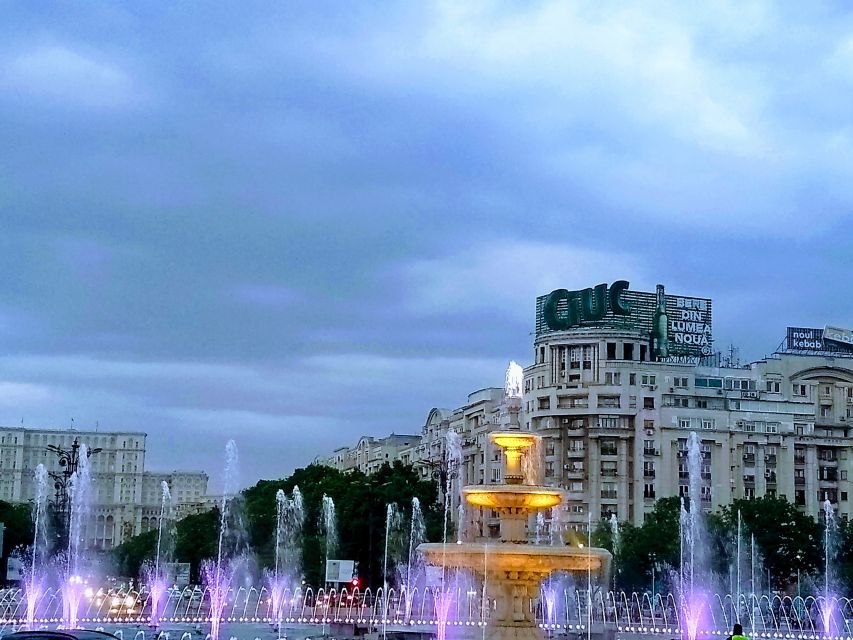
This building is famous for being a symbol of Communist architecture, but what makes it memorable is the craft behind the look. You do not just see shapes and motifs—you see the surfaces and the materials.
Expect to notice:
- Marble and polished stone used for visual impact
- Crystal and glass elements that catch light in hallways
- Carpets and curtains that soften the scale
- Stucco and ornamental work that adds weight to every surface
Guides often point out that local craftsmen created much of what you see, using locally sourced materials. When someone has time to explain how the decoration was made, the building stops feeling like a single blunt monument and starts feeling like a whole system of choices.
Even if you are not into architecture, you will understand the message. The decoration, the scale, the symmetry, the long corridors: all of it reinforces the idea of a state built to impress and control.
How the guide turns a monument into a story
A big part of your experience will come down to who is leading your group once you are inside. The setup is often two-step: you meet a host or greeter outside, then a guide from the Parliament leads the actual tour.
The best guides do two things:
1) explain the building’s purpose clearly
2) give context without flattening the period into slogans
On tours where the guide is Laurena, the storytelling is described as clear, balanced, and willing to approach a polarized era with respect for multiple perspectives. When the guide is Claudiu, the emphasis shifts toward history plus details on decor styles and behind-the-scenes background stories. And on visits led by guides like Elena, people highlight how well the guide can connect the building’s design to what Romania was going through.
One small practical note: a short tour means the guide is moving quickly. If your guide’s voice is hard to hear, it can make the one hour feel even shorter. So keep close, avoid hanging back, and try to position yourself where you can listen without straining.
Is it “Communist propaganda” or “architecture history”?
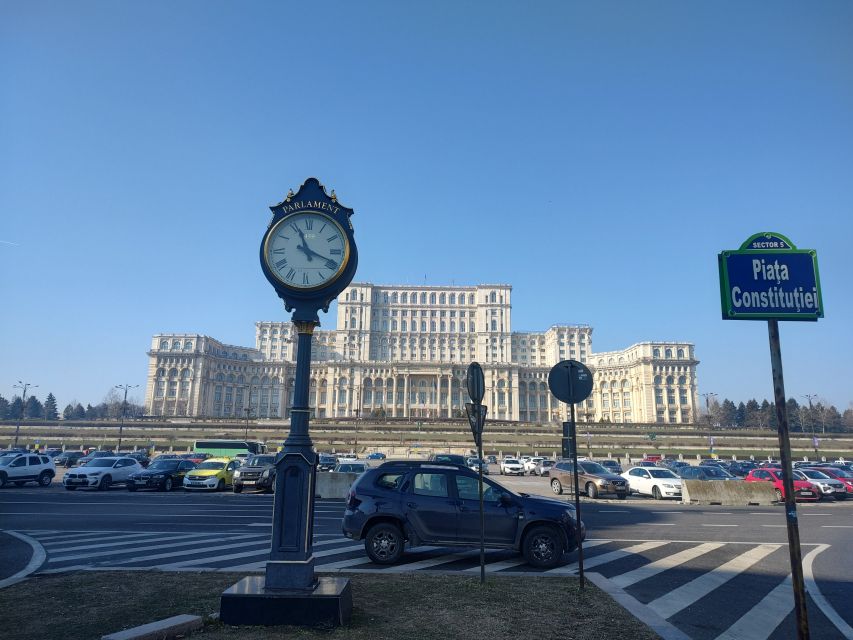
You’ll feel both. This is not a purely neutral building in the way some old palaces are. It was constructed by a regime and meant to house ministries, party offices, and high officials. Even the name changes over time remind you that interpretation changes with politics.
Still, the tour’s value is that it gives you access to the physical reality of the era—how the state wanted to look and function. When a guide handles the story with balance, you get a better grasp of why people remember it so sharply and why the building remains such a powerful symbol in Bucharest.
Who this tour is best for (and who should skip it)
This is a great pick if you want an efficient, high-impact “see it from the inside” experience. It also suits you if you like guided storytelling that connects buildings to political and social context.
It is not suitable for:
- wheelchair users
- people with pre-existing medical conditions
Also, be realistic about the pacing. The tour is described as relatively short, and you are spending time in formal rooms that may not offer the slow, wandering style some visitors prefer.
Small annoyances to plan for
No experience is perfect, and this one has a few common friction points:
- The wait before the tour can feel long on some visits. One person wanted shorter waiting time.
- Sound can be an issue if you’re seated far back or if the guide doesn’t project well.
- Some areas may not be accessible depending on what the Parliament allows that day.
The upside is that when the tour runs as it should, the building itself does most of the work. Even a shorter-than-ideal circuit still delivers the big “wow” factor.
Should you book the Palace of Parliament tour?
If you are in Bucharest for a limited time, I say yes. For about $28, you get official guided access to one of the world’s most extreme administrative buildings, with ornate interiors and enough context to understand why it matters. The tour length is short, but that also means it fits into a normal sightseeing schedule without eating your whole day.
Book it if:
- you want to see the interior, not just the exterior
- you like architecture and want to understand how decoration and power were connected
- you can handle security checks and strict ID rules
Consider other options if:
- you need maximum time inside one site
- you are worried about variable room access
- you have mobility or medical constraints that make this not suitable
If you do book, the smartest move is simple: bring the right ID, arrive early, and read the day’s meeting-point instructions closely. That’s how you turn a one-hour tour into your best return on time.
FAQ
How long is the Palace of Parliament guided tour?
The guided tour is listed as 1 hour. Including the entry procedure, the whole activity lasts about 1h15min.
Does this ticket include skip-the-line entry?
Yes. This option includes entry tickets for the official guided tour and it notes that you can skip the ticket line.
What ID do I need to enter?
You need a valid passport or EU ID card. Copies of documents or a driver’s license are not accepted.
What items aren’t allowed inside?
Pets, luggage or large bags, plastic bottles, and weapons or sharp objects are not allowed.
Are photo and video fees included?
Photo and video fees are not included, if any apply.
What languages are available for the tour?
The tour is available in Italian, Romanian, and English.
Is this tour wheelchair-friendly?
No. It is listed as not suitable for wheelchair users.
Can I cancel for a refund?
Yes. Free cancellation is available up to 24 hours in advance for a full refund.