REVIEW · BUCHAREST
Slavery in Romania Myths and Truths About Gypsies
Book on Viator →Operated by BucharestGuide · Bookable on Viator
Myths can spread faster than facts. This Bucharest walk puts Roma history into context, stop by stop, with art, politics, education, and memory in the mix. Roma stories can feel like gossip until you see the landmarks where Romania chose to remember—or forget—certain truths.
I love how the route uses real, central sights instead of vague talk. You start at the Romanian Athenaeum area, then keep moving through spots tied to major Romanian political figures and institutions. I also like the ending at Mesteshukar ButiQ [MBQ], where you meet Roma craftsmanship up close and see what cultural tradition looks like when it’s handled by the people who make it.
The only possible drawback is that the tone gets heavy at the Holocaust Memorial. Add in a few blocks of walking through Cismigiu Park, and this is best for people who can handle emotional topics while staying on their feet.
In This Review
- Key things I’d watch for
- A 3-hour Bucharest walk that tests what you think you know
- Starting at Teatrul Ion Creangă and getting your bearings fast
- Romanian Athenaeum: art, institutions, and why that matters
- Iuliu Maniu statue: politics tied to Roma history
- Palatul Stirbei: a 19th-century power setting
- Cismigiu Park walking breaks: learning while you move
- Gheorghe Lazăr National College: education as a turning point
- Holocaust Memorial: the Forgotten Holocaust, remembered on purpose
- Piața Mihail Kogălniceanu: a politician and writer who put it in print
- Mesteshukar ButiQ [MBQ]: ending with Roma craft, not just questions
- Price and logistics: what $127.37 buys you
- Who should book this tour in Bucharest
- Practical tips to enjoy every stop
- Should you book this tour?
- FAQ
- How long is the tour?
- What is the price per person?
- Where does the tour start?
- Where does the tour end?
- What time does it begin?
- Is the tour offered in English?
- How large is the group?
- Is food included?
- Are admission tickets included?
- Are service animals allowed?
Key things I’d watch for
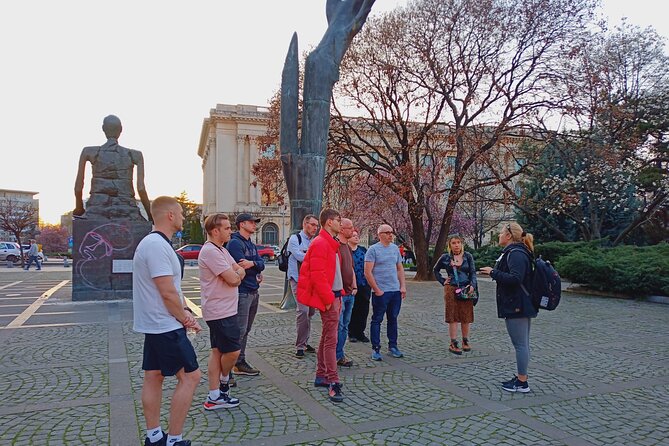
- A tight 3-hour route across eight meaningful stops, with walking time built in
- Professional English guide, including strong historical framing from the guide team (for example, Mihai is noted for solid Roma-history knowledge on some departures)
- Cismigiu Park as a story connector, not just a scenic break
- The Forgotten Holocaust stop brings World War II Roma persecution into clear focus
- A handcraft shop finish (Mesteshukar ButiQ [MBQ]) so your last memories aren’t just monuments
- Free admission marked for several major stops, so you can spend your money on experiences, not tickets
A 3-hour Bucharest walk that tests what you think you know
This is a focused Bucharest walking tour with a simple goal: sort myths and truths about Roma history in Romania. The title points to slavery, but the tour also leans hard into how Roma lives were shaped by law, politics, education, and—most painfully—wartime persecution. You’re not only sightseeing. You’re building a timeline using places you can actually point to.
The pacing is doable. You’re out for about 3 hours, and the plan is built around a sequence of short stops. Most of the time is walking between them, which matters because you’ll likely remember the route more than a list of dates. The group stays small too—up to 15 people—which usually keeps questions from turning into a traffic jam.
A big part of the value is the “how” of the presentation. Instead of asking you to accept a big claim and move on, the tour keeps returning to tangible anchors: famous civic buildings, statues, schools, and memorials.
You can also read our reviews of more tours and experiences in Bucharest.
Starting at Teatrul Ion Creangă and getting your bearings fast
You begin at Teatrul „Ion Creangă” – Sala Mare on Strada Piața Amzei 13. The start time is 10:00 am, so you’re not starting at peak crowd chaos, and you can still finish your day with a plan afterward.
I like the way this meeting point works for two reasons. First, it puts you near central Bucharest sights—less time lost to transit. Second, it signals the tour’s style: walkable, city-first, and story-led rather than museum-only.
If you’re the type who hates “wait around” tours, you’ll probably like this. The format is short stops plus walking. That makes it easier to stay mentally engaged when the topic gets serious.
Romanian Athenaeum: art, institutions, and why that matters
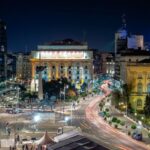
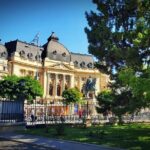
The first major stop is the Romanian Athenaeum. This building is described as Romania’s House of Art and it also houses the National Romanian Philarmonic. That combo—art plus a national cultural institution—sets the tone early.
Here’s what I’d pay attention to: the tour treats art buildings as more than pretty facades. They’re also places where societies decide what to honor and what to amplify. When you connect that idea to Roma history and Romania’s politics, the conversation shifts from stereotypes to structure.
Stop time is about 20 minutes, with admission marked as free for this part. Practical note: even if entry is free, you’ll still want to dress for indoor/outdoor changes and keep your schedule steady. This is a quick stop, not a long linger.
Iuliu Maniu statue: politics tied to Roma history
Next comes the Iuliu Maniu Statue. The tour frames him as an important historical figure in Romanian political life, with connections not only to Roma stories but also to the development of modern Romania.
Statues can be a bit of a trap. People rush past them like they’re just photo props. This stop aims to do better: treat the statue as a doorway into political context. If you’re wondering why a Roma-history conversation shows up in central Romanian politics, this is where you start seeing the links.
Again, the stop is about 20 minutes and listed as free admission, so this section is mostly about the guide’s explanation and your ability to look closely at what’s right in front of you.
Palatul Stirbei: a 19th-century power setting
Then you get a quick look at Palatul Stirbei. The tour positions it as a 19th-century home—specifically connected to Barbu Stirbey, described as one of the rulers of Valachia and a key person in the story.
This is the kind of stop that often becomes “pretty building, moving on.” The value here is the framing: elite residences and political influence matter when you’re talking about how a society organizes who has rights, who has access, and who gets pushed out of the official narrative.
Stop time is about 20 minutes, also marked as free. The practical upside is it keeps the rhythm moving. The downside is you won’t get a deep architectural class during this quick photo-and-talk window—so keep your eyes open and let the guide do the heavy lifting.

Cismigiu Park walking breaks: learning while you move
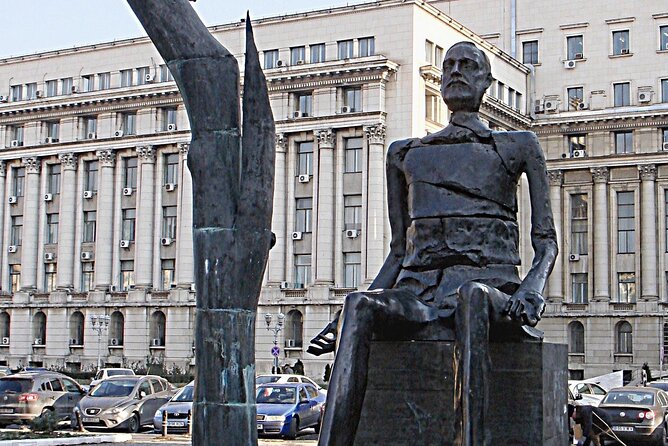
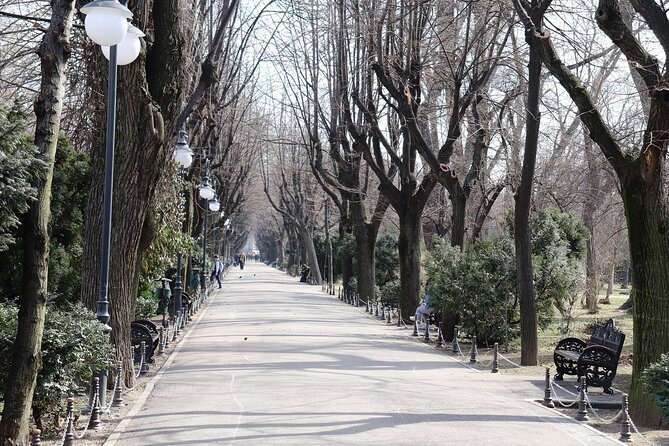
The route then opens up in Cismigiu Parc, described as the largest and most beautiful garden in the city. This part is not just scenery. It’s a relaxed walk that still connects back to the tour’s themes through several surprises along the way.
The plan mentions multiple things you might see during this park section:
- a very famous high school
- ruins of an old monastery
- a great viewpoint over the park
- additional surprises
Stop time here is about 30 minutes. That timing is ideal. It gives you breathing room after the more formal feeling of statues and historic buildings, while still keeping you engaged.
If you’re thinking about comfort: wear shoes you trust. The walking is part of the experience, and park paths can vary underfoot. Also, because this is a story-driven stroll, you’ll want to keep your phone away unless you’re pausing—listening will do more for you than rushing photos.
Gheorghe Lazăr National College: education as a turning point
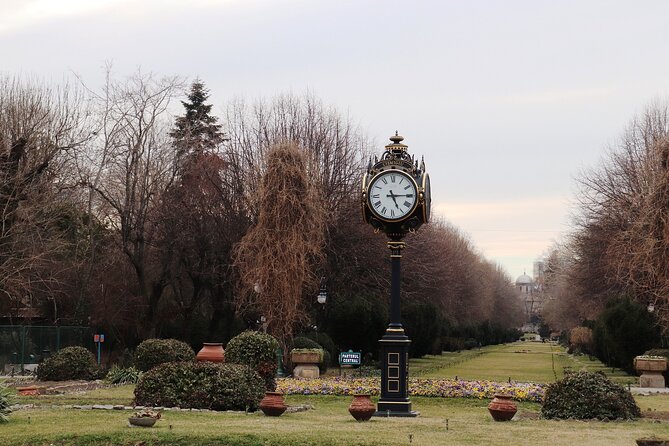
At the entrance to Cismigiu Park is Gheorghe Lazăr National College. The tour highlights education as the key to everything and points out it’s the best quoted high school in the city (as described in the tour info). The time here is about 15 minutes and marked free.
I like this stop because it broadens the narrative. Roma history isn’t only trauma and persecution. It’s also about pathways—how schooling, institutions, and opportunity shape lives. Even if you don’t agree with every historical framing you hear, you’ll probably appreciate the shift from “only oppression” to “also access and systems.”
This stop is short. Use it to lock in the tour’s argument: when you want to understand why myths persist, look at what education does (or doesn’t) challenge.
Holocaust Memorial: the Forgotten Holocaust, remembered on purpose
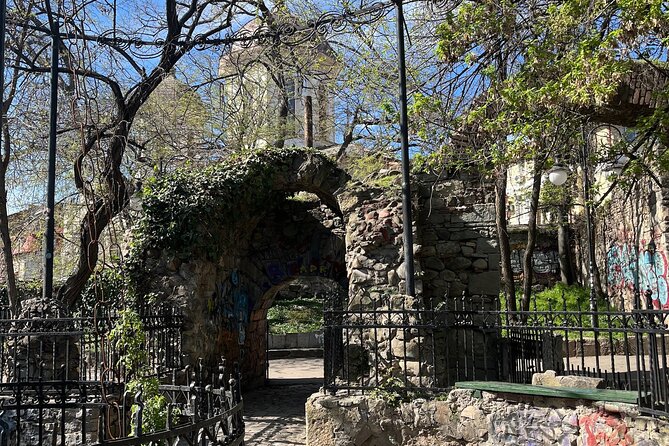
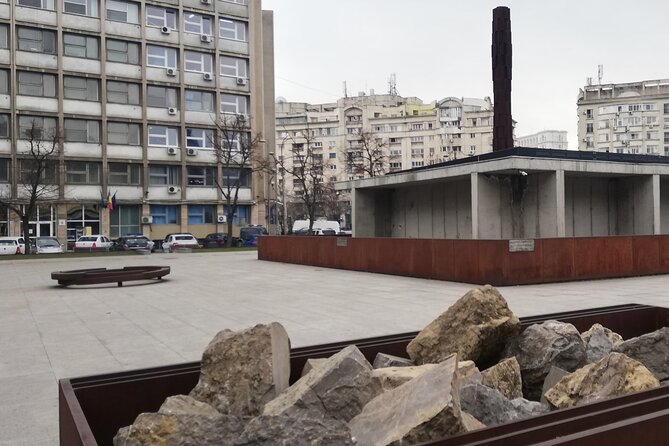
Next is the Holocaust Memorial, where the tour focuses on the rough story of Roma during World War II. The tour specifically calls out something known as The Forgotten Holocaust and frames this monument as one of the most impressive in Romania built in memory of Holocaust victims.
This is the emotional center of the tour. I’d treat it like that—pause, listen fully, and don’t rush through it for photos. If you’re sensitive to heavy subjects, plan a quiet buffer afterward.
Time is about 15 minutes and marked free. That doesn’t mean the content is “light.” It means the guide likely uses the time carefully, giving you enough context to understand why this memorial matters in a conversation about Roma history and public memory.
Piața Mihail Kogălniceanu: a politician and writer who put it in print
Then you reach Piața Mihail Kogălniceanu. The tour positions Mihail Kogălniceanu as a famous politician and writer, and it notes that he was the first one to write about Romanian Gypsies.
This is a fascinating kind of stop because it moves from “who held power” to “who wrote the story.” If myths can grow in the gaps, written accounts can either shrink the gaps—or create new ones. A guide-led explanation here helps you think critically about how representation works.
The stop is about 10 minutes and marked free. That short window is enough to anchor the idea, not enough to settle every question forever. Still, it’s a strong reminder that language choices have consequences.
Mesteshukar ButiQ [MBQ]: ending with Roma craft, not just questions
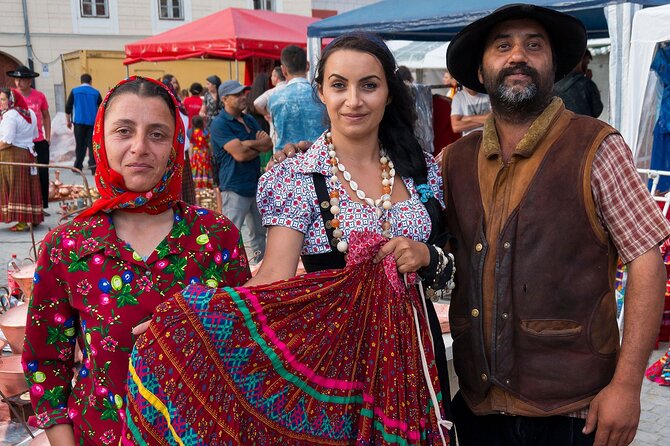
The tour ends at Mesteshukar ButiQ [MBQ], a shop presented as a wonderful little place with authentic pieces hand-crafted by Roma artisans. You’ll meet the reality of Roma culture and tradition through the work in front of you.
This end point is genuinely valuable if you care about avoiding the “sightseeing-only” trap. Monuments can be abstract. A craft shop puts tradition into the hands of the people who maintain it. You get to see how culture becomes daily work—design, materials, time, and skill.
The time is about 20 minutes. Admission is naturally not part of a shop visit, so treat it like this: if you want something, look closely, ask questions, and buy with care. If you don’t want to buy, you can still treat it as a cultural stop to close the loop on what you’ve learned about identity and representation.
Price and logistics: what $127.37 buys you
The price is $127.37 per person for about 3 hours. That might sound steep until you break down what’s included.
Included highlights:
- Professional English-speaking guide
- Snacks cake snack
- Group discounts
- Mobile ticket
- Several stops marked with free admission tickets
Not included:
- Coffee and/or tea (there’s a short stop on the way where you’ll handle that expense yourself)
The best value angle here is the guide. For history and identity topics, you’ll usually get more from someone who can connect the dots than from trying to read signs on your own while walking. The small group size also matters. It’s easier to ask follow-ups and get clarity without feeling like you’re interrupting a parade.
The other value angle is free admission labeling at multiple stops. That reduces the risk of a “cheap tour” feeling expensive once you’re on the street.
Who should book this tour in Bucharest
This is a great match for you if you:
- want a guided Bucharest walking route focused on Roma history
- like seeing how political and cultural institutions connect
- want a route that includes both public memory (like the Holocaust Memorial) and everyday culture (the craft shop)
It’s less ideal if you:
- prefer purely light, casual sightseeing with no heavy topics
- dislike walking or have limited stamina (the tour recommends a moderate physical fitness level)
It also fits solo travelers who like small-group conversations. And since it’s in English, it’s a clear option if you want history without translation effort.
Practical tips to enjoy every stop
A few small moves will make the biggest difference:
- Wear comfortable walking shoes. Park paths and city sidewalks add up over 3 hours.
- Bring water, especially because Cismigiu Park is part of the pace. The tour includes a cake snack, but it’s not hydration.
- If you’re sensitive to Holocaust-related topics, plan a calmer next activity afterward. This stop deserves mental space.
- At Mesteshukar ButiQ [MBQ], treat it like a real shop visit: if you buy, look closely and budget time. If you don’t buy, you can still learn by observing and chatting.
Should you book this tour?
Yes, you should book this if you want more than the usual Bucharest highlights. The route connects art (Romanian Athenaeum), politics (Iuliu Maniu and Mihail Kogălniceanu), education (Gheorghe Lazăr National College), and memory (the Forgotten Holocaust memorial) into one walkable story.
It’s also a strong choice if you’re actively trying to move past stereotypes and understand how history is written and remembered. The final stop at Mesteshukar ButiQ [MBQ] keeps the experience grounded in living culture, not only tragedy.
Skip it only if heavy history topics will dampen your trip more than help it. If you can handle that emotional center, this tour is a smart way to see Bucharest while learning how facts fight myths.
FAQ
How long is the tour?
It runs for about 3 hours.
What is the price per person?
The price is $127.37 per person.
Where does the tour start?
It starts at Teatrul „Ion Creangă” – Sala Mare, Strada Piața Amzei 13, București 030167, Romania.
Where does the tour end?
It ends at Mesteshukar ButiQ [MBQ], Bulevardul Mihail Kogălniceanu 12, București 030167, Romania.
What time does it begin?
The start time is 10:00 am.
Is the tour offered in English?
Yes, it’s offered in English.
How large is the group?
The maximum group size is 15 travelers.
Is food included?
You get a cake snack. Coffee and/or tea are not included.
Are admission tickets included?
The stops list admission ticket free entries, so you shouldn’t expect to pay separate admission for the major sights on the route.
Are service animals allowed?
Yes, service animals are allowed.