REVIEW · BUCHAREST
Traditions in Bucharest: Village Museum and Wine Tasting
Book on GetYourGuide →Operated by Unveil Romania Travel Planner · Bookable on GetYourGuide
A village time machine in Bucharest. This private 4.5-hour tour layers the National Village Museum with handmade crafts, then ends with a guided Romanian wine tasting. I love seeing how architecture, folk art, and wine connect into one story. One heads-up: it’s mostly outdoors, so go ready for heat and comfortable shoes.
If you get Mihai, you’re in good hands. He’s prompt, flexible when the weather is brutal, and he explains things in a way that makes the whole day feel like a conversation, not a lecture. The only real drawback is the price—$153 per person—so it’s best when you’re doing this as a private outing (not to fill dead time).
In This Review
- Key Things I’d Bet You’ll Care About
- A Village Time Machine in the Middle of Bucharest
- National Village Museum: 300+ Buildings and Real Regional Style
- What to look for during your museum hour
- The Craft Stop: Ie Blouses, Painted Eggs, and Horezu Pottery
- Romanian Wine Tasting: 3 Glasses and the Meaning of Terroir
- Getting Back to the Old Town: Ending Near Your Next Adventure
- Price and Logistics: Is $153 Per Person Good Value?
- Who This Tour Fits Best (and Who Might Skip It)
- Should You Book Traditions in Bucharest?
- FAQ
- How long is the tour?
- How much does it cost per person?
- Is hotel pickup included, and where does the guide meet me?
- What happens during the Village Museum stop?
- What do you taste during the wine tasting?
- What languages does the tour guide speak?
- Where does the tour finish?
- Can I cancel, and is it suitable for kids or wheelchair users?
Key Things I’d Bet You’ll Care About
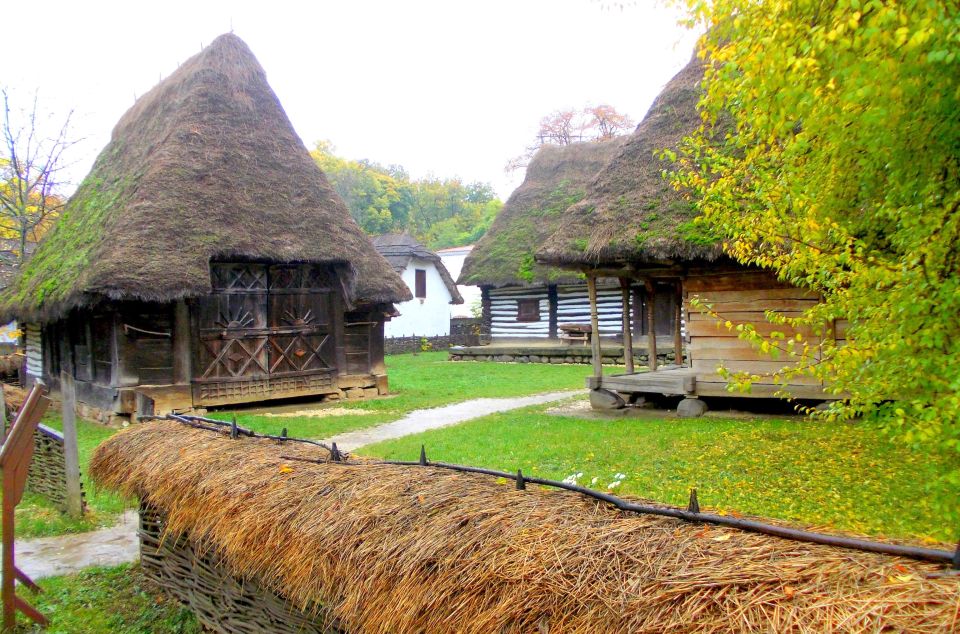
- Village Museum at the National level: 300+ buildings, brought in and reassembled inside King Michael Park
- Architecture you can read: steep roofs, thatched barns, wooden churches, and regional building styles
- Craft stop with real Romanian names: ie blouses, Horezu pottery, painted eggs, glass icons
- Wine tasting with variety: 3 Romanian wines plus cheese and charcuterie
- Dealu Mare and grape variety talk: you’ll taste and learn about terroir and local cultivars
A Village Time Machine in the Middle of Bucharest
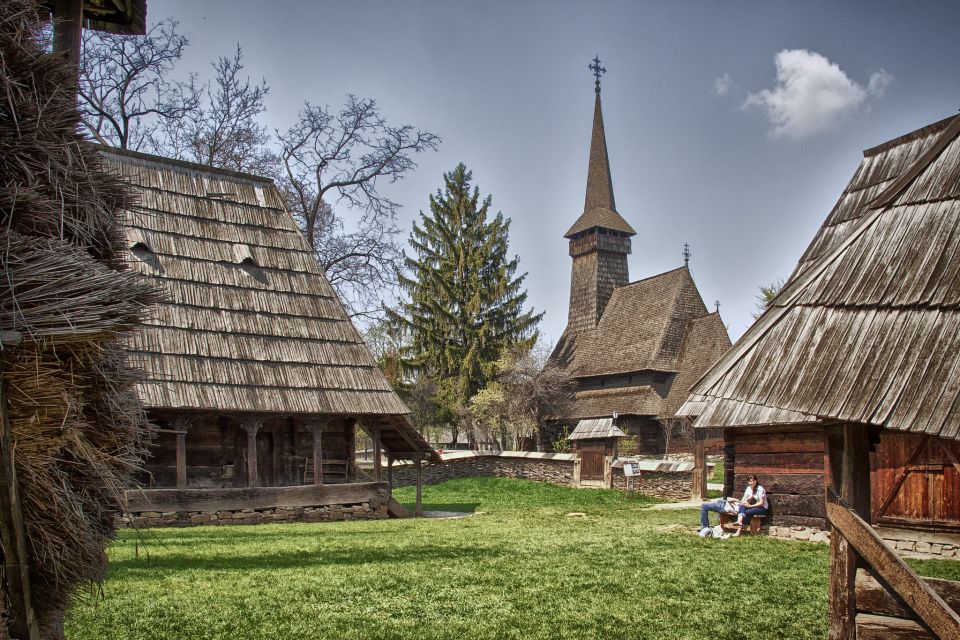
Bucharest can feel like a city of boulevards and big buildings—until you head to the National Village Museum. Then the pace slows. You step into a reconstructed Romanian village that feels like it belongs in another century, yet it’s right here in the urban sprawl, inside King Michael Park.
I like how this doesn’t try to be fancy. It’s practical, visual, and grounded in real regional differences. You’ll see how people built homes and barns, where churches fit into everyday life, and how material choices changed from one part of Romania to another. The museum is a fast way to understand the country’s history without reading a single textbook.
The second reason I’m a fan is the pairing. The day doesn’t stop at museum photos. You’ll connect what you saw in the village—clothing, symbols, crafts—to what you taste later, with Romanian grapes and a simple, well-led tasting. That link is where the tour earns its money.
And yes, you will walk outdoors. Even though the stops are planned and timed, you still need decent shoes and a water plan if it’s hot.
You can also read our reviews of more food & drink experiences in Bucharest

National Village Museum: 300+ Buildings and Real Regional Style
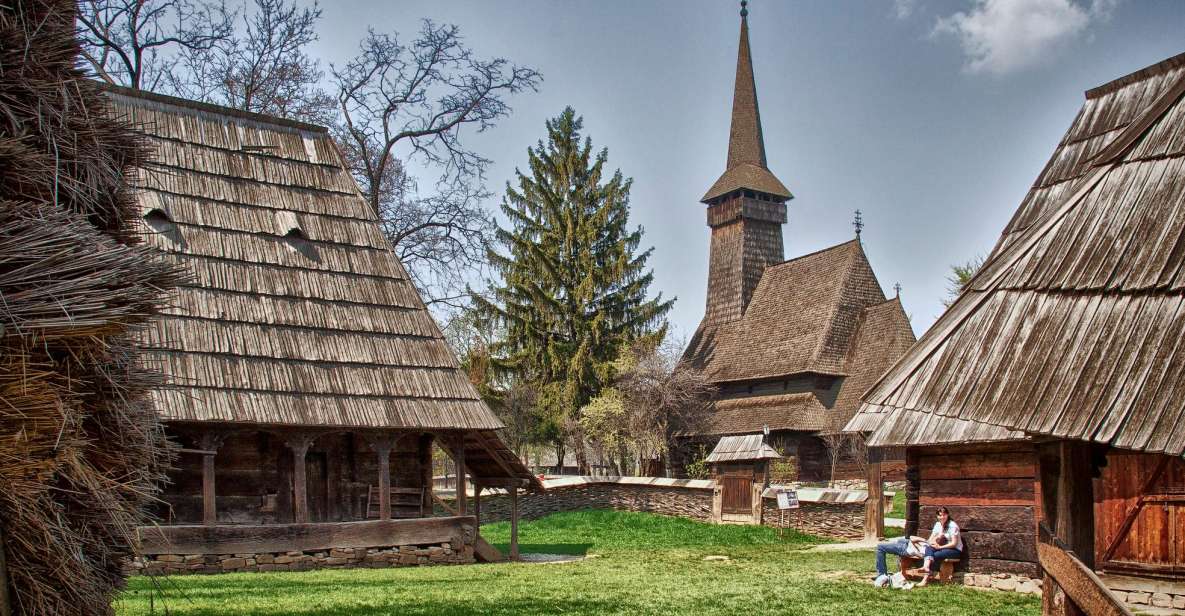
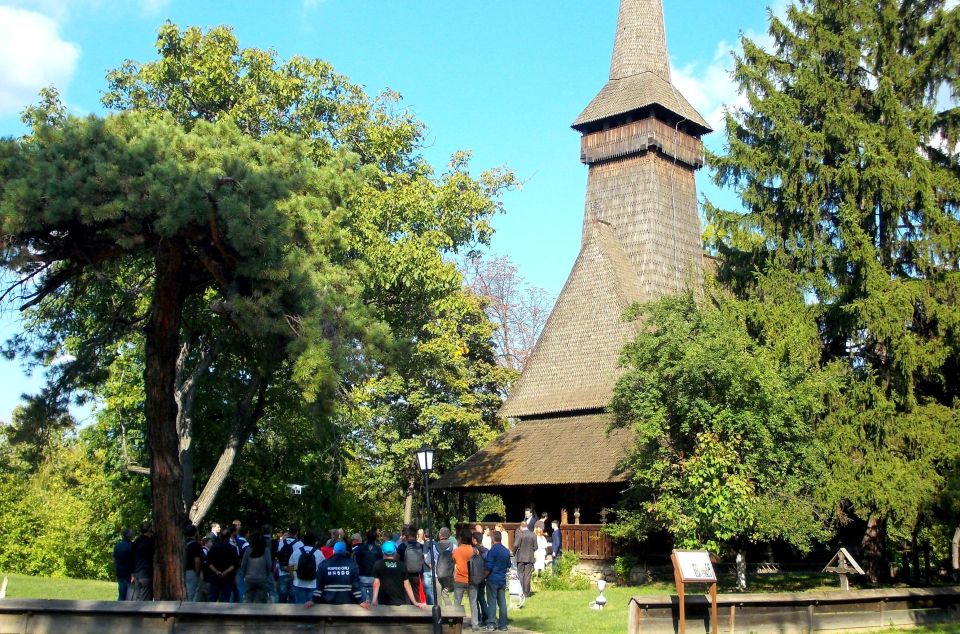
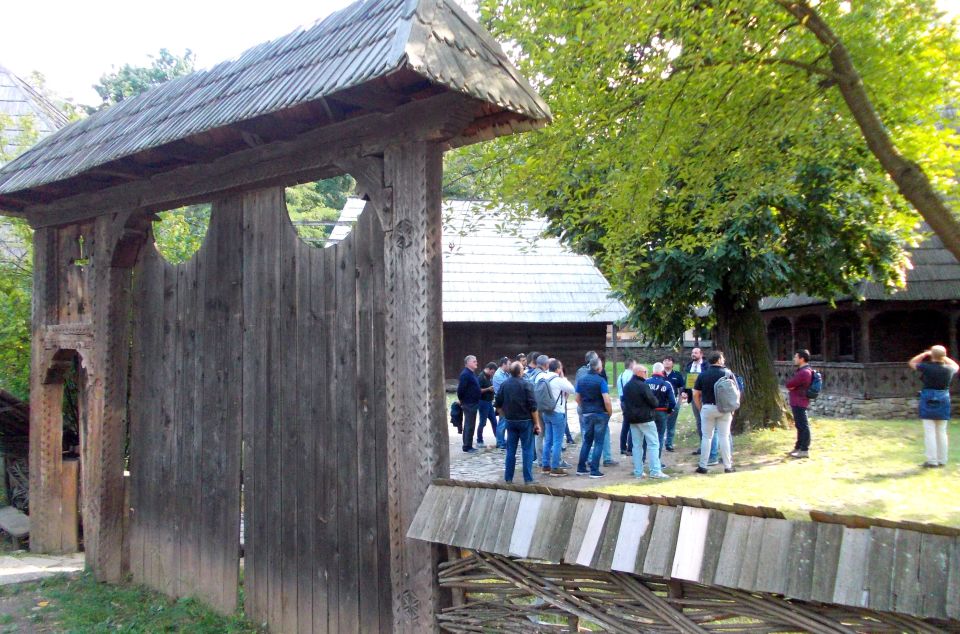
The National Village Museum is huge. It’s described as the second largest open-air museum in Europe, and once you’re there, the scale makes sense. The place was built in 1936 in King Michael Park, and the museum holds over 300 buildings that were brought from across Romania and reassembled on-site.
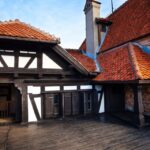
That detail matters. This isn’t just a staged theme park. You’re looking at carefully preserved, recognizable building types—peasant homes with steep roofs, thatched barns, and wooden churches. These aren’t random props. They show how people adapted design to climate, materials, and local tradition.
What makes the guided walk feel worthwhile is the “read the architecture” angle. A quote commonly used in connection with the museum is that architecture expresses history. Your guide turns that into something you can spot with your eyes: how rooflines work, how structures sit together, and how regional building habits show up in real rooms and doorways.
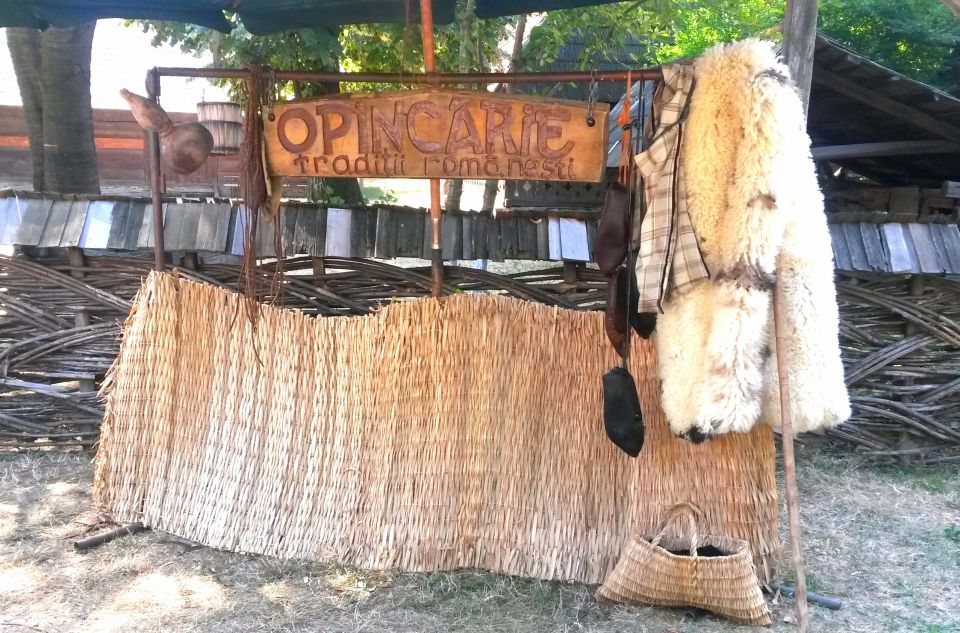
You’ll also get the folklore side. The museum is organized to help you link physical spaces with daily life—traditional blouses (ie), painted eggs, and pottery traditions you’ll hear about as you move through the village. Even if you only catch a few key examples, you’ll leave with a clearer picture of what Romanian folk culture looked like in everyday settings.
What to look for during your museum hour
If you want to enjoy this more than just standing in front of buildings, use your eyes for patterns:
- Roof shapes and materials: steep for snow and weather, thatch for local availability
- Church buildings: how wooden churches reflect the community center
- Different regions: you’ll see styles associated with Transylvania, Wallachia, Moldavia, and ideas tied to the Danube Delta and the Black Sea coast
The Craft Stop: Ie Blouses, Painted Eggs, and Horezu Pottery
After the museum, you’ll shift from structures to objects. The art-and-craft stop is where the cultural story becomes wearable and touchable.
You’ll visit a local shop where items are handmade. Expect traditional Romanian clothing pieces, including ie blouses—an instantly recognizable part of Romanian traditional dress. You may also see glass-painted icons, which are beautiful but also useful for understanding how religious imagery shows up in folk craft.
The craft options highlighted on this tour include:
- Easter painted eggs from Moldavia
- Horezu pottery from Wallachia
- Wooden masks and small trinkets connected to regional traditions
- Dracula-themed souvenirs, plus books and traditional sweets like knot cookies and chocolate nuts
That Dracula mention is interesting in a practical way. Romania isn’t just folklore that lives in museums; it also lives in popular culture. You’ll get a chance to decide what you want to buy: traditional pieces with deep local ties, or lighter, more playful souvenirs. Either way, the stop is meant to help you recognize what’s behind the design, not just the look.
One more thing: this is shopping time, but it’s not rushed shopping time. You usually get enough time to browse without feeling like you’re being herded.
Romanian Wine Tasting: 3 Glasses and the Meaning of Terroir
Then comes the best kind of learning: tasting.
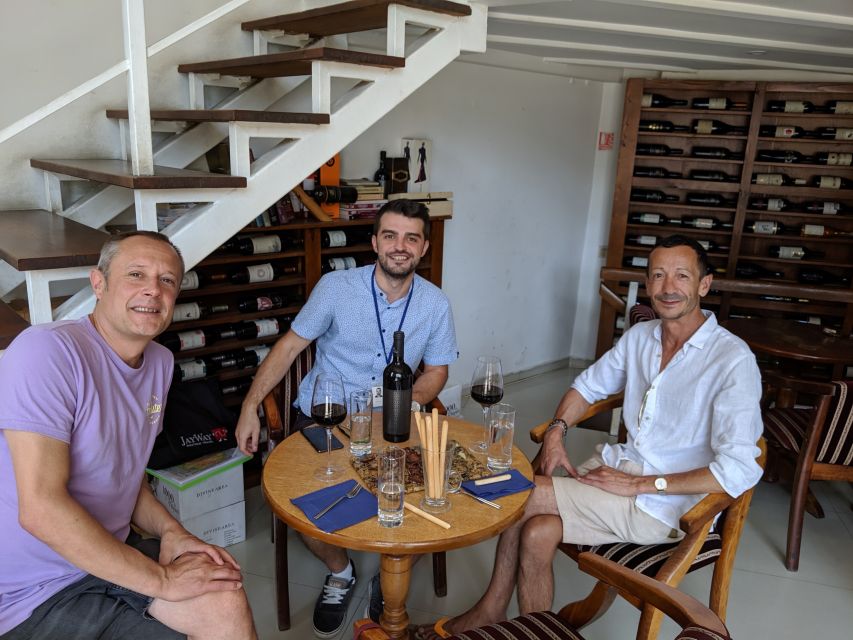
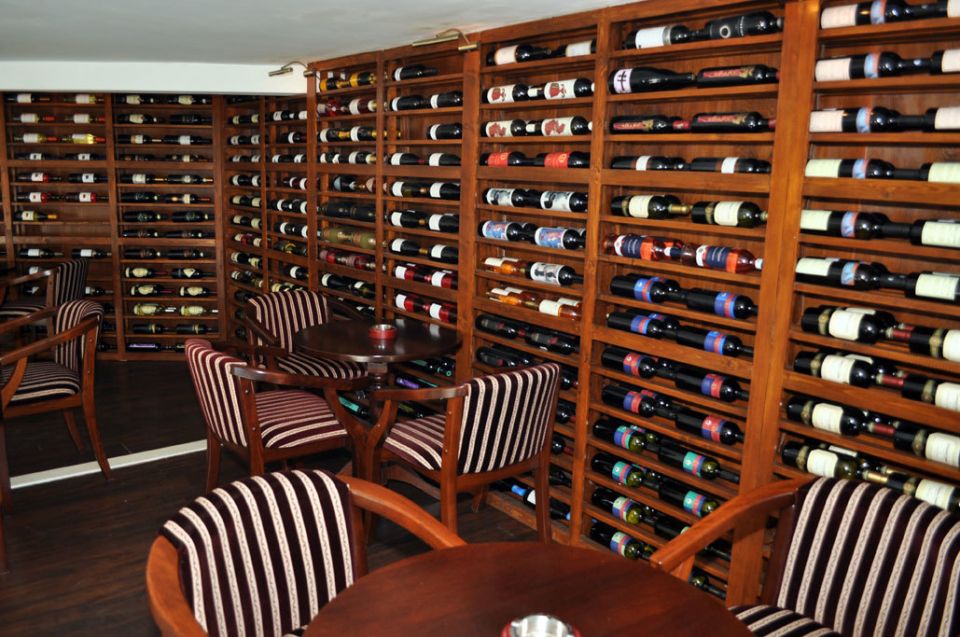
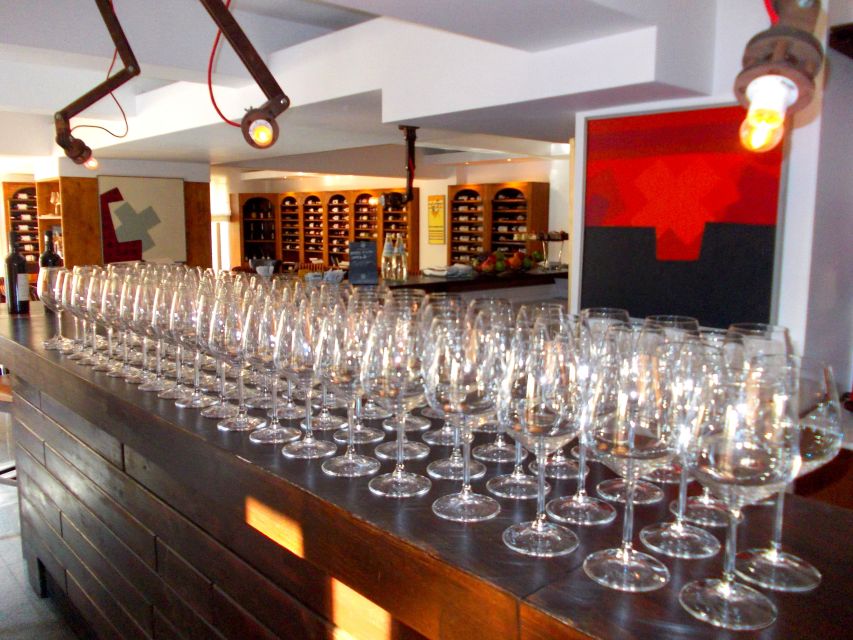
At the wine bar, you’ll enjoy three glasses of Romanian wine, along with a small plate of cheese and charcuterie and a glass of water. For me, pairing wine with food is where tasting stops being “drink and move on.” It helps you notice texture, salt, and the way flavors shift when the palate gets reset.
What the guide does well is explain the background behind what you’re tasting. Romania is a major wine producer, and the tour connects that to a revival in recent decades—so you don’t just get grape names. You learn how the industry got to where it is now.
You’ll also hear about terroir in terms that make sense: the idea that place affects the wine. Dealu Mare is specifically mentioned as a region you’ll talk about. Then you connect that to grapes you can actually taste.
The tasting typically includes local varieties such as:
- Feteasca Neagra
- Tamaioasa Romaneasca
- Negru de Dragasani
This is one of the most praised parts of the experience. People consistently note that the tasting is both enjoyable and informative, and that it ties history to what ends up in the glass. It’s also a nice pace: about an hour and a half to slow down, ask questions, and enjoy the conversation.
You can also read our reviews of more museum experiences in Bucharest


Getting Back to the Old Town: Ending Near Your Next Adventure
The tour runs in a smooth arc. You start with pickup from your accommodation in Bucharest. Then you go out to the museum and work your way back toward the city.
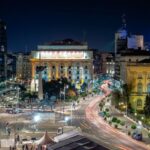
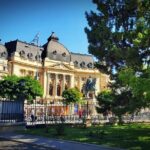
Along the route, there’s a quick photo stop/pass-by connected with the Romanian Athenaeum, so you get a moment of Bucharest iconic architecture without turning the day into a long sightseeing marathon. After the wine tasting, the tour ends in the city center near the Romanian Athenaeum area—walkable to the Old Town.
This finish is practical. You don’t have to scramble for a taxi right after drinking. You can stretch your legs, grab dinner, or do a casual night walk without needing more planning.
Price and Logistics: Is $153 Per Person Good Value?
Let’s talk money honestly. At $153 per person for about 4.5 hours, you’re paying for a lot more than just a museum ticket and a sip of wine.
Here’s what’s baked into the price:
- Hotel pickup and private transport (car, van, or taxi)
- A guided visit at the National Village Museum
- A craft stop at a local handmade shop
- Wine tasting with 3 glasses plus cheese and charcuterie and water
- Museum entrance fees
That mix matters. You’re buying coordination, timing, and interpretation. The private format is also a big part of the value: you can move at your guide’s pace, and you avoid the “everyone rushes to the same photo spot” problem.
And it shows in the way guides work on these days. Mihai is described as flexible in extreme heat, and he also communicates well about pickup and end-drop options. That kind of practical care is hard to price, but it makes the day smoother.
If you’re traveling solo, a private group can feel even more worth it because you still get full guidance and attention. If you’re traveling with friends, this is a good shared-value option since the tour is private.
Who This Tour Fits Best (and Who Might Skip It)

This is a strong match if you want:
- A clear, guided introduction to Romanian culture that goes beyond monuments
- Family-style learning you can see and taste: architecture plus crafts plus wine
- A small, private day (not a big bus tour vibe)
It’s not a fit for everyone. The tour is not suitable for wheelchair users, and children under 3 aren’t recommended. Also, because a large part of the museum visit happens outdoors, you’ll enjoy it more if you handle walking in open air.
If your goal is only “see Bucharest sights fast,” this may feel like it takes you out of the city for too long. But if you want one memorable cultural day with real local products, it’s a very solid use of time.
Should You Book Traditions in Bucharest?
Book it if you want a day that makes Romanian culture feel tangible. The National Village Museum is the anchor—300+ buildings, regional architecture, and folklore turned into something you can walk through. Then the craft shop and wine tasting make the story human: clothing, pottery, eggs, icons, and grapes that belong to specific places.
Don’t book it if you hate outdoor walking or if you only want a cheap, casual stroll. This is a planned, guided experience with a real structure and a clear price.
If you do book it, one tip: wear comfortable shoes and plan for heat. When the weather turns, having a guide who can adjust makes a bigger difference than people expect—Mihai’s flexibility is part of why this tour earns its top marks.
FAQ
How long is the tour?
The tour lasts about 4.5 hours.
How much does it cost per person?
The price is listed as $153 per person.
Is hotel pickup included, and where does the guide meet me?
Yes, hotel pickup is included. The guide waits in your hotel lobby next to the reception desk. If your accommodation doesn’t have a lobby, the guide waits downstairs at the entrance.
What happens during the Village Museum stop?
You’ll visit the Dimitrie Gusti National Village Museum with a guided tour and a walk. The museum visit is about 1.5 hours.
What do you taste during the wine tasting?
You taste 3 glasses of Romanian wine, plus a small plate with cheese and charcuterie and 1 water.
What languages does the tour guide speak?
The live guide speaks English and Romanian.
Where does the tour finish?
The tour ends in the city center near the Romanian Athenaeum area, within walking distance of Old Town.
Can I cancel, and is it suitable for kids or wheelchair users?
Free cancellation is available up to 24 hours in advance for a full refund, and you can reserve now and pay later. The tour is not suitable for children under 3 years old and is not suitable for wheelchair users.