REVIEW · BUCHAREST
Bucharest: Private City Tour Guided Experience
Book on GetYourGuide →Operated by Yolo Tours Romania · Bookable on GetYourGuide
Bucharest has two speeds: grand and crooked. This private 5-hour tour connects the story of the city’s former Little Paris glamour to the alley-jumble of Lipscani, then carries you in comfort across major sights. I like that the route is built around real contrasts: wide, official boulevards on one side, and tiny lanes with decorative facades on the other.
The second thing I love is the practical setup: hotel pickup and drop-off plus an air-conditioned minivan, so you’re not wasting time figuring out routes. One catch to plan for: you’ll need a passport or European ID for the Parliament Palace, and entrance fees aren’t included.
In This Review
- Key moments worth centering in your day
- Bucharest’s Little Paris idea: what you’ll actually see
- Lipscani on foot: the Belle Époque maze that helps it all click
- Parliament Palace: the interior extravagance you can’t fake
- Village Museum at Lake Herăstrău: rural Romania, shown through real buildings
- Why a private 5-hour format is good value here
- Guide quality: Cristian’s professional, attentive style
- What this itinerary is best for (and who might not love it)
- Should you book the Bucharest Private City Tour with Yolo Tours Romania?
- FAQ
- How long is the Bucharest private city tour?
- What price is listed for the tour?
- What’s included in the price?
- Are entrance fees included?
- Is lunch included?
- What languages does the live guide speak?
- Do I need a passport for this tour?
- Is the tour private?
- Where does pickup happen?
Key moments worth centering in your day
- A private 5-hour route that moves efficiently through Bucharest’s biggest contrasts
- Lipscani’s lane chaos between Calea Victoriei, Boulevard Bratianu, Boulevard Regina Elisabeta, and the Dambovita River
- Parliament Palace inside the spectacle with chandeliers, mosaics, marble, gold leaf, stained glass, and carpets
- Village Museum on Lake Herastrau grounds: an outdoor collection of 50 rural buildings across about 30 acres
- Bilingual live guiding (Spanish or English), with Cristian highlighted as attentive and professional
Bucharest’s Little Paris idea: what you’ll actually see
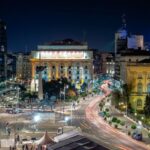
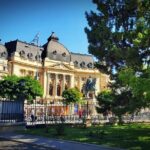
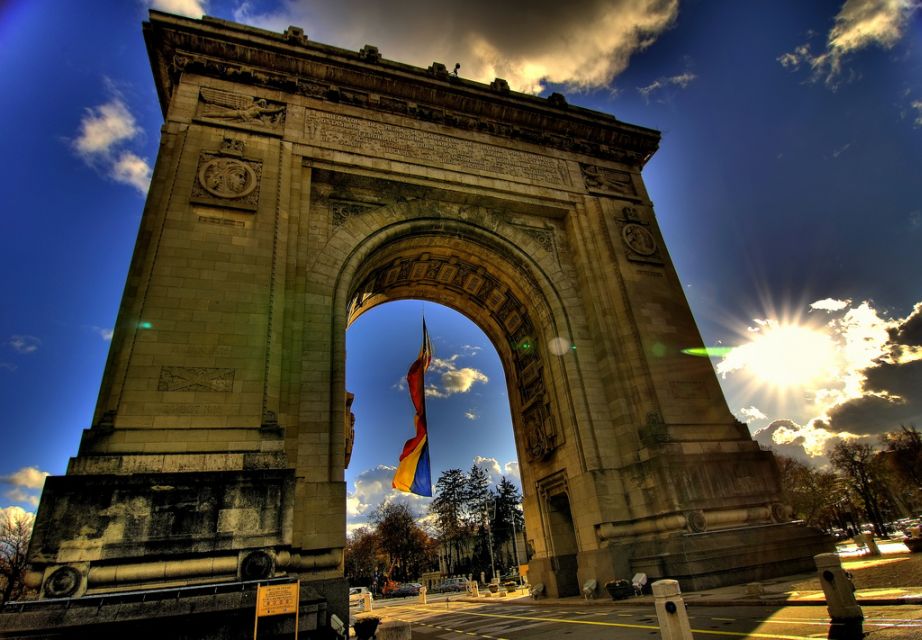
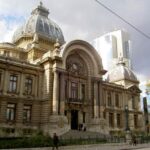
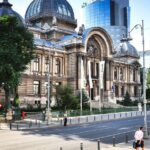
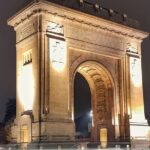
Bucharest earns its nickname Little Paris in a very physical way. You’ll notice it in the contrast between statement boulevards and the close-knit old streets that still feel human-scale. One minute you’re looking down wide roads that were designed for power and movement; the next minute you’re stepping into tight lanes where the building facades do the talking.
That’s exactly the mood this tour targets. It keeps you focused on the historic center area bounded roughly by major roads like Calea Victoriei and the Boulevard loop that leads toward the Dambovita River. It’s a smart choice for a half-day visit because it gives you context fast: you learn why Bucharest used to flirt with Parisian-looking grandeur, and you see how that look survives in pieces today.
And yes, there’s change happening in the same space. The old residential and center zones—once glamorous—are being reshaped into a more upscale neighborhood. You don’t need a history degree to feel what changed. The buildings still sit there; the street life and renovation patterns do the rest.
You can also read our reviews of more guided tours in Bucharest

Lipscani on foot: the Belle Époque maze that helps it all click
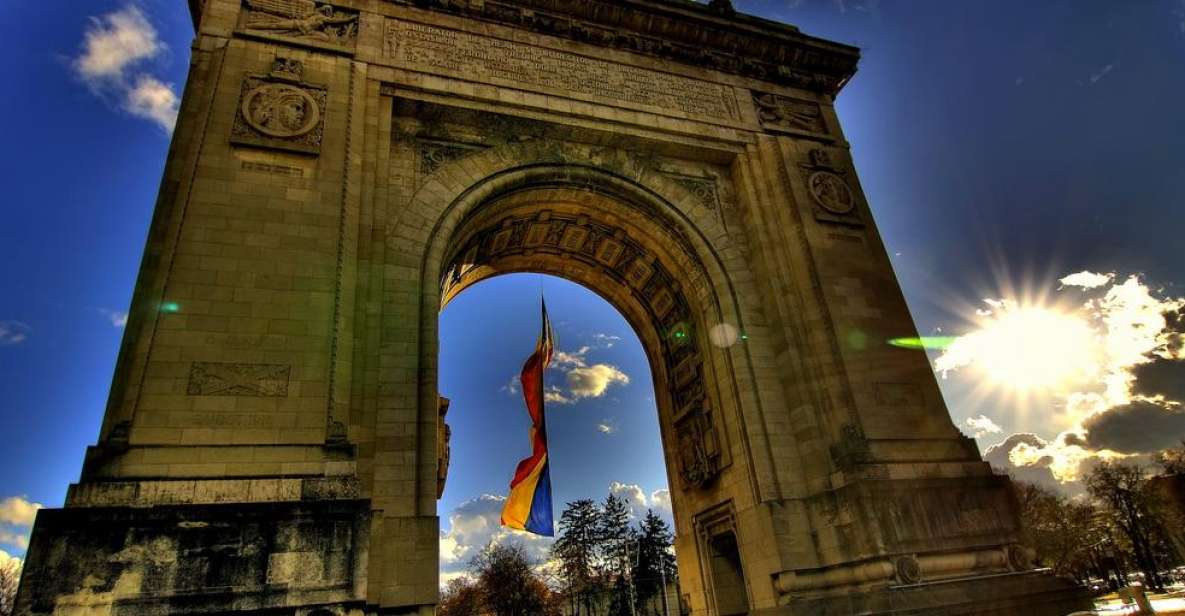
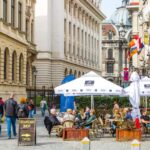
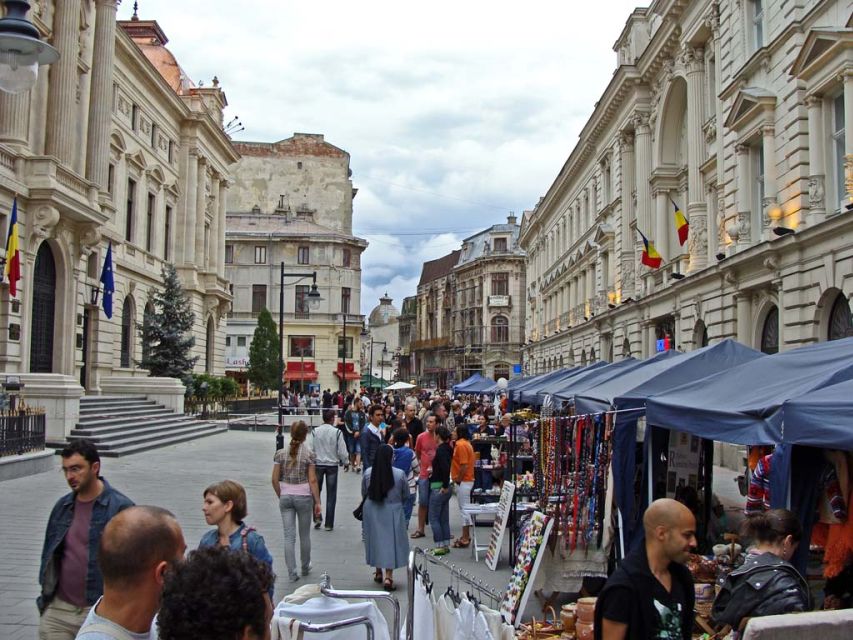
If Bucharest feels confusing when you arrive, Lipscani is where it starts making sense. The old neighborhood is famous for its jumbled street layout, and walking through it is the point. You’ll move through a dense knot of lanes rather than a single straight line, so the architecture hits you in short bursts—street corner to street corner.
This is also where the tour leans into architecture as storytelling. In Lipscani, you get a strong sense of Belle Époque influence through lovely period buildings. These facades don’t just look pretty. They show how Bucharest wanted to present itself—how the city’s wealth and aspirations used to appear in stone, ornament, and rhythm.
There’s a practical angle here, too. Lipscani is a good place to get your bearings because it’s a compact “old center” atmosphere. Even if you don’t know where everything is on a map, you learn the mental model: the boulevards are the big structure; the side streets are the character.
My tip for you: plan for some walking through narrow lanes. Even if the minivan handles transfers, Lipscani itself is the kind of neighborhood where shoes matter. If you prefer slow pacing, this is a perfect area to do it, since the buildings are part of the experience.
Parliament Palace: the interior extravagance you can’t fake
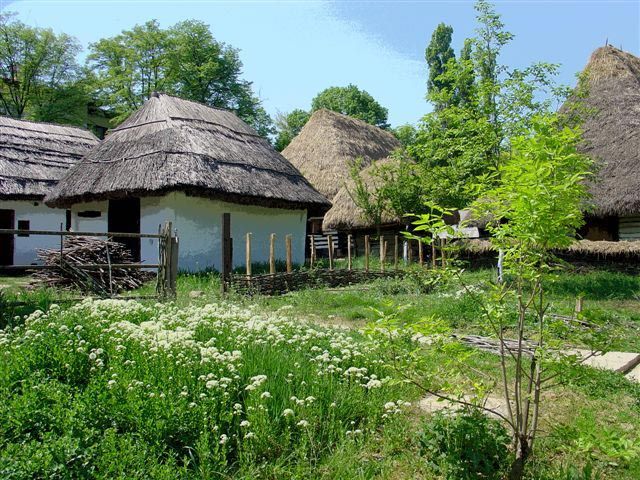
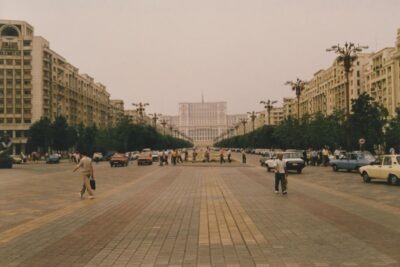
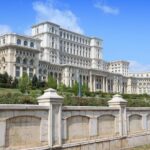
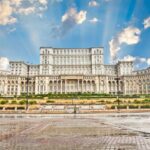
The Parliament Palace is not subtle. It’s monumental in scale, and it was built under Nicolae Ceaușescu’s leadership as a massive administrative project. The tour frames it as the second-largest administrative building in the world after the Pentagon. That fact alone gives you a scale reference, but the real wow moment comes from the interior details.
Think “formal” plus “over-the-top,” at full volume. Inside, you’ll see:
- crystal chandeliers
- mosaics
- oak paneling
- marble surfaces
- gold leaf accents
- stained-glass windows
- richly carpeted floors
That list matters because it tells you the palace isn’t just big—it’s designed to impress with layers. Light bounces off reflective materials; patterns show up in mosaics and glass; the warmth of wood and the weight of stone create a feel that’s very different from Bucharest street life.
A practical note you should not ignore: a passport or European ID is required for the Parliament Palace tour. Have it ready before you head over, so you’re not stuck solving paperwork at the last second.
Also, entrance fees are not included. That doesn’t ruin the value, but it does change the total cost in real life. If you’re budgeting tightly, check entrance costs ahead of time and add them to your plan.
What I like about pairing this with Lipscani: it creates a sharp contrast in one half-day. You go from delicate street-era details to a building built to dominate space. That contrast is the whole point.
Village Museum at Lake Herăstrău: rural Romania, shown through real buildings
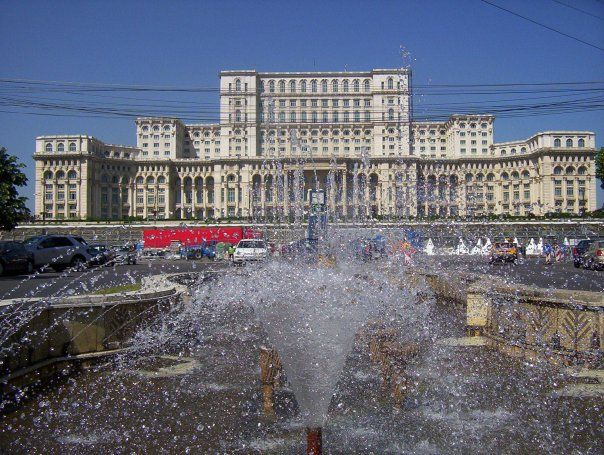
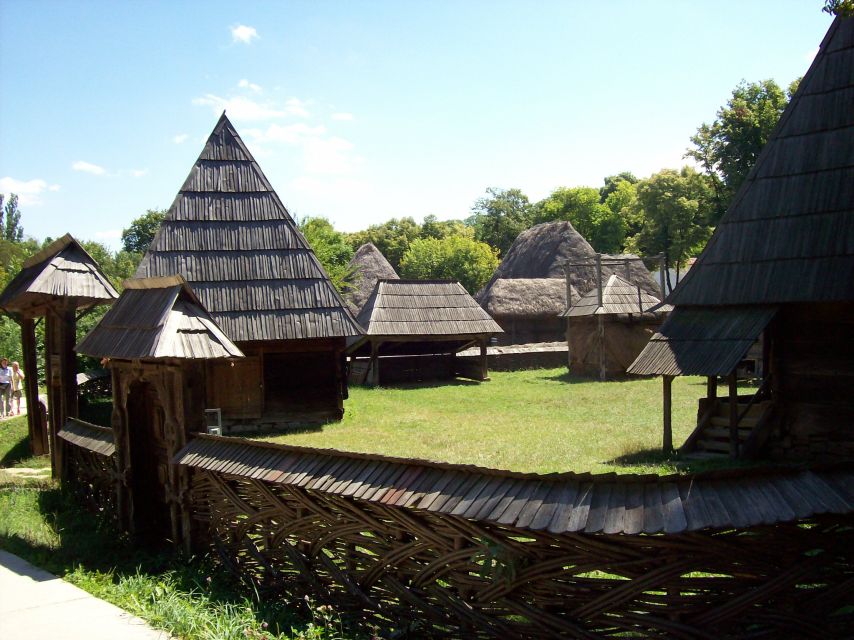
After the palace, the tour shifts gears into something calmer and more textured: the Village Museum in Herăstrău Park, on the shores of Lake Herăstrău. This is the kind of stop that helps you understand Romanian identity beyond big-city politics and marble statements.
Here’s what makes it work as a visit: it’s an open-air museum with a collection of rural architecture. Founded by royal decree in 1936, the museum spans about 30 acres, and it’s described as the largest open-air museum in Europe. You’ll explore around 50 buildings, arranged to represent Romanian rural design across the centuries.
That scope is the advantage. Instead of hearing about rural life in abstract terms, you can walk through physical spaces that show evolution in building style, materials, and layout. Even if you only understand a fraction of the architectural language, you can still see the shift from one era to the next.
This stop is also where the day becomes less about “looking up.” You’ll spend more time noticing how communities lived—how buildings sit together, how space feels outdoors, and how the museum’s setting changes what you notice.
My practical advice for you: treat this as an outdoors portion of the tour. You’ll be moving around the open-air grounds, so plan for weather. If you’re visiting in hot or rainy seasons, dress accordingly and keep water handy.
Why a private 5-hour format is good value here
At $120 per group up to 1, this is priced as a true private experience rather than a shared coach deal. If you’re traveling solo (or you want a group of just your people), that pricing model can actually be fair—because you’re not paying for empty seats.
The value comes from what you get with that cost:
- transport by air-conditioned minivan
- an English-speaking live guide
- photo and video fees included
- hotel pickup and drop-off
Those items matter more than people think. In Bucharest, transit time and navigation costs can eat into sightseeing energy. When pickup and a driver are handled, you can spend more of your mental bandwidth on what you came for: architecture, neighborhood context, and meaningful stops.
What’s not included is also important for your budget:
- lunch
- entrance fees
So the real total depends on how you handle meals and which paid entries you choose (the big one being Parliament Palace). Still, for a condensed, high-impact day, you’re buying time efficiency plus interpretation.
Balanced take: if you already enjoy self-guided sightseeing and you’re comfortable taking buses or taxis, you might do the sights on your own. But if you want someone to connect the dots—Little Paris to Lipscani to Ceașescu’s palace—this private format gives you that link-building without the guesswork.
You can also read our reviews of more city tours in Bucharest


Guide quality: Cristian’s professional, attentive style
The best sign of a good tour guide is how they make the information feel usable. In the guide experiences tied to this tour, Cristian comes up as a standout: professional, cultured, and attentive. That matters because Bucharest’s history can feel layered and political. A guide who stays alert to your questions keeps the narrative flowing instead of turning into a lecture.
There’s also bilingual flexibility. The tour offers Spanish and English, and the experience notes that the guide works hard to understand Spanish-speaking visitors. For you, that means fewer barriers. You can ask follow-ups, and you don’t have to translate everything in your head.
In a private tour, guide quality has outsized impact. You’re not just hearing facts—you’re getting pacing and explanation tailored to the group. That’s why the private setup gets praised: it makes the day feel less like ticking boxes and more like understanding a real place.
Practical suggestion: if you have specific interests—architecture details, political history, or rural building styles—tell your guide early. With a private group, that focus can steer how the stops are emphasized.
What this itinerary is best for (and who might not love it)
This is a strong match for you if:
- you have about half a day and want high-quality coverage
- you care about architecture and city layers
- you like seeing the contrast between boulevards, neighborhoods, and grand monuments
- you want a guided explanation rather than reading alone
It’s also a good fit if you want both “urban” and “rural in one day.” Many Bucharest tours lean only on downtown sights. Here, the Village Museum gives you a different lens—how people built and lived outside the capital’s power structures.
You might not love it if:
- you want a slow, long museum day with lots of free roaming
- you’re allergic to paperwork requirements (because Parliament Palace needs passport or European ID)
- you’re hoping for lunch included in the price
But if you want a clean, well-connected storyline for a first visit, this tour format is built for exactly that.
Should you book the Bucharest Private City Tour with Yolo Tours Romania?
If you’re deciding, I’d say yes—especially if you value comfort, clear context, and the ability to ask questions in Spanish or English. The day is tightly organized around three big anchors: Lipscani, the Parliament Palace interior, and the Village Museum. That trio covers Bucharest from “street-level texture” to “political monument” to “rural identity,” and it does it in five hours without making you feel rushed all the time.
Book it if:
- you’re short on time and want efficient sightseeing
- you’re interested in architecture and want it interpreted
- you’d rather pay for a private guide than self-navigate
Consider alternatives if:
- you’re traveling with kids who need lots of breaks (the day is structured around key stops)
- you want only one main attraction and lots of downtime
One last decision helper: check entrance fees for the sights you care about, since they’re not included. Once you account for that, the rest of what you get—pickup, air-conditioned transport, guide, and included photo/video fees—makes the $120 price feel more like a bundled service than a barebones ticket.
FAQ
How long is the Bucharest private city tour?
It lasts 5 hours.
What price is listed for the tour?
The price is $120 per group up to 1.
What’s included in the price?
Transportation by air-conditioned minivan, an English-speaking tour guide, photo and video fees, and hotel pickup and drop-off are included.
Are entrance fees included?
No. Entrance fees are not included.
Is lunch included?
No. Lunch is not included.
What languages does the live guide speak?
The tour offers Spanish and English.
Do I need a passport for this tour?
A passport or a European ID card is required for the Parliament Palace tour.
Is the tour private?
Yes, it’s a private group.
Where does pickup happen?
Pickup is included from hotels in Bucharest.