REVIEW · BUCHAREST
From Bucharest: Small Group Day Trip to Medieval Bulgaria
Book on GetYourGuide →Operated by EASTERN EUROPEAN EXPERIENCE · Bookable on GetYourGuide
That first border drive changes the whole mood. This small-group day trip turns Bucharest into medieval Bulgaria, with UNESCO caves, fortress views, and real workshops. I like that the plan is built around classic stops—Ivanovo’s rock-hewn churches and the Tsarevets hill—so your day feels full without getting random. Guides like Pavel and Tudor (plus many others you may be paired with) keep it moving with stories and jokes, not a lecture-only vibe.
I also like the hands-on feel at Samovodene Artisans Street, where you can watch tradespeople at work. The coppersmith demo—making copper plates and cups used for Turkish coffee—adds a practical, you-can-see-the-tooling detail that’s easy to remember. One consideration: it’s a 12-hour day with a long drive each way, so if you hate road time, this one may feel like too much.
In This Review
- Key takeaways before you go
- A 12-hour cross-border loop: from Bucharest toward Veliko Tarnovo
- Ivanovo Rock-Hewn Churches: UNESCO carvings before the city
- Veliko Tarnovo: the Second Bulgarian Empire capital on foot
- Samovodene Artisans Street: workshops where craft still runs
- Tsarevets Hill and Fortress: the best view-and-ruin combo
- Arbanassi Village: architectural reserve and merchant-house detail
- Lunch breaks and what you pay for in real terms
- Border-day and planning tips that actually matter
- Who this tour fits best (and who should skip it)
- Should you book it?
- FAQ
- How long is the day trip?
- How much does it cost?
- What’s included in the price?
- What is not included?
- Is there an English-speaking guide?
- Do I need to buy tickets in advance?
- Are passport stamps part of the day?
- What if the border bridge timing changes?
Key takeaways before you go
- UNESCO Ivanovo Rock-Hewn Churches carved into the gorge beside the Roussenski Lom River, with restored 13th-century-era pieces
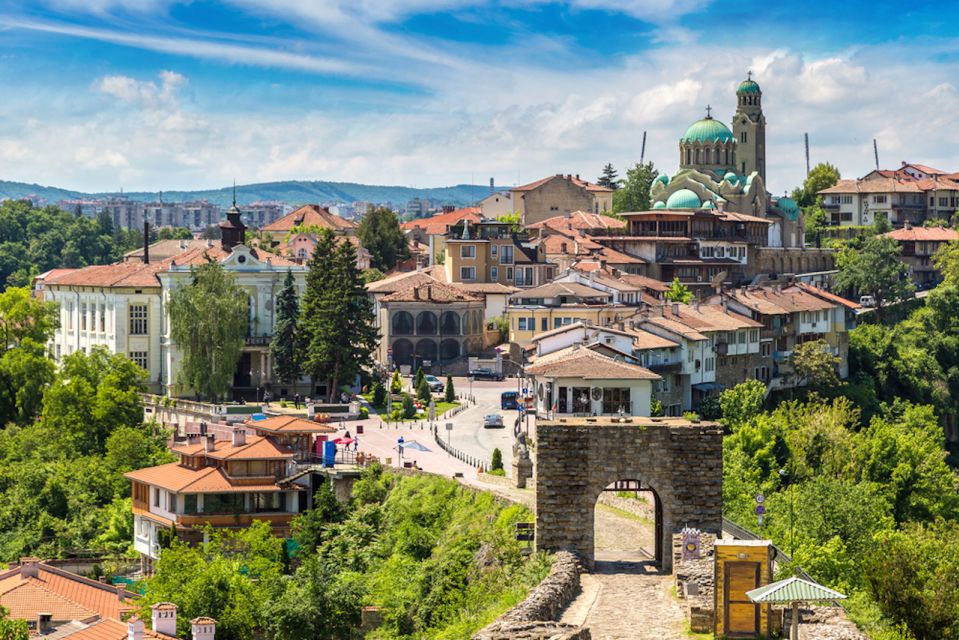
- Tsarevets Fortress on the hill: fortress remains plus major structures like the Patriarchal Church, Royal Palace, and Emperor Balduin’s Tower
- Samovodene Artisans Street in action: workshops you can pass in front of, including a working coppersmith tied to Turkish coffee culture
- Arbanassi as an architectural reserve with streets and houses plus churches that date back as far as the 16th century
- A small-group, guide-led structure with pickup/drop-off and skip-the-ticket-line included, while entry tickets and photo fees are extra
A 12-hour cross-border loop: from Bucharest toward Veliko Tarnovo
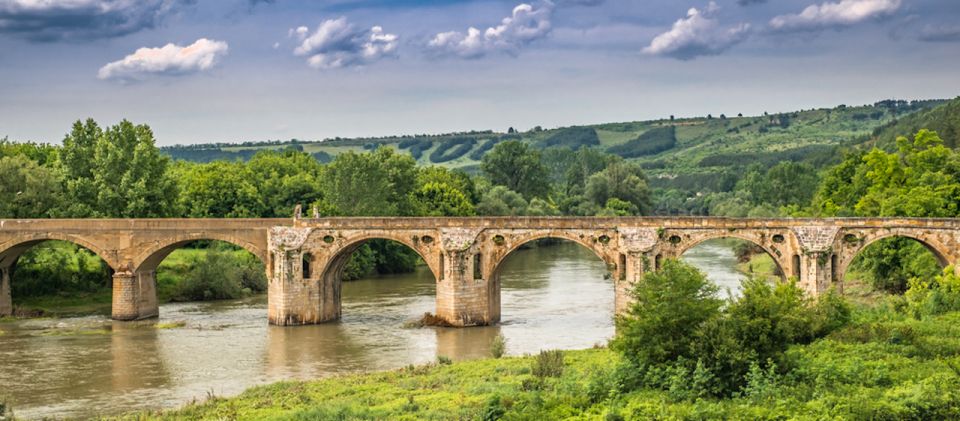
This trip is built for people who want a major cultural hit in one day. You start with pickup at your centrally located hotel or hostel in Bucharest, then you head south toward the Romanian–Bulgarian border.
Crossing is part of the day’s rhythm. You go over the Danube River by the Friendship Bridge, and you’ll want your documents ready because border processes can include passport stamps when you enter and leave. The ride is long, but you’re not just sitting there—your guide fills the drive time with context, and it helps a lot when the day is packed.
There’s also a practical timing note. Starting with July 9, 2024, the Friendship Bridge was under maintenance for about two months, so the starting time had to be earlier than usual. If you’re booking around similar periods, ask the company when you’ll be picked up.
You can also read our reviews of more tours and experiences in Bucharest
Ivanovo Rock-Hewn Churches: UNESCO carvings before the city
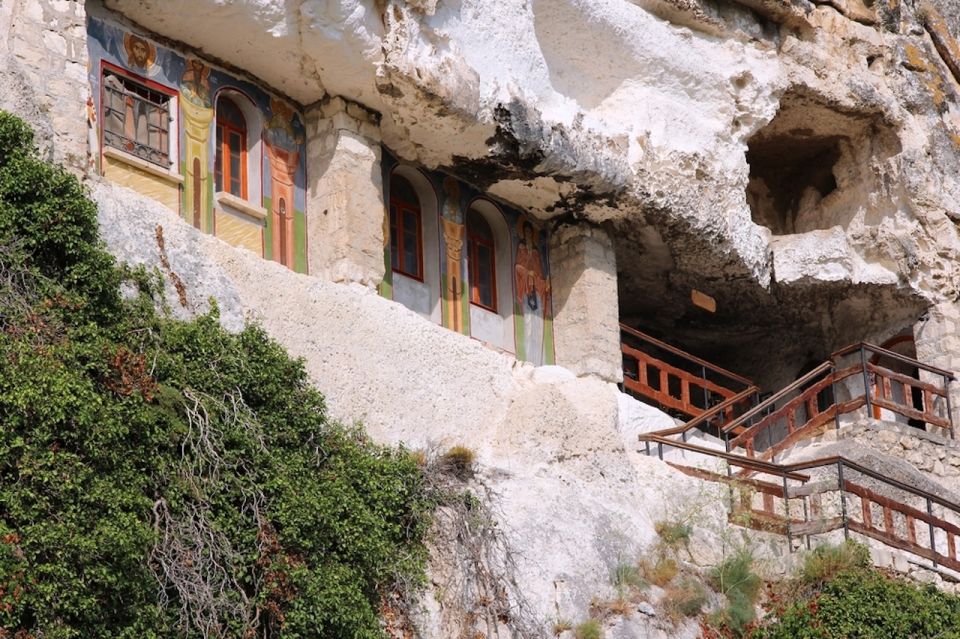
Your first big stop is the Rock-Hewn Churches near the village of Ivanovo. This UNESCO World Heritage Site is not a single church with a big parking lot. It’s Bulgarian medieval churches, chapels, and monastic cells hewn into the craggy gorge of the Roussenski Lom River.
What I like here is the visual logic of the place. When you’re in that gorge setting, you get why monastic life often favored remote spots, and you can see how carved rock becomes shelter, chapel, and living space all at once. The restored elements tied to the 13th century—like inscriptions and portraits of saints—give the carvings a historical anchor, instead of leaving them as anonymous stonework.
A downside? Expect some walking on uneven terrain, plus stairs depending on how the route is managed. If your legs are sensitive, wear grippy shoes and plan on taking it slow.
Veliko Tarnovo: the Second Bulgarian Empire capital on foot
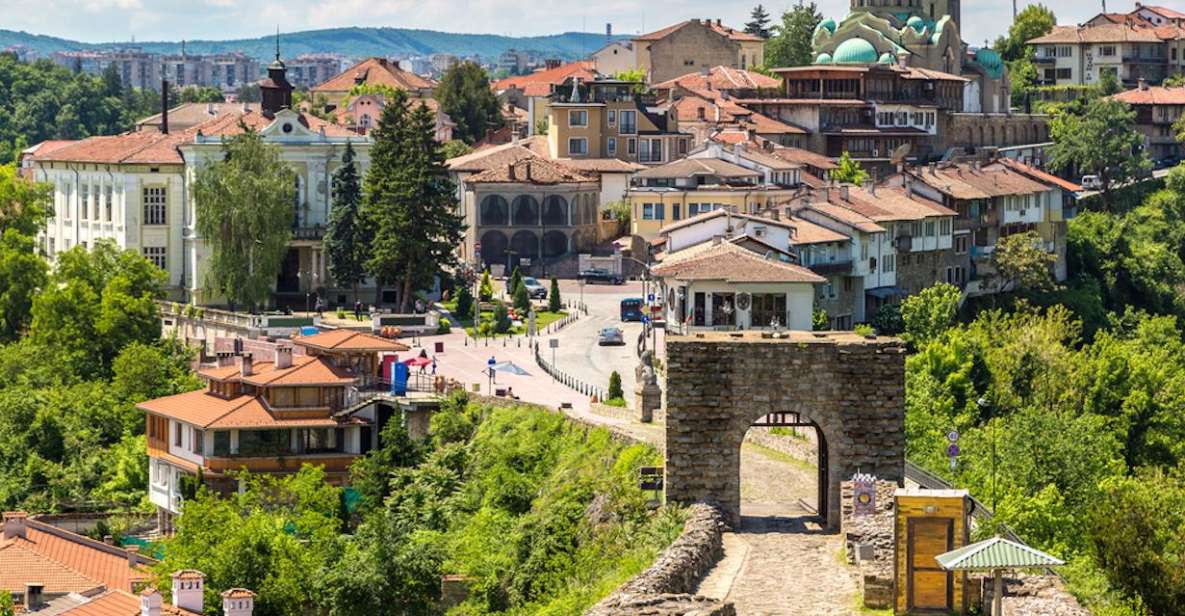
After Ivanovo, you reach Veliko Tarnovo, often described as the historical heart of the region. It was the capital of the Second Bulgarian Empire, and you can feel that layering as you move around—museums and historical sites mixed with modern student energy.
You won’t get a full “spend the afternoon in museums” kind of day here. The time is focused, and you’ll likely spend your most walkable moments in the areas that connect you to everyday culture—especially Samovodene Artisans Street.
This is also where the city’s layout helps you. The hills and viewpoints are built for short hikes and satisfying photo stops, but you don’t need to be an athlete to enjoy the experience. You just need to be comfortable with steps and a steady pace.
Samovodene Artisans Street: workshops where craft still runs
One of the strongest parts of this day trip is Samovodene Artisans Street. This isn’t a staged marketplace. It’s packed with workshops owned by Bulgarian families for generations, preserving traditional trades through day-to-day work.
I like the way the stop connects art to function. You can pass coppersmith and silversmith workshops and icon painter spaces, then land on a working demonstration. The coppersmith part matters because you see production for everyday items—like copper plates and cups used for Turkish coffee—so it’s not just crafts for decoration.
If you’re the kind of traveler who likes to understand how things get made, this is your moment. It’s also a good spot to ask questions of the guide about why these crafts stayed local and how they relate to regional life.
There can be a trade-off: you may have limited time to linger for browsing and shopping, since the day is structured with other major stops. If you want serious souvenir time, plan to buy quickly or keep your list tight.
Tsarevets Hill and Fortress: the best view-and-ruin combo
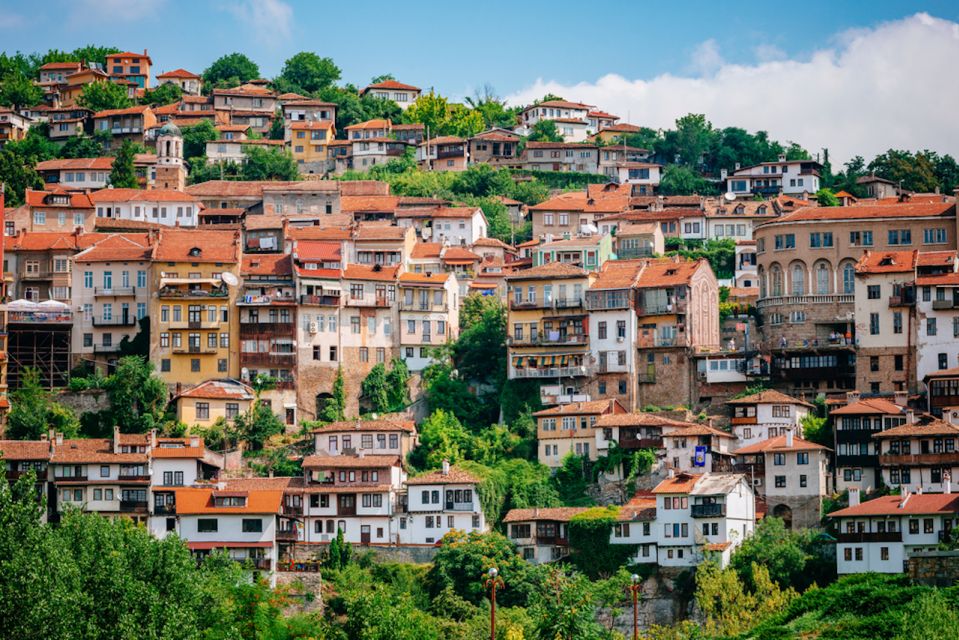
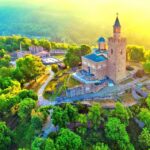
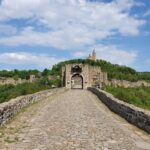
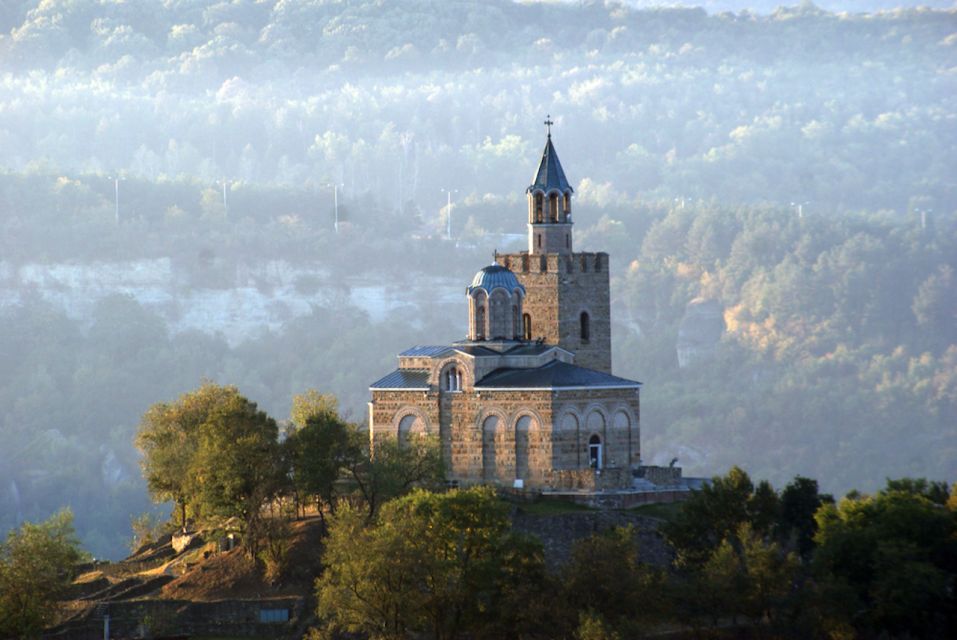
Then comes Tsarevets Hill, topped by the remains of the medieval fortress and church complex associated with Bulgarian kings. The hill is steep enough to make the climb feel like a real effort, but it’s the kind of walk that pays back quickly.
At the fortress site, you’ll see major elements tied to the power of the medieval city: the fortress itself, the Patriarchal Church, the Royal Palace, and Emperor Balduin’s Tower. Even if you’re not a hardcore medieval architecture fan, the scale and placement help you understand why Tsarevets mattered.
This is often the anchor stop of the day for a reason. You get wide views over Veliko Tarnovo, plus the sense of a stronghold that could control the city below. It’s the kind of place where your brain naturally stitches together the stories the guide is telling in the car.
Practical note: plan for steps and uneven surfaces. The tour format is designed for normal sightseeing legs, but if you’re traveling with mobility limits, you should think twice about spending time climbing up and around the hill.

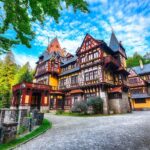
Arbanassi Village: architectural reserve and merchant-house detail
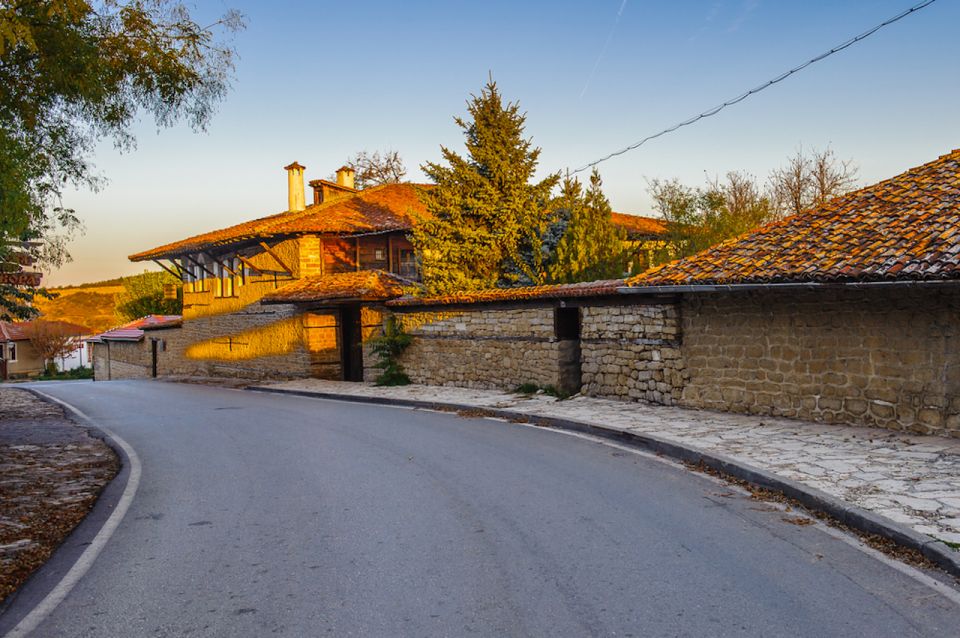
After Tsarevets, you drive to Arbanassi Village, an architectural reserve unique in Bulgaria. This is the “step back in time” stop, built around streets lined with houses and churches dating back as far as the 16th century.
The feel here is more about walking and looking than about one single landmark. You move through the village fabric and spot how wealth and faith shaped the built environment. It’s a slower kind of sightseeing compared with the fortress climb, even though the day is still long.
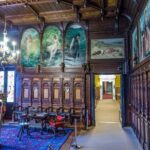
You’ll also visit the Konstantsalieva House, which connects to the story of rich merchants from the 17th century. The point of the house is to show a lifestyle that was lavish but also simple, which is a useful contrast when you think about how “rich” and “practical” can overlap in historic domestic spaces.
One warning from real-world pacing: Arbanassi can be a bit of a time squeeze if you’re hoping for lots of independent wandering or shopping. Depending on how your schedule lands, you might end up primarily passing through rather than lingering deeply. If you’re trying to choose between “villages as destinations” versus “villages as add-ons,” decide based on your own style.
Lunch breaks and what you pay for in real terms
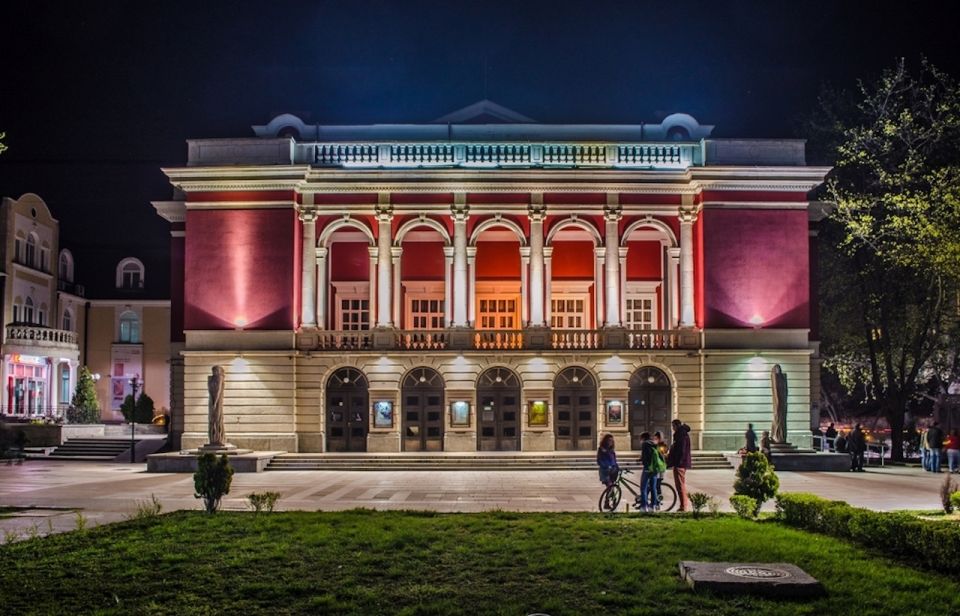
Lunch is not included. The tour stops for a meal in one of the local restaurants serving Bulgarian food, and you’ll be able to take a break before the return drive.
Tickets and photo fees for the attractions are also not included. The good part is that the tour is set up with a licensed private guide and skip-the-ticket-line, which saves time at the places where lines can form.
So what do you get for $87 per person? You’re paying for three big things:
- a licensed private guide to connect the sites into a coherent story
- pickup/drop-off from central Bucharest locations
- a route that compresses UNESCO, a fortress climb, artisan workshops, and a preserved village into one day
If you’re already planning to tour these sites yourself, the guided timing and organization usually add real value. But if you love total freedom to linger, you may feel the clock more than you would on a multi-day trip.
Border-day and planning tips that actually matter
This is a cross-border day trip, so a few practical habits help.
First, bring your passport. People report passport stamps when crossing in and out, and that’s the kind of detail that can derail your day if you forget.
Second, have some cash or easy access to currency exchange. Some guides and drivers can help with guidance, and there’s advice to bring cash to exchange or change in advance, especially if your travel style relies on local small payments.
Third, keep expectations realistic about timing. The road between Bucharest and Veliko Tarnovo is part of the experience, but it’s still a long day. If you’re sensitive to long sits, pack water and plan to recharge during stops.
Finally, be ready for route flexibility. There are examples of guides adjusting plans if needed, like getting into the city from another way for errands. That’s a sign they handle day-of realities.
Who this tour fits best (and who should skip it)
This day trip fits best if you want:
- major medieval sites without booking multiple overnight days
- a guided story that covers UNESCO carvings, fortress power, and everyday crafts
- a “see a lot” schedule with stops that are designed to be walkable and memorable
It might not fit as well if:
- you hate long drives and want a slower pace
- you want hours of independent time in Veliko Tarnovo or Arbanassi
- you have limited comfort with stairs and hillside walking, especially around Tsarevets
It works especially well for first-timers to Bulgaria who want the highlights, and for history-minded travelers who still enjoy seeing crafts in real settings.
Should you book it?
Yes, if you want a structured, high-impact day where you trade money and time for concentration. Ivanovo Rock-Hewn Churches and Tsarevets Fortress are the big pull, and the artisan stop at Samovodene is a smart addition that makes the day feel more human. At $87 with pickup and a private licensed guide, the value is strong for a one-day sampler—especially if you’re okay with a long day and a few extra-paid entries and photos.
If you’re the type who needs downtime between sights, or you’re hoping to shop and linger for long stretches, you may feel rushed. For that travel style, you might be happier with an overnight option instead of a 12-hour loop.
If you decide to book, do it with grippy shoes, your passport handy, and a small mindset shift: this is not a lazy day. It’s a packed one.
FAQ
How long is the day trip?
It runs for 12 hours.
How much does it cost?
The price is $87 per person.
What’s included in the price?
You get a licensed private guide and pickup and drop-off from centrally located hotels/hostels in Bucharest.
What is not included?
Lunch, photo fees, and entry tickets for the attractions are not included.
Is there an English-speaking guide?
Yes, the live tour guide is in English.
Do I need to buy tickets in advance?
No need to handle lines during the tour, since the experience includes skip-the-ticket-line, but entry tickets are still not included in the price.
Are passport stamps part of the day?
Because you cross borders, you should bring your passport, and passport stamps for entering and exiting are reported.
What if the border bridge timing changes?
You may have an earlier start during periods when the Friendship Bridge is under maintenance.