REVIEW · BUCHAREST
Life under Communism
Book on Viator →Operated by Guided Stories · Bookable on Viator
Communism is closer than you think. In three hours you’ll connect the arc of Ceaușescu to the buildings around you, then watch the story land at Piața Revoluției (Revolution Square). Along the route, a professional guide explains how politics shaped daily life and even the city’s look.
I especially like the storytelling style, with guide Cristina using clear English and personal family perspective to make the era feel human. You also get a strong contrast between the huge statement of Palace of Parliament and the smaller, quieter remnants that hint at surveillance and shortages.
One possible drawback: this is a walking route in all weather, so plan on time on your feet. Also, the Palace of Parliament requires a separate admission ticket.
In This Review
- Key points worth caring about
- Why this Bucharest communist walk works in three hours
- Getting oriented: where you meet and how the flow works
- Stop 1: Catedrala Patriarhala and the regime’s first shockwaves
- Stop 2: Palace of Parliament and why size can be political
- Stop 3: Manastirea Antim and what communism did to religion
- Stop 4: Old Town and Caru’ cu bere’s role in foreign policy
- Stop 5: Piața Revoluției and the violent collapse of communism
- What life under communism looks like when it’s placed on real streets
- Guides make the difference: what I’d watch for, and why Cristina gets high marks
- Price and value: what $42.33 buys you
- Practical tips so your walk goes smoothly
- Who should book Life under Communism in Bucharest
- Should you book this tour or skip it?
- FAQ
- How long is the Life under Communism tour in Bucharest?
- What language is the tour offered in?
- Where does the tour start and where does it end?
- Is admission included for every stop?
- Is the tour a walking experience?
- What happens if weather is bad?
Key points worth caring about
- A full Ceaușescu to 1989 storyline in one walk that connects causes, control, and collapse.
- Big monument energy plus street-level leftovers you’d miss on your own.
- Clear English and real pacing support (including the ability to pause and adjust for slower movement).
- Communism shown through architecture and daily details, not just dates.
- Most stops are free to enter, with only the Palace of Parliament requiring a separate ticket.
- Small group size (max 20) keeps the conversation moving and questions welcomed.
Why this Bucharest communist walk works in three hours
If you want one outing that helps Bucharest make sense in the 20th century, this is a solid choice. You’re not doing a museum crawl. Instead, you connect the Romanian communist project to the exact streets and landmark silhouettes where it played out.
The best part is the balance. You get the political story—how power tightened, how fear worked, and how the regime fell hard in 1989. But you also get the texture: what daily life felt like, how food and religion were affected, and why certain buildings look the way they do.
If you only have a half-day, this kind of focused route is efficient. You’ll finish with a clearer sense of why Revolution Square matters so much, and why the communist era still shows up in Bucharest’s everyday corners.
You can also read our reviews of more tours and experiences in Bucharest.
Getting oriented: where you meet and how the flow works
The tour meets at Aleea Dealul Mitropoliei 19, București 030167 and ends at Piața Revoluției (Revolution Square). That start-to-finish layout is practical: you begin near historic central Bucharest and end where the 1989 revolt became public history.
You’ll get a mobile ticket, and the tour is offered in English. Expect a group of up to 20 people, which usually means less waiting around than big bus tours.
Also note the practical stuff: it runs in all weather conditions, so you’ll want layers and shoes that handle wet sidewalks. Service animals are allowed, and it’s near public transportation, which helps if you’re timing the rest of your day.
Stop 1: Catedrala Patriarhala and the regime’s first shockwaves
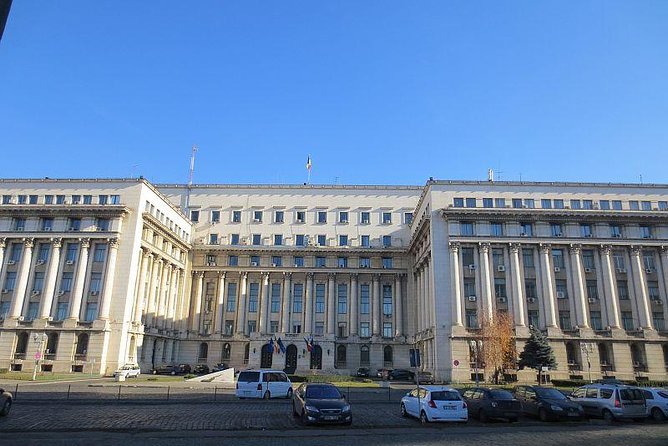
You start with Catedrala Patriarhala, where the tour frames the early period of communism as a violent break—not just a political shift. This opening matters because it sets the emotional tone: the regime didn’t ease into power. It arrived with force, and that pressure shaped everything that followed.
What I like here is that you’re not starting with a monument made later to impress. You’re starting with a religious setting, then learning how the communist project collided with belief and institutions.
If you’re the type who learns best by seeing history in context, this first stop helps you read the rest of the walk. You start noticing patterns: control over institutions, pressure on identity, and the way ideology shows up in physical space.
Stop 2: Palace of Parliament and why size can be political
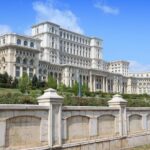
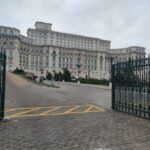
Then comes the heavyweight: Palace of Parliament. Even if you’ve seen photos, you’ll understand it differently once you hear the explanation behind why it was built and what it symbolized.
The tour calls it the world’s second largest administrative building, and that detail isn’t random trivia. The building’s scale becomes part of the story: it’s the regime’s way of putting power in concrete, visible every day.
Two practical notes:
- The Palace is not included in the admission. So you should expect to pay an extra ticket separately if you want to go in.
- It’s a stop that can feel crowded or slow-moving depending on the day, so wear comfortable shoes and keep your energy for the rest of the walk.
Still, this is a key stop for anyone trying to understand the “show” side of Romanian communism: the big gestures, the costly decisions, and the way the state made itself impossible to ignore.
Stop 3: Manastirea Antim and what communism did to religion
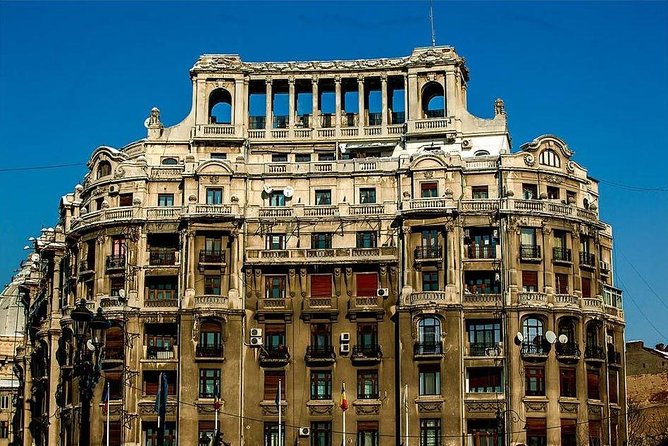
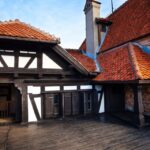
After the big government building energy, the tour shifts to Manastirea Antim. This is where you see how communist rule affected religious life—not just laws on paper, but the lived reality around worship, institutions, and belief.
The monastery setting also gives you a breather. It’s picturesque, and it helps you process the earlier shock of violence and control with something quieter and more human.
I like that the tour frames religion as more than background color. It’s treated as a real target of the system, because controlling spiritual life also means controlling identity, community, and moral authority.
If your interests include how regimes control people through culture, this is one of the stops that delivers.
Stop 4: Old Town and Caru’ cu bere’s role in foreign policy
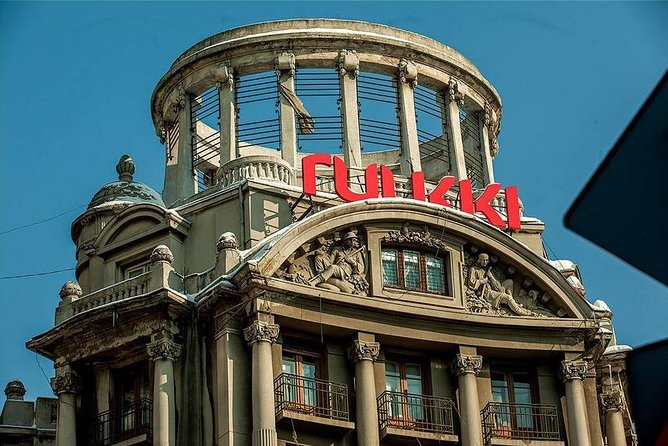
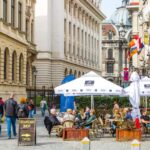
Next up is Bucharest’s Old Town, including the area around Caru’ cu bere, a place the tour connects to foreign policy under communism. Even if you’ve never heard the name, this kind of connection is exactly why a guided walk beats wandering aimlessly.
This stop is less about interiors and more about meaning. You learn how the regime managed its international image and how certain public spaces became points of contact—places where conversations happened under the watchful context of power.
What you’ll probably take away here is simple: communism wasn’t only about shutting doors. It was also about managing what the world saw, and using certain venues to help that happen.
It’s a nice tonal shift too. After heavy political sites, this part lets you connect politics to everyday streets and the social life around them.
Stop 5: Piața Revoluției and the violent collapse of communism
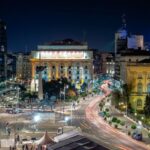
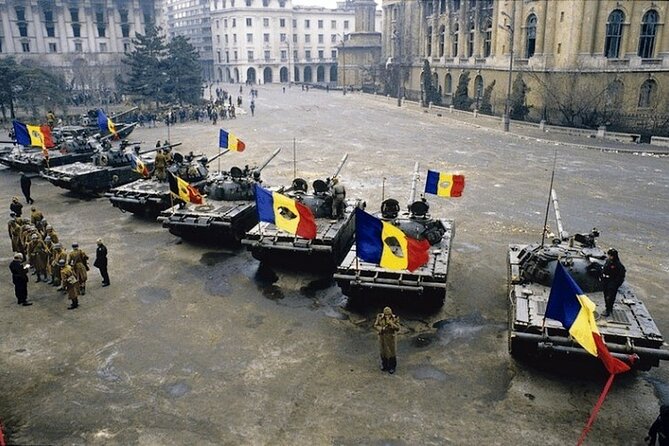
The finale is Piața Revoluției (Revolution Square), where the tour focuses on the violent collapse of communism and Ceausescu’s downfall.
This is the emotional finish line of the whole walk. The tour doesn’t treat 1989 like a clean story with neat chapters. It emphasizes the violence and urgency of the moment, and how the end of the regime played out in public space.
A detail worth knowing: some of the stories shared during these kinds of walks include seeing physical reminders in buildings, such as bullet holes in areas linked to the crackdown. You may encounter references to that kind of evidence during your walk here, depending on what the guide highlights on the day.
If you want history that feels close enough to still hurt, this is where it lands.
What life under communism looks like when it’s placed on real streets
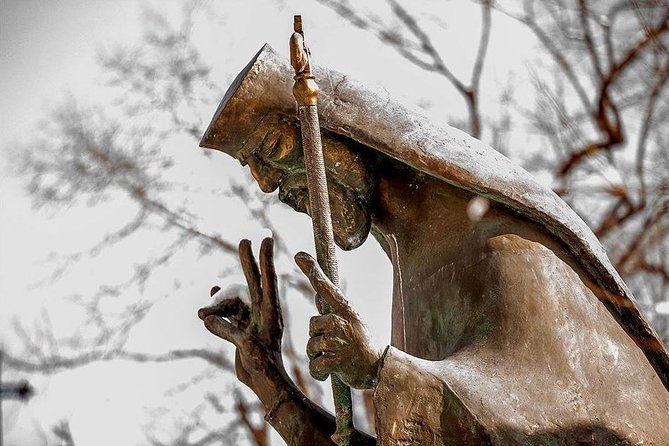
The best communist tours don’t just hand you a timeline. They show you what control looks like in ordinary life.
On this walk, the guide uses specific daily-life themes to connect the landmarks:
- Surveillance and fear as a constant background, not a one-time event
- Food scarcity and rationing-style behavior, explained through the kinds of places the regime relied on
- Institution control, including pressure on religion and public life
- The way the city itself changed, with communist-era architectural choices that still shape what you see
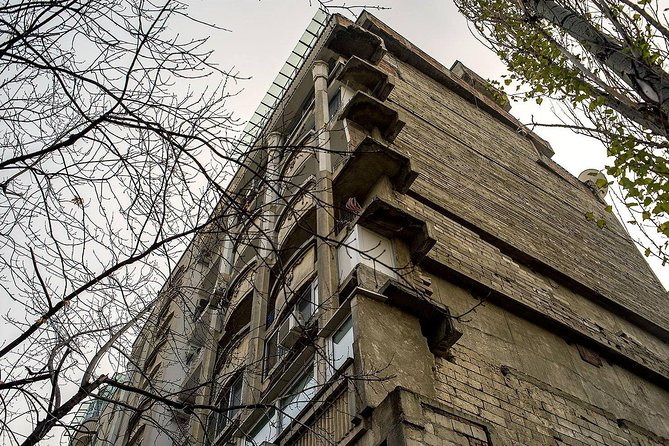
One story thread you may hear centers on communist-era offices and everyday remnants—like older buildings that used to function in the machinery of control, now repurposed or left in rough condition. Another thread may include references to the types of lines people stood in and how a system of scarcity became routine.
That’s the value: you leave with mental pictures you can revisit later when you’re walking in other neighborhoods.
Guides make the difference: what I’d watch for, and why Cristina gets high marks
This tour’s results are strongly tied to guide performance. The standout theme in the experiences you’ll read is clarity and adaptability.
A common highlight is how guides like Cristina explain the era in clear spoken English, keeping the story easy to follow even when the topics are heavy. Another major praise point is accommodation: the pace can be adjusted, and pauses can be built in so people can sit or lean if they need to.
That matters more than you might think. Communist history is not light reading—it needs time to process. A good guide helps you slow down in the right places and answers your questions without making you feel rushed.
If you’re hard of hearing or you want extra clarity, this tour’s track record for careful communication is a strong reason to consider it. If you have mobility limits, aim to wear the most comfortable shoes you own and plan on a walking-focused experience.
Price and value: what $42.33 buys you
At $42.33 per person for about 3 hours, you’re paying mostly for the guide and the narrative structure—how all the stops connect into one understandable story.
Here’s where the math starts to look good: most of the stops on the route have free admission, while only Palace of Parliament requires a separate ticket. So you’re not paying for entry fees at every step; you’re funding a guide who ties those places to the bigger “why.”
You’re also not stuck with an enormous crowd. With a maximum group size of 20, you can usually ask questions and get specific answers rather than just hearing a lecture while everyone streams past.
One more practical value point: the tour being booked on average 25 days in advance suggests demand. If you’re traveling in a busy season, it’s smart to reserve early rather than waiting and hoping.
Practical tips so your walk goes smoothly
- Wear comfortable shoes. You’ll be on your feet across multiple stops.
- Dress for weather, since it runs in all conditions.
- Bring a layer even in mild seasons, since wind near big open areas can surprise you.
- If you plan to enter Palace of Parliament, budget for the separate admission ticket.
- Use the mobile ticket on your phone, and keep it ready at the start point.
- Arrive a few minutes early at Aleea Dealul Mitropoliei 19 so you’re not stressed if you’re navigating the area.
If you like history that connects to architecture, politics, and personal stories, this route is made for you. If you want a fully indoor museum experience or a sit-down presentation all the way through, you might find the walking aspect a bit much.
Who should book Life under Communism in Bucharest
Book it if you:
- Want a fast, street-level understanding of Romania’s communist era
- Like learning how political systems affect daily life (not just leaders)
- Care about the link between architecture and power
- Prefer small-group guiding with time for questions
Consider another option if you:
- Want minimal walking
- Don’t want to pay extra for Palace of Parliament admission
- Are only interested in one narrow topic (like the 1989 revolution only), because this tour follows the broader arc
Should you book this tour or skip it?
I’d book it if Bucharest is on your list and you want more than postcards. This walk is one of the clearer ways to connect communist-era symbolism to the actual streets where it’s still visible.
It’s also a good buy for the way it’s structured: mostly free-entry stops, one big-ticket monument, and a guide who ties everything into one story. Add in the strong emphasis on clear English and pacing support, and it becomes a genuinely practical history outing, not just a gloomy lecture.
If your schedule is tight, aim for this early in your stay. It gives you a framework you’ll use the next time you see a communist-era building, a public square, or a place that played a role in the old order.
FAQ
How long is the Life under Communism tour in Bucharest?
The tour lasts about 3 hours.
What language is the tour offered in?
It is offered in English.
Where does the tour start and where does it end?
It starts at Aleea Dealul Mitropoliei 19, București 030167, Romania, and ends at Piața Revoluției (Revolution Square), București, Romania.
Is admission included for every stop?
No. The Palace of Parliament admission ticket is not included. The other listed stops have free admission.
Is the tour a walking experience?
Yes, it’s described as a walking tour, so comfortable shoes are important.
What happens if weather is bad?
It operates in all weather conditions. If it’s canceled due to poor weather, you’ll be offered a different date or a full refund.