REVIEW · BUCHAREST
Bucharest Under Communism: Life, Terror & Hope
Book on Viator →Operated by BTrip Bucharest Tours · Bookable on Viator
Communism leaves footprints in Bucharest. This walking tour strings together the 45-year communist era and its aftermath through major landmarks, from Ceaușescu’s power to the 1989 protests.
I especially like the mix of architectural scale and human impact, like the Palace of the Parliament alongside a monastery that survived the demolition push. I also like the feel of a private guide—you get answers to the why, not just the what.
One drawback: the material is heavy, and you’ll be on your feet for about 3.5 hours in city streets.
Key things I’d plan around
- Unirii Square + Victory of Socialism Boulevard: See how the late-communist city plan tried to impress, and at human walking speed.
- Palace of the Parliament context: You’ll learn what made it possible—and what it cost people during the 1980s shortages.
- Mihai Voda Monastery survival story: A lesson in what communism did to religion, with churches hidden behind utilitarian buildings.
- Revolution Square details that matter: The office building, the balcony for Ceaușescu’s last speech, and the protest locations.
- University Square and the 1989 crackdown: The place tied to main protests and hundreds killed for wanting freedom.
- Small group size (max 15): More room for questions without turning the walk into a bus ride.
In This Review
- Bucharest Under Communism: What You’ll Be Seeing
- Start Point and Timing: When the City Feels Most Alive
- Price and Value: What $23.22 Really Buys
- Your Walking Route: A 3.5-Hour Story in the Streets
- Unirii Square: City Planning as Propaganda
- The Palace of the Parliament: Scale, Cost, and Contradiction
- Mihai Voda Monastery: Religion Saved in Plain Sight
- Revolution Square: Where Ceaușescu’s Control Ends
- University Square: The Cost of Freedom in 1989
- What the Guides Actually Do (Laura and Tamar)
- Walking Comfort: What to Bring and How to Pace Yourself
- Who This Tour Fits Best
- Should You Book Bucharest Under Communism?
- FAQ
- How long is the Bucharest Under Communism walking tour?
- How much does the tour cost?
- Where does the tour start?
- What are the main stops on the tour?
- Are entrance tickets included?
- How large is the group?
- What happens if weather is bad or I need to cancel?
Bucharest Under Communism: What You’ll Be Seeing
Bucharest is one of those cities where the past isn’t locked behind museum glass. It’s out in the open—on boulevards, in massive buildings, and in squares where history turned fast. This tour connects the dots between communist power, everyday life under it, and the revolution that ended the regime.
The big value is the way you look at landmarks differently. Instead of just admiring scale, you’re learning the system behind the concrete: why the city was shaped the way it was, and what the regime demanded from ordinary people.
Start Point and Timing: When the City Feels Most Alive
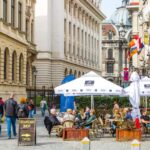
You’ll meet at Piaţa Sfântul Anton 64, București 030167. The tour starts at 4:00 pm, and it’s timed well for daylight views while still letting you finish before your evening plan gets too late.
You’ll also end at Revolution Square. From there, it’s about a 5-minute walk to the Old Town, so you can pivot quickly into dinner or a post-tour wander.
You can also read our reviews of more tours and experiences in Bucharest.
Price and Value: What $23.22 Really Buys
At $23.22 per person, this is a very budget-friendly way to get guided context for a set of sites that would otherwise take multiple tickets and a lot of your own reading. The big “value lever” here is that the guide helps you connect architecture, politics, and daily life—especially around the dictatorship and the revolution.
One practical note: the Palace of Parliament stop has an admission ticket that is not included. So treat the total cost as guided + a possible add-on for that one major building.
Your Walking Route: A 3.5-Hour Story in the Streets
This is designed as a steady, stop-to-stop walk. Plan for about 3 hours 30 minutes total, and expect breaks that come as part of the explanation, not separate rest stops.
Because the story moves from planned communist grandeur to protest and crackdown, the route also changes your “mood map.” Early stops feel like a city planning statement; later stops hit harder with the 1989 events.
Unirii Square: City Planning as Propaganda
Unirii Square (Piaka Unirii in the tour description) sits right in the middle of Bucharest. It was designed during the last phase of communism in Romania, and the fountains help make the space feel polished and intentional.
The real eye-opener is how this square connects to the biggest avenue in Bucharest: the former Victory of Socialism Boulevard. Standing there and walking along that avenue gives you the “megalomaniac vision” angle—what the dictator wanted the capital to look like and how power tried to appear permanent.
If you like urban design, this stop is a strong start. You’ll begin to see how ideology can be drawn into street layout.
The Palace of the Parliament: Scale, Cost, and Contradiction
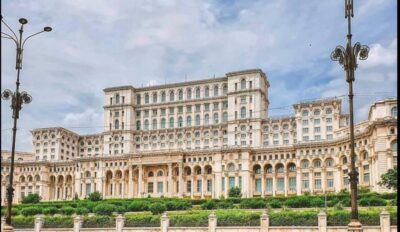
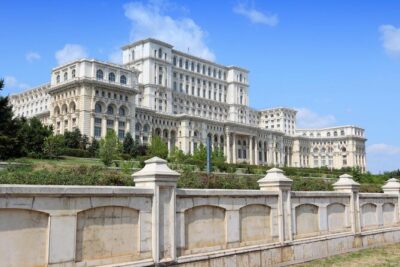
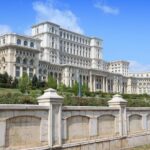
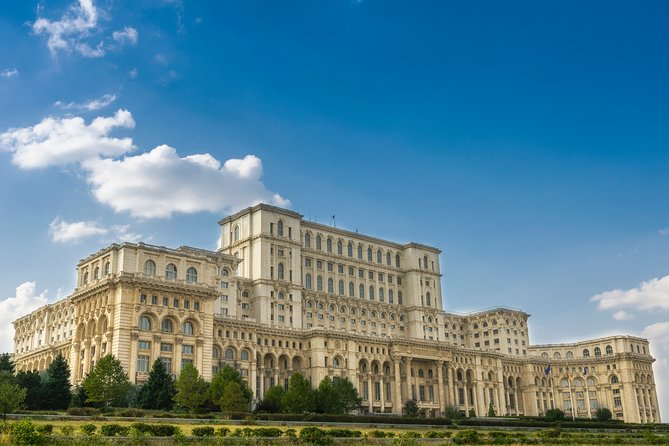
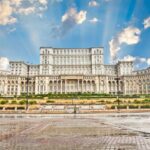
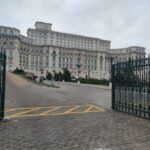
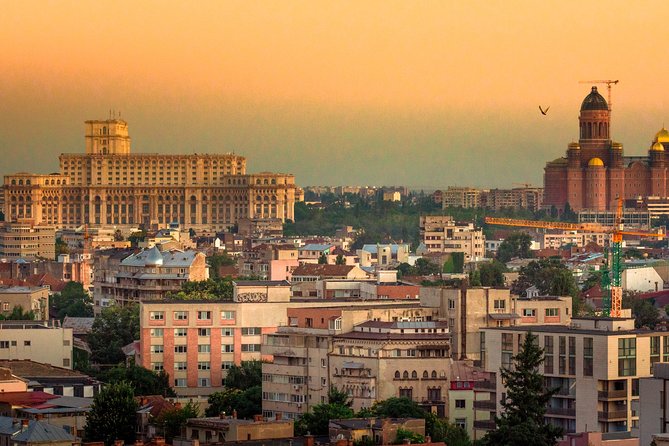
The Palace of the Parliament is the tour’s headline. It’s described as the second largest building in the world after the Pentagon, and the most expensive administrative building. Even if you already know it’s huge, your guide helps you understand why the size mattered to the regime.
Here’s the part that gives you perspective: the building required vast amounts of money, materials, and labor, and it was built during the 1980s under shortages. That contrast—extravagance made from deprivation—is the theme you’ll keep carrying as you look at the façade from different angles.
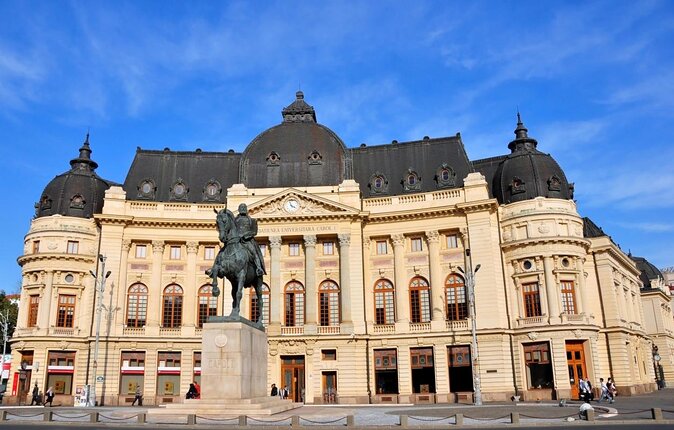
Across from it, you’ll also learn about the Academia Romana building, in a similar style. The description notes it was intended for the use of dictator’s wife Elena Ceaușescu—another reminder that even power structures had their personal perks.
Drawback to consider: this is one of those stops where you’ll likely want extra time to take photos and process what you’re hearing. If crowds or lines affect your pace, you may feel a bit rushed, so keep your expectations realistic.
Mihai Voda Monastery: Religion Saved in Plain Sight
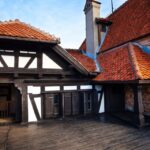
Next you’ll head to Mihai Voda Monastery (Mihai Voda Church in the description). This stop shifts the focus from state power to what communism did to faith.
You’ll learn how some churches were destroyed while others were saved in surprising ways. The tour points out churches hidden behind utilitarian buildings, which is a striking way to show how the Communist Party handled religion—less a single event, more a strategy.
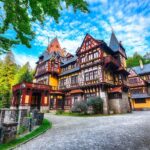
The Mihai Voda Church is described as a Middle Ages religious place that survived the demolition frenzy. That survival matters because it shows a Bucharest that existed before the communist redesigns—and it helps you compare eras without needing a textbook.
Revolution Square: Where Ceaușescu’s Control Ends
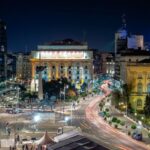
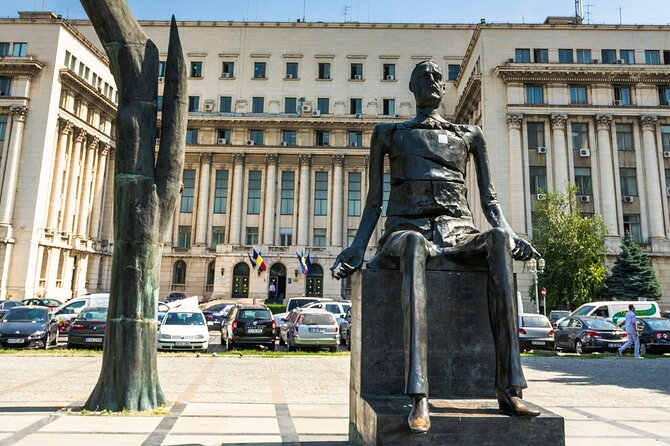
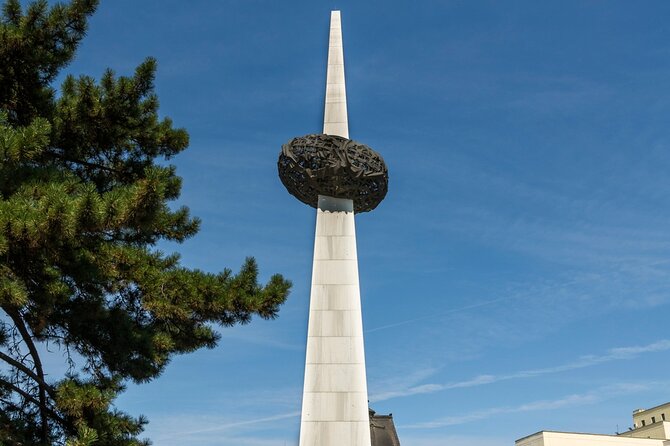
Revolution Square (Piaka Revolukiei in the description) is where the communist regime began and where it ended with people’s protests in 1989. This stop is powerful because you’re not just looking at a monument—you’re hearing the story tied to specific locations.
You’ll see the building that housed Ceaușescu’s office, the balcony where he had his last speech, and places connected to the first mass demonstration in Bucharest. That “this happened right there” framing can be intense, because it compresses years of fear and propaganda into a few visible landmarks.
The guide also covers what happened to those who demonstrated against totalitarianism, and what followed after the revolution. It’s the kind of context that turns a large square into a real timeline you can walk through.
University Square: The Cost of Freedom in 1989
The tour’s next stop focuses on University Square, identified as the spot where main protests against communism took place in 1989. The description notes that hundreds were massacred for their belief in a free society.
This is not a sightseeing stop. It’s a remembrance stop, and it may hit differently depending on your own family history or how you relate to political violence. Give yourself a moment here rather than racing the photos.
If you’re visiting for history, this is where the theme shifts from “how communism worked” to “what people paid for change.”
What the Guides Actually Do (Laura and Tamar)
The guide quality is a standout part of this experience. Names that come up include Laura and Tamar, both repeatedly described as engaging and prepared, with strong English and a clear ability to answer questions.
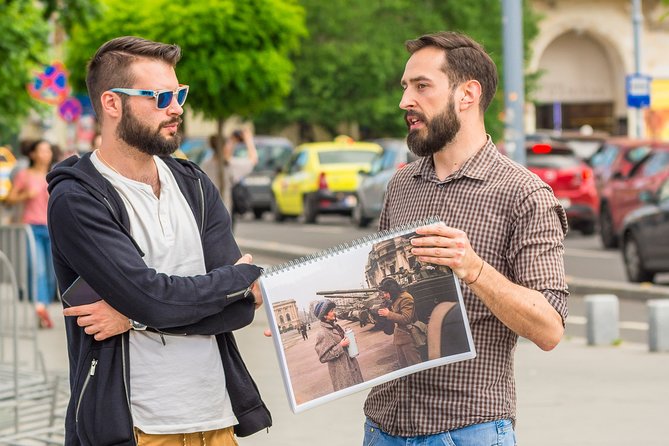
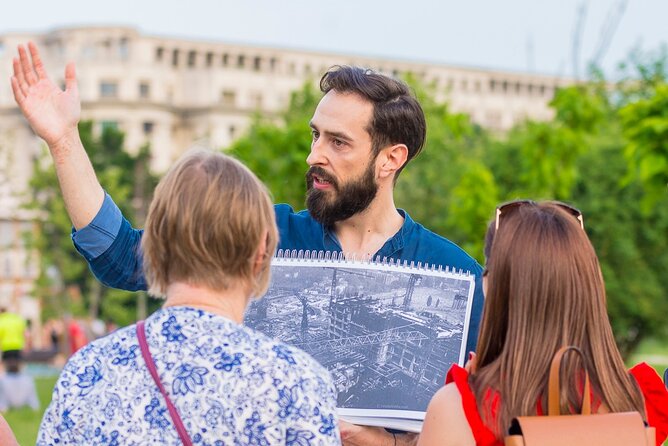
What I like about this style is that it doesn’t treat politics like a dry lecture. The tour uses explanations at each stop about history and architecture, and adds supporting materials like historical photos to help connect the visual pieces.
Also, it sounds like the tone stays fun enough to keep your attention. That matters because you’re covering serious topics, and you don’t want the walk to feel like homework.
Walking Comfort: What to Bring and How to Pace Yourself
This is an outdoor walking tour, about 3.5 hours long, with multiple stops. Wear comfortable shoes—you’ll be moving across squares and along broad city avenues.
Bring water, especially if you’re going in warm weather. The tour is described as requiring good weather, so if skies look questionable, plan to adjust your day.
If you care about photos, keep in mind that the biggest “wow” points are also popular ones. Build in a little patience and let the guide set the pace.
Who This Tour Fits Best
This tour is ideal if you want a first-time orientation to Bucharest with a specific theme: communism and its aftermath. It’s also a good match if you’re already curious about Ceaușescu or the 1989 Romanian Revolution and want to understand why the city looks the way it does.
If you prefer cheerful history only, you might find parts of the story emotionally heavy. But if you like real context—how political systems show up in squares, buildings, and daily life—this delivers.
Should You Book Bucharest Under Communism?
I’d book this if you have limited time and want a guided route through the most important communist-era locations, without cobbling together multiple separate visits. The price is reasonable for a themed walk that covers major sites, and the guide focus on architecture and cause-and-effect makes it more than a quick overview.
I’d think twice only if you hate serious political topics or you’re not comfortable walking for about 3.5 hours. Otherwise, it’s a strong way to read Bucharest like a story—where propaganda, religion, hardship, and protest all leave visible traces.
FAQ
How long is the Bucharest Under Communism walking tour?
It’s about 3 hours 30 minutes.
How much does the tour cost?
The price is $23.22 per person.
Where does the tour start?
The meeting point is Piaţa Sfântul Anton 64, București 030167, Romania.
What are the main stops on the tour?
You’ll visit Unirii Square, the Palace of the Parliament, Mihai Voda Monastery, Revolution Square, and University Square.
Are entrance tickets included?
Unirii Square, Mihai Voda Monastery, and Revolution Square are listed as free. The Palace of the Parliament admission ticket is not included, and University Square includes an admission ticket.
How large is the group?
The tour has a maximum of 15 travelers.
What happens if weather is bad or I need to cancel?
The experience requires good weather. If it’s canceled due to poor weather, you’ll be offered a different date or a full refund. Free cancellation is available up to 24 hours in advance for a full refund.