REVIEW · BUCHAREST
Troubled – Notorious Neighborhood – area known for social issues
Book on Viator →Operated by Supplier · Bookable on Viator
Bucharest has a darker side worth seeing. This private English-language tour takes you into neighborhoods most visitors skip, with stops that show how people live in Ferentari and Rahova, plus a village stop in Sinești. I like that the experience is grounded in real street-level observations and local context, and I really appreciate how the guides set expectations so you know how to act respectfully.
The biggest consideration is that you’re entering areas known for serious social problems, so the tour asks you to travel simply and behave carefully. If you’re hoping for a standard sightseeing loop with lots of postcard photos, this isn’t that kind of outing.
In This Review
- Key Things to Know Before You Go
- Why This Bucharest Tour Goes Past the Center
- Price and Time: Getting Value from 3½ Hours
- Stop 1: Ferentari and What the Streets Teach You
- Stop 2: Rahova, the Penitentiary Area, and Local Rules
- Stop 3: Sinești and the Village Stop Beyond the Sights
- Guides, Safety, and Why the Experience Feels Well Managed
- What to Wear and How to Behave (This Matters Here)
- Logistics That Help: Pickup, Mobile Tickets, and How Meeting Works
- Is It Worth Paying for? Who This Tour Fits Best
- Should You Book This Tour?
- FAQ
- How long is the tour?
- What language is the tour offered in?
- Is pickup available?
- Is this tour private?
- What are the main stops on the itinerary?
- Do I need to pay admission tickets?
- Where does the tour take place in Bucharest and nearby areas?
- What should I wear?
- Is the tour near public transportation?
- Can I cancel for a full refund?
Key Things to Know Before You Go
- Private group experience with a guide, so you’re not stuck in a huge crowd
- Three focused stops across Ferentari, Rahova, and Sinești, timed for walking plus driving
- Street-respect rules like dressing simply and avoiding jewelry or expensive items
- Market and neighborhood rhythm gives context beyond what you see from the main roads
- A safety-first approach that prioritizes awareness and following the guide’s directions
- Admission is free for the scheduled stops included in the tour
Why This Bucharest Tour Goes Past the Center
Most Bucharest tours stick to the comfortable parts of town. This one intentionally goes elsewhere, toward neighborhoods with tough reputations and toward Roma life in the city and the nearby village of Sinești. It’s not a “party” tour. It’s a reality check, guided by people who know the streets and how to handle sensitive situations.
What I like most is that the experience is framed as understanding, not judging. The guides repeatedly emphasize respect: how you should move through spaces, whether and when photos make sense, and how to be alert without turning the whole thing into a spectacle. It’s also a good choice if you want to understand why Bucharest’s center feels one way and its outer neighborhoods feel completely different.
The other standout is the human element. Multiple guides (like Sebastian and Bogdan) bring humor and clear storytelling, while still keeping the mood grounded. And if you’re the type who asks practical questions, you’ll likely get straight answers about daily life, neighborhood history, and community rules.
You can also read our reviews of more tours and experiences in Bucharest.



Price and Time: Getting Value from 3½ Hours
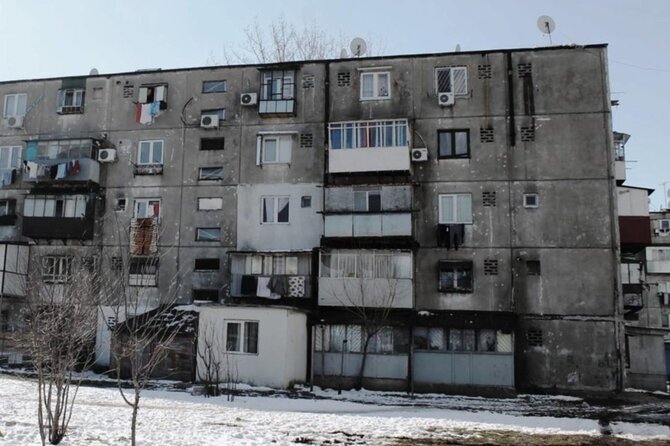
This tour costs about $130.83 per person and runs for roughly 3 hours 30 minutes. For that time, you get three named areas plus enough travel to connect them smoothly. A big chunk is typically done by vehicle, and then you spend time on foot in key moments like local market areas and neighborhood streets—so it’s not just a bus ride with quick stops.
In plain terms, the value comes from two things:
- You’re paying for access and guidance, not for museums or ticketed sights.
- You’re buying context, which is harder to measure but usually the missing ingredient on standard itineraries.
If you’re visiting during a busy season, book ahead. The tour is often reserved about 48 days in advance on average. Since it’s a private activity for your group, you’ll also want to lock in your dates early so the schedule works for you.
Stop 1: Ferentari and What the Streets Teach You
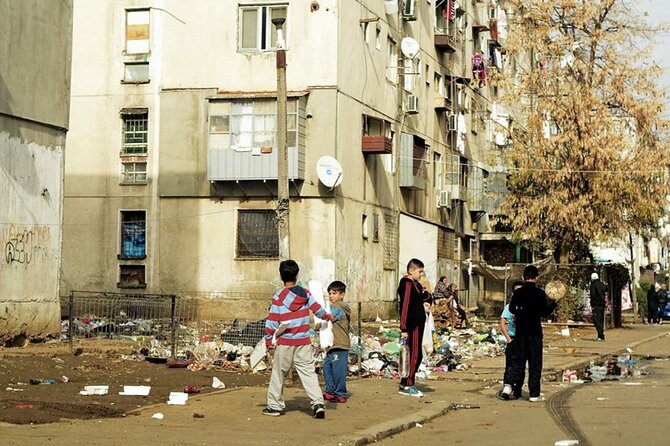
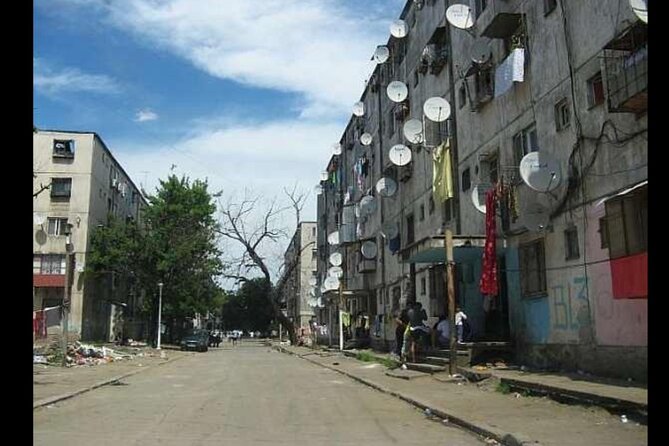
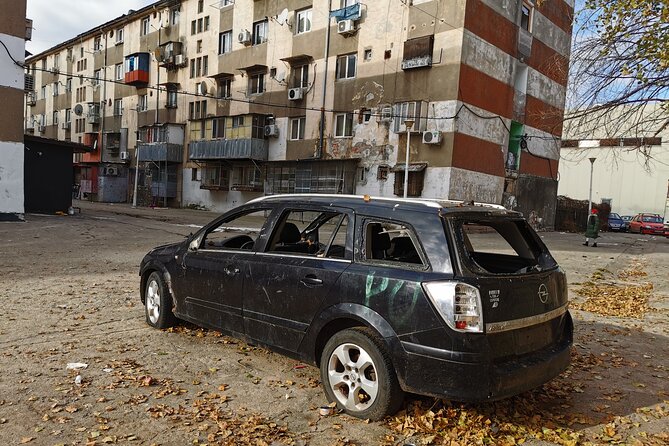
Ferentari is the first stop, and it’s described as a notorious part of Bucharest tied to some of the lowest living standards in the capital. That label might sound blunt, but the point of visiting isn’t to sensationalize it. It’s to see the neighborhood texture up close—where people run daily errands, how streets feel, and how life works outside the tourist core.
Expect a guided walk-through of selected streets, plus time that helps you read the area with context rather than fear. The guides tend to steer the pace and route, and this matters here. You’ll also likely see local market action, which is one of the most memorable parts for many people: you understand the neighborhood’s rhythm when you’re standing in it, not just viewing it from a distance.
Drawback to consider: Ferentari is not a place designed for casual wandering. You should stick close to the group and follow the guide’s boundaries. Also, keep your expectations realistic. This isn’t about “pretty views.” It’s about learning how this corner of Bucharest works.
Stop 2: Rahova, the Penitentiary Area, and Local Rules
Rahova is the second stop and includes the Rahova Penitentiary area (along with surrounding neighborhood streets). The tour’s framing here is important: you’re not there to rubberneck. You’re there to understand how institutions and social conditions shape daily life in the city.
Rahova is also tied to Roma community life in the Bucharest area, and the tour focuses on how people live, what the social boundaries look like, and what respectful behavior means on the ground. In practice, that often shows up as simple but firm guidance: stay alert, don’t treat people as props, and ask yourself whether your questions and photos are appropriate in that moment.
One reason this part of the tour lands well for many people is the guide technique. You’ll notice a pattern: the guide explains what you’re about to see, sets the tone for how to behave, then walks you through the space with a steady hand. Some guides (like Catalin in one account) are especially clear about what’s possible and what isn’t—so you don’t accidentally cross lines you didn’t know existed.
Stop 3: Sinești and the Village Stop Beyond the Sights
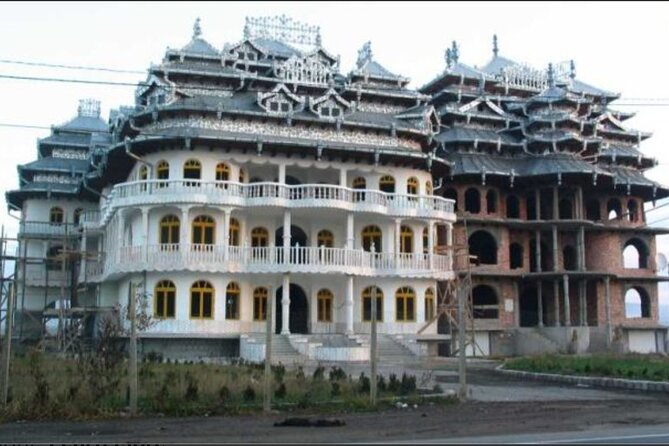
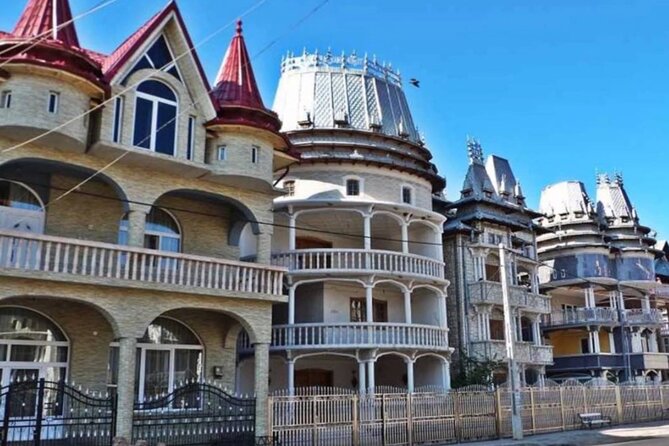
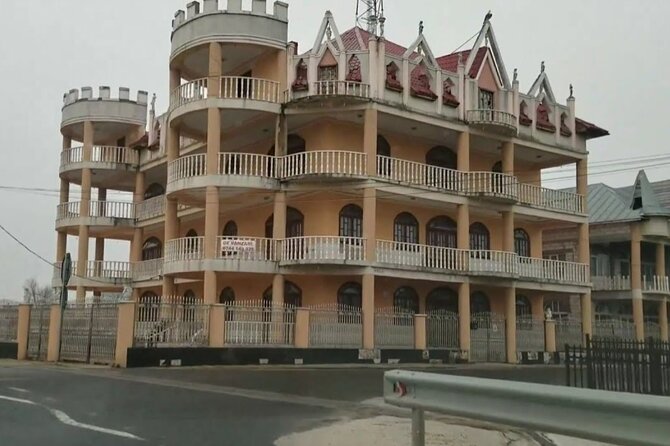
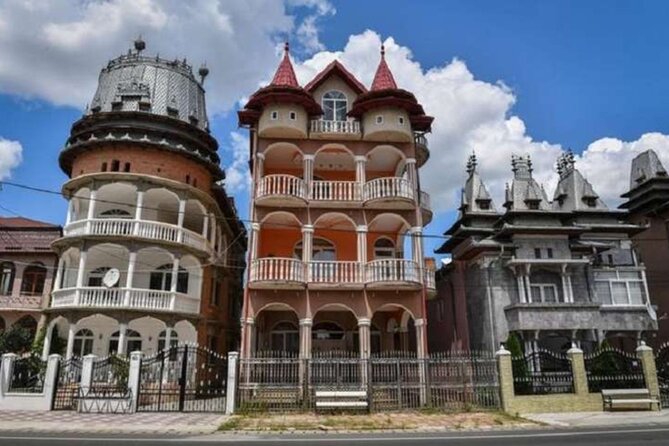
The third stop is Sinești, a village area described as having Roma homes sometimes referred to as gypsy palaces. Even if that phrase is loaded, the tour’s intention is to show how Roma life can look very different depending on the situation. In other words, it challenges the idea that there’s only one way Roma communities live.
This segment tends to feel more like “place understanding” than a quick viewing. You’re moving beyond Bucharest’s urban streets and into a village context where buildings, space, and everyday routines look different. You’ll likely spend time walking selected areas of the village and hearing the guide connect it back to broader themes—community structure, economic reality, and how people build life for themselves.
A practical note: Sinești can shift the tone from city streets to a more residential setting. That means your behavior matters even more. Keep your pace calm, avoid staring, and don’t assume that filming is welcome. The guides are used to setting expectations early, but you still do best when you act like a thoughtful guest.


Guides, Safety, and Why the Experience Feels Well Managed
The guides are a major reason people rate this tour so highly. Names that show up include Sebastian, Bogdan, Catalin, and Valerică. Across these guides, the common thread is a disciplined focus on safety and respect—plus a sense of humor that helps you process what you’re seeing.
You should also know what “safety” means on this kind of tour. It’s not about placing trust blindly. It’s about being aware, moving with purpose, and listening when the guide changes plans. People consistently describe feeling safe because they’re never left to explore on their own in unfamiliar places.
One more thing I value: the guides don’t just give facts. They also explain behavioral expectations. That includes how to dress and what to avoid, which helps everyone feel more comfortable and less conspicuous. When you follow those rules, the tour feels more like a conversation with the city than a checklist.
What to Wear and How to Behave (This Matters Here)
This tour is explicit about appearance. Dress as simply as possible, and avoid jewelry or expensive items. The reason is practical: you’re going through neighborhoods where you don’t want attention drawn to you for the wrong reasons.
Behaviorally, aim for quiet respect. Keep your voice normal. Walk steadily. Don’t block foot traffic. If you’re considering photos or video, treat it like you’re borrowing someone’s space for a moment. Some guides clearly discourage taking pictures freely, and that’s a good mindset to bring in even if the exact rules vary by moment.
And if you’re the type who likes to ask questions, do it thoughtfully. The tour is designed to explain daily life, community codes, and struggles, but it’s not there for shock value. You’ll get more out of it by being curious and respectful, not intrusive.
Logistics That Help: Pickup, Mobile Tickets, and How Meeting Works
Pickup is offered, which can be a relief when you’re headed to areas that aren’t on the typical bus route. The tour also uses a mobile ticket, and you get confirmation at the time of booking. It’s listed as near public transportation, so even if you’re not using pickup, you likely can still reach the start area without drama.
It’s also worth noting that this is a private tour/activity, meaning only your group participates. That changes the feel. You can move at a pace that fits your questions, and the guide can manage attention and behavior more easily than on a large public group format.
If you’re traveling with mixed interests, this can work surprisingly well. The itinerary is structured enough to stay coherent, but the guide has room to explain what you’re seeing as you go.
Is It Worth Paying for? Who This Tour Fits Best
At $130.83 per person, you’re not paying for a bus ride plus a couple of photo stops. You’re paying for guidance through sensitive areas and for a perspective you can’t easily replicate on your own safely and respectfully.
This tour tends to fit best if you:
- want a more real understanding of Bucharest beyond the historical center
- care about how communities live day to day, not just landmark facts
- prefer a guide-led approach with clear boundaries and safety focus
- can handle neighborhoods that are tough and emotionally heavy at times
You might skip it if you’re traveling with someone who needs a light, purely recreational itinerary. Or if your idea of travel is lots of spontaneous sightseeing without rules, you’ll feel constrained by the tour’s guidance and etiquette.
Should You Book This Tour?
Book it if you want Bucharest’s full picture and you’re willing to follow a strict code of respect. The combination of targeted stops (Ferentari, Rahova, and Sinești), free admissions for the scheduled parts, and strong guide presence makes it a solid choice for people who learn best from lived context rather than scripted highlights.
Skip it if you’re looking for comfort over clarity. This experience touches parts of the city tied to social hardship, and it asks you to move thoughtfully. If you can do that, you’ll likely come away with a sharper understanding of Bucharest—and a better sense of how complicated, human reality actually is.
FAQ
How long is the tour?
The tour lasts approximately 3 hours 30 minutes.
What language is the tour offered in?
The tour is offered in English.
Is pickup available?
Yes, pickup is offered.
Is this tour private?
Yes. It is a private tour/activity, and only your group will participate.
What are the main stops on the itinerary?
The stops are Ferentari, Rahova, and Sinești.
Do I need to pay admission tickets?
The listed admission for the stops is free.
Where does the tour take place in Bucharest and nearby areas?
The tour visits areas including Strada Zăbrăuţului 5, Aleea Iacob Andrei 11, Aleea Livezilor, Strada Pucheni 1, Strada Amurgului 4, Rahova Penitentiary Strada Adrian 4, and in Sinești at Strada Principală Nr. 353A.
What should I wear?
Dress as simply as possible, without jewelry, and without expensive items.
Is the tour near public transportation?
Yes, it is listed as near public transportation.
Can I cancel for a full refund?
Yes. You can cancel up to 24 hours in advance for a full refund.