REVIEW · BUCHAREST
Private Tour – Food, Culture, History & Traditions
Book on Viator →Operated by Ultra Violet Travel Services · Bookable on Viator
Old Town streets hit different with the right guide.
This private 4 to 5 hour Bucharest walk pairs landmark stops with the stories behind them, from traditional snacks to the city’s political shockwaves. I like that the route is built for understanding what you’re seeing, not just photographing it, and you’ll also sit down for a full 2-course Romanian meal.
I especially like how the tour leans into the small, specific details. You’ll hear why mici connects to the Old Town trading scene, and you’ll get a guided read on big Bucharest architecture along Calea Victoriei and the Royal Palace area. I also like that the guide (Bianca) is a former journalist, so the explanations feel structured, clear, and made for real conversation.
One thing to think about: it’s an active ~6 km walking route, and the streets can get loud. Bianca is also described as soft spoken at times, so if your group is larger you’ll want to use the provided audio devices, and you’ll likely do best standing where you can actually hear.
In This Review
- Key points before you go
- A private Bucharest walk that mixes food, culture, and political history
- Where you start, where you finish, and how long you’ll really walk
- Stop 1: Old Town and the story behind Romania’s street-food legend
- Stop 2: Stavropoleos Monastery and Romanian Renaissance calm
- Stop 3 and 4: CEC Palace and Macca-Villacrosse Passage
- Stop 5: BNR Palace and the Marmorsch Blank Bank turned into a hotel
- Stop 6: Calea Victoriei, Bucharest’s “heart” since the 1800s
- Stop 7: Pasajul Victoriei and Pasjul Englez, where the city’s nightlife had an address
- Stop 8: Piața Revoluției and the setting of 1989
- Stop 9: Ateneul Roman, Bucharest’s stage for culture
- Stop 10: Royal Palace (now housing the National Art Museum)
- Stop 11: Bulevardul Dacia and neo-Romanian villas
- Stop 12: Școala Centrală and the boarding school stories
- Stop 13: Cartierul Armenesc and hidden neighborhood history
- Stop 14: Gradina Icoanei and the folklore of witches
- Lunch is included: the 2-course Romanian meal that makes the tour feel complete
- How to hear Bianca clearly on busy streets (and get better photos)
- Price and logistics: what $114.14 buys you in real time
- Who this tour fits best
- Should you book this Bucharest private food and history tour?
- FAQ
- How long is the Private Tour – Food, Culture, History & Traditions in Bucharest?
- What’s included in the price?
- Are drinks included with lunch?
- Is the tour private?
- Is it in English?
- What are the start and end points?
Key points before you go
- Private and tailored: only your group participates, so the pace can flex to how you like to walk and ask questions.
- Food is included as a real meal: a 2-course lunch plus Romanian starter platters, not just a quick bite.
- Architecture you can read: banks, passages, and boulevards come with context so they stop being random buildings.
- Major history in a half day: you’ll cover the 1989 revolution setting near Piața Revoluției and connect it to the earlier city story.
- Free admissions at stops: the stops listed are set up with free entry/tickets for your visit.
- Comfort with audio support: audio devices are provided if the group exceeds 4, which matters on busy streets.
A private Bucharest walk that mixes food, culture, and political history
Bucharest can feel like it has several cities stacked on top of each other: old trading lanes, Renaissance religious spaces, fin-de-siècle bank palaces, and then the hard imprint of communism. This tour is designed to help you hold those layers in your head, while also feeding you along the way.
The “food, culture, history & traditions” promise isn’t just marketing copy here. The route threads through places tied to daily life and identity—like where mici is said to have been invented—then shifts into major architectural and cultural landmarks, and finally lands in the sights connected to the end of Nicolae Ceaușescu’s rule.
It also helps that you’re not sharing the day with strangers. A private tour means you can ask questions as they come up, linger when something catches your eye, and move on when you’re ready—especially useful if you have kids, older relatives, or just a short list of “must-see” ideas.
You can also read our reviews of more food & drink experiences in Bucharest

Where you start, where you finish, and how long you’ll really walk
You meet at Bulevardul Ion C. Brătianu 36 (030167) and you end at University Square, Bulevardul Regina Elisabeta. The tour covers an approximate 6 km route over 4 to 5 hours, so plan for comfort over speed.
This matters because Bucharest sidewalks can be uneven and street crossings can take patience. The tour does list a minimum physical fitness requirement, which is a polite way of saying you should be comfortable walking for stretches, not just hopping from one spot to the next.
The good news: it’s still a “half day” style experience. You’ll have short stop times, quick explanations, and regular chances to take photos. If you like a relaxed pace that helps you get your bearings, this format fits.
Stop 1: Old Town and the story behind Romania’s street-food legend
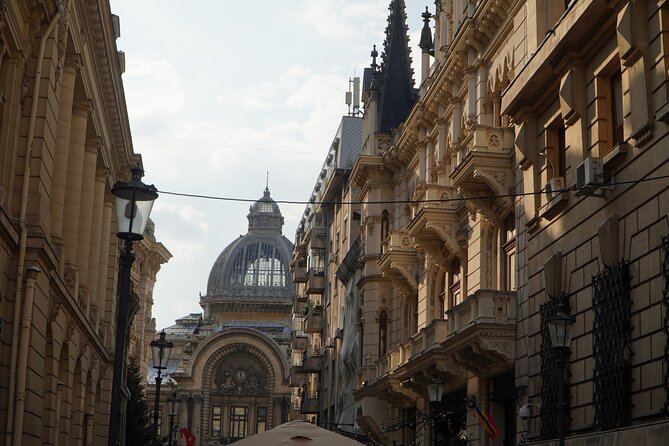
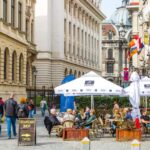
You begin in Old Town, where the trading goods business once flourished. That’s the perfect setup for understanding why food culture here isn’t separate from history—it’s part of it.
You’ll also hear the specific claim that this is the place where mici was invented. Even if you’ve had Romanian grilling staples before, this context changes the flavor in your mind. It turns the dish into a memory of the city’s older rhythm: merchants, stalls, daily crowds, and local traditions that lasted.
Practical note: the stop is short (about 30 minutes). Treat it like a launchpad: focus on the story and the street feel, then keep moving while the history is still fresh.
Stop 2: Stavropoleos Monastery and Romanian Renaissance calm

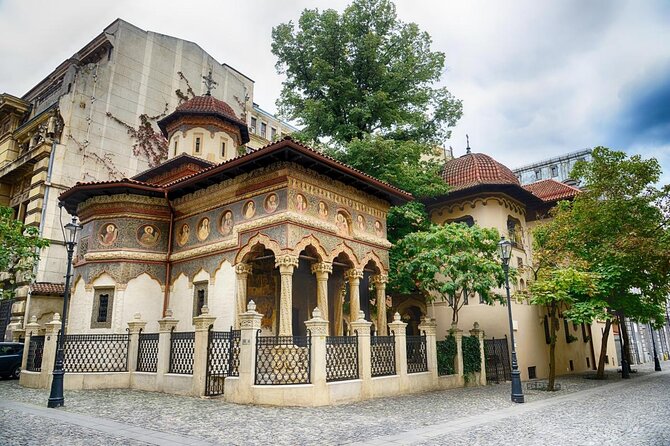
Next up is Stavropoleos Monastery, an 18th-century Romanian Renaissance site. This stop works because it gives you a reset from streets and commerce.
Monasteries in Europe can be “seen” quickly, but guided context makes them feel alive. You’ll get a quick orientation to why this style matters and how religious spaces shaped local culture, not just spirituality.
Admission here is listed as free, and the time on-site is brief, but enough to slow down your pace for a moment and notice details you might otherwise walk past.
Stop 3 and 4: CEC Palace and Macca-Villacrosse Passage
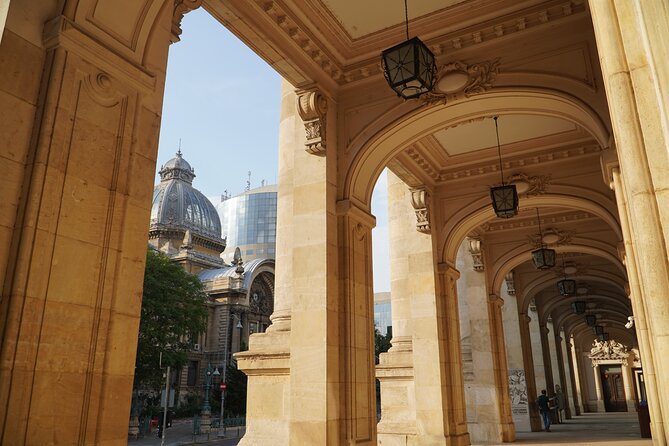
Then you get two classic “Bucharest architecture stop” moments back to back.
At Palatul CEC, the focus is the palace of CEC Bank—an eclectic building from the late 19th century. This is one of those structures that’s visually fun but also historically useful: banks weren’t just financial places, they were status projects. They show how Bucharest wanted to be seen.
A few minutes later, you step into Macca Villacrosse Passage, often described as the most beautiful passage of Bucharest on this route. Passages are like time capsules: shopping corridors with a different atmosphere than the main street, and a hint of how people used to move through the city for everyday needs.
What to watch for: in both places, try to look past “pretty.” The guide’s job is to explain what the style is doing and what it signals about the era.
You can also read our reviews of more tours and experiences in Bucharest





Stop 5: BNR Palace and the Marmorsch Blank Bank turned into a hotel
You’ll pass BNR Palace, connected to the National Bank of Romania, and you’ll also hear about Marmorsch Blank Bank, now turned into a hotel. This stop is useful because it shows Bucharest’s trick for survival: reusing older prestige spaces for modern purposes.
It’s also a quick lesson in how buildings age. A bank can become a hotel; a commercial address can become cultural memory. The city doesn’t always demolish. Sometimes it repurposes.
Even though your time here is short, the story ties into what you learned at CEC Palace: finance and power were public-facing in the way they built.
Stop 6: Calea Victoriei, Bucharest’s “heart” since the 1800s
Calea Victoriei is described as the heart of Bucharest since the 19th century, and walking along it is like walking through an argument about taste and ambition.
This avenue matters because it’s not just a street—it’s an organizing spine for the city’s identity. The tour gives you about 30 minutes here, enough time to notice how buildings change along the way and how the avenue connects to the bigger cultural landmarks nearby.
If you want a mental map of Bucharest, this is where it starts forming.
Stop 7: Pasajul Victoriei and Pasjul Englez, where the city’s nightlife had an address

Next you’ll see Pasajul Victoriei, and you’ll also hear about Pasjul Englez, a former brothel with a convenient back entrance. The guide’s framing connects the space to how kings and high-class society used to party and spend on pleasure.
This is one of those stops that can go dark fast if you’re not ready for it. But handled well, it explains how history includes private spaces and social rules—not only famous monuments. It also helps you understand why Bucharest has so many narrow passageways and hidden entrances: they served a purpose.
Time here is about 5 minutes, so don’t expect a long detour. It’s more like a focused “context shot.”
Stop 8: Piața Revoluției and the setting of 1989
Then comes a major emotional shift: Piața Revoluției, where Ceaușescu held his last speech at the beginning of the bloody 1989 revolution.
Even if you know the headlines, the value here is the geographic grounding. You’re standing near the place where a political turning point played out in public space, and the guide can connect the why to what you see around you.
This stop is short (about 10 minutes), but it lands hard. It’s the moment when Bucharest history stops being “old” and starts feeling painfully personal.
Stop 9: Ateneul Roman, Bucharest’s stage for culture
At Ateneul Roman, the tour focuses on admiring one of the city’s most beautiful buildings. This matters because it’s a culture signal. In European cities, concert halls and civic buildings often show what a society decided was worth building carefully.
You get about 5 minutes here. The key is to use the time to look up, notice symmetry and details, and let the guide’s context do its work.
If you’re the kind of traveler who loves architecture but hates museum fatigue, this kind of stop is a strong fit.
Stop 10: Royal Palace (now housing the National Art Museum)
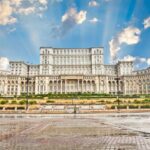
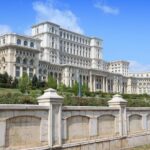
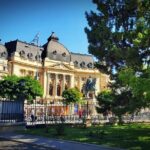
Next is Palatul Regal, the Royal Palace area, which now houses the National Art Museum. This stop is brief, but it ties the tour back to how Bucharest’s power centers evolved.
Royal buildings tell you who mattered and how they wanted to live. Turning the palace into an art museum also says something about how a country remakes identity after major political changes.
Time is about 3 minutes here—again, a “spot and understand” approach.
Stop 11: Bulevardul Dacia and neo-Romanian villas
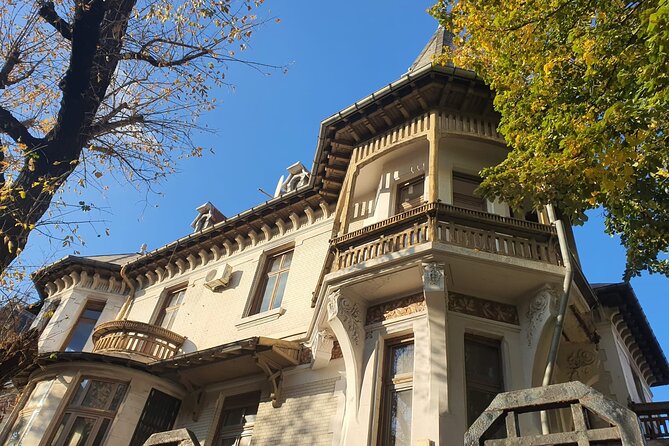
At Bulevardul Dacia, you’ll see villas that are examples of neo-Romanian architectural style. This stop is less about one single monument and more about patterns—how a city expresses national character through design.
You’ll spend about 20 minutes in this segment, which is relatively generous in a tour packed with short time windows. Use it to compare facades and notice the way style influences the street mood.
If you like noticing “the rules” in architecture, this is one to slow down for.
Stop 12: Școala Centrală and the boarding school stories
The route then passes Colegiul Național Școala Centrală, described here as a 19th-century boarding school for girls, with an eerie layer of stories.
Even when you don’t fully buy a rumor, a story like this is useful. It shows how buildings become part of local folklore, and how people keep imagining meaning into places over time.
It’s only about 5 minutes, so take it as a quick narrative detour—something to add flavor to your mental picture of Bucharest.
Stop 13: Cartierul Armenesc and hidden neighborhood history
You’ll spend about 30 minutes exploring Cartierul Armenesc, the Armenian neighborhood, framed as full of history, hidden gems, and mystery.
This is a smart choice in a tour like this because it changes the scale. After palaces, banks, and broad avenues, you get a more human neighborhood feel where identity comes from community and everyday streets.
The lesson: Bucharest isn’t only about state power. It’s also about minority histories and local networks that helped shape the city’s character.
Stop 14: Gradina Icoanei and the folklore of witches
Finally, you reach Gradina Icoanei, connected to a belief that witches could cast spells. The tour uses this stop to show how folklore sticks to urban spaces, even when modern life has moved on.
This end-point is only about 10 minutes, but it’s a nice way to close. It reminds you that tradition is not just something that lives in museums; it’s also how people explain the world in everyday ways.
Lunch is included: the 2-course Romanian meal that makes the tour feel complete
The tour includes a full meal (lunch or dinner) with 2 courses plus a starter platter. You should expect cheeses, charcuterie, and/or other Romanian starters, then a main course.
This is one of the biggest value levers in the package. At $114.14 per person, the price feels more reasonable because you’re not paying separately for a meal and you’re getting it in the middle of the cultural route—so you can keep walking after lunch instead of stopping your day to find food.
A practical way to approach the lunch: treat it like the tasting foundation for what you’ll be hearing about. You’re learning about traditions and identity, so the meal is the “translation” you can taste.
Drinks note: alcoholic beverages and soda/pop are not included. If you want beer or wine, plan for that extra cost.
How to hear Bianca clearly on busy streets (and get better photos)
One real-world consideration: some guides can fade under city noise. Bianca is described as soft spoken at times, so listening takes effort if you stand too far away.
The good part is that the tour provides audio devices for live guiding if your group exceeds 4 people. That should help you follow the story without craning your neck or playing guessing games.
For photos, this kind of route is ideal because the stops are scattered across the most “photo-readable” Bucharest areas—passages, palaces, major avenues, and the dramatic square near the revolution setting. If you want great shots, walk slightly behind or to the side at each stop so the guide can talk and you can still frame the scene cleanly.
Price and logistics: what $114.14 buys you in real time
At $114.14 per person for about 4 to 5 hours, you’re paying for three things that add up fast if you DIY Bucharest:
- a private guide who can connect buildings to stories,
- a structured walk that hits a lot of major areas without you plotting everything,
- and a proper included 2-course lunch with Romanian starters.
You also get all fees and taxes included, and admission tickets for the stops are listed as free. On top of that, the tour is available in English, uses a mobile ticket, and includes group discounts.
It’s also listed as requiring good weather. That’s important because this is a walking route. If Bucharest is miserable outside, you may be offered another date or a full refund, depending on what happens.
If you book with only a couple days to spare, it may be tight since this experience is often reserved about 49 days in advance on average—so the popular slots can go first.
Who this tour fits best
This is a strong match if you:
- want a first real overview of Bucharest fast,
- like walking tours that connect food to culture and architecture to politics,
- appreciate a guide who can keep the pace relaxed and adjust when needed,
- and want a meal included without turning your day into logistics.
It may be less ideal if you dislike walking 6 km total or if you need a low-noise, slow pace with lots of long museum time. This route is built around short stops and guided context, not lingering in one building for hours.
Should you book this Bucharest private food and history tour?
If you want a half day that feels like understanding Bucharest instead of just seeing it, I’d book it. The biggest reason: you’re getting food + storytelling + major landmarks in one smooth block, and the included lunch makes it feel like a complete cultural experience rather than a sketchy “walking and snack” deal.
I’d especially consider it if you’re staying only a few days and want to build a mental map early, or if you want a private guide to shape the day around your interests—like architecture, political history around 1989, or the city’s tradition and folklore.
If you’re the type who gets worn out by walking, plan for comfortable shoes and be ready for city noise. With that handled, this is a very practical way to get the essentials of Bucharest in one go.
FAQ
How long is the Private Tour – Food, Culture, History & Traditions in Bucharest?
It runs about 4 to 5 hours (approx.) and covers an approximate 6 km walking route.
What’s included in the price?
The tour includes a 2-course full meal (lunch or dinner), a starter platter with Romanian items like cheeses and charcuterie, audio devices for live guiding when the group exceeds 4, and all fees and taxes.
Are drinks included with lunch?
No. Alcoholic beverages and soda/pop are not included.
Is the tour private?
Yes. It’s a private tour/activity, so only your group participates.
Is it in English?
Yes, it is offered in English.
What are the start and end points?
You start at Bulevardul Ion C. Brătianu 36, 030167 București and end at University Square, Bulevardul Regina Elisabeta, București.