REVIEW · BUCHAREST
2 days Transylvania Tour with Brasov, Sibiu and Sighisoara
Book on Viator →Operated by Trip2Ro · Bookable on Viator
Castles, Dracula lore, and three medieval towns. This 2-day Transylvania tour moves you from Bucharest at 8:00 with round-trip transport and an overnight in Sighisoara, so you spend less time plotting travel and more time seeing places.
What I like most is the way it packages major sights into a tight route without making you figure out every connection yourself.
I also like the pacing between story time and free time. You’ll have your driver (people like Narcis, Matthias, and Micai have led groups) to explain what you’re looking at, then you’re given set walking time in each town, plus bed and breakfast the night in Sighisoara at a comfortable 3 hotel.
One thing to consider: castle entrances are not included. Budget extra for entrance fees, and also keep expectations realistic for Bran, which can feel very tour-focused if you’re after quiet medieval atmosphere.
In This Review
- Key things that make this Transylvania trip work
- A Fast Two-Day Transylvania Loop From Bucharest
- Small group rules: why max 16 feels better than “bus tour”
- Peles Castle: royal grandeur with a designer’s eye
- Bran Castle and the Dracula question: hype vs. history
- Brasov old town walk: fort walls, gates, and the Council Hall
- Sighisoara overnight: sleep in a UNESCO fortress city
- Sibiu on the second day: Saxon streets and big-square viewpoints
- Price and time management: what $476.57 really buys
- Who should book this Transylvania tour (and who should skip it)
- Should you book this 2-day Transylvania tour?
- FAQ
- How long is the Transylvania tour from Bucharest?
- What time does the tour pick me up in Bucharest?
- What cities and attractions are included?
- Is there an overnight stay included?
- Are entrance fees included for castles and sites?
- Will there be a guide with me at every stop?
- How many people are in the group?
- Is a mobile ticket provided?
- Does the tour depend on weather?
- Can children join?
Key things that make this Transylvania trip work
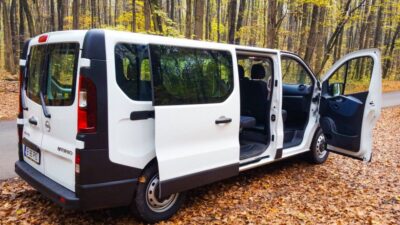
- 8:00 hotel pickup in Bucharest with transport by car/minivan/van and drop-off back in the city
- Small group size (max 16) for a more personal feel than you get on big buses
- Peles Castle + Bran Castle on Day 1, with structured time so you’re not rushing through rooms
- Sighisoara overnight in a UNESCO fortress-town setting, with breakfast included
- Brasov and Sibiu guided walks with free time, so you can explore without feeling chained to a schedule
- No full-time site guide for every moment, with optional local tour guides available for an extra cost
A Fast Two-Day Transylvania Loop From Bucharest
This is the kind of trip you take when you want Transylvania’s headline acts but you don’t have three or four days to spare. You leave Bucharest in the morning, then hit Peles, Bran, Brasov, sleep in Sighisoara, and finish with Sibiu before returning to Bucharest. It’s a compact itinerary, built for people who value efficiency and clear planning.
The biggest practical win is transport. Your pickup is from your hotel at 08:00, and the tour includes round-trip car/minivan/van service. That means you’re not wrestling with regional schedules, transfers, and parking, especially once you’re out in the mountains where roads feel less like a big-city grid and more like a series of “follow the curve” decisions.
And yes, Dracula is part of the draw. But this trip works best if you treat the Dracula thread as a doorway into the real place: royal residences, border fortifications, Saxon towns, and the layered history of Transylvania.
You can also read our reviews of more tours and experiences in Bucharest
Small group rules: why max 16 feels better than “bus tour”
The tour caps at 16 travelers, with a minimum of 4 to operate. For many people, that cap matters more than you’d think, because it changes how your stops feel. In a smaller group, you get fewer delays, easier meeting points after free time, and less time waiting around while everyone regroups.
You also get a more “human scale” story at the stops. Instead of a recording and a rush, you’re riding with a driver who can explain details along the way. The trip may not include a full-time guide walking with you through every attraction, but you still get guided commentary during the day’s movement and orientation.
If you like chatting in small groups, you’ll probably enjoy the drives. Several past groups have described conversations with the driver during transit—useful when you want context for what you see later, like why a town looks the way it does or how castles fit into the region’s political map.
Peles Castle: royal grandeur with a designer’s eye
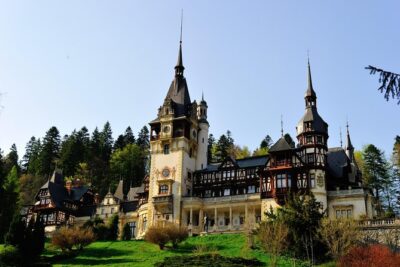
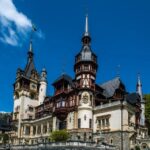
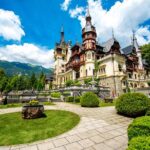
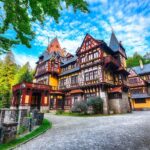
Your morning starts with Peles Castle, the summer residence of the first king of Romania—King Charles I of Hohenzollern. Even if you’re not a “castle person,” Peles has a built-in wow factor: it’s famous for being one of the more modern castles of Europe at the time of its construction, in the late 19th to early 20th centuries.
You’re given about 2 hours here, which is the right amount of time to see more than just the postcard rooms. What I’d focus on first is the variety. Each room is characterized by its own style, and you can actually feel how the designers were thinking about atmosphere and use—not just defense.
One highlight named for visitors is the Florentine room. If you like Renaissance vibes, it’s the kind of space where you can slow down and imagine how people moved through it as a “summer escape,” not a fortress. The castle was designed by a Czech architect, and that international touch is part of why it feels distinct from the darker, stricter medieval vibe you get later at Bran.
Practical note: entrance tickets are not included, so you’ll want to budget for the entry fee here. But the time allotment is solid, and Peles is one of those places where you’ll regret cutting it short.
Bran Castle and the Dracula question: hype vs. history
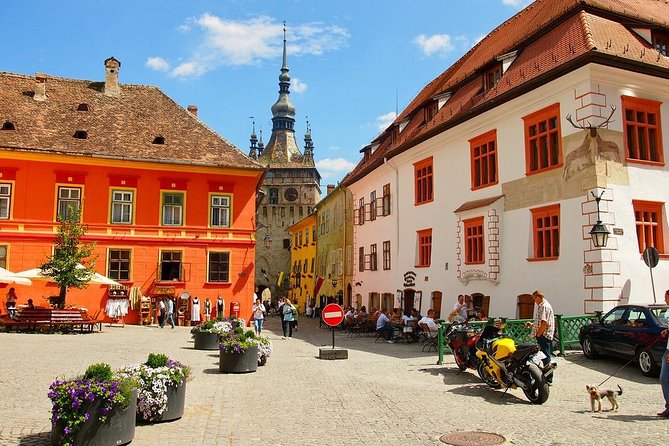
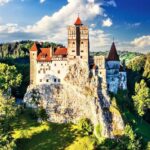
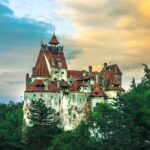
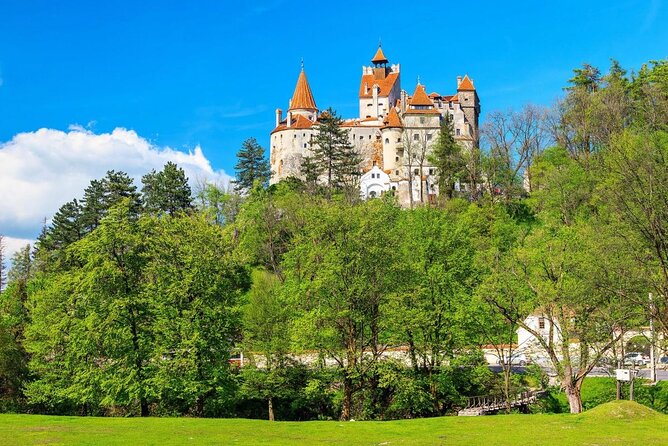
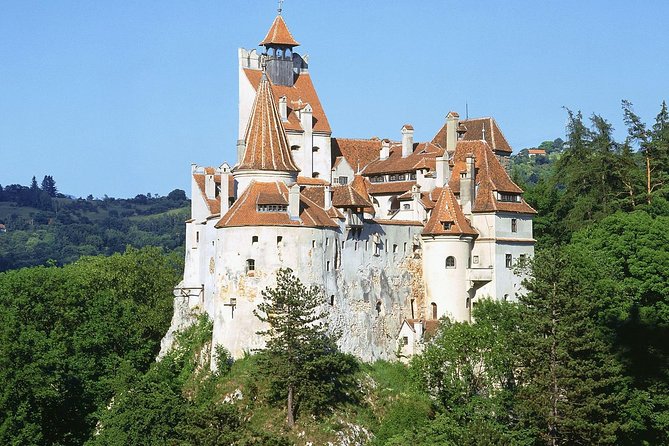
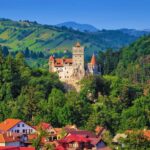
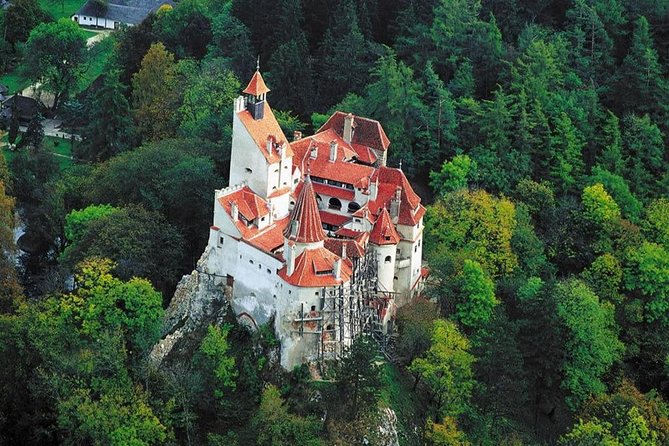
Next up is Bran Castle, often labeled Dracula’s Castle. It sits about 25 kilometers from Brasov, near the Bran–Rucar passage, right at the entrance corridor between Transylvania and Wallachia. That location matters. Bran’s story isn’t only Gothic legend; it also ties to strategy, border control, and shifting power.
The castle’s earliest documents date back to 1377, and over the centuries it moved through different rulers. You’ll hear about it being under the King of Hungary Sigismund of Luxemburg, then tied to Mircea cel Batran and Vlad Tepes, and later falling under the jurisdiction of the city of Brasov. In 1912, the municipality donated it to the Romanian royal family so it could become a royal residence.
Then comes the Dracula layer. Bram Stoker wrote the Dracula legend in 1897, and Francis Ford Coppola later popularized it on screen. That’s why Bran became the magnet for pop-culture fans—whether you came for the legend or for castles with documents and borders.
You’ll have around 1.5 hours at Bran. For me, the key is expectation management. Bran can be very popular, and not everyone loves the modern tourist feel. If you’re the type who wants a quiet, cinematic ruin with no crowd energy, you might find Bran more commercial than you want. In that case, prioritize the castle itself and use the outdoor moments for quick photos and orientation.
If, however, you’re curious how legend sticks to a specific place, Bran is a fun stop. It’s dramatic in setting, and the historical border context makes the Dracula association feel less random and more like a story layered on a real strategic site.
Brasov old town walk: fort walls, gates, and the Council Hall
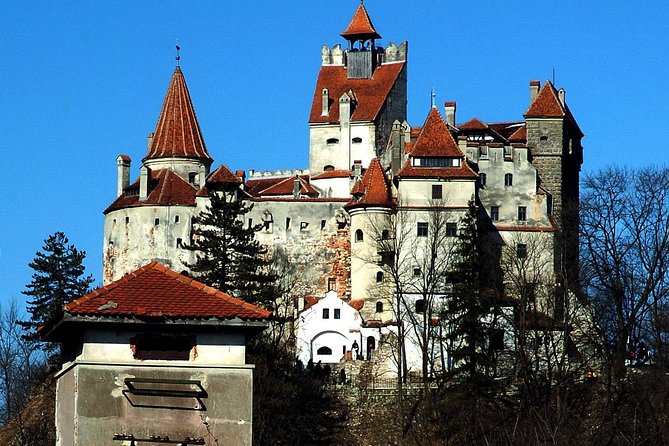
After Bran, you head to Brasov for about 2 hours of free time in the old town area. Brasov is where the trip shifts from “castle building” to “living medieval city.” The old center dates back hundreds of years, and the tour focuses on key visual anchors you can find quickly on foot.
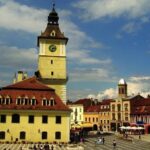
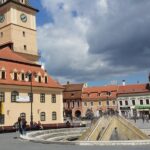
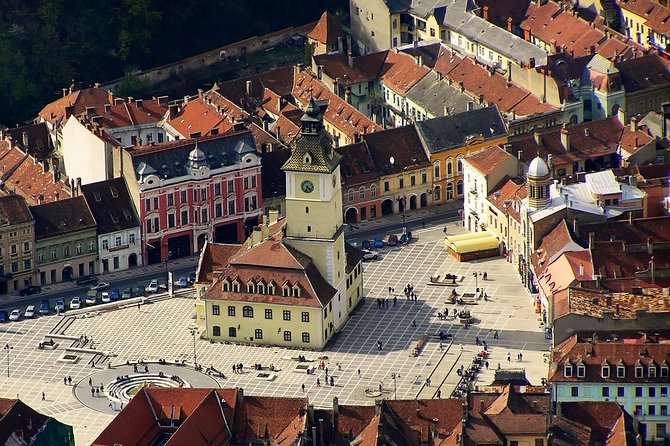
A starting point is Council Square, dating to 1520. Historically, it was the center for merchants and craftsmen fairs, with trade coming from Transylvania, Wallachia, and even farther afield. The streets around it had names tied to what was sold—wool, cloth, linen, cotton—so the square wasn’t just pretty; it was an active business hub.
Brasov’s Council Hall dominates the square. If you want a quick way to feel the city’s old power structure, look at the hall and then glance around at the surrounding buildings. You’ll see a mix of styles: Renaissance, Baroque, Provincial, and Neo-classic. That blend is a reminder that Brasov didn’t freeze in time—it kept changing.
Then there’s the fortress story. Brasov’s medieval fortress was one of the most secure in Europe, with stone walls, 32 defense towers, 8 bulwarks, and 4 fortified gates. During your walk, you can spot preserved walls and key features like the Black and White Towers and the Weaver’s Bastion.
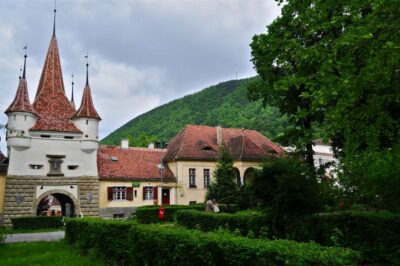
A specific gate highlighted on this route is Ecaterina’s Gate, near the Schei Gate, built in 1559 in a Renaissance style. It has a sharp tower and four smaller towers. The symbolism is tied to medieval rights of authority, and the gate also had practical defenses like firing vents and a drawbridge with chains. Even if you don’t memorize all details, you’ll feel the difference between a simple entry road and a place designed to control who passes.

Sighisoara overnight: sleep in a UNESCO fortress city
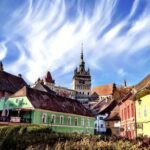
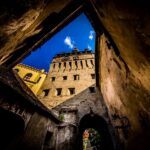
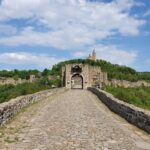
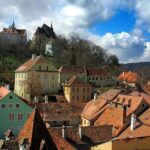
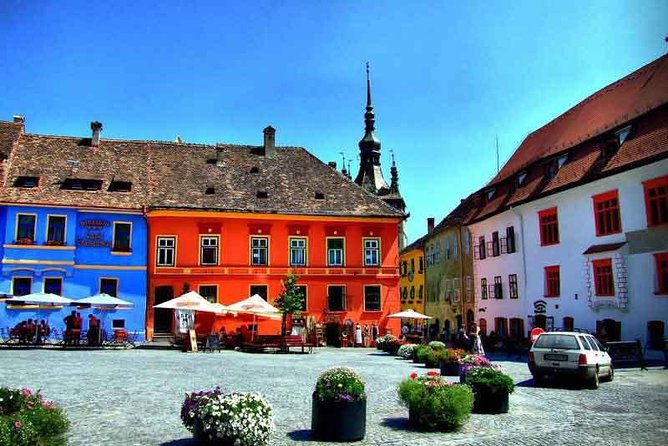
Day two starts with Centrul Istoric Sighisoara, the medieval center on the hill of fortification. Sighisoara is a UNESCO site, and the whole place feels like a “top-down” view of the past because the layout is still built around the fortification idea.
You’re given about 2 hours here, and this town has one of the most direct Dracula connections: it’s described as the birthplace of Vlad Tepes, the person who became known as Count Dracula in later popular culture.
This is a stop where you should slow down a little. The medieval atmosphere isn’t just about stone buildings—it’s about the way the streets work, the hill setting, and the sense that the town was built to function defensively. If you want the romantic Gothic mood without jumping between multiple castles, Sighisoara delivers.
The biggest value is the overnight. You sleep in Sighisoara at a 3 hotel, and breakfast is included. Staying overnight is what turns this from a “drive through” experience into something with a real rhythm. You’ll see the town at a different light and pace than day-only visitors.
Sibiu on the second day: Saxon streets and big-square viewpoints
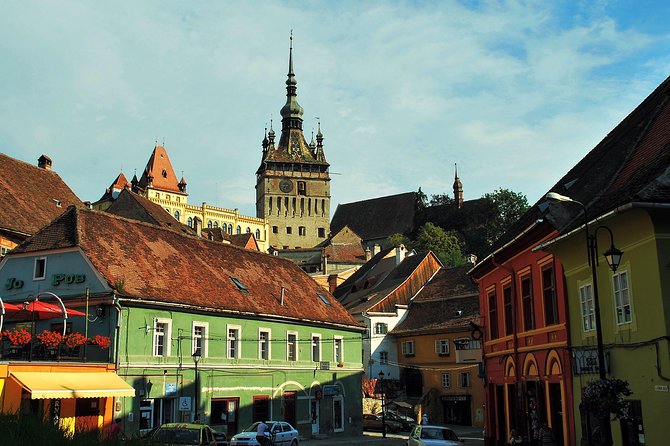
After Sighisoara, the tour moves to Sibiu, where you get about 2 hours for a city highlights tour with free time. Sibiu is known for an old-town feel and—practically speaking—it’s easy to enjoy because the main sights cluster around walkable streets and squares.
One fact that helps you understand Sibiu is that it was the European cultural capital in 2007. That doesn’t mean everything is modern and polished. It means the city has a long-term relationship with culture, preservation, and visitors.
You’ll look at places like Bruckenthal Palace, built in a Baroque style in the late 18th century. If you like architecture, it’s an anchor point for understanding why Sibiu feels more “grand” than some smaller fort towns.
You’ll also cross the Lies Bridge, built over a road that connects lower and upper town areas. It’s one of those viewpoints that makes you understand the city’s vertical geography fast, without needing a map-heavy explanation.
Religious landmarks are also part of the program. The Cathedral of Saxons and the Catholic Cathedral show the layered heritage of Saxon communities and broader Catholic influence. Add the main squares, and you get a sense of where public life happened and where you can easily pause for a drink or a quick snack.
Entrance fees are noted as not included, but the walking tour focus means you can still enjoy the core visual experience even if you decide not to pay for every ticketed interior.
Price and time management: what $476.57 really buys
At $476.57 per person for about two days, this tour is priced for people who want the “planner” role handled for them. You’re paying for transportation from Bucharest, driver time, and the overnight in a 3* hotel with breakfast. That alone reduces the cost and headache you’d normally face if you tried to stitch together trains, buses, and separate lodging in the middle of a multi-stop route.
The catch is that entrance fees are not included. Castle tickets can add up fast, especially if you plan to go inside every listed site. So treat the listed price as the cost for getting there, sleeping there, and seeing the highlights from the outside and guided orientation—then add a separate budget for tickets.
Time is the second consideration. The itinerary is built to hit multiple major stops in two days. That doesn’t mean it feels chaotic all the time, but it does mean you should travel light and move at the pace of the group. If you like long museum sessions and zero time pressure, you’ll probably feel the tightness here.
There’s also a weather factor. This experience requires good weather. If conditions aren’t right, the operator may offer a different date or a full refund, so it’s smart to plan with some flexibility.
Who should book this Transylvania tour (and who should skip it)
Book this if you:
- Have limited time in Romania and want the Transylvania highlights without a DIY route.
- Want a mix of royal castles (Peles), border fortification (Bran), and medieval town energy (Brasov, Sighisoara, Sibiu).
- Like a structured day with clear stop times, but still want freedom to wander during free periods.
- Prefer the comfort of a pickup, included transport, and one overnight plan.
You might skip it if you:
- Hate paying extra for entrance tickets and want everything included in the base price.
- Are extremely sensitive to crowds at Bran and only want quiet, off-the-beaten-path ruins.
- Want a fully guided experience inside every attraction with a dedicated guide holding your hand the whole time. This tour does not claim that level of site-by-site guidance, though local guides can be arranged at an extra cost.
Should you book this 2-day Transylvania tour?
If you want the fastest route from Bucharest to the most famous parts of Transylvania, this is a solid choice. The combination of Peles + Bran, a strong Brasov walk, and an overnight in Sighisoara makes it feel like more than a checklist. You also get the practical value of transport and breakfast-lodging handled, which is where many DIY plans start to wobble.
My call: book it if you’re happy with a packed schedule and you budget separately for ticket entry fees. If you’re chasing total solitude or you want ultra-deep museum time, look for a longer itinerary instead.
FAQ
How long is the Transylvania tour from Bucharest?
It runs for approximately 2 days.
What time does the tour pick me up in Bucharest?
Pickup is from your hotel at 08:00 in the morning.
What cities and attractions are included?
You visit Peles Castle, Bran Castle, Brasov, Sighisoara (Historic Center), and Sibiu.
Is there an overnight stay included?
Yes. You get an overnight in Sighisoara at a 3-star hotel, and breakfast is included.
Are entrance fees included for castles and sites?
No. Entrance fees are not included, and tips are also not included.
Will there be a guide with me at every stop?
No tour guide will be following this tour. You may be able to add local tour guides at extra costs, and the trip may be operated with a multi-lingual guide.
How many people are in the group?
The tour can have up to 16 travelers and requires a minimum of 4 persons to book.
Is a mobile ticket provided?
Yes, the tour includes a mobile ticket.
Does the tour depend on weather?
Yes. The experience requires good weather. If it’s canceled due to poor weather, you’ll be offered a different date or a full refund.
Can children join?
Yes, but children must be accompanied by an adult.