REVIEW · BUCHAREST
5h Abandoned Fort, Dracula’s Grave and Mogoșoaia Palace, Private
Book on Viator →Operated by Supplier · Bookable on Viator
Snagov Lake and Vlad in the same day. This private 5-hour loop takes you out of central Bucharest for Snagov Monastery, the site tied to Dracula’s grave, plus Mogoșoaia Palace and Fort Chitila. It’s a mix of legend, architecture, and Romania’s “more recent” history—without turning your day into a bus marathon.
I especially like the way the tour keeps things moving while still feeling relaxed. You get hotel pickup and drop-off, air-conditioning, and a guide who can connect the dots from Vlad to Brâncoveanu to the defensive forts outside the city.
One consideration: plan on budgeting a couple small site tickets on top of the tour price—Dracula’s Grave and Mogoșoaia Palace have entrance fees.
In This Review
- Key highlights at a glance
- A 5-hour private loop beyond Bucharest’s center
- Snagov Monastery and Dracula’s Grave: the Vlad stop that feels grounded
- Mogoșoaia Palace: Brâncovenesc style, palace life, and Monday timing
- Chitila Fort: late-19th-century defenses, wartime roles, and real-world ruins
- Your guide makes the day: entertainment plus context
- Price and value: what your € and $ actually buy
- Who this tour fits best (and who might want a different plan)
- Should you book this private Snagov–Palace–Fort day trip?
- FAQ
- How long is the tour?
- Is hotel pickup and drop-off included?
- What sites are included in the 5-hour route?
- Is the tour offered in English?
- Is this a private tour?
- What entrance fees should I expect?
- Is there water or Wi-Fi on the vehicle?
- Is Mogoșoaia Palace open on Monday?
- Can I cancel and get a full refund?
Key highlights at a glance
- Vlad the Impaler link at Snagov Monastery on an island in Snagov Lake, with Dracula’s Grave as the main draw
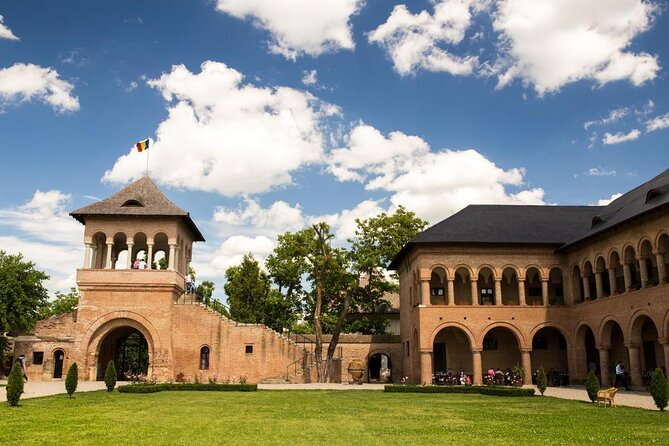
- Mogoșoaia Palace gardens and Romanian Renaissance (Brâncovenesc) style, built 1698–1702
- Fort Chitila ruins from Romania’s late-1800s defensive system, shaped by conflicts through World War II
- On-board bottled water and Wi-Fi so you can recharge and plot your photos between stops
- Private, English-guided day for just your group, often led by guides like Victor, Sebastian, Serban Riga, Valerica, Bogdan, Dan, or Radu
A 5-hour private loop beyond Bucharest’s center
This is the kind of day trip that works when you want more than one “greatest hits” stop, but don’t want to lose half your day to transit. You’re out for about 5 hours, and the whole point is to pack in three very different places—then bring you back to your hotel.
Because it’s private, your pace is easier to manage. You’re not stuck waiting for a large group to finish photos at every doorway, and you can move at the rhythm your guide suggests. The transport is air-conditioned, and you’ll have a practical comfort layer that matters in Romania’s changing weather.
Also, it’s nice that the plan includes little real-life perks. Bottled water and Wi-Fi are available on-board between stops, which helps when you’re checking opening times, looking up your next photo spot, or just needing a quick reset after walking.
You can also read our reviews of more private tours in Bucharest

Snagov Monastery and Dracula’s Grave: the Vlad stop that feels grounded
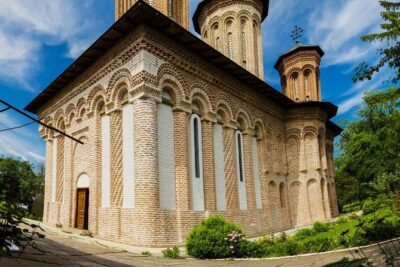
Snagov Monastery sits on an island in Snagov Lake, near Bucharest. That setting changes the whole vibe. Instead of a museum feel, you get a calmer, more “place-based” experience—lake air, quiet paths, and a sense that you’re seeing something that has survived far past its original purpose.
This stop is also where the Vlad connection becomes more than a costume-store slogan. You’ll spend about 2 hours here, with time to look around and take in the monastery’s feudal artwork. The art matters because it gives you a visual language for the period—ornamented, symbolic, and focused on meaning rather than just decoration.
Cost-wise, you should expect entrance fees tied to the Dracula-related portion. The tour notes an entrance fee of €6 per person for Snagov Monastery Dracula’s Grave. (Your exact total depends on what you’re permitted to enter that day, but budget for that add-on.)
If you’re the type who likes small walks and quiet corners, you’ll probably enjoy how this stop breaks the day. It’s not just “see a tomb and go”; it’s a genuine change of pace inside a religious-historical setting.
Mogoșoaia Palace: Brâncovenesc style, palace life, and Monday timing
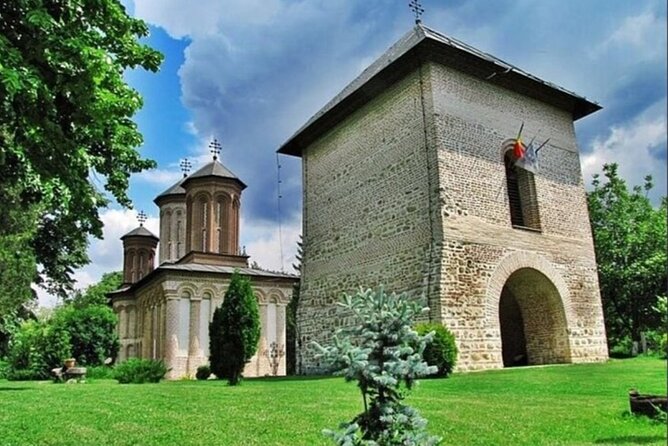
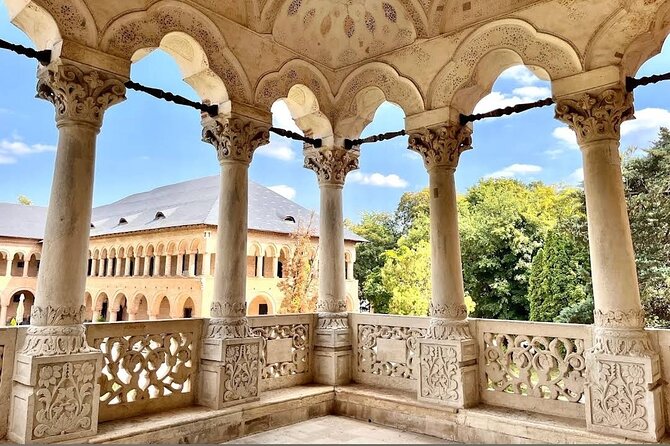
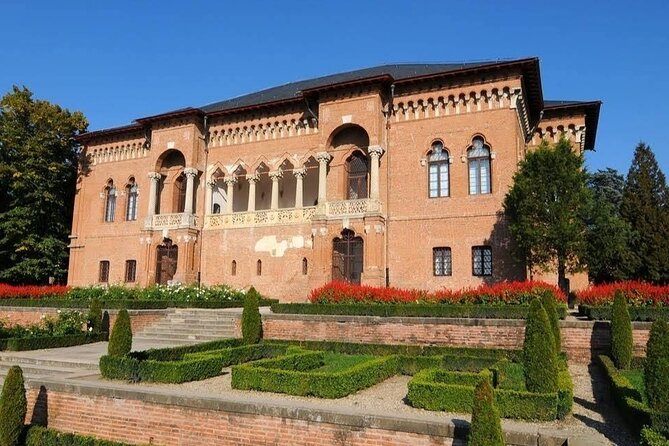
Mogoșoaia Palace is one of those places where details reward attention. Built between 1698 and 1702 by Constantin Brâncoveanu, it’s in the Romanian Renaissance / Brâncovenesc style. If you care about architecture, you’ll likely find patterns and motifs you can trace across the façade and interior spaces.
Your visit is about 2 hours, and you’ll also stroll through the palace gardens with your guide. That’s a smart inclusion. Palaces can feel like quick-photo stops, but gardens give you breathing room and help you understand how the building was meant to be experienced—not just looked at.
There’s also a simple, practical detail: the palace’s name connects to the widow of the Romanian boyar Mogoș—so you’ll have a better sense of why it exists in the way it does, not only how it looks.
Plan for the entrance fee. The tour lists €4 per person for Mogosoaia Palace. And if your day falls on Monday, note that the palace is closed—on Monday you’ll visit only the courtyard. That’s not a deal-breaker, but it’s the difference between a full “palace-and-gardens” experience and a shorter exterior-focused one.
Chitila Fort: late-19th-century defenses, wartime roles, and real-world ruins
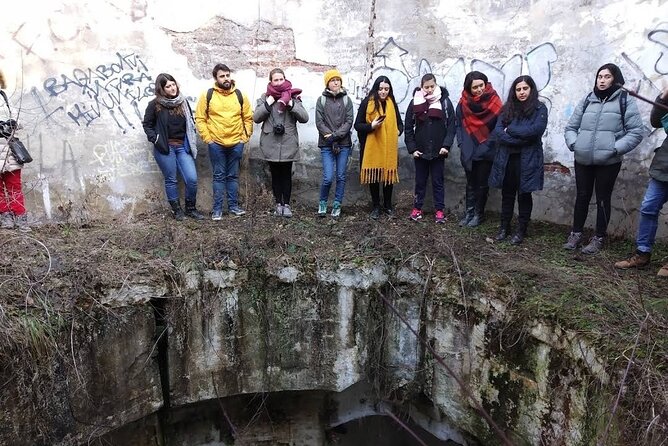
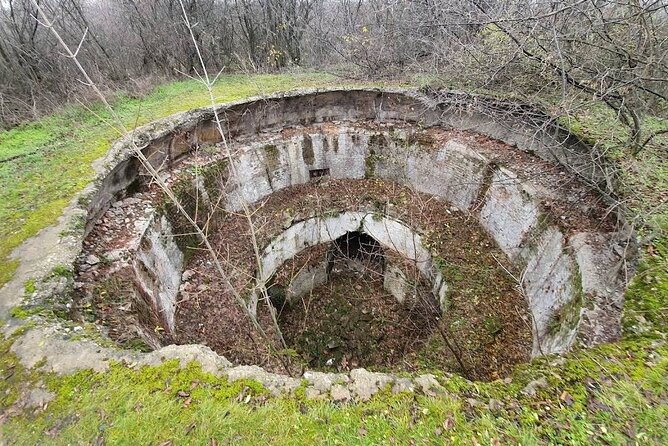
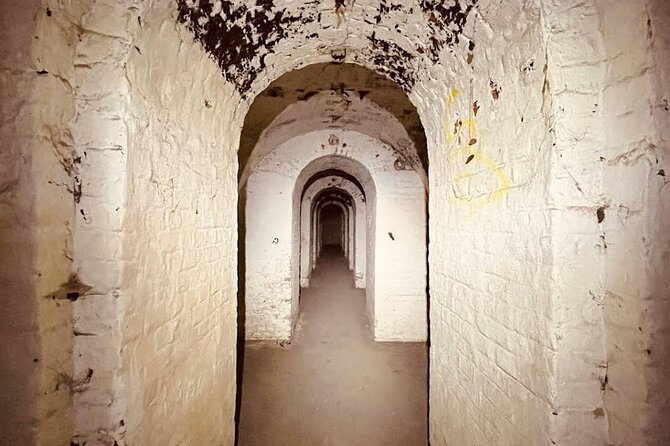
Fort Chitila is a different kind of history stop. This fortification sits near Chitila (in Ilfov County) and was built in the late 19th century as part of Romania’s defensive system. It later played roles in World War I and World War II, so you get a timeline that stretches beyond one era.
You’ll spend about 1 hour here, and that time makes sense. Fort ruins are not always “fully visitor-friendly,” and the main job is to get the story and the layout without trying to force a long museum-style visit.
One thing to watch your expectations on: the fort is in a real area, not a polished heritage bubble. Some experiences describe it as being near a scrapyard, with overgrown vegetation, trash, and graffiti. That can feel jarring if you’re expecting a clean, restored site. But if you enjoy history-as-it-is—raw, incomplete, and a little messy—that setting may be part of the point.
Still, it’s worth it because it adds the “recent past” layer right after Vlad-era legend and early modern palace life. This stop helps the day feel like Romania, not just Romania-with-postcards.
Your guide makes the day: entertainment plus context
In a tour like this, the guide isn’t a background character. The guide is how the stops connect, and the better they are, the more you’ll feel the day makes sense.
Across different outings, guides such as Victor have been praised for being helpful, friendly, and good at providing historical context without dragging. Sebastian is mentioned for bringing the Vlad legend to life in a way that ties directly to what you’re seeing. Serban Riga shows up in feedback for making the day comfortable and for answering Romania questions beyond the monuments themselves.
You’ll also see names like Valerica, Bogdan, Dan, and Radu credited with turning the day into something personal—some through humor, some through careful explanations, and one through genuine care when a guest needed help.
Practically, that guide energy matters most on the “in-between” moments: when you’re walking from one building to another, or when you’re staring at a fort wall wondering what you’re actually looking at. A strong guide helps you get it fast.


Price and value: what your € and $ actually buy
At $142.83 per person for about 5 hours, you’re not paying for a long itinerary. You’re paying for a compact experience with a private vehicle, pickup/drop-off, and an English-speaking guide.
Here’s how the value shakes out:
- You’re getting private transportation plus hotel pickup and drop-off, which is usually the biggest time-saver in day trips.
- The included air-conditioned vehicle matters on hot or humid days.
- You also get bottled water and Wi-Fi during the ride between sites, which is a small comfort that adds up.
- The big extra costs are straightforward: €4 for Mogoșoaia Palace and €6 for Snagov Monastery Dracula’s Grave. That’s €10 per person in listed entrance fees.
So, if you’re budgeting, you can think of the total as the tour price plus about €10 for those two key ticketed elements. (Your final total can vary based on what you choose to enter and what’s open, especially on Monday for the palace.)
If you compare this with doing everything on your own, the price starts to look more like convenience plus interpretation—less like “transport only,” more like “a guided day that saves effort.”
Who this tour fits best (and who might want a different plan)
This tour is a strong match if you want a day that mixes:
- Dracula/Vlad curiosity with a real, specific site visit near Snagov Lake
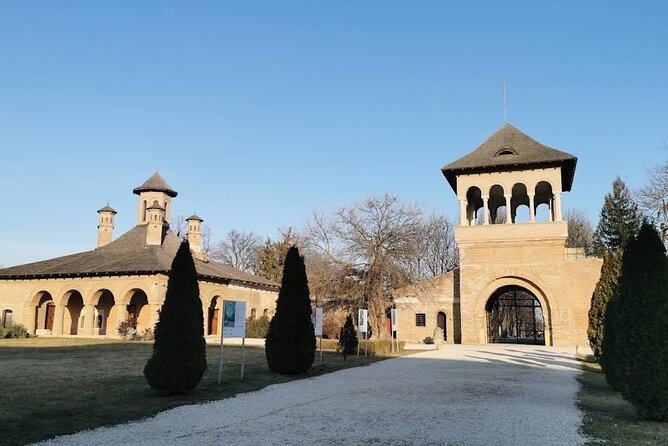
- Architecture and art through Mogoșoaia Palace and the monastery’s feudal artwork
- Layered Romanian history that jumps forward to late-1800s defenses and roles through World War II at Fort Chitila
You’ll likely enjoy it most if you like your history explained as you go, not read afterward in your hotel room. The guided pacing is ideal for people who want context without a lecture.
It may be less ideal if you hate any “ruin factor.” Fort Chitila can feel rough around the edges, including reports of nearby scrappy surroundings and graffiti. If you need pristine restoration everywhere you step, you might prefer a different route with fully curated sites.
Should you book this private Snagov–Palace–Fort day trip?
I’d book this if you want a single guided day that covers legend, architecture, and a serious “how did this area protect itself” story—without spending your whole vacation stuck in traffic.
Do book it especially if you care about how places connect. A good guide can turn Snagov from a spooky idea into a meaningful setting, and Mogoșoaia from a pretty building into a story about Brâncoveanu’s world.
Skip it or rethink it if Monday timing would force you into only the courtyard at Mogoșoaia Palace, or if Fort Chitila’s rougher setting doesn’t match how you like to travel.
If you do book, bring a little cash mindset for the paid sites (tickets are listed), wear shoes for walking, and give the guide permission to steer you—this is one of those tours where the person talking can shape how much you enjoy what you’re seeing.
FAQ
How long is the tour?
The tour is about 5 hours.
Is hotel pickup and drop-off included?
Yes. Hotel pickup and drop-off are included.
What sites are included in the 5-hour route?
You visit Snagov Monastery (including Dracula’s Grave), Mogoșoaia Palace, and Fort Chitila.
Is the tour offered in English?
Yes, the tour is offered in English.
Is this a private tour?
Yes. It’s private, and only your group participates.
What entrance fees should I expect?
The tour lists an entrance fee of €4 per person for Mogoșoaia Palace and €6 per person for Snagov Monastery Dracula’s Grave.
Is there water or Wi-Fi on the vehicle?
Yes. Bottled water and Wi-Fi are available on-board to use between sites.
Is Mogoșoaia Palace open on Monday?
Mogoșoaia Palace is closed on Monday, and on Monday only the courtyard is visited.
Can I cancel and get a full refund?
Free cancellation is available. You can cancel up to 24 hours in advance for a full refund.