REVIEW · BUCHAREST
Slavery in Romania,Myths and Truths on Gypsies, Walking Tour
Book on GetYourGuide →Operated by I TRAVEL IN ROMANIA · Bookable on GetYourGuide
Roma history hits you fast in Bucharest. On this guided walk, you trace hard truths about the Roma community alongside the myths that kept getting repeated for generations. You start near Piata Romana, walk through major Bucharest landmarks, and end near Mesteshukar ButiQ [MBQ], with an optional jewelry workshop if you want a hands-on piece of the story.
I especially like two parts. First, the tour doesn’t treat Roma culture as a side topic; it connects enslavement, discrimination, and everyday identity to places you can actually point at in the city. Second, the guides have a thoughtful style: empathy and humor show up in the way the history is told, even when the material is heavy.
One possible drawback: this is not a light, feel-good tour. If you’re hoping for a mostly cultural or arts-only outing, the stops tied to slavery and genocide will be emotionally intense.
In This Review
- Key takeaways before you go
- Where you meet: starting at Ion Creangă Theatre
- The former slave market: the past that still lingers in streets
- Romanian Athenaeum: arts, pride, and how perceptions get shaped
- Cismigiu Gardens: myths and truths in a calmer setting
- Holocaust memorial: remembrance that’s part of the route, not a footnote
- Communist-era traces: what changed, what stayed the same
- How the 3-hour format feels on your feet
- Optional Roma jewelry workshop at Mesteshukar ButiQ [MBQ]
- Value check: is $29 a fair deal for this much history?
- What kind of traveler this suits best
- Should you book this tour?
- FAQ
- How long is the walking tour?
- Where does the tour start?
- Is the tour guided in English?
- What are the main stops on the route?
- Is the jewelry workshop included?
- Is food and drinks included?
- Does the tour end back where it started?
- Are there different start times?
- Can I cancel for a refund?
Key takeaways before you go
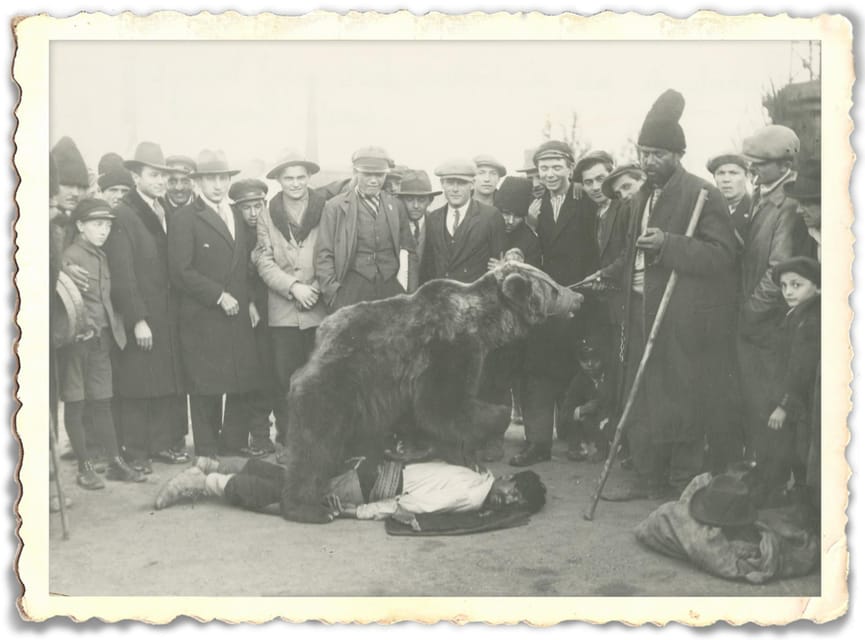
- Former slave market site: a haunting, practical starting point for understanding how human trafficking shaped Roma identity
- Romanian Athenaeum + arts: you’ll connect national pride and architecture to how perceptions formed over time
- Cismigiu Park myths and truths: a calmer stretch that still keeps the lesson focused on stereotypes and real culture
- Holocaust memorial stop: direct remembrance of Roma victims of persecution and genocide in Romania
- Communist-era traces: you’ll hear how the regime affected Roma life, including prejudice and property issues
- Optional jewelry workshop at MBQ: craft your own piece with a Roma artisan in a traditional workshop
Where you meet: starting at Ion Creangă Theatre
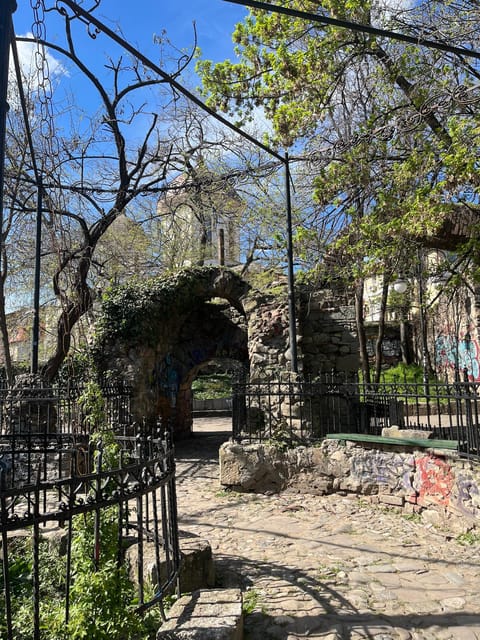
The tour starts at the small square in front of the Ion Creangă Theatre (Sala Mare). It’s about a 3-minute walk from Piata Romana metro, which matters because you want an easy “drop-in” meeting point after a long travel day.
In the first minutes, you’ll get oriented and set the tone. This walk is built around the idea that Bucharest is full of history, but not all of it is comfortable. The guide frames the tour around myths vs. truths, so you know what kind of stories you’re about to hear.
There are also a couple of “secret stops” and short guided passes between bigger landmarks. Expect those moments to be the glue: brief context that makes the longer sights make more sense.
You can also read our reviews of more walking tours in Bucharest
The former slave market: the past that still lingers in streets
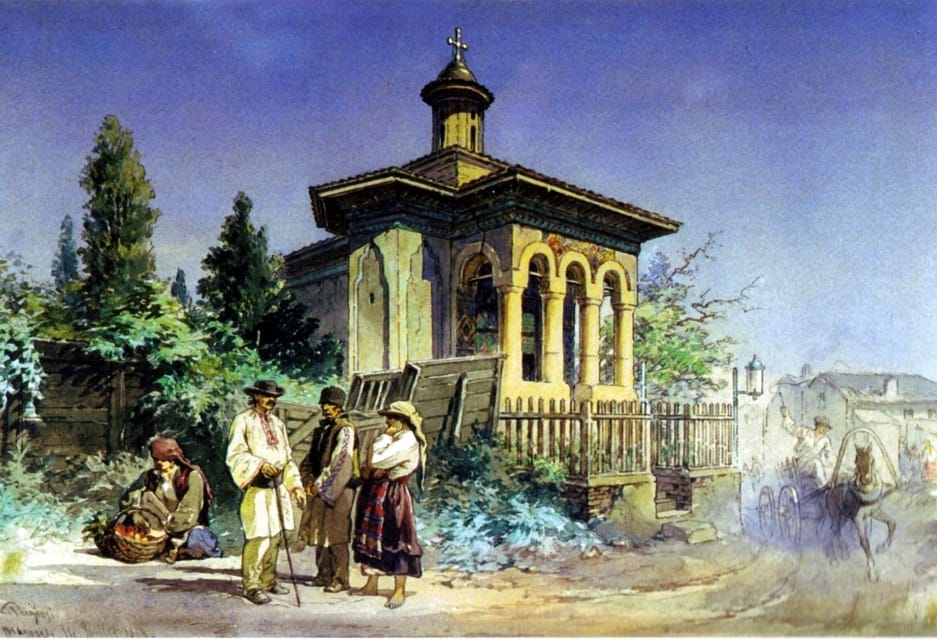
The first major stop is the site of an old slave market. Even if you’ve heard about slavery before, putting it in a real city location changes how it lands. This is one of those experiences where you stop thinking of history as “back then” and start thinking of it as “someone lived through this.”
The guide works through the historical context around the trade in human lives and how its impact lasted in Roma identity. That connection is key for you, because it explains why myths didn’t just stay myths. They came from power structures—who got treated as property, who got denied rights, and who got blamed for what was done to them.
A practical tip: this part can feel abrupt if you’re sensitive to dark history. If that’s you, bring a little extra mental space and stay close to the group so you don’t get lost during the transitions.
Romanian Athenaeum: arts, pride, and how perceptions get shaped
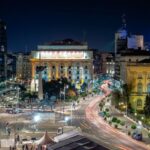
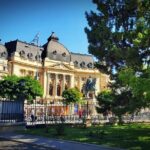
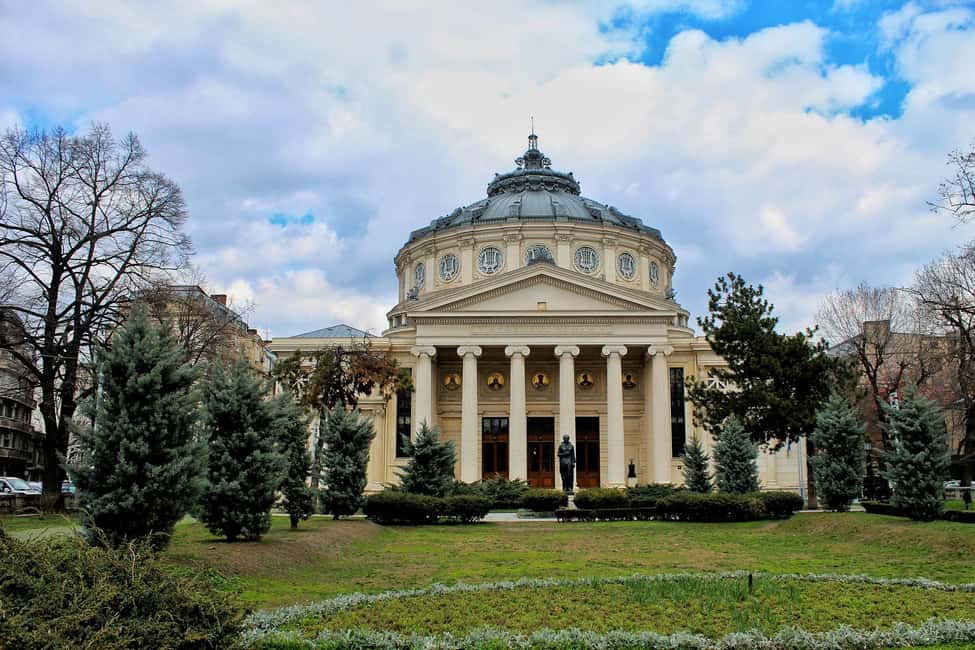
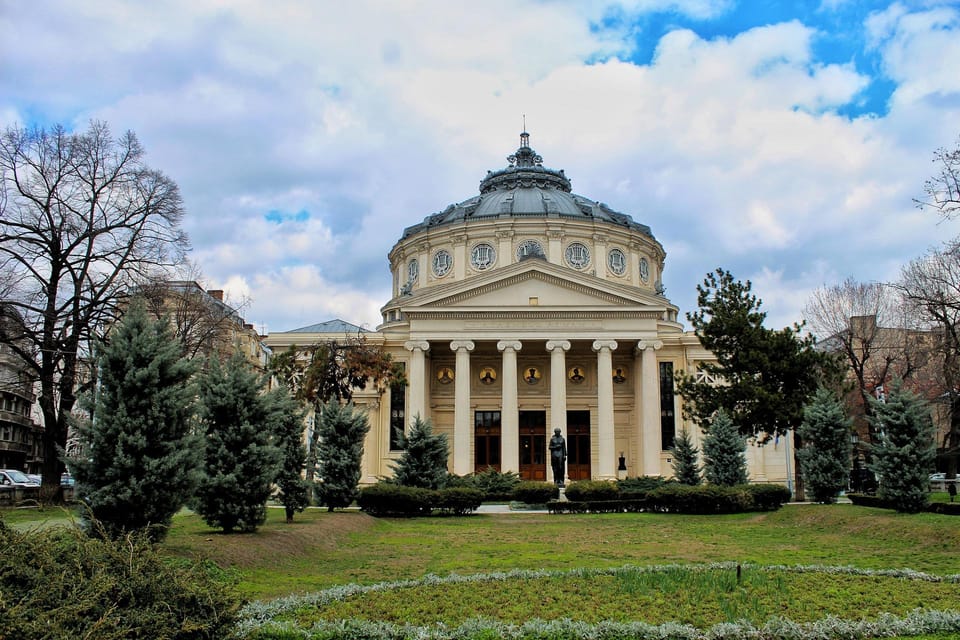
After the heavy first lesson, the tour moves toward lighter scenery—though not lighter subject matter. You pass by the Romanian Athenaeum, Bucharest’s iconic cultural landmark, known for majestic architecture and a strong national image.
What I like about bringing Roma history here is that it challenges a common assumption. Culture and art can’t be separated from politics and prejudice. The guide discusses the role of the arts in shaping perceptions of the Roma community throughout history, and that helps you see how ideas spread—through public buildings, popular culture, and who gets portrayed as “acceptable” in society.
You’ll also get a quick sense of how Bucharest’s identity is built. That’s useful because Roma history is part of Romania’s history, not a separate exhibit in another room.
Cismigiu Gardens: myths and truths in a calmer setting
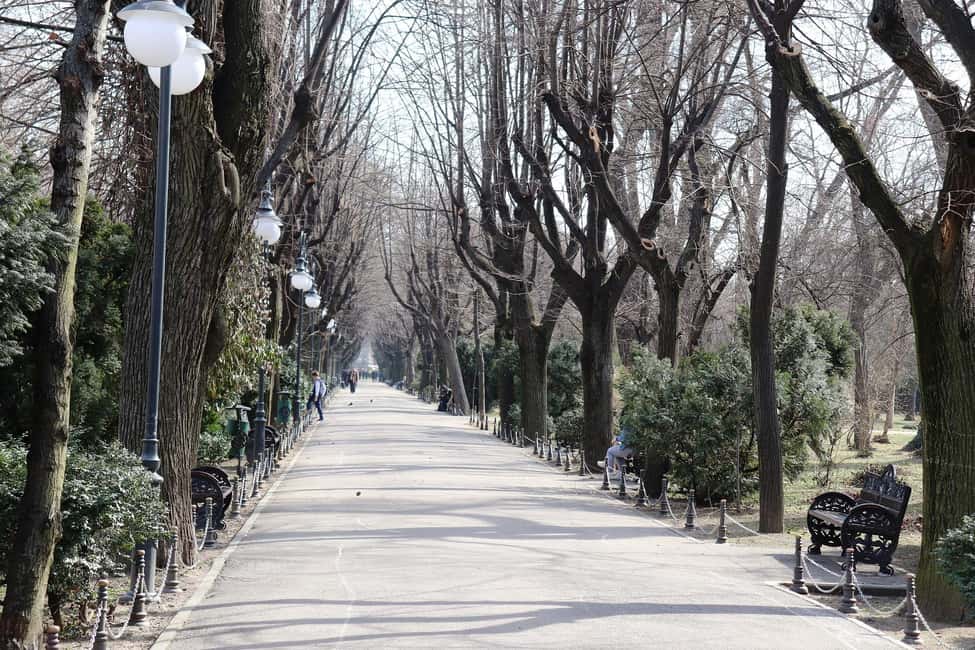
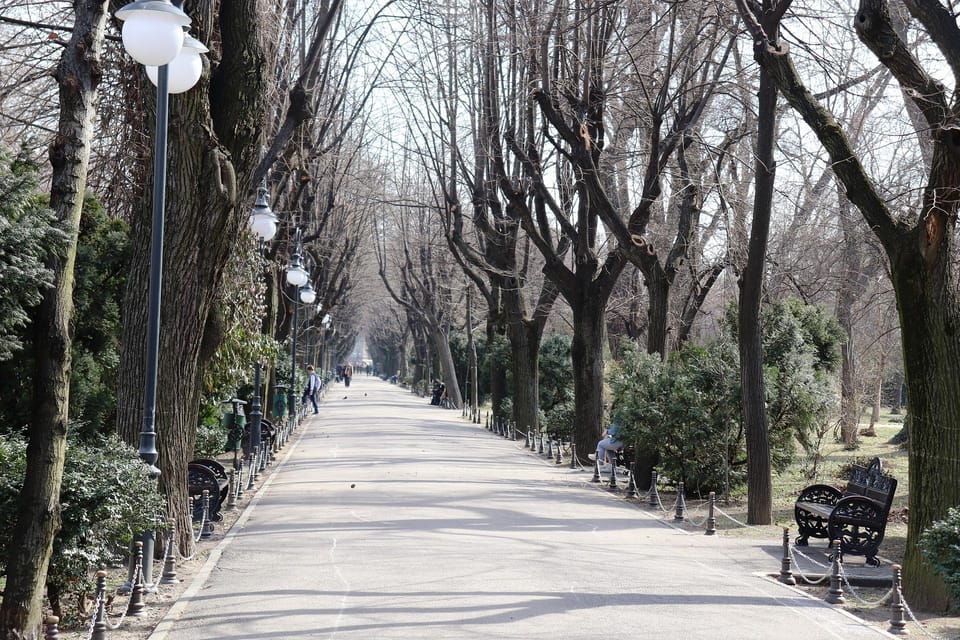
Next comes the Cișmigiu Gardens, the oldest and largest garden in Bucharest. This is a true break in pace: a guided walk through greenery where the city noise drops for a moment.
But the tour keeps its theme. In the park, you hear more about myths and truths surrounding Roma culture and traditions. In other words, you don’t just get facts. You get comparisons—what stereotypes get wrong, what traditions actually are, and how Roma identity has been shaped by both Romanian society and Roma communities themselves.
Why this works well for you: the mix of shade, walking, and conversation helps the brain process hard history. The group also tends to slow down naturally here. If your guide uses visuals (some guides do), the park setting makes it easier to keep attention without feeling like you’re trapped in a classroom.
If you’re traveling in hot weather, look out for small, real comfort details. One guide style that shows up in past departures: frequent reminders to hydrate and time in shade when conditions are tough.
Holocaust memorial: remembrance that’s part of the route, not a footnote
The tour includes an important stop at a Holocaust memorial in Romania, with a photo stop, guided tour, and walking segment. This is where the emotional stakes rise again.
The guide pays homage to victims of this dark chapter, including the thousands of Roma lives lost to persecution and genocide. For you, the practical value is clarity. It’s easy to leave a city tour with “awareness” that stays vague. This section is designed to connect Roma suffering to Romanian history directly, not as an afterthought.
This stop also changes the way you interpret earlier scenes. When you’ve just seen reminders of slavery and discrimination, the Holocaust memorial isn’t a separate lesson—it’s the same story moving into another era, with different systems and different language for the same dehumanization.

Communist-era traces: what changed, what stayed the same
After the Holocaust memorial, the route continues through Bucharest streets, including a pass by Piața Kogălniceanu and Revolution Square, plus at least one more “secret stop” segment.
The guide discusses traces of Romania’s communist past and how that regime shaped challenges for the Roma community. You’ll hear about how Communist rule affected society and, specifically, Roma experiences—both socially and in the built environment.
One helpful theme that comes up in past guided versions: the post-war period left long shadows, including the dispute about property ownership that can explain why some buildings look run down. That’s not just architecture trivia. It connects policy and prejudice to what people can and can’t recover.
Also, this tour doesn’t treat resilience as a slogan. The stories are meant to show how Roma people endured, adapted, and kept cultural life going even when the system tried to erase dignity.
How the 3-hour format feels on your feet
This tour runs for about 3 hours. The pacing is built as a mix of walking, short guided stops, and one 15-minute café break. That break matters more than you’d think. Sitting for a moment helps you absorb the history, ask questions, and recharge.
There’s also enough “talking time” built in that you won’t feel like you’re only being dragged from monument to monument. The route includes multiple pass-by segments and guided walk portions, so you’re constantly hearing context.
If you’re planning your day, do it like this:
- Wear comfortable shoes. You’re walking through central Bucharest.
- Plan to be mentally engaged, not just sightseeing.
- Bring water if the weather is hot. Some guides handle hydration thoughtfully, but you’ll feel safer having your own supply.
Optional Roma jewelry workshop at Mesteshukar ButiQ [MBQ]
![Slavery in Romania,Myths and Truths on Gypsies, Walking Tour - Optional Roma jewelry workshop at Mesteshukar ButiQ [MBQ]](https://l.thebucharestguide.com/wp-content/uploads/slavery-in-romaniamyths-and-truths-on-gypsies-walking-tour-9.jpg)
The finishing point is Mesteshukar ButiQ [MBQ]. If you choose the optional workshop, this is where it comes to life.
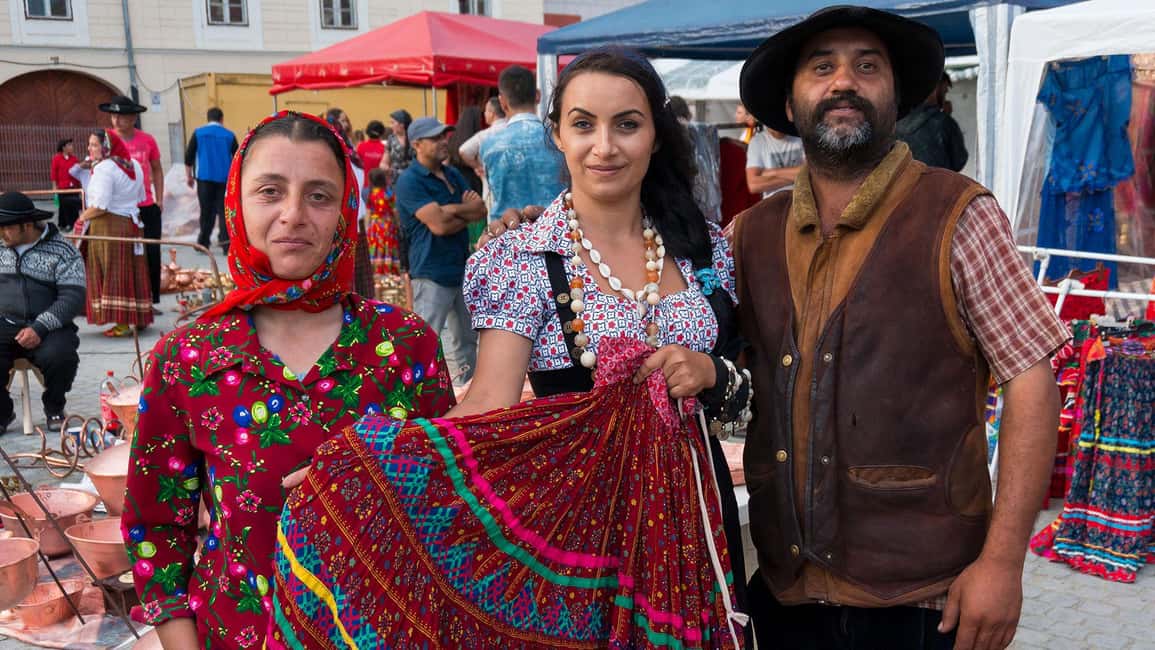
You craft your own jewelry with an authentic Roma craftsman in a traditional workshop, and the option includes jewelry workshop and transportation (when selected). Even if you’re not a “craft person,” this part can be one of the most valuable ways to understand culture because it’s not only explanation—it’s skill.
A good way to think about it: earlier stops talk about how Roma people have been defined from the outside—by myths, laws, and propaganda. The workshop offers a different angle: Roma artistry, hands-on tradition, and creation that doesn’t require you to accept stereotypes.
Do note: the tour doesn’t include food and drinks, so the café break is one of your only easy chances to grab something.
Value check: is $29 a fair deal for this much history?
At $29 per person for about 3 hours, this is priced like an affordable walking tour, not a special-occasion museum ticket. The value comes from a few things you can’t easily replicate on your own:
- You get a guided thread that connects multiple eras—slavery, the Holocaust, communism—into one route.
- You visit major Bucharest landmarks like the Romanian Athenaeum and Cismigiu Gardens, so it’s not only “history-only” streets.
- You have the option to add the MBQ jewelry workshop, which turns learning into making.
Where you should adjust expectations: it’s still a walking tour with discussion. You’re not going to sit in a theater with long documentary segments. If you want a slower pace with lots of time to read, you might prefer a museum-based plan in addition to this.
What kind of traveler this suits best
This tour is best for you if you want:
- a Roma-focused story that’s tied to real Bucharest locations
- myth-busting in a respectful way (the tour is structured around that theme)
- a guide who can balance hard topics with humane storytelling
It may be less ideal if you:
- want only upbeat sightseeing
- hate heavy subjects and would struggle at memorial stops
- are looking for a pure cultural craft tour with zero history
That said, many guides are praised for empathy, patience, and clear communication. If the guide on your departure includes visuals and examples, you’ll likely find the experience easier to follow and remember.
Should you book this tour?
Yes, I’d book it if you’re coming to Bucharest and you want more than the usual postcard route. The combination of former slave market context, a major cultural landmark like the Athenaeum, a calm lesson stretch in Cișmigiu Gardens, and a direct stop at the Holocaust memorial makes it unusually focused.
If you choose it, go in with the right mindset: you’re there to understand how Roma people’s lives were shaped by Romanian history—and how myths keep traveling forward. If you’re also the type who enjoys learning by making, add the MBQ jewelry workshop. It’s a practical way to leave with something tangible from a heavy, thoughtful day.
FAQ
How long is the walking tour?
The tour lasts about 3 hours.
Where does the tour start?
Meet in the small square in front of the Ion Creangă Theatre (Sala Mare), about a 3-minute walk from Piata Romana metro station.
Is the tour guided in English?
Yes. The tour has a live guide speaking English.
What are the main stops on the route?
You’ll visit key Bucharest landmarks and memorial sites, including the site of an old slave market, the Romanian Athenaeum area, Cișmigiu Gardens, a Holocaust Memorial stop, and other central squares on foot.
Is the jewelry workshop included?
The jewelry workshop is included only if you select the optional workshop. When selected, it also includes workshop transportation.
Is food and drinks included?
No. Food and drinks are not included.
Does the tour end back where it started?
Yes. It ends back at the meeting point.
Are there different start times?
There are starting times, but you’ll need to check availability to see what’s offered.
Can I cancel for a refund?
You can cancel up to 24 hours in advance for a full refund.