REVIEW · BUCHAREST
Bucharest: The “Last Days of Communism” Tour
Book on GetYourGuide →Operated by TravelMaker · Bookable on GetYourGuide
Communism in Bucharest hits different in the places it happened. This tour moves fast through the key sights tied to Nicolae Ceaușescu’s final chapter, with Revolution Square and the Palace of Parliament (House of People) front and center. I especially like how it pairs big architecture with the street-level feel of daily life under the regime, not just dates and slogans.
The second thing I like is the contrast: you’re also taken to Primaverii Palace, the former presidential residence, so you can see how power lived while the rest of the country changed in the margins. The main drawback to plan for is that entrance tickets for the Parliament Palace and Primaverii Palace are not included, and visits aren’t guaranteed if those institutions are closed for meetings and conferences.
In This Review
- Key things that make this tour worth your time
- Why Bucharest’s last days feel personal
- Price and timing: a 5-hour hit of the communist-era core
- Starting from your hotel: the easy way to see the most important blocks
- Revolution Square: the turning-point stage set
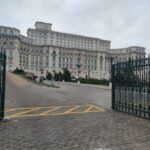
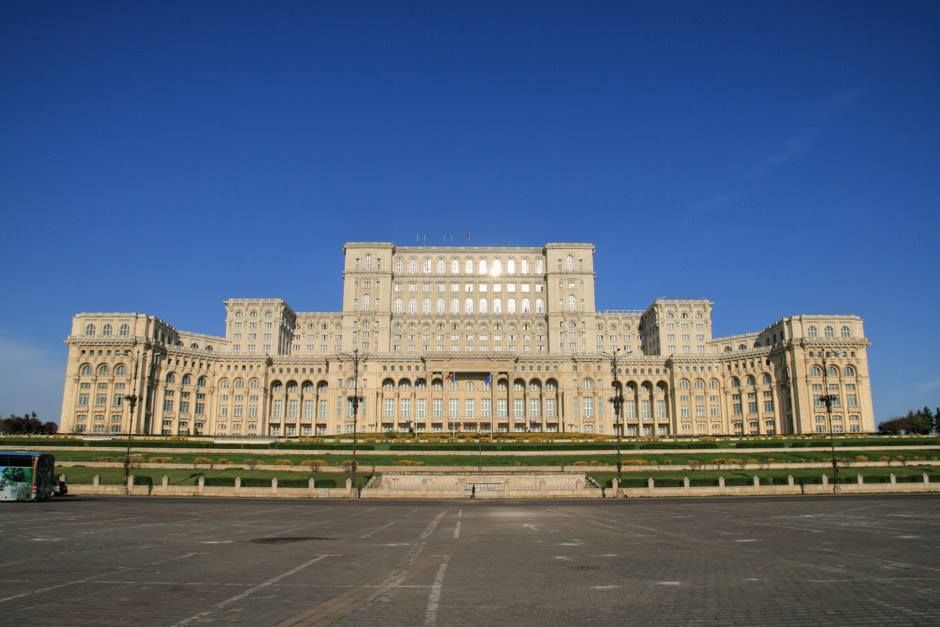
- The Palace of Parliament, House of People: power in stone
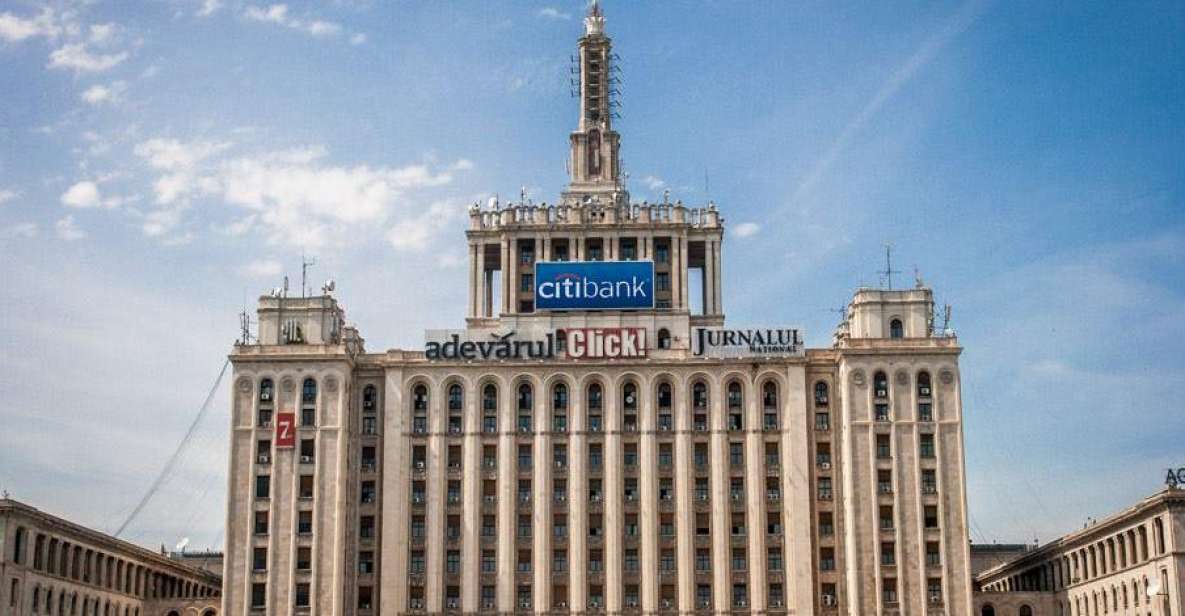
- Free Press Square and the House of The Free Press: propaganda with a straight face
- Passing by the Romanian Atheneum and Revolution’s Memorial
- University Square, Union Square, Romana Square, and Charles de Gaulle Square
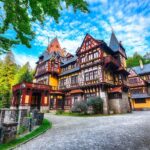
- Primaverii Palace: the contrast that makes the story click
- What kind of traveler this tour suits best
- Should you book the Last Days of Communism tour?
- FAQ
- What’s included in the $69 price?
- Are entrance fees included for the palaces?
- How long is the tour?
- Do you pick me up from my hotel?
- What do I need to bring?
- Are visits to the Parliament Palace guaranteed?
- Is there a minimum number of people required?
Key things that make this tour worth your time
- Revolution Square balcony moment and the story of Ceaușescu’s last speech
- Palace of Parliament (House of People) scale and symbolism in one stop
- House of Free Press Square (Piata Presei Libere) for a different angle on propaganda
- Downtown squares and monuments you can’t really connect by yourself in one tight loop
- Primaverii Palace for the power-vs-people contrast
- Hotel pickup + car/minibus so you spend less time figuring out logistics
Why Bucharest’s last days feel personal
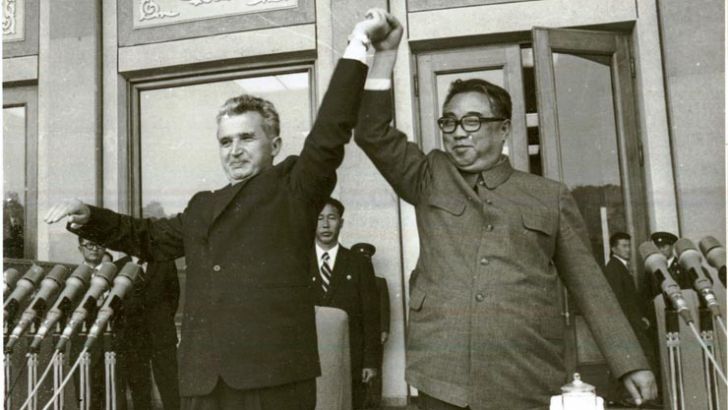
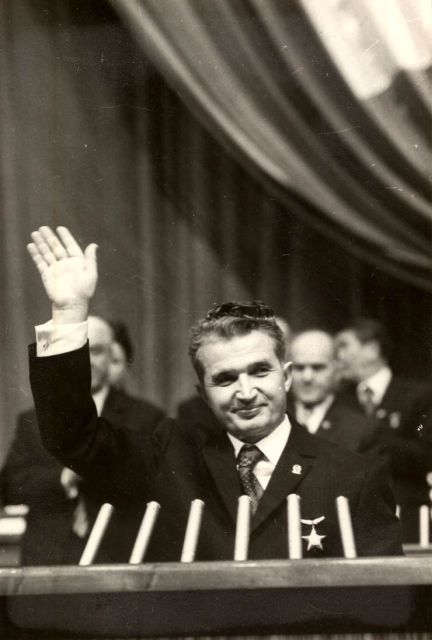
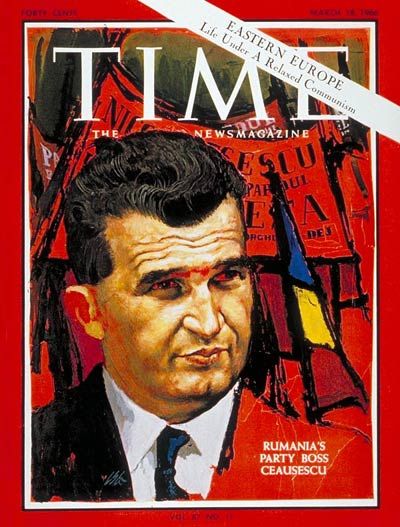
Romania was communist for over 40 years, from 1948 until December 1989. Nicolae Ceaușescu rose to power in 1965 as General Secretary, then became president in 1974. Fifteen years later, he was removed and executed after a violent revolution in the winter of 1989.
What makes this tour work is that it frames those headline events through real locations—squares, memorials, and government buildings—so the story has a physical footprint. You’re not just learning what happened. You’re standing near where the final shouting, waiting, and turning points took place.
And yes, it’s controversial. That’s part of the point. The communist era in Romania is both “great accomplishments” and heavy suffering, depending on who you ask and what decade you lived through. A good guide keeps that tension in view instead of selling one tidy moral. If you get a guide with the same energy as the Boogie-style passion people mention, you’ll probably find it’s less lecture and more guided storytelling with quick, practical explanations.
You can also read our reviews of more tours and experiences in Bucharest.
Price and timing: a 5-hour hit of the communist-era core
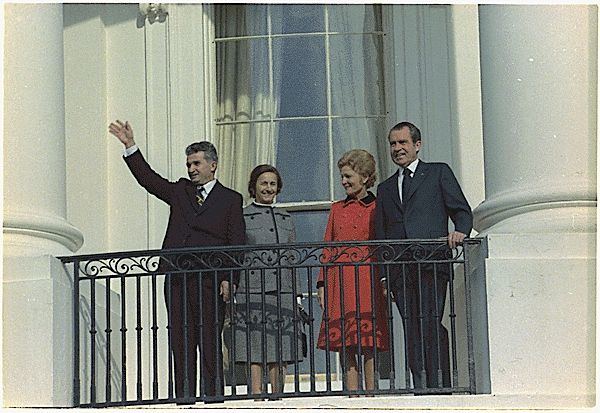
This experience is listed at $69 per person and runs about 5 hours total, starting in the morning with hotel pickup and transport by car/minibus. You then follow a roughly 4-hour itinerary filled with downtown sights and two major palace visits (entrance fees extra).
For the money, I think it’s good value if you:
- want a guided route that strings together major landmarks efficiently
- prefer clarity over chaos (Bucharest can be a little spread out)
- care about context, not just photo stops
The one cost factor you’ll want to budget for: entrance fees to the Parliament Palace and Primaverii Palace are not included. So when you compare prices, treat $69 as the tour fee and expect additional ticket costs for the two big interior visits.
Also, plan for some variability. Visits to the palaces are not guaranteed because the institutions can be closed for meetings and conferences. On some days, you may have to adjust to what’s actually accessible.
Starting from your hotel: the easy way to see the most important blocks
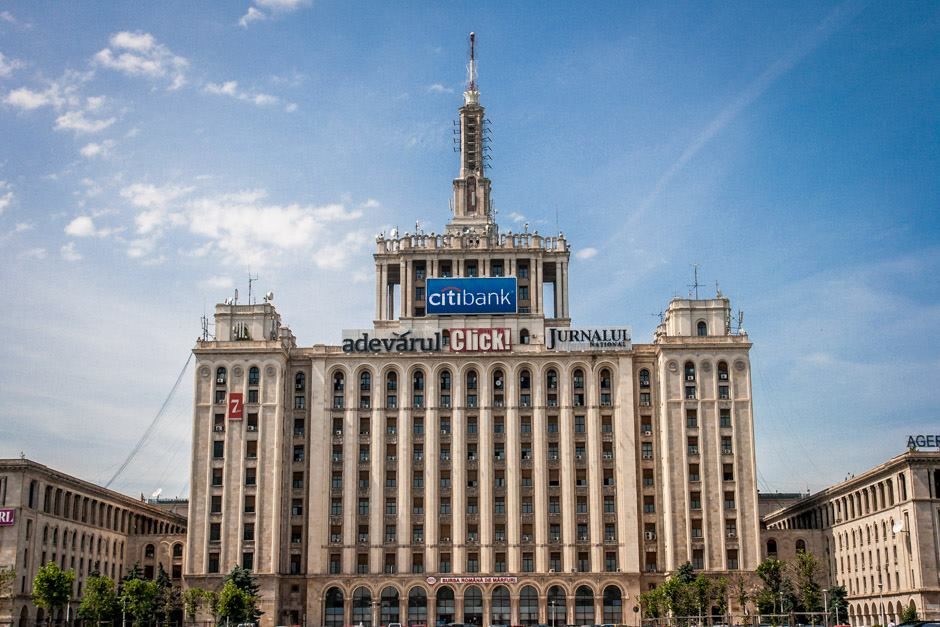
The day begins with pickup from your hotel in Bucharest. You’ll ride in a car or minibus with an English-speaking guide/driver, which matters here because this tour is about moving between the right points in the city center quickly.
You’ll also appreciate the pacing. Instead of wandering around trying to connect Revolution Square, government buildings, and the presidential area by yourself, you get a route that makes the timeline feel logical: power, propaganda, crowds, and then the final power hangover.
One practical tip: have your passport or ID card ready. The tour instructions are clear that you’ll need your original document. And if you’re thinking about bringing a pet, this tour doesn’t allow pets.
Revolution Square: the turning-point stage set
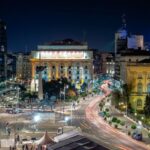
Revolution Square (Piata Revolutiei) is the emotional anchor of the whole itinerary. This is where you’ll see key parts of the story tied to Ceaușescu’s last moments, including the context around the balcony where he delivered his last speech.
Even if you’ve read about 1989 before, watching how the guide connects the events to what you can still see in the square makes the history feel less abstract. Squares are where governments face the public, and this one became a literal stage.
Why this stop matters for your understanding: it shows the shift from controlled power to sudden public rupture. The regime isn’t described in theory—it’s described in motion, in crowd energy, in a space built for visibility and authority.
What to watch for: the guide will likely connect surrounding landmarks and the way official buildings face into public space. That’s where you start seeing how architecture supported messaging.
Possible downside: because it’s a central public area, you may feel like you’re standing at an outdoor “book cover,” then waiting for the interiors to hit harder. That’s normal. The payoff comes when the tour moves to the palace spaces right after.
The Palace of Parliament, House of People: power in stone
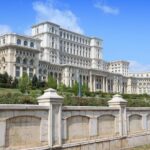
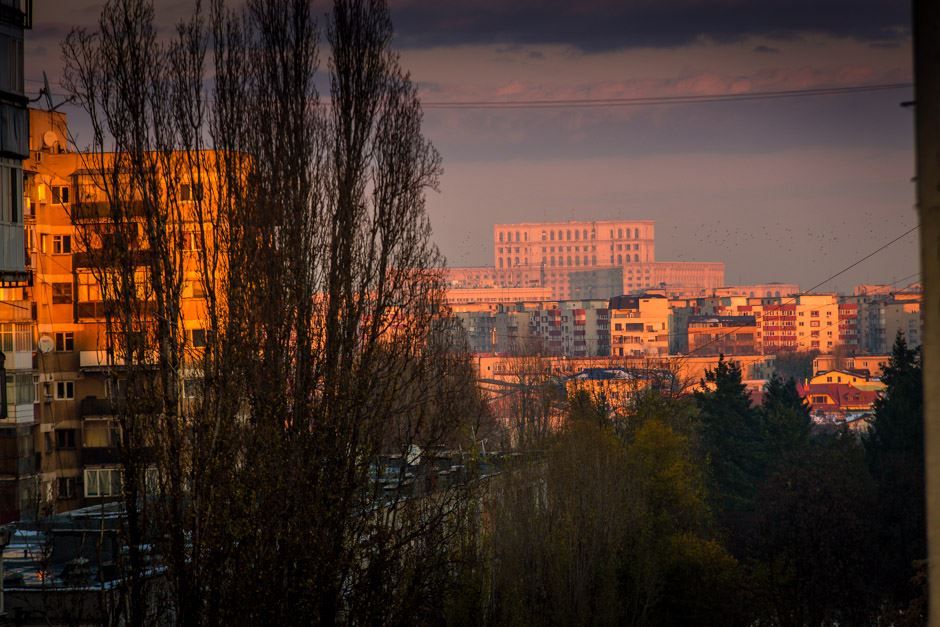
The Palace of Parliament—often referred to here as the House of People—is the stop you’ll feel in your bones. This is where communist Romania’s ambition shows up at full volume: massive, imposing, built to signal permanence.
What I like about including an interior visit here (when it’s available) is that it turns propaganda into something tangible. You can measure the scale. You can sense how such spaces would dominate ceremonies and speeches. Even if you’re not into architecture, this building forces you to think about the gap between official language and lived reality.
Just remember the practical part: entrance fees are not included, so you should expect to pay extra to get inside. Also, weekend access can change. Weekend visits to the Palace of Parliament are available only for groups of 10 or more; for smaller groups on weekends, the palace visit may be replaced with an alternative attraction or a guided walking tour of Old Town.
That replacement option is helpful, but it also means your exact experience depends on the day. If the Parliament Palace interior is your top priority, a weekday booking is the safer bet.
Free Press Square and the House of The Free Press: propaganda with a straight face
After Revolution Square, the tour heads toward areas tied to media and messaging, starting with Free Press Square (Piata Presei Libere). The itinerary also references the House of The Free Press Square, which signals a key idea: in communist systems, information isn’t neutral. It’s managed.
This stop gives you a different angle from the palace. A dictatorship needs buildings for authority, yes—but it also needs spaces for controlling narratives. Seeing that second layer helps you understand why the revolution wasn’t only about power. It was also about what people believed and what they were allowed to see.
You’ll also pass through several downtown nodes that help you get your bearings in Bucharest:
- The Arch of Triumph (Arcul de Triumf) area, which you can read as a monument to national identity and shifting storylines
- Victoriei Square (Piata Victoriei), a key civic space for understanding how regimes shape public life
- Calea Victoriei, tied into the route around important cultural landmarks
Passing by the Romanian Atheneum and Revolution’s Memorial
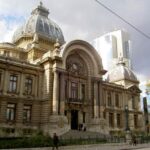
The tour route includes Calea Victoriei, plus an area connected to the Romanian Atheneum and Revolution’s Memorial near Revolution Square. Even when these moments are “pass-by” rather than deep visits, they help you connect dots.
Here’s what I find useful: it’s not just that Revolution Square is important. It’s that the revolution story threads through the city’s major cultural and memorial areas. So when you look at Bucharest later on your own, you start seeing relationships instead of isolated photo spots.
Practical note: if you’re the type who likes to linger, you may wish you had more time at memorials. This tour is built as a focused route, not a slow day of reflection. You’ll get the main context, but you won’t get hours at every stop.
University Square, Union Square, Romana Square, and Charles de Gaulle Square
As the tour continues, you’ll move through the urban spine that connects Bucharest’s central identity points:
- Union Square (Piata Unirii) and University Square (Piata Universitatii)
- Romana Square (Piata Romana)
- Victoriei Square again along the loop connections
- Charles de Gaulle Square (Piata Charles de Gaulle)
Why these stops belong in a communist-era tour: these are not random intersections. City planning, public space, and monumental naming all act like a timeline. Each square helps you compare what the city chooses to celebrate versus what it tries to forget.
Also, these squares are exactly the kind of places you’ll want a guide to point out. Bucharest’s streets can look similar if you’re only mapping them with your phone. With a guide, you understand what each area “means,” not just where it is.
If you’re planning to explore after the tour, these squares are great for getting oriented. You’ll know which direction to walk for Old Town connections, and which areas feel like official city centers versus quieter neighborhoods.
Primaverii Palace: the contrast that makes the story click
The tour includes Primaverii Palace, the former residence of the presidential couple. This is where the day’s theme becomes sharply visual.
You’ve already seen spaces built for public messaging and state power. Now you see the private side of elite life—what luxury looks like when your country is expected to follow orders. That contrast is often what helps the big history finally land emotionally.
Like the Parliament Palace, entrance fees for Primaverii Palace are not included. And the same access rule applies: institutions can be closed for meetings and conferences, so the interior experience is not guaranteed.
Still, even if you only get the exterior context, this stop tends to be memorable because it closes the loop: revolution isn’t just street drama. It’s also what the powerful had behind closed doors.
What kind of traveler this tour suits best
This is ideal if you want:
- a structured way to see communist-era landmarks in a single morning/early day
- guided interpretation that connects events to places
- a mix of outdoor squares and one or two major interior stops (when available)
You might want a different style of tour if you prefer:
- long stays at fewer sites
- no ticketing-related “extra costs” for interiors
- a deeply academic, purely academic approach with lots of dates and documents
For most people, though, this strikes a nice balance: fast route, real context, and enough variety to avoid turning the day into a single-building marathon.
Should you book the Last Days of Communism tour?
If you like your history with street context and you want to see Romania’s communist era through the places where it was performed, I think this tour is an easy yes. The route is efficient, the morning timing works well for first-time visitors, and the standout value is the way the story connects Revolution Square to the monumental government world and then to Primaverii Palace.
Just book with realistic expectations. Factor in additional entrance fees and remember interior access isn’t always guaranteed. If you’re flexible on the exact interiors on the day, you’ll get a clear, useful picture of how power looked, how it talked, and how it fell.
FAQ
What’s included in the $69 price?
The tour includes the communist tour itself, hotel pickup, transport by car or minibus, and an English-speaking guide/driver.
Are entrance fees included for the palaces?
No. Entrance fees for the Parliament Palace (House of People) and Primaverii Palace are not included.
How long is the tour?
The tour runs for about 5 hours, with a roughly 4-hour itinerary during that time.
Do you pick me up from my hotel?
Yes. Pickup is included from your hotel in Bucharest. You’ll need to provide your hotel details.
What do I need to bring?
Bring your original passport or ID card.
Are visits to the Parliament Palace guaranteed?
Not always. Visits are sometimes affected because the institutions can be closed for meetings and conferences.
Is there a minimum number of people required?
Yes. From March to October and December 16 to January 6, tours take place with a minimum of 4 people. From January 7 to February 29 and November 1 to December 15, the minimum is 2 people. If the minimum isn’t met, you’ll be offered an alternative date or a full refund.