Six days can feel like a magic trick. This one connects Transylvania highlights with Maramures wooden-church culture in a tight, English-guided circuit. I love the way the plan mixes big-name sights with smaller, hands-on moments in villages. I also love that your time is guided by an English-speaking pro, with smooth minivan logistics and enough context to make the history stick.
My main caution is the pace: you’ll do serious driving between regions, and long seat time is part of the deal. I felt confident because the guides I saw referenced by this tour, including Marius, Andrei, and Paul, sound like they genuinely enjoy explaining Romania while keeping everyone moving. If you’re sensitive to road time, plan your expectations around getting there as much as seeing there.
In This Review
- Key highlights worth knowing
- Why This Bucharest-to-Maramures Route Feels Efficient
- Getting Oriented Fast: Meeting Point, Small Group, and Minivan Style
- Day 1: Curtea de Argeș Monastery and Sibiu Through the Transfăgărășan Corridor
- Day 2: Alba Iulia’s Citadel Story and Corvin Castle’s Medieval Theater
- Day 3: Maramures Monasteries, Wood Craft, and the Wooden-Church Focus
- Day 4: Sighișoara’s Old Streets and the Vlad Connection
- Day 5: UNESCO Fortified Churches at Biertan and Viscri, Plus Brașov’s Big Squares
- Day 6: Bran Castle, Then Peleș Palace Back Toward Bucharest
- Value Check: What the Price Covers and What You Should Budget
- Who This Trip Fits Best (and Who Might Not Love It)
- Should You Book This 6-Day Transylvania and Maramures Tour?
- FAQ
- Is this tour led by an English-speaking guide?
- How big is the group on this tour?
- Are entrance fees included in the price?
- What happens if the Transfăgărășan Highway is closed?
- How many nights of accommodation are included?
- Is there a vegetarian option?
- Can I cancel for a full refund?
Key highlights worth knowing
- English-speaking guide with live commentary throughout the trip
- Maramures wooden-house stay (2 nights included) plus two home-style dinners
- UNESCO fortified churches at Biertan and Viscri, with village-life context
- Small group size (max 8), which makes questions easier and the mood less hectic
- Transfăgărășan flexibility: route may shift to the Olt Valley if needed
- Entrance fees not included, so budget extra for sites and castle tickets
Why This Bucharest-to-Maramures Route Feels Efficient
The biggest reason this tour works is simple: it threads together regions that are far apart in the real world, but tightly linked by road. You start in Bucharest, then work west through Sibiu, down into Alba Iulia and Corvin Castle, and finally up into Maramures for the wooden-church focus. After that, you slide back toward central Transylvania with Sighișoara, Biertan/Viscri, and Brașov, before finishing with Bran and Peleș back near Bucharest.
You’ll notice the pacing is designed around “iconic + authentic.” Big stops like castles and fortified churches are there. But the heart of the experience is the Maramures day: monasteries, wood craft, and the way everyday life shaped culture and architecture.
The tradeoff is the driving. This is a 6-day whirlwind across a big slice of Romania. The minivan helps, and you do get live commentary, but you still need the stamina to handle long stretches on the road.
You can also read our reviews of more tours and experiences in Bucharest.

Getting Oriented Fast: Meeting Point, Small Group, and Minivan Style
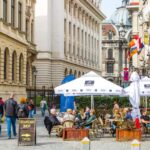
You meet at the Hilton Garden Inn (Strada Doamnei 12, București) at 8:00 am. That early start matters. It gives you daylight for the first leg and keeps each day from turning into a rush at the end.
The group is small—up to 8 travelers—which changes the feel. It’s easier to ask questions. It’s easier to hear the guide. And it’s easier to adjust if someone needs an extra minute at a viewpoint or a church. You’ll also travel by minivan, so you’re not bouncing between trains or transfers with heavy luggage.
One practical tip: pack for quick stops. Even when a site visit is short (some are around 20–45 minutes), you’ll want layers. Romanias weather can shift fast, and church visits mean you’ll likely stand and walk a bit.
Day 1: Curtea de Argeș Monastery and Sibiu Through the Transfăgărășan Corridor
Day one sets the emotional tone. You begin with Curtea de Argeș Monastery, a Romanian Orthodox church known for its Moorish-style look. Even if you’re not a church superfan, this stop is useful because it helps you understand how Romanian faith and architecture mixed influences over time.
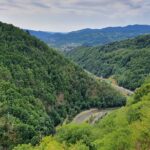
Then you head for the Transfăgărășan Highway toward Sibiu. This is the part where timing matters. The Transfăgărășan road is only open June through October. If it’s closed during your travel dates, the plan switches to the Olt Valley Road instead. Either way, you’re getting a scenic push into Transylvania.
In the afternoon, you reach Sibiu and do a guided walk focused on the Old Town’s squares. Expect quick orientation first: big landmarks, then smaller streets where you can actually get a feel for the town’s layout.
What I like about this start: it gives you variety without dumping you into too many long visits right away. It’s a warm-up day that still makes you feel like you’re going somewhere.
Day 2: Alba Iulia’s Citadel Story and Corvin Castle’s Medieval Theater
After breakfast, you travel to Alba Iulia, a site that blends Roman roots with later medieval history. The citadel is well preserved, and it’s one of those places where you get multiple time periods in the same view. The guide attention here is smart: you’re shown major points inside the citadel, including the main gates and an Orthodox monastery, so it doesn’t feel like a random fortress walk.
Alba Iulia is also tied to a big modern milestone: it’s the city where the unification of Romania was signed in 1918. That context helps the medieval setting feel relevant, not just historical wallpaper.
Later, you head for Corvin Castle, one of the region’s most emblematic fortresses. This is the stop that feels like the tour’s “wow” moment. It’s not just that it’s dramatic; it’s that you can connect the castle to the broader theme of Transylvania as a crossroads of powers.
Then you shift into Maramures, reaching the Breb Village area for your included wooden-house accommodation. This is a key contrast day: from citadel stones to village life.
Day 3: Maramures Monasteries, Wood Craft, and the Wooden-Church Focus
This is the day you’ll remember for feel and texture. Your route begins with Barsana Monastery, one of the important stops in Maramures. The benefit of starting here is that the wooden-church culture isn’t treated as a photo-op only. It’s framed as part of a living tradition—monastic life, community craft, and religious identity all tangled together.
Next comes the crafts side: a visit connected with a wood carver. This is one of the few ways you’ll see the region’s wooden skill explained beyond a sign. You get to understand how carved design isn’t decoration; it’s technique, patience, and local knowledge passed through hands.
After that, you visit Muzeul Țărancii Române in Dragomirești, where you see Maramures culture through a traditional-house setup and belongings. Even if you’re not into museum formats, this works because it’s anchored in how people actually lived—objects, rooms, and everyday practicality.
Then you get the signature sight: the Wooden Churches of Maramures. You’ll also stop at a local “whirlpool” viewpoint—described as how locals used to wash clothes and rugs. That detail matters. It reminds you these weren’t staged backdrops. People worked here, and the landscape shaped routine.
The day closes at the Merry Cemetery, a different tone from the rest of the trip. Instead of only sadness, it leans into a more playful view of the afterlife. If you like your culture with personality and not just solemn faces, this stop is a great finale.

Day 4: Sighișoara’s Old Streets and the Vlad Connection
On day four, you travel to Sighișoara, a town famous for its preserved medieval core. It’s known as the birthplace of Vlad Dracula, and even if you’re not chasing horror-myths, the Dracula connection is a doorway into how the town became part of European storytelling.
You do a walking tour through the historic center, with the guide guiding you through the town’s layout and key sights. The “fairytale” look isn’t just marketing. Sighișoara’s medieval geometry makes you slow down and look up.
A practical note: walking tours in older towns can mean uneven surfaces. Bring shoes that handle cobbles without drama. Sighișoara is a “pay attention” day. You’ll get more out of it if you keep your eyes open instead of trying to cover every street as fast as possible.
Day 5: UNESCO Fortified Churches at Biertan and Viscri, Plus Brașov’s Big Squares
Day five is about fortified church culture and village continuity.
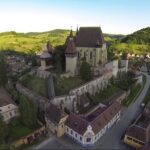
You start at Biertan Fortified Church, a UNESCO site. You’ll have time with the church itself and a guided explanation of the history and why it’s so well known. Fortified churches are a smart lens for understanding Transylvania: faith, defense, and community life all merged because the area’s past wasn’t always stable.
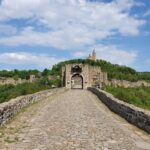
Then you head to Viscri Village. Viscri is known for being well preserved, and the tour notes that Prince Charles bought several houses there. You’ll stroll the village and see a way of life that’s still present. You also visit the Viscri fortified church. There’s an optional traditional lunch you can try at your own expense if you want to slow down and eat where you are, not where you’ll be next.
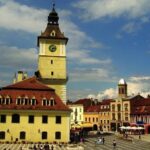
In the afternoon, you reach Brașov for a short guided walk. The main stops include the Black Church, Council Square, and the former city gates. This is a good wind-down after countryside time: you return to a larger town feel without spending hours on paperwork or transit.
If you want a little self-guided time afterward, leave room. Brașov is the kind of place where a short stroll turns into an extra hour without you realizing it.
Day 6: Bran Castle, Then Peleș Palace Back Toward Bucharest
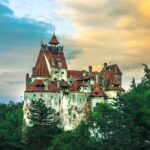
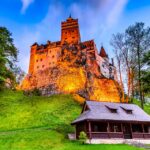
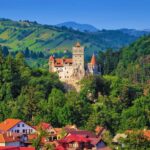
You start the morning with Bran Castle, often called Dracula’s Castle. The tour frames it in a more grounded way: it was built in the 14th century as a customs point between Transylvania and Wallachia. That explanation matters. It helps you see the castle as infrastructure of power, not just a legend set.
You also have guided time inside the castle to understand the real story connection between Vlad Dracula and Bran—so you don’t just collect spooky photos. Afterward, the market area at the castle is part of the experience if you want souvenirs.
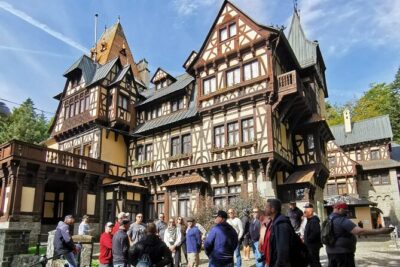
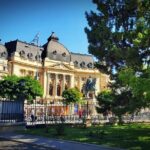
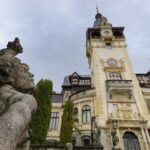
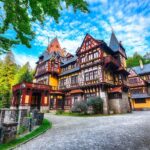
Then comes a dramatic tonal switch: Peleș Castle in Sinaia, reached by traveling through the Carpathian Mountains, including passing ski areas. Peleș is described as a magnificent 19th-century palace built by Romania’s first king. The guide-led walkthrough helps you notice details in rooms and hallways instead of rushing through what looks like “pretty rooms.”
Finally, you head back to Bucharest and the service ends back at the meeting point.
Value Check: What the Price Covers and What You Should Budget
At $2,247.56 per person, this tour is priced for a guided, multi-day route that’s hard to replicate on your own without serious planning. You’re paying for transportation, an English-speaking guide, and a bundle of included experiences.
Here’s what the provided inclusions clearly cover:
- Professional English-speaking guide with live commentary
- Minivan transport
- 2 nights accommodation in Maramures (in the Breb village area, described as a traditional wooden house)
- 2 home-style dinners in a Maramures house
- Breakfast included twice (the package lists breakfast 2)
- Local taxes
And here’s what to budget separately:
- Entrance fees are not included, estimated at 50 euros per person
- Other meals and drinks unless specified
- Overnight stays in Sibiu, Sighișoara, and Brașov are not included in the listed inclusions
That last point is the one you should double-check before you commit. The overview says all accommodations are included, but the inclusions section explicitly names only the Maramures nights as included. If your booking confirmation says otherwise, trust that document. If it doesn’t, you’ll want to budget hotels for the other towns.
Also note: if you want a vegetarian option, it’s available if you request it at booking.
Who This Trip Fits Best (and Who Might Not Love It)
This is a great fit if you:
- Want a guided circuit that covers a lot without you driving
- Like history that’s explained plainly, not read from a plaque
- Want the Maramures wooden-church theme but also still want castles and major Transylvanian towns
- Prefer a small group over a huge bus crowd
You might reconsider if you:
- Hate long road days. This tour is a lot of movement across Romania in a short time.
- Need lots of free time for independent wandering at every stop. Some sites are short by design, and the rest of your time is spent traveling or moving to the next highlight.
- Don’t want to handle extra costs for entrance fees and the non-included hotels in several towns.
Should You Book This 6-Day Transylvania and Maramures Tour?
If your ideal trip is “guided, efficient, and culturally grounded,” I’d say yes—with two conditions. First, confirm how many hotel nights are truly included for Sibiu, Sighișoara, and Brașov for your specific booking. Second, be ready for driving time. This tour rewards you most when you treat travel days as part of the story, not interruptions.
If you do that, you’ll come away with more than castles and photos. You’ll understand how wooden churches, monasteries, and village craft became a Romanian identity marker. And you’ll finish with royal-palace drama at Peleș and legend-tinted fun at Bran, all in one smoothly narrated run.
FAQ
Is this tour led by an English-speaking guide?
Yes. You’ll have a professional English-speaking guide with live commentary throughout the trip.
How big is the group on this tour?
The tour has a maximum of 8 travelers, so it’s a small group experience.
Are entrance fees included in the price?
No. Entrance fees are not included, and the tour estimates 50 euros per person for site admission.
What happens if the Transfăgărășan Highway is closed?
The Transfăgărășan Road is open only between June and October. If it’s closed, the alternative Olt Valley Road will be used.
How many nights of accommodation are included?
The listed inclusions cover 2 nights overnight accommodation in the Maramures region. Overnight accommodation in Sibiu, Sighișoara, and Brașov is not included.
Is there a vegetarian option?
Yes. A vegetarian option is available, and you should advise the provider at booking if needed.
Can I cancel for a full refund?
You can cancel up to 3 days in advance for a full refund. If you cancel less than 3 days before the start, the amount paid is not refunded.