REVIEW · BUCHAREST
Best of Romania in 10 Days
Book on Viator →Operated by Rolandia · Bookable on Viator
Romania hits different when you drive it, day after day. This small-group trip packs UNESCO sights, castles, and big road views into just 10 days, while keeping the pace realistic with included transport and 9 nights in central hotels.
I especially like that you’re not stuck only in big cities. You get real contrasts—from Curtea de Argeș and Sibiu to Bucovina’s Painted Monasteries and then Transylvania’s fortified churches—so your trip feels like a country tour, not a checklist.
One consideration: it’s a lot of driving and sightseeing in a short time. If you love slow afternoons and long lunches, you may feel rushed on some days.
In This Review
- A few reasons you’ll probably love this tour
- Road Trip Start in Wallachia: Curtea de Argeș Monastery and Transfăgărășan
- Sibiu to Transylvania Core: Corvin Castle, Alba Iulia, and Salina Turda
- Bucovina’s Painted Monasteries: Voroneț, Moldovița, and Sucevita
- Neamț Fortress and Piatra Neamț Cable Car Views
- Bicaz Gorges, Red Lake, Corund Pottery, and Biertan Fortified Church
- Viscri and Brașov: Saxon Villages That Feel Alive
- Bran Castle (Dracula) and Peliș Castle: Two Different Kinds of Wow
- Bucharest’s Biggest Stops: Palace of the Parliament and Village Museum
- Price and Logistics: what you’re actually buying for $2,907.69
- Comfort, pace, and what to pack for a 10-day hit of Romania
- Who Should Book This Best-of-Romania Route
- Should you book it? My practical call
- FAQ
- Is pickup included, and where does it start?
- How many people are in the group?
- What’s included in the price?
- Are meals like lunch included?
- What should I know about room types?
- What’s the cancellation window?
A few reasons you’ll probably love this tour
- Max group size of 8 means easier questions and smoother logistics than big buses
- 9 nights included in centrally located hotels, so you’re not constantly changing bases
- Entrance fees included for the main stops, which removes a lot of budgeting stress
- Modern, all-inclusive transport makes long transfers between regions easier
- Professional English guide keeps the context clear, and helps you see what matters
- Emil’s style stands out in the real-world experience: history, local tradition, and good humor, plus great driving
Road Trip Start in Wallachia: Curtea de Argeș Monastery and Transfăgărășan
Your day begins with pickup in Bucharest, then it’s straight onto the kind of countryside road-trip that makes Romania feel personal fast. The first major stop is Curtea de Argeș Monastery, built in the early 1500s and tied to the legendary story of Manole. Even if you’ve heard the myth before, standing there helps it land: the legend is about the cost of making something lasting, and the monastery carries that sense of weight without needing extra drama.
Next comes the payoff many people imagine when they picture Romania: the Transfăgărășan Highway. This road climbs into the Southern Carpathians and reaches about 2,042 meters, with views that are basically built for photos and quick pull-offs. You’ll see why this highway gets talked about in the same breath as the best drives in Europe: dramatic heights, fast-changing scenery, and big sky energy.
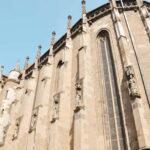
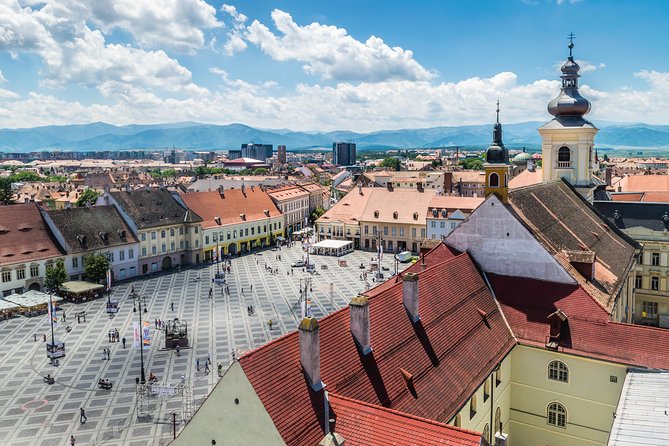
Then you roll into Sibiu for a walking tour in the historical center. Sibiu’s old heart is the kind of place where details matter—old squares, street layout that feels medieval, and churches and buildings that still look cared for. In summer, it also has a theatre festival vibe; in winter, it’s known for one of Romania’s impressive Christmas markets.
Practical note: you’ll want a camera or phone that handles low light well if your timing puts you near sunset. This day has multiple “stop and look” moments.
You can also read our reviews of more tours and experiences in Bucharest.
Sibiu to Transylvania Core: Corvin Castle, Alba Iulia, and Salina Turda
Day two is built around castles and the “how did they build this?” feeling. First up: Castelul Corvinilor in Hunedoara. It’s one of Romania’s largest castles and has a particular charm—part fortress, part storybook scale, with enough personality that you’ll remember it later even if you visited several castles on the trip.
Then the tour shifts to Alba Iulia, famous for the Union event that connected Transylvania with Romania. You’ll visit Alba Carolina Fortress, a Vauban-style complex built by thousands of workers over many years. Even without military expertise, it’s easy to see the logic behind the geometry: this place was designed for control and defense.
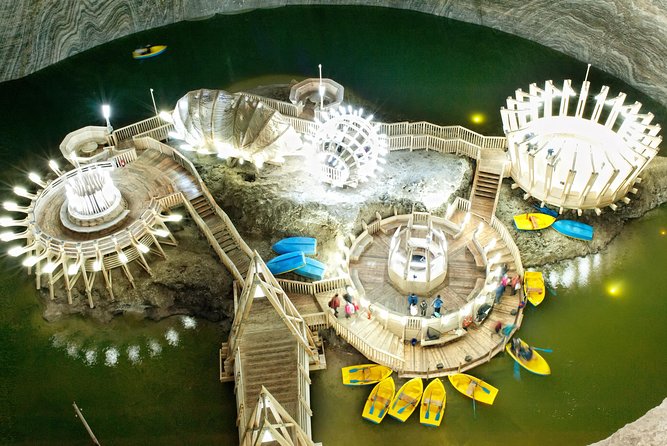
After that comes one of the more unusual stops on the route: Salina Turda, the Salt Mine. It’s underground and full of what feels like “why is there a Ferris wheel here?” energy—plus a theme park setup with things like mini-golf, tennis, and a lake. You get a break from medieval stone and fresh air, and you also get a different kind of Romania: practical industry turned visitor experience.
The day ends in Cluj-Napoca with a walk through the Old City Center and free time for cafes and food near your hotel. This is a nice reset after multiple structured visits—time where you can snack, people-watch, and test local coffee or casual meals.
Bucovina’s Painted Monasteries: Voroneț, Moldovița, and Sucevita
If Romania is the full story, Bucovina is where the story gets visual. On the way there, you stop in Bistrița, and you’ll hear a Dracula-era reference point through the tourism promotion center. This part of the route is less about one famous monument and more about setting the mood for what’s next.
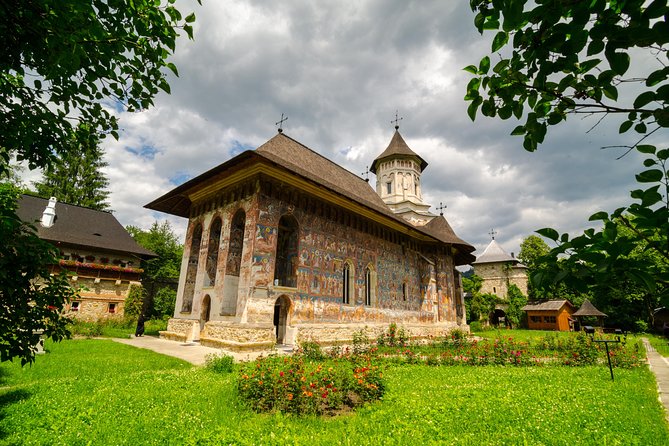
The main draw of day three is Voroneț Monastery, one of the UNESCO Painted Monasteries of Bucovina. Built in 1488, it’s known for its distinctive blue, often described as the Blue of Voroneț. Standing in front of that color in person makes a difference. It’s not just “a blue church wall”—it’s a whole visual system, and you start noticing the way painted religious scenes are arranged.
In the evening, you’ll have a traditional Romanian dinner included. This is a smart use of time because after a long travel day, you’re not hunting for something open and suitable.
Day four adds two more monastery stops: Moldovița Monastery (built between 1532 and 1537) and Sucevita Monastery (built in 1585). These are the kind of sights where the details—arches, stone layout, and painted patterns—make repeat viewing worth it. The Sucevita stop also includes a legend about materials brought by a woman using a cart pulled by oxen, which helps you connect the architecture to human stories, not just facts.
You finish day four in Iași, with a short orientation tour and hotel check-in. Iași is framed as a city of culture and prominent Romanian personalities, and you’ll get a taste without burning the whole day on one place.
Neamț Fortress and Piatra Neamț Cable Car Views
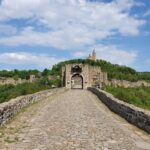
From Iași, day five heads toward Târgu Neamț for Neamț Citadel (Neamț Fortress). The visit is tied to the reign of Peter I (1375–1391), so the guide can explain it with a clear timeline rather than just saying “old fort.” You get the sense of why these sites mattered: control of region routes, protection, and a place to project power.
Then you move to Piatra Neamț for a cable car ride. This is a great moment in the itinerary because it changes the rhythm. Instead of only walking through history, you get a different perspective—higher viewpoints, a slower pace, and the scenery doing some of the storytelling.
The key trade-off with a cable car stop is time: you’ll want to dress for temperature changes, since mountain air can feel cooler than the city below.
Bicaz Gorges, Red Lake, Corund Pottery, and Biertan Fortified Church
Day six is one of the most varied days on the whole route. You drive through Bicaz Gorges to reach the Red Lake, formed after storms fractured Mt. Ucigasu in 1837. The reddish color comes from sediment deposits, which is one of those explanations that makes the sight feel earned. It’s not just a scenic stop; it has a reason.
Then you switch from geology to hands-on culture with Biserica din Corund. Corund is a pottery center, and you’re looking at a local craft world where clay and woodworking are part of everyday life. Even if you don’t buy anything, it’s the kind of stop that helps you understand Transylvania as a living region, not just a movie set.
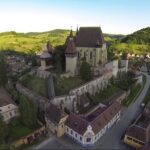
After Corund, you visit Biertan Fortified Church, one of the well-known UNESCO villages with fortified churches. The Saxon colonists settled here from the 13th century, and winemaking is part of why the area developed. The fortified church format matters: it’s a reminder that “church” and “protection” weren’t separate categories here.
The day ends in Sighișoara with a visit to its historic center. Sighișoara is known as the last inhabited citadel in Europe, built by Saxon colonists in the 12th century. That phrase alone can sound dramatic; in person, it comes down to how the old town layout still works—streets, hill geometry, and the sense of life inside walls.
Viscri and Brașov: Saxon Villages That Feel Alive
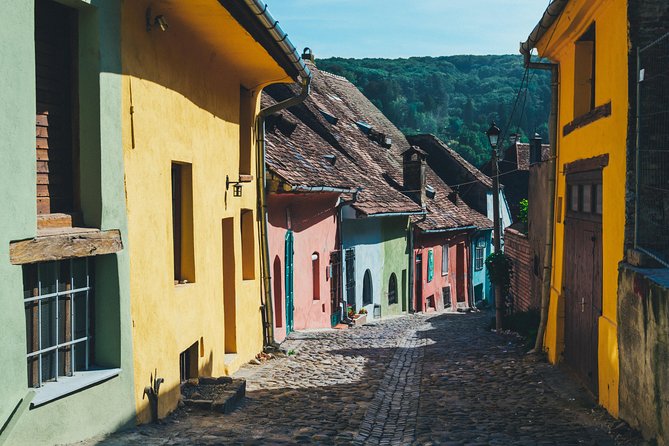
Day seven slows slightly in the best way. First stop: Viscri Fortified Church. Viscri is described as a village that charmed Prince Charles through its simplicity and the way traditions were preserved. The visit also includes meeting women known for culinary skills. That’s the value here: it’s not only architecture and stone, it’s the people and food culture that keep the place from becoming a museum.
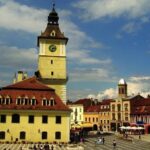
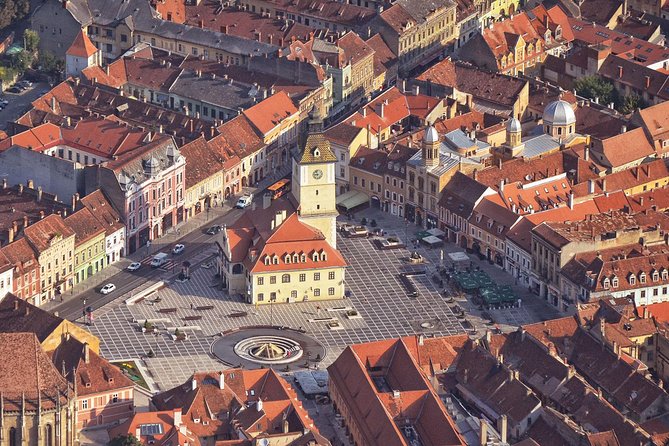
Then you head to Brașov for a historical center walking tour. Brașov feels like the “energy city” compared to some of the quieter fortified villages. You’ll get that nice mix: old streets and viewpoints, but with enough going on around you that you can wander freely after the guided part.
This is where I’d suggest you save extra energy. If you keep your pace too tight, you’ll miss the small street moments Brașov does well—casual cafes, short walks, and that mountain-city feeling.
Bran Castle (Dracula) and Peliș Castle: Two Different Kinds of Wow
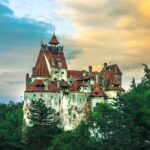
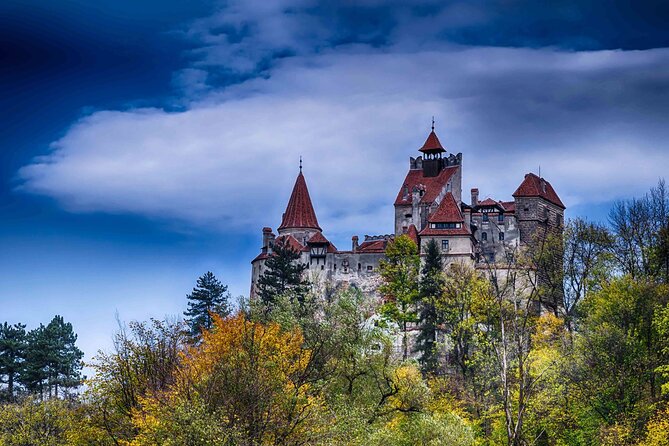
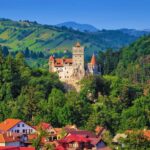
Day eight does what Romania often does: blends pop culture with real architecture. First is Bran Castle, 30 minutes from Brașov. It’s famous as Dracula’s Castle mainly due to Bram Stoker’s Dracula. The guide’s job here is to connect Vlad the Impaler with the Dracula story, so you can separate mood from history while still enjoying the theatrics.
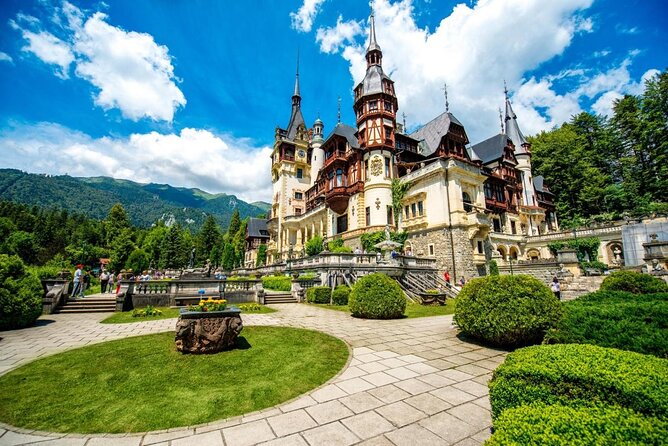
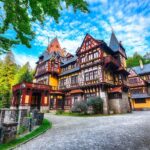
Then you move to Sinaia for Pelișor (Peleș) Castle, described as the first fully electrified castle in Europe. It’s detailed in the itinerary as having stretches of roughly 3,200 square meters, 160 rooms, and over 30 bathrooms, plus a large collection of paintings and 4,000+ weapons. Whether or not you’re a castle fanatic, those numbers give you a sense of scale you don’t fully get from photos.
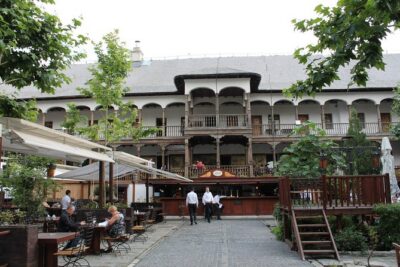
In the evening, you’ll return to Bucharest and then you get an “Old Town at night” stop with free time. This is good because you’re not exhausted from all-day travel and you can still choose your pace: snack, stroll, or just sit somewhere with a view of street life.
Bucharest’s Biggest Stops: Palace of the Parliament and Village Museum
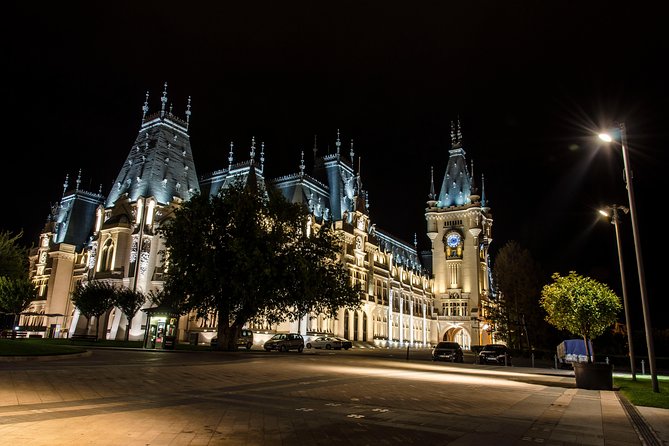
The last full sightseeing day is focused and intense in a very specific way: Bucharest, one-day style.
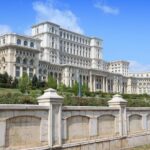
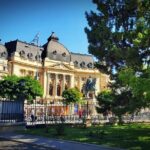
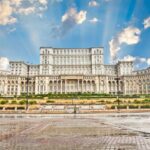
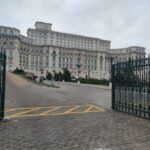
You visit the Palace of the Parliament first. It’s framed as the People’s House, part of a larger communist-era project during Nicolae Ceaușescu’s reign. The building is described as the second-largest building in the world. The real value of touring it is not just size—it’s the way it reflects political priorities of its era, including the idea of surviving earthquakes and nuclear attacks.
After the palace, you head to Bucharest’s Old Town for lunch time on your own. This is where you can experiment and simplify. If you don’t want to overthink meals, grab something casual nearby and keep your energy for the next stop.
Then you go to the Bucharest Village Museum, opened in 1936 and spread over about 14 hectares. It holds 380 monuments and an enormous collection of traditional objects and archives. This museum works well as a finale because it’s less about one event or ruler and more about how everyday Romanian life looked and functioned across time.
Price and Logistics: what you’re actually buying for $2,907.69
At $2,907.69 per person, this is a mid-to-higher priced tour, so you should judge it by what’s included. Here’s the practical breakdown:
You’re getting 9 nights of accommodation in centrally located hotels, a professional English-speaking guide, modern vehicle transportation, airport pickup and drop-off, and entrance fees for the listed sights. Meals are also partially covered: breakfast (9) plus dinner is included. That combination matters because the itinerary hits a lot of paid entry points and multiple regions.
What you’re not getting: most lunches are not included, alcohol isn’t included, and you’ll handle personal spending like room service and souvenirs. Travel insurance and flights are also not included.
Value check: if you were planning this yourself, you’d pay for hotels, drivers, guide time, admissions, and repeated transfers anyway. The real “value” here isn’t just saving money. It’s that you don’t have to coordinate routes across Transylvania and Bucovina while also figuring out ticket logistics.
Group size is also part of the value. With a maximum of 8 travelers, you typically get more interaction with the guide and fewer delays at stops.
Comfort, pace, and what to pack for a 10-day hit of Romania
This tour runs with moderate physical fitness in mind. That doesn’t mean it’s a hiking expedition, but it does assume you can handle a full day of walking in old towns and moving between sites with some stairs and uneven pavement.
The pace is “efficient sightseeing,” not “leave early and linger all afternoon.” You’ll often get a walking tour plus a bit of free time, which is great because it lets you reset without losing the plot.
For packing, I’d keep it simple:
- Comfortable walking shoes for medieval stone and old-city sidewalks
- A light layer for mountain areas (Transfăgărășan and the Carpathian corridor)
- A charged phone/camera setup because several days are designed for views
If you’re sensitive to long drives, consider how you handle road time. The itinerary includes dramatic drives like Bicaz Gorges and Transfăgărășan, so it’s not a “short transfers only” style tour.
Who Should Book This Best-of-Romania Route
You’ll probably love this trip if:
- You want a small-group country overview in a single vacation window
- You like mixing UNESCO sites with castles and local culture
- You want your guide to explain context in a way that makes stops more meaningful, not just scenic
- You prefer hotels, transport, and key entries handled for you
It may not be the best fit if:
- You want lots of unscheduled time every day
- You dislike early starts or long travel days
- You’re traveling mainly to hunt for one specific theme (only Dracula, only monasteries, only castles)
Should you book it? My practical call
I’d book this if you’re the kind of traveler who wants to understand Romania as a whole, not just pick one region. The route has a smart arc: early Wallachia → Transylvania core → Bucovina’s painted monasteries → forts and viewpoints → fortified villages → back to Bucharest for the big political and cultural finale.
The biggest reason to trust it: the mix of experiences is matched with logistics. You don’t have to build a travel plan across huge distances while also managing tickets and timing. And from the real-world feedback around the guide, Emil is a highlight for people who care about history plus day-to-day Romania detail—especially when he adds local jokes and keeps the driving smooth.
If you’re unsure, pick your priority: do you want maximum variety with minimal planning? If yes, this tour fits well.
FAQ
Is pickup included, and where does it start?
Yes. You get hotel pickup in Bucharest. The tour starts at 9:00 am, with pickup from any hotel in Bucharest.
How many people are in the group?
This tour has a maximum of 8 travelers.
What’s included in the price?
Included are 9 nights in centrally located hotels, a professional English-speaking guide, modern vehicle transportation, airport pickup and drop-off, entrance fees, breakfast (9), and dinner.
Are meals like lunch included?
Lunch is not listed as included. Only the meals mentioned in the itinerary are covered (breakfast and one dinner).
What should I know about room types?
The price is per person based on two people sharing a double room. If you want a single room, there is a single supplement fee.
What’s the cancellation window?
You can cancel up to 24 hours in advance for a full refund. Cancellations made less than 24 hours before the start time aren’t refunded.