REVIEW · BUCHAREST
Bucharest City Tour 4h
Book on Viator →Operated by Nicolas Experience Tours · Bookable on Viator
Bucharest clicks into focus fast with the right route. This private city tour stitches together the capital’s biggest symbols and quieter texture, from the massive Palace of Parliament to the old lanes of the Historical City Centre. You’ll ride in your own vehicle with a personal guide, and you can usually start when it fits your day.
Two things I love here: hotel pickup and drop-off that keeps you from wrestling taxis and timetables, and the way the tour balances “wow” architecture with human-scale Romanian life at the Village Museum. Even when you’re short on time, it helps you understand what you’re seeing instead of just taking photos.
One consideration: entrance tickets aren’t included for key stops like the Palace of Parliament and the Ateneul Roman. If you’re hoping to go inside everything, you’ll want to confirm what’s possible on your day and budget for tickets or any optional add-ons.
In This Review
- Key Highlights to Know Before You Go
- A Private Bucharest Rollout (Pickup, Timing, and Pace)
- Palace of Parliament: Seeing Power in Brick and Stone
- The Dimitrie Gusti National Village Museum: Romania’s Everyday Roots
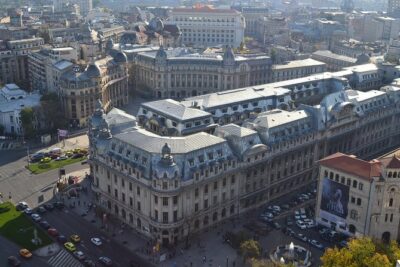
- Calea Victoriei: Royal Bucharest Meets Communist-Era Contrast
- Revolution Square and the Senate Palace Area: The Meaning Behind the Monuments
- Old Town and Hanul Lui Manuc: Where Bucharest Shows Its Social Layers
- Ateneul Roman: A Quick Look at Bucharest’s Prestigious Concert Hall
- How to Think About Duration and Interior Visits
- Price and Value: What You’re Really Paying For
- Who This Tour Fits Best
- My Recommendation: Should You Book This Bucharest City Tour?
- FAQ
- How long is the Bucharest City Tour?
- Is this a private tour or a group tour?
- What’s included in the price?
- Are entrance tickets included?
- Does the tour offer pickup?
- Can the tour start at different times?
- Is the tour offered in English?
Key Highlights to Know Before You Go
- Private vehicle, not a bus tour: easier pacing and quicker stops between sights
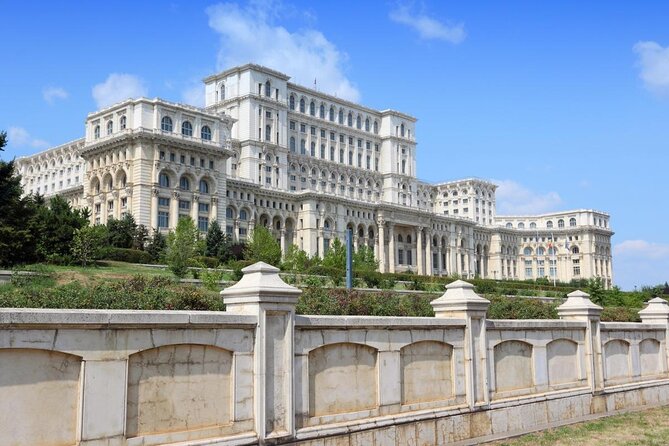
- People’s House scale moment: the Palace of Parliament is a visual and political shock
- Village Museum in one shot: see how Romanian homes and traditions connect across regions
- Calea Victoriei contradictions: royal grandeur alongside communist-era power
- Old Town walk with Hanul Lui Manuc: fortified inn stories, good photo lanes, and classic Bucharest energy
- Most stops work even in rain: lots of time spent driving or outdoors close to landmarks
A Private Bucharest Rollout (Pickup, Timing, and Pace)
This tour is built for people who want a clean overview without losing half the day to logistics. You meet your guide at your hotel (or nearby, depending on your pickup point) and then you’re in a private vehicle with your own guide for the drive, the walking segments, and the explanations.
In practice, that pacing matters. Bucharest has long sight-to-sight distances, and parking can eat time. Here, the vehicle does the heavy lifting, so you get more “I get it now” moments per hour. One review mentioned a guide arranging things smoothly when roads changed due to a bike race, which is exactly the kind of flexible problem-solving you want on a city tour.
Also, the tour language is English, and it uses a mobile ticket. That’s one less thing to manage when you’re moving between neighborhoods.
You can also read our reviews of more city tours in Bucharest

Palace of Parliament: Seeing Power in Brick and Stone
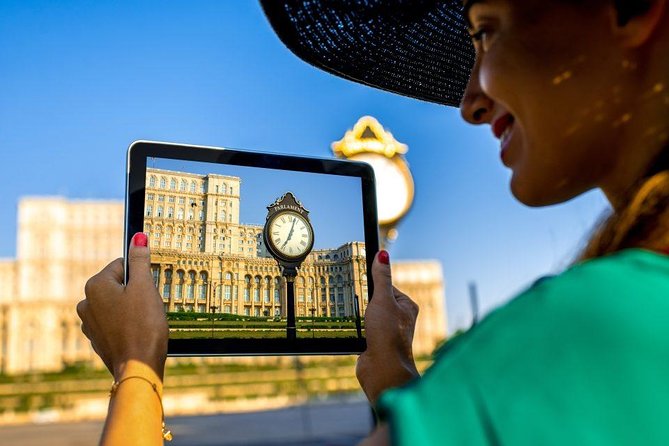
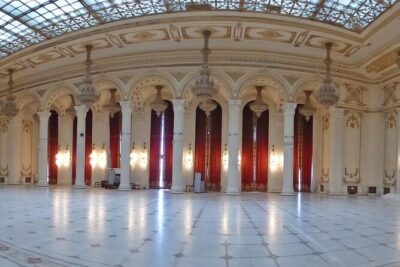
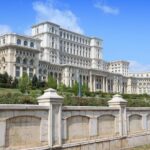
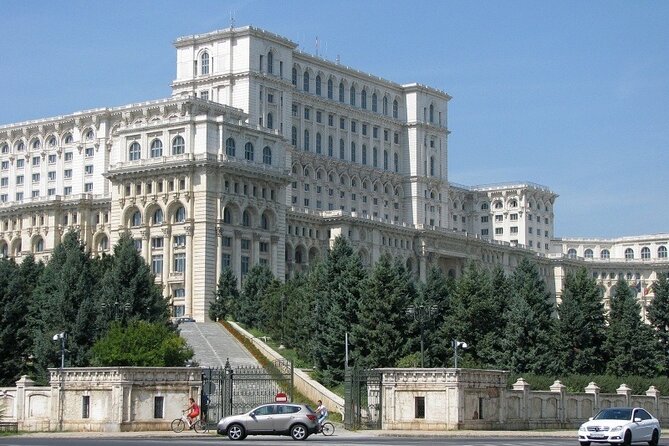
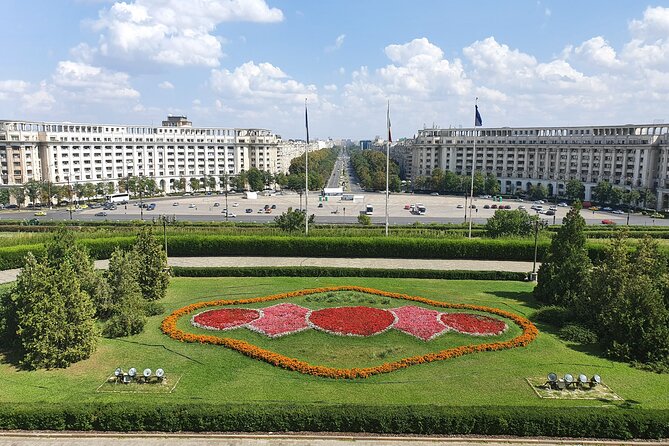
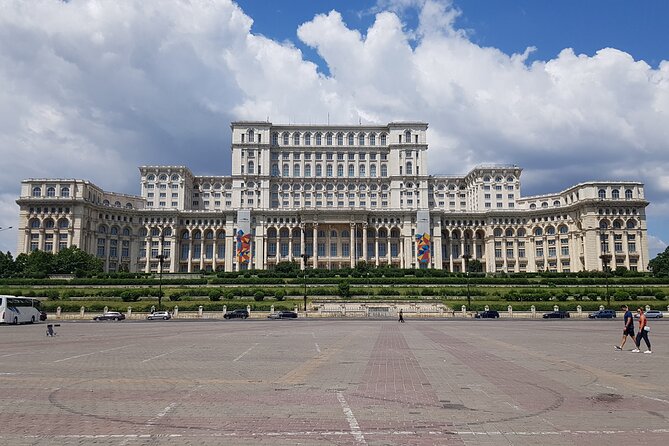
The tour’s first major stop is the Palace of Parliament (often called the People’s House). This is the kind of building that makes you instinctively lower your voice. It’s hard to explain scale until you’re standing near it, but you get a real sense of how a totalitarian system could turn public life into a stage for ambition.
Your guide frames it as more than an architectural curiosity. The story is about cost—human, cultural, and economic—and how the pursuit of megalomania can drain a nation. And yes, there’s a number you’ll hear: it’s described as the second largest administrative building in the world after the Pentagon. Whether you remember that exact ranking or not, you’ll feel the size.
Important practical note: admission is not included for this stop. One traveler was disappointed they didn’t go inside Parliament, assuming it was part of the tour. If interior access is your priority, ask your operator in advance and plan for potential time and ticket requirements. Otherwise, your time may focus on the exterior and the surrounding political context.
The Dimitrie Gusti National Village Museum: Romania’s Everyday Roots
After the shock of Parliament, the mood shifts to something warmer and more grounded: the Dimitrie Gusti National Village Museum. This is one of the best places in Bucharest to reset your expectations of Romanian history.
Instead of big government buildings, you step into a collection of traditional houses and structures from across Romania—wood and adobe in some cases, stone in others. The guide explains how these homes weren’t just shelter; they reflected a way of living with the land, including the idea of building an “ecological and sustainable environment” close to home.
This stop is also where the tour earns its keep if you like culture you can actually picture. You’ll see things like a wooden church and other symbols tied to village life. The museum’s format makes comparisons easy: regional styles, construction methods, and how people organized daily life.
Practical note: the admission ticket isn’t included here either. Plan a little extra budget and check your time on-site, because 45 minutes can feel quick if you’re stopping often to look closely.
Calea Victoriei: Royal Bucharest Meets Communist-Era Contrast
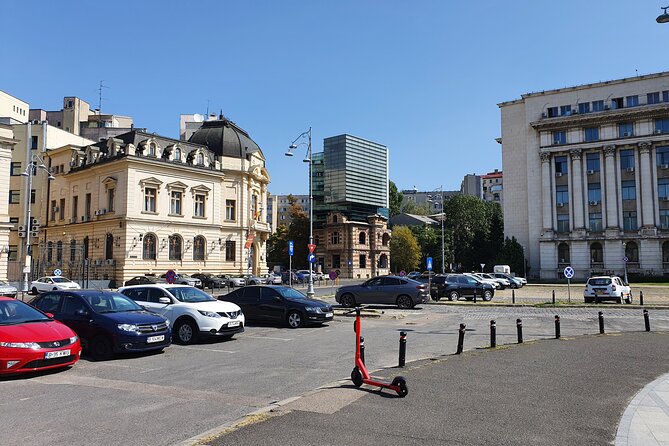
Next you’re on Calea Victoriei (Victory Avenue), one of Bucharest’s main showpieces. This stretch is where you’ll notice history’s contradictions all at once.
On one side, you get the Royal Palace and a sense of older European style. On the other, you see reminders of communist authority, including the Central Committee of the Romanian Communist Party area and Revolution Square farther along. Your guide links the details, so the street stops being just scenery and starts acting like a timeline.
You’ll also pass (and in some cases pause near) older Orthodox churches, plus landmarks and everyday businesses that show how Bucharest still lives between eras. Depending on the pace of your day and your guide, this stop can feel like a walking-and-driving “story lecture” outdoors—less about standing still, more about seeing connections.
One bonus from reviews: guides sometimes tailor moments like an unexpected Orthodox church experience during Sunday service, so if your schedule lines up, it can add an extra layer that you can’t replicate by reading a guidebook.
Revolution Square and the Senate Palace Area: The Meaning Behind the Monuments
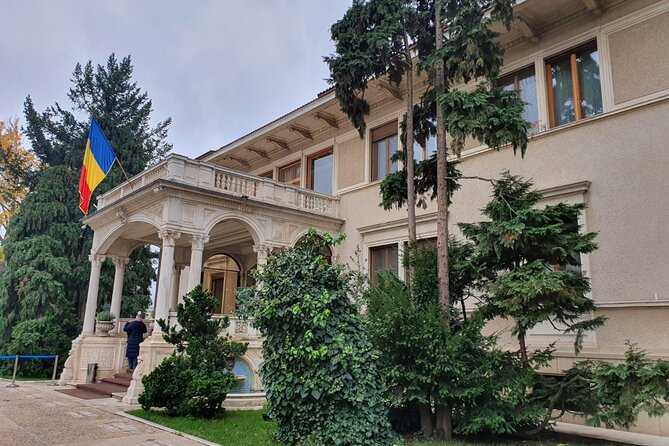
At Revolution Square, the tone turns more serious. The guide brings the story back to the moment when Nicolae Ceaușescu was ousted—tying buildings and monuments to what happened during December 1989.
You’ll learn why this place matters in the Romanian narrative, including the idea that the revolution started here and that the Central Committee building is part of the larger story. The guide also mentions the secrecy and controversies that surrounded the period, so you’re not just seeing statues—you’re understanding why people still argue about the past.
This stop is 30 minutes and admission-free, which is a good structure. It gives you enough time to absorb the basics without dragging the emotional weight too long.

Old Town and Hanul Lui Manuc: Where Bucharest Shows Its Social Layers
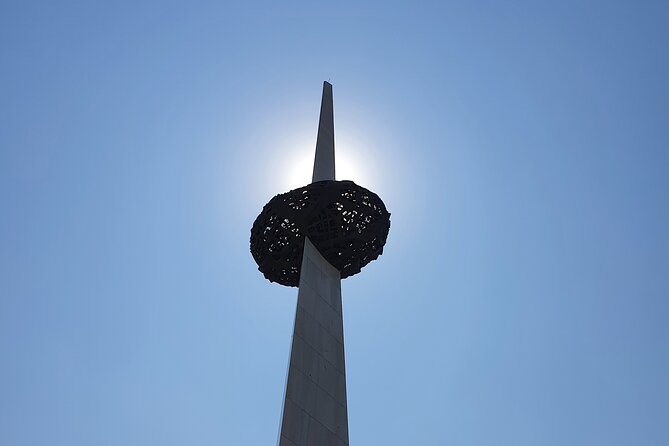
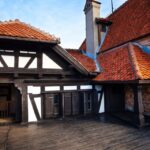
Then you move into the Historical City Centre and get a walking feel for old Bucharest. The tour centers on Hanul Lui Manuc, a massive fortified inn built around 1806 by Manuc Bei. Your guide explains it as an economic and cultural crossroads—merchants arriving, gathering, and leaving their mark through trade.
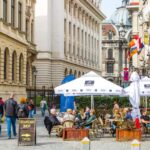
This is one of the most “walkable for photos” parts of the tour. Even if you’re not a museum person, you’ll likely enjoy the atmosphere: old churches, museums, and the kind of street textures that make Bucharest feel like more than a set of famous buildings.
A couple of reviewers also talked about getting specific food recommendations during or after the tour, like where to try Romanian meals in Old Town (one mentioned City Grill). That’s not something every city tour includes, but it’s a realistic benefit of having a local guide driving the day. If you care about food that feels genuinely Romanian rather than tourist-safe, ask what they recommend once you’re done walking.
This stop is 45 minutes and admission-free, so it’s a great place to slow down a bit and soak up the “now” Bucharest offers alongside the “then” you’ve just been studying.
Ateneul Roman: A Quick Look at Bucharest’s Prestigious Concert Hall
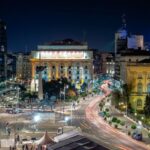
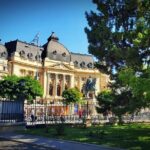
To wrap, the tour includes a brief stop at Ateneul Roman (the concert hall). It opened in 1888 and is described as Bucharest’s most prestigious venue, home to the George Enescu Philharmonic and connected to the George Enescu Festival.
Time is short here—about 10 minutes—so think of this as a “you should know this building exists” moment. Admission isn’t included, so you’re not planning a full interior visit during this tour.
Still, this quick stop is useful if you like architecture and want a mental map for future explorations. After seeing Parliament, it’s a nice shift toward art, culture, and public life.
How to Think About Duration and Interior Visits
The tour runs about 3.5 to 4.5 hours, which is a realistic window for a private highlights loop. The structure works well for first-time visitors because it covers the heavy hitters without turning into an exhausting all-day marathon.
But do manage expectations on the interior parts:
- Palace of Parliament: admission ticket not included, and interior access may require advance planning.
- Village Museum: admission ticket not included, and 45 minutes may not cover every building at a slow pace.
- Ateneul Roman: ticket not included, and it’s a short stop anyway.
If your top priority is interiors, ask your guide early what they can include within the time. One review specifically flagged that they didn’t go inside Parliament, and the company’s response suggested they can arrange that kind of visit with an adjusted plan. That’s a smart approach: keep the value of the tour, and then upgrade the high-priority interior if you’re willing to pay extra time or tickets.
Price and Value: What You’re Really Paying For
At $193.09 per person, this is not a budget city tour. It’s priced like a private experience, and you’re paying for the things that usually cost time and stress:
- private vehicle
- hotel pickup and drop-off
- driver/guide and local guide
- fuel surcharge
- the “translation” of what you’re seeing into an understandable story
If you were doing this on your own, you could spend less on transport and tickets, but you’d pay in time: lining up rides, figuring out routes, and hunting down context. Here, you get context on the move, and that’s often what makes the trip feel worth it.
The price can feel more reasonable if you’re traveling with a group, because private costs often spread across passengers. The tour itself is private for your group, so you’re not fighting over time with strangers.
Who This Tour Fits Best
This is a strong choice if:
- it’s your first time in Bucharest and you want the “big picture” fast
- you like history, especially the contrast between royal-era and communist-era power
- you value a guide who can explain buildings and streets in plain language
- you want a structured day with pickup so you don’t waste energy on logistics
It’s also a smart pick when the weather turns. One review mentioned a rainy arrival day that limited further exploring, but the guide still covered the plan for about four hours and adjusted with the conditions. This isn’t a nature hike where rain wrecks everything, so you can keep momentum.
Where it’s less ideal: if you’re the type who only cares about museum interiors and long exhibits, you’ll probably want extra time in Bucharest beyond this tour (or add ticket-based visits afterward).
My Recommendation: Should You Book This Bucharest City Tour?
Yes—if you want a guided overview that actually helps you understand Bucharest, book it early in your stay. This tour gives you a mental map you can build on the rest of the day or trip. The Palace of Parliament stop sets a dramatic context, the Village Museum brings you back to Romanian daily life, and Old Town rounds it out with human-scale charm.
I’d recommend booking if you also accept one key trade-off: some major interiors may not be included, and you may need extra tickets or planning if you want to go inside every site. If interior access is your must-do, message the operator ahead of time and ask what can be arranged within the time window.
If you’re flexible on interiors and you like stories tied to real places, this private route is one of the most efficient ways to get oriented in a city that loves contrasts.
FAQ
How long is the Bucharest City Tour?
The tour lasts about 3 hours 30 minutes to 4 hours 30 minutes.
Is this a private tour or a group tour?
It’s a private tour/activity, meaning only your group participates.
What’s included in the price?
The price includes driver/guide, transport by private vehicle, hotel pickup and drop-off, local guide, and fuel surcharge.
Are entrance tickets included?
No. Entrance tickets are not included, including for the Palace of Parliament and the Dimitrie Gusti National Village Museum, and the Ateneul Roman.
Does the tour offer pickup?
Yes. Hotel pickup and drop-off are included. Pickup details say you should wait in the lobby or on the sidewalk if it’s an address.
Can the tour start at different times?
Yes. The tour notes flexible departure times, and you’re asked to share your preferred start time.
Is the tour offered in English?
Yes. The tour is offered in English.
If you tell me your travel dates and whether you care most about going inside Parliament or just seeing it from the outside, I can help you decide the best way to plan your time around this tour.