REVIEW · BUCHAREST
Bucharest Communism: From Lenin to Ceausescu
Book on GetYourGuide →Operated by Bike The City Bucharest · Bookable on GetYourGuide
If you want Bucharest to make sense, start with the story of power. This 2.5-hour walk links ideology to real streets, from the Palace of the Parliament to Revolution Square, with clear explanations and strong scene-setting. I especially like how the route mixes monuments with the human cost behind them, and how guides can keep the mood moving with humor and real answers.
One thing to consider: the tour covers heavy material. You’ll hear about prison, repression, and the revolution’s brutal ending, so it’s best if you’re up for a serious history-focused outing, not a light stroll.
In This Review
- Key highlights worth your attention
- A 2.5-hour walk that connects ideology to street corners
- Where you meet: Bulevardul Unirii near Coffee shop Constitutiei
- Palace of the Parliament: the scale story you can’t get from photos
- Antim Monastery and the Patriarchal Cathedral: faith and memory beside the Party line
- Bucharest fountains, Piața Unirii, and the squares people actually used
- Old Town, University Square, and the Royal Palace: culture, education, and power in the same frame
- The Romanian Athenaeum stop: why culture matters in total control
- Revolution Square: the last days, the trial, and the execution
- Ceaușescu’s personal story and the daily math of repression
- What I’d bring, what I’d ask, and how to get more out of it
- Is it good value at $23 for 2.5 hours?
- Should you book Bucharest Communism: From Lenin to Ceausescu?
- FAQ
- How long is the tour?
- How much does it cost?
- Where do I meet the guide?
- What time should I arrive?
- Where does the tour end?
- What’s included in the price?
- Are entrance tickets included?
- Is food and drinks included?
- What languages are offered?
- Can I cancel for a refund?
Key highlights worth your attention
- Second-largest administrative building in the world: the sheer scale of the Palace of the Parliament and what it replaced
- The price of “progress”: demolition of three neighborhoods and about 40,000 households
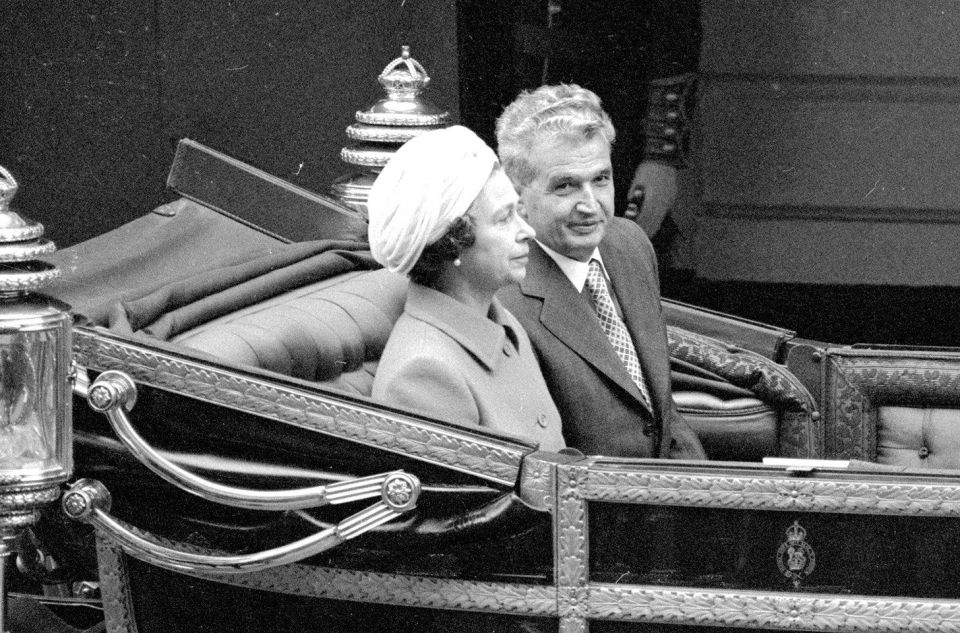
- Ceaușescu’s rise and fall: from limited schooling and prison to 25 years of dictatorship
- Life under the regime: rationing details like 2000 calories/day and meat/egg/cheese allocations
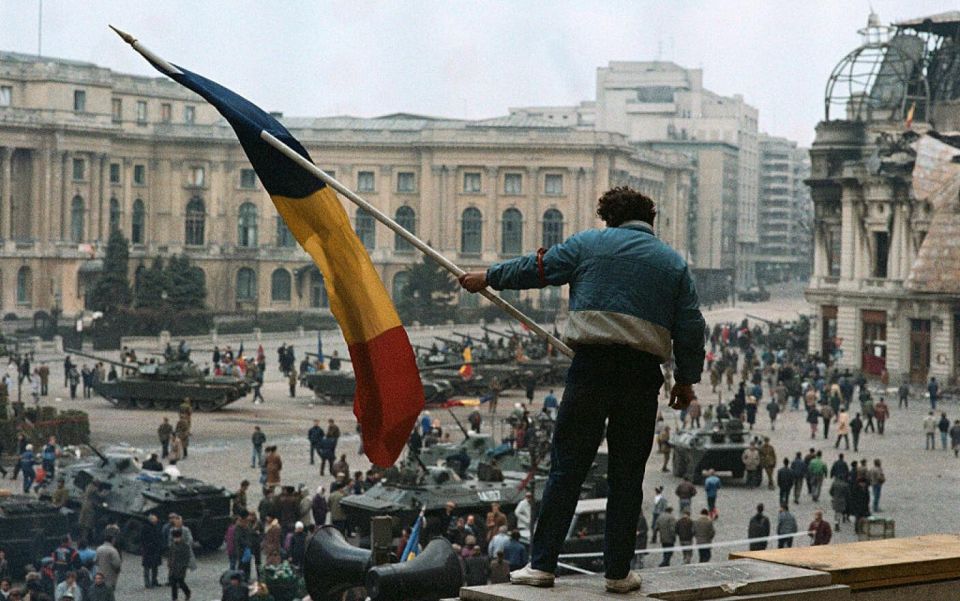
- Revolution Square, endgame in real time: last days, trial, and execution tied to the location
- Guides who can handle questions: frequent praise for clear answers, pacing, and humor
A 2.5-hour walk that connects ideology to street corners
Bucharest can feel like it has layers stacked on top of each other. This tour helps you read those layers like a map. You start on Bulevardul Unirii, in the zone shaped by the Socialist Victory vision, then you move through spaces where the communist state showed off, forced change, and controlled public life.
The format is simple: a guided walking route with short stops, most around 5 to 20 minutes, so you don’t spend your whole day waiting in one place. At $23 per person for about 2.5 hours with a live guide, it’s strong value if you care about history that connects directly to what you’re seeing.
I’d also say this works best when you treat it like an orientation. By the end, you’re not just looking at grand buildings—you understand why they were built, what they cost, and why the regime needed monuments as much as it needed rules.
You can also read our reviews of more tours and experiences in Bucharest.
Where you meet: Bulevardul Unirii near Coffee shop Constitutiei
You’ll meet at Bulevardul Unirii 5, next to the Coffee shop Constitutiei. Arrive about 10 minutes early so you can start with the group and avoid losing time before the first big site.
This matters more than people think. The beginning sets the tone: you’re walking from a communist-era axis into older Bucharest too, and early context helps everything click. If you show up late, you miss that first thread connecting the “Lenin to Ceaușescu” arc to what you’ll see in front of you.
Language options are English and Romanian, and the guide is live. If you’re sensitive to pacing, this is one of those tours where the guide’s voice and structure can make or break the experience—so getting the start right helps.
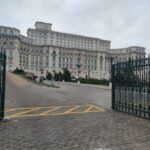
Palace of the Parliament: the scale story you can’t get from photos
The tour’s center of gravity is the Palace of the Parliament, the “must-see” stop for most visitors—but here you’ll get a very specific lens.
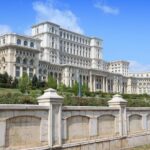
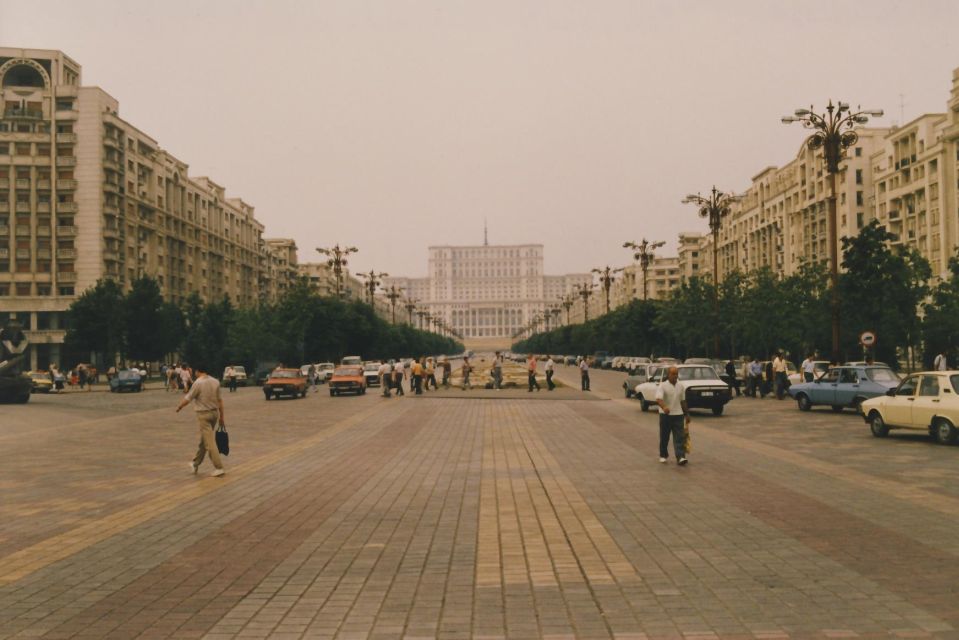
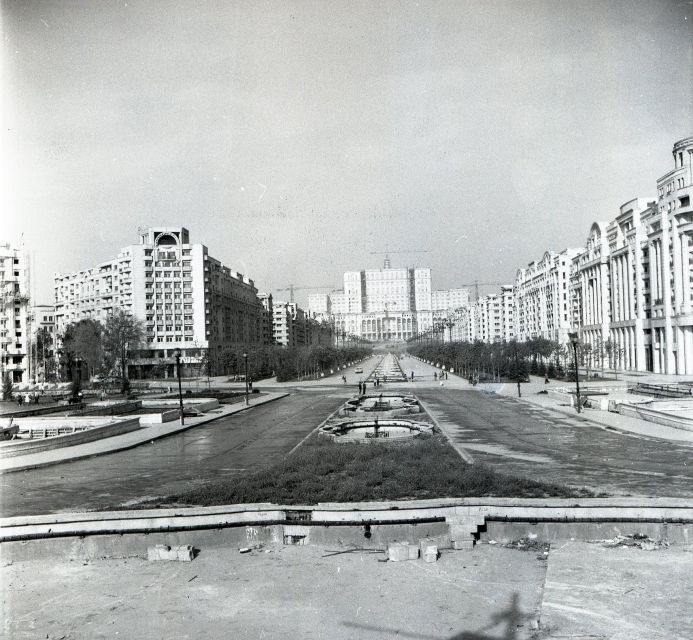
You’ll get a guided look and sightseeing time around the building, about 20 minutes on foot. The big takeaway is how physical scale can function like propaganda. The tour points out that it’s the second largest administrative building in the world, and it also connects that size to a violent civic reshaping: the demolition of three neighborhoods and roughly 40,000 households.
Standing near it, you start to understand why dictators love architecture. A giant structure isn’t only about resources. It’s about message control—what the state wants people to notice, where it wants crowds to gather, and what it’s willing to erase to create a new normal.
Two practical considerations here:
- Entrance tickets are not included, so if you want to go inside (where available), you may need to arrange that separately.
- It’s a stop where questions are worth your time. If you like history that links policy to physical change, this is where you’ll get the most.
Antim Monastery and the Patriarchal Cathedral: faith and memory beside the Party line
After the Palace, the route shifts tone in a smart way: you step into religious spaces that remind you Bucharest did not begin with communism.
At Antim Monastery, you’ll have a short guided visit and sightseeing time (about 10 minutes). The Patriarchal Cathedral comes next with another guided walk (about 20 minutes). These stops work as contrast checkpoints. When the tour talks about repression, secret police, and the control of daily life, the churches are a reminder of earlier identity—places that carried meaning even when regimes changed.
I like how this contrast forces you to hold two truths at once:
- Communist power wanted to remake society.
- Bucharest’s cultural and religious roots didn’t disappear on command.
Even if you’re not a church person, these moments help you understand why oppression often targets symbols and why the regime’s narrative never fully replaced older communal memory.
Bucharest fountains, Piața Unirii, and the squares people actually used
From there you move into public space: Bucharest fountains, Piața Unirii, and quick looks that feel like city breathing points rather than museum stops. The time here is brief—walk and guided sightseeing around 5 minutes—but the value is in what the guide does with it.
Squares are where states try to stage reality. They’re where speeches happen, where crowds get organized, and where the city’s layout can support control. Even when you only pause briefly, you start noticing how the communist-era plan shaped movement—where people flow and where they gather.
Then you get a change of pace with the next segment toward the Old Town and central areas. This helps you avoid a common trap: treating communism as only “big buildings” and “big events.” You also see the street-level framework that shaped everyday movement.
Old Town, University Square, and the Royal Palace: culture, education, and power in the same frame
The tour continues through Bucharest’s older fabric. You’ll spend time in the Old Town (about 15 minutes), then hit University Square (about 5 minutes), followed by the Royal Palace of Bucharest (about 10 minutes).
What I found useful here is the way the guide keeps connecting political control to institutions. University Square brings education into the conversation, while the Royal Palace points to the idea that power already existed in earlier forms—then communists tried to take over the story and the system.
This is where the best guiding really shows. In past experiences with guides on this topic, I’ve noticed they don’t treat communist history like a separate planet. They connect it to prior traditions so you can see the transitions as political choices, not just historical inevitability.
If you enjoy asking questions, this is another strong window. You’ll likely want to talk about how a society shifts when ideology becomes policy—and when culture and education get pulled into the state’s orbit.
The Romanian Athenaeum stop: why culture matters in total control
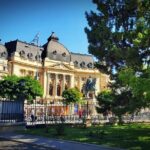
Next comes the Romanian Athenaeum, with about 10 minutes for a guided visit and sightseeing.
This stop adds a different kind of “meaning” to the tour. When you hear about 6 years of prison, 25 years of dictatorship, and the secret police side of control, it can feel abstract unless you anchor it to spaces where culture traditionally lives.
The Athenaeum is useful because it reminds you that regimes don’t only govern laws. They also influence art, public gatherings, and how people think of themselves. If you care about why authoritarianism tries to control the narrative, culture stops like this give you a clearer visual of what can’t be fully legislated away.
Even if you’re just passing through in your head, the guide’s explanation can help you connect the dots between repression and public life.
Revolution Square: the last days, the trial, and the execution
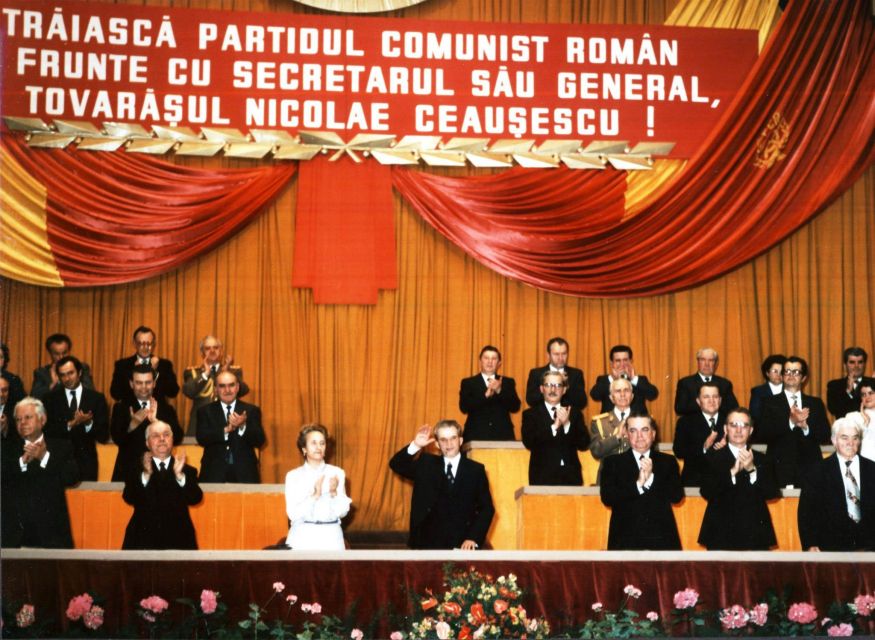
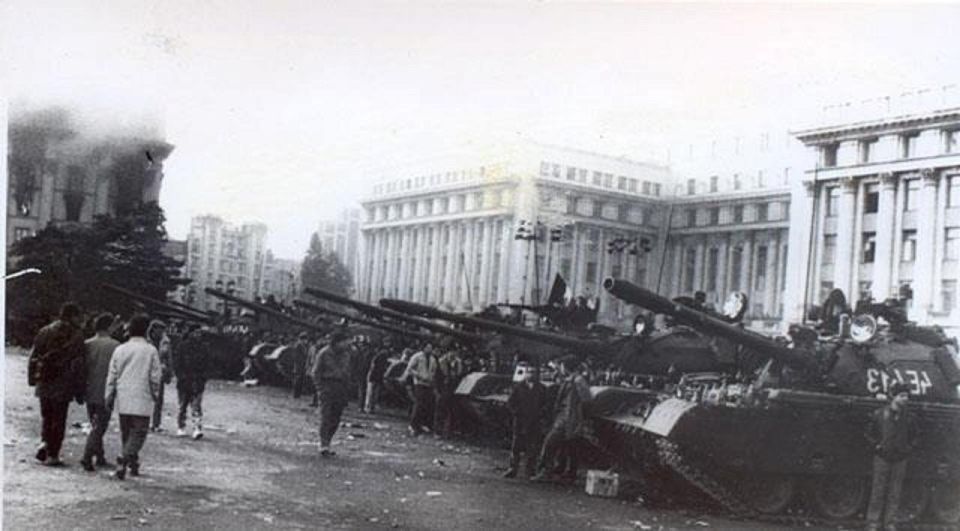
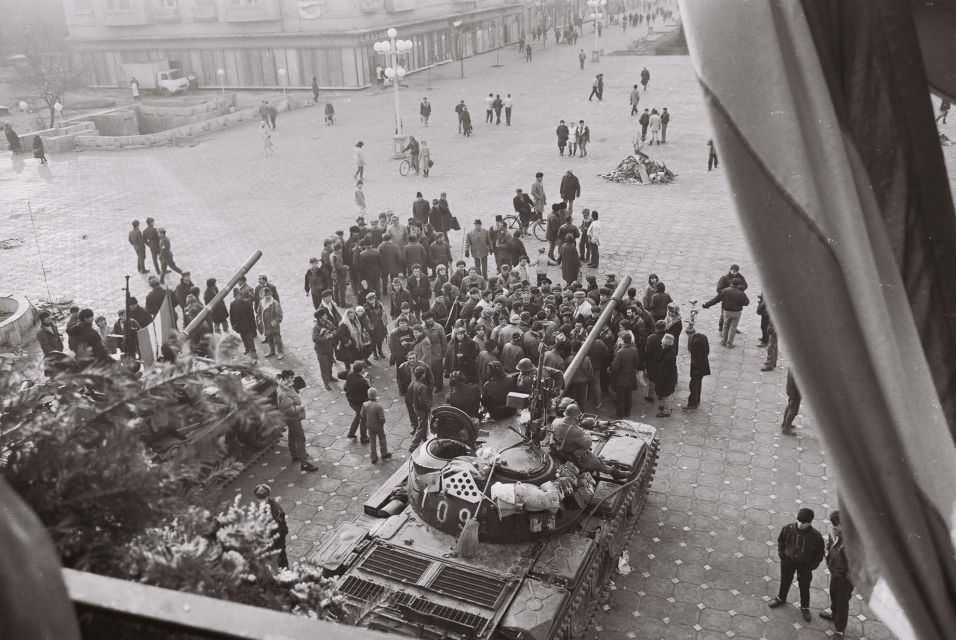
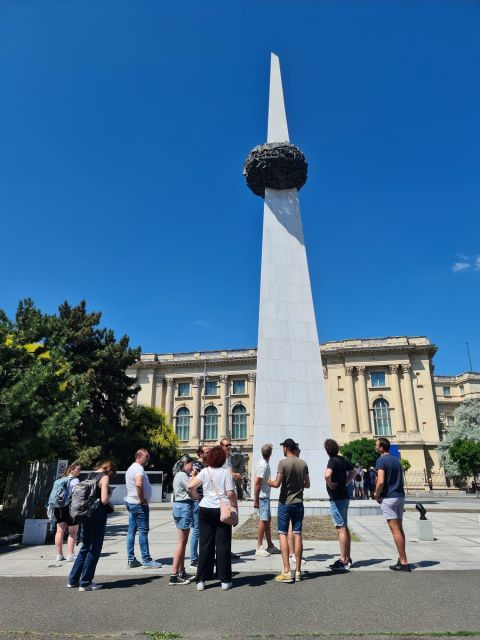
Finally, you end at Revolution Square. The tour gives you about 20 minutes here, and it’s not a casual “see the location” moment. The story concentrates on Ceaușescu’s last days, the revolution, the trial, and the execution.
This ending is powerful because it turns “history” into geography. You stand in a place where the ending of a dictatorship played out, and the tour ties that ending to the fact that groups of agitators played a role in pushing the regime toward collapse.
If the rest of the tour makes you focus on the machinery—prison, rationing, repression—this ending hits the human breaking point. It’s the moment where the state’s story loses control, and the public shifts from passive survival to active rupture.
It also helps you understand why the earlier stops mattered. The Palace scale and demolition show how the regime tried to set the rules of space. The Revolution Square stop shows what happens when that control breaks.
Ceaușescu’s personal story and the daily math of repression
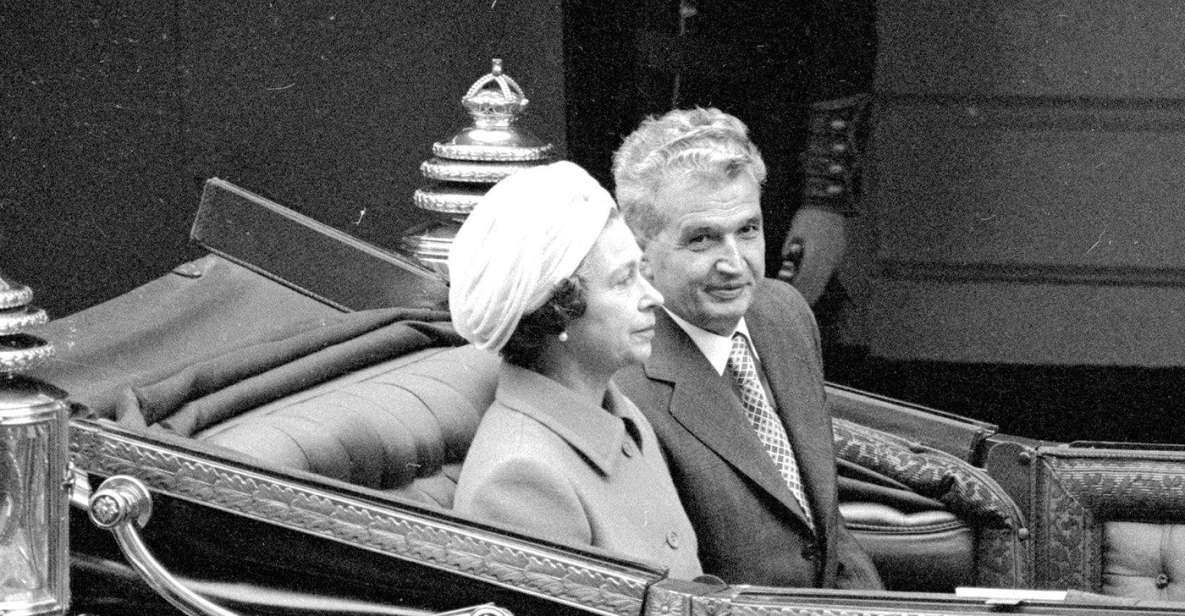
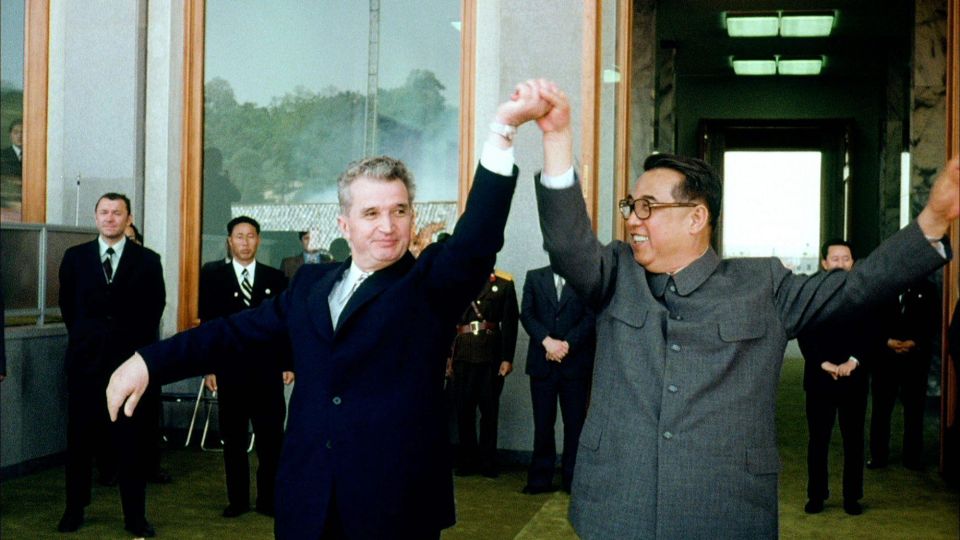
A tour like this earns its keep when it shows how power lived in daily life, not only in speeches. Here, the guide discusses Ceaușescu’s background and rise, including the idea of limited formal education and how he ended up with time in prison, then later built and maintained a decades-long dictatorship.
You’ll also get hard rationing details: the tour highlights roughly 2000 calories/day, with allocations described as 500 g of cheese, 10 eggs, and about 1.5 kg of meat per month. Those numbers help you understand why repression wasn’t only fear. It was also scheduling, scarcity, and a controlled relationship to basic food.
And it’s paired with the broader context of secret police control. Even without a single prop or dramatization, you start to feel how the regime shaped routines.
One of the strongest guiding approaches noted in this kind of tour is context-building. Some guides start with the larger ideological story—like Hegel, Marx, and Engels—then move into how communism developed, before turning to Romania’s specific path. I like that approach because it reduces the chance you’ll treat Romania as a random case study. Instead, you see it as part of a larger ideological machine with local outcomes.
What I’d bring, what I’d ask, and how to get more out of it
This is a walking tour, and while the segments are short, you’ll cover multiple central neighborhoods in 2.5 hours. Wear comfortable shoes and plan to look up often at big façades like the Palace.
If you want your best experience, ask questions in two categories:
- Cost and control: how the regime used demolition, public space, and institutions to enforce a new reality.
- Human scale: how rationing and fear changed what people could do day to day.
The guide experience here seems to matter a lot. In the feedback I’ve seen from different people who’ve taken this route, guides like Horia and Alex get singled out for being friendly, funny in a good way, and able to answer questions without shutting down the hard topics.
So if you’re the type who likes explanations and follow-ups, you’ll probably enjoy this more than a purely visual “hit the sights” outing.
Is it good value at $23 for 2.5 hours?
For me, the value case rests on three things you actually get for the price:
- A live guide who can connect the monuments to the system behind them.
- Time in major sites that define Bucharest’s political-era identity, especially Palace of the Parliament and Revolution Square.
- A guided story arc from early communist ideology to Ceaușescu’s end, plus daily-life details like rationing.
Entrance tickets and food/drinks are not included, so you may spend a little extra depending on what you want inside. Still, for a focused political-history walk, $23 doesn’t feel inflated for what you cover in 2.5 hours—especially if you care about meaning, not just photos.
Should you book Bucharest Communism: From Lenin to Ceausescu?
Book it if you want a structured way to understand how ideology turned into architecture, policing, and daily scarcity—and then how it collapsed in real public space. This is a strong choice for history-minded visitors who like clear narration, good pacing, and lots of chances to ask questions.
Skip or reconsider if you’re in Bucharest for a casual sightseeing hit only, or if you want more free time between stops. The route is efficient, and the story is heavy by design.
If you’re somewhere in the middle, here’s the decision rule I’d use: if you’re curious why Bucharest looks the way it does in the communist-era core, and you don’t want to stitch the story together yourself, this tour does that work for you in one afternoon.
FAQ
How long is the tour?
The tour lasts about 2.5 hours.
How much does it cost?
It costs $23 per person.
Where do I meet the guide?
Meet next to the Coffee shop Constitutiei at Bulevardul Unirii 5.
What time should I arrive?
Please arrive 10 minutes before the activity starts.
Where does the tour end?
The tour finishes at Revolution Square.
What’s included in the price?
A local guide is included.
Are entrance tickets included?
No. Entrance tickets are not included.
Is food and drinks included?
No. Food and drinks are not included.
What languages are offered?
The live guide is available in English and Romanian.
Can I cancel for a refund?
Yes. You can cancel up to 24 hours in advance for a full refund.