REVIEW · BUCHAREST
Bucharest Communist Bike Tour
Book on Viator →Operated by Bike the City · Bookable on Viator
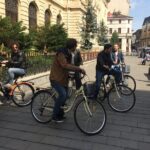
Bucharest’s communist story is easy to follow by bike. This 4-hour ride links major landmarks in a way that feels practical, not tiring—so you can grasp how power shifted over time. I like the group-discount friendly setup and the fact it’s offered in English, with a local guide keeping the focus on what you’re seeing.
Two things I really like: first, the route gives you clear turning points—from early political experiments to the era of the big, megalomaniac projects. Second, the guide energy matters here; Alex was excited about Romania’s communist history and helped make the stops feel connected, not like random monuments.
One thing to consider: this is a bike tour, so if you’re not comfortable cycling for a few hours, or you hate being outside in changing weather, you may want to pick the time of day that suits you best.
In This Review
- Key highlights worth planning around
- Why a communist-era bike tour makes Bucharest click
- Price and what you really get for $54.13
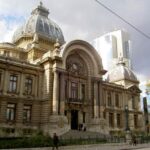
- Palatul CEC: starting before the communist party took power
- Catedrala Patriarhala: the early political fight with a church backdrop
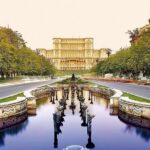
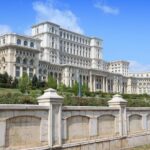
- Palace of Parliament: the last megalomaniac project
- Palatul Bragadiru: the contrast lesson in just a few minutes
- National College of Defence: a lesson in counterfactual history
- Casa Radio: unfinished plans and the idea of a built museum
- Piaka Revolukiei: the fall of the system and Ceausescu’s end
- How the tour feels in real life: pacing, shade, and guide style
- Who should book this bike tour
- Should you book the Bucharest Communist Bike Tour?
- FAQ
- How long is the Bucharest Communist Bike Tour?
- How much does the tour cost?
- Where is the meeting point?
- What time does the tour start?
- Is the tour offered in English?
- Are food and drinks included?
- Are children allowed?
- Can I cancel for a full refund?
Key highlights worth planning around
- A tight 4-hour loop that moves you between landmarks without the hassle of constant transit
- Seven major stops tied to communist attempts at power, propaganda, and the fall of the regime
- English local guide with a lively, story-focused approach (Alex stands out)
- Admission is free at each stop you’ll visit
- Short pauses for breaks, including time where you can catch shade and reset
- Morning or afternoon option so you can shape the tour around your day
Why a communist-era bike tour makes Bucharest click
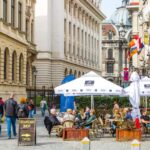
Bucharest can feel like two cities at once: ornate older streets, then sudden monuments built for a different kind of authority. This tour helps you read that change in order. You start in the old city center and keep moving toward the structures that show what the communist system wanted people to believe.
The bike format is the secret sauce for most visitors. You get a steady flow from stop to stop, so the story doesn’t get chopped up by long rides, waiting time, or getting lost between neighborhoods. It also makes the “big places” more manageable because you can arrive with context, then move on.
If you want a straightforward way to understand how Bucharest was reshaped, this is a smart pick. It’s also priced in a way that makes sense when you compare it to a guided visit to multiple landmark sites with free admission.
You can also read our reviews of more cycling tours in Bucharest
Price and what you really get for $54.13
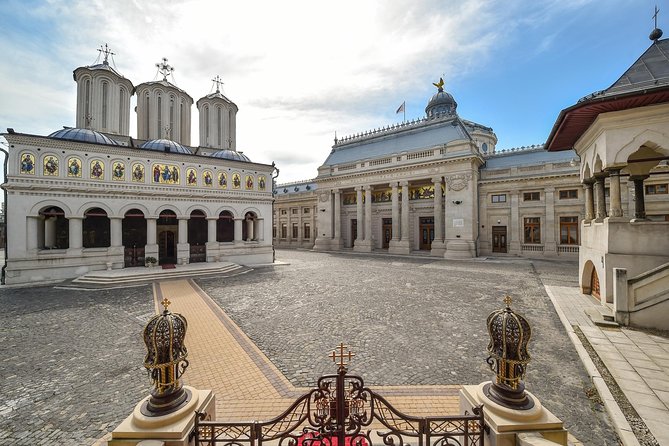
At $54.13 per person for about 4 hours, this isn’t a budget-freebie—but it is good value for what you get. You’re paying mainly for guided storytelling and efficient movement by bike, not for entrance fees (since each listed stop is admission ticket free).
It’s also helpful that the tour includes a local guide, and you’ll have the route built for you. That matters in Bucharest, where self-guided sightseeing can mean a lot of time figuring out transit and pacing.
Two practical notes: food and drinks aren’t included, so you’ll want to bring water and plan a snack before or after. And since it runs in a morning slot starting at 9:30 am (with an afternoon alternative), you’ll get the best experience if you show up ready to ride and absorb.
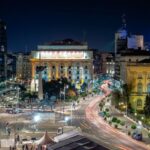
Palatul CEC: starting before the communist party took power
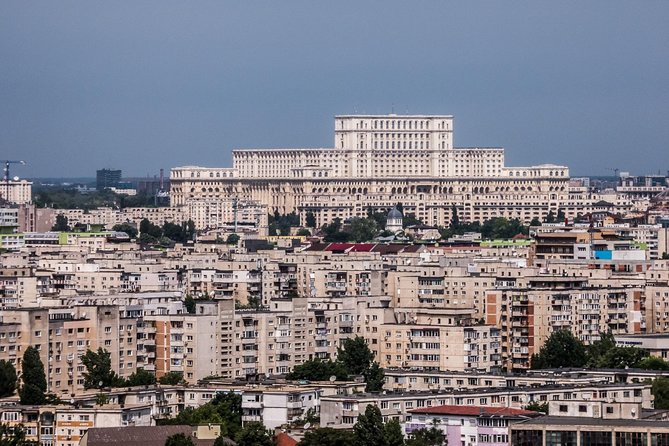
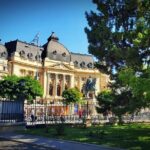
Your first stop is Palatul CEC in the old city center, and that opening sets the tone. You’re not starting with the biggest monument; you’re starting with the setting of how society worked before communists took power.
This is valuable because it prevents the common mistake of treating the communist era like it appeared out of nowhere. Instead, you get a clearer before-and-after arc. You also get a focused time window—about 40 minutes—which gives you room to look around and let the guide connect the dots.
If you like history that explains cause and effect, this first stop is where that payoff begins. The only drawback is pacing: forty minutes can feel long if you normally rush museums, but in this case it’s doing important groundwork.
Catedrala Patriarhala: the early political fight with a church backdrop
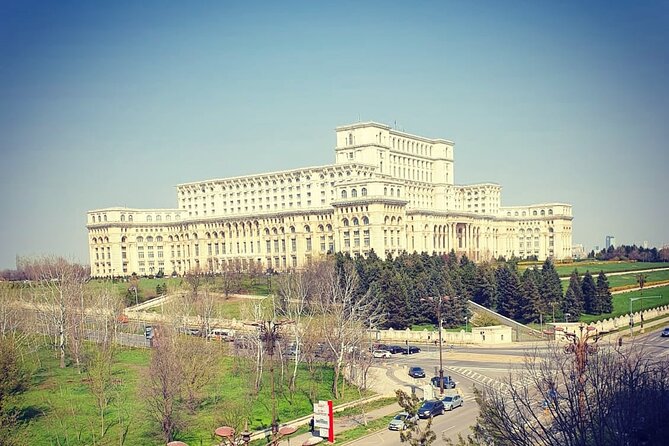
Next comes Catedrala Patriarhala. The guide frames it around a specific idea: it was the site of the first Romanian Parliament and the first communist attempt to take power.
That mix—religious architecture and political ambition—helps you understand how contested power was. It’s also a reminder that communist propaganda and strategy didn’t only rely on later, massive projects. There was an earlier scramble, with real political attempts tied to institutions and symbolism.
You’ll spend about 15 minutes here. That’s not enough for a slow, architectural deep study, but it is the right length for a stop that supports the broader narrative.
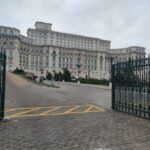
Palace of Parliament: the last megalomaniac project
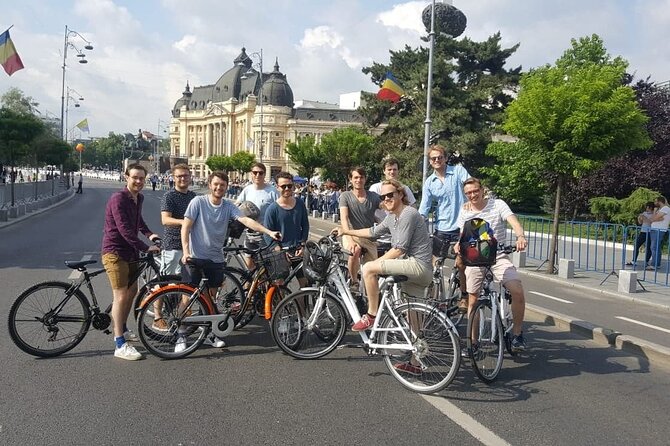
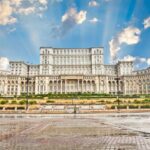
Then the tour turns toward the most famous showpiece: the Palace of Parliament. Here the framing is direct: it’s described as the last megalomaniac communist project.
This is the kind of stop where you either “get it” instantly or you feel underwhelmed if you expect a museum-style explanation. The bike tour helps because you arrive with the story already built—so you can interpret what you see as a statement of power, not just an impressive building.
Time here is around 15 minutes. That’s enough to take in scale and get the intended context, especially when you’ll keep moving afterward instead of getting stuck reading panels for hours.
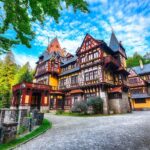
Palatul Bragadiru: the contrast lesson in just a few minutes
The short stop at Palatul Bragadiru is only about 5 minutes, but it’s included for a reason. The emphasis is on contrast—what the guide calls the best contrast between the old and the new communist social order.
Short stops can be frustrating on tours, but in this case five minutes works if the guide uses it to point your eyes in the right direction. Think of this as a quick “spot the change” moment: you look, you compare, then you move on while the contrast is fresh.
If you love immersive strolling, you might wish this was longer. Still, it’s a good reminder that not every highlight needs a long pause to be effective.
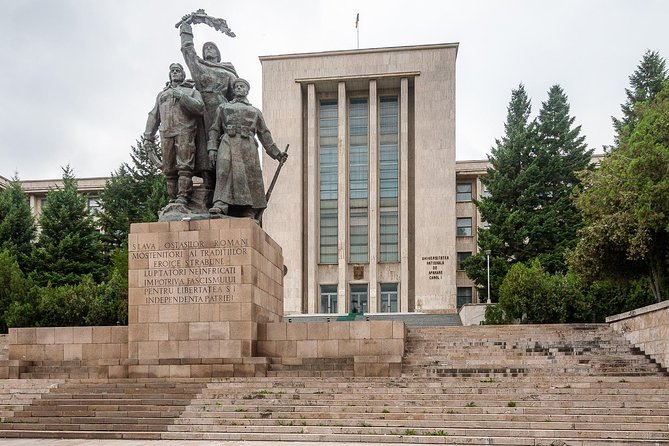
National College of Defence: a lesson in counterfactual history
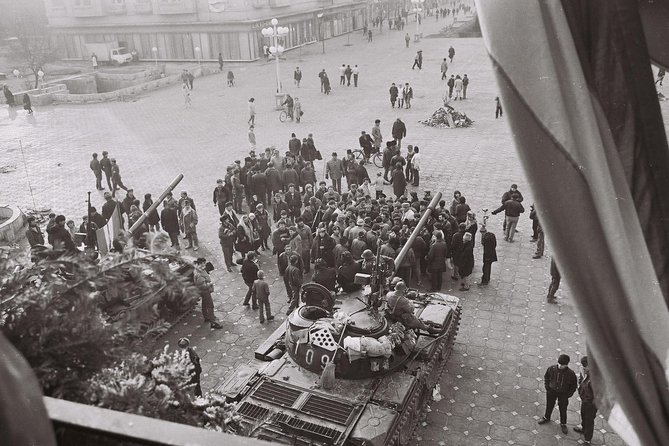
Next is National College of Defence, with about 20 minutes. The tour framing is unusual and important: it covers contrafactual history, where the Russian army and the communist movement are presented as liberators from the fascist government.
That description tells you what to watch for during the stop. You’re not just looking at a building. You’re looking at how narratives get shaped—what gets emphasized, what gets left out, and how “history” can be used as political messaging.
A 20-minute window feels right here. It’s long enough for the guide to explain the idea behind the storytelling, not just the buildings themselves. If you’re sensitive to propaganda themes or want clearer neutrality, this is also where you’ll want to pay attention and ask yourself what makes a story persuasive.
Casa Radio: unfinished plans and the idea of a built museum
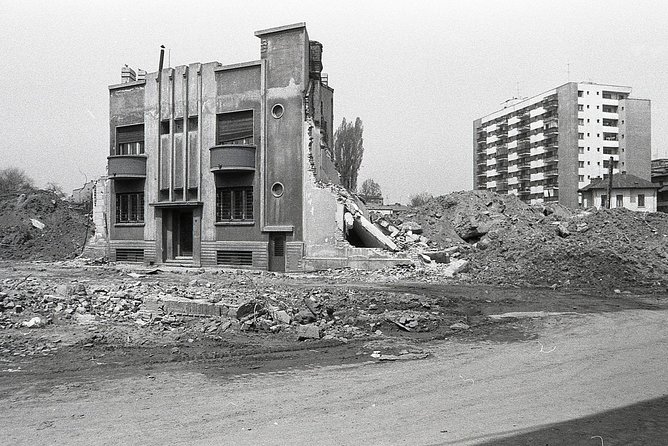
Casa Radio takes about 10 minutes, but it’s set up with a strong concept. The guide explains that the need for historical background led to the construction of what’s described as the biggest communist history museum in the world—and then, importantly, it remained unfinished.
This is a great stop for people who like “how plans meet reality.” The fact it was never completed gives you a tangible way to reflect on the gap between ideology and execution. You can read the structure as both ambition and interruption.
Ten minutes won’t turn you into an architectural critic, but it will give you enough to understand why the site matters to the communist story the tour is building.
Piaka Revolukiei: the fall of the system and Ceausescu’s end
The tour closes with Piaka Revolukiei for around 30 minutes—the longest stop after Palatul CEC. This is where the tour lands on the endpoint: the fall of the communist system and the end of Ceausescu’s regime.
That longer time block matters because it’s not just “look and move.” The guide needs room to bring together earlier ideas—early political attempts, propaganda storytelling, and the big monumental projects—and then explain how the story ends.
If you want one place where you can slow down, take photos, and process the bigger arc, this is it. The “buying time” here makes the final message stick.
How the tour feels in real life: pacing, shade, and guide style
From the way the route is timed, you can expect a rhythm: longer framing stops early, then shorter contrast moments, then a reflective finale. That pacing keeps you from burning out and also helps the story build in steps.
One of the best practical perks is that you’re not stuck rushing every photo. You also get at least one scheduled break that gives you a chance to rest in shade and reset—useful when Bucharest weather decides to play games.
Also, the guide style is clearly central to why the tour works. Alex’s approach is described as excited and energized, which makes a heavy topic feel more like a guided conversation than a lecture.
Who should book this bike tour
This tour is a good fit if you want:
- a guided way to understand communist-era Bucharest without bouncing between scattered locations
- an English tour with clear stop-by-stop context
- a schedule that fits into a morning or afternoon plan (the tour offers both options)
- a tour where the route helps you connect big ideas, not just collect landmarks
You might skip it if you strongly prefer walking-only sightseeing, if you get uncomfortable with cycling, or if you want long time at museums and churches rather than short narrative stops.
Should you book the Bucharest Communist Bike Tour?
I’d book it if you want a fast, guided way to understand how Bucharest changed under communism—from early political moves to monumental statements and finally the end of the regime. The price-to-time ratio works, the stops are admission-free, and the bike format helps you keep the story in order instead of treating it as separate sightseeing errands.
I wouldn’t book it if bike riding is a deal-breaker for you or if you need food included. Bring water, plan a snack, and pick the morning or afternoon slot that matches your energy.
If you’re curious but not sure where to start, this is a solid first chapter.
FAQ
How long is the Bucharest Communist Bike Tour?
It runs for about 4 hours.
How much does the tour cost?
The price is $54.13 per person.
Where is the meeting point?
You meet at Strada Operetei 12, București 030167, Romania, and the tour ends back at the same meeting point.
What time does the tour start?
The listed start time is 9:30 am.
Is the tour offered in English?
Yes, the tour is offered in English.
Are food and drinks included?
No. Food and drinks are not included.
Are children allowed?
Children must be accompanied by an adult.
Can I cancel for a full refund?
Yes. You can cancel up to 24 hours in advance for a full refund. If you cancel less than 24 hours before the start time, the amount paid is not refunded.