REVIEW · BUCHAREST
3-Hour Guided Tour of Communist Bucharest
Book on GetYourGuide →Operated by Guided Stories · Bookable on GetYourGuide
Communist Bucharest hits different when you walk it. This 3-hour guided tour connects Ceausescu’s rise and fall with the buildings you still see today, plus the places tied to the 1989 revolution. You’ll also get the contrast of inter-war Bucharest, when parts of the city felt calmer and more prosperous.
I especially liked how the guide brings history down to street level: daily life under communist rule, the fear and control, and the human cost behind big political decisions. On tours I’ve done with guides like Cristina, I like the way photos and personal family stories help the timeline make sense fast.
One consideration: it’s a walking tour, so you’ll spend time on your feet and stopping for explanations. If it’s hot, plan for less shade than you might wish, and bring water alongside the comfortable shoes the tour recommends.
In This Review
- Key things to watch for on this Communist Bucharest tour
- Where the tour starts: Piata Unirii to the Patriarchy bell tower area
- The inter-war vs. communist contrast that makes Bucharest make sense
- The rise of communist power: nationalization and forced demolition
- Ceausescu’s era: the city shaped for power
- Palace of Parliament views: why you shouldn’t skip it, even without entry
- Daily life under communism: the stories that change how you see the streets
- Uranus neighborhood remains: seeing what got erased
- The 1989 revolution sites: connecting architecture to a turning point
- The café break: a needed reset without inflating your budget
- Price and value: what $29 buys in real learning time
- Who should book this, and who might not love it
- Should you book the 3-Hour Guided Tour of Communist Bucharest?
- FAQ
- Where does the tour meet?
- How long is the tour?
- How much does it cost?
- Is the tour guided or self-guided?
- What topics will we learn about?
- Will we go inside the Palace of the Parliament?
- Are snacks included?
- What should I bring?
- What’s the cancellation policy?
Key things to watch for on this Communist Bucharest tour
- Ceausescu’s story mapped onto real neighborhoods, not just a lecture
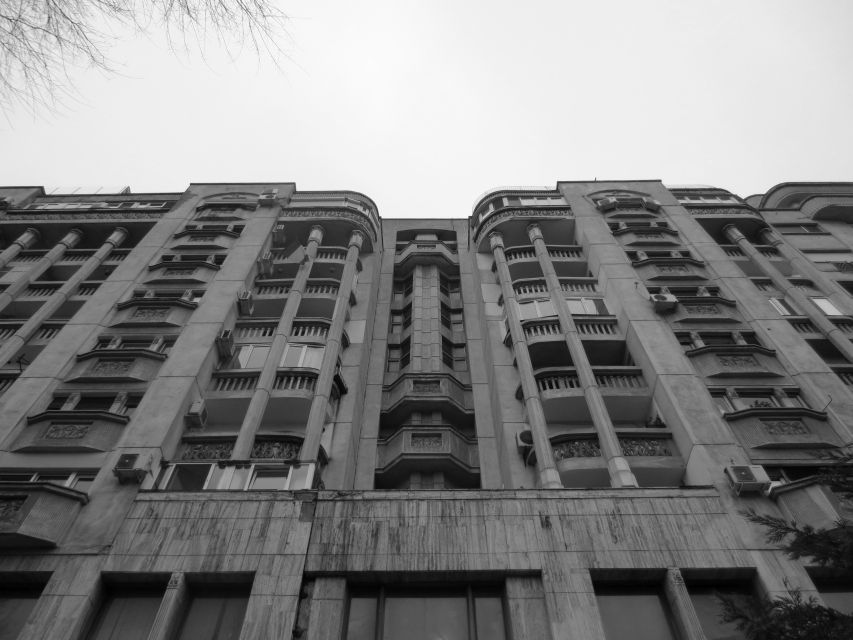
- Communist-era architectural contrasts with inter-war areas that survived reworking
- Life under the regime, including nationalization and forced demolitions
- 1989 revolution sites and political memorials, explained in context
- Palace of Parliament stop from the outside, plus what the building meant
- A café break with small snacks included, drinks are extra
Where the tour starts: Piata Unirii to the Patriarchy bell tower area
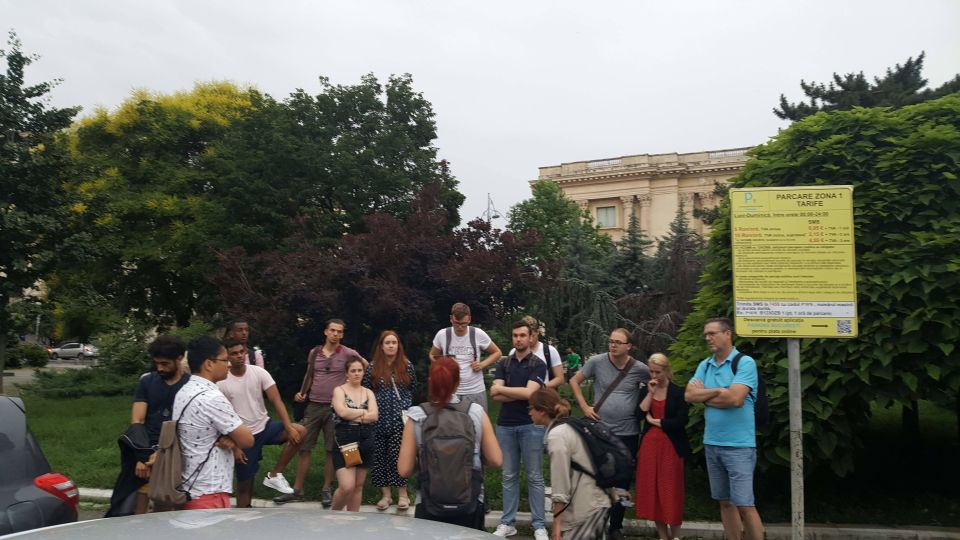
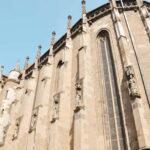
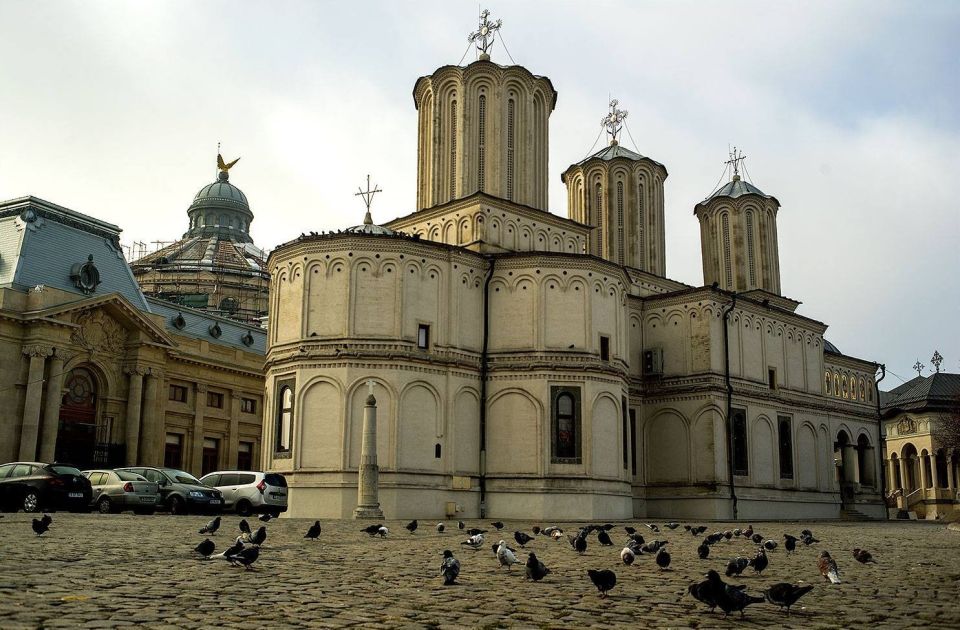
You meet near the red-brick bell tower of the Patriarchy, just within walking distance from Piata Unirii. The address is Aleea Dealul Mitropoliei 19, București 030167, Romania, and that location is a smart starting point because it puts you close to the city’s big central hub.
Right away, you’ll start seeing Bucharest as a layered city. Your guide sets up the key idea: you’re moving between two worlds—communist-era Bucharest and the inter-war city that came before it.
You can also read our reviews of more guided tours in Bucharest

The inter-war vs. communist contrast that makes Bucharest make sense
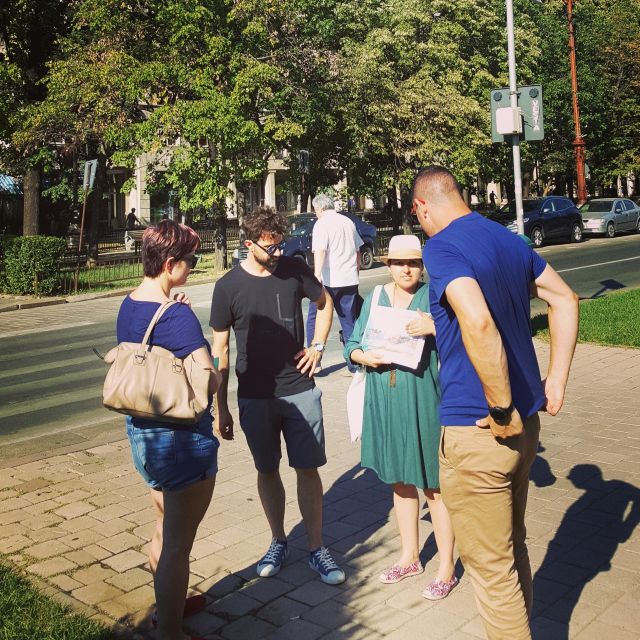
One of the best parts is that the story isn’t only about what came after 1947. You’ll learn why Bucharest looks the way it does, with regimes leaving different architectural footprints over time.
You’ll also pass through or near inter-war neighborhoods that were spared from communist urban re-modelling, which matters because it gives you something to compare against. Without that contrast, communist buildings can feel like just another style. With it, you start to see why the city looks split between eras, and what that meant for daily routines and public life.
A practical note: because this is history tied to streets and squares, your best tool is attention. I like tours where the guide helps you notice building details as evidence, not just scenery.
The rise of communist power: nationalization and forced demolition
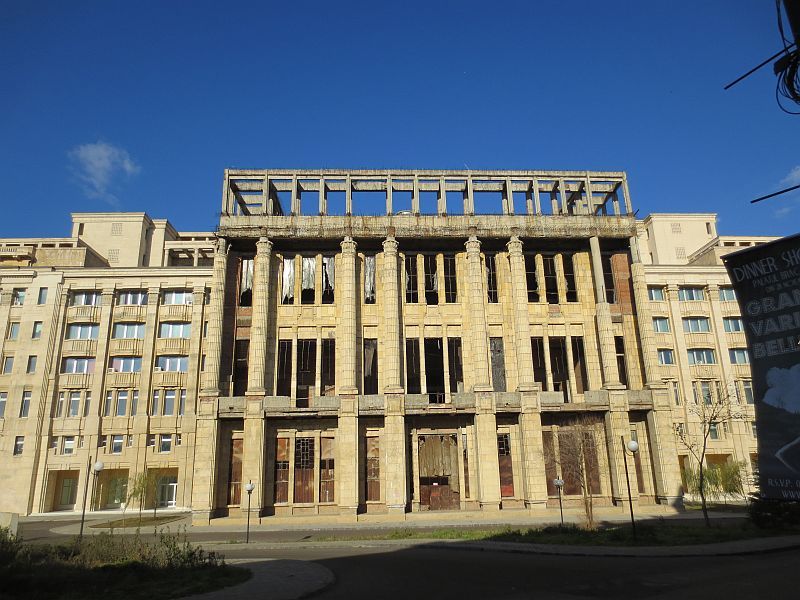
This tour doesn’t treat communism like a far-away concept. You’ll hear about the violent beginnings of the communist regime and how control showed up in real spaces—especially through nationalization and forced demolition of homes.
That’s a heavy topic, but it’s also the kind of context you can’t easily piece together on your own from guidebooks. When you connect political decisions to what happened to housing and streets, the architecture turns from “impressive” into meaningful—and sometimes chilling.
If you like history that has texture, this is where the tour starts doing its job. Instead of just naming dates, your guide ties policies to the city’s physical changes.
Ceausescu’s era: the city shaped for power
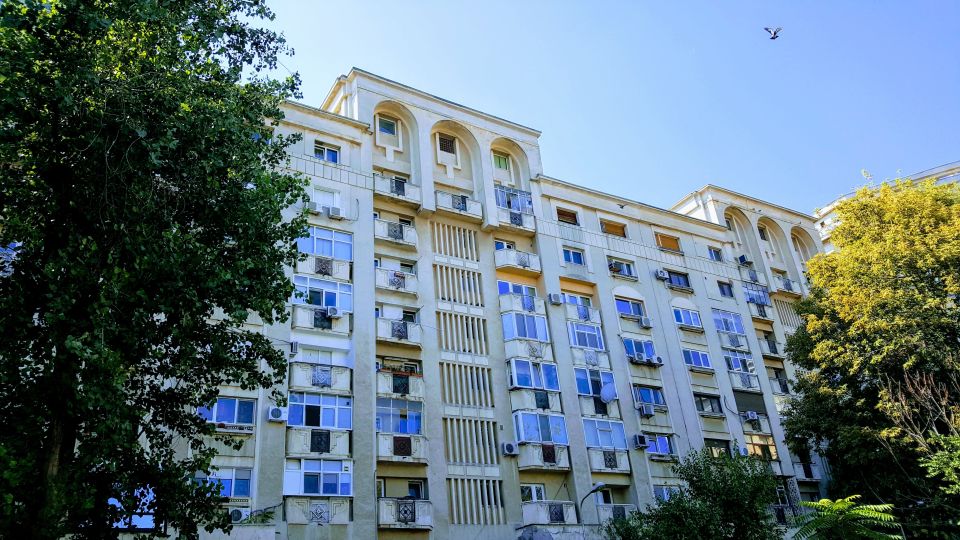
The tour’s main storyline follows the rise and fall of dictator Nicolae Ceaușescu. You’ll hear how the regime projected authority through buildings and public spaces, and how that changed what people saw every day.
Expect stops at communist-era landmarks where the architectural style is the clue. The scale and design choices are part of the message: power made visible, and obedience made normal.
This is also where I like the way the guide handles perspective. On tours led by Cristina, for example, I’ve appreciated the balance between official ideology and the lived reality people faced. It helps you avoid one-note history.
Palace of Parliament views: why you shouldn’t skip it, even without entry
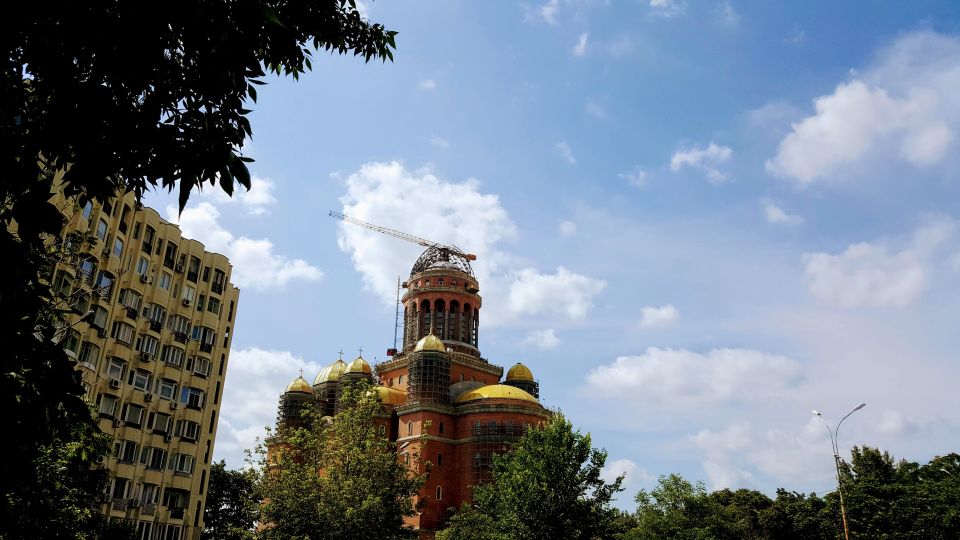
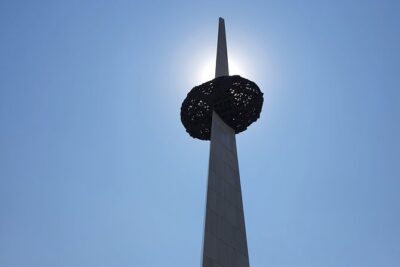
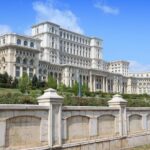
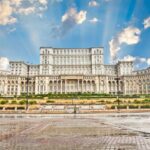
You’ll visit the Palace of Parliament area, one of the most iconic communist-era monuments in Bucharest. The tour is designed to give you the context of why it was built and what it represented—without promising an interior visit.
That means you get to focus on the external impact: the building’s sheer presence, how it dominates the surrounding space, and how regimes used monumental architecture as political theater. Since the tour does not include entry inside the Palace, you’re not rushed through museum-style content on this 3-hour schedule.
If you want museum time later, this tour can be a great warm-up. You’ll better understand what you’re looking at before you go looking for artifacts.
You can also read our reviews of more tours and experiences in Bucharest




Daily life under communism: the stories that change how you see the streets
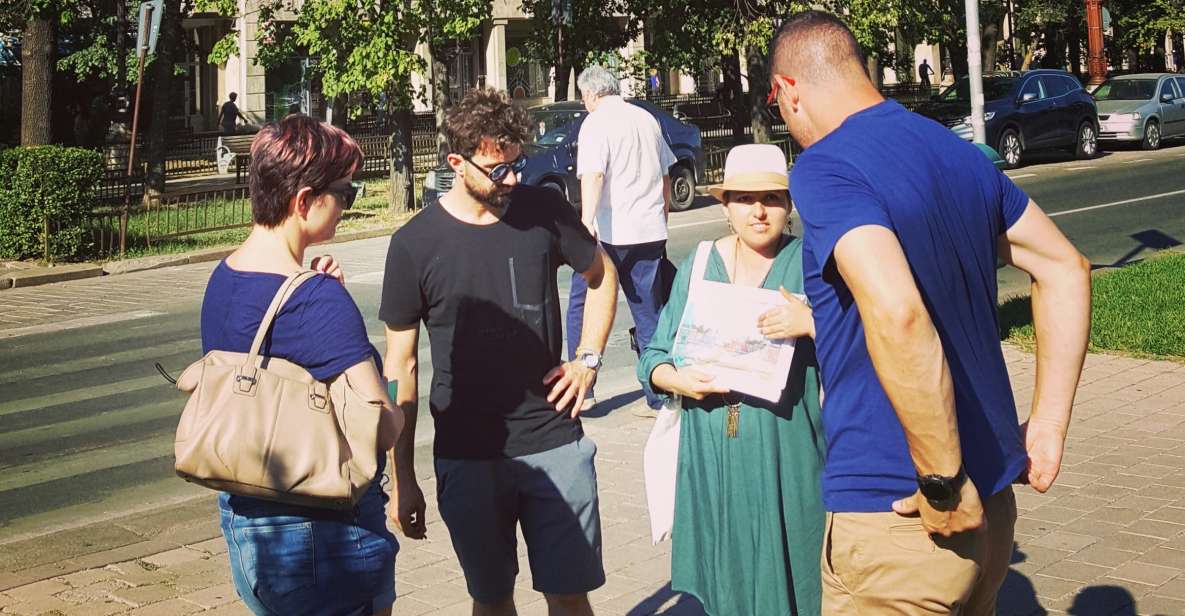
The tour includes stories about daily life under communist rule, which is where many short city walks fall short. Facts are important, but the details are what make a city feel real.
You’ll hear about how people adapted and what kinds of pressures were part of everyday routines. The guide also uses photos and other visuals to keep the story grounded, so you’re not just remembering dates—you’re building a mental map.
One small but memorable touch from guides (including Cristina) is how they make the tour human. On some days, guides bring small shared snacks to help break up the walk, which turns the group pause into something friendlier than a timed stop.
Uranus neighborhood remains: seeing what got erased
A standout moment is seeing the remains of the Uranus neighborhood. This is one of those details that makes the tour more than a “see the monuments” walk.
Even if you’re not familiar with Bucharest’s layout, understanding that a neighborhood’s fabric was disrupted tells you a lot about the regime’s approach to redevelopment. It’s a physical reminder that history wasn’t only political—it was personal, too.
If you like urban history—how planners, power, and people collide—this stop is a reason to book.
The 1989 revolution sites: connecting architecture to a turning point
The tour also visits political memorials and sites tied to the 1989 revolution. This is where the narrative turns from long-term control to sudden upheaval, and your guide helps you connect the dots between authoritarian systems and why they eventually cracked.
You’ll learn how the fall of the Iron Curtain played out locally, not only in headlines. Standing in the places where key events unfolded makes the story feel immediate, even though the timeline is now decades behind you.
Because this is a guided tour, you’re not left guessing what each stop means. Your guide does the work of translating the city’s symbols into story.
The café break: a needed reset without inflating your budget
About halfway through, you get a short break at a café. Small snacks are included, but drinks are at your own expense.
This break is practical. After a few city blocks and explanations, you’ll want a breather, and café time gives you a natural moment to regroup. If you’re traveling with a group, it’s also a good window to compare notes and ask follow-up questions before you head into the next section.
For value, this matters: snacks included helps keep the $29 price from turning into a bunch of extra add-ons.
Price and value: what $29 buys in real learning time
At $29 per person for 3 hours, this tour is priced like a “time efficient” deep history walk. The value isn’t only that you cover multiple landmarks—it’s that the guide connects them into a coherent story: Ceausescu’s era, communist architecture, daily life, forced redevelopment, and 1989 revolution context.
You’re also not getting stuck paying museum entry fees during the tour. The tour is guided and structured, and any additional museum time is clearly separate. That’s helpful if you’re trying to control spending while still learning a lot.
For me, the best sign of value is the guide quality, and the guide performance here is a major strength. Multiple bookings highlight engaging storytelling, family anecdotes, and solid pacing—exactly what you want for a complex topic.
Who should book this, and who might not love it
This tour is a great fit if you want history you can see. If you like architecture with context, and you want to understand what communist rule did to neighborhoods, public spaces, and everyday life, you’ll probably enjoy the structure.
It’s also a good match for people who learn best from storytelling. Guides like Cristina are specifically praised for using photos and personal anecdotes to keep the tour entertaining while still serious.
You might want to think twice if you get uncomfortable standing for long stretches during explanations, or if you only want light, upbeat sightseeing. The themes here include violent beginnings, demolitions, and revolution.
Should you book the 3-Hour Guided Tour of Communist Bucharest?
I’d book it if you’re visiting Bucharest for the first time and you want a fast, organized way to understand why the city looks the way it does. The combination of communist-era landmarks, inter-war contrast, daily life stories, the Palace of Parliament exterior, Uranus neighborhood remains, and 1989 revolution sites gives you a rounded picture in a short time.
It’s also a smart choice if you care about guide-led context. With guides like Cristina, the tour doesn’t feel like memorizing facts. It feels like walking through a timeline you can touch.
If you want your trip to include one guided history tour that actually changes how you read the city streets afterward, this is a strong bet.
FAQ
Where does the tour meet?
It meets near the red-brick bell tower of the Patriarchy, within walking distance from Piata Unirii, at Aleea Dealul Mitropoliei 19, București 030167, Romania.
How long is the tour?
The guided tour lasts 3 hours.
How much does it cost?
The price is $29 per person.
Is the tour guided or self-guided?
It is a live guided tour with an English-speaking guide.
What topics will we learn about?
You’ll learn about Ceausescu’s rise and fall, communist-era architecture, daily life under communist rule, and key political memorials and sites connected to the 1989 revolution.
Will we go inside the Palace of the Parliament?
No. You’ll visit the Palace of Parliament area, but entry inside is not included.
Are snacks included?
Yes. Small snacks are included, and there’s also a café stop where drinks are not included.
What should I bring?
Wear comfortable shoes.
What’s the cancellation policy?
Free cancellation is available up to 24 hours in advance for a full refund.