REVIEW · BUCHAREST
Classic Romania Tour – small group in 8 days: Transylvania and Maramures
Book on Viator →Operated by Rolandia · Bookable on Viator
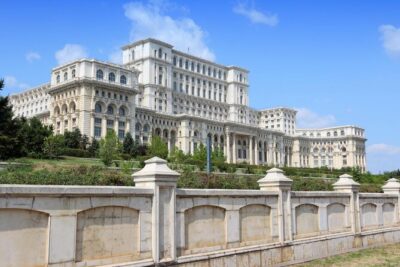
Romania, in eight days and one tight plan. You’ll get a small-group private guide and a smooth route from Bucharest through Transylvania, with major stops like Bran Castle and Peleș Castle. One heads-up: the Palace of the Parliament is closed until June, so the tour replaces it with Spring Palace.
What I like most is how practical it feels. You’re not piecing together drives, tickets, or timing; the plan hands you hotels, transport, breakfasts, and the guided walking parts. You’ll still want moderate physical fitness, because some days include solid walking and the famous 300 steps in Sighișoara. And yes, a past guide called Valentin Val Nan out for being easy to work with and for handling schedule requests when possible.
In This Review
- Key highlights worth penciling in
- Bucharest Old Town and the Parliament swap plan
- Olt Valley monasteries to Sibiu: where Transylvania begins
- Cluj-Napoca and Alba Iulia: cities plus the biggest fortress vibe
- Maramureș: wooden houses, Breb village, and the merry cemetery
- UNESCO wooden churches: Poienile Izei and Barsana
- Biertan fortified church and Sighișoara’s winding steps
- Brașov walk, the Black Church, and a smooth path to Bran and Dracula
- Returning to Bucharest: your last morning and an orderly finish
- Price and value: what $2,339.64 really buys
- Who this Transylvania and Maramureș route suits best
- Should you book Classic Romania Tour (Transylvania and Maramureș)?
- FAQ
- What’s the group size for this tour?
- Where does the tour start and what time does it begin?
- What’s included for meals?
- Which major castles are visited?
- Is the Palace of the Parliament visit guaranteed?
- How physically demanding is the itinerary?
Key highlights worth penciling in
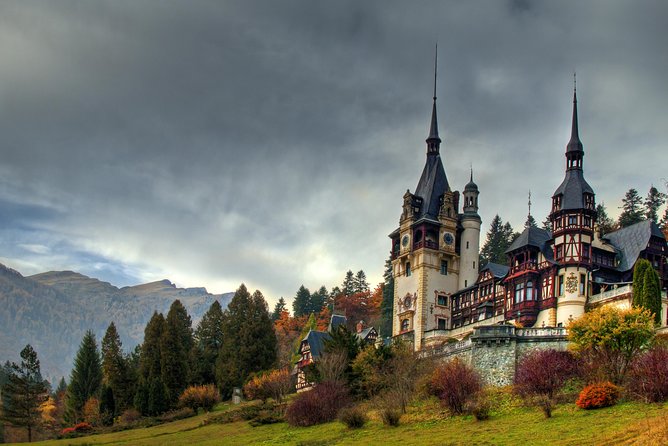
- Bran Castle and Dracula legend, paired with Peleș Castle and royal elegance
- Sibiu’s Saxon-influenced squares plus the Bridge of Lies walk
- Turda Salt Mine: huge underground halls and a photo stop that feels like another planet
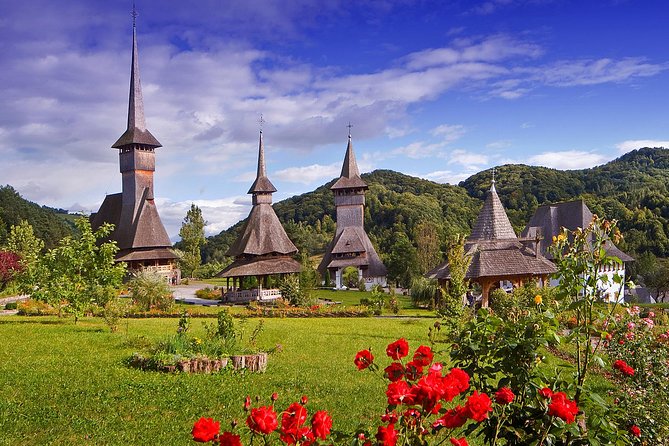
- Maramureș wooden churches and villages with a stop at Breb and the witty merry cemetery in Săpînţa
- UNESCO sites: Poienile Izei and Barsana on the World Heritage wooden-church route
- Viscri’s calm village time with a horse-drawn carriage ride and time with local life
Bucharest Old Town and the Parliament swap plan
Most people think Romania starts with castles. This tour starts with Bucharest, which is smart, because you’re better able to understand later history after you see what communist-era power looked like in real life.
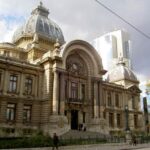
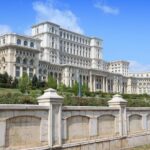
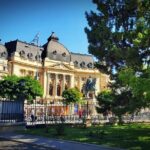
Day 1 begins with a pickup and a city tour that focuses on how cultures mix here: you’ll see the city’s layered architecture, then the blunt scale of the communist period. The big ticket sight is the Palace of the Parliament, also known as the House of the People. But there’s a real constraint: it cannot be visited right now (closed until June), and your guide replaces it with the Spring Palace. Don’t treat that as a downgrade. It keeps the story moving and saves you from the frustration of arriving at a closed door.
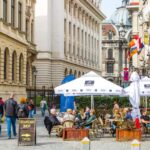
After that, you shift into Bucharest’s Old Town, where the mood turns lively and chaotic in the best way. You also end the day with the gentle reality-check of a hotel night in the city, not a late-night bus scramble.
If you only have one day in Bucharest, this approach helps you get bearings fast. You learn the symbols first, then you walk the neighborhood energy.
You can also read our reviews of more tours and experiences in Bucharest.

Olt Valley monasteries to Sibiu: where Transylvania begins
On Day 2, you leave Bucharest and ease into Transylvania with stops that set the spiritual and architectural tone of the trip.
First is Curtea de Argeș Monastery, at the foot of the Carpathians. It’s an important national religious landmark and a good warm-up for the medieval style you’ll see over and over. Then you head through the Olt Valley, a road trip segment built around “slow looking” at the countryside. The goal isn’t speed; it’s context.
Next comes Cozia Monastery, another medieval stop centered on Romanian art and architecture. There’s also a seasonal swap: in the summertime (mid June to early November), the Cozia visit is replaced with a road trip on Transfăgărășan. If you’re traveling in that window, you’ll trade one monastery stop for a dramatic driving experience, which is great if you like mountain views more than religious architecture. If you’re traveling outside that window, you get the monastery focus.
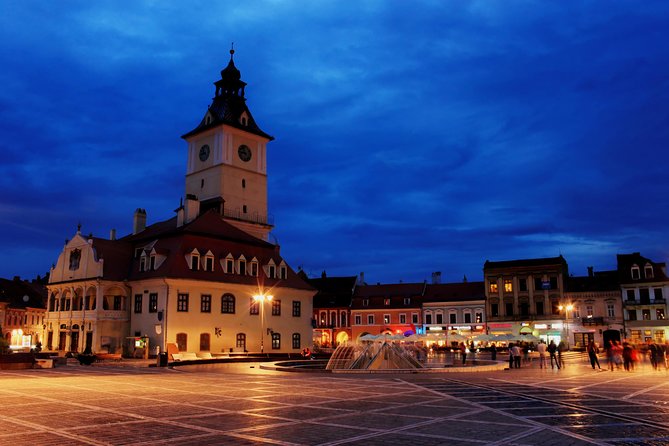
Then you reach Sibiu, a city that was European Capital of Culture in 2007. The walking tour focuses on the city’s mix of communities and styles, with stops that make sense even if you’re not a hardcore history person. You’ll visit Main Square, the Brukenthal Museum area, the Roman Catholic Cathedral, then Huet Square and the Evangelical Church. And yes, you’ll cross the Bridge of Lies and pass through the stair passage, which is one of those small urban moments that feels more memorable than it sounds.
You end in Sibiu, with enough time to settle in and not feel like you’re constantly checking out.
Cluj-Napoca and Alba Iulia: cities plus the biggest fortress vibe
Day 3 starts with a rural palate cleanser: Sibiel. This is a village replica of Sibiu, described as authentic and well preserved. The point here is to slow down and see how countryside traditions connect back to the towns.
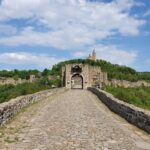
From there, the route jumps to Alba Iulia, where you’ll visit the largest fortress in Romania. It’s set inside a star-shaped layout, surrounded by 12 km of walls. The fortress story is layered: Roman fort origins, then medieval fortress, then later a Vauban-type citadel with bastions. If you like military architecture, this is a strong stop. If you don’t, it still gives you a sense of why Transylvania cities could hold their ground.
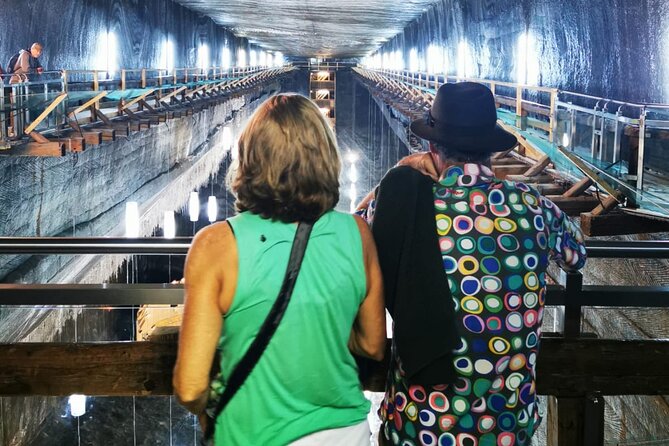
After Alba Iulia, you go to the Turda Salt Mine. This is one of the stops that makes the whole trip feel special without being complicated. You’re in salt-carved galleries and large underground halls, including one about 118 meters tall, plus a lake at the bottom. The “photo that will amaze everyone” claim is basically the vibe: it’s striking and a little surreal.
Finally, you reach Cluj-Napoca, described as the largest city in Transylvania and a place of arts and culture. The city tour starts with St Michael’s Gothic Cathedral, then Banffy Palace and Mirror Street. It’s the kind of itinerary balance I like: you get castles and villages, but you also get a city that’s alive.
Maramureș: wooden houses, Breb village, and the merry cemetery
Day 4 moves north into Maramureș, and it really feels like a different world. You’re heading toward a region presented as an open-air museum of traditions, shaped by centuries of hardship and pride.
Cluj-Napoca sightseeing comes first: St Michael’s Gothic Cathedral again gets you a strong architectural anchor, plus Banffy Palace and Mirror Street to make the city feel walkable on foot. Then you’re on the road for Maramureș.
The first major experience here is Breb, one of the best preserved traditional villages in Maramureș. You’ll do a short walk, then you get contact with local life through visiting an authentic house. This isn’t just standing in front of wood buildings; the tour includes an element of learning how people live and why the homes matter.
Lunch is set up around fresh regional products, and you’ll also get fruity liqueurs as part of the meal experience. That kind of simple local tasting is often where trips become real for me, because it sticks in your memory more than another photo of a stone wall.
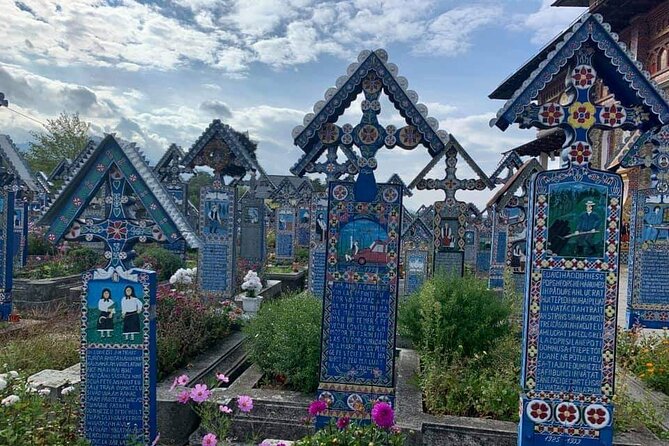
Then you head to Săpînţa, known for the world’s only merry cemetery. The wood crosses are carved and painted bright colors, each with witty, humorous quatrains inspired by the life of the person. It’s an unusual way to think about death, and it makes the cemetery less bleak and more human.
The day ends with a traditional dinner and folkloric show, followed by an overnight stay in Sighetu Marmatiei. That pairing is smart: you get culture through the day, then wrap it with performance.
UNESCO wooden churches: Poienile Izei and Barsana
Day 5 focuses on UNESCO-level wooden church architecture, and this is where the trip gives you clear cultural depth.
You’ll visit two ancient wooden churches that are part of a UNESCO World Heritage site: Poienile Izei (also linked to Iza Meadows) and Barsana. Barsana is described as one of the largest Orthodox architectural ensembles in Romania. That size matters. It changes the feel from “small chapel stop” to “big community landmark.”
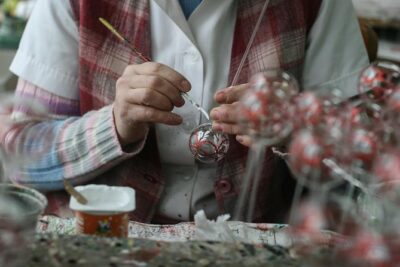
You’ll also see woodcarving as a living craft. There’s time for a workshop-style presentation by a local artisan, and you’ll have a chance to buy handmade souvenirs. That’s valuable because it’s not a generic shopping moment; it connects the object to the person and the technique.
After the church focus, you’ll have a moment for local products and regional dishes, built around the idea that locals use their own harvest. Then in the evening you reach Târgu Mureș, a city recognized for ethnic and cultural diversity. It’s a calmer end to a full day, and it helps the whole route feel less like a nonstop sightseeing sprint.

Biertan fortified church and Sighișoara’s winding steps
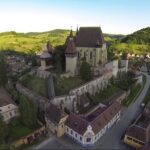
Day 6 begins with Biertan, described as the largest fortified church in Transylvania, built by Saxons in the 16th century and listed as UNESCO. A fortified church is a key Transylvania concept: faith and defense were often tied together. You’re not just looking at religious walls; you’re seeing how communities protected themselves.
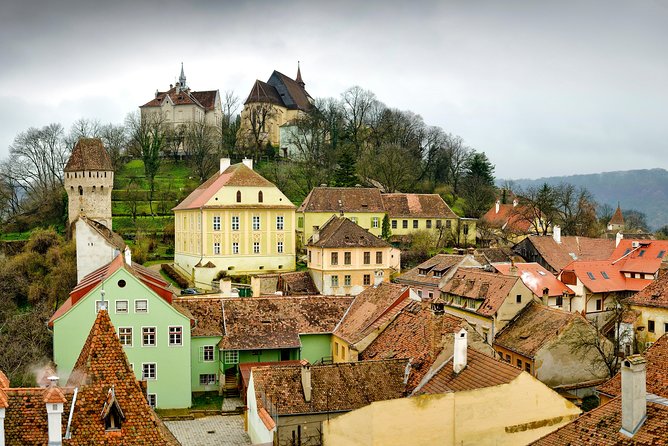
Then you go to Sighișoara, described as the only inhabited medieval fortress included in UNESCO’s World Heritage Sites. That wording matters, because it changes the experience. You’re walking a living old town rather than a preserved set.
The walking route starts toward the Clock Tower, which includes a museum of medieval weapons and a torture chamber. Then it’s up to the Church-on-the-Hill via about 300 wooden steps. This is the biggest physical moment on the trip for many people, so it’s the day where I’d wear supportive shoes and keep water handy.
After Sighișoara, the pace softens with Viscri, a countryside stop focused on peace and traditional architecture. The tour notes that Prince Charles restored one of the traditional houses there and returns every year in May. You can enjoy the architecture around that area, then take a horse-drawn carriage ride through the village.
The tour also includes a stop to visit locals and enjoy homemade cake, which is one of those simple additions that can make a day feel more than “sights plus transport.”
Finally, you reach Brașov and settle in for the night.
Brașov walk, the Black Church, and a smooth path to Bran and Dracula
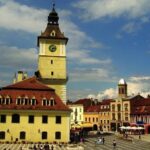
Day 7 starts with a walking tour of Brașov. It’s a city built for easy exploration on foot, and the plan keeps it focused: narrow streets, Council Square, and the Black Church. That Black Church stop is visually memorable and also a good anchor point so Brașov doesn’t become just another medieval town.
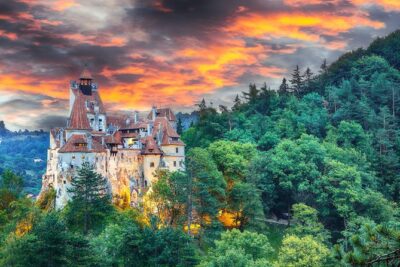
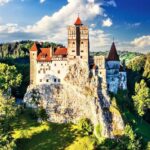
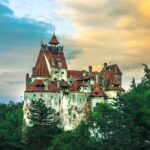
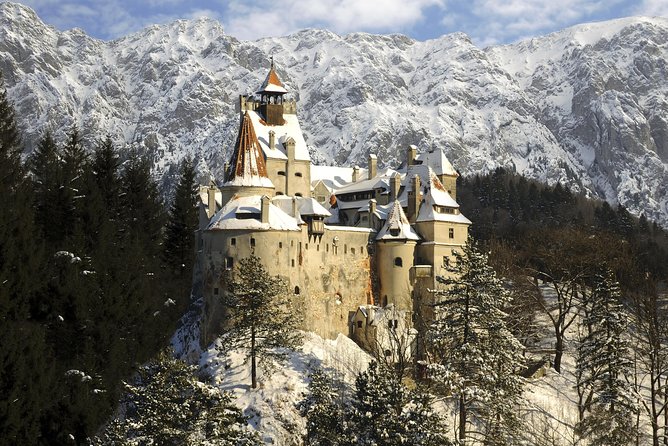
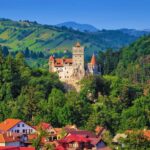
Then you head to Bran Castle, the castle most people associate with Dracula. You’ll do a full Bran Castle tour, and you’ll learn the legends that gave it its reputation. Bran sits on a 60-meter cliff and historically guarded an important access route into medieval Transylvania. Even if you don’t care about horror stories, the setting and fortification logic are the real show.
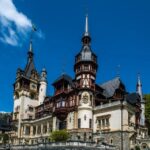
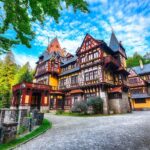
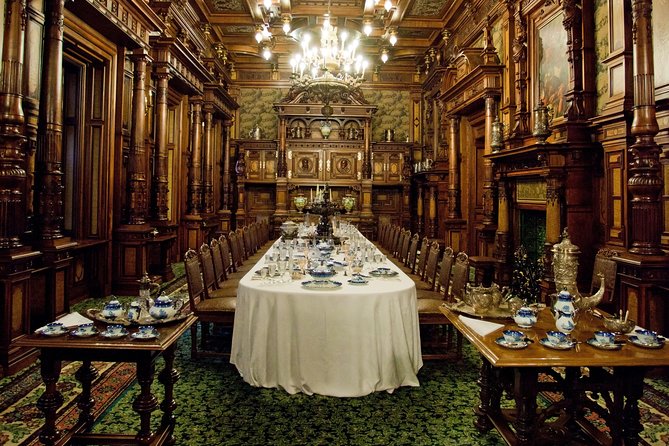
From Bran, you move to Sinaia, a mountain resort tied to the royal family. You start at the Orthodox Monastery in Sinaia, then head to Peleș Castle for a tour focused on the Gothic style and life of the Romanian royal family. The castle is credited to Carol I of Hohenzollern. It’s the kind of contrast that I love on this route: you go from spooky legend to high-style monarchy in a single day.
In the evening, you return to Bucharest for your last night, which helps you avoid a stressful late-day departure plan.
Returning to Bucharest: your last morning and an orderly finish
Day 8 is simple by design. You have breakfast, check out, then your airport transfer happens according to the schedule. The tour also includes a final walking tour of central Bucharest earlier in the day plan, which is a good way to cap things off before travel day friction takes over.
If you like closure, this kind of finish helps. You end where you started, with Romania’s story tied together instead of broken into separate vacation fragments.
Price and value: what $2,339.64 really buys
At $2,339.64 per person (based on two people sharing a double room), this tour isn’t cheap, but it’s not random pricing either. You’re paying for a guided, low-stress route across multiple regions that would be a headache to coordinate on your own.
Here’s what you get that usually costs extra if you DIY:
- Professional English-speaking guide throughout the trip
- 7 nights of accommodation in centrally located hotels
- Transportation by a modern car or minivan across the whole route
- Airport pickup and drop-off
- Several organized experiences already built in: a folk show dinner, one lunch using traditional local products, and one authentic horse-drawn carriage ride
- Breakfasts daily
- Admission tickets are marked as included on days where major sights are scheduled
What you’ll likely pay extra for:
- Entrance fees to monuments not listed as included
- Meals not specified (the tour notes they’re own expense beyond the included lunch/dinner and breakfasts)
- Health insurance and airfare
In value terms, this is best for you if you want the payoff of a big itinerary without the planning load. If you love driving and building your own day-by-day route, you might find cheaper options. If you want your schedule handled and your time focused on guided stops, this price starts to make sense fast.
One more practical detail: the tour caps at maximum 6 travelers. That keeps the experience closer to truly guided sightseeing than a crowded bus-and-stand model.
Who this Transylvania and Maramureș route suits best
This itinerary fits you well if you like:
- A guided route that connects Bucharest, Transylvania towns, UNESCO sites, and mountain regions
- Castles and fortresses, plus the smaller village stops that explain how the bigger story formed
- A mix of architecture, local food moments, and cultural performances (including the folkloric show dinner)
You should think twice if:
- You hate walking. Some walking tours are included, and Sighișoara includes the 300 wooden steps to Church-on-the-Hill.
- You’re traveling during the period when the Parliament building is closed and you strongly want that exact interior visit. The plan swaps it for Spring Palace, so you’ll still get a substitute experience, just not that specific one.
Overall, it’s a strong choice for first-timers to Romania who want a guided highlights run with real regional texture.
Should you book Classic Romania Tour (Transylvania and Maramureș)?
I’d book it if you want one organized plan that hits the headline sights and the cultural spine of the country. The best argument is the combination of Transylvania’s major stops (Sibiu, Cluj, Alba Iulia, Biertan, Sighișoara, Brașov, Bran, Sinaia, Peleș) plus Maramureș’s wooden-church and village life—all wrapped in transport and hotels so you’re not managing logistics every day.
If you’re the type who likes to control every minute and pay for your own independent tickets, a DIY route could cost less. But if your priority is time, comfort, and clear guidance across regions, this tour’s structure is built for that.
FAQ
What’s the group size for this tour?
The tour has a maximum of 6 travelers.
Where does the tour start and what time does it begin?
It starts in Bucharest, with a start time of 9:00 am.
What’s included for meals?
Breakfastes are included each day. The tour also includes one lunch with traditional local products and one folk show dinner. Other meals are not included.
Which major castles are visited?
You visit Bran Castle (with the Dracula legend focus) and Peleș Castle in Sinaia.
Is the Palace of the Parliament visit guaranteed?
No. The Palace of the Parliament cannot be visited until June, and it’s replaced with Spring Palace.
How physically demanding is the itinerary?
The tour calls for moderate physical fitness. You’ll do walking tours and there’s a climb of about 300 wooden steps in Sighișoara.