REVIEW · BUCHAREST
Explore Northern Bulgaria Day Trip from Bucharest
Book on Viator →Operated by Romania Tour Store · Bookable on Viator
Cave monks and hilltop fortresses in one day. I like how this trip connects what you see to the story behind it, especially around St Dimitrie Basarabov. I also love the built-in breathing room for lunch in Arbanasi and browsing on Samovodene Street. The main drawback: it’s a long day with serious driving, plus a few entrances you’ll likely pay on the spot.
The value here is that hotel pickup and a private vehicle handle the heavy lifting. You get an English-speaking guide, the UNESCO site visit, and organized stops so you’re not trying to figure out routes across two countries in one day.
In This Review
- Key highlights worth your attention
- How this Northern Bulgaria day trip really feels from Bucharest
- Price and value: what your $220.41 includes
- The 12-hour rhythm: long drive, good planning
- Basarbovo Monastery: the cave monastery and St Dimitrie’s connection
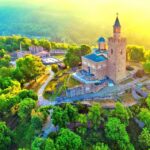
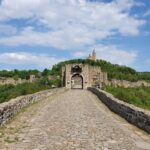
- Tsarevets and Veliko Tarnovo: Asan dynasty, fortress views, and rose-town atmosphere
- Samovodene Street: artisan time without the pressure
- Arbanasi: 17th-century houses and the half-underground Church of the Nativity
- Lunch and village time
- Konstantzalieva House (17th century)
- The half-underground Church of the Nativity
- Ruse Town walking tour on the way back
- The guide effect: what makes this feel personal
- Who should book this tour, and who should skip it
- Should you book this Northern Bulgaria day trip from Bucharest?
- FAQ
- FAQ
- What time does the tour start from Bucharest?
- How long is the trip?
- Is this tour private or shared?
- What language is the guide in?
- Does the price include pickup and drop-off?
- Are entrance tickets included?
- Is food included?
- Which main places will we visit?
- Is the Ruse Town walk guaranteed?
- What’s the cancellation policy?
Key highlights worth your attention
- Private guide time that turns monuments into plain, understandable stories
- Basarbovo Monastery, a cave monastery still inhabited by monks
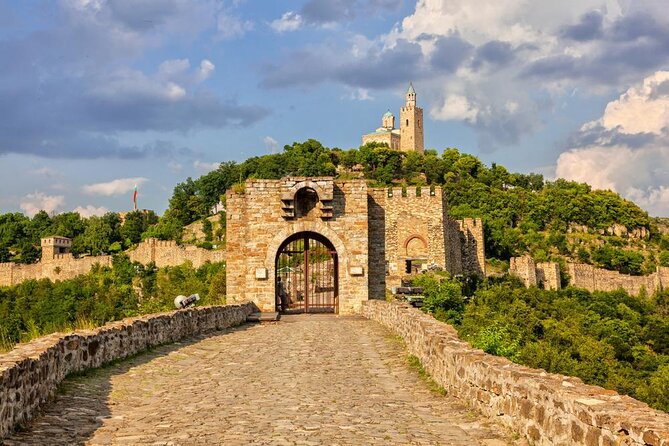
- Veliko Tarnovo and Tsarevets, on hilltop fortifications tied to the Asan dynasty
- Arbanasi’s half-underground Church of the Nativity, with standout early woodcarving in the iconostasis
- Time blocks for lunch and artisan shopping, not just rushed photo stops
How this Northern Bulgaria day trip really feels from Bucharest
This isn’t a quick hop. It’s a full day designed for people who want the highlight sites in Northern Bulgaria without switching hotels or wrestling schedules. You leave Bucharest at 8:00 am, you’re back by the evening, and you spend most of the time moving between three key areas: the Danube-side cave monastery near Basarbovo, the medieval hill capital around Veliko Tarnovo and Tsarevets, and the heritage village of Arbanasi.
What makes it work is that the itinerary is built around “different kinds of wow.” Basarbovo gives you the unusual setting of an active cave monastery. Veliko Tarnovo gives you the big medieval viewpoint factor plus the Asan dynasty story. Arbanasi adds the art-and-architecture side, especially inside the older churches and houses. You also get a short add-on walking tour in Ruse Town if there’s time on the way back.
The tone is practical: you get guide-led time where it matters, then you get small pockets of free time to reset. That balance is what makes it feel like a day you can actually enjoy, not just a parade.
You can also read our reviews of more tours and experiences in Bucharest
Price and value: what your $220.41 includes
At $220.41 per person, you’re paying for a lot of real-world logistics. This is not a bus tour where you’re stuck waiting or squeezed into a schedule. Your cost covers:
- English-speaking guide
- Hotel pickup and drop-off
- Private transport by vehicle
- Fuel surcharge, plus bridge and road tolls
- Parking fees
- Mobile ticket
What’s not included is food and drinks, and entrance tickets (budget about 10 Euro for the sites that aren’t free). From the stops listed, several are free—Basarbovo, Samovodene Street, and Arbanasi’s key sites are marked free time with free admission.
So the value question becomes simple: are you okay paying to avoid the stress of planning a same-day cross-border route, parking, and timing? If you want the day to feel guided and smooth, the price makes sense. If you enjoy independent travel and you’re confident navigating on your own, you could build a cheaper DIY day—but it likely won’t be as easy.
The 12-hour rhythm: long drive, good planning
Expect this to feel like a long day. The schedule says about 12 hours, and it lines up with the reality that the driving portion is substantial. One review notes roughly three hours of driving each way, which is exactly the kind of time gap that makes or breaks your mood.
My practical tip: treat this like a “sit-back and see” day, not a “see every corner slowly” day. If you’re the type who gets grumpy after too much time in a vehicle, bring a travel playlist, download maps offline, and plan to stretch at each stop.
Also keep an eye on weather. The experience requires good weather, so if conditions are bad, you may be offered another date or a full refund.
Basarbovo Monastery: the cave monastery and St Dimitrie’s connection
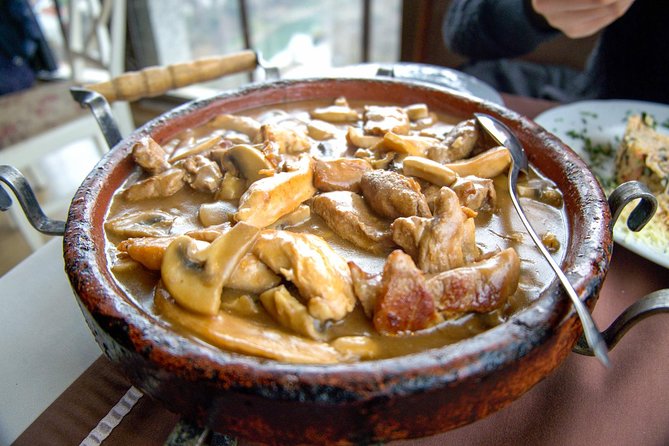
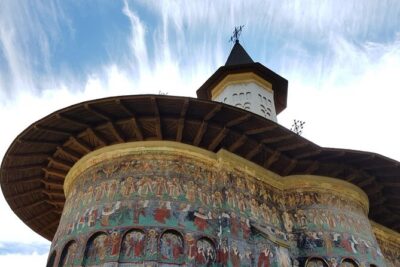
The day starts with the Danube crossing area and the first real spiritual stop at Basarbovo Monastery. This is where Northern Bulgaria gets interesting fast, because this place is not just historic—it’s a living cave monastery.
You’ll get about 30 minutes here, and the admission is free. Basarbovo is known for relics of St Dimitrie Basarabov, also described as Saint Dimitrie the New, and he’s the patron saint tied to Bucharest. The setting is the star: it’s the only cave monastery in Bulgaria still inhabited by monks, and it’s still kept for both tourists and the faithful.
What I like about starting here is that it sets a mood for the rest of the day. Even before you hit the grand fortress views, you’ve already seen a different side of the region—faith built into the rock, not just displayed in museums.
Drawback to consider: the time is short. If you want a slow, contemplative visit, you’ll need to move quickly through the main areas and focus on the moments that matter most to you.
Tsarevets and Veliko Tarnovo: Asan dynasty, fortress views, and rose-town atmosphere
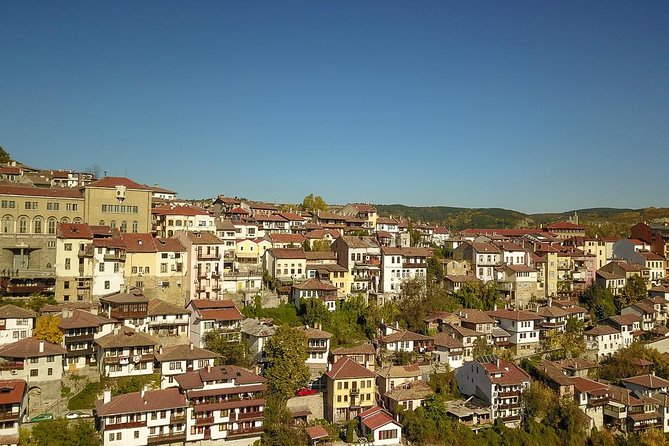
Next comes the medieval core around Veliko Tarnovo and Tsarevets. You’ll have about one hour here, and entrance is not included.
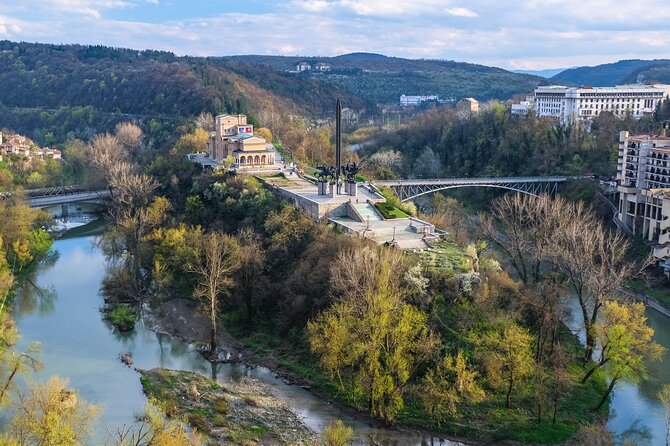
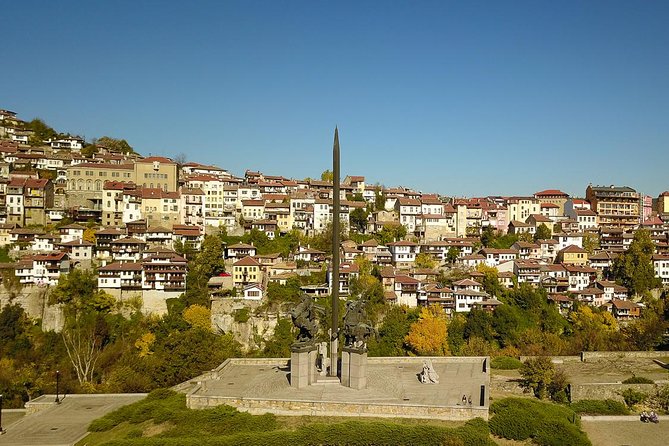
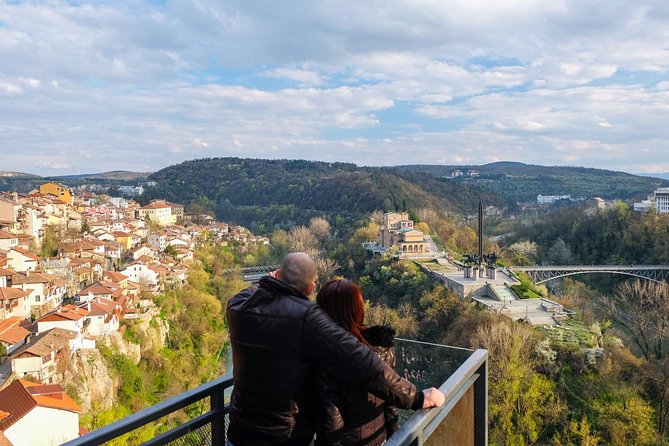
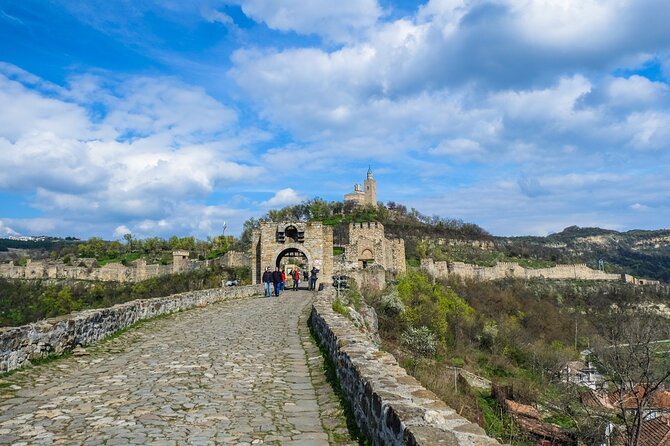
This is the part of the trip where the geography does half the work. Veliko Tarnovo sits on hills wrapped around the medieval fortress site, and the fortress area is tied to the story of the Asan kings. You’ll hear how Asan and his brother Petru built power in the 12th century, including their recognition as emperors after victories tied to Byzantine-era politics and help from people north of the Danube.
You also get the “town details” layer. The description mentions the atmosphere of the place—like the mention of roses—and you’ll see why people remember Veliko Tarnovo not just for monuments, but for how it sits in the valley and on the slopes.
One more thing worth knowing: the area is connected to legends, including ideas about hidden royal treasures and libraries tied to the burned monastery. Even if you don’t treat legends as facts, they’re useful. They give you a lens for looking around and connecting the dots.
Practical note: since entrance isn’t included, budget for that paid part of the visit within your overall entrance estimate.

Samovodene Street: artisan time without the pressure
After Tsarevets, you get a 30-minute pause at Samovodene Street with free admission. This stop matters because it breaks up the day’s heavier sights.
Samovodene Street is known for artisan shops, so this is where you can slow down, look at craftwork, and pick up small souvenirs that don’t feel like airport copies. You also get a chance to regroup—grab water, use the restroom if you need it, and reset before Arbanasi.
This time window is short, so don’t plan to shop like you have hours. Treat it as browsing plus one good find, if you spot it.
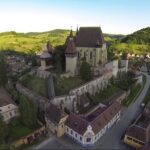
Arbanasi: 17th-century houses and the half-underground Church of the Nativity
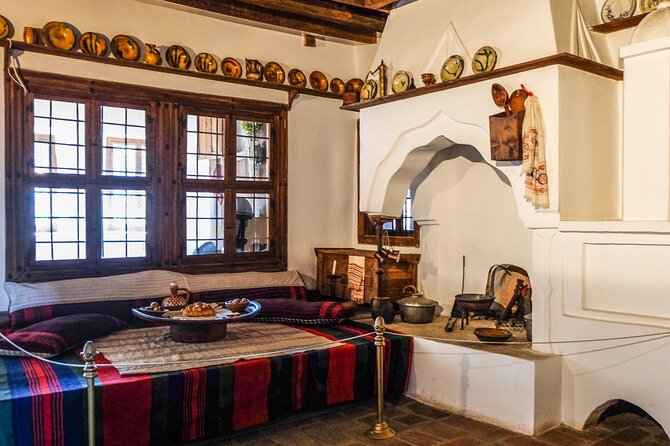
If Northern Bulgaria has a “heritage village” moment, it’s Arbanasi. You’ll get about one hour here, with free time for lunch first, then guided visits inside two key heritage stops.
Lunch and village time
You’ll have time for lunch in traditional restaurants in the village. Food and drinks aren’t included, so you’re choosing on your own here. My practical advice: pick something local and simple, then use the meal as a chance to take your eyes off the schedule for a bit.
Konstantzalieva House (17th century)
Next is Konstantzalieva House, built in the 17th century and tied to one of the rich merchant families of Arbanasi. This is the kind of stop that helps you understand who lived here and why. You’re not just looking at a church; you’re seeing how wealth and trade shaped the village.
The half-underground Church of the Nativity
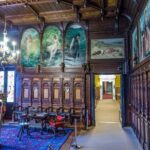
The final highlight is the half underground Church of the Nativity, described as the earliest church in Arbanasi. This is one of the most visually specific stops on the day:
- You’ll see the iconostasis, highlighted as among the earliest examples of superb woodcarving work in Bulgaria.
- The church’s depictions connect to the Orthodox calendar, with scenes tied to January, February, and March.
- Those calendar scenes are linked to Old Testament stories, including martyrdom scenes of different saints.
Even if you don’t know Orthodox iconography, you’ll likely leave with a stronger sense of what “church art” means here. It’s narrative art—organized storytelling you can follow by month and scene.
Admission for the Arbanasi portion is marked as free in the provided info, which makes this stop feel like a great deal of cultural value for your time.
Ruse Town walking tour on the way back
On the return leg, if time allows, you get a short walking tour in Ruse Town in Ruse Province. This is about one hour, and it’s also marked as free.
Ruse is positioned as a Bulgarian harbor town, and you’ll focus on key attractions plus walking on the main commercial street. This stop is a nice “soft landing” back toward Romania. It’s not built as a deep dive, but it gives you a sense of daily life and how the Danube corridor shaped towns.
Drawback to consider: because it’s conditional on time, you might not get the full walk if the schedule is tight.
The guide effect: what makes this feel personal
This is a private tour, so your guide isn’t performing for a crowd. You’ll get an English-speaking guide who explains the sites in a way that’s meant to click.
The names showing up in real experiences include guides like Angelica and Ian, and the common theme is how helpful they are with context—history tied to what you’re looking at, plus a friendly, attentive style. If you enjoy asking questions or you like understanding what you’re seeing rather than just snapping photos, you’ll probably feel well looked after.
A small but important detail: pickup is arranged from your hotel lobby area. That removes a major stress point when you’re heading out of Bucharest for a long day.
Who should book this tour, and who should skip it
This tour is a good fit if you:
- Want UNESCO-style and major heritage stops in one day
- Prefer a private, guided pace rather than planning your own route
- Like architecture and religious sites with clear stories behind them
- Want a day that feels structured but still has free time for lunch and browsing
You might skip it if you:
- Hate long car rides and want a shorter day
- Plan to spend hours at each site
- Want total control over food choices and local wandering without timing blocks
Should you book this Northern Bulgaria day trip from Bucharest?
I think this is a smart booking if you want the highlights and you value convenience. The mix is strong: cave monastery atmosphere at Basarbovo, medieval fortress storytelling at Tsarevets, and the distinctive art inside Arbanasi’s Church of the Nativity. You also avoid a lot of logistics headaches because the private vehicle, guide, and pickup/drop-off are all handled.
The decision comes down to your tolerance for a long day. If you’re okay with that trade—extra driving for extra sights—then this works well. If you’d rather slow travel, you might prefer a multi-day Bulgaria plan.
If you do book, I’d pack for a long sit:
- comfortable shoes for walking
- snacks or water if you get hungry between stops
- a weather check mindset, since good conditions matter
FAQ
FAQ
What time does the tour start from Bucharest?
The tour starts at 8:00 am. Your guide meets you in the hotel lobby area.
How long is the trip?
The duration is listed as about 12 hours. Plan for a full day.
Is this tour private or shared?
It’s a private tour, meaning only your group participates.
What language is the guide in?
The tour is offered with an English-speaking guide.
Does the price include pickup and drop-off?
Yes. Hotel pickup and drop-off are included.
Are entrance tickets included?
Some entrances are not included, and you should budget around 10 Euro. Basarbovo, Samovodene Street time, and Arbanasi stops are marked as free in the itinerary info.
Is food included?
No. Food and drinks are not included, though Arbanasi includes free time for lunch.
Which main places will we visit?
You’ll visit Basarbovo Monastery, the Tsarevets/Veliko Tarnovo area, Samovodene Street, Arbanasi (Konstantzalieva House and the Church of the Nativity), and possibly Ruse Town on the return.
Is the Ruse Town walk guaranteed?
It’s listed as if time allows on the way back to Bucharest, so it’s not guaranteed.
What’s the cancellation policy?
You can cancel for a full refund up to 24 hours before the experience’s start time, and the cutoff is based on local time.