Bucharest’s Old Town has real plot twists. This 2-hour walk turns cobbled lanes and churches into a lived-in timeline, with small group attention and communist-era anecdotes that explain what you’re seeing, not just what’s written on plaques.
I love that it includes a taste of one of the best covrigi in town, plus a guide who talks like a human. People have praised guides such as Mihelia and Anita for blending building facts with stories about daily life and politics in Bucharest.
Do wear comfortable shoes. You’ll be on uneven old-street surfaces, and at just two hours you may have to balance time spent staring up at details versus keeping pace with the whole set of stops.
In This Review
- Key things you’ll notice on Hidden Bucharest
- Turning Old Town Bucharest into a timeline you can walk
- University Square: your easy start point with a local anchor
- Russian Church and the 1989 Revolution story behind the gold
- “Lady Liberty” in an alley: a fun way to train your eyes
- Wolf Statue, Romulus and Remus, and the myths that guide the city
- St. George Old Church and the Great Fire lesson you’ll repeat
- Covaci Street: artisans, demolitions, and one excellent covrigi stop
- Ruins of a medieval castle and the satisfaction of accidental discovery
- Comedy Theatre inside a hospital: one of Bucharest’s oddball surprises
- French Street stroll and the History Museum from a different angle
- Price, group size, and whether this is good value
- Should you book Hidden Bucharest: Discover Secrets of the Old Town?
- FAQ
- How long is the Hidden Bucharest: Discover Secrets of the Old Town tour?
- Where does the tour start?
- Where does the tour end?
- How much does the tour cost?
- What’s included in the tour price?
- Is the tour offered in English?
- Is it a small group?
- Are there multiple starting times?
- What should I bring?
- Is there free cancellation?
Key things you’ll notice on Hidden Bucharest
- Russian Church (golden cupolas) paired with 1989 Revolution stories you’ll remember long after the walk.
- A treasure-hunt moment for a Lady Liberty-style figure tucked into a small alley.
- The Wolf Statue and Romulus-and-Remus legend as a shortcut into Bucharest’s older myths.
- St. George Old Church + Great Fire storytelling, with context that makes the architecture feel personal.
- Covaci Street and communist-era demolition scars, plus a stop for an excellent covrigi street snack.
- Comedy Theatre inside a hospital and other offbeat stops that keep the tour from feeling like a checklist.
Turning Old Town Bucharest into a timeline you can walk
This tour is built like a good conversation: you start at a recognizable landmark, then the guide pulls you through scenes that connect street corners to bigger events. You don’t just pass churches and statues. You get the “why it matters” behind them, especially the heavy stuff from the communist period and the sharper turn of 1989.
What makes it work is pacing. In two hours you cover enough ground to feel like you explored the Old Town, but not so much that you’re sprinting. The small size helps too—maximum 12 people means you can actually hear the guide and ask questions without feeling like a prop in someone else’s narrative.
And because this is a walking tour, you’ll also pick up practical instincts fast. You learn which streets to linger on later, where cafes and storefronts make sense to pop into, and which streets feel like “real Bucharest” instead of museum space.
You can also read our reviews of more tours and experiences in Bucharest.
University Square: your easy start point with a local anchor
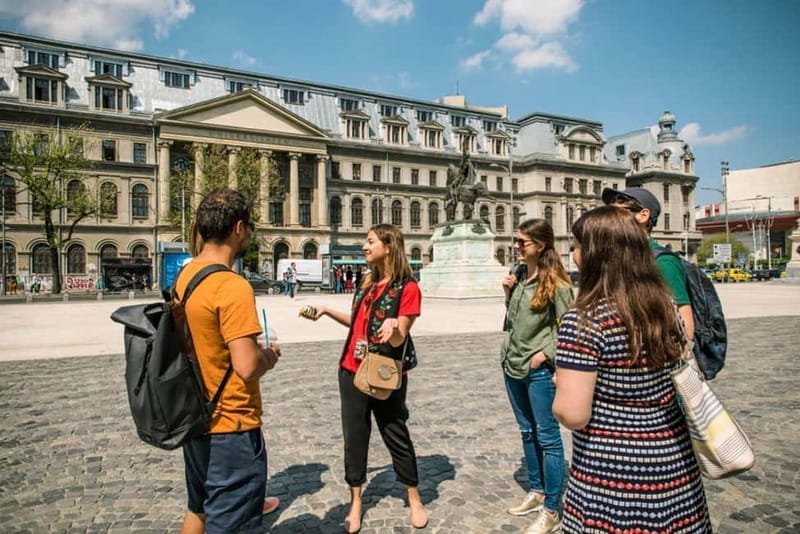
You begin back at University Square, in front of the statue of Michael the Brave—the only horse statue in the square. It’s a smart meeting spot: it’s central, easy to find, and it gives you a clear “before we go into the Old Town” reference point.
From there, the tour enters the Old Town proper. You start by stepping into the area with a stop in front of the Russian Church, which sets the tone right away: this is not a gentle stroll that skips context. It’s history tied to visible landmarks.
Even if you’re short on time in Bucharest, this is useful. You’ll end up with a mental map that makes the rest of your stay easier—where you are, what you’re looking at, and why certain buildings and streets matter.
Russian Church and the 1989 Revolution story behind the gold

The Russian Church is hard to miss, thanks to its golden cupolas. The guide frames the church as more than a pretty façade. It’s your doorway into heroic stories connected to the 1989 Revolution, the kind of events that shaped the city’s modern identity.
This is one of the strongest parts of the tour because it changes how you see the architecture. If you only walked by on your own, you’d likely admire the shape and color and move on. With the Revolution context, you start noticing details like how the building sits in its setting and why people remembered it the way they did.
If you like history that feels tied to real places—not just dates in a book—this stop will click. It’s also a good way to start because the imagery helps you stay engaged even when the topic turns serious.
“Lady Liberty” in an alley: a fun way to train your eyes
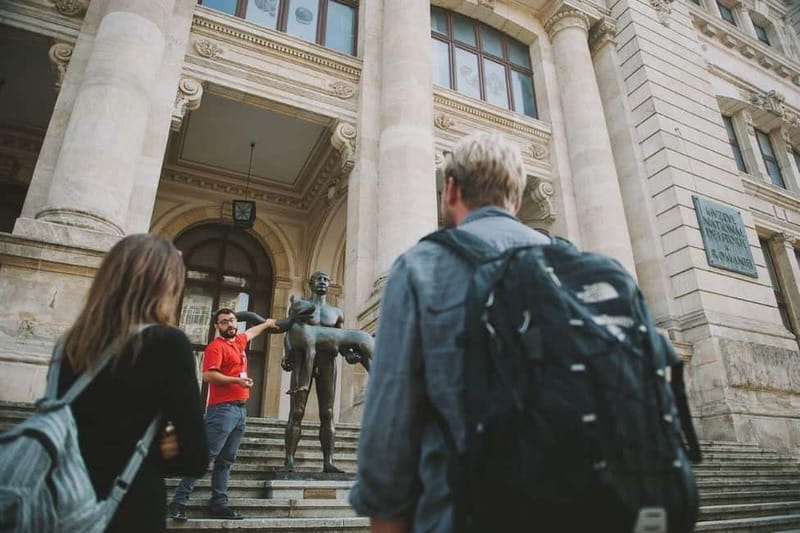
After the Russian Church stop, the tour turns into a small treasure hunt. In a narrow alley, you’ll look for a version of Lady Liberty—your guide essentially turns you into a detective.
I like treasure-hunt moments because they do two things. First, they break the “walk, listen, repeat” rhythm. Second, they teach you to slow down and actually look at the street level details you’d otherwise miss.
You’ll also walk through the Old Town with a different mindset. Instead of scanning for big landmarks only, you begin noticing corners, facades, and odd little symbols. That’s how the tour makes the city feel more readable, even after it ends.
Wolf Statue, Romulus and Remus, and the myths that guide the city
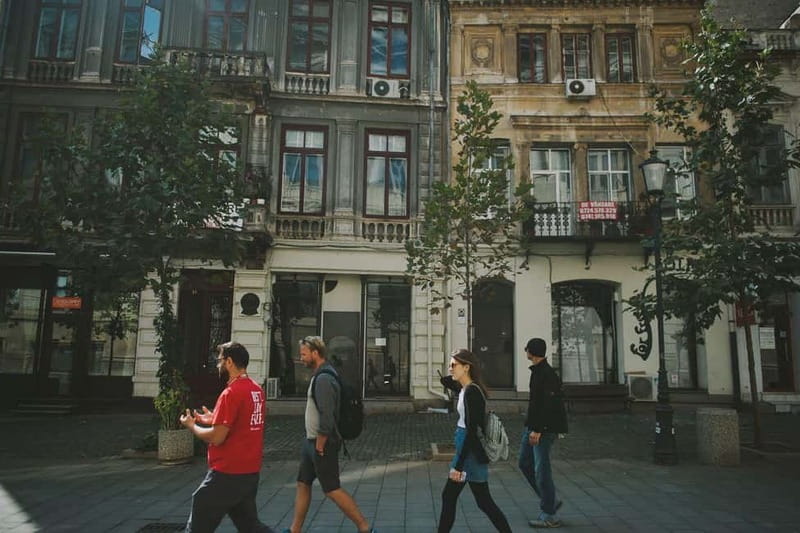
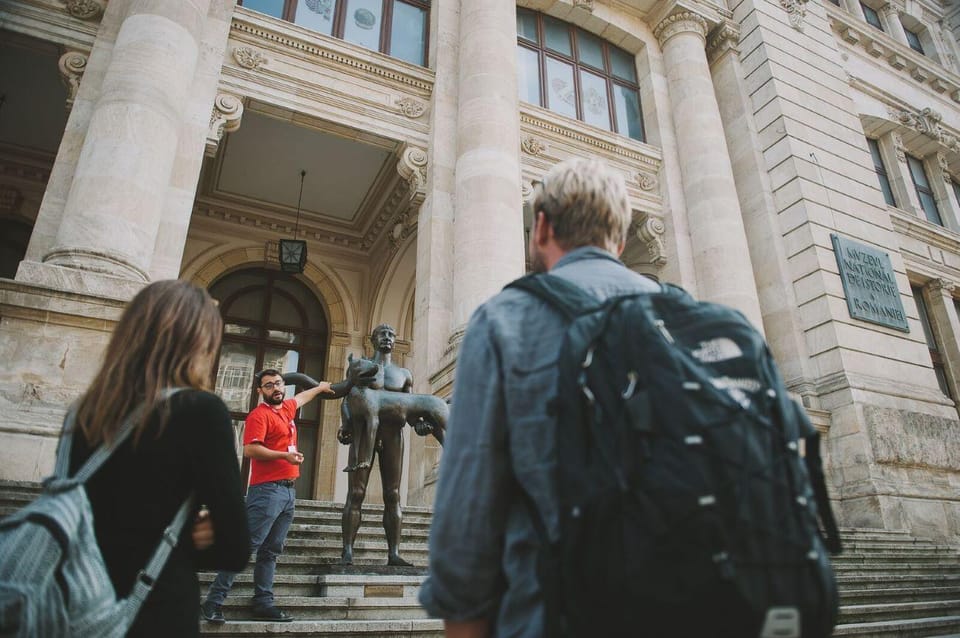
Next up is the Wolf Statue, tied to the legendary tale of Romulus and Remus. This is your hint that Bucharest’s identity isn’t only 20th-century stories. You’re also dealing with much older myths people use to explain origins and meaning.
It’s the kind of stop that’s quick but memorable. Statues can feel like background noise on a walking trip, but when someone explains the legend behind the image, it becomes a story you carry forward. You’ll be more likely to connect that symbolism to other ancient references you might notice around town later.
And because the guide is moving you through the Old Town in sequence, you don’t feel like you’re collecting random facts. Everything builds: Revolution here, ancient legend there, and churches and streets that quietly hold both.


St. George Old Church and the Great Fire lesson you’ll repeat
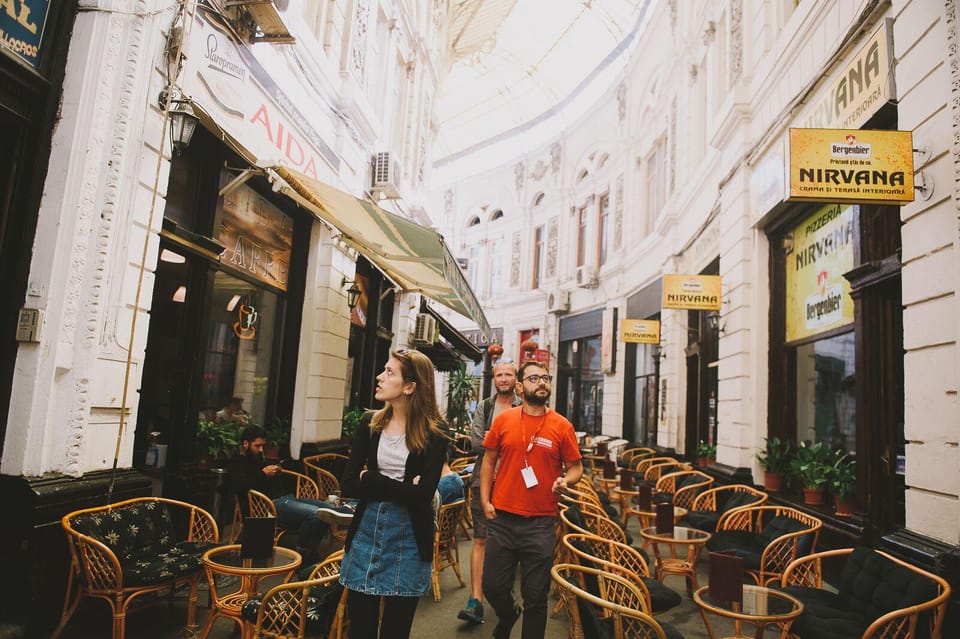
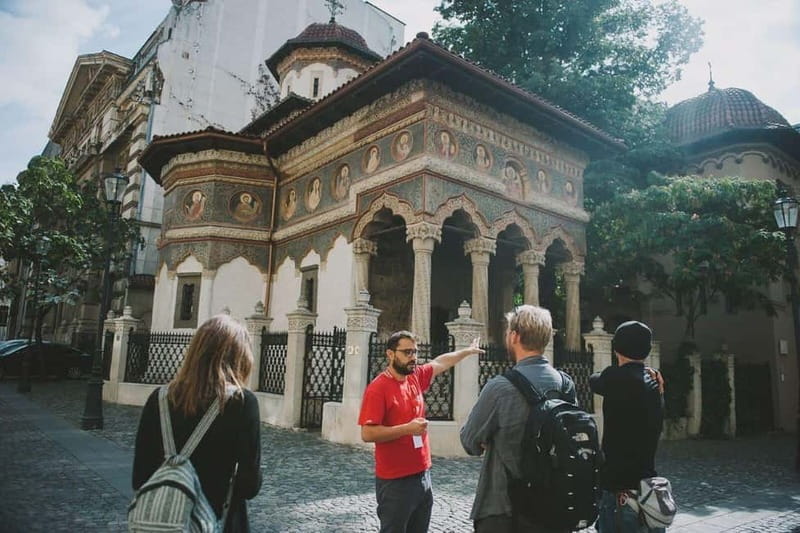
Then you reach St. George Old Church, presented as a serene stop with exquisite architectural details and sacred history. Even without going inside, the exterior details can be easier to appreciate when you understand what the place represents and what the guide is trying to point out.
From there, the tour brings in the story of the Great Fire. It’s framed as a major moment in Bucharest’s history that shaped the city’s landscape and resilience. You get context that makes the city feel like it has layers—some planned, some rebuilt, some scarred.
This part matters for your trip because Old Town streets can look “timeless” even when you know they’ve been through huge changes. The guide helps you see those changes as part of the city’s personality, not as interruptions.
If you like thoughtful storytelling, this is where the tour starts to feel personal. You’re not just looking at old buildings. You’re learning why Bucharest developed the way it did.
Covaci Street: artisans, demolitions, and one excellent covrigi stop
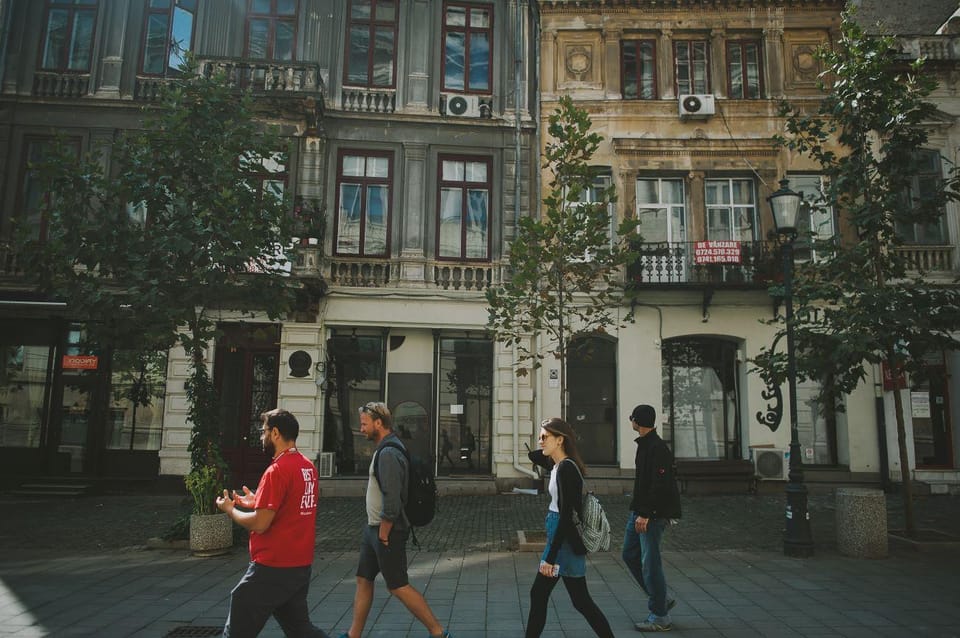
Covaci Street is where the tour slows down emotionally. It once held trade of artisans and craftsmen, and you’ll learn how that lively working life shaped the street. Then the guide places a darker layer over it by pointing to scars of demolitions during the communist era.
That contrast is important. Bucharest isn’t only pretty buildings. It’s also a city that saw forced change, and the Old Town bears visible marks from that era. When the tour talks about demolitions, it helps you understand why some streets feel different in rhythm and density from what you might expect.
And then—food. You taste a traditional covrigi street snack, described as one of the best in town. I love that the stop isn’t an afterthought. It’s timed so you can keep listening while you eat, and the snack becomes part of the experience instead of a random break.
If you’re the type who plans to eat Romanian snacks anyway, this is great value. You get guided context plus a real taste you can also hunt down later.
Ruins of a medieval castle and the satisfaction of accidental discovery
One of the highlights is stumbling upon ruins of a medieval castle. This stop works because ruins feel different than restored landmarks. Even with limited time, you can sense the city’s age through what’s left behind.
There’s also something satisfying about how you find it. This tour doesn’t just point you to famous postcard spots. It mixes in places where you have to look for meaning, even if the structure is incomplete.
For practical sightseeing, this is useful. Ruins are often easier to appreciate on a walk with context, because you don’t need to know everything up front to understand why it’s there. The guide gives you enough framing to make the stop land.
Comedy Theatre inside a hospital: one of Bucharest’s oddball surprises
The tour includes a visit to the Comedy Theatre, with a particularly memorable twist: it’s hidden inside a hospital. That detail alone tells you what kind of experience this is. Bucharest has a habit of putting culture where you don’t expect it.
In this stop, you’ll hear about how laughter and entertainment fit into the city’s life. The guide’s tone helps you connect the theater to the larger pattern you’ve been learning: Bucharest adapts, transforms, and keeps moving even when institutions and political systems change.
This is also a great moment for questions. With a guide on hand, you can ask what’s unique about how Bucharest functions, how public life shifted over time, or why certain buildings ended up with surprising roles.
French Street stroll and the History Museum from a different angle
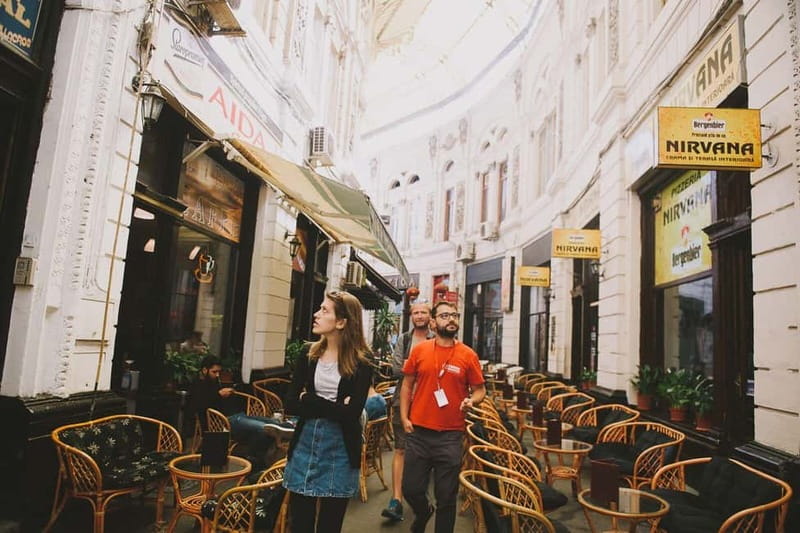
After the theater, you’ll stroll along French Street. The guide frames it with a Parisian allure—cafes and boutiques that make the capital feel like it’s borrowing a little style from elsewhere. Even if you’re not shopping, this segment gives your feet a calmer stretch.
Then comes the History Museum from a unique angle. Instead of just saying “there’s a museum,” you get a fresh perspective on Bucharest’s heritage and evolution. The key benefit here is that you’re learning how to look at it. It’s easier to decide later whether you want to go inside, because you already know what you should pay attention to.
This combination—street atmosphere plus museum perspective—helps you use the rest of your time more wisely. You’re not guessing what’s worth your limited museum hours. You have a guide’s viewpoint to steer you.
Price, group size, and whether this is good value
The price is $33 per person for a 2-hour walk, and it includes a local English-speaking guide plus a traditional covrigi street snack. For that amount of time, that’s solid value if you’re the kind of traveler who likes meaning, not just movement.
Two things make it worth the money:
- You get context you can’t easily find while wandering. The 1989 Revolution stories, the Great Fire explanation, and the communist-era demolition references connect the dots.
- You get a food stop included. Covrigi is a quick, high-reward taste that makes the walk feel complete, not like you’re always paying extra.
Group size matters too. With a maximum of 12 people, you’re less likely to feel lost in the back row. It’s also child-friendly, with children under 6 permitted to join free of charge, which can be a big deal for families trying to avoid pricey “adult-only” tours.
If you’re sensitive to walking on cobblestones, that’s the main practical consideration. This is still a walking experience, so comfortable shoes aren’t optional if you want to enjoy it.
Should you book Hidden Bucharest: Discover Secrets of the Old Town?
I’d book it if you’re visiting Bucharest for the first time or you want to understand what you’re seeing without doing homework. The best fit is someone who likes short, guided structure, enjoys food as part of sightseeing, and doesn’t mind when history gets emotional.
Skip it only if you want a slower pace with lots of time sitting inside museums, or if you strongly dislike uneven old streets. This tour is built for momentum plus storytelling, and it works best when you’re okay with that format.
If you have two hours and you want your Old Town experience to feel like more than a photo loop, this one is a smart use of your time.
FAQ
How long is the Hidden Bucharest: Discover Secrets of the Old Town tour?
It lasts 2 hours.
Where does the tour start?
It starts in University Square, in front of the statue of Michael the Brave.
Where does the tour end?
It ends back at the meeting point.
How much does the tour cost?
The price is $33 per person.
What’s included in the tour price?
A local English-speaking guide and a traditional covrigi street snack are included.
Is the tour offered in English?
Yes, the live guide speaks English.
Is it a small group?
Yes. It’s a small-group tour with a maximum of 12 people.
Are there multiple starting times?
Starting times vary, so you’ll need to check availability to see what’s offered.
What should I bring?
Wear comfortable shoes.
Is there free cancellation?
Yes. You can cancel up to 24 hours in advance for a full refund.