REVIEW · BUCHAREST
Private: RedPatrol Bucharest Contrasts Tour in a Vintage Car
Book on Viator →Operated by Red Patrol · Bookable on Viator
A Dacia ride turns Bucharest into a time machine. This private Bucharest of Contrasts tour strings together royal-era elegance and post-communist grit, using a fully restored Dacia 1300/1310 and a guide who explains what you’re seeing street by street.
I love the vintage-car feel and how the drive itself becomes part of the story, plus the hotel pickup and drop-off that keeps your day simple. In particular, I liked hearing the commentary from guides such as Mihai and Ivan Crinu, who connect neighborhood details to the bigger political shifts that shaped daily life.
One thing to consider: the Dacia is a classic car with no modern comforts like AC/ABS/GPS, so weather matters. (Red Patrol does heat the cars in wintertime, which helps a lot.)
In This Review
- Quick hits you’ll actually notice
- Entering Bucharest by Restored Dacia
- Price and Logistics: What You Really Get
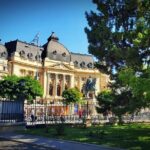
- Stop 1: Academia Română and the Break in Ceaușescu’s Demolition Plans
- Stop 2: Fântână in the Royal Bourbon Neighborhood
- Stop 3: Cotroceni Palace Gardens and Belle Époque Bucharest
- Stop 4: Drumul Taberei Park and the Working-Class Block Reality
- Stop 5: Ferentari’s Fallen Industrial Pieces and Rahova’s Market
- Stop 6: Fosta Uzină Rocar Ruins and the Socialist Factory Afterlife
- Stop 7: Broscuțe Park and the Stalinist Colonel’s Quarter
- Stop 8: Palace of Parliament as Bucharest’s Giant Contrast Magnet
- The Guides Make It Work: Mihai and Ivan Crinu’s Storytelling Style
- Comfort, Timing, and What to Expect Day-of
- Who This Tour Fits Best (and Who Might Skip It)
- Should You Book This Bucharest Contrasts Tour?
- FAQ
- Is this tour private?
- How long is the Bucharest of Contrasts tour?
- What’s included in the price?
- Do I need to pay for tickets at the stops?
- Will I drive the Dacia?
- What language is the tour offered in?
- What’s the cancellation policy?
Quick hits you’ll actually notice
- Restored Dacia 1300/1310: classic ride, safe and street-legal, and you won’t be driving.
- Real neighborhood contrasts: from Academia Română and Cotroceni gardens to Drumul Taberei and Ferentari.
- Photo-friendly stops with stories: short walks, viewpoints, and photo moments built into the route.
- Some entries are covered: Fosta Uzină Rocar and Broscuțe Park include admission.
- Multiple time periods in 3–4 hours: monarchy, communist planning, Soviet-era quarters, and post-1989 impact.
- Heated in winter: useful comfort detail if you book in colder months.
Entering Bucharest by Restored Dacia
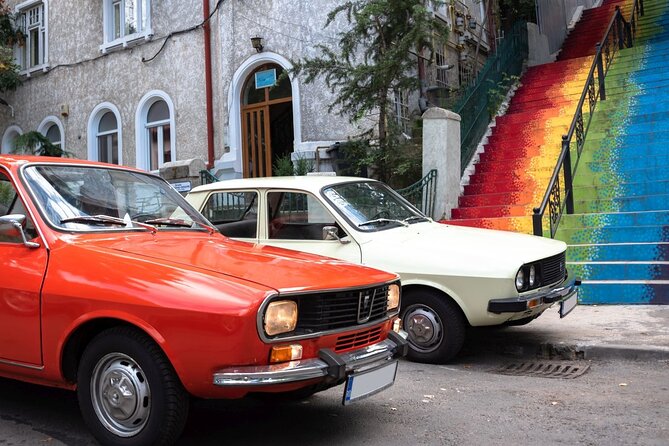
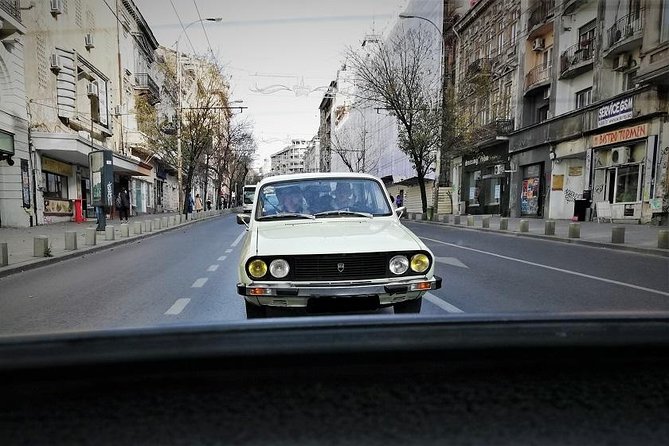
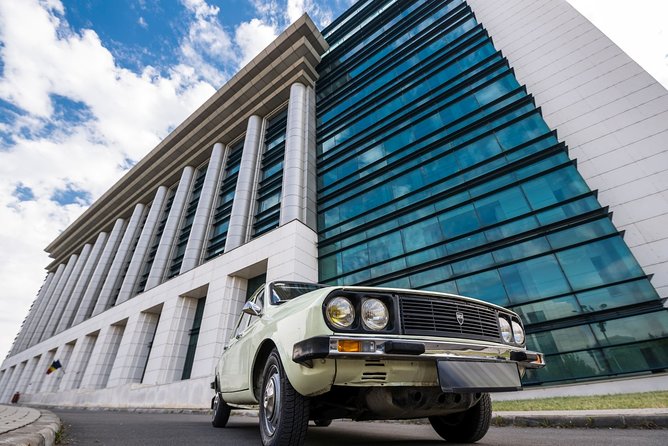
This tour works because it does two things at once. You get the practical ease of pickup from anywhere in Bucharest, and you also get a moving history lesson. The car is a classic Dacia 1300/1310—fully restored and meeting safety rules—but it’s still a period vehicle. That means the ride feels a lot more like local transport history than like a modern coach.
The big win is how the neighborhoods line up in your mind. In one stretch, you’re seeing royal and belle-époque Bucharest, and not long after you’re looking at working-class communist blocks and the industrial leftovers of the socialist era. Then the route snaps you back to the present with places like Rahova’s market area and the huge political monument of the Palace of Parliament.
And yes, this is the part people remember: the car. You won’t drive it. You’ll sit back while a driver/guide handles the route, so your attention stays on the streetscape and the explanations.
You can also read our reviews of more private tours in Bucharest

Price and Logistics: What You Really Get
At $126.43 per person for roughly 3 to 4 hours, you’re paying for a private, guided, city-crossing experience with transportation built in. The value comes from the combination: hotel pickup/drop-off, a professional local guide plus driver, water in the car, and a personalized tour gift.
It’s also a smart way to avoid wasting time. Bucharest has plenty of history that’s spread out, and this route is designed to move you between it without you juggling transit, parking, or timing. You’ll also get an English-speaking guide, and you should plan for a short-but-real amount of time at each stop rather than one long museum visit.
Two practical notes from the reality of classic cars:
- The Dacia doesn’t come with modern driver comforts (no AC/ABS/GPS/automatic gear drive, and classic steering/servo behavior). In hot or cold weather, you’ll feel it more than in a contemporary car.
- In winter, the cars are heated, which is the kind of small detail that makes the difference between a fun ride and an unpleasant one.
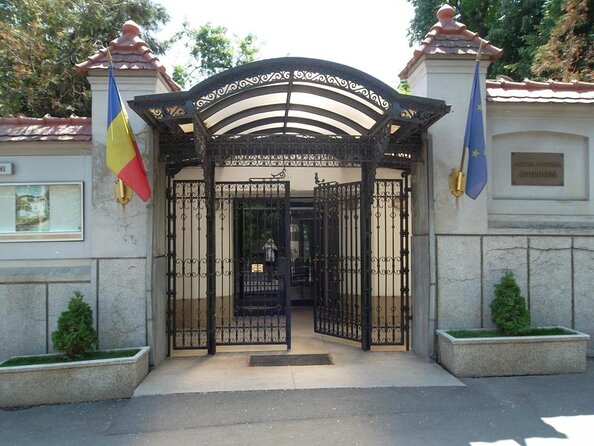
Stop 1: Academia Română and the Break in Ceaușescu’s Demolition Plans
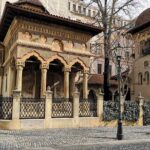
You start at Academia Română, with about 20 minutes on-site. This stop matters because it connects a specific, human-scale fact to a much bigger story: during the 1980s, Nicolae Ceaușescu’s demolition plans were supposed to reshape parts of the city, but the work halted due to the Romanian Revolution.
So what’s the point for you? It’s a fast way to get oriented. Even if you don’t know Bucharest’s full timeline yet, the guide’s explanation helps you see that the city you’re walking through wasn’t just built—it was also interrupted, stalled, and rerouted by major political events.
Admission isn’t included here, so you should treat it as a presentation stop. You’ll get the context and photos, and if you want to go further inside, you’ll need to check what you can access separately.
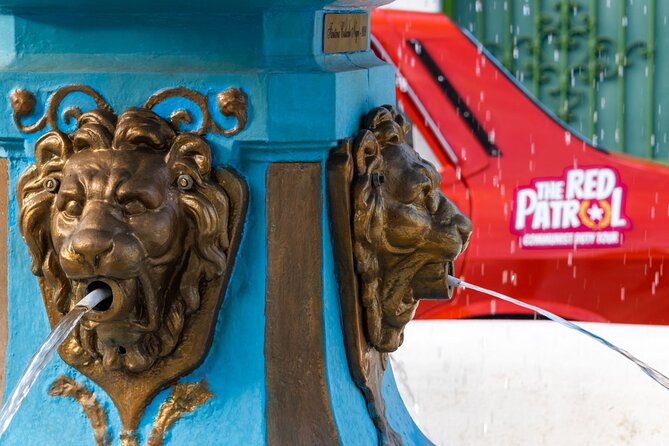
Stop 2: Fântână in the Royal Bourbon Neighborhood
Next is Fântână, around 15 minutes, in a neighborhood tied to the bourgeoisie that began in the 19th century and links to the first Royal Palace of Romania. This stop is shorter by design, which is helpful when you’re doing multiple periods in one half-day. It keeps the pace moving and builds momentum.
Here, admission is free. That’s a simple detail, but it affects how stress-free the stop feels. You’re less likely to hit an awkward moment where you’re standing outside thinking you need to buy something just to get full value.
If you like “see it, understand it, move on” tours, this is a good example of how the route stays efficient.
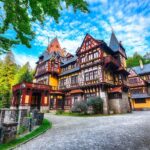
Stop 3: Cotroceni Palace Gardens and Belle Époque Bucharest
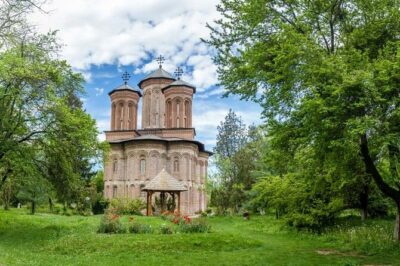
Then you shift to Cotroceni Palace’s gardens for about 30 minutes. This is described as the first Royal Palace of Romania, built in the Modern Monarchy era, with a focus on belle-époque Bucharest.
Why it’s a worthwhile change of pace: the route deliberately doesn’t keep you in communist-era mood. Spending half an hour in gardens and grounds gives your brain a reset. You can look at the space as a symbol of power and lifestyle, then later compare it with how the socialist government reshaped neighborhoods and daily routines.
Admission isn’t included at this stop, so expect another guided presentation. You’ll get the “what you’re looking at and why it matters” explanation, not a promise of every interior space.

Stop 4: Drumul Taberei Park and the Working-Class Block Reality
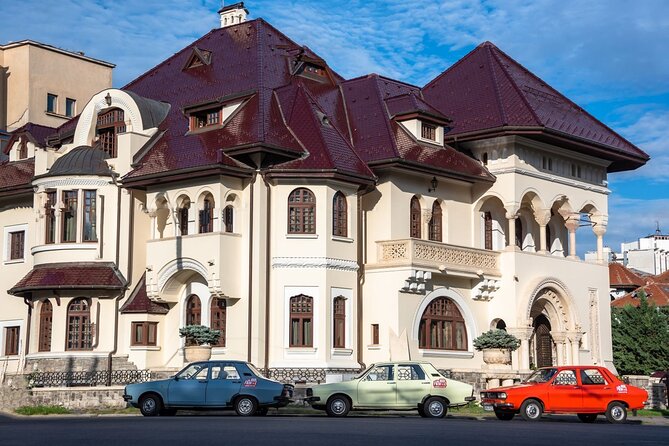
After the calmer feel of Cotroceni, you land in Parcul Drumul Taberei (about 20 minutes). This is working-class communist Bucharest, where the massive apartment blocks reflect a planned society.
The guide also connects this area to a smaller, telling detail: a shopping mall was built on the ruins of a communist canteen. That kind of sentence is why this tour feels more real than just looking at big buildings. You’re learning how ideology and everyday needs collided, and how the city repurposed those spaces later.
This stop is great for photos and short storytelling, but remember it’s still presentation-focused and time-limited. You’re not here for hours of walking.
Stop 5: Ferentari’s Fallen Industrial Pieces and Rahova’s Market
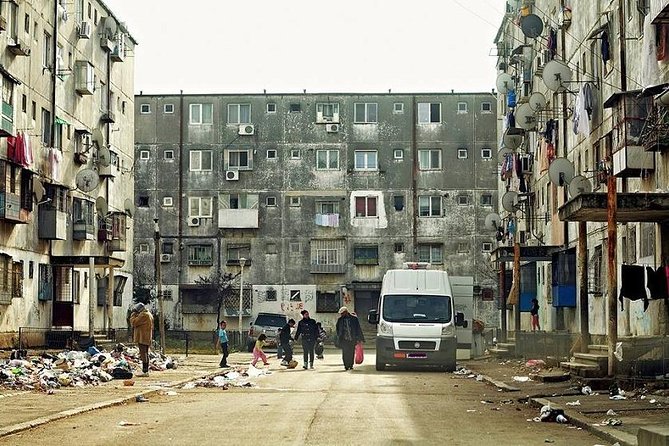
From Drumul Taberei, the route moves through the Ferentari fallen industrial area built by communists in the 1970s, then into Piața Rahova (about 30 minutes). This is where the tour earns its name: contrasts.
Ferentari is framed as one of the most contrasting areas in Bucharest, often described with terms that point to high poverty and “ghetto-style” buildings. But the important part is how the guide gives you context without turning the visit into sensationalism.
At Piața Rahova, you’ll explore the Ferentari blocks of flats area and visit a peasant market. This is one of the stops most likely to make you slow down. Markets are where you see how people actually live: what’s for sale, how food culture shows up, and how everyday routines keep going despite the neighborhood’s reputation.
Admission isn’t included here. That means your value is in what you can see around you, the guide’s explanation, and the time for photos—not in paying for a formal attraction.
Stop 6: Fosta Uzină Rocar Ruins and the Socialist Factory Afterlife
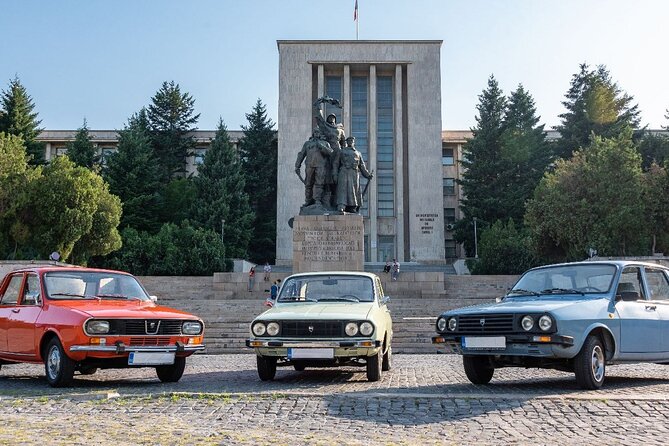
Next is Fosta Uzină Rocar, the ruined area of socialist industrial times. You get about 20 minutes and, unlike a few other stops, admission is included.
This is a powerful contrast location. Factories and industry were central in socialist planning, and when the socialist system collapsed, many of those factory zones didn’t become cleanly repurposed. Instead, they were left behind. Standing near ruins while a guide links the space to the rise and fall of the neighborhood helps you understand the post-socialist transformation in a more tangible way.
This is also a stop that suits people who like “then-and-now.” You’re not asked to romanticize hardship. You’re asked to notice how the built environment carries political and economic decisions long after the decisions are gone.
Stop 7: Broscuțe Park and the Stalinist Colonel’s Quarter
You then move to Broscuțe Park (about 20 minutes) and into the Colonel’s Quarter, the first Soviet occupation-era neighborhood. This stop centers on life during Stalinist days in Bucharest, guided in a brief but pointed way.
Broscuțe Park being admission-included matters for a reason: it reduces admin friction and keeps your time focused on the story. Parks and outdoor spaces can be especially good for this kind of tour because you’re not trapped indoors. You can take in the feel of the neighborhood and connect it to what the guide explains about authority, housing patterns, and daily life.
If you’re hoping for a tour that connects politics to ordinary people, this stop is one of the most direct “daily life” moments in the route.
Stop 8: Palace of Parliament as Bucharest’s Giant Contrast Magnet
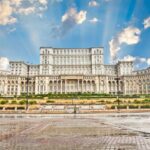
The final big anchor is the Palace of Parliament, described as the biggest civil building in the world. You’ll have about 20 minutes, with a focus on the neighborhood story and the House itself.
What makes this stop click is the scale of the contrast. The palace sits in a neighborhood of 20 square kilometers, and it was rebuilt after complete demolition. That’s not just an architectural detail—it’s a political one, and it ties back to the tour’s theme across centuries: leaders reshape cities, and people live with the results.
Admission isn’t included here, so plan on a guided exterior-and-context style stop. If you were hoping for a full interior visit, you might want to pair this with another activity later, but as a contrast finale, this works well. It gives you a big image to carry away after smaller neighborhood scenes.
The Guides Make It Work: Mihai and Ivan Crinu’s Storytelling Style
One reason the tour earns such high marks is how the explanation lands. In the reviews I saw, guides like Mihai were praised for being professional, friendly, and focused on making the story make sense. Another guide, Ivan Crinu, came through repeatedly in praise for deep knowledge and a sense of humor that keeps heavy themes from feeling heavy.
That matters. Bucharest’s twentieth-century story includes revolution, socialist planning, and economic collapse. A good guide turns those concepts into something you can actually point to: blocks of flats, industrial zones, the meaning of a park, the oddity of a mall built on old ruins.
So if you tend to learn best through conversation and street-level details, this tour style should fit you.
Comfort, Timing, and What to Expect Day-of
Expect a half-day format with multiple short stops rather than one long stop. That’s how you cover enough variety to see the contrasts without your legs or patience getting crushed.
A few practical expectations based on the data:
- You won’t drive the Dacia; your driver handles the route.
- You’ll have water in the car.
- Cars are fully restored and designed for safety on the road.
- Red Patrol doesn’t allow pets, and children under 10 can’t join.
- You’ll get a mobile ticket and a confirmation at booking time.
For best comfort, dress like you’re doing outdoor sightseeing in a city: layers if the weather swings, shoes you don’t mind getting a little dusty if you’re stepping around market areas or uneven edges.
Who This Tour Fits Best (and Who Might Skip It)
This is ideal if:
- You want a focused introduction to Bucharest’s socioeconomic contrasts in 3–4 hours
- You like history explained through neighborhoods, not only monuments
- You’re excited by the novelty and feel of a restored Dacia
- You appreciate a guide who can connect big political events to everyday places
You might think twice if:
- You prefer modern comfort in the car year-round, especially because AC and other features aren’t part of the classic Dacia setup (heating is provided in winter)
- You want only museum-style stops with lots of indoor time
Should You Book This Bucharest Contrasts Tour?
Yes, if your goal is a memorable, street-level understanding of Bucharest—royal beauty on one side, communist-era planning and post-socialist change on the other—served up in a classic car experience that makes the day feel different from the usual hop-on city tour.
It also earns a booking spot because it’s private and time-efficient: pickup, transport, guide-led stops, and water are all handled, so you can spend your energy on looking closely and asking questions. At $126.43 per person, it’s not a budget bargain, but for many people it lands as a smart value because you’re buying narration, transport, and a set of contrasts that would be time-consuming to assemble on your own.
If you’re booking, pick a time when you’ll be comfortable in an older car, and wear shoes suited for short stops and market-side walking. Then let the guide do the work of translating what you see into what it means.
FAQ
Is this tour private?
Yes. It’s a private activity, so only your group participates.
How long is the Bucharest of Contrasts tour?
It runs about 3 to 4 hours (approx.).
What’s included in the price?
You get hotel pickup and drop-off, a professional local guide and driver, transport in a guided circuit, water in the car, a personalized tour gift, and heated cars during wintertime.
Do I need to pay for tickets at the stops?
Some stops include admission while others do not. The tour data specifies that admission is included for Fosta Uzină Rocar and Broscuțe Park, and admission is free at Fântână; other stops indicate admission is not included.
Will I drive the Dacia?
No. You will not drive the Dacia car.
What language is the tour offered in?
It’s offered in English.
What’s the cancellation policy?
You can cancel for a full refund if you cancel at least 24 hours in advance of the experience start time. If you cancel less than 24 hours before, the amount paid will not be refunded.