REVIEW · BUCHAREST
The Real Story of Gypsies – Slavery in Romania
Book on Viator →Operated by BUSINESS TRAVEL SOLUTIONS · Bookable on Viator
Romania’s streets carry stories people avoid. This small-group walk through central Bucharest connects Roma history to visible landmarks, from a former slaves market site to a Holocaust memorial, and then finishes with living craft at Mesteshukar ButiQ. I also liked how the guide keeps the facts clear and answer-ready—my guide, Mihai, spoke strong English and took time with questions.
Two things I really liked: the tour’s focus on hard history in the open air (not in a dusty room) and the way it ends with Roma craftsmanship, so you get more than tragedy. The main drawback is tone: you’ll spend a good part of the walk on persecution, including slavery and genocide memorials, so it’s not an ideal pick if you want a light sightseeing day.
In This Review
- Key highlights you should know
- Why this 3-hour walk starts at Teatrul Ion Creangă
- Piața Amzei: the old slaves market site and what it signals
- Palatul Stirbei (1835): power, ownership, and historical friction
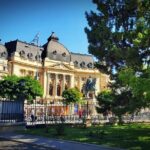
- From the Romanian Athenaeum to Cismigiu Park: arts, myths, and daily life
- Holocaust Memorial: the somber stop that deserves your full attention
- Iuliu Maniu statue: language, identity, and political memory
- Mesteshukar ButiQ: ending with copper craft and living culture
- Price and pace: is $30.04 worth your time?
- Who this tour fits best (and who should skip it)
- Should you book The Real Story of Gypsies – Slavery in Romania?
- FAQ
- How long is the tour?
- Is the tour offered in English?
- Where does the tour start and end?
- What time does it start?
- Is there admission cost for the stops?
- How large is the group?
Key highlights you should know
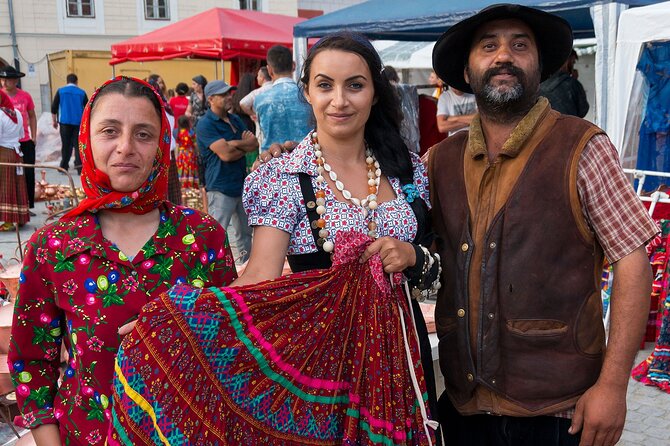
- Roma slavery and memory in plain sight around Piața Amzei and Bucharest’s public spaces
- Stop-by-stop context that links buildings and statues to how stereotypes and policy shaped daily life
- Holocaust Memorial visit honoring Roma victims alongside other persecuted groups
- Cismigiu Park walking break—green space in the middle of heavy topics
- Mesteshukar ButiQ craft finish with copper work made by Roma artisans
Why this 3-hour walk starts at Teatrul Ion Creangă
This tour is built for a city-without-a-map day. You meet at Teatrul „Ion Creangă” – Sala Mare, in the Piața Amzei area (Strada Piața Amzei 13). The start time is 10:00 am, and you end at Mesteshukar ButiQ on Bulevardul Mihail Kogălniceanu 12, so it doesn’t feel like a round trip.
The group stays small—max 15 people—which matters for a topic like this. When questions come up, you’re not shouted-over. The timing also works: the tour runs about 3 hours, with roughly 1 hour 20 minutes walking, and the rest used for short stops and explanation.
Logistics are easy enough for most people. You get a mobile ticket, and the meeting area is near public transportation. All the stop locations are listed with admission ticket free, so you’re not juggling extra costs as you go.
If you do like to plan ahead, the price is pretty straightforward: $30.04 per person. For a guided, small-group, multi-stop history walk that includes a memorial and a craft workshop visit, I’d call it good value—especially because you’re paying for context and clarity, not just for moving between sights.
You can also read our reviews of more tours and experiences in Bucharest.
Piața Amzei: the old slaves market site and what it signals
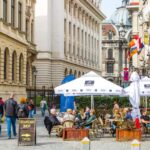
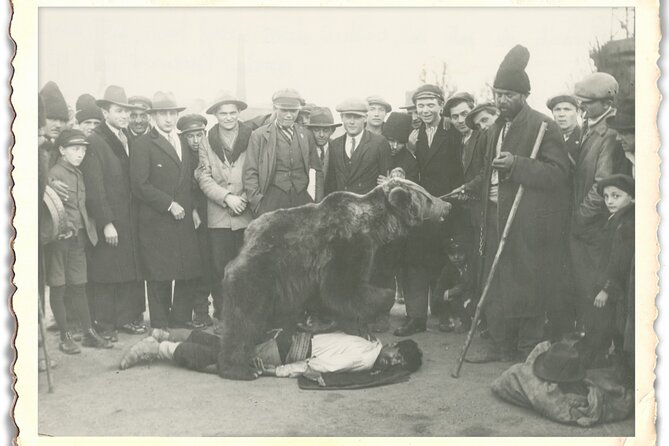
Your first stop is Platoul Piata Amzei. The guide anchors you right away at a site tied to a former slaves market, described as a haunting reminder of Romania’s complex history with the Roma community.
This is the part of the tour where I think the pacing matters. You’re not just seeing a plaque and moving on. The goal is to understand how human trafficking and forced labor created long-term social labels, fear, and myths—then how those ideas echo even after slavery ended. In real city form, the past isn’t far away; it’s attached to the way public space gets used.
What you’ll do here:
- Listen to background about the trade in human lives linked to Roma identity
- Ask questions while the group is still fresh and focused
A practical consideration: plan on absorbing this emotionally. It can hit harder because it’s placed in an everyday Bucharest neighborhood rather than behind museum glass. If you’re sensitive to topics about forced exploitation, take that seriously—not as drama, but as a signal that you’ll want a slower day afterward.
Palatul Stirbei (1835): power, ownership, and historical friction
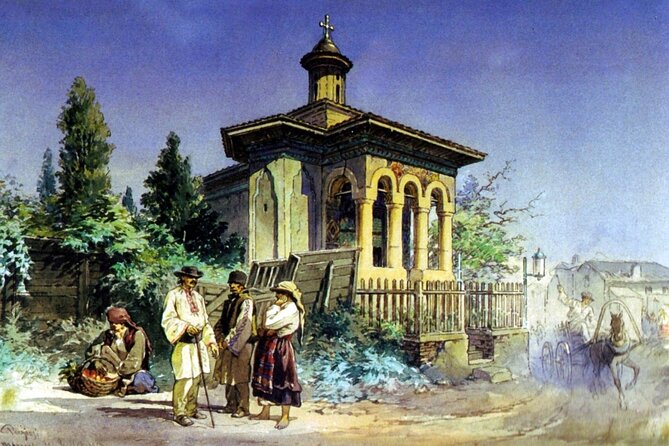
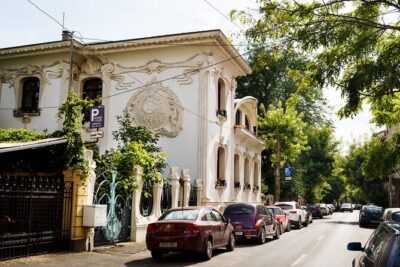
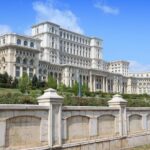
Next up is Palatul Stirbei, a palace in Bucharest built in 1835. This stop looks like a classic historic-building moment—architectural eye-candy on a city walk—but the tour reframes it. The palace is tied to a key moment in Roma history in Romania, connected through its owner.
I like that the guide doesn’t treat architecture as decoration. Buildings like this can be a shortcut to understanding who held status and who got excluded. When the palace comes into the story, you start seeing how wealth and authority affected what people could safely do—where they could live, how they could be treated, and whether their rights mattered.
What makes this stop useful:
- It links a “pretty landmark” to real human consequences
- It shows history as a system, not just isolated events
The only drawback is that this stop is short—about 10 minutes—so you might want to jot down notes or do a quick follow-up reading later if something sparks your interest.
From the Romanian Athenaeum to Cismigiu Park: arts, myths, and daily life
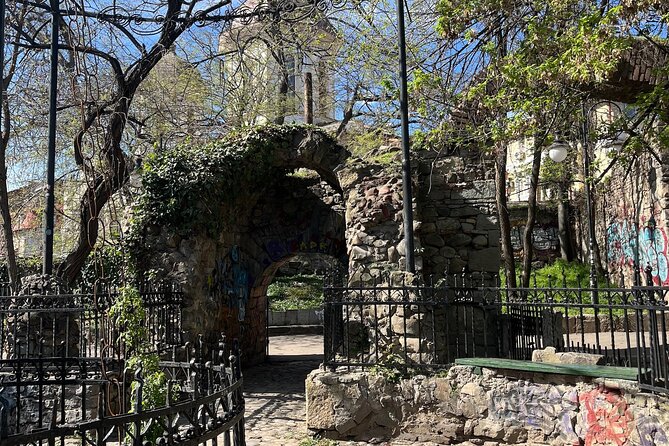
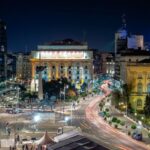
You’ll pass Ateneul Roman, the Romanian Athenaeum. It’s a big, iconic building—built for national pride and public culture. In the tour’s hands, it becomes more than a photo stop. The guide explains the role of the arts in shaping perceptions of the Roma community over time.
That’s a smart angle. Stereotypes don’t only come from laws and violence; they also come from stories people tell. When you place culture next to a community that has been stereotyped for centuries, you can see how art can both challenge prejudice and reinforce it. You start noticing the difference between representation and reality.
Then the tour shifts to Cismigiu Parc, the oldest and largest garden in Bucharest. This is one of those “breather” moments that still has purpose. The guide connects the calm setting to the myths and truths about Roma history—using a quiet walk as a way to keep your brain from burning out on heavy content.
At this stage, what I found helpful is the contrast:
- Big-city symbols of national culture (Athenaeum)
- A green space that makes the rest of the story feel human and grounded (Cismigiu Park)
You’ll spend about 15 minutes here. It’s long enough to reset your mood without dragging the schedule. Just remember: even the park conversation is still about history, not just scenery.
Holocaust Memorial: the somber stop that deserves your full attention
The tour takes a somber turn at the Holocaust Memorial. This is described as an important Romanian landmark commemorating the Holocaust, including the thousands of Roma lives lost to persecution and genocide.
I appreciate that the tour treats Roma victimhood as part of the Holocaust narrative, not an add-on. For many people, Holocaust history gets taught as a single track, and the focus can be too narrow. Here, the message is clearer: Roma people were targeted for extermination and suffered catastrophic losses.
What to expect:
- A quiet, respectful moment in a memorial setting
- Time set aside for remembrance and understanding
If you’re photographing, keep it sensitive and brief. This isn’t a place to treat grief like a backdrop. Take the full stop in, and let the guide’s framing land.

Iuliu Maniu statue: language, identity, and political memory
After the memorial, you head to the Iuliu Maniu Statue for another history anchor. The tour connects this stop to a moment in Roma history when they were still very much called Gypsies.
That naming detail matters. Terms change over time, and those changes often reflect politics, power, and who controls public labels. This stop is basically a reminder that language isn’t neutral. Words used in official life can either recognize dignity—or freeze stigma into everyday speech.
The stop is around 15 minutes, which keeps it from turning into a lecture. Still, it’s enough time to connect the idea of naming with how societies decide who belongs.
Mesteshukar ButiQ: ending with copper craft and living culture
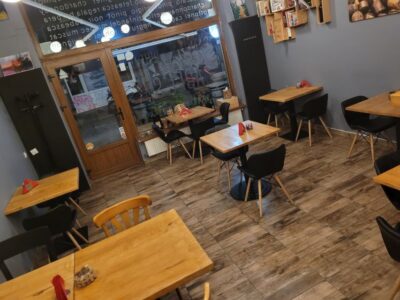
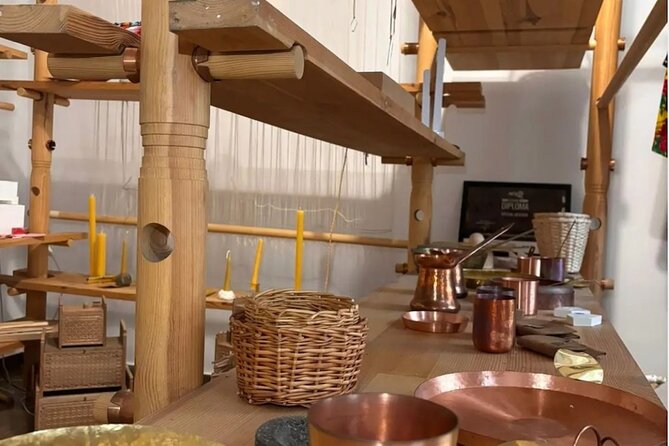
The tour closes at Mesteshukar ButiQ, a small shop with products manufactured by Roma craftsmen. The focus is on work with copper, letting you see craft as something current, not only historical.
This part is a big reason the whole tour works. Without it, a tour like this can leave you with only pain. With it, you get a fuller picture: Roma culture isn’t only defined by what happened to people—it’s also defined by what people make, teach, and keep alive.
What you’ll likely experience at the end:
- A chance to see copper craft
- A slower, more human-feeling finish after the memorial stop
If you like souvenirs, this is the better kind to shop for. Instead of buying a mass-produced item, you’re supporting makers tied to the tradition being shown. Even if you don’t buy anything, it’s worth going in with curiosity, because you’ll leave with something more than photos.
Price and pace: is $30.04 worth your time?
Let’s talk value plainly.
You’re paying $30.04 for a 3-hour guided walking experience in English, with a small group (max 15), multiple meaningful stops, and an end visit to a crafts shop. The stops are listed as having free admission, so you’re not hit with extra fees mid-walk.
Where this price feels especially fair:
- You get expert framing for difficult topics in real public spaces
- You get Q&A time with an English-speaking guide (and on my experience, Mihai was ready to answer)
- You finish with an authentic craft encounter, not just another viewpoint
Where you should be careful:
- If you hate walking, you’ll need to like at least some street time. The schedule includes about 1 hour 20 minutes of walking, and Bucharest sidewalks can be variable.
- If you want a casual, entertainment-heavy day, this tour’s content is heavy by design.
One more small note: this tour is commonly booked about 10 days in advance. That doesn’t mean it sells out constantly, but it does mean planning ahead is smart if you’re aiming for a specific day.
Who this tour fits best (and who should skip it)
This tour is a strong match if you:
- Want history tied to real Bucharest locations
- Prefer guided context over self-guided reading
- Are interested in how persecution and stereotypes shaped public life
- Like your sightseeing with purpose, and you can handle emotional topics
You might skip it if you:
- Want only light, carefree sightseeing
- Don’t feel ready for slavery and genocide-related content
- Prefer purely architectural tours with no heavy historical framing
Should you book The Real Story of Gypsies – Slavery in Romania?
I’d book it if you’re coming to Bucharest for more than photos. This is the kind of tour that helps you make sense of what you see: palaces, memorials, major landmarks, and even a garden, all connected to how Roma history has been written—and what people are still working to remember.
The key decision point is your mood. If you’re okay facing hard history respectfully, you’ll walk away with clearer context and a closing moment that shows craft and culture as something living. If you’re looking for a fun afternoon with zero heavy moments, pick something else and save this one for when you’re ready.
FAQ
How long is the tour?
It runs for about 3 hours.
Is the tour offered in English?
Yes, it’s offered in English.
Where does the tour start and end?
It starts at Teatrul „Ion Creangă” – Sala Mare (Strada Piața Amzei 13) and ends at Mesteshukar ButiQ (Bulevardul Mihail Kogălniceanu 12).
What time does it start?
The start time is 10:00 am.
Is there admission cost for the stops?
Each listed stop is marked as admission ticket free.
How large is the group?
The tour has a maximum of 15 travelers.