REVIEW · BUCHAREST
Transylvanian week
Book on Viator →Operated by Transylvanian Tours · Bookable on Viator
One road in Romania can feel like a time machine. This Transylvania week strings together castles, fortified churches, and real medieval power—without making you plan it yourself. You’ll ride between historic cities, learn the stories behind Vlad the Impaler and the region’s mix of rulers, and end the trip with a Bucharest evening that helps everything sink in.
What I like most is the way this tour treats history as a lived place, not just dates on a sign. The licensed guide-led walking in cities like Sibiu and Brasov, plus stops inside major sites like Cozia Monastery and the fortified churches, makes the legends feel grounded.
A second big plus is the pacing. You get 6 nights in three-star superior hotels or guesthouses with breakfast, plus lunch included, while a private air-conditioned vehicle handles the long stretches. One possible drawback: it’s a packed route with multiple stops each day, so you’ll want to be comfortable spending serious time in the car.
In This Review
- Key highlights to expect on Transylvanian Week
- Cozia Monastery and the drive through the Olt Valley
- Sibiu’s plazas and Council Tower views (the Saxon-city feel)
- Corvin Castle and the John Hunyadi power story in Hunedoara
- Biertan, Malâncrav frescoes, and Sighisoara’s UNESCO citadel glow
- UNESCO stops on the way to Brasov: Saschiz, Viscri, Rupea, Prejmer
- Brasov by day and night: Black Church and the fortress view
- Peles Castle on the Prahova Valley: the royal contrast day
- Price and what you’re really buying at $2,166.68 per person
- What makes the guide matter: Gelu and fast, helpful adaptation
- Who this Transylvania week is best for
- Should you book Transylvanian Tours for Transylvania week?
- FAQ
- How long is this Transylvanian Week tour?
- What’s included in the tour price?
- Do you get picked up from Bucharest?
- Is this tour private?
- What meals are included besides breakfast?
- Are tickets and admissions covered?
- What happens if I cancel?
Key highlights to expect on Transylvanian Week
- Licensed guiding for legends and context, including the Vlad thread that runs through the trip
- UNESCO Saxon fortified churches like Biertan, Malâncrav, Prejmer, and other standout fortifications
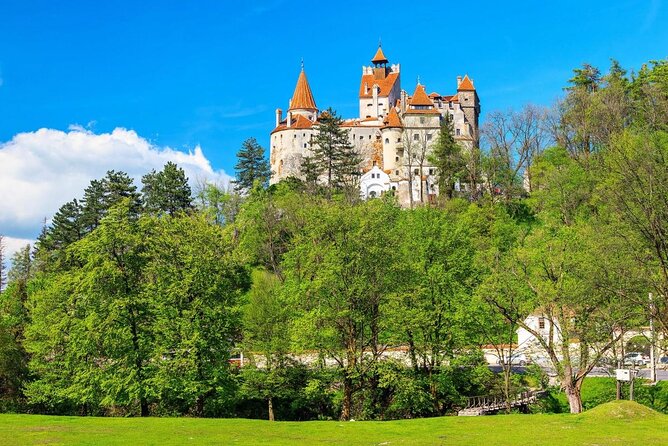
- Big-name castles on the itinerary: Corvin Castle and Bran Castle, plus Peles Castle on the way back
- Real old towns on foot, including Sibiu’s main squares and Brasov’s Rope Street
- Comfort included, with 6 nights in 3-star superior hotels/guesthouses and breakfast each morning
- Private transport in an air-conditioned vehicle, so you’re not piecing together rides
Cozia Monastery and the drive through the Olt Valley
Day 1 starts with an easy handoff: pickup from your Bucharest hotel or the airport, then straight into the Romanian countryside by private car. Your first major stop is Cozia Monastery, founded in 1388 by Mircea the Elder, a Wallachian prince tied to the family line behind the Vlad story. Even if you’re not chasing Dracula alone, that connection gives you a reason to pay attention to names and timelines as you go.
After you arrive, don’t rush the monastery grounds. These places in Romania reward a slower look: stone details, carved religious art, and the plain fact that people have returned to these sites for centuries. The tour notes admission is free for Cozia, which is nice when you’re budgeting time and money.
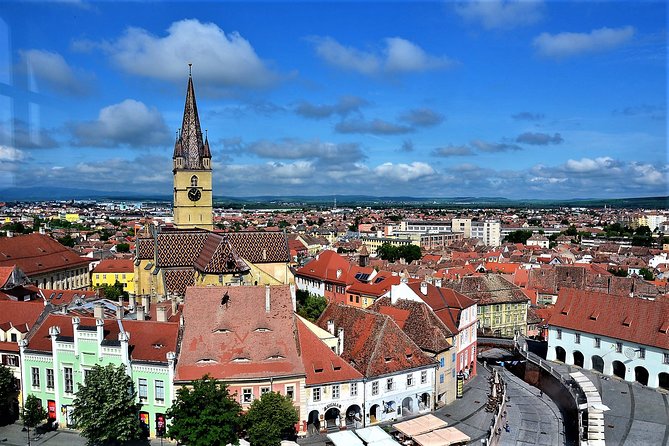
Then you shift to Sibiu, where the tour gets practical fast: you’ll get a guided old-city walk, then a climb up to views from the Council Tower. It’s one of those “do it early” moments, because the old town’s layout makes more sense once you see it from above. You’ll walk major plazas—Grand Square, Small Square, and Albert Huet Square—and then visit big religious landmarks, including the Orthodox Cathedral and the Evangelical Church.
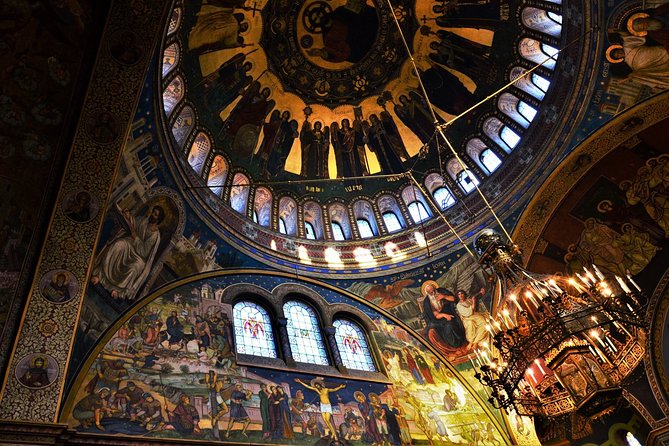
A clever detail here: the Orthodox Cathedral is described as having similarities to the Saint Sophia Basilica of Constantinople. Whether or not you compare every architectural element, it gives you a mental frame for why different Christian traditions shaped Transylvania’s look.
You can also read our reviews of more tours and experiences in Bucharest
Sibiu’s plazas and Council Tower views (the Saxon-city feel)
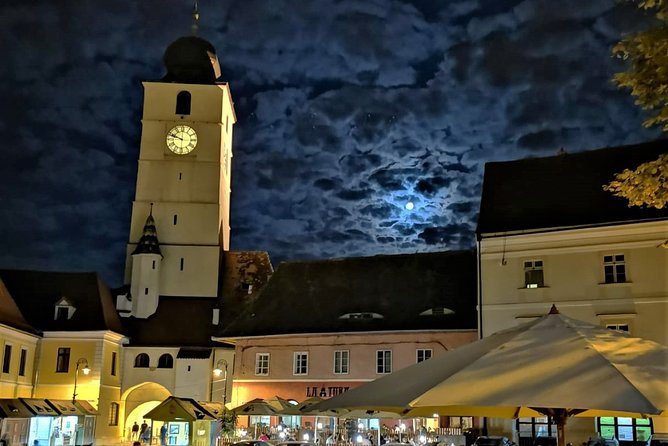
Sibiu is one of those cities where the historic center feels planned and walkable. The tour leans into that. You’re not just dropped at a viewpoint and sent on your way. Instead, you get guided time in the old streets and the key squares, so you understand what you’re looking at.
The Council Tower climb is also the right kind of effort. It’s short, and it pays off quickly with a better sense of distance between streets and plazas. If you’re the sort of person who likes to “get your bearings” early, this is a good first big stop.
A practical note: you’ll likely move with the group schedule, so if you’re sensitive to steps, plan comfortable shoes. The tour specifically calls out climbing the medieval stairs, so this isn’t a flat stroll day.
Corvin Castle and the John Hunyadi power story in Hunedoara
On Day 2, you go from Sibiu’s German-influenced plazas into a more military-and-political Transylvania. Your first stop is Castelul Corvinilor (Corvin Castle), a site tied to John Hunyadi, also known as Corvin. The tour connects the dots through the legend-like chain of power: in 1409, the Hungarian king Sigismund ennobled Voicu (Vojk) and gave him a castle from Hunedoara, setting up the family line that later produced John Hunyadi.
If you care about how empires collide, this stop is built for you. Hunyadi’s story links Wallachia, Hungary, and the Ottoman threat in a way that makes the region’s geography feel strategic—not just scenic. The tour also indicates the castle admission is included, which helps you avoid time spent on ticket lines or decisions.
Then you head to Cetatea Alba Iulia (Alba Carolina) for the next layer of power. The fortress is tied to Hunyadi’s final resting place, with the Saint Michael Cathedral beginning construction in 1004. You’ll also visit the Orthodox Coronation Cathedral, plus ruins of a Roman castrum connected to the 13th Gemina Roman Legion. That Roman-to-medieval transition is one of the reasons Transylvania feels different from other parts of Romania: it carries more than one chapter of European history.
You finish Day 2 back in Sibiu for your second overnight there. That return matters. It prevents you from feeling like you’re constantly checking in and out, and it keeps your base stable for the next morning.
Biertan, Malâncrav frescoes, and Sighisoara’s UNESCO citadel glow
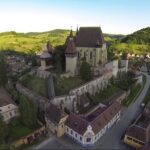
Day 3 turns the focus toward the fortified church belt, especially the UNESCO-listed Saxon sites. You start with Biertan Fortified Church on the route through the Hartibaciu Valley, crossing Saxon villages and traveling through deep forests. The drive itself isn’t just a transfer. It sets mood: this area is built from villages spaced out over long stretches, which is exactly why fortifications mattered.
Then you visit Malâncrav, a small village with the Fortified Lutheran Church and a standout artistic claim: it hosts the largest Gothic church fresco in Transylvania, uncovered during restoration in 1914. The tour notes a key detail: medieval frescoes survived the Reformation, protected under later chalk paint applied after earlier Catholic paintings. It’s a practical kind of “how history happened” story—belief changes, paint layers happen, and art waits underneath until restoration reveals it again. Admission is included, so you get this for free-flow time without extra decisions.
Finally, you end in Sighisoara, a UNESCO site and the medieval citadel where the tour aims for late-afternoon and evening atmosphere. You’ll enjoy the citadel at a time of day when stone looks less harsh and the streets feel more alive. The tour highlights the Clock Tower and ties this place to Vlad the Impaler’s birthplace. Even if you’re separating Dracula myths from the historical figure, the vibe in Sighisoara helps you understand why this story gets retold so often.
UNESCO stops on the way to Brasov: Saschiz, Viscri, Rupea, Prejmer
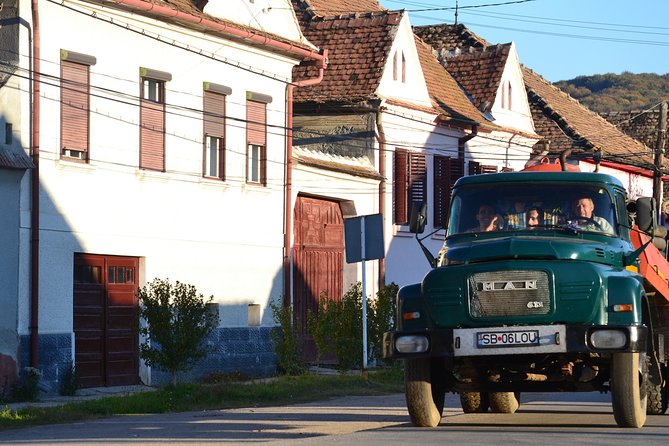
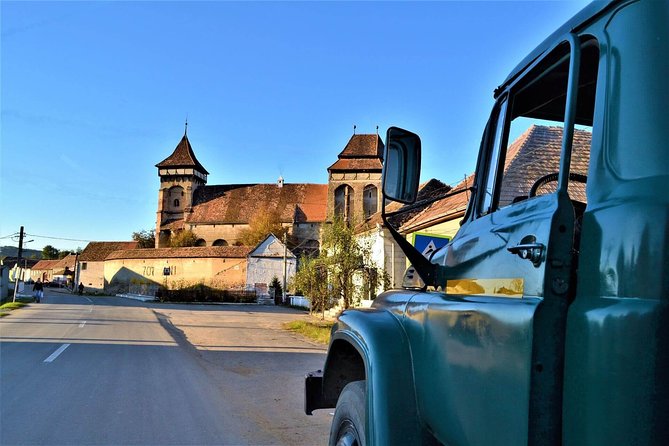
Day 4 is a classic “fortified churches and Saxon villages” day, but with a bonus: you get variety in what those fortifications mean. On the way from Sighisoara toward Brasov, you first glance at Saschiz fortified church, a UNESCO World Heritage monument built at the end of the 15th century with a tower that echoes Sighisoara’s clock tower.
Next comes Viscri, where the tour includes lunch time in a remote village. Viscri is also tied to a modern celebrity link that you’ll likely recognize: Prince Charles fell in love with the area, bought an old Saxon household in Viscri (number 163, the blue house built in 1753), and came back every few years to ride horses and travel. That part matters because it’s not just trivia. It explains why Viscri became widely known and why you’ll see attention paid to preservation and village life.
You also catch sight of Rupea fortress, described as one of Romania’s oldest fortifications, built over older Roman and Dacian structures. In other words, it’s a layers stop. Fortifications here didn’t appear out of nowhere; they grew on earlier strategic ground.
Then you reach Prejmer for the big UNESCO payoff: the Fortified Church of Prejmer. The tour gives you clear historical logic. The Teutonic Knights were asked to defend the region (the Country of Bârsa) against Tatars from the east. Knights laid the foundations, then Saxon settlers finished works later after a quarrel between the knights and the king. Today, Prejmer is one of seven Saxon fortifications in Transylvania on UNESCO’s World Heritage list.
After all that church-and-fortress time, the trip shifts gears into city life in Brasov. You’ll check in, then tour the historical center, including bastions and towers. Rope Street is specifically called out as one of the narrowest in Europe, and it’s the kind of street detail that makes a city memorable after the tour ends.

Brasov by day and night: Black Church and the fortress view
Day 5 is your Brasov build-up day, mixing scenic rides with Dracula legend cleanup. You take the high road to Poiana Brasov and ride a cable car up near Postavaru Peak (1,727 meters). If weather is fine, you get views across the Carpathians and the Transylvanian plateau. This is one of those “look up” moments. Even if you’re focused on castles, the heights help you understand how defensible and important these passes and routes were.
Then you move to Bran Pass, just above Bran Castle. The tour frames it as a chance to complement the scenic viewpoint, which is exactly the right order. See the geography first, then put the castle into that setting.
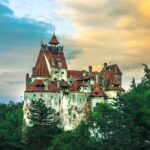
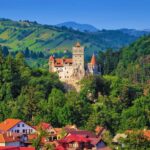
At Bran Castle, the guide focuses on its role as a 14th-century guard for the strategic commercial route between Walachia and Transylvania. The tour also leans into the Dracula connection: the castle is described as being on a rock edge with three sides more impregnable, and that shape became linked to Count Dracula in popular imagination. Just treat it as two things at once: a real fortress with real strategic value, and a later legend that people attach to it.
You return to Brasov and admire Rasnov fortress from afar. It’s dated to the 13th century and linked to the same Teutonic period (1211–1225) mentioned earlier. This is a good kind of “orientation stop.” You see enough to get the shape of the place, without forcing a full extra ticketed detour.
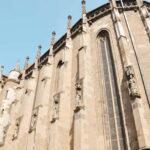
In the afternoon, you visit the Black Church (Biserica Neagra) in Brasov. It’s an impressive Gothic church and the tour includes admission. Brasov at this point feels like a different kind of center: more energy, more city rhythm, and still grounded in centuries-old architecture.
Peles Castle on the Prahova Valley: the royal contrast day
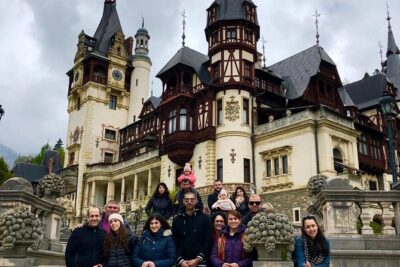
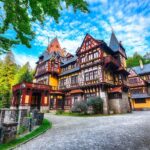
On Day 6 you head south from Transylvania toward Bucharest, taking the Prahova Valley route. The stop that anchors this transition is Peleș Castle in Sinaia. Built at the end of the 19th century, it’s described as flamboyant and a sharp contrast to the austere personality of its founder: Carol I, the first King of Romania, of German origin.
This stop adds a needed contrast to your medieval-heavy week. You’ve spent days in fortified walls and church fresco layers, so Peleș is like switching from black-and-white history to something more theatrical. You’ll also hear the political angle: Carol I was committed to modernization, ruled for 48 years, and Queen Elisabeth is quoted with a vivid line about Carol wearing the crown even while sleeping.
Then you arrive back in Bucharest with time to let the trip settle. The tour includes a guided evening walk focused on the city center, featuring Stavropoleos Monastery (built in 1724). Admission is listed as free for Stavropoleos, and the church’s location in the heart of Bucharest makes it an easy anchor point for your last impressions.
Price and what you’re really buying at $2,166.68 per person
At $2,166.68 per person, you’re not paying for a simple sightseeing bus. You’re paying for a lot of friction removed: guided tours with a licensed guide, private transportation by air-conditioned vehicle, 6 nights in three-star superior accommodations, and breakfast included each morning. Lunch is included too, and the package lists all fees and taxes as included, which matters on trips where ticket costs can add up quickly.
The value equation gets even better because the itinerary hits both city walking and ticketed fortress/church stops. If you tried to replicate this yourself, you’d spend real time coordinating lodging bases, driving routes, and admissions across multiple UNESCO sites. For many people, the biggest hidden cost on independent travel isn’t money—it’s stress and time. This tour buys you time and predictability, and it also gives you a narrative thread through the region’s legends.
One practical consideration: the trip is arranged as a private tour for your group. That can make the per-person cost feel steep, so it’s best when your group size helps spread that structure. If you’re traveling solo, you may feel the price more sharply than a pair or small group.
What makes the guide matter: Gelu and fast, helpful adaptation
The most consistently praised element in the tour experience is the guide style. In multiple accounts, Gelu Trandafir comes up as the kind of person who stays helpful from the start and keeps adjusting as conditions change. One story describes him taking a request seriously—like arranging an extra stop for a shopping mall—without turning the day into chaos.
Another theme is practical care. You’ll get the sense that you’re traveling with someone who pays attention to details like timing, routes, and communication. That kind of “keep it moving but keep it human” guidance makes a difference on a route this long. When the itinerary has lots of sites and a moving schedule, the guide’s ability to adapt helps you keep the day from feeling rushed or stressful.
Who this Transylvania week is best for
This tour fits best if you want:
- A guided explanation of castles and fortified churches, not just photos
- UNESCO fortified churches as a priority
- The Vlad the Impaler thread explained alongside broader medieval politics
- Comfortable logistics: breakfast included, lunch included, and an air-conditioned private vehicle
It may not be your best match if you prefer very slow travel or you get cranky with a busy schedule. Even with breaks, the day-by-day list of stops suggests a “see a lot” approach, so you’ll want to manage energy and expect long travel segments.
Should you book Transylvanian Tours for Transylvania week?
I’d book this if you like guided structure, want to hit the major Transylvania highlights in one shot, and prefer not to wrestle with routing and bookings. The mix of Saxon fortified churches, major castles, and both Sibiu and Brasov city time is a strong balance, and the included meals and accommodations make it easier to plan your budget.
Skip it only if your priority is maximum free time in one place, or if you hate itineraries with multiple stops and car hours. If you’re happy trading spontaneity for smooth logistics and a coherent story across the region, this tour is a solid way to experience Transylvania without turning your vacation into a planning project.
FAQ
How long is this Transylvanian Week tour?
It’s listed as a 6-day tour (approx.) with 6 nights of accommodation included.
What’s included in the tour price?
The package includes 6 nights accommodation in a 3-star superior hotel/guesthouse (double room occupancy) with breakfast, a private air-conditioned vehicle, lunch, and all fees and taxes. A mobile ticket is also mentioned.
Do you get picked up from Bucharest?
Yes. The tour notes you can meet at your Bucharest hotel or the airport, and pickup is offered.
Is this tour private?
Yes. It’s described as a private tour/activity where only your group participates.
What meals are included besides breakfast?
The tour includes lunch. Other meals are not included.
Are tickets and admissions covered?
The itinerary lists admissions as included or free for specific stops, and it also states that all fees and taxes are included. Photo fees are not included.
What happens if I cancel?
This experience is non-refundable and cannot be changed for any reason. If you cancel or request an amendment, the amount you paid will not be refunded.