REVIEW · BUCHAREST
Relics of Communism: 3-Hours Walking Tour (Small groups)
Book on Viator →Operated by Mara's Tours&Travel · Bookable on Viator
Bucharest history can feel like facts on stone. This tour turns communist-era landmarks into a clear, watch-and-understand story in about three hours. Two things I really like: the small group size (up to 10) keeps questions flowing, and you get guided narratives at every stop instead of just sightseeing. One consideration: you’ll do steady walking between points, so bring moderate stamina even though each stop is brief.
You’ll start at Revolution Square, then move site by site through the places tied to 1989 and the communist city-building mindset. I also like that it includes a snack, because the “history is heavy” feeling pairs badly with empty energy. You don’t need museum tickets for most stops, but the Palace of Parliament stop does not include admission if you want to go inside.
Finally, if you like your history grounded in the exact places you’re standing, this route makes that easy. If you’re hoping for a slow, sit-down style tour, you might want something longer and less foot-on-the-ground.
In This Review
- Key highlights you’ll feel on the walk
- Why This 3-Hour Communist-Era Walk Works
- Route Basics: Start at Revolution Square, Finish at Constitution Square
- Revolution Square: Ceausescu’s Last Speech Moment
- Piața 21 Decembrie 1989: The Day Incidents Became Story
- Unirii Square and Unirii Boulevard: A Communist City Center You Can Walk Through
- Mihai Voda Monastery: Religion vs. State Control
- Palace of the Parliament: Socialist Realism’s Center of Power
- Price and Value: What You’re Really Paying For
- Guides That Make It Stick: Mara’s Tours and Real Q&A
- Who This Tour Suits Best (and Who Might Want Another Option)
- Should You Book Relics of Communism?
- FAQ
- How long is the Relics of Communism walking tour?
- What time does the tour start, and where does it begin?
- Where do you end the tour?
- What is the group size?
- Is admission included for all stops?
- What’s included in the price?
- Is the tour language English?
- What if the weather is poor or I need to cancel?
Key highlights you’ll feel on the walk
- Small-group attention (max 10) for real back-and-forth questions
- Every stop has a story tied to communism, power, and daily life
- Snacks included to keep energy steady during the walk
- Major Bucharest landmarks connected to 1989 and the communist city layout
- End point at the Palace area so you finish where the scale hits hardest
Why This 3-Hour Communist-Era Walk Works
This is a tour that respects your time. Three hours is long enough to connect the dots from 1989 to how power shaped the city, but short enough to fit into a normal Bucharest day.
I like how the pacing is built around short stop times with active storytelling. You don’t wander around hoping to “get it.” You stand in the right spots—then the guide explains what you’re seeing and why it mattered.
You’ll also appreciate the format if you’re new to the city. Bucharest can feel wide and spread out, and communist-era planning shows up in the geometry of streets and squares. This tour gives you a quick map of meaning.
You can also read our reviews of more walking tours in Bucharest
Route Basics: Start at Revolution Square, Finish at Constitution Square
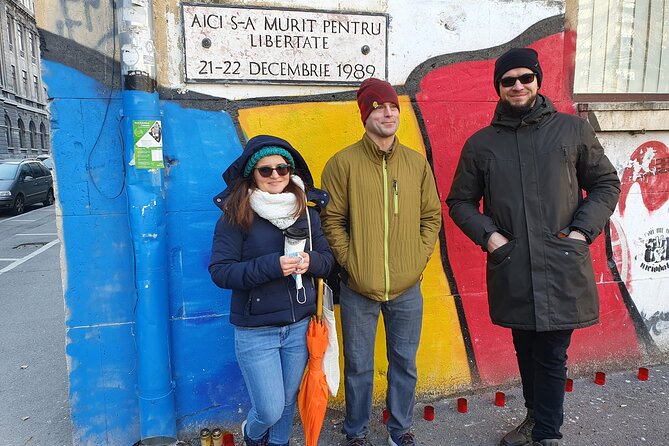
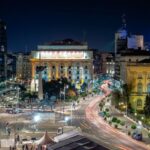
The walk starts at 11:00 am at Revolution Square (Piața Revoluției). You’ll end at Constitution Square, in front of the Palace of the Parliament, so your last moments are focused on the most dramatic symbol of the era.
The tour is offered in English, and you’ll use a mobile ticket. It’s also near public transportation, which is handy if you’re chaining this to museums, meals, or a later neighborhood walk.
The group stays small—up to 10 travelers—so it feels more like a guided walk with people than a lecture with strangers. That matters for a topic like this, because you’ll naturally want clarifications: what changed, what was propaganda, what was control, and what people did to live anyway.
A practical note: there’s no listed museum admission included. That’s fine—most stops are designed to be understood from the outside—but you should mentally plan for that if you’re the type who always wants “inside” time.
Revolution Square: Ceausescu’s Last Speech Moment
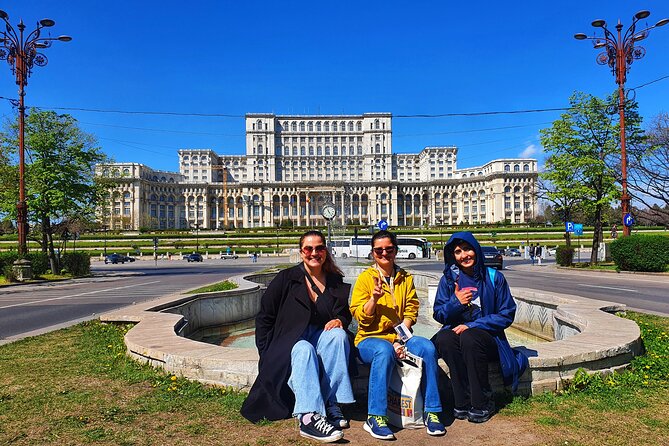
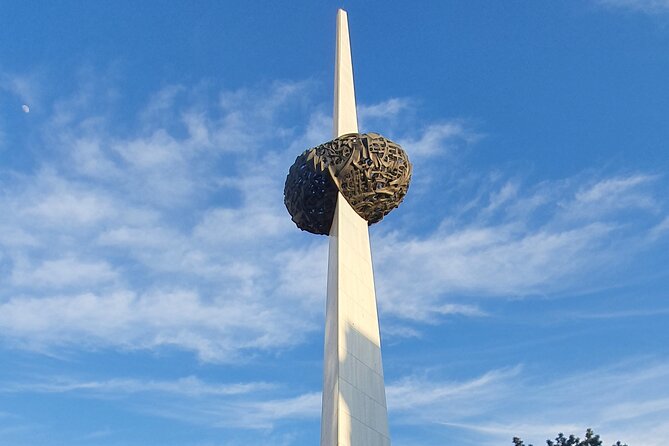
You begin in front of the balcony where Ceaușescu held his last speech. That single detail sets the tone. Revolution history isn’t abstract here—it’s anchored to a specific architectural viewpoint, and the story lands with more weight because you can point to the place.
This stop is about the Revolution of 1989 and how it started in the same area you’re standing now. Even if you already know the broad storyline, you’ll likely appreciate how the guide connects the emotion and the public setting to what came next.
What I like: it’s a strong opener. You’re not warming up with random monuments. You’re stepping into the turning point first, which helps the rest of the walk make sense.
One consideration: Revolution Square is a major public area. On busy days, it can feel like a lively street space while you’re trying to listen closely. Go in ready to focus and follow your guide’s positioning.
Piața 21 Decembrie 1989: The Day Incidents Became Story
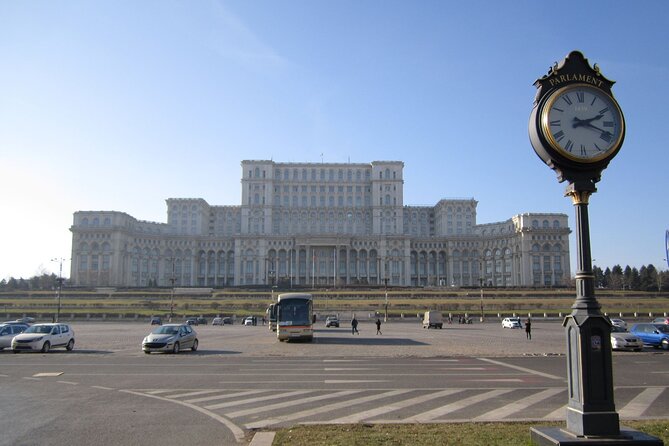
Next you head to Piața 21 Decembrie 1989, where the tour centers on incidents from that date in 1989. This is where the guide shifts from the lead-up energy to the specifics of what happened and who stood out as heroes.
It’s also where you start hearing about the neo-communist era—the transitional, uneasy period after the revolution. That part is important because it prevents the story from turning into a simple before-and-after line. Power doesn’t flip like a light switch; it shifts, rebrands, and reshapes.
This stop stays relatively short, which works because you’ll learn more by moving than by lingering. The key is listening for the guide’s framing: why this date matters, and how people remember it.
A possible drawback: if you want a lot of granular detail on every event, this tour’s structure may feel like it gives you the “why this mattered” version, not a full history seminar.
Unirii Square and Unirii Boulevard: A Communist City Center You Can Walk Through
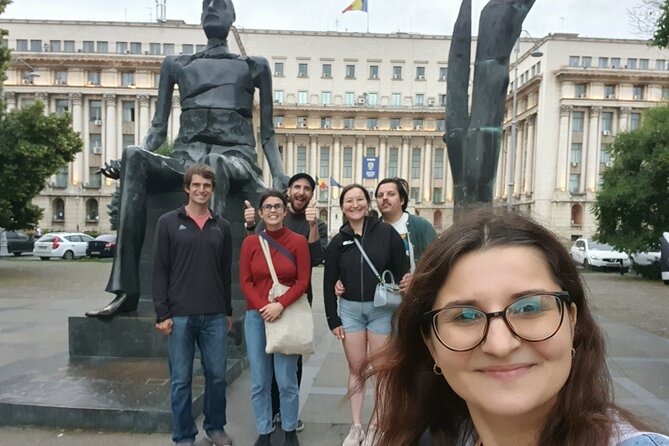
Then it’s on to Unirii Square, tied to the idea of a new city center built during the communist period. You’ll learn how the square is bisected by massive Unirii Boulevard, and how that physical layout connects to political ambition.
Here the emphasis turns toward the communist party’s rise to power and Nicolae Ceaușescu’s cult of personality. That’s not just a concept you hear about—it’s something you can see in how the spaces are arranged to project authority and scale.
What you’ll likely enjoy: the tour helps you notice how urban planning can function like messaging. Wide lines of sight, monumental directions, and the sense of central focus are part of the story, not just background scenery.
The stop also acts as a bridge. Once you understand the “city made for power” idea, the final stop at the Palace of the Parliament clicks in a more satisfying way.
One consideration: if you’re prone to getting fatigued by long straight stretches of walking, save your energy here. Unirii Boulevard and the wider area can feel open and expansive, so pace yourself.
Mihai Voda Monastery: Religion vs. State Control
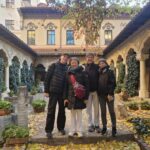
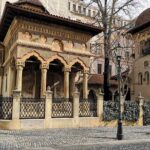
At Mihai Voda Monastery, the tour shifts to a different angle: the relationship communist rule had toward religion. This stop is described as a chance to discover hidden churches of Bucharest, and it gives you a calmer change of pace from the monumental outdoor power scenes.
Even though it’s still part of the same communist story, it’s a useful counterweight. You get the sense that the era wasn’t only about political speeches and grand buildings. It also shaped beliefs, worship, and what could be visible.
I like this part because it adds human scale. You’re moving from symbols of rule to spaces tied to faith and local devotion. The contrast helps you understand how control can be political and also personal.
A small note: this stop is more likely to involve walking around church spaces. If the weather is cold or wet, you’ll appreciate having comfortable shoes and a layer ready.
Palace of the Parliament: Socialist Realism’s Center of Power
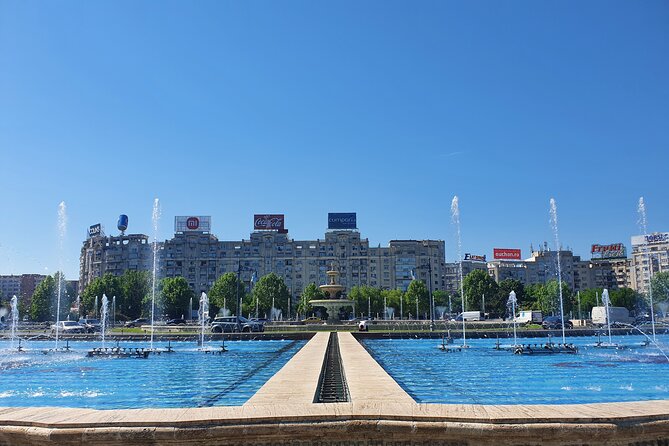
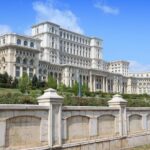
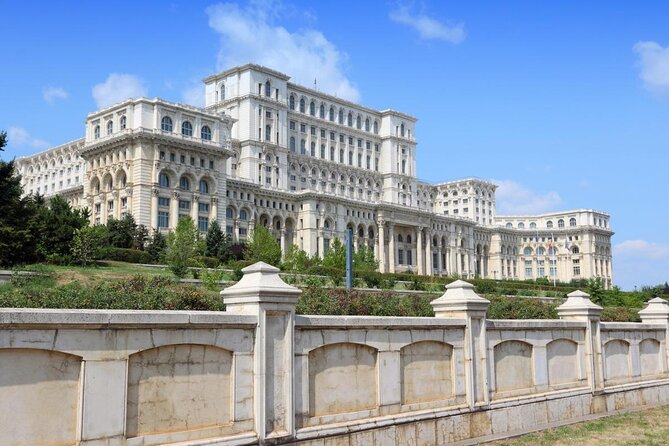
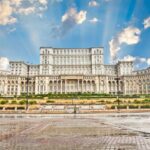
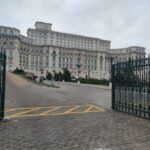
The walk’s final big moment is the Palace of the Parliament area, reached from Constitution Square. This is where the tour connects the idea of the “absolute center of power” with architecture designed under the style of socialist realism.
You’ll explore the new districts linked to Unirii Boulevard and learn about the Palace’s scale—it’s described as the second largest administrative building in the world. That number isn’t just a trivia hook. The guide uses it to help you feel the idea of power made physical: big, formal, and hard to ignore.
This is also where the tour notes that admission to the Palace is not included. That doesn’t ruin the experience—there’s plenty to understand from the outside and in the surrounding area—but you should decide ahead of time whether you want to pay extra for interior access.
My practical advice: if you’re short on time or tickets, focus on the guide’s explanation and let the building do the talking from where you can see it best. If you’re more curious about interior rooms and museum-style displays, plan for separate admission.
Price and Value: What You’re Really Paying For
At $48.06 per person, this isn’t the cheapest Bucharest walk—but it’s not a splurge either. For the money, you get a real guide-led route tied to major sites, plus a snack from communist times to keep you going.
Here’s what makes the value feel fair:
- You’re paying for storytelling at multiple major landmarks, not just walking between points.
- You get small-group size, which usually means you won’t be shouting over other tour groups.
- Most stops are described as having free admission tickets, so you’re not constantly adding costs mid-tour.
The main “cost consideration” is that the Palace of the Parliament stop lists admission as not included. If you absolutely want to go inside, factor in that potential extra expense.
Another small value point: the tour runs for about three hours, which makes it a strong use of time if you also want to fit in other Bucharest highlights later.
Guides That Make It Stick: Mara’s Tours and Real Q&A
The provider is Mara’s Tours&Travel. In the experience, guides like Mara and Elena are mentioned by name in positive feedback—both for being personable and for explaining life during the communist era with depth.
What you can expect from a good guide in this setting is simple: you should leave with a better sense of why places look the way they do. You’ll also come away with answers to the questions most people have when they first see the architecture—why it’s monumental, why it’s arranged as it is, and what it meant to ordinary people.
Because the group is capped at 10, you’re more likely to get your own question answered rather than letting it evaporate into the crowd.
Who This Tour Suits Best (and Who Might Want Another Option)
This walk fits you if you want:
- a focused overview of Bucharest under communism and the 1989 revolution,
- a guided route rather than self-wandering,
- small-group attention for questions,
- and a snack that keeps you moving without turning the tour into a food break marathon.
You might choose something else if you want a purely museum-based experience, since museum admission isn’t included and the stop times are brief by design.
It also fits travelers who like practical history—history you can point to while standing in the exact spot where it unfolded or got built.
Finally, plan for moderate walking. The tour lists a moderate physical fitness level expectation. You don’t need to be an athlete, but you should be comfortable staying on your feet.
Should You Book Relics of Communism?
If you like guided structure, this is an easy yes. The route starts at the revolution’s key moment, moves through major 1989-linked spaces, and ends at the Palace of the Parliament where communist power becomes architectural scale. You’ll also appreciate the balance: outdoor monuments plus a monastery stop that brings religion and everyday meaning into the story.
Book it if:
- you only have a few hours and want a high-impact understanding,
- you prefer a small group (max 10) over big crowds,
- you want the guide to connect what you see to what it meant.
Skip or consider another format if:
- you hate walking between stops,
- you want museums included inside the price,
- or you’re only interested in one type of attraction (like indoor sites or purely visual stops).
In short: for an efficient, story-driven way to understand communist Bucharest, this tour does exactly what it promises.
FAQ
How long is the Relics of Communism walking tour?
The tour is about 3 hours.
What time does the tour start, and where does it begin?
It starts at 11:00 am at Revolution Square (Piața Revoluției).
Where do you end the tour?
You end at Constitution Square, in front of the Palace of the Parliament.
What is the group size?
The tour has a maximum of 10 travelers.
Is admission included for all stops?
Admission is listed as free for the Revolution Square, Piața 21 Decembrie 1989, Piața Unirii, and Mihai Voda Monastery stops. Admission to the Palace of the Parliament is not included.
What’s included in the price?
You get snacks (one famous Romanian snack from communist times). A mobile ticket is also provided.
Is the tour language English?
Yes, the tour is offered in English.
What if the weather is poor or I need to cancel?
The experience requires good weather. If it’s canceled due to poor weather, you’ll be offered a different date or a full refund. It also offers free cancellation up to 24 hours in advance for a full refund. Service animals are allowed, and the tour is near public transportation.