REVIEW · BUCHAREST
Bucharest City Tour 4h
Book on GetYourGuide →Operated by Nicolas Experience Tours SRL · Bookable on GetYourGuide
Four hours in Bucharest can feel like centuries. In one loop you’ll move from the People’s House power-symbol to the National Village Museum’s everyday traditions, with Revolution Square and Calea Victoriei in between.
I like how the tour is private and focused, with your licensed guide driving the story and keeping the pace workable. I also love the air-conditioned car with Wi‑Fi, which makes hopping between sites feel easy instead of stressful.
One thing to consider: entrance and some photo fees may be extra, so you’ll want a little cash or card ready for what you decide to photograph. Also, the tour isn’t suitable for wheelchair users.
In This Review
- Key Points You’ll Care About
- A 4-Hour Route That Explains Bucharest’s Contradictions
- Private Pickup and a Comfortable Ride (Wi‑Fi Helps)
- Palace of the Parliament: When Size Becomes a Lesson
- Dimitrie Gusti National Village Museum: Traditions You Can Actually See
- Calea Victoriei (Victory Avenue) Walk: Royal Dreams vs Communist Reality
- Revolution Square: The Moment History Changed Direction
- Romanian Athenaeum and the Classics Nearby
- Old Town Bucharest: A Short Class in Reading the Streets
- Price and Value: Is $173 Worth It?
- Who This Tour Fits Best (and Who Should Skip It)
- A Quick Note on the Guide Experience (Nicolas Shows Up Often)
- Should You Book This Bucharest City Tour?
- FAQ
- How long is the Bucharest City Tour?
- Is pickup from my hotel included?
- Do we travel in a private car?
- Is Wi‑Fi available during the tour?
- Which main sights are included?
- Are entrance fees included?
- Are photo fees included?
- What languages are available for the guide?
- Is the tour wheelchair accessible?
Key Points You’ll Care About
- Private, licensed guide attention throughout, not a crowd-queue situation
- Air-conditioned car + Wi‑Fi, so you stay comfortable even between major stops
- Palace of Parliament viewing includes context on what totalitarian scale does to a country
- National Village Museum gives Romanian traditions a tangible, you-can-see-it feeling
- Revolution Square and Calea Victoriei connect royal, communist, and revolutionary history in the same day
- Time built in for breaks and photos, not just nonstop walking
A 4-Hour Route That Explains Bucharest’s Contradictions
Bucharest can feel confusing at first: grand buildings side-by-side with uneasy history. This tour helps you make sense of that mix by steering you through landmarks that each represent a different idea of Romania—power, community, culture, and change.
The format matters. In four hours you’re not trying to “see everything.” You’re seeing the main chapters and letting your guide link them so the city starts to read like a story.
This is also a good tour if you want to avoid the logistics spiral. You get door-to-door pickup, a private car, and a driver/guide setup designed for moving efficiently between major sights.
You can also read our reviews of more city tours in Bucharest



Private Pickup and a Comfortable Ride (Wi‑Fi Helps)
I like tours that respect your energy, and this one does. You’ll be picked up from your hotel (or from the sidewalk if you’re in a residential address). If you’re arriving by plane, the representative meets you at Arrivals next to the Info Desk with a placard showing your name.
You travel in a private, air-conditioned car with wireless internet access. That sounds small, but it helps a lot when you’re bouncing between sites in a condensed timeframe—especially if you want to look up details between stops or just keep your day on track.
Because it’s private, you can usually adjust the flow if something runs late. The tour also builds in a short break and photo moments, which makes the schedule feel realistic instead of rushed.
Palace of the Parliament: When Size Becomes a Lesson
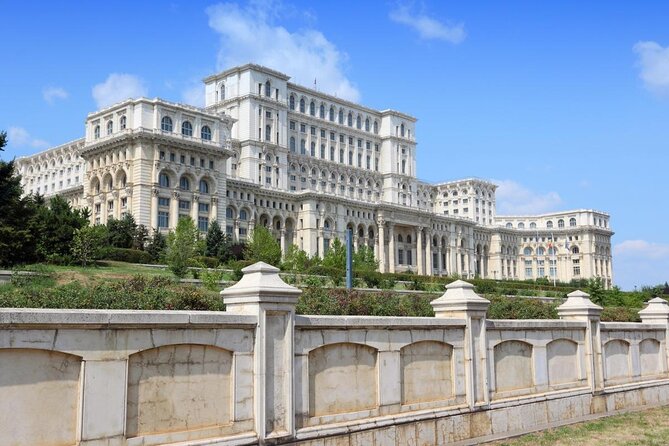
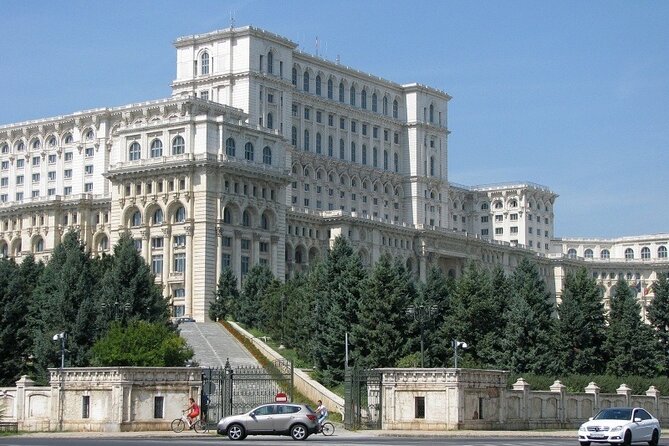
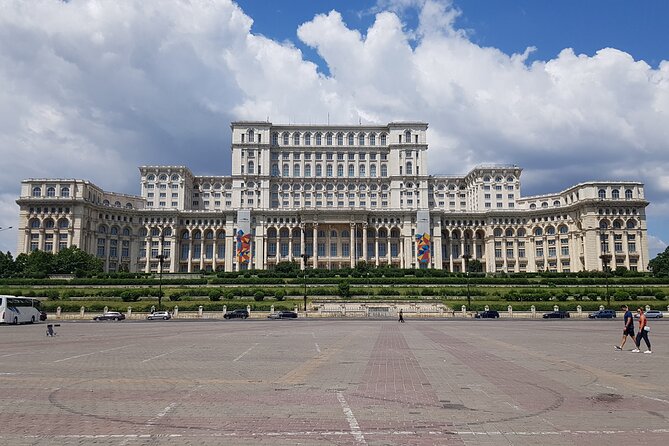
Your day centers on the Palace of Parliament (also known as People’s House). You’ll get a guided visit and time to take it in—about 1.5 hours total at the site.
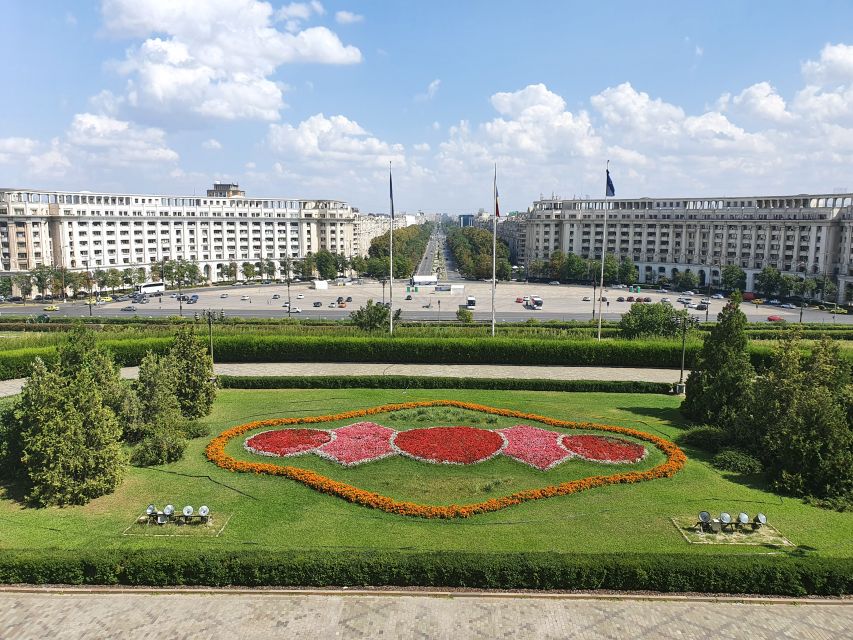
This stop isn’t treated like a simple “wow photo” moment. Your guide explains what a dangerous totalitarian regime can do to a nation, and you’ll look at the building as a symbol: pointless opulence, megalomania, and the way propaganda-scale can affect a country’s spirit. The tour even points you toward that unsettling feeling of being small in front of the structure.
Practical note: this is one of those places where comfort helps. Wear shoes that can handle steady walking, and keep in mind that photo permissions sometimes involve a small fee.
If your interests lean toward 20th-century history and political symbolism, this is the anchor of the day. If you prefer only light sightseeing, you may still enjoy it—but expect the tone to be serious.
Dimitrie Gusti National Village Museum: Traditions You Can Actually See
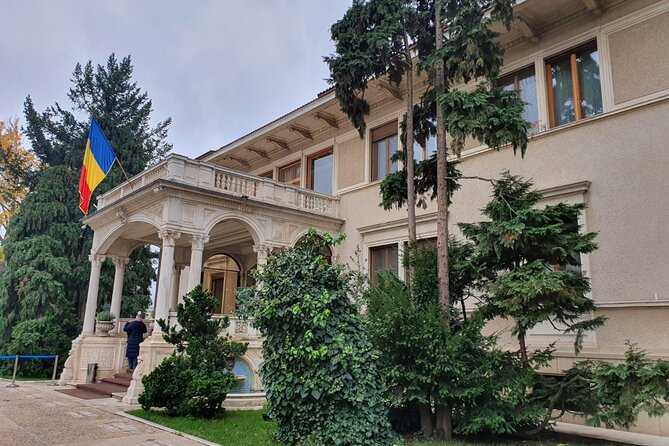
After the heavy-hitting political monument, the tour shifts gears to something grounding: the Dimitrie Gusti National Village Museum.
You’ll spend about an hour walking and getting a guided look. The museum is presented as an embodiment of Romanian traditions and a snapshot of how rural life connected people with their environment.
Here’s what I find valuable about this stop: it’s not just “pretty houses.” You learn how villagers built a sustainable, ecological setup in their backyard. You also get a glimpse of how simple and modest lifestyles worked in social and spiritual harmony with the surroundings.
You’ll see traditional Romanian houses made from materials like wood, adobe, and stone, pulled from different parts of Romania. Your guide also points out national symbols such as a mill and a wooden church—details that help the museum feel like a cultural map, not a random collection.
If you’re the type who likes to understand culture through everyday life, this is a favorite part of the itinerary.
Calea Victoriei (Victory Avenue) Walk: Royal Dreams vs Communist Reality
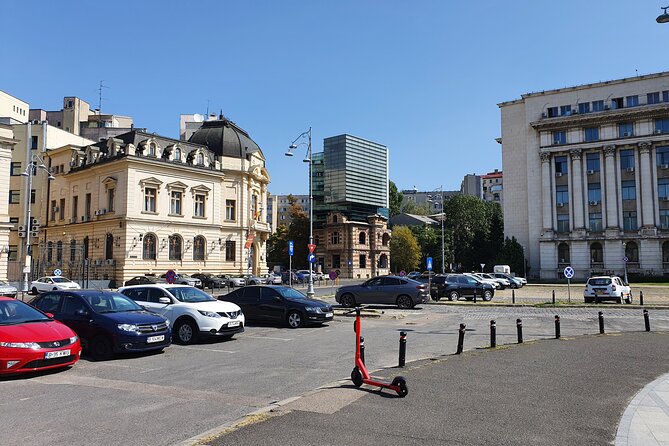
Next comes Calea Victoriei, a major boulevard where history layers itself quickly.
You’ll take a short walking segment (about 30 minutes) with guidance that focuses on contradictions. One side brings the royal palace vibe; the other includes the Central Committee of the Romanian Communist Party—plus the explosive turning point of Revolution Square, where Ceausescu fled by helicopter.
This is also where the tour turns from “big stories” to street-level texture. You’ll pass old Orthodox churches and other city scenes—music shops, casinos, bohemian restaurants, museums, theatres, tea shops, retail stores, and souvenir areas. The point isn’t to rate the shopping. It’s to show how Bucharest kept evolving while the political narrative kept swinging.
If you want a guided version of Bucharest’s personality, this is where you feel it.


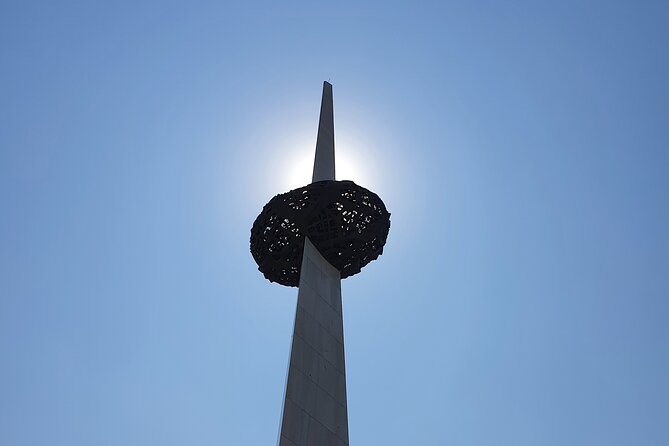
Revolution Square: The Moment History Changed Direction
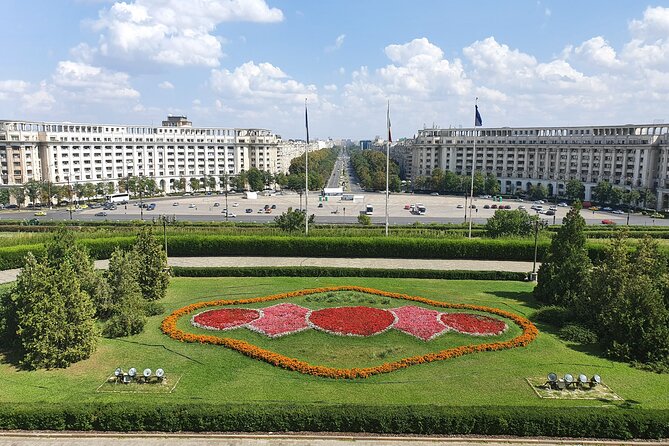
Revolution Square gets its own guided-and-walking time (about 30 minutes).
This stop connects the city’s political shift to something you can picture. Your guide explains the Revolution of December 1989 and the removal of Nicolae Ceausescu from power, including how the power structure unraveled quickly once events moved.
It’s a good contrast to the Palace of Parliament. One place represents controlled grandeur; the other represents sudden rupture.
Be ready for a bit of emotional weight. Even if you’re not a history nerd, the guide’s framing makes the square feel like a hinge moment, not just an open plaza.
Romanian Athenaeum and the Classics Nearby
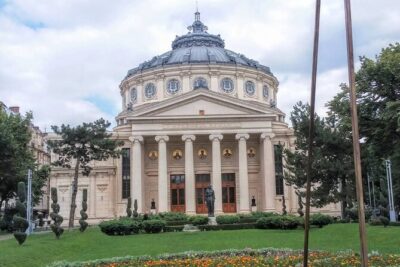
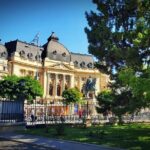
The Romanian Athenaeum is next, with a visit that includes a short guided component and sightseeing time (about 30 minutes).
This is your cultural counterbalance: after political scale and street-level contradictions, you get a landmark tied to Romanian arts and architectural identity. If you like architecture that signals national pride, this stop will likely hit.
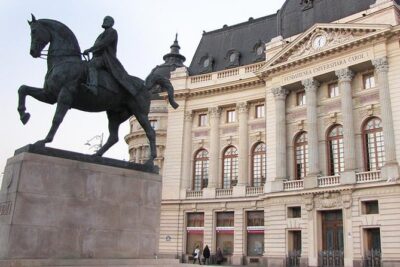
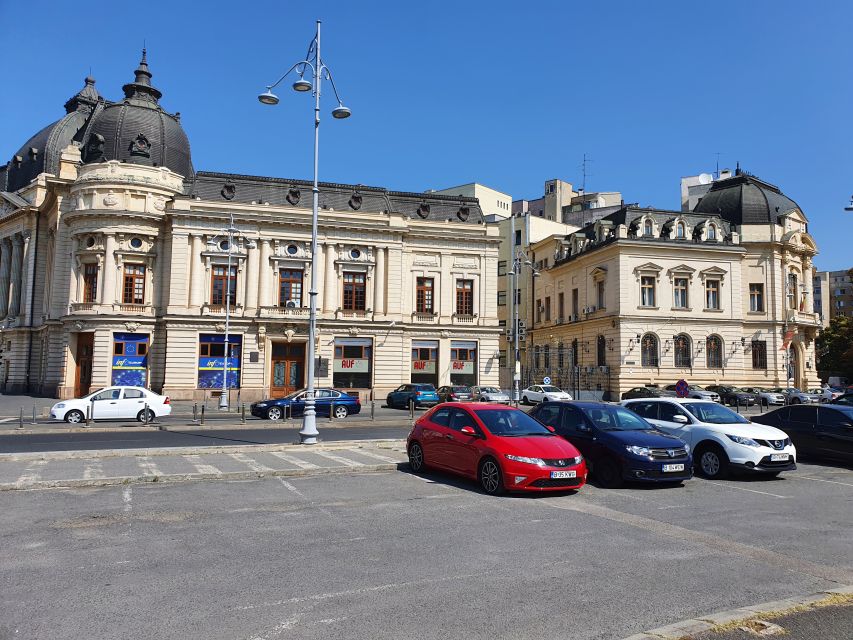
Your route also includes time around other major landmarks you pass or view, including the National History Museum and CEC Palace. The tour also notes Senate Palace and the building area linked to the Central Committee of the Communist Party—treated as part of the same story arc leading to the Revolution.
You don’t need to know everything in advance. Your guide helps you place each landmark in the larger timeline so the city feels less like separate sights and more like one connected narrative.
Old Town Bucharest: A Short Class in Reading the Streets
You end with time in Old Town, including a guided look and sightseeing time (about 30 minutes).
Old Town doesn’t get treated like a free-for-all “walk around and hope.” Instead, your guide uses it to wrap the day up with a few key points—helping you connect what you saw earlier to the older urban texture around you.
This is also where the tour becomes practical for your next steps. You’ll finish with a better sense of where to linger on your own, what looks historically meaningful, and what just looks like city life.
You’ll also have a built-in moment for break time and photo stops before heading back.
Price and Value: Is $173 Worth It?
At $173 per person for a 4-hour private tour, the value comes from three things.
First, you’re paying for private transportation and a licensed guide, not just a checklist. The tour runs on a tight timeline, and the car with Wi‑Fi helps you lose less time to logistics.
Second, you’re getting attention that’s hard to replicate on shared tours. With private pacing, your guide can adjust to what you care about most—whether that’s the political symbolism of the Palace of Parliament or the culture of the Village Museum.
Third, the stops are high-impact: Palace of the Parliament, National Village Museum, Revolution Square, Calea Victoriei, Romanian Athenaeum, plus key landmark areas in the center.
The main “cost surprise” to plan for is that entrance fees and some photo fees aren’t included. Some photo-related fees can be around €2 or €3 per sight. If you’re the type who wants pictures everywhere, factor that into your budget.
For a condensed visit to Bucharest—especially if it’s your first time—this price can feel fair because it buys time, comfort, and real interpretation.
Who This Tour Fits Best (and Who Should Skip It)
This is a strong pick if you:
- want both politics and everyday culture in one day
- like guided interpretation more than wandering without context
- prefer private transport over crowded group logistics
- will appreciate history framed through architecture and major city landmarks
It may be less suitable if you:
- need wheelchair access (it’s not suitable for wheelchair users)
- want only light, no-serious-topic sightseeing (the communism-related stops are part of the core experience)
- hate the idea that some photo/entrance costs might be extra
If you’re traveling with older family members, it’s also worth noting that the guide setup is geared toward making the day easier and more manageable.
A Quick Note on the Guide Experience (Nicolas Shows Up Often)
The tour experience is closely tied to the guide. In the most positive feedback I’ve seen for this operator, Nicolas comes up as a standout: friendly, professional, and clearly passionate.
People also highlight how he tailors the day to interests and helps make it comfortable even for families traveling with elderly parents. That kind of adjustment matters in a route with major monuments and some walking, because it keeps the day from turning into a grind.
So if you book, you’re not just buying access to sites—you’re buying someone to connect the dots while you’re moving.
Should You Book This Bucharest City Tour?
I’d book it if you want a first-time Bucharest overview that actually explains what you’re seeing. The combination of Palace of Parliament’s political context, the National Village Museum’s cultural grounding, and Revolution Square’s decisive moment gives the city shape fast.
Skip it (or consider another style of tour) if you’re chasing only laid-back sightseeing, or if you need wheelchair access. Also, budget a little for photo fees and any entrance costs you choose to cover.
If you want a day that feels organized, comfortable, and meaningful, this is a solid bet.
FAQ
How long is the Bucharest City Tour?
The tour lasts 4 hours, with the exact start time depending on availability.
Is pickup from my hotel included?
Yes. You’ll be picked up from your address, typically from your hotel lobby or from the sidewalk at a residential address.
Do we travel in a private car?
Yes. It’s a private group with a private car for you and your group, and it’s air-conditioned.
Is Wi‑Fi available during the tour?
Yes, wireless internet access is provided in the car.
Which main sights are included?
You’ll see the Palace of Parliament (People’s House), the Dimitrie Gusti National Village Museum, Calea Victoriei (Victory Avenue), Revolution Square, and the Romanian Athenaeum, along with key central landmarks such as the National History Museum, CEC Palace, and Senate Palace areas.
Are entrance fees included?
Entrance fees are not included. Entrance fees follow what’s listed for the itinerary.
Are photo fees included?
Photo fees aren’t included. Some sights may require a fee for taking photos, often around €2 or €3 per sight.
What languages are available for the guide?
The live guide is available in English, Italian, Romanian, Spanish, and French.
Is the tour wheelchair accessible?
No. It’s not suitable for wheelchair users.