REVIEW · BUCHAREST
Bucharest: Communist Tour including Ceausescu Residence
Book on GetYourGuide →Operated by Rolandia · Bookable on GetYourGuide
Communism in Bucharest hits fast. You’ll move from communist-era metro stations to the big symbolism of the Palace of the Parliament, then end at the Ceausescu family’s home, the Spring Palace. I like how the day isn’t just “look at buildings.” It’s framed as a story about how power shaped the city and how everyday life worked around that system.
One practical drawback to plan for: timing can be tight at the Parliament, and even with fixed time slots you may face a wait. Also, it’s not wheelchair-friendly, so comfort and mobility matter for this one.
In This Review
- Key things to know before you go
- Bucharest’s Communist Story in One Long, Focused Day
- Hotel Pickup and the 7-Hour Pace That Works
- Communist-Era Metro Stations: City Planning You Can Feel
- A Working-Class Neighborhood: Beyond the Big Stone Monuments
- Palace of the Parliament: The Building and the Story
- When Parliament Access Gets Interrupted
- Spring Palace (Palatul Primaverii): Ceausescu’s Home, Up Close
- Guide Quality Makes or Breaks Communist Stories
- Price and Value: What $256 Buys in 7 Hours
- Timing Tips and Small Planning Moves That Save You Stress
- Is This Tour for You? The Best Fit and the Clear No
- Should You Book This Communist Tour?
- FAQ
- How long is the communist tour in Bucharest?
- Do they pick up guests from their hotel?
- What entrances are included in the price?
- Is lunch included?
- When can you visit the Spring Palace?
- Is this tour suitable for wheelchair users or people with mobility impairments?
Key things to know before you go
- Hotel pickup + hassle-free transport in a modern car, minibus, or coach keeps the day moving
- Communist-era metro stops help you understand how the city was reorganized
- A working-class neighborhood visit shows everyday life, not just monuments
- Palace of the Parliament access depends on schedules and can be swapped in some cases
- Spring Palace hours are limited (Wed–Sun, 10:00 AM–6:00 PM), so your weekday matters
Bucharest’s Communist Story in One Long, Focused Day
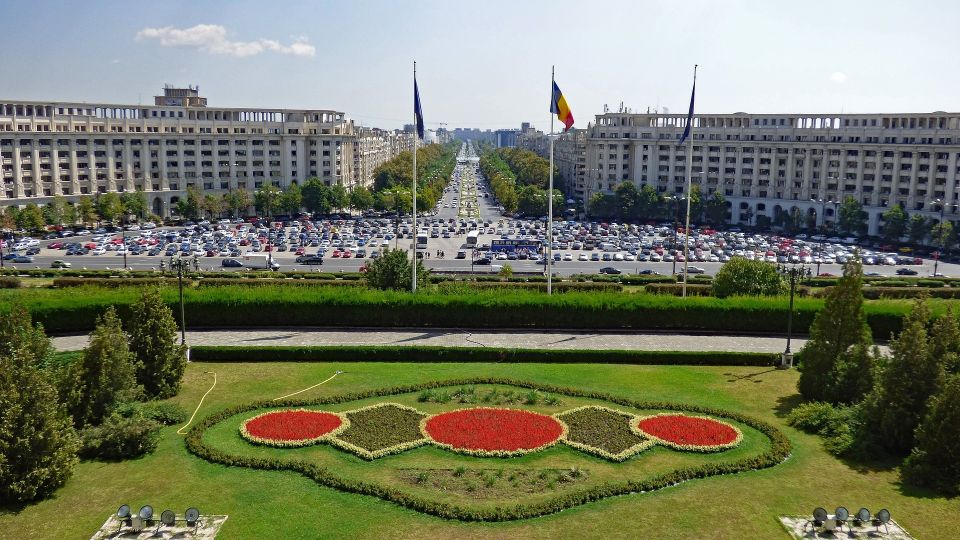
This tour is built for people who want more than photos. In 7 hours, you’ll connect streets, design choices, and political control into one clear narrative of what life looked like under Romania’s communist dictatorship. You’re not wandering alone either—your guide keeps the context tight and the pace steady.
I like the structure because it starts with the city’s infrastructure (the metro) and ends at the place where the dictator lived. That arc makes the architecture feel personal. The Spring Palace isn’t an abstract “site”—it’s presented as a real residence, which is often what turns a political story into something you remember.
If you’re coming to Bucharest for the first time, this also helps you get your bearings. You’ll see parts of the city you might miss on your own, and you’ll leave with a framework for reading the rest of what you see.
You can also read our reviews of more tours and experiences in Bucharest.
Hotel Pickup and the 7-Hour Pace That Works
The day begins with pickup directly from your hotel reception. That’s a big deal in Bucharest, where getting across town on your own can eat time. You’ll then ride in a modern, well-equipped vehicle—car, minibus, or coach—so you can focus on the sights instead of transit logistics.
The duration is listed as 7 hours. That usually means you should treat this like a timed “experience block,” not a relaxed sightseeing day where you can wander off between stops. If you’re the type who likes extra time for cafés and photos, plan to keep it low-key before and after the tour.
One more timing note: the tour is described as private, but shared departures can happen, with potential delays up to 30 minutes. So if you have a tight dinner reservation later, I’d keep some breathing room.
Communist-Era Metro Stations: City Planning You Can Feel
Your first real stops are metro stations built during the communist period. Even if you know the surface facts, it’s one thing to read about an era and another to stand in the space it created. The metro is a practical way to see how infrastructure, ideology, and daily routine can be linked.
Your guide starts you off early, before the tour turns into the heavy monument phase. That sequencing helps. You’re learning what the regime did to the city’s movement, then you’ll connect that to how it built grand statements of authority.
For this part, comfortable shoes matter. You’ll likely be doing some walking and standing while the guide talks. Also, bring your ID or passport—you’ll need it for the day.
A Working-Class Neighborhood: Beyond the Big Stone Monuments
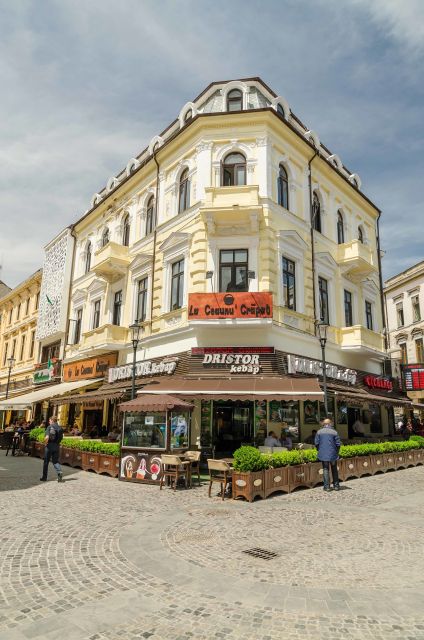
After the metro, you’ll head to a neighborhood built for the working class, created especially under the dictator’s vision. This is the section that makes the tour feel grounded. Instead of only seeing government-size projects, you’re shown where ordinary people lived and how daily life was shaped by those choices.
This stop is valuable because it changes the emotional tone of the day. Palaces and parliament buildings can feel like staged theater. A residential area is different. It turns the story from power as a concept into power as a daily reality.
There’s also an implicit lesson here: authoritarian planning doesn’t only produce monuments. It produces routines—where people go, how neighborhoods function, and what the city expects from residents.
Palace of the Parliament: The Building and the Story
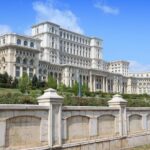
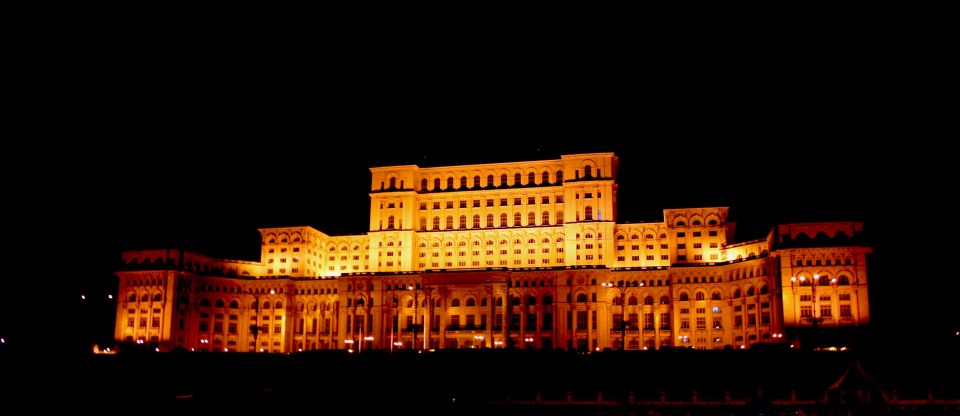
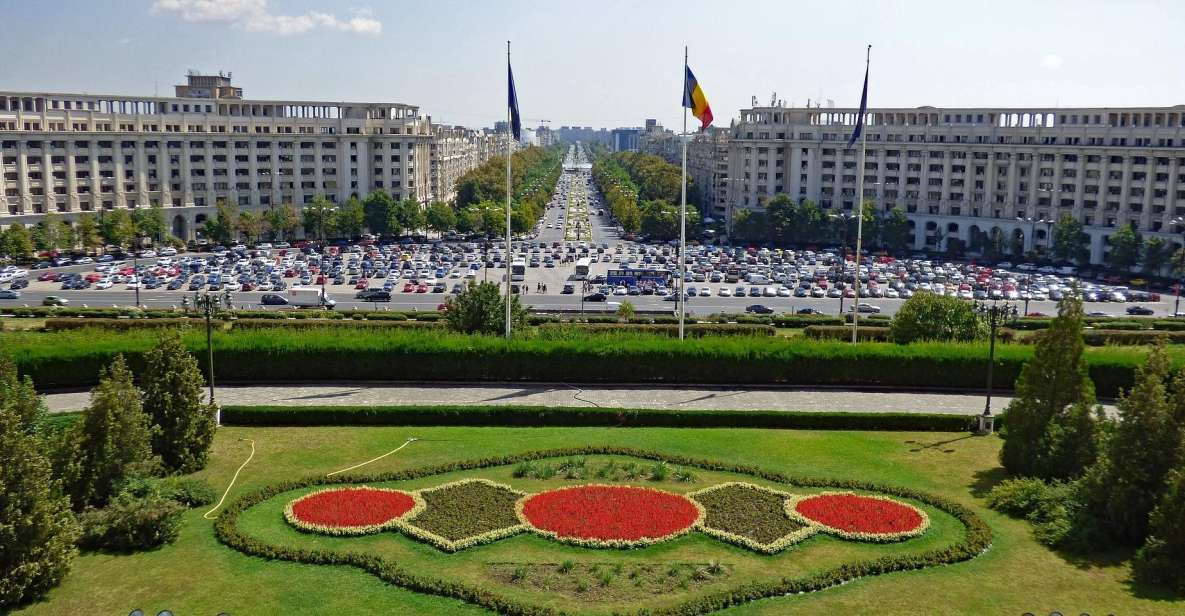
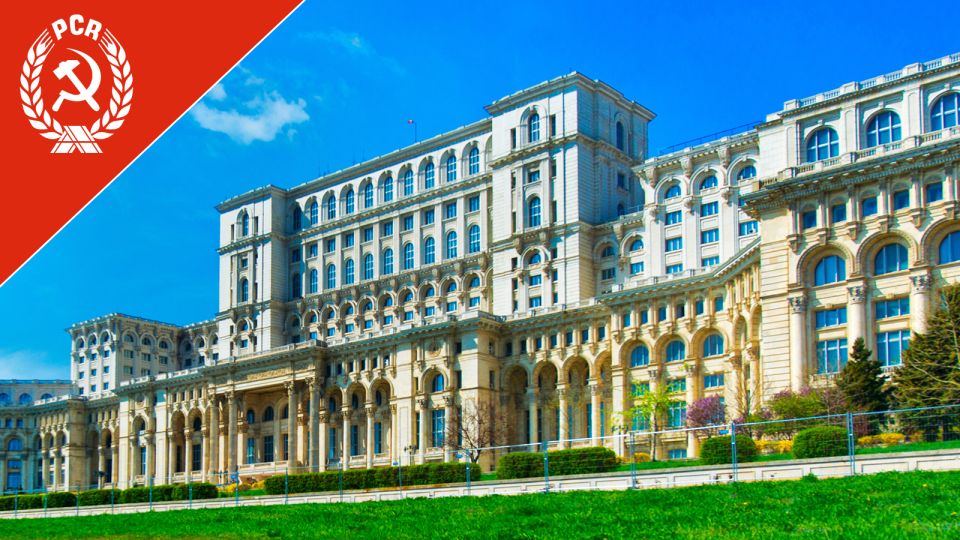
The center of the tour is the Palace of the Parliament. You’re not just walking through rooms. You’re learning the story behind why it was built and how it fits into Ceausescu’s larger plan to rebuild the capital city, known as Project Bucharest.
It’s worth knowing the listed completion date: the building was completed in 1997. That detail matters because it frames the Palace as something tied to long-term political ambition, not only a single moment in time.
What makes this stop so meaningful is the scale of interpretation. The guide’s job here is to translate size into meaning: why a government wanted a statement this large, and what that says about control and image. Even if you don’t love big interiors, you’ll likely come away understanding what the regime was trying to project.
Two practical realities to keep in mind:
- Photography: entrance fees are included, but the Palace of the Parliament excludes the photography fee. If you want to shoot freely, budget for that.
- Waiting: one booking noted over an hour of waiting at the Palace even with a fixed time. That doesn’t mean it will happen to you, but it’s a smart heads-up.

When Parliament Access Gets Interrupted
The tour notes a specific situation where the Palace of the Parliament may not be visitable. From January 1 to June 30, 2019, the Palace hosted works of the Romanian Presidency at the Council of the European Union. During windows like that, they can’t guarantee access.
The workaround is spelled out: if you can’t visit the Palace during your tour, it will be replaced with another attraction, or you can choose a refund. For you, that means it’s still worth booking—but you should have your expectations flexible about the exact building entry.
If Palace access is a top priority, I’d treat the tour as “Parliament-focused, but not 100% guaranteed” and confirm before you finalize anything that depends on a precise schedule.
Spring Palace (Palatul Primaverii): Ceausescu’s Home, Up Close
Your final stop is the Spring Palace, officially the residential Ceausescu Palace, the Palatul Primaverii. This is where the famous Ceausescu couple lived, and the tour frames it as the ending payoff of the day’s story.
I like ending here because it answers a question your brain keeps asking during monument stops: Where did the power actually happen? A residence gives the day a different kind of realism. Even if you’re not a “history person,” it’s hard not to feel the contrast between public grandness and private living.
There’s also a timing constraint you must respect: the Spring Palace can be visited between Wednesday and Sunday, from 10:00 AM to 6:00 PM. If your trip date falls outside that window, your tour may not include the visit the way you expect, so double-check your specific booking date.
The tour includes entrance fees for Ceausescu House. So you can focus on the experience rather than juggling tickets once you’re there.
Guide Quality Makes or Breaks Communist Stories
The tour lives or dies on interpretation. This is one of those days where a strong guide changes everything—because you’re learning how people, design, and propaganda connect.
The reviews you shared strongly emphasize guide clarity and history focus. A guide named Claudia is praised for excellent knowledge and clear English. Another guide, Marcel, is described as making the tour fun. There’s also a note about a mismatch related to a bunker expectation in a private guided setup, which is a useful reminder: ask in advance if there’s a specific room or access you care about.
If you want a smooth experience, arrive ready to ask your guide questions. This tour structure gives you the “facts” but it’s the conversation that turns it into something you’ll remember.
Price and Value: What $256 Buys in 7 Hours
At $256 per person for a 7-hour, guided, transport-included day, you’re paying for three things: guided storytelling, in-town logistics, and entry to key sites. Since transport is provided (car/minibus/coach) and hotel pickup is included, you’re not spending your day figuring out transit.
Entrance fees are included for the Palace of the Parliament (with the photography fee excluded) and for Ceausescu House. That reduces your “surprise costs” risk. Lunch is not included, so you’ll need to plan food either before or after. Personal expenses are also on you.
Is it good value? For a first visit to Bucharest—especially if you want a structured take on a complicated era—it usually makes sense. The biggest value isn’t just seeing two palaces. It’s seeing the connection between the city’s practical systems (metro, neighborhoods) and the regime’s public image (monument buildings).
Timing Tips and Small Planning Moves That Save You Stress
Bring your passport or ID card, and wear comfortable shoes. This matters more here than on a museum tour because you’ll likely be walking between transit and entrances while listening to explanations.
If you’re traveling as a bigger group, the tour notes special discounts for groups larger than 10 people. If you’re with friends or a small club, it can be a cost-effective way to do Bucharest with a single plan.
Also, keep in mind the tour isn’t suitable for people with mobility impairments or wheelchair users. That isn’t a minor detail here. It’s a safety and comfort factor for the walking and navigating.
Finally, if you love photography, read the fine print on the Palace photography fee. If you’re okay with selective shots, you’ll have a smoother day and fewer money surprises.
Is This Tour for You? The Best Fit and the Clear No
This is a good fit if you want a guided, story-driven introduction to Bucharest under communism. It’s especially appealing if you like tours that connect architecture to human life—metro and working-class neighborhoods are included for a reason.
You’ll probably enjoy it even more if you’re the type who likes a “why” behind the buildings. The day is built around explanations: how Parliament ties into Project Bucharest, and how the Spring Palace closes the loop by showing the residence behind the power story.
You should skip it (or choose another format) if mobility is an issue. The tour also isn’t wheelchair-friendly, and the schedule suggests a pace that may not work well for everyone.
Should You Book This Communist Tour?
Book it if you want a structured 7-hour understanding of how communist power shaped Bucharest—starting with the metro, moving through everyday housing, and ending with the dictator’s residence. The guide-driven format is a real strength, especially when you choose the time slot that lets you visit the Spring Palace within Wed–Sun, 10:00 AM–6:00 PM.
Don’t book it expecting a perfectly predictable schedule for the Palace of the Parliament in every circumstance. Access can be interrupted for official periods, and waiting time can happen. If you can live with that flexibility, the payoff is a coherent, memorable story in one day.
FAQ
How long is the communist tour in Bucharest?
The tour duration is 7 hours.
Do they pick up guests from their hotel?
Yes. The tour starts with pickup from your hotel reception.
What entrances are included in the price?
Entrance fees are included for the Palace of the Parliament (but the photography fee is not included) and for Ceausescu House.
Is lunch included?
No, lunch is not included.
When can you visit the Spring Palace?
The Spring Palace can be visited Wednesday through Sunday, from 10:00 AM to 6:00 PM.
Is this tour suitable for wheelchair users or people with mobility impairments?
No. It’s not suitable for people with mobility impairments and wheelchair users.