REVIEW · BUCHAREST
Constanta: Full Day Tour from Bucharest to the Black Sea
Book on GetYourGuide →Operated by TravelMaker · Bookable on GetYourGuide
A day trip can change your whole mood fast. Constanta packs Roman relics, Ottoman-era architecture, and a real Black Sea break into one long day. You’ll travel with transport included and an English-speaking guide, so you’re not stuck trying to connect the dots alone.
I particularly like the Museum of Archeology and History Constanta. It’s grounded, not showy: Greek and Roman finds, the story behind a Roman commercial harbor mosaic, plus Ovidius via Ovidiu Square. I also like the way the itinerary uses viewpoints, especially from the Minaret Tower of the Muslim Mosque, where you can take in the whole city.
One heads-up: beach time can feel a bit group-paced. If you’re craving quiet, take-your-own-time lounging, plan for a shared day where you may not get much privacy along the shore.
In This Review
- Key things to know before you go
- Bucharest to Constanta: highway, Danube crossing, and a fast reality check
- Inside the Museum of Archeology and History Constanta: where the Roman harbor story clicks
- Carol I Mosque and the Minaret Tower: pan views and a change of name
- Ion Mincu’s Orthodox Cathedral: Byzantine style in the middle of port-city life
- Aquarium Constanta and the Black Sea harbor walk: what to do if things are closed
- The beach portion: pace, privacy, and how to pack smart for a full day
- Price and logistics: what $210 covers, and where your extras show up
- Who should book this Constanta day trip, and who might skip it
- Should you book the Constanta: Full Day Tour from Bucharest?
- FAQ
- What time does the Constanta tour depart from Bucharest?
- How long is the Constanta day tour?
- What’s included in the $210 per person price?
- What costs are not included?
- Can I bring a swimsuit for the Black Sea?
- Is the tour suitable for people with mobility issues or young children?
Key things to know before you go
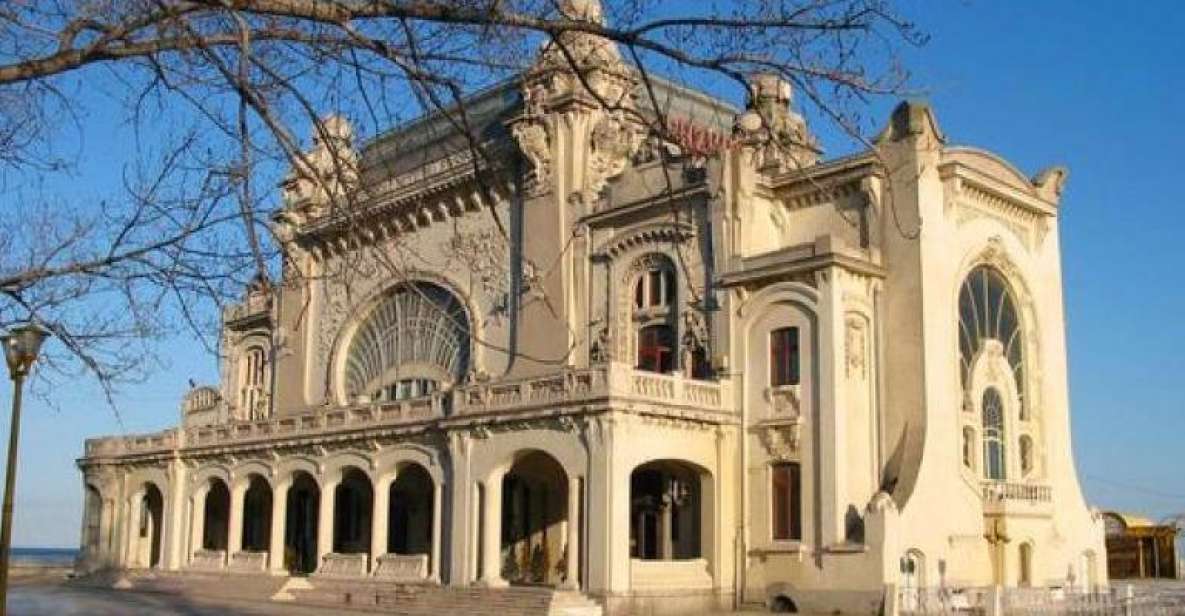
- Danube bridge history en route: You cross a bridge built in 1895 by Romanian engineer Anghel Saligny, commissioned under King Carol I.
- Museum focus on Constanta’s Roman layers: You’ll connect Greek/Roman artifacts with the commercial harbor story.
- Two architectural styles in one day: A Byzantine-style Orthodox Cathedral and a Muslim Mosque with a minaret climb.
- Harbor walk by the Black Sea: You get a stroll on the largest harbor in Romania.
- Some big sights may be under renovation: The Roman mosaic edifice and the Aquarium can be temporarily closed.
- Optional swim, weather permitting: Bring a swimsuit if you want that last-mile Black Sea moment.
Bucharest to Constanta: highway, Danube crossing, and a fast reality check
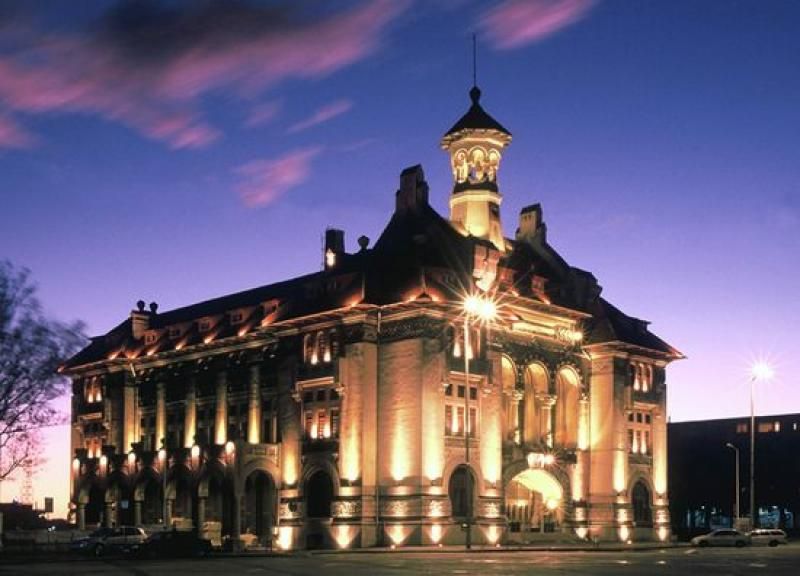
This trip is built on one simple promise: you leave Bucharest early and trade city life for sea air and stone streets. The day starts at 8:00 AM with pickup in central Bucharest, and you’ll be back around 7:00 PM.
The ride has a few “wait, what?” moments that make the long drive feel purposeful. You’ll travel on the highway toward Constanta and cross the Danube bridge tied to King Carol I’s era. The original bridge was built in 1895 by Romanian engineer Anghel Saligny, and it’s one of those pieces of infrastructure that quietly shapes a whole region’s story.
You’ll also pass the Nuclear Power Plant that was built by a Canadian company, with works beginning in 1978. It’s not a tour stop, but it does anchor what you’re traveling through: Romania isn’t frozen in time, and Constanta sits in a modern economic corridor too.
After about 3 hours of driving, you reach Constanta and transition from travel mode to walking mode. That shift matters on a day like this. If you show up with comfortable shoes and a flexible mindset, the schedule feels like a steady march instead of a frantic sprint.
You can also read our reviews of more tours and experiences in Bucharest
Inside the Museum of Archeology and History Constanta: where the Roman harbor story clicks
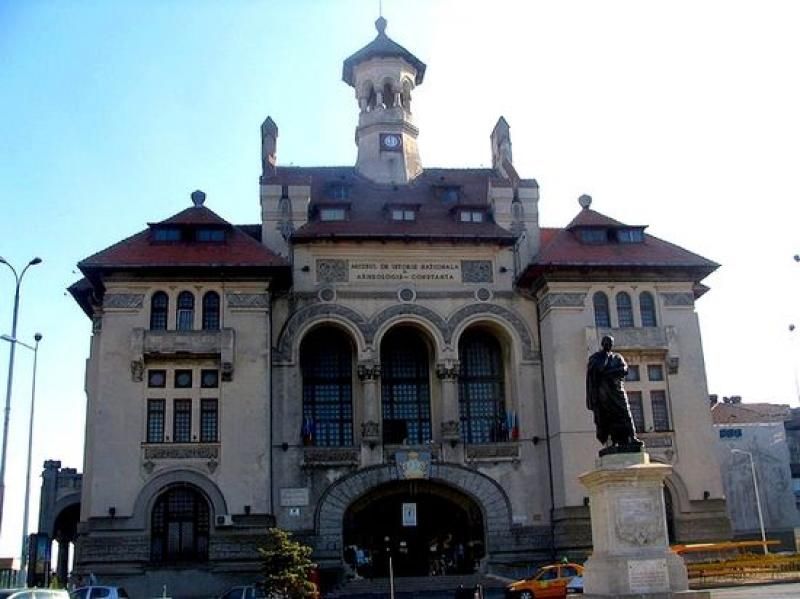
Constanta calls itself the oldest town attested on Romanian territory, and the museum is where you feel that age in your hands. The museum was founded in 1878, and it focuses on relics tied to Greek and Roman periods.
This is the part of the day that gives context. Without it, the later statues and architecture can feel like random sightseeing stops. With it, you start to see patterns—how this port city grew, how trade shaped the landscape, and why certain figures became worth honoring.
The museum includes artifacts and architecture connected to Roman Constanta. One highlight is the Roman Edifice with mosaic, discovered during excavations in 1959. The catch: that specific mosaic edifice is temporarily closed for renovation. Even so, you’re still guided toward the story of the original Roman Mosaic, which was part of the commercial harbor dating back to the 4th century.
So what’s the value for you? You’re not just looking at objects. You’re tracing a trade network in stone and tile. If you like museums that explain how cities actually worked, this one lands well.
You’ll also meet the Ovidius thread of Constanta. There’s a statue of Publius Ovidius Naso (43 BC–17 AD) in Ovidiu Square, honoring a poet buried under the gates of the Roman Citadel in the present statue location. The statue was built in 1887 by Italian sculptor Ettore Ferrari. Even if you’re not a classic-literature person, you’ll appreciate how local identity can attach to a single name.
Carol I Mosque and the Minaret Tower: pan views and a change of name
Constanta’s Muslim Mosque is one of those stops you don’t rush past. It was built between 1910 and 1912 as an homage to the local Muslim community. The inauguration included the presence of Carol I, Romania’s first king, and the building initially carried the name Carol I.
Later, it was renamed Mahmud the Second. That little naming history is a good reminder: architecture here isn’t just aesthetic—it’s political, cultural, and tied to how communities wanted to be recognized.
A key moment is going up the Minaret Tower. From there, you’ll get a panoramic view over Constanta. This is one of the reasons day trips like this work: you get a big-picture view without needing to plan your own climb or transportation.
Practical note: the day includes stair climbing, so if you know stairs are an issue, this is where you’ll feel it most. The tour isn’t suitable for people with walking impairments or wheelchair users due to stairs.
Ion Mincu’s Orthodox Cathedral: Byzantine style in the middle of port-city life
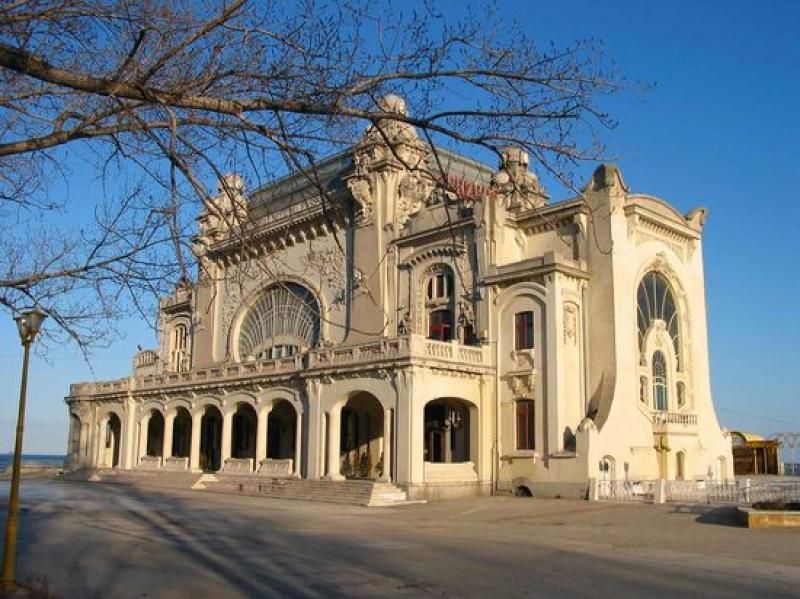
After the mosque, the Orthodox Cathedral lands with a different visual language. The cathedral was built between 1883 and 1895 by architect Ion Mincu, and it’s a monument of Byzantine architectural style.
What I like about pairing these two sites is the contrast. You get a fast education in style and scale: minaret, domes, stonework cues, and how each tradition shapes the skyline. Even with a tight schedule, you walk away with sharper visual memory.
This also helps you understand why Constanta feels layered. It’s not one era dominating everything. It’s multiple styles living side-by-side in a coastal setting that has seen a lot of change.
Aquarium Constanta and the Black Sea harbor walk: what to do if things are closed
The day keeps moving toward the water. You’ll visit Aquarium Constanta, inaugurated in 1958, and noted as the first public aquarium in Romania. It’s a focused stop, and it can be a nice temperature break from walking and sun.
One of the promised draws is the sturgeon collection. The aquarium features a variety of fish species, including sturgeon. Still, the aquarium can be temporarily closed for renovation, so don’t build your whole day around seeing every display.
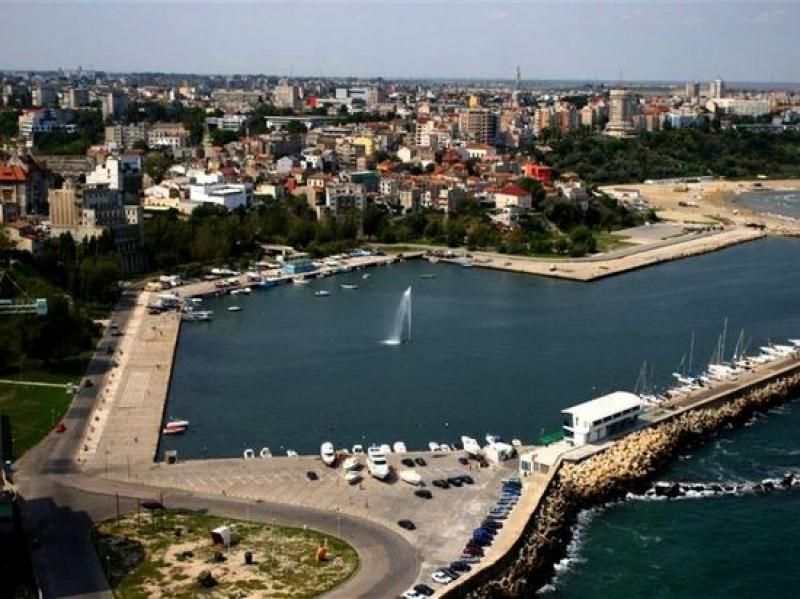
Even if the aquarium is closed, the tour’s broader “Black Sea payoff” remains. You’ll take a walk on the largest harbor in Romania, which is where the mood shift really happens. Harbor space has a different rhythm than inland towns. You feel the scale, the breeze, and the open sky.
Lunch happens before the coast timing wraps up. Since lunch isn’t included (plan roughly 15–20€ per person), you’ll want to budget for it. If you’re the type who needs a predictable meal, pick something simple and quick near your stop so you don’t lose time later.
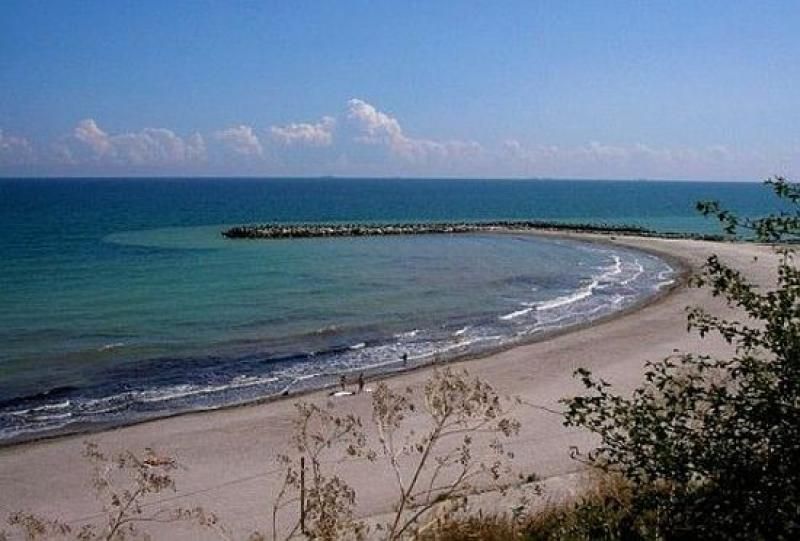
If weather cooperates—and if you bring your swimsuit—you can take a refreshing bath in the Black Sea. That optional swim is worth thinking about because it’s usually the most memorable part of a sea day trip. You’re close enough to the water that you can actually use it.

The beach portion: pace, privacy, and how to pack smart for a full day
A day trip can feel long even when it’s well run. You’re out early, you’re in a shared group, and you’ll be moving between sites rather than lingering in one place. That’s not bad. It just means you should plan to work with the schedule instead of fighting it.
Based on how the experience is run, expect the group to stay together during the seaside portion. There’s value in having the guide and driver close by—questions get answered fast and timing stays smooth—but if you want long, solo beach time, this may not be the setup.
To make the most of your Black Sea window, pack like you’re doing a mini travel marathon:
- Comfortable shoes first. You’ll be climbing stairs and walking between stops.
- Swimsuit if the forecast looks decent; the swim is optional but you need the gear.
- Light layer for wind off the harbor. Coastal air can cool down fast once you’re in full shade.
Also, build in patience. The tour notes that the timetable may shift due to heavy traffic and road works. On this route, that’s normal. Your best strategy is flexibility and a calm attitude.
Price and logistics: what $210 covers, and where your extras show up
At $210 per person, this isn’t a budget bargain. But it also isn’t “pay extra for basic transportation.” The price includes round-trip transportation by car or minibus (with fuel costs), pickup and drop-off in Bucharest, and an English-speaking guide.
That matters because you’re paying for time and coordination: the early departure, the long highway segment, and the guided stops that connect architecture and artifacts into something you actually understand.
What you should plan to pay separately:
- Lunch: about 15–20€ per person
- Entrance fees: not included
Then there are the occasional closures. The Roman Edifice with mosaic is temporarily closed for renovation, and the Aquarium can also be temporarily closed. That doesn’t break the day, but it does change what you’ll physically see at those specific stops. When you’re budgeting, think of the tour as a guided Constanta overview, not a promise that every room and tank will be open.
For value-seekers, the best fit is someone who likes guided context. If you like to learn while you walk, the guide support makes the day feel efficient. If you prefer self-directed wandering, you might feel the structure more strongly.
Who should book this Constanta day trip, and who might skip it
This is a strong choice if you want a one-day taste of Constanta without planning trains, buses, or site-by-site logistics. You get a compact blend of:
- A major archaeological museum visit tied to Roman and Greek layers
- Two architectural anchors: the Muslim Mosque (with minaret views) and the Orthodox Cathedral by Ion Mincu
- A water-facing shift with a harbor walk and possible Black Sea swim
It’s also a decent pick for people who like asking questions. The guide format here is designed for an interactive day, and you can usually expect clear answers when you’re curious about what you’re seeing.
Where you should think twice:
- If you need mobility access, this tour isn’t suitable due to stairs involved in the experience.
- If you’re traveling with children under 7, it’s not recommended.
- If you want long unstructured beach time, the group-paced nature may not match your style.
A good mental model: treat it as a guided highlight reel with a sea finale, not a slow coastal stay.
Should you book the Constanta: Full Day Tour from Bucharest?
Book this tour if you want a guided day that links Constanta’s Roman and architectural identities to the simple pleasure of the Black Sea harbor. The combination of museum storytelling, minaret panoramic views, and a real coastal finish makes it feel worth the long ride.
Skip it if your priority is quiet beach hours, or if stairs are a problem for you. Also consider that key sights like the Roman mosaic edifice and the aquarium can be temporarily closed, so you should be comfortable treating the tour as a broader experience rather than a checklist you can’t miss.
If you’re a planner, pack your shoes and swimsuit. If you’re flexible, you’ll likely come away with that best kind of day-trip souvenir: knowing the city a little better than you did when you left Bucharest.
FAQ
What time does the Constanta tour depart from Bucharest?
The tour departs at 8:00 AM from Benjamin Franklin Parking in District 1. Return is around 7:00 PM, depending on traffic and road works.
How long is the Constanta day tour?
It’s listed as a 1-day experience.
What’s included in the $210 per person price?
The price includes transportation by car or minibus (fuel costs included), pickup and drop-off in Bucharest, and an English-speaking guide.
What costs are not included?
Lunch is not included (about 15–20€ per person), and entrance fees are also not included.
Can I bring a swimsuit for the Black Sea?
Yes, if the weather permits and you bring your swimming suit, you can take a refreshing bath in the Black Sea.
Is the tour suitable for people with mobility issues or young children?
No. It is not suitable for children under 7 and it isn’t recommended for people with walking impairments or wheelchair users due to stairs. Pets are also not allowed.