REVIEW · BUCHAREST
Taste Bucharest: A Food Lover’s Tour of Markets & Neighbourhoods
Book on Viator →Operated by Intrepid Urban Adventures - Romania · Bookable on Viator
Street food meets revolution history. This 5-hour Bucharest tour is one part taste-buddy day and one part city-walk lesson, taking you from landmarks tied to the Revolution to everyday neighborhoods you’d likely skip on your own. I like how it combines food with real places: Obor Market for the main tastings, plus architecture stops that help you understand why this city looks the way it does.
Two things I especially like: the 12 people max group size (you actually get attention, not a cattle-car experience), and the fact that the tour includes your samples—cheeses, cured meats, produce, mici, and a sweet finish—so you’re not constantly checking menus mid-walk. One thing to consider: it’s more tasting plates than a heavy, hot-dish feast, so if you’re expecting a lot of soups or cabbage-roll style comfort food, plan to eat a real dinner afterward.
In This Review
- Key things that make this Bucharest food tour worth your time
- First stop: the National Theatre Ion Luca Caragiale and Revolution-era Bucharest
- Strada Bătiștei: Neo-Romanian streets and the old American embassy story
- Bătiștei Church: Romanian Orthodox heritage on a short, meaningful detour
- Armenian Church and the Armenian Quarter: oldest documented house vibes
- Calea Moșilor tram ride: seeing Communist-era Bucharest without the tourist bubble
- Obor Market: the main tasting, shopping time, and a proper food break
- What you likely taste at Obor (and how it’s served)
- Drinks: tuica shot, beer options, and coffee/tea alternatives
- Food reality check: portion expectations and why one review felt let down
- How much walking and tram time to plan for
- Small group energy: why the guides keep getting named
- Value for $102.79: why this price can feel fair in Bucharest
- Who should book this Taste Bucharest food tour
- A quick note on allergies and dietary needs
- Final call: should you book it?
- FAQ
- How long is the Taste Bucharest tour?
- What does the tour cost?
- How big is the group?
- Is the tour offered in English?
- How much walking is involved?
- Are food and drinks included?
- What kinds of Romanian foods are you likely to taste?
- Can the tour accommodate allergies or dietary restrictions?
- What areas of Bucharest does the route cover?
- Is cancellation free?
Key things that make this Bucharest food tour worth your time
- Obor Market is the star stop, with shopping time and a full seating tasting rather than just a quick bite-and-run
- Food is included end-to-end: peasant-style platters, regional cheeses, seasonal produce, mici, and a Wallachian doughnut
- A short tram ride changes the feel of the day, taking you into Communist-era Bucharest along Calea Moșilor
- Neighborhood history is practical, not just dates—churches, quarters, and architecture make the city make more sense
- Guides set the tone: many reviews call out guides like Angelica, Bogdan, and Julian for humor and clarity
First stop: the National Theatre Ion Luca Caragiale and Revolution-era Bucharest
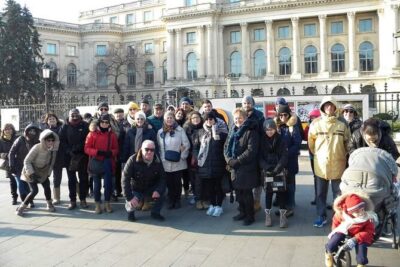
You start at the National Theatre Ion Luca Caragiale area, and the day’s first lesson is how Bucharest’s streets shaped big events. This isn’t a long museum detour; it’s more like getting your bearings fast—learning why this building matters and how the surrounding streets fit into the Revolution story.
What I like about starting here is that it gives you a mental map. After that, the rest of the walk feels less random, because you’re already thinking in terms of neighborhoods, power, and movement—not just sights.
You can also read our reviews of more food & drink experiences in Bucharest
Strada Bătiștei: Neo-Romanian streets and the old American embassy story
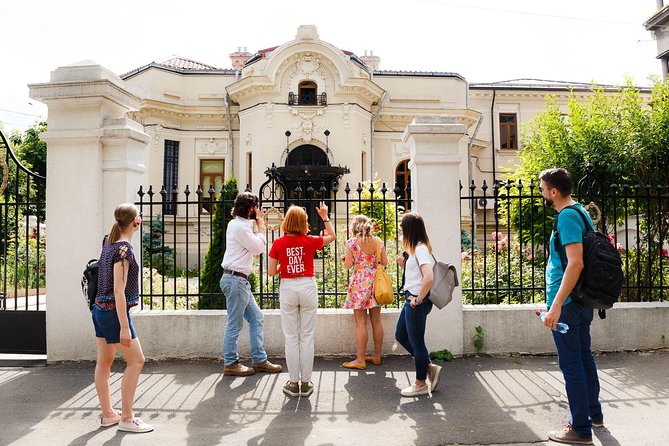
Next you head toward Strada Bătiștei, where history hides in the details. You’ll learn about the street’s 19th-century Neo-Romanian architecture and its significance, including its connection to the old American embassy.
This stop works well even if architecture isn’t your thing. The guide frames the buildings like clues, so you start noticing patterns in facades and street layout. It’s an easy way to switch from tourist mode to city-reading mode.
Bătiștei Church: Romanian Orthodox heritage on a short, meaningful detour
You’ll pass Bătiștei Church and get a quick, focused explanation of why it matters architecturally and culturally. Since this is one of the stops that’s listed as free, it won’t steal time from the food.
The real value here is how the day connects religion and daily life. You’re not just collecting churches—you’re seeing how Orthodox heritage fits into the look and rhythm of Bucharest.
Armenian Church and the Armenian Quarter: oldest documented house vibes
Then comes the Armenian Church and time in the Armenian Quarter. This part of the route is longer, and it gives you enough breathing space to absorb the mix of architecture and feel the neighborhood’s distinct character.
A highlight on this section: you’ll learn about Bucharest’s oldest documented house connected to this area. Even if you don’t catch every architectural term, it sticks because it answers a simple question: who lived where, and how old is this part of the city really?
Calea Moșilor tram ride: seeing Communist-era Bucharest without the tourist bubble
After the walk sections, you take a tram ride along Mosilor Street (Calea Moșilor). This is short but it’s a great reset. The city shifts visually and emotionally when you move through different eras, and the tram makes it feel like transportation, not performance.
Why this matters: Bucharest can look one way near the center, and another way a few tram stops out. This tour gives you a structured route into that “other Bucharest” while still keeping things easy enough for a one-day plan.
You can also read our reviews of more tours and experiences in Bucharest



Obor Market: the main tasting, shopping time, and a proper food break
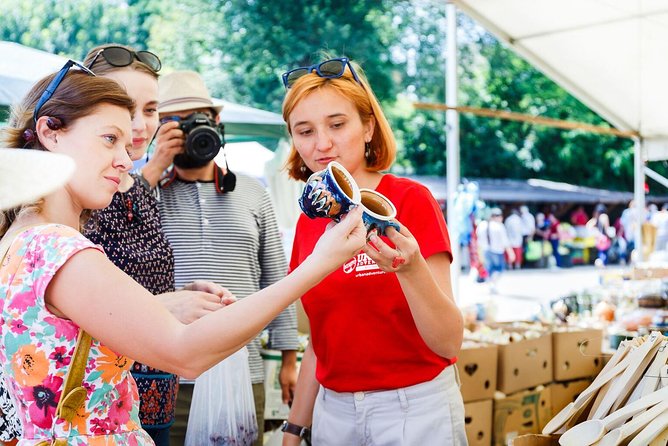
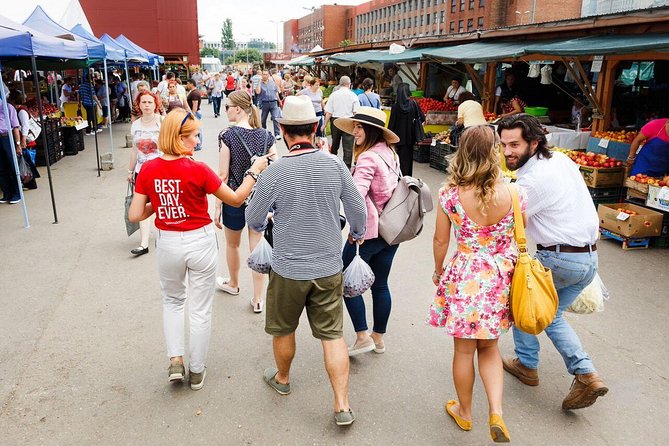
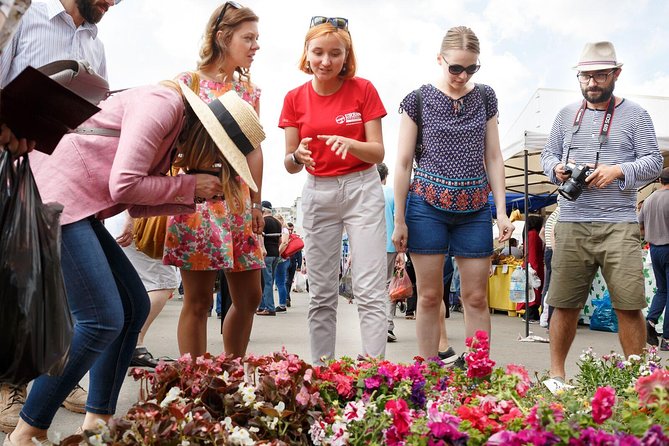
Obor Market is where the tour turns into a true food day. You’ll explore the market’s colors, smells, and street-food energy, then sit down for local tastings after shopping for traditional items.
This stop lasts the longest, so it’s also the best chance to ask questions and slow down. If you’ve ever wondered how Romanian food looks and feels in a real market setting, this is the moment.
What you likely taste at Obor (and how it’s served)
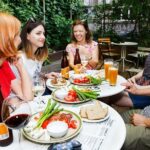
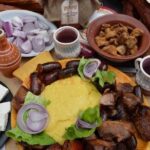
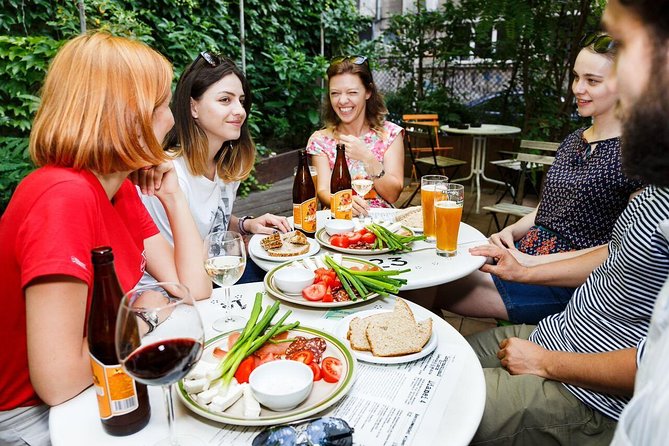
The tour’s “peasant platter” is built for variety—think aubergine dip (plus zacusca-style spreads), whipped beans, fish roe, and an assortment of cheeses like telemea and burduf. You’ll also see cured and smoked items such as sausages, smoked bacon, and cracklings, with red onions, tomatoes, and toast.
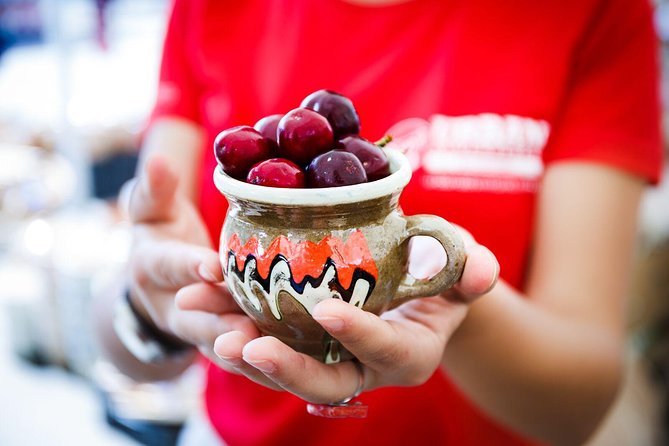
Then you’ll sample additional Romanian cheeses across cow, sheep, and goat varieties. There’s also a seasonal produce tasting that can include items like wild strawberries, wild garlic, spicy pickles, watermelon, or grapes—depending on what’s available.
Later you’ll hit mici, Romania’s beloved grilled skinless sausages, served with mustard. And the day closes with a sweet Wallachian doughnut.
If you’re the type who likes learning by tasting, this lineup is a strong plan. It’s not only “one meat item and some cheese.” It’s a spread that maps flavors across savory, salty, creamy, pickled, smoky, and sweet.
Drinks: tuica shot, beer options, and coffee/tea alternatives
On the drinks side, expect a traditional shot of tuica as part of the tastings. Beyond that, the tour typically offers up to three beers, with soft drinks and coffee or tea as non-alcoholic alternatives.
The practical point: you get some alcohol, but it’s still paced like a walking tour. If you don’t want alcohol, you can shift to the soft drinks or coffee/tea options.
Food reality check: portion expectations and why one review felt let down
Most people seem very happy with the food abundance and variety. But I’d be honest about the main potential mismatch: the tour is structured around tastings and sampling, not a series of hot, sit-down Romanian comfort dishes.
One disappointed comment noted they expected more hot traditional items like cabbage rolls or soup. That’s a useful clue for you. If your idea of Romanian food is mostly warm, heavy dishes straight from the stove, you may want to treat this tour as your flavor sampler and then plan a full Romanian meal afterward.
How much walking and tram time to plan for
This is an active day: about 6 kilometers on foot, plus that short tram ride. Comfortable walking shoes are a must, especially if you’re touring in warmer months.
The group size matters here. With up to 12 people, you’re not getting rushed through each stop. In real terms, that means you can move at a human pace and still hear the guide.
Small group energy: why the guides keep getting named
A lot of the standout praise focuses on guides who made the history feel easy and the food fun. Names that came up often include Angelica, Bogdan, and Julian, with comments about humor, friendly delivery, and clear explanations.
One pattern I’d bet you’ll feel: when the guide is strong, the day stops being just a checklist. You end up wanting to ask questions, and you notice more details in streets and buildings because the story is connected to what you’re eating.
Value for $102.79: why this price can feel fair in Bucharest
At $102.79 per person for about 5 hours, the best value argument is simple: this tour includes food and drink samples throughout, plus market time and neighborhood transport on foot and tram.
You’re not paying extra for every stop’s menu items. You’re buying into a guided route that strings together multiple food contexts—cheeses and cured meats, seasonal produce, mici, and a sweet finish—plus cultural stops that help you read Bucharest beyond the central highlights.
That said, this price won’t magically replace a full dinner. If you want a full meal experience, think of this as tastings plus history, then add a proper sit-down meal at the end.
Who should book this Taste Bucharest food tour
This is a great fit if you:
- want a food-focused tour that still gives you neighborhood context
- enjoy markets and like shopping before you eat
- prefer small-group pacing over large-bus crowds
- want to see areas beyond the most obvious central streets, including a tram segment
It may not be your best match if you’re:
- hunting for mostly hot, heavy dishes like soups and cabbage rolls
- strongly sensitive to a wide range of ingredients and need very specific alternatives (the tour asks you to notify them at least 24 hours ahead, but options may be limited based on availability)
A quick note on allergies and dietary needs
If you have allergies or dietary requirements (vegetarian, vegan, gluten intolerance, or other sensitivities), you’ll need to notify the operator at least 24 hours before the tour. They’ll do their best to accommodate, but options can be limited depending on what’s available that day and where you can be served.
Final call: should you book it?
I’d book this if you want a day where food is the main event and history is the seasoning. The Obor Market centerpiece, the included lineup (cheeses, cured meats, produce, mici, and doughnut), and the small-group pace make it easy to recommend for a first or second visit to Bucharest.
Skip it only if your must-have list is mostly hot traditional dishes served in full portions. For everyone else, this is one of those tours that teaches you how to taste the city, not just how to look at it.
FAQ
How long is the Taste Bucharest tour?
It runs for about 5 hours.
What does the tour cost?
The price is $102.79 per person.
How big is the group?
The tour has a maximum of 12 people.
Is the tour offered in English?
Yes, it’s offered in English.
How much walking is involved?
Expect around 6 kilometers of walking, plus a short tram ride.
Are food and drinks included?
Yes. All food and drink samples are included, with drinks typically including tuica and up to three beers, plus soft drinks and coffee or tea options.
What kinds of Romanian foods are you likely to taste?
You can expect a peasant platter with items like aubergine dip, zacusca, whipped beans, fish roe, telemea and burduf cheeses, sausages, smoked bacon, and more. You’ll also taste cheeses, seasonal produce, mici with mustard, and a Wallachian doughnut.
Can the tour accommodate allergies or dietary restrictions?
If you have allergies or dietary needs, you should notify them at least 24 hours in advance. They’ll try to accommodate you, but options may be limited depending on availability.
What areas of Bucharest does the route cover?
You’ll visit multiple neighborhoods and landmarks, starting at the Ion Luca Caragiale National Theatre area, then going through streets around Bătiștei, the Armenian Quarter area, and on tram to Obor Market.
Is cancellation free?
Yes, you can cancel up to 24 hours before the experience for a full refund.