REVIEW · BUCHAREST
10 h Ceausescu Communism Private Tour in Bucharest plus Dracula’s Grave
Book on Viator →Operated by Romania Driver and Guide · Bookable on Viator
Communism in Bucharest feels oddly personal. This full-day private tour strings together the big symbols—Palace of Parliament, Ceausescu-era sites, and the countryside stop at Snagov Monastery—so you see how power shaped architecture, streets, and daily life. I really like two things: the private, English-speaking guide time and the comfort of moving between stops in an air-conditioned vehicle.
One watch-out: the price doesn’t include entrance tickets, so you’ll want to budget extra for paid sites like the Palace of Parliament (and other ticketed stops).
In This Review
- Key highlights at a glance
- The value of a private “Communism to Dracula” day
- Palace of Parliament: the world’s “oops, that’s too much” building
- National Village Museum: Romanian traditions, in one place
- Calea Victoriei and Revolution Square: the street-level meaning of 1989
- Patriarchate Hill: a calmer stop that still fits the story
- Snagov Monastery and Dracula’s Grave: history with a spooky shortcut
- Ceaușescu Mansion: the private world before the collapse
- Price, tickets, and what you should budget before you go
- How to make a 10-hour day feel manageable
- Who this tour fits best in your trip
- Should you book the Ceausescu Communism Private Tour plus Dracula’s Grave?
- FAQ
- FAQ
- How long is the tour?
- Is this a private tour?
- Do I get hotel pickup and drop-off?
- Will I travel in an air-conditioned vehicle?
- Are entrance tickets included?
- Are meals included?
- What sites does the tour include?
- Is the guide available throughout the day?
- What if I need to cancel?
Key highlights at a glance
- Private guide, private car: your group gets full attention all day, with no sharing with strangers.
- Big contrasts in one loop: royal-era streets and communist landmarks in the same route.
- Snagov Monastery with Dracula’s Grave: a 40-minute outside-Bucharest detour that changes the mood fast.
- Orthodox heritage on Patriarchate Hill: a calm cultural stop between the political sights.
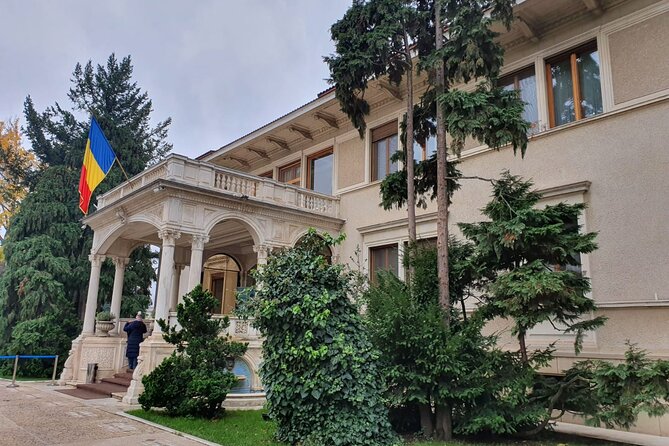
- Ceaușescu Mansion: the story of the family residence before 1989.
The value of a private “Communism to Dracula” day
At $255.98 per person, this tour sits in the “worth it if you’ll actually use the setup” category. The setup here is the key: you get a licensed English-speaking guide/driver and a private vehicle used only by your group. That matters in Bucharest, where hop-on-hop-off sightseeing often turns into waiting and rushing. With a private route, you can keep your pace, ask questions, and get explanations tied directly to what you’re looking at.
The itinerary also mixes heavy and lighter tone on purpose. You start with political architecture and propaganda-scale spending, then you shift gears to Romanian village life at the National Village Museum. Later you add Dracula’s Grave at Snagov Monastery—still historic, but with a different emotional register. I like that this tour doesn’t treat Dracula as the only draw. It treats him as a doorway into Romanian place and storytelling.
A practical plus: hotel pickup and drop-off are included, and the tour offers flexibility. That means if you care more about streets and buildings than about every single museum detail, you can steer the day a bit (even after it starts). It’s also helpful that all car expenses are covered, so you’re not mentally tracking parking and road tolls all day.
You can also read our reviews of more private tours in Bucharest

Palace of Parliament: the world’s “oops, that’s too much” building
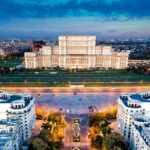
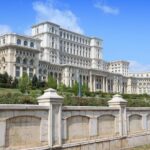
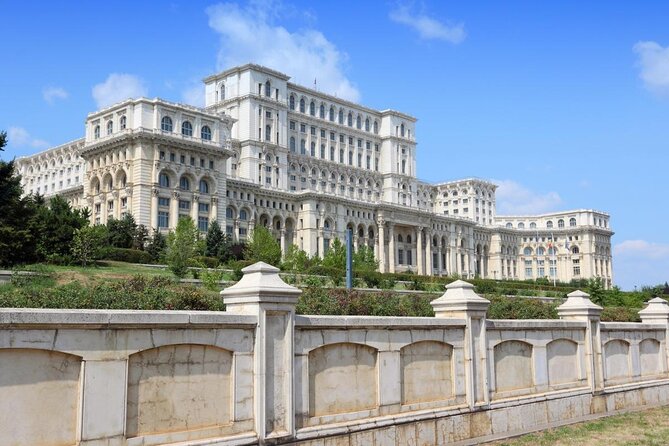
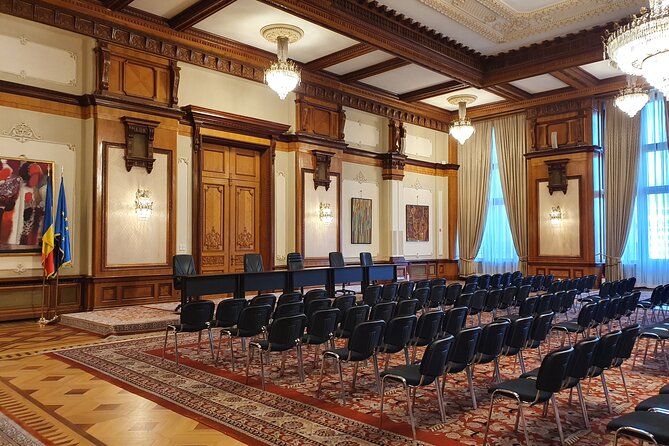
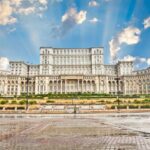
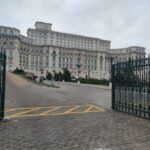
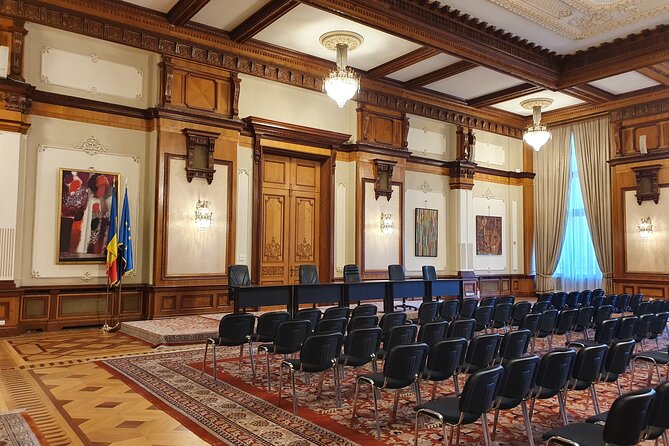
The Palace of Parliament (also referred to as People’s House) is where this tour’s theme gets its sharpest edge. You’ll spend about 2 hours here, and the guide sets the tone fast: the point isn’t just the size. It’s how a totalitarian regime can damage a nation—through control, waste, and megalomania. The description even frames it through the idea of the sleep of reason, which is exactly the kind of phrase that helps you understand why this building feels…unsettling.
The sheer scale is the hook. You’ll learn it’s the second-largest administrative building on the planet after the Pentagon. Even if you’re not a “big buildings” person, this one hits because it’s so out of proportion to normal civic logic. You’ll feel small looking at the pointless opulence—an experience that’s less about taking photos and more about getting your bearings about power.
Important detail: admission tickets aren’t included here. Plan for that cost upfront so you don’t waste your momentum at the entrance. Also, because this is a major site, it’s smart to come prepared for the kind of security and formalities you often see at top-government landmarks. Your guide will help you handle the flow.
What to watch for: this is the longest single “wow” stop. If you want a balanced day, treat the Palace visit like the anchor and keep the rest of the itinerary as your contrast.
National Village Museum: Romanian traditions, in one place
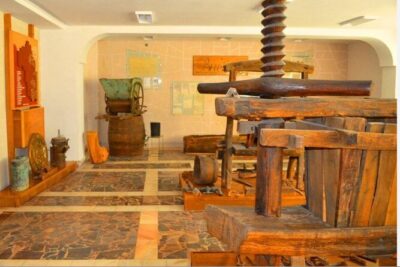
Next comes the Muzeul National al Satului Dimitrie Gusti, the National Village Museum. You’ll have about 1 hour here, and the tone shifts from power to people. The focus is on Romanian traditions—how villagers built a kind of practical, sustainable life around where they lived. The museum’s value is that it presents that idea in physical form: traditional houses and outbuildings, made with the materials and styles used across regions.
The descriptions you’ll hear from your guide are the kind that make this stop more than a collection. You’re not just looking at wood and stone structures; you’re learning what it meant for rural communities to create an ecological, functional home base. You’ll also see the simple rhythms of village life and key cultural symbols like mills and wooden churches.
This is also a good stop if you want a break from the political vocabulary. Even if your main goal is the communist story, this museum gives you context. It shows what life looked like when people weren’t designing cities to impress a dictator.
What to watch for: admission tickets aren’t included. If you’re trying to manage costs, this is one of the sights you’ll want to include in your entrance-fee planning, not ignore until the last minute.
Calea Victoriei and Revolution Square: the street-level meaning of 1989
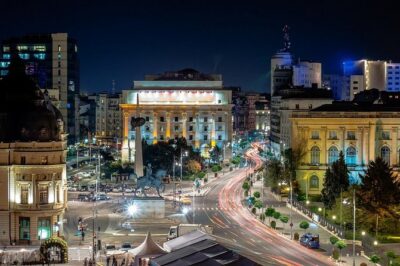
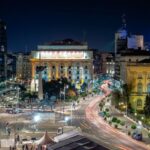
Then you get one of the best teaching tools for history: contradictions in the same direction. On Calea Victoriei (Victory Avenue), your guide points out how you can stand in one atmosphere and see remnants of multiple political eras. On one side you have royal-era grandeur; on the other, you’ll encounter communist structures and the setting for the 1989 rupture.
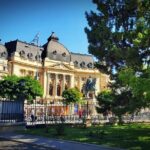
You’ll spend about 45 minutes on Victory Avenue, with stops and explanations tied to major cultural and institutional landmarks. The area includes churches, theatres, museums, and historic façades. The tour route also pulls in the National History Museum and the Romanian Athenaeum area, plus other notable buildings along the way. Even when you’re not entering every venue, the guided walk helps you read the city instead of just looking at it.
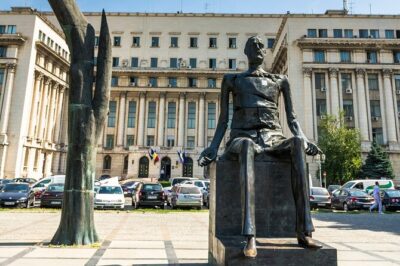
Next is Piaka Revolukiei (Revolution Square) for around 30 minutes. This is where the story turns from architecture to the moment power flipped. You’ll connect the Revolution of December 1989 to what Ceausescu left behind: secrets, controversies, and the state security story around the end of his rule. The guide also helps you understand why specific buildings matter—like the Senate Palace area and its connection to where the Central Committee used to operate and where the revolution’s momentum started.
The most memorable detail you’re likely to hear here is the account that Ceausescu fled by helicopter. It’s the kind of moment that turns political history into a vivid scene. Whether you’re fully into 20th-century politics or just curious, it’s hard to walk through these spaces without feeling the drama in the change of power.
What to watch for: this segment is time-limited. It’s not trying to turn Bucharest into a textbook page-by-page. It’s trying to get you oriented and make the big events make sense on the ground.
Patriarchate Hill: a calmer stop that still fits the story
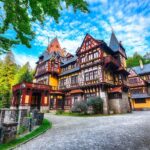
Not every stop on this tour is political. Palatul Patriarhiei (Patriarchate Hill / Dealul Mitropoliei) is about 45 minutes, and it gives you a different kind of “systems and symbols” lesson. From a religious point of view, this is described as one of the centers of Romanian Orthodoxy. It houses the headquarters of the Romanian Patriarchy and the Patriarch’s residence.
This matters for the tour’s overall value because it rounds out what you’re learning about identity. You’re not only seeing communist-era control tactics. You’re also seeing how Romanian society organizes meaning through religion, tradition, and institutions that outlast regimes.
What to watch for: this stop is listed as admission-free, which makes it a relief if you’re trying to keep entrance costs down. It also helps that it’s not a long slog in the middle of the day.
Snagov Monastery and Dracula’s Grave: history with a spooky shortcut
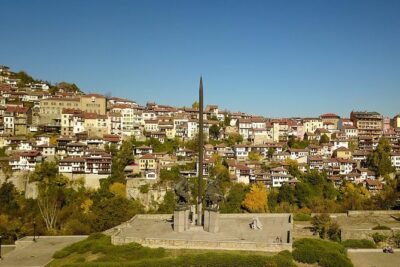
Here’s the “out of Bucharest” pivot. Snagov Monastery is about 40 minutes outside the city, on an island, and the headline hook is that it’s the place where Dracula’s Grave is located. You’ll have about 1 hour here, plus the travel time that comes with getting out of town.
Even if you’re skeptical of Dracula lore, you’ll likely enjoy the way this stop changes the mood. The tour goes from political architecture and political streets to a quiet setting you reach by water, where the narrative becomes more legend-and-place than policy-and-power. It’s the kind of contrast that keeps the day from becoming one long lecture.
Admission is not included for Snagov Monastery, so again: budget for it. But from a value perspective, I think it’s a smart add-on if Dracula is part of why you’re looking at Bucharest in the first place. It’s not just a quick photo stop. You get time to make sense of the setting, guided by someone who can connect the site to why people talk about it.
What to watch for: you may end up doing a mix of walking and standing on this island stop. Plan your footwear like you’re doing a real mini-excursion, not just a roadside glance.
Ceaușescu Mansion: the private world before the collapse
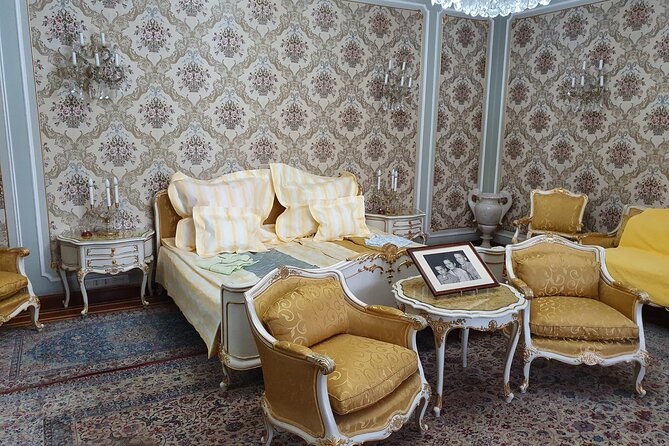
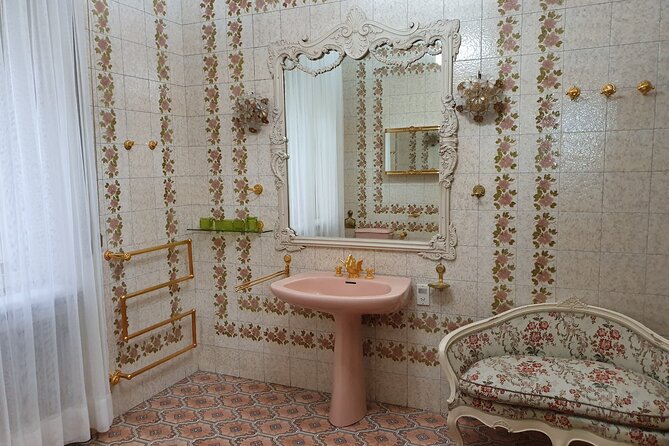
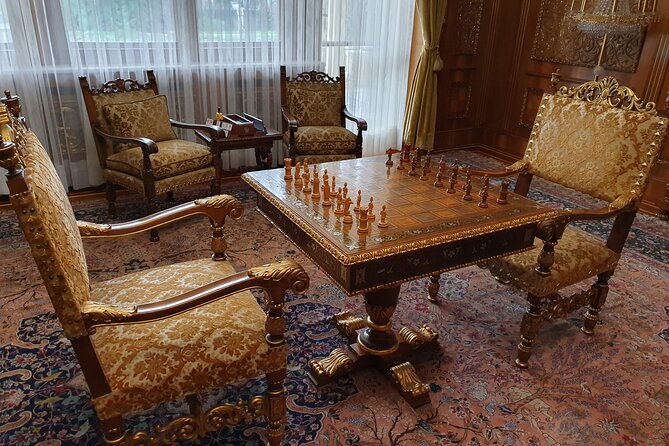
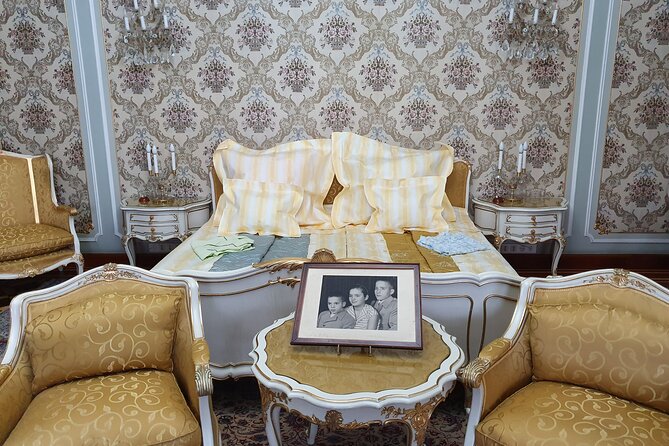
Finally, you’ll head to Ceausescu Mansion, with about 1 hour 30 minutes for the visit. This is one of the most direct “power on a human scale” stops of the day: the mansion served as the private residence of Nicolae and Elena Ceaușescu and their children (Nicu, Zoia, and Valentin) for roughly 1965 to 1989.
This stop lands because it reframes communism away from slogans and back into daily life. Your guide can point out the atmosphere of a regime that treated privacy as a luxury reserved for the ruling family, even as society carried the costs of that rule. The contrast can feel uncomfortable—in a useful way.
Admission isn’t included here, so factor that into your day plan. Also, because it’s the last major stop, I’d treat it like your “end big idea” moment: ask questions, and don’t rush through it just because you’re tired. If you’re already feeling the day’s theme tightening, this is where it clicks for many people.
Price, tickets, and what you should budget before you go
The headline price is $255.98 per person for a 10-hour private tour. What you’re paying for is mostly logistics plus expert framing: private air-conditioned transport, hotel pickup and drop-off, an English-speaking guide/driver throughout, and all car expenses (gasoline, parking, road tolls), plus taxes.
Then there’s the separate part: entrance tickets. The tour lists entrance tickets at 18 euro per person, and several stops explicitly note admission is not included, including the Palace of Parliament, Snagov Monastery, and Ceausescu Mansion. Food and drinks are also not included, so you’ll want to plan a lunch approach (either before, after, or as you go depending on the timing the guide sets for your day).
Is this still good value? For a private, English-guided full-day with a countryside detour, I’d say yes—if you’re the type who likes context and you’re not just chasing landmarks. If you’re cost-focused and only want the Palace, you might find you’re paying extra for the full package. But if you want both Bucharest and Snagov, plus the Ceausescu family story, the structure makes sense.
How to make a 10-hour day feel manageable
This tour is long enough that the “small comfort” details matter. Since pickup and drop-off are included, you don’t need to think about where to meet or how to get back when you’re done. The private vehicle also means you can keep momentum between sites instead of spending time navigating public transit.
Still, a full day has a rhythm. You’ll likely spend time waiting your turn for entrances and taking in views from different vantage points. Bring patience and treat breaks as part of the plan, not as an emergency. If you’re planning photos, remember that some key sites may prioritize security or indoor access rules; your guide can help you handle the flow without turning the day into stress.
If you’re sensitive to political topics, you might find the Palace of Parliament and Revolution Square emotionally heavy. I’d go in knowing the tour is explicitly about the consequences of totalitarian rule—and that it uses architecture and space to explain it, not just to show off.
Who this tour fits best in your trip
This is a great match if you want:
- A private guide who can explain what you’re seeing in plain language.
- A route that covers communism-era power, Romanian identity, and Dracula lore in one day.
- A comfortable logistics setup, especially if you’d rather not plan bus routes or connect sites on your own.
It may be less ideal if you:
- Only want a “light” Bucharest day with minimal political context.
- Want every attraction to be optional and spontaneous without any structure (this is still a planned full-day arc).
- Are trying to keep total costs very low, because entrance tickets add up across multiple stops.
Should you book the Ceausescu Communism Private Tour plus Dracula’s Grave?
I’d book it if your ideal day is guided and story-driven: big monuments plus real context, with one countryside stop that changes the mood. The private format and hotel pickup are the practical reasons to choose it; the itinerary’s balance is the emotional reason. You’ll leave with a clearer sense of how Bucharest reads when you connect royal streets, communist landmarks, and Romanian identity in the same frame.
Skip or rethink it if you’re only hunting for Dracula and don’t care about the communist thread, or if you’re trying to avoid entrance fees and long-site days.
FAQ
FAQ
How long is the tour?
It’s listed as about 10 hours.
Is this a private tour?
Yes. It’s private, and only your group participates.
Do I get hotel pickup and drop-off?
Yes. Hassle-free hotel pickup and drop-off are included.
Will I travel in an air-conditioned vehicle?
Yes. You’ll travel in a private air-conditioned vehicle between stops.
Are entrance tickets included?
No. Entrance tickets are not included, and the tour notes entrance tickets at 18 euro per person. The Palace of Parliament, Snagov Monastery, and Ceausescu Mansion are also listed as admission ticket not included.
Are meals included?
No. Food and drinks aren’t included.
What sites does the tour include?
You’ll visit the Palace of Parliament, the National Village Museum, Calea Victoriei, Revolution Square, Palatul Patriarhiei (Patriarchate Hill), Snagov Monastery (Dracula’s Grave), and Ceausescu Mansion.
Is the guide available throughout the day?
Yes. A private licensed English speaking guide/driver is available throughout the tour.
What if I need to cancel?
You can cancel for a full refund up to 24 hours in advance. If you cancel less than 24 hours before the start time, the amount paid isn’t refunded.