Cliffs, monasteries, and laughs by the road. This private 8-day Romania tour strings together places like Curtea de Argeș, Poienari Fortress, Bukovina’s painted monasteries, and medieval Transylvania towns—plus you ride in a private car the whole way with English-speaking guide/driver Nicolas.
I also like how the stops mix major sights with more specific local flavor, like the Merry Cemetery in Maramureș and the unusual museum of Lucia Condrea’s egg art. The trade-off is that it’s driving-heavy, and most entrance tickets are not included, so you’ll want to budget for site fees along the way.
In This Review
- Key highlights you’ll feel fast
- Private Romania by car: why the schedule works
- Day 1: Curtea de Argeș, Poienari’s fortress ruins, and Transfăgărășan’s big views
- Day 2: Salina Turda and the Surdești wooden church craft
- Day 3: The Merry Cemetery, communist memory, and Sapânța-Peri’s church story
- Day 4: Barsana’s height, Tihuța Pass driving, and Ciocănești’s painted village
- Day 5: Voroneț, Humor, Sucevița, Moldovița, plus Lucia Condrea’s egg museum
- Day 6: Bicaz Gorges, Red Lake, and Nicolae Popa’s sculpture museum
- Day 7: Sighișoara’s medieval living town, Viscri’s fortified church, and Brașov’s Piața Sfatului
- Day 8: Bran Castle mythology, Peles’s royal splendor, and Sinaia Monastery
- Price and logistics: what $2,825.81 per person buys you
- Who should book this private Romania tour?
- Should you book it or keep looking?
- FAQ
- How long is the private tour?
- What city does the tour start from?
- Is this a private tour or a group tour?
- Do you get pickup offered?
- Is an English-speaking guide/driver included?
- Is transportation included?
- Are entrance fees included for the attractions?
- Is accommodation and meals included?
- Is there internet in the car?
- Is the tour refundable if I cancel?
Key highlights you’ll feel fast
- A private car for just your group means fewer waiting games and more time where you actually want it
- Guide/driver Nicolas brings punctual, friendly, prepared storytelling with jokes that fit the day
- Transfăgărășan Highway access in season can turn a road transfer into a top-tier viewpoint day
- Maramureș wooden churches and cemeteries swap drama for craft, humor, and sky-high timber work
- Bukovina painted monasteries in a single stretch gives you the best chance to compare the famous fresco styles
- Fortress-to-castle contrasts on consecutive days range from Vlad’s legend to royal Peles Castle polish
Private Romania by car: why the schedule works
This is a private tour, which changes the whole feel. You’re not racing a big group, and you’re not guessing where to go next. The vehicle is only for your friends or family, and the guide/driver stays with you throughout the trip.
That matters in Romania, because distances are real and roads can be slow. The tour summary is honest: you’ll do a lot of driving, often with funny stories. If you like a road trip vibe—scenery, stops, and the guide calling out what you’re looking at—that’s your sweet spot.
The flip side is simple: if you hate long stretches in a car, this trip will feel like work. Also, the entrance fees at most stops are not included, so the final cost depends on what you choose to pay for on-site.
You can also read our reviews of more private tours in Bucharest

Day 1: Curtea de Argeș, Poienari’s fortress ruins, and Transfăgărășan’s big views
Your first day leans into Wallachian history and the kind of scenery Romania does best.
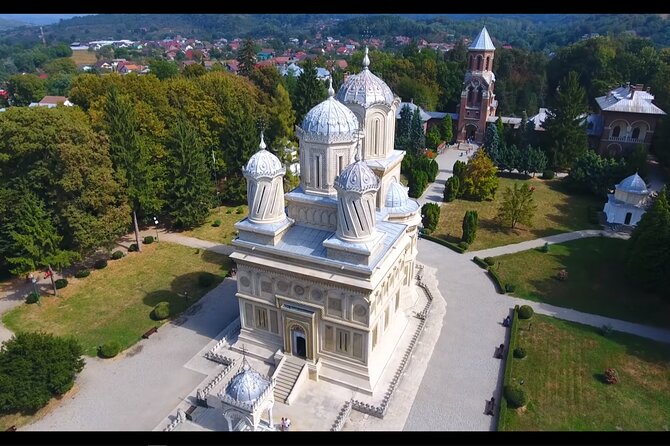
Start with Curtea de Argeș Monastery, tied to royal tombs and the old princely court ruins. It’s the sort of stop where you get context quickly: you’re not just looking at stones, you’re learning why this place mattered.
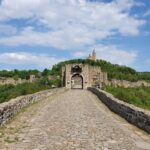
Then comes Poienari Castle—ruins perched high above the Argeș River near the Carpathians. This is where the driving turns into an “okay, wow” moment. The fortress connects to the Vlad story, including the idea of escape via a secret passageway. Even if you come for Dracula legend, the actual site is about cliffs, abandonment, and survival in harsh terrain.
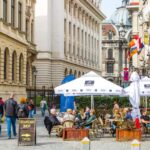
Later, you’ll hit Piata Mare (Big Square), which is a classic medieval square energy—social, photogenic, and easy to walk. It’s a lighter moment after the fortress climb-and-stare feeling.
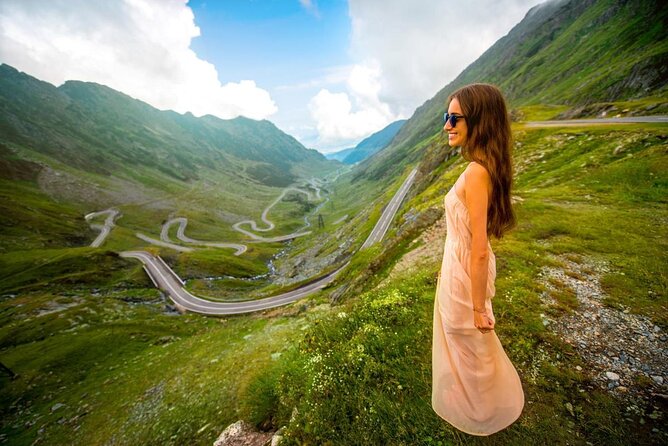
Finally, there’s the headline road: Transfăgărășan Highway. This is a major Romania driving highlight, and the detail you should know is timing: the road is fully open only June to October, with the top around 2,042 meters and the Balea Lac area as a key point. If you’re traveling outside that season, ask what your experience looks like, because the road can’t always deliver the same full run.
Day 2: Salina Turda and the Surdești wooden church craft
Day 2 shifts gears from castles and roads into salt-mining engineering and wooden craftsmanship.
At Salina Turda, you’ll spend time underground in former salt mines that stretch back thousands of years. The tour description makes a big point about the air—purifying saline conditions that can be beneficial for people with respiratory issues like allergies or asthma. You’ll also see Roman heritage traces and specific historic mining areas, plus medieval salt-extraction machinery, including the crivac (also described as gepel), a salt mill, and a carved altar in the salt wall. If you like “how people worked” history, this one clicks fast.
Next is the Grădina Botanica Alexandru Borza stop, tied to a broader city-tour vibe around Cluj-Napoca. What matters here is variety: you’re told to get your camera ready for architecture in Baroque, Renaissance, and Gothic styles. Even if you’re not a hardcore architecture fan, this kind of stop helps you see Transylvania as a living region, not only a set of fortress photos.
Then comes Surdești Wooden Church, a wooden church with towers reaching an impressive height (the description notes 54 meters). The point isn’t just “it’s old.” It’s how difficult the craftsmanship would have been in 1721, when building such a timber structure relied on skill and precision—not modern tools. If you’ve been traveling through stone churches all week, this is a satisfying switch.
Day 3: The Merry Cemetery, communist memory, and Sapânța-Peri’s church story
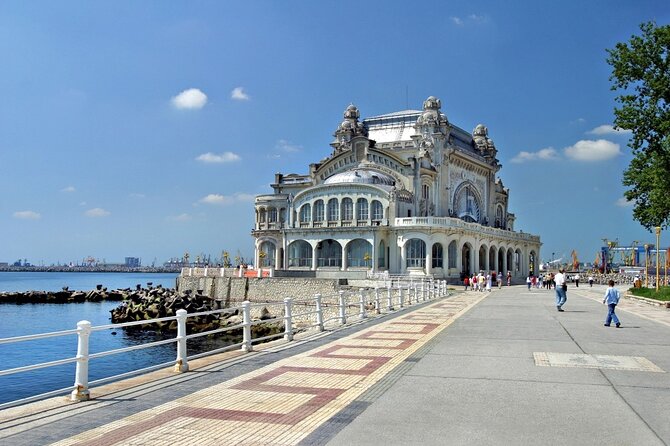
This day has emotional range—fun details on one end, hard truths on the other.
In Sapânța (Merry Cemetery), the mood lightens fast. The crosses and tombstones are described as colorful folk art with humorous poems about the people buried there. It’s a reminder that in some traditions, grief and humor share space. Expect to smile, then read closely, because the poems are the point.
After that, you shift to the Memorial of the Victims of Communism and of the Resistance. This is where the trip gets heavier. The focus is on how Romanian people fought to escape communist oppression and what that totalitarian regime did in a short span of time. It’s not a casual stop, but it gives context for modern Romania in a way that a roadside photo never can.
Then you get one more architectural story: Sapânța-Peri Monastery. This is another wooden church-related stop in Maramureș, with a building date given as 1391 and a note about how it served as a diocesan headquarters for centuries. Even with only a short visit, the timeline helps you understand why Maramureș churches became cultural anchors, not just places of worship.
Day 4: Barsana’s height, Tihuța Pass driving, and Ciocănești’s painted village
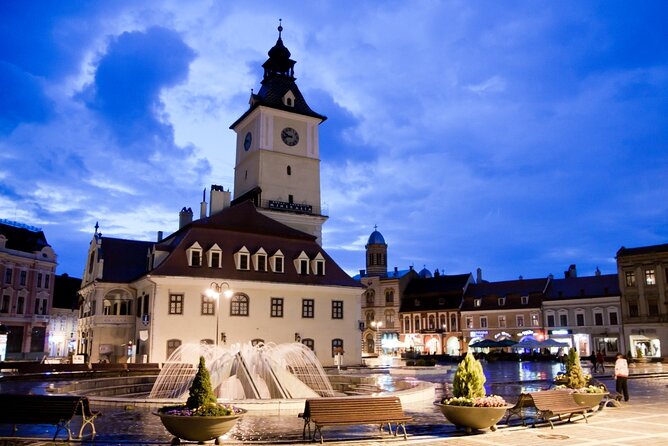
Day 4 is basically three ingredients: tall wooden faith, mountain-road crossing, and color.
Barsana Monastery is described as one of the tallest wooden churches in Romania (57 meters). The tour frames the feeling here as physical—walking into a courtyard and connecting with the “sky and God” idea. You don’t need to be religious to appreciate how that scale changes your perception. You’ll feel small in a good way.
Then comes Tihuța Pass—a crossing between Moldavia and Transylvania over the Bârgău mountains. The road was built in the early 1800s by Austro-Hungarian military initiative, then paved and asphalted later (notes mention paving 1969). The practical tip is road behavior: traffic can be crowded and you might get stuck behind trucks, but villages are fewer along the route, so cruising speed can still be decent. This is one of those days where being flexible about time helps.
Finally, Ciocănești delivers the color. The description calls it one of Europe’s most colorful destinations, including reference to Lonely Planet’s feature about technicolor towns and villages. You’re specifically told it’s painted like Easter eggs—so yes, it’s fun. But the real value is that it shows how communities use art to keep identity visible.

Day 5: Voroneț, Humor, Sucevița, Moldovița, plus Lucia Condrea’s egg museum

This is the Bukovina day, built around painted monasteries and unusual museum creativity.
You begin with Voroneț Monastery, constructed by Stephen the Great in 1488 to commemorate the victory at the Battle of Vaslui. The big detail is the fresco color—famous for an intense shade of blue known as Voroneț blue. The tour even mentions a popular comparison to the Sistine Chapel of the East. Even if you don’t like comparisons, the idea here is clear: this is one of the most recognizable painted monastery experiences in Romania.
Then you move to Humor Monastery, a fortified monastery. The emphasis is on churches built to protect spiritual treasures and the fact that some were hidden in woods or rock caves. Humor is described as surviving over the centuries despite earlier destruction.
After that, you visit Sucevița Monastery—another fortified church with biblical scenes painted on the walls. The description highlights it as an “open book” for understanding Christian history and notes UNESCO World Heritage inclusion. If you want to compare fresco styles, this is a good day for that mindset.
Next is Moldovița Monastery, built in 1532 and known for murals on both inside and outside. The tour description also calls out mixed architectural style elements—Byzantine, Gothic, and Moldavian.
Finally, you wrap with Muzeul International al Oualor Lucia Condrea. This is the curveball: an egg art museum with over 5,500 exhibits shown in 56 display cases. If you like seeing a different kind of Romanian folk artistry, this stop can be a favorite because it’s so specific and so different from monasteries.
A practical note for this day: you’ll be walking and standing in church courtyards and fresco-viewing spaces. Comfortable shoes matter, and it’s smart to pace yourself so you don’t start rushing at stop four.
Day 6: Bicaz Gorges, Red Lake, and Nicolae Popa’s sculpture museum
Day 6 shifts from monastery walls to rock walls and nature stories.
At Bicaz Gorges, you drive along ravines and serpentines with rock on one side and a sheer drop on the other. It’s described as a standout road stretch in the country, about 8 kilometers along the gorge. You’ll also see mentions of wallcreeper, an uncommon cliff-dwelling bird—so if you’re watching for birds, this is a good area to slow down your phone and look up.
Then you reach Lacu Roșu (Red Lake), caused by a landslide. The tour description even gives a timeline discussion: the year 1838 is tied to an earthquake (January 23, 1838, repeated in February), with other debate about violent storms and heavy rains. You don’t have to settle the debate on-site; what you’ll remember is the visual contrast—still water in a dramatic gorge setting.
Later, you visit The Popa Museum in Târpești (Neamț County). This is Nicolae Popa’s house and museum, founded in the 1970s after his life was shaped by World War II injury and later imprisonment by the communists for opposing the regime. The tour explains he left with only his house and then worked hard to create art, becoming one of Romania’s valued naive sculptors. This is the kind of stop where the story behind the art matters as much as the art itself.
Day 7: Sighișoara’s medieval living town, Viscri’s fortified church, and Brașov’s Piața Sfatului
This day brings you to Transylvania’s medieval core—and then shows you what that region looks like outside the biggest tourist centers.
In Sighișoara, you start with the Clock Tower and an Arms Museum visit. You’re told the citadel dates back to 1280 and is unusual because it has stayed inhabited for over 700 years. That living aspect is what makes Sighișoara more than a postcard.
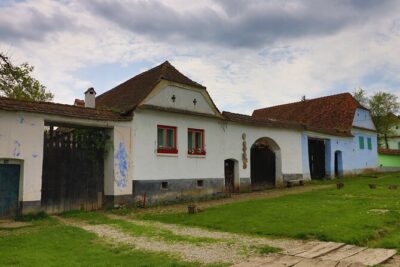
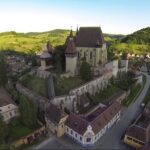
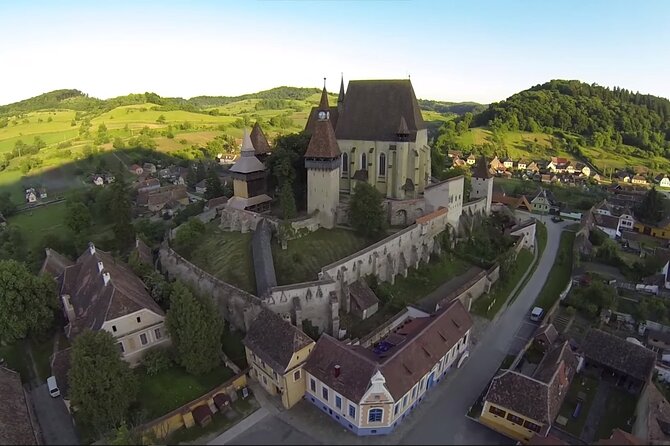
Next is Viscri, a village with history going back to the 12th century. The description notes Prince Charles’ visits, a fortified church, and support through the Mihai Eminescu Trust. Viscri is promoted as a must-see, and the point is clear: this is a chance to step into a different rhythm than big-city old towns.
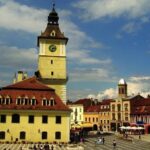
Then you head to Piața Sfatului (Council Square) in Brașov, with the fact that markets were officially granted in 1520 and that weekly and annual markets have been part of the place since 1364. The square is ringed with 18th-19th century houses, many marked as historical monuments. Even if you only have limited time here, the scale and walkability make it easy to get your bearings.
Day 8: Bran Castle mythology, Peles’s royal splendor, and Sinaia Monastery
Your final day mixes Dracula legend, royal architecture, and a monastery with a clear modern-present thread.
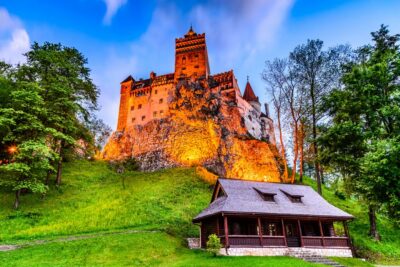
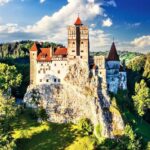
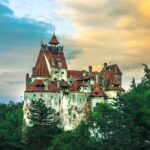
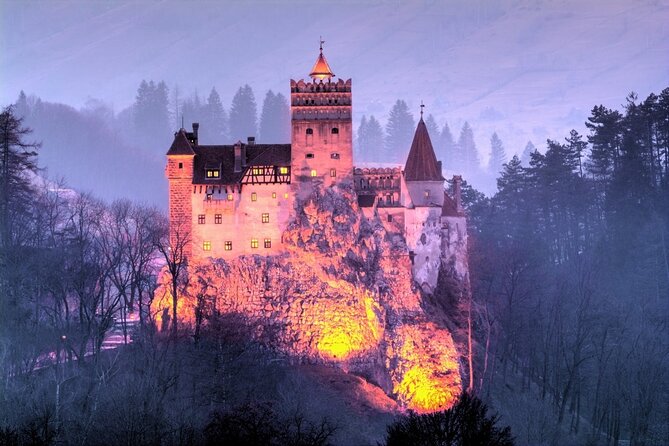
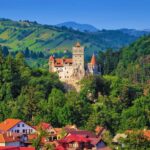
At Bran Castle, the framing is explicitly between myth and history. Because Bram Stoker’s Dracula story lines up with the look people associate with Bran, the castle gets famous fast. The tour also points to food tasting outside the castle area, including handmade cheeses, pálinka (plum and pear brandy), and traditionally-produced ham and sausages. If you like simple, local tastings at the end of a long trip, this is a nice close.
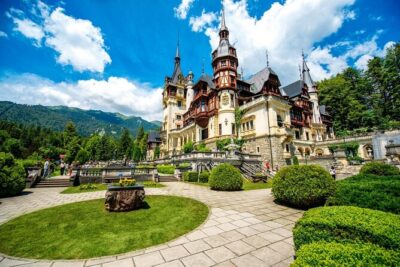
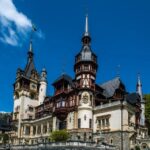
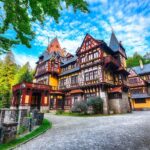
Then you visit Peleș Castle, described as the Romanian royal family’s summer residence. It’s repeatedly treated as one of the top tourist attractions in Romania and Europe, and you’ll see why once you’re standing in front of royal-castle detail work. The key practical point: give yourself time to look slowly, not just take photos.
Finally, you stop at Manastirea Sinaia. It was founded in 1695 by Prince Mihail Cantacuzino and named after the Saint Catherine’s Monastery on Mount Sinai in Egypt. The description also says it’s inhabited by 13 Orthodox monks led by hegumen Macarie Boguș as of 2005. That living piece is the difference between “a building you toured” and “a place that still functions.”
Price and logistics: what $2,825.81 per person buys you
At $2,825.81 per person for an 8-day private tour, the price won’t make sense for everyone. But in this case, the value is tied to what you avoid: group delays and constant navigation.
What you do get:
- Private car just for your group, plus all car expenses (gasoline, parking, road tolls)
- A private licensed English-speaking guide/driver available throughout
- Complimentary wireless internet in the car
- Flexibility about day-to-day changes after the tour starts
- Hotel recommendations based on your budget
What you don’t get:
- Accommodation, meals, and beverages for you
- Entrance fees as per the itinerary
That combination is common in private tours, but you need to plan for it. If you budget for lodging and entrances up front, the total cost becomes easier to judge. If you don’t, entrance fees can quietly add up across many sites, especially with multiple monasteries and museums in a single trip stretch.
Also remember: this tour includes guided access and transportation, not a fully all-inclusive package for your personal expenses. If you want a “everything paid” trip, you’ll likely need a different style of booking.
Who should book this private Romania tour?
I think this tour is a strong fit if you:
- Want private, flexible travel rather than chasing a schedule in a group
- Enjoy a mix of history, architecture, and nature drives
- Like humor and storytelling on long road days (the tour summary is clear about jokes during driving, and guide Nicolas is specifically praised for being prepared and friendly)
- Prefer a route that hits multiple regions—Wallachia to Transylvania to Maramureș to Bukovina—without you handling logistics
It may not be ideal if you:
- Hate driving and prefer very slow-paced sightseeing
- Want every entrance fee included in the price
- Travel mostly for beaches and relaxation rather than churches, fortresses, and monuments
Should you book it or keep looking?
Book this tour if you want a Romania trip built around guided interpretation, not just checkpoints. The private car, the ability to adjust the day’s flow, and Nicolas’ reputation for punctual, friendly, prepared guiding make this feel less like a bus tour and more like a road trip with real context.
Keep looking if you want a low-commitment plan with minimal driving, or if you strongly prefer that entrance fees be bundled into one predictable payment. In this format, you’re paying for guidance and transport—then managing personal add-ons yourself.
FAQ
How long is the private tour?
The tour runs for 8 days (approximately).
What city does the tour start from?
It’s a 8-day private Romania tour from Bucharest.
Is this a private tour or a group tour?
It’s a private tour/activity, and only your group participates.
Do you get pickup offered?
Yes, pickup is offered.
Is an English-speaking guide/driver included?
Yes. You get a private, licensed English-speaking guide/driver available throughout the tour.
Is transportation included?
Yes. You get a private car (tourism car or minibus) only for you and your friends/family, and all car expenses like gasoline, parking, and road tolls are included.
Are entrance fees included for the attractions?
No. Entrance fees as per the itinerary are not included.
Is accommodation and meals included?
No. Accommodation, meals, and beverages are not included for you.
Is there internet in the car?
Yes, complimentary wireless internet is available in the comfortable car.
Is the tour refundable if I cancel?
Free cancellation is available, with full refund if you cancel up to 24 hours in advance of the experience’s start time.