REVIEW · BUCHAREST
3-Day Tour from Bucharest: Transylvania Villages and Medieval Towns
Book on Viator →Operated by BookToursRomania · Bookable on Viator
Transylvania in three days can feel unreal. I like the Bucharest hotel pickup and drop-off, because it saves you from figuring out transport on your own, and I like the included guided tours for the big-ticket castles so your time goes to seeing instead of queueing.
The trade-off is that you’ll spend real hours in the car, and some outdoors parts depend on weather and even whether a cable car is running. If you hate driving days, this may feel like too much motion.
In This Review
- Key things that make this tour worth your attention
- Price and logistics: what you’re actually paying for
- Comfort from Bucharest: how the route avoids the usual headache
- Day 1: Pelș Castle, Bran Castle, and the slow countryside shift in Magura
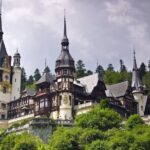
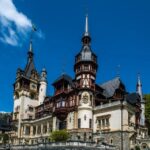
- Pelș Castle: one of Romania’s most impressive interiors
- Bran Castle: the legend machine—plus the real building
- Magura: countryside where the clock feels slower
- Day 2: personalized walking around Magura, Viscri’s white church, and Sighișoara at night
- Morning around Magura: village walk or a gorge hike
- Viscri: the fortified white church and UNESCO connection
- Sighișoara’s old citadel: a city you can still live inside
- Day 3: Brasov medieval streets, a short cable car ride, then back to Bucharest
- Brasov: medieval town feel plus a view from above
- The drive back: plan for a calmer evening
- Where this tour shines (and where you should set expectations)
- What’s included: the stuff that saves you money and stress
- Rooms and group setup: how it tends to feel on the ground
- Who this tour fits best
- Should you book this 3-day Transylvania tour?
- FAQ
- How long is the tour?
- What’s included in the price?
- Are castle entrance fees included?
- Does the tour include pickup and drop-off in Bucharest?
- Is walking required, and what fitness level do I need?
- What is the cancellation refund window?
Key things that make this tour worth your attention
- Guided time at Pelș and Bran: two of Romania’s most famous castles with structured touring included.
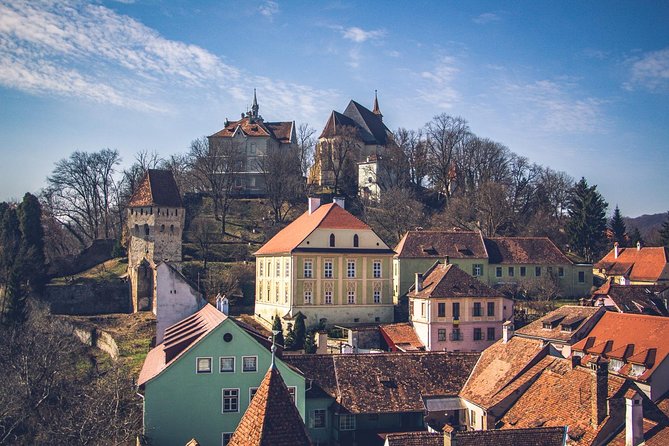
- Saxon heritage beyond the headlines: Viscri’s fortified white church and Sighișoara’s still-lived-in citadel.
- Car comfort instead of a coach: climate-controlled sedan/SUV, with snacks and non-alcoholic drinks during the ride.
- A mix of icons and quieter villages: Magura and Pestera countryside stop breaks up the castle marathon.
- Short, efficient walking tours: walking in Sighișoara and Brasov keeps your day from turning into a full-day slog.
Price and logistics: what you’re actually paying for
At $776.71 per person for roughly 3 days, this isn’t a budget hop between sights. You’re paying for a private, organized route that bundles together transportation, guides, and entry fees—plus two nights of 3-star lodging with breakfast.
Here’s the practical value: you’re not just buying tickets to castles. You’re buying time. With included visits at Pelș Castle and Bran Castle, you get a guide’s explanation in the right places, not vague reading later on your phone. The route also includes short countryside stops like Magura and Viscri, which many self-planners skip because they’re a little harder to line up.
You’ll also notice something important about how the tour is designed: it uses a modern climate-controlled sedan or SUV rather than a large bus. That matters. It often means easier conversation with your guide, quicker stops for photo opportunities, and a smoother day when weather turns.
One more practical detail: the tour is set up as a private activity, meaning only your group participates. That can make a huge difference if you want pacing that fits your energy level, or if you prefer questions over rushing.
You can also read our reviews of more tours and experiences in Bucharest
Comfort from Bucharest: how the route avoids the usual headache
Most people come to Romania wanting to do more than one region, but the typical problem is logistics. This tour starts with convenient pickup from your Bucharest hotel and ends with drop-off back in Bucharest in the evening. You’re not managing check-ins, local transit, or timing transfers.
Timing-wise, the meeting window is listed as 7:00 AM to 9:00 AM. That’s wide enough to keep it realistic, but tight enough that your days start early (and you get that “morning light” advantage for photos).
Inside the car, you can expect non-alcoholic beverages and snacks. I like this because long drive days in Romania can feel longer than they are, especially if you’re hungry. Having small refreshments keeps the day from turning into a grumpy shuffle.
And if you’re the kind of traveler who wants to ask a lot of questions: the guide is licensed and English-speaking. Past guide names you may run into include Marcel and Matthew, and the company leadership shown in communications includes Bogdan Savulescu. The real takeaway is consistency: this isn’t a random driver-with-a-map setup.
Day 1: Pelș Castle, Bran Castle, and the slow countryside shift in Magura
Day 1 is built like a “greatest hits” opening—then it gently cools the pace.
Pelș Castle: one of Romania’s most impressive interiors
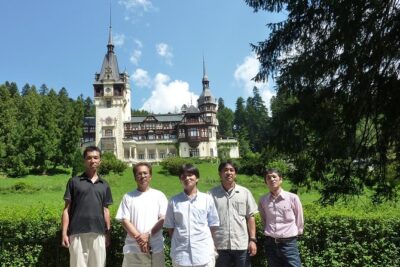
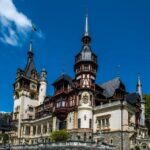
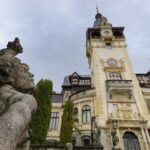
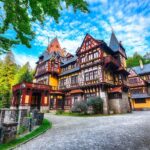
The day starts with Pelș Castle, with a guided tour and admission included. You’re usually not just looking at walls here—you’re learning how and why Pelș became such a standout place in Romanian cultural life. The guide’s job is to connect details you might miss on your own: architectural choices, historical context, and what each section was meant to convey.
This stop lasts about 2 hours. That’s a good length: long enough to feel you saw it properly, short enough that you’re not exhausted before Bran.
A practical tip: castles like this tend to reward comfortable shoes and a calm pace. If you rush, you’ll mostly remember the crowds, not the story.
Bran Castle: the legend machine—plus the real building
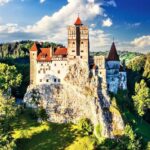
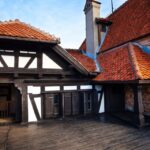
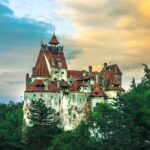
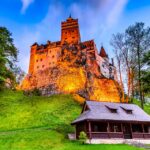
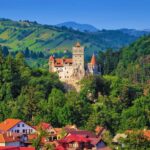
Next is Bran Castle, also known as Dracula’s Castle. The important truth (and the point of taking a guided tour) is that the castle has far more than one pop-culture narrative. With a guide-led visit and admission included, you’ll get myths and stories in the right proportions, plus an explanation of the architecture and the setting.
This is another 2-hour stop. It’s famous, so expect everyone to go for the same iconic angles. With a guide, you can move with purpose instead of wandering while trying to reconstruct meaning from photos.

Magura: countryside where the clock feels slower
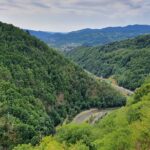
After the castle intensity, the tour heads into rural scenery at Magura (near Pestera and between the Piatra Craiului and Bucegi Mountains). This stop is 2 hours and admission is free, which is a nice change after paid landmarks.
The goal here isn’t a checklist of monuments. It’s a change in atmosphere. You’re dropping into villages that feel more lived-in and less curated for tourists. It’s the kind of place where you can see why this region became a magnet for artists and photographers long before social media existed.
A consideration: if it’s rainy or very cold, Magura can shift from pleasant strolls to muddy paths. The tour’s plan still works, but your comfort depends on weather and footwear.
Day 2: personalized walking around Magura, Viscri’s white church, and Sighișoara at night
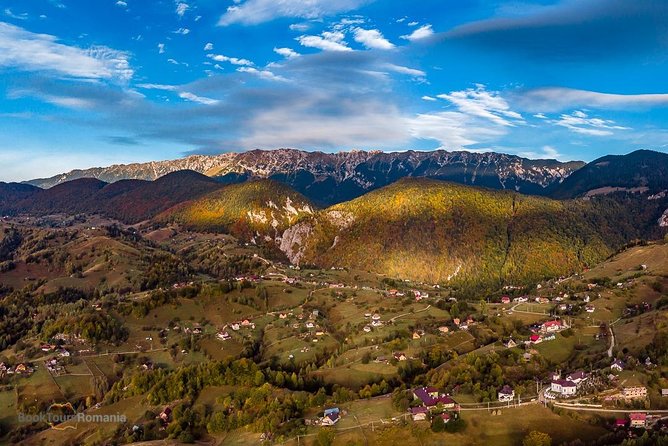
Day 2 mixes outdoor time with deep Saxon heritage. It’s also the most “choose-your-effort” day.
Morning around Magura: village walk or a gorge hike
After breakfast, you get up to a couple of hours of time in the villages under the mountain. If the weather cooperates, you might do a walk in the village area or hike toward the Zărnești Gorge. The physical part is personalized on the spot, so you’re not locked into a route that’s too easy or too hard.
Admission is free here. Again, the value isn’t a ticket cost—it’s the feeling of stepping away from the famous stops and moving into the local rhythm.
Fitness note: the tour asks for moderate physical fitness. If you’re unsure, tell your guide early. The route can likely be adjusted because it’s planned with flexibility.
Viscri: the fortified white church and UNESCO connection
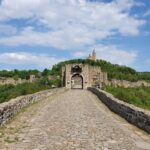
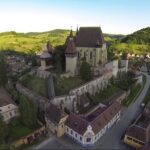
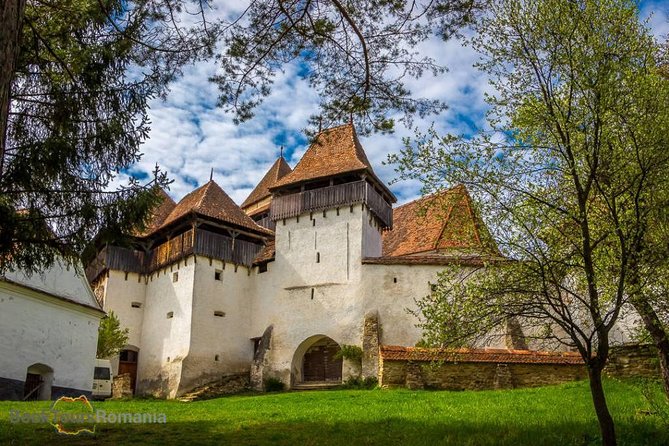
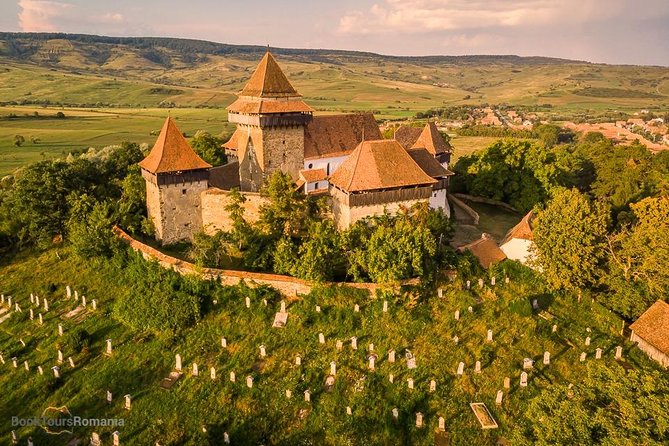
On the way to Sighișoara, there’s a stop in Viscri. This is about one key site: an important Saxon fortified church, often called the white church (in reference to Weisse Khirche, meaning white church).
Viscri dates to around 1100, and the church was designated a UNESCO World Heritage Site in 1993. The stop lasts about 2 hours, and admission is listed as free.
What I like about this kind of stop: it gives you a break from the more theatrical castles. Fortified churches are practical structures with a very local logic—built for community defense and spiritual life at the same time.
Sighișoara’s old citadel: a city you can still live inside
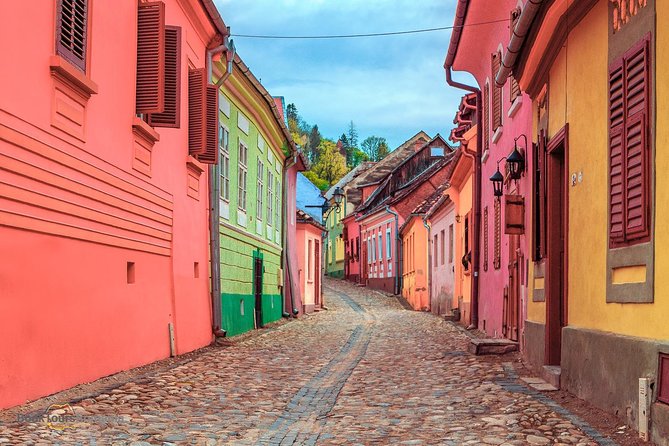
Then you reach Sighișoara, and you get a walking tour of the historic center. The big hook here is that Sighișoara is described as the only currently inhabited citadel in Europe, and it’s a UNESCO World Heritage site (listed since 1999).
You spend about 2 hours here, and admission for the tour is included.
This is where the day turns from “seeing castles” into “seeing how people built a life inside walls.” The guide’s job is crucial: a citadel can feel like a maze if you don’t understand how the town functions historically and geographically.
A small practical note: walking in medieval centers is slower than you expect. Curbs, uneven stones, and stair connections happen without warning. Good shoes matter.
Day 3: Brasov medieval streets, a short cable car ride, then back to Bucharest
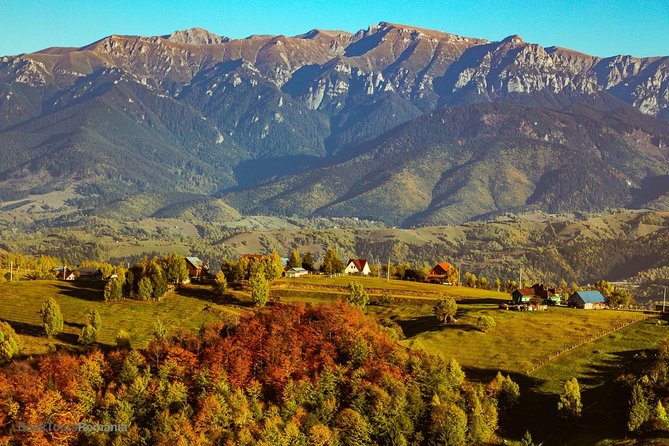
Day 3 aims to end on a strong city note before the drive home.
Brasov: medieval town feel plus a view from above
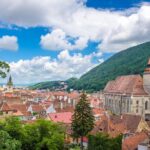
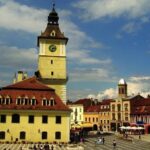
You drive to Brașov, described as one of Transylvania’s larger medieval towns. Then you get a walking tour of the old city, focusing on main landmarks, plus a chance to ride a cable car up to nearby mountain viewpoints if it’s available.
The time here is about 3 hours, and admission is listed as free.
I like this plan because it gives you two angles on the same place: street-level medieval structure and then a higher view that helps you understand the layout. If the cable car isn’t operating that day, you still get the walk, but your view time will be reduced. It’s worth planning for that possibility.
The drive back: plan for a calmer evening
The return drive to Bucharest takes at least 3 hours. That’s not a surprise, but it does matter. By the time you’re dropped back in the city, you’ll likely want dinner close to your hotel and an early night.
If your next day is packed, keep your calendar light. Long drive days make “one more thing” feel like more work than it should.
Where this tour shines (and where you should set expectations)
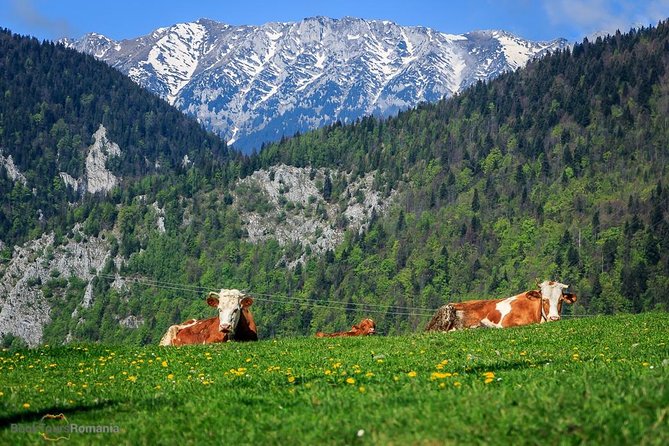
This kind of Transylvania best-of is not built for deep, multi-day hiking or for total freedom to pick your own stops each hour. It’s structured. That structure is a feature, not a flaw.
What shines:
- Castle touring with guides where it counts. Pelș and Bran are where you want a narrative, not guesswork.
- The Saxon layer beyond the Dracula labels. Viscri’s church and Sighișoara’s living citadel give you a fuller sense of how the region worked.
- Comfort during travel. Climate-controlled transport and snacks reduce fatigue on days with long stretches between stops.
- Real-world adaptability. In past experiences with guides such as Marcel and Matthew, the vibe is described as flexible. That’s the difference between a rigid timetable and a tour that can handle minor changes.
What to watch for:
- Driving time adds up. Day 3 alone includes a minimum 3-hour return drive, and the whole route is designed around distance.
- Outdoor elements depend on the day. Magura walking and the cable car are weather- and availability-dependent.
- You may want more food time than the itinerary allows. Meals and alcoholic drinks aren’t included beyond what’s listed. You’ll want to budget for lunches and casual dinners yourself.
What’s included: the stuff that saves you money and stress
Here’s what you get that actually affects your day:
- 2 nights accommodation with breakfast included (3-star).
- Transport by modern, climate-controlled sedan or SUV.
- Licensed English speaking guide throughout the tour days.
- Non-alcoholic beverages and snacks during the drive.
- Standard entrance fees to visited attractions are covered.
- Guided tours are part of the key castle stops and the walking tour components where listed.
What’s not included is also important:
- Meals and alcoholic beverages beyond what’s in the itinerary.
- Photo & video fees at sites where those apply. This is the kind of thing that can surprise you at a big attraction if you’re planning a lot of shooting.
If you like having your budget clearer, you’ll appreciate the inclusion of entrance fees. If you’re traveling with kids or you plan to buy lots of snacks and drinks, the meals not included part may influence your overall cost.
Rooms and group setup: how it tends to feel on the ground
Your accommodation is 3-star, and room types depend on how many people you book together. The listing notes:
- Single occupancy for 1 person
- Double or twin for 2 people
- Mixed double and single occupancy for 3 people
- Two doubles for 4 people
Because it’s a private activity, the experience can feel calmer and more personal than a large group bus day. You’re less likely to get stuck behind a crowd that’s going slower than you are.
Service animals are allowed, and the tour asks for moderate physical fitness, mainly because of walking and optional hikes.
Who this tour fits best
I’d point you toward this tour if you want:
- A tight route from Bucharest that still hits both big castles and off-the-main-route villages.
- A guided explanation for Pelș, Bran, and Sighișoara rather than self-guided drifting.
- Comfortable transport with breaks built into the day.
I’d think twice if you:
- Get travel-worn easily and dislike long drive days.
- Need constant free time to wander without a set plan.
- Want a fully flexible schedule day-by-day. This is organized best-of touring.
Should you book this 3-day Transylvania tour?
Book it if you want the most efficient way to see Transylvania from Bucharest with guided castle time, Saxon heritage stops, and a countryside rhythm break in Magura. The price is high by budget standards, but it’s easier to justify when you factor in two nights of lodging, breakfast, a licensed guide, climate-controlled transport, and included entry fees.
Skip it (or adjust your expectations) if you’re sensitive to driving fatigue or if weather matters a lot for you. Magura walking and the Brasov cable car are not guaranteed, so you’ll want to be the type of traveler who enjoys plan B.
If you’re on the fence, I’d decide like this: do you want a guided, structured best-of in three days? If yes, this route is built for you. If no, you might be happier with a slower, more flexible Transylvania base plan.
FAQ
How long is the tour?
It’s a 3-day tour, with day-by-day stops and an evening return to Bucharest on the last day.
What’s included in the price?
The tour includes 2 nights of 3-star accommodation with breakfast, transport in a climate-controlled sedan or SUV, a licensed English-speaking guide, non-alcoholic beverages and snacks in the car, and standard entrance fees to visited attractions.
Are castle entrance fees included?
Yes. Entrance fees are included for stops where the itinerary lists admission as included (like Pelș Castle, Bran Castle, and the guided walking components such as Sighișoara).
Does the tour include pickup and drop-off in Bucharest?
Yes. The tour offers convenient pickup and drop-off at your Bucharest hotel, with meeting described in the 7:00 AM to 9:00 AM window.
Is walking required, and what fitness level do I need?
The tour calls for moderate physical fitness. The Magura walking/hike portion is personalized on the spot depending on weather and conditions.
What is the cancellation refund window?
You can cancel up to 6 days in advance of the experience for a full refund.