REVIEW · BUCHAREST
3-Day Explore Transylvania from Bucharest
Book on Viator →Operated by One Excellence Tours · Bookable on Viator
Transylvania has a way of feeling both real and unreal. This 3-day, all-inclusive style tour from Bucharest stitches together the big names—Peles Castle, Bran Castle, and the medieval towns—without making you wrestle schedules on your own. I especially like the small group size (max 8) and the fact you’re driven door-to-door in a private sedan or minivan, so the days feel efficient. The main thing to watch: the drive times are part of the deal, and entrance tickets and most meals are not included.
You’ll start each day with a guide and live commentary in the vehicle, then step out for focused walking tours and castle time. I also like that the route includes UNESCO-listed stops like Biertan Fortified Church and key old-city views, not just “look at the castle” photo stops. One possible drawback is that the package details about lodging and costs are a bit mixed, so you’ll want to confirm what’s actually covered for your Brasov and Sibiu nights.
If you’re okay with a structured itinerary and long, scenic road days through central Romania, this is a smart way to see a lot—fast—while still getting context on Dracula’s era and beyond.
In This Review
- Key things to know before you go
- Price and value: what you’re really paying for
- Getting from Bucharest to Transylvania without the headache
- Day 1: Peles Castle, Bran Castle, then Brasov’s walkable old center
- Peles Castle: royal splendor with German Renaissance flair
- Bran Castle: the Dracula idea factory (and the border fortress story)
- Brasov Historical Center: wind down with an easy walking tour
- Day 2: UNESCO Biertan, Sighisoara’s citadel, then Sibiu’s town feel
- Biertan Fortified Church: the UNESCO stop that changes how you picture the region
- Sighisoara: one of Europe’s permanently inhabited citadels
- Sibiu: another old town walk, timed for an easy second evening
- Day 3: monastery stops and the return to Bucharest
- Cozia Monastery as a weather-and-road fallback
- Curtea de Arges Monastery: a key Romanian religious center
- Back to Bucharest
- Guides, group size, and the “how” that makes the difference
- What’s included vs not included (so you can budget cleanly)
- Who this tour suits best (and who should choose differently)
- Should you book this Transylvania from Bucharest tour?
- FAQ
- What is the start location for the tour?
- What time does the tour start in the morning?
- How long is the Transylvania tour from Bucharest?
- How big is the group?
- Is pickup available from my hotel in Bucharest?
- Is the tour in English?
- Are entrance fees included for castles and churches?
- Is food included?
- Is accommodation included for Brasov and Sibiu?
- What happens on Day 3 if Transfăgărășan road is closed?
- Is the tour weather dependent?
Key things to know before you go
- Small-group format (max 8): easier questions and more human pacing than big buses.
- Castle concentration in Day 1: Peles first, then Bran, then Brasov’s old center on foot.
- UNESCO stops plus medieval town walks: Biertan Fortified Church and citadel streets in Sighisoara and Sibiu.
- A real view bonus: Sighisoara’s climb to the clock tower for the over-the-roofs panorama.
- Private sedan/minivan pickup: convenient, especially since pickup is only in central areas.
- Entrance fees and food are mostly on you: several key sights list tickets as not included.
Price and value: what you’re really paying for
At $592.92 per person for about three days, you’re paying for three things: transportation, a professional English-speaking guide, and the “don’t think about it” planning. That value matters in Transylvania because the distances add up, and public transport between the most famous sites can be uneven.
This tour includes fuel surcharge, live commentary, and a private sedan/minivan with door-to-door pickup (in central areas). You’re also promised your guide throughout the trip and a small group capped at eight people, which is a big part of why this feels relaxed rather than rushed.
The part that needs your attention is cost overlap around lodging and entry tickets. The overview says 4-star accommodation is included, but the exclusions also list overnight accommodation in Brasov and Sibiu. That contradiction is exactly the kind of detail you should clarify before you book, so you don’t get surprised on check-in costs. On entrances, the pattern is clearer: entrance fees are not included, and Peles and Bran explicitly say tickets are not included. Some sights are listed as free in the schedule, but the overall rule is that you should budget for ticketed attractions.
If you like clear, guided structure and you don’t want to coordinate drivers and timed tickets yourself, the price starts to make sense. If you want maximum independence and you’re fine driving, the bundled format may feel less like a deal.
You can also read our reviews of more tours and experiences in Bucharest
Getting from Bucharest to Transylvania without the headache
The tour begins at Hilton Garden Inn, Strada Doamnei 12, București, with a start time of 8:00 am. You’ll get picked up from your accommodation in Bucharest if you’re in the central pickup zones, then you’ll head toward Transylvania.
Transport is a private sedan or minivan, and there’s live commentary on board. That combination is handy because it turns the long road sections into more than just travel time. You also don’t have to manage parking, ticket lines, or finding the meeting points inside each town.
Small-group dynamics matter here. With only eight people max, you’re less likely to spend time herding your group through tight streets. You also have a better chance of hearing the guide clearly, and the driver can generally keep the day running smoothly.
One more practical note: pick-up communication seems to rely on apps. In the experience feedback, people specifically pointed out clear communication and using WhatsApp to coordinate pickup. If you don’t already use WhatsApp for travel, get it set up before your day starts.
Day 1: Peles Castle, Bran Castle, then Brasov’s walkable old center
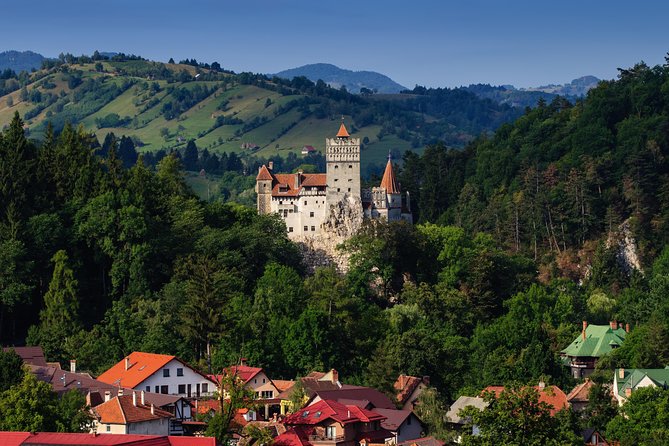
Day 1 is the “big hit” day. You’ll leave Bucharest early and do three major stops in sequence: Peles Castle, Bran Castle, and Brasov Historical Center.
Peles Castle: royal splendor with German Renaissance flair
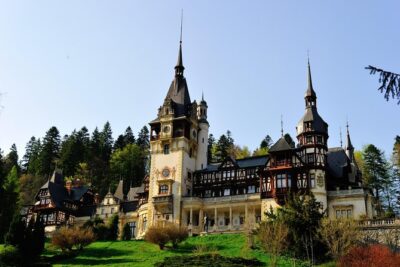
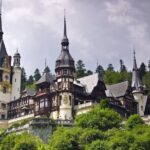
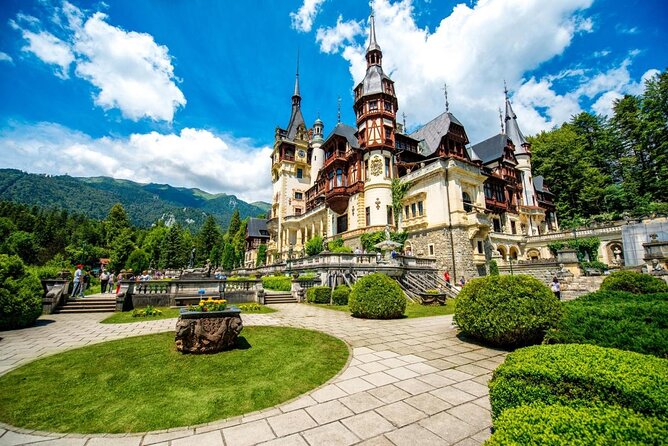
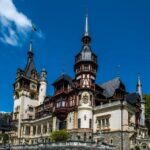
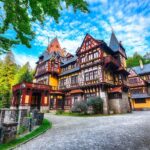
Your first major stop is Peles Castle, built in the 19th century by Romania’s royal family. The style is described as German Renaissance in feel, and you get a planned 2 hours there.
What makes this a strong first stop: Peles is more than the Dracula connection. It’s the kind of palace that helps you understand why European royalty built in dramatic, mountainous settings. Even if castles aren’t your main interest, the architecture and interior atmosphere are often the reason people remember this day.
Tickets aren’t included here, so plan for that as part of your budget.
Bran Castle: the Dracula idea factory (and the border fortress story)
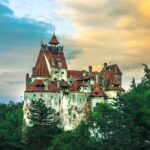
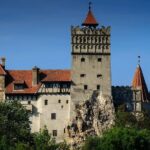
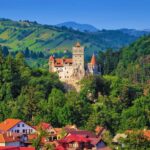
Next is Bran Castle, commonly linked to Dracula. It’s positioned strategically over a valley, and it started as a fortress at the former border between Wallachia and Transylvania. Your schedule allows about 2 hours, and the guide is there to connect the legend of Vlad the Impaler with why this location gets associated with the Dracula story.
Bran’s value for many people is the contrast: a place that’s both a fortress and a cultural icon. The guide’s job here is important because the Dracula myth can run away with your imagination. With live context, you’ll get a better sense of what’s legend, what’s history, and why the border mattered.
Admission tickets are not included for this stop, too, so bring your ticket planning mindset into Day 1.

Brasov Historical Center: wind down with an easy walking tour
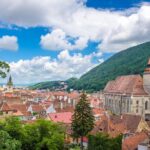
After castles, you’ll reach Brasov in the afternoon and head into the Historical Center for a guided walk (about 45 minutes, listed as free for admission). This is where the tour shifts from “destination landmarks” to “real town life.”
Brasov’s old center helps you reset after the castle crowds and the myth-heavy storytelling. It’s also a practical move: after driving and sightseeing, an on-foot tour is a clean way to stretch your legs without turning the whole day into miles of walking.
Day 2: UNESCO Biertan, Sighisoara’s citadel, then Sibiu’s town feel
Day 2 leans into UNESCO and medieval streets. It’s still structured, but the feel is different—less about single mega-attractions and more about historic town identity.
Biertan Fortified Church: the UNESCO stop that changes how you picture the region
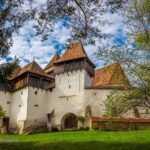
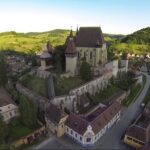
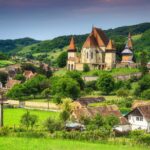
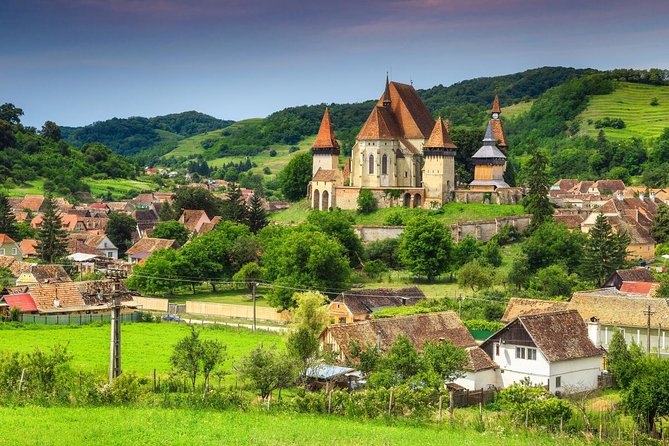
You’ll start with Biertan Fortified Church, a UNESCO Heritage site and one of the most important fortified churches in Transylvania. The schedule gives you about 45 minutes, and admission here is listed as not included.
This stop is worth it because it reframes the region. Fortified churches weren’t built for scenery. They were built because communities needed protection. When your guide ties that to the broader historical pressures of the area, the medieval sites feel more purposeful than decorative.
Sighisoara: one of Europe’s permanently inhabited citadels
Next comes Sighisoara, described as one of the few permanently inhabited citadels in Europe. You’ll get about 2 hours here, and the tour includes a visit to the town’s highlights, including the birthplace connection tied to Vlad Dracula and the guide showing Vlad Dracula’s house.
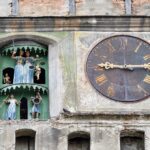
Then there’s the clock tower climb. It’s a 500-year-old tower, and the reward is a view over the town. This is the kind of payoff that makes a walking day feel worth it: you see the shapes of the rooftops and fortifications, not just individual buildings.
Admission is listed as free for this part of the schedule.
Sibiu: another old town walk, timed for an easy second evening
After Sighisoara, you’ll reach Sibiu in the afternoon and go for a guided walk in the historic area (about 45 minutes, also listed as free for admission). Sibiu tends to land well with people who like atmosphere—stone streets, old-town layouts, and places where the walking path does most of the sightseeing work for you.
Day 3: monastery stops and the return to Bucharest
Day 3 is a shorter, calmer day, with religious landmarks and a flexible routing detail.
Cozia Monastery as a weather-and-road fallback
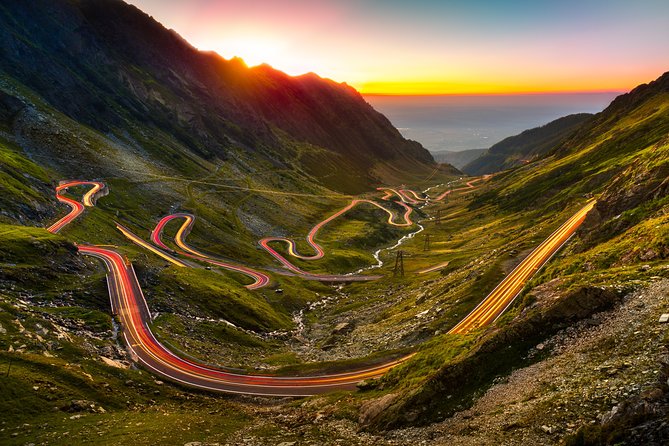
First is Cozia Monastery, scheduled for about 30 minutes. The tour notes that if the Transfăgărășan road is closed, you’ll take the Olt River Valley road instead and still get a stop here.
That detail matters. It means the tour is designed to keep moving even when road conditions change. If you hate uncertainty, this kind of planned fallback is a comfort.
Curtea de Arges Monastery: a key Romanian religious center
Next up is Curtea de Arges Monastery, roughly 45 minutes. It’s described as one of the most important faith centers in Romania, and you’ll explore it with your guide to understand its history.
Admission is listed as free in the schedule for this stop.
Back to Bucharest
Then you head back to Bucharest in the afternoon and end the service at the meeting point near where you started. There’s about 1 hour noted for this final transfer segment.
Guides, group size, and the “how” that makes the difference
This tour caps at 8 travelers, and that’s not a small detail. In Romania, small delays can snowball with big groups. Here, the size limit helps keep the day flowing.
Guide quality is also a recurring theme in the experience feedback. Names that came up include Alex, Marius, Sergio, and Razvan. What they seem to share: clear explanations that connect the sites to Romanian history, and a friendly, practical style. One guide-specific tip you’ll likely hear in moments is that the route benefits from listening during the ride—because context gets handed to you before you walk into the castle or church.
If you’re the kind of person who gets nervous on winding roads, the driving seems to be handled with care by guides/driver combos. That doesn’t erase the reality that you’ll be on country roads, but it helps.
One more thing: moderate physical fitness is recommended. Day walking is built into the plan, especially in Brasov, Sighisoara, and Sibiu, and you’ll also climb the clock tower steps.
What’s included vs not included (so you can budget cleanly)
Here’s what’s included in the experience:
- Professional English-speaking guide
- Live commentary on board
- Transport by private sedan/minivan
- Small-group tour (max 8)
- Fuel surcharge
What’s not included:
- Entrance fees (explicitly stated)
- Food and drinks, unless specified
- The exclusions list overnight accommodation in Brasov and Sibiu
- Tickets are specifically not included for Peles Castle and Bran Castle
Because lodging is contradictory between the overview and the exclusions, I’d treat overnight costs as something you confirm before you arrive. Ask directly what your room cost includes and whether breakfast is part of it, since the schedule says breakfasts happen before Day 2 (but doesn’t clarify if breakfast is included in your lodging).
Who this tour suits best (and who should choose differently)
This is a good fit if:
- You want the top Transylvania hits in a tight schedule
- You enjoy castle and medieval town atmosphere more than you crave independent wandering
- You appreciate having someone connect Vlad the Impaler / Dracula references to the actual places
- You prefer small-group days with door-to-door pickup in central Bucharest
It might not be ideal if:
- You dislike structured itineraries or prefer to move at your own pace
- You want all meals and all entrance fees handled in one simple bundle
- You’re sensitive to long road days and winding drives
It also helps if you’re traveling as a couple or small group that can share photos and questions. With only eight people max, the day tends to feel personal without feeling exclusive.
Should you book this Transylvania from Bucharest tour?
I’d book it if you want the shortest path to a classic Transylvania “greatest hits” experience, paired with practical logistics and a guide who explains the connections. The small group and private vehicle reduce the usual pain of seeing these sites efficiently, and the UNESCO + medieval town mix gives you more than Dracula photos.
Before you hit confirm, do two quick checks:
1) Clarify exactly what’s covered for your Brasov and Sibiu nights, since the info provided lists lodging in one place and excludes it in another.
2) Budget for Peles and Bran tickets and keep some money set aside for any other entrance fees that show up.
If those boxes are satisfied, this tour is a strong way to get Transylvania into your trip without turning your days into a spreadsheet.
FAQ
What is the start location for the tour?
The tour starts at Hilton Garden Inn, Strada Doamnei 12, București 030055, Romania.
What time does the tour start in the morning?
The start time is 8:00 am.
How long is the Transylvania tour from Bucharest?
It runs for about 3 days.
How big is the group?
The tour has a maximum of 8 travelers.
Is pickup available from my hotel in Bucharest?
Pickup is available from central areas, and door-to-door pickup applies each day in the central zones.
Is the tour in English?
Yes. The guide is listed as professional English speaking, with live commentary on board.
Are entrance fees included for castles and churches?
Entrance fees are not included. The schedule also lists admission tickets as not included for Peles Castle and Bran Castle, while some stops are marked as free.
Is food included?
Food and drinks are not included unless specified.
Is accommodation included for Brasov and Sibiu?
The information provided is mixed: the overview mentions 4-star accommodation is included, but the exclusions list overnight accommodation in Brasov and Sibiu. Confirm what you’re actually paying for.
What happens on Day 3 if Transfăgărășan road is closed?
The tour takes the alternative Olt River Valley road and includes a stop at Cozia Monastery.
Is the tour weather dependent?
Yes. It requires good weather, and if it’s canceled due to poor weather you’ll be offered a different date or a full refund.