REVIEW · BUCHAREST
3-Day Medieval Transylvania Package Tour
Book on GetYourGuide →Operated by TravelMaker · Bookable on GetYourGuide
Three days in Transylvania can feel like five. You’ll cover the highlights of medieval Romania from Bucharest with a small group and a steady rhythm of monasteries, citadels, and castle stops. It’s the kind of trip where you watch history change shape hour by hour, from church carvings to walled villages to looming fortresses.
I especially love the way the route mixes two different moods of the Middle Ages: the serious, sculpted spirituality of Curtea de Argeș and Cozia on Day 1, then the lived-in defense of Biertan and Sighișoara on Day 2. You also get actual town time in Sibiu and Brașov, not just a quick photo stop—perfect if you like getting your bearings on foot.
One thing to consider is that this is a packed itinerary with long stretches on the road, plus possible closure/timing quirks. Peleș is closed on Mondays and Tuesdays, the Clock Tower in Sighișoara is closed on Mondays, and weekend departures reverse the order—so you’ll want to pick dates with those limits in mind.
In This Review
- Key points to know before you go
- Why This 3-Day Transylvania Route Works From Bucharest
- Curtea de Argeș: The Moorish Monastery That Changes the Mood
- Cozia Monastery: Medieval Art You Can Actually See
- Sibiu Old Town: Capital-Era Streets, Not Just a Name on a Map
- Day 2 Start: Biertan and the Fortified Church Effect
- Sighișoara Citadel: Living Medieval Streets and Clock Tower Views
- Brasov After Lunch: Gothic City Feel and a Narrow-Street Moment
- Day 3 Morning in Brașov: The Black Church First
- Bran Castle: Dracula Lore With Real Castle Energy
- Sinaia: Peleș Castle and the Neo-Renaissance Wow Factor
- Sinaia Monastery: A Quiet Finish That Feels Earned
- Transportation, Time on the Road, and How to Stay Sane
- Price and Value: Is $588 Worth It?
- Hotels and Small-Group Comfort: The Real Difference Maker
- Who Should Book This Tour (and Who Might Not Be Happy)
- Should You Book This 3-Day Medieval Transylvania Tour?
- FAQ
- What’s the meeting point for this tour?
- How many people are in the group?
- What does the price include?
- Are entrance fees included?
- Are lunch and dinner included?
- Are there any date-specific closures I should know about?
- Does the tour order ever change?
- Is there an extra fee for single travelers?
- What should I bring?
- Is this tour suitable for children or mobility needs?
Key points to know before you go
- Moorish + medieval art combo at Curtea de Argeș and Cozia gives you real variety
- Saxon fortified church at Biertan is a standout for architecture and atmosphere
- Sighișoara’s Clock Tower views are the reward for the uphill citadel walk
- Sibiu and Brașov on foot means you actually experience the old streets, not just pass by
- Bran + Sinaia in one day keeps Dracula lore and royal-era castles in balance
- 2 nights in a 3-star hotel with breakfast helps keep costs predictable
Why This 3-Day Transylvania Route Works From Bucharest
This package is built for people who want the core “wow” sites of Transylvania without doing the logistics themselves. You’ll travel by car/minibus with parking and fuel handled, and you’ll have an English-speaking driver/guide who keeps the day moving. The small group limit of 16 matters here: it makes walking tours feel more personal and less like a cattle car.
The biggest practical win is pacing. You’re not trying to cram 10 towns into 3 days; you’re hitting a focused loop: monasteries and town heritage first, then fortified village defense, then castles and royal architecture. That structure helps you connect the dots—Wallachian monasteries, Saxon settlement patterns, and the Dracula-shaped tourist geography.
One more value point: you have two overnights in 3-star hotels with breakfast. After a day of driving and walking, that means you’re not shopping for breakfast or hunting dinner every night. Lunch and dinner aren’t included, but breakfast is, which helps you stay sane.
You can also read our reviews of more tours and experiences in Bucharest
Curtea de Argeș: The Moorish Monastery That Changes the Mood
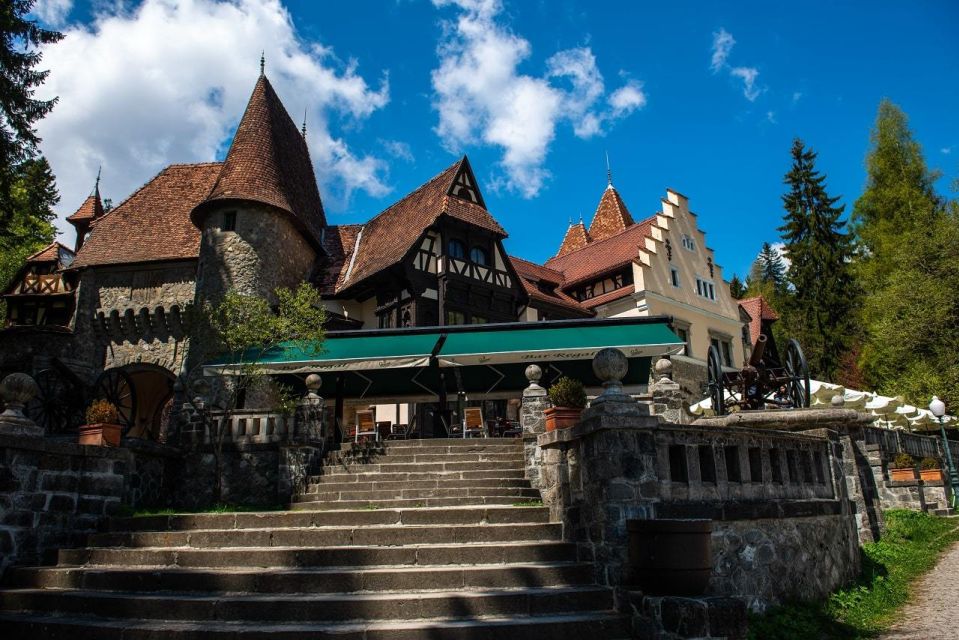
Day 1 starts with the Moorish Monastery of Curtea de Argeș, commissioned by Wallachia’s ruler Prince Neagoe Basarab and built in 1514. This is a striking first stop because the vibe is different from the more familiar “plain Christian fortress” feel you might expect. It’s an early clue that Transylvania and neighboring regions weren’t isolated—they traded ideas and styles.
If you care about details, go slowly here. Even without a deep dive, you can see how the building’s character sets a tone for the rest of your trip. After seeing it, the later medieval stops feel less like random landmarks and more like chapters in the same story.
Cozia Monastery: Medieval Art You Can Actually See
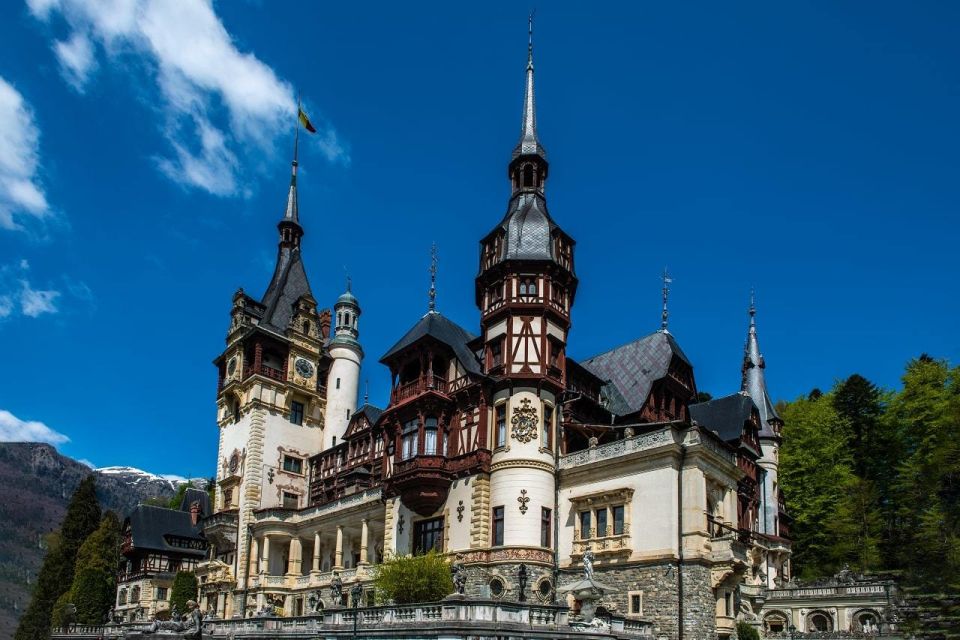
After Curtea de Argeș, you continue to Cozia Monastery, a smaller stop with a big reputation: one of Romania’s important monuments of national medieval art. In practice, this works well because you’re not switching from one mega-site to another every 10 minutes. You get a calmer, more focused viewing experience.
This is the moment where I’d suggest you bring comfortable shoes and take your time around the area. Monasteries reward steady observation—shapes, carvings, and the way the building sits in its surroundings. It’s also a good reset before the long drive toward Sibiu.
Sibiu Old Town: Capital-Era Streets, Not Just a Name on a Map
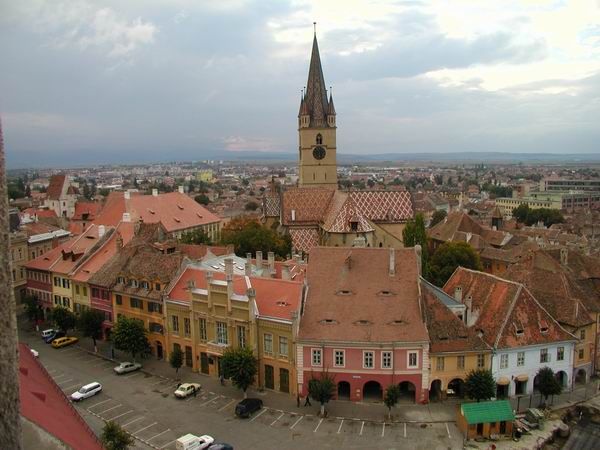
Once you reach Sibiu, you’ll do a walking tour through the Old Town. Sibiu was the historic capital of the Principality of Transylvania, and the town’s medieval fabric still shows through in the street plan and architecture. Documentation for the German medieval citadel dates back to 1191, so you’re stepping into a place with serious age.
I like Sibiu because it feels walkable and human-scaled. You can shift from sightseeing mode to “wandering mode” quickly, and that makes your first full town day more enjoyable. The guide-led portion helps you identify what you’re looking at, while the leftover free movement helps you enjoy the atmosphere.
In the evening, you’ll have traditional Romanian dinner and sleep in Sibiu town center at a 3-star hotel. That’s a nice setup: you’re not checking out and moving on the same night, so the day doesn’t feel like a blur.
Day 2 Start: Biertan and the Fortified Church Effect
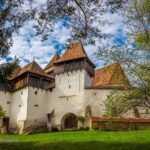
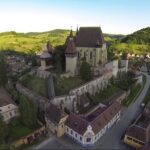
Day 2 begins with Biertan, a commune known for one of Transylvania’s key Saxon fortified church sites. You’ll tour the village and the fortified church complex, including the largest fortified church in Transylvania, built between 1490 and 1524.
This stop is more than a photo opportunity. The fortified church concept explains why these communities built for protection as well as worship. Once you’ve seen the scale and defensive layout, it’s easier to understand the region’s medieval “survive and worship” mindset.
Also, the timing works for energy. Biertan is a morning stop, so you can enjoy it before the day’s next long chapters. If you’re the type who likes architecture, you’ll feel like you’re studying something real, not just ticking off a landmark.

Sighișoara Citadel: Living Medieval Streets and Clock Tower Views
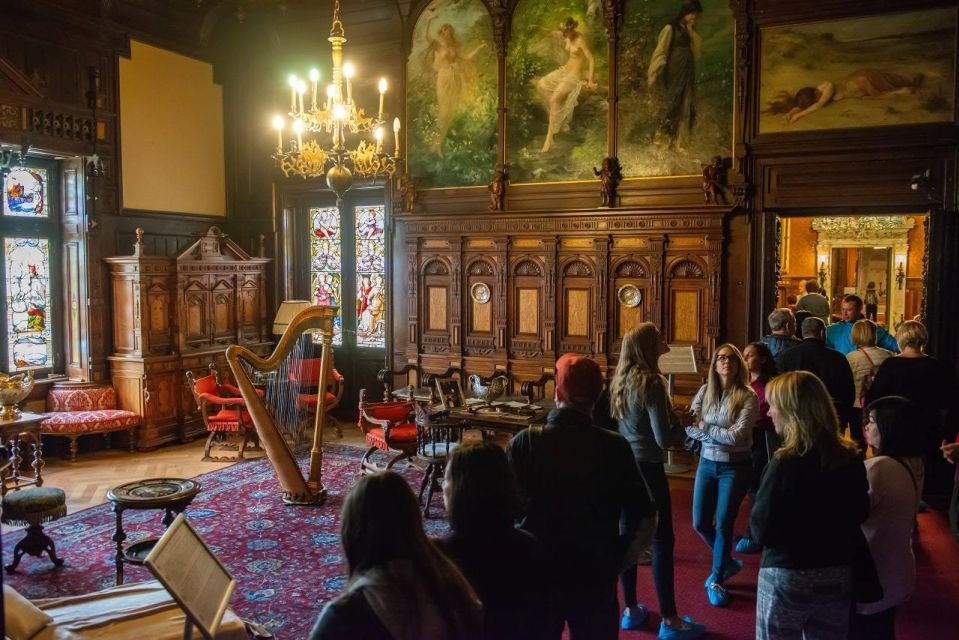
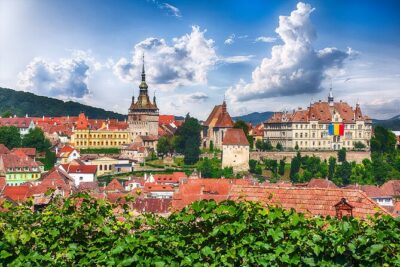
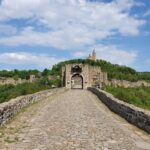
Next comes Sighișoara, whose citadel dates back to 1280. It’s especially memorable because it’s described as still populated, meaning you’re not wandering a dead museum city. The town still breathes.
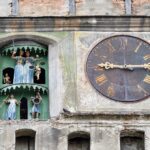
During the walking tour, you’ll visit the Clock Tower, which gives panoramic views across the ancient houses. That viewpoint is the payoff for the citadel vibe—you get to see how the town wraps itself around the hill and why defense mattered.
Important timing note: the Clock Tower is closed on Mondays. If you’re traveling on a Monday, you’ll want to adjust expectations and focus on the citadel streets and viewpoints from other spots.
Brasov After Lunch: Gothic City Feel and a Narrow-Street Moment
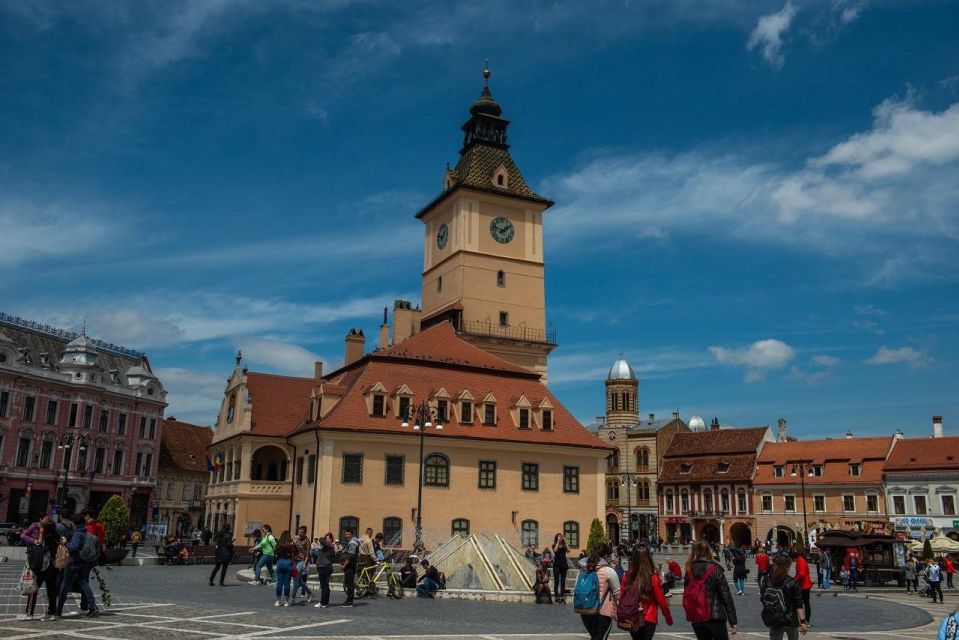
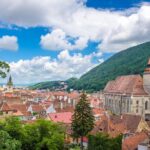
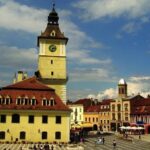
After your Sighișoara time, you’ll head to Brașov in the Southern Carpathians area. Brașov has Gothic churches and medieval buildings, and you’ll get a guided walking tour.
One of the fun details here is the narrowest street in Romania. It’s brief, but it’s the kind of stop that sticks in your memory because it’s so specific. Add it to the Gothic facades and you get a nice mix of big and small sights.
There’s also a famous cultural note: Brașov is the birthplace of Romania’s national anthem, and it was briefly renamed Stalin City during the Communist era. You don’t have to chase down every fact, but knowing that the city has layered identities helps you see beyond the medieval postcard.
Day 3 Morning in Brașov: The Black Church First
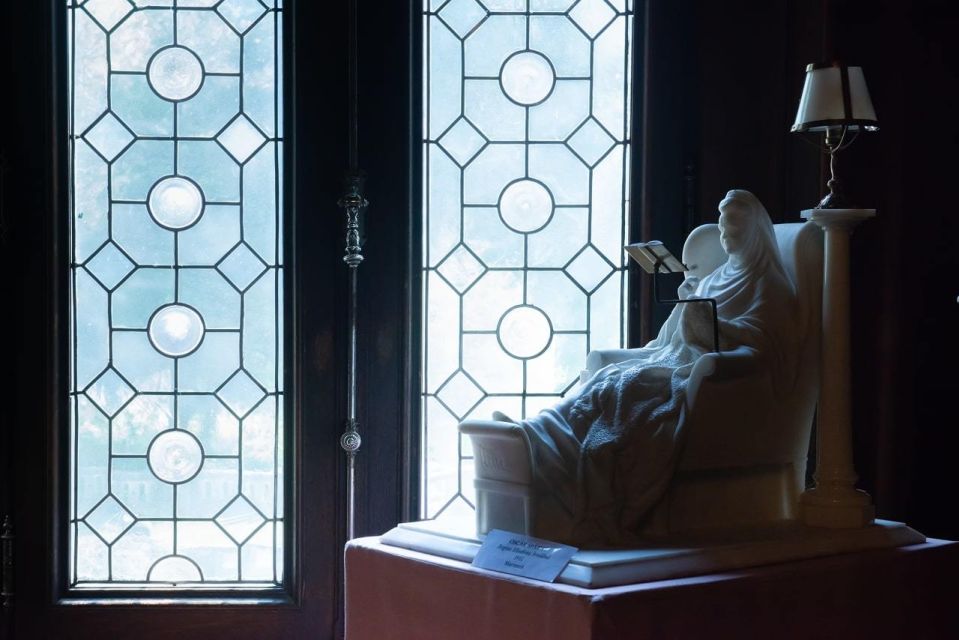
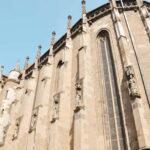
Day 3 starts with the Black Church, built in 1383. It’s one of the city’s top sites, and starting here makes sense because it anchors the day in real medieval-era architecture before you move into the Dracula-shaped parts of your itinerary.
The Black Church is also a strong “pause” stop. After Sighișoara’s steep streets and Brașov’s tight alleys, this gives you something solid and central to study.
Bran Castle: Dracula Lore With Real Castle Energy
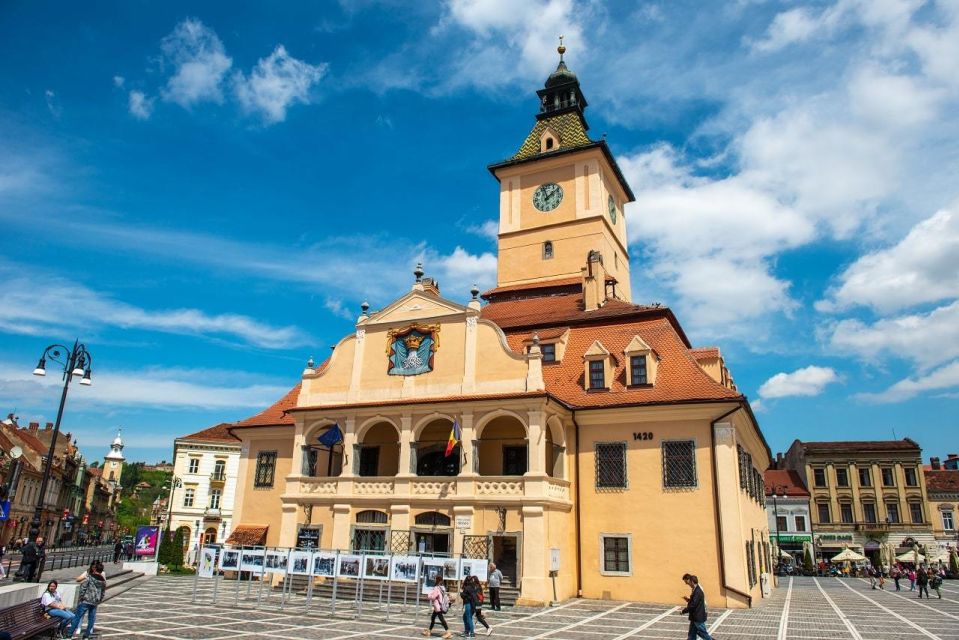
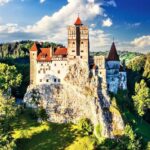
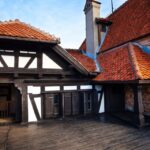
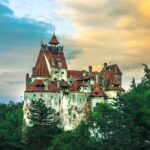
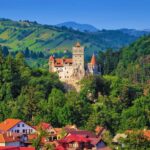
Then you head to Bran Castle, perched on the border between Transylvania and Wallachia. Bran is strongly associated with Count Dracula and Bram Stoker’s legend, and even if you don’t care about spooky stories, the setting is still dramatic.
You’ll explore the castle grounds and museum, then stop for a traditional lunch. This is where I’d plan for some waits. Castles like this are popular, and you’ll likely encounter lines to enter and move through rooms.
Bran is often the part of the trip people argue about—how much is legend, how much is reality—but your benefit is that your guide and context help you separate story from setting. It doesn’t have to be horror-themed to be satisfying.
Sinaia: Peleș Castle and the Neo-Renaissance Wow Factor
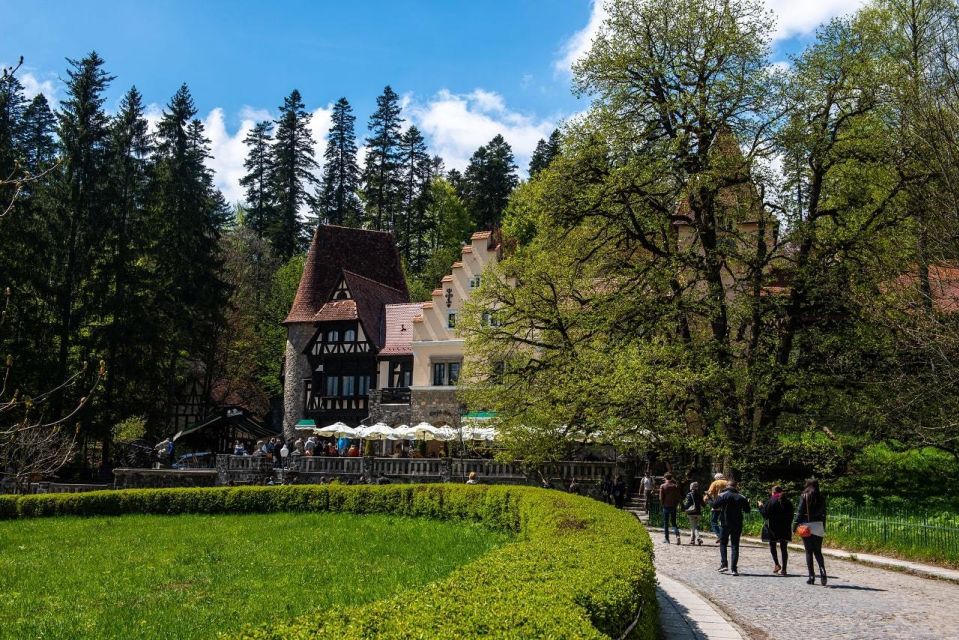
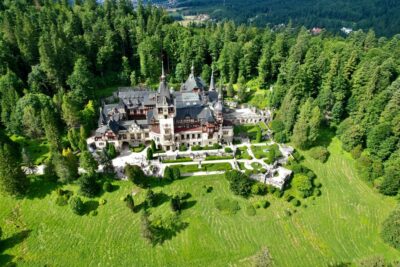
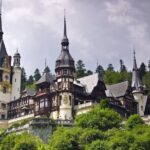
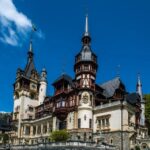
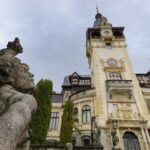
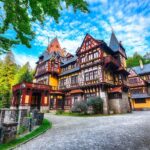
After Bran, you’ll drive to Sinaia, a mountain resort in the Prahova River valley. This is a great contrast to earlier medieval stonework because Peleș Castle brings royal-era design into the mix.
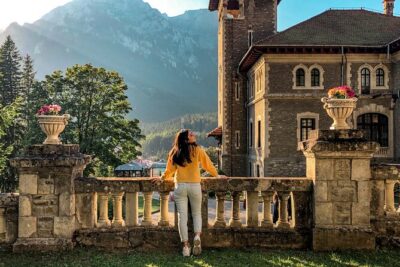
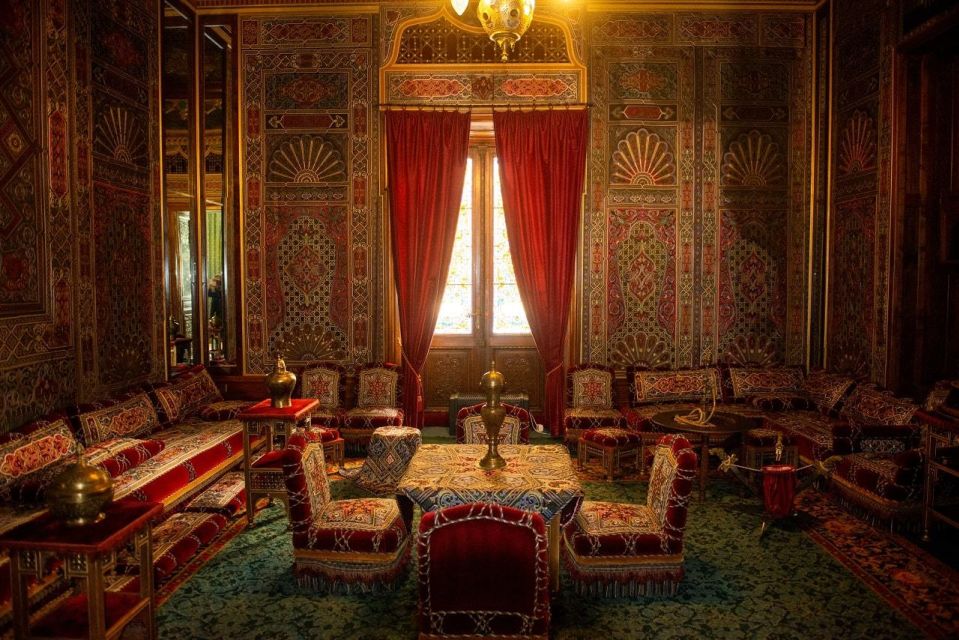
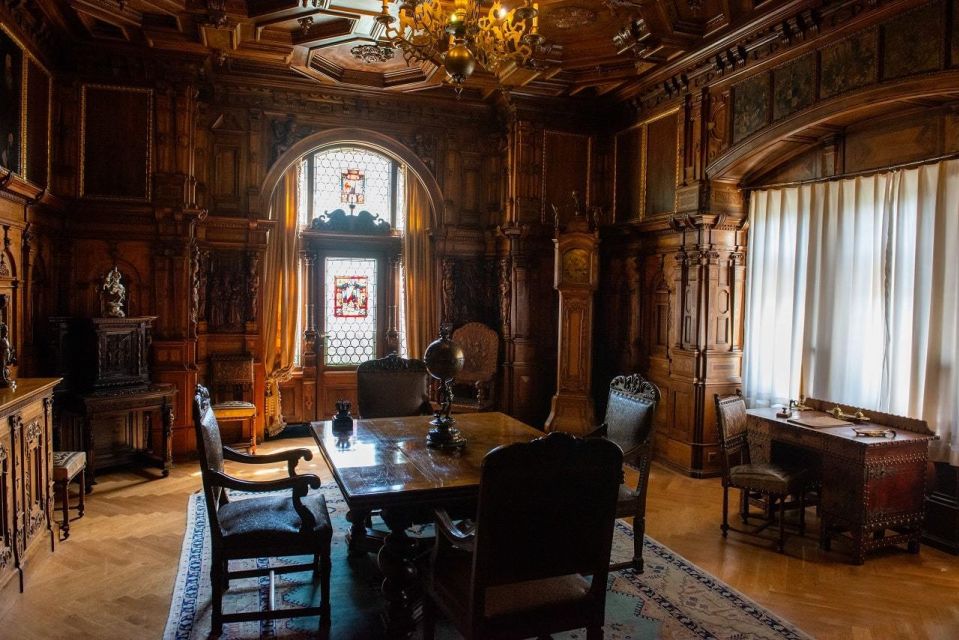
Peleș Castle was built by Carol I, Romania’s first king, and the Neo-Renaissance building was constructed between 1875 and 1914. That time span matters: you’re not just seeing a medieval relic; you’re seeing a late-19th/early-20th-century royal dream with serious craftsmanship.
Closure note: Peleș Castle is closed on Mondays and Tuesdays. If your trip includes those days, your schedule will shift around it, so check your departure date carefully.
Sinaia Monastery: A Quiet Finish That Feels Earned
To end the trip, you’ll visit Sinaia Monastery, founded by Prince Mihail Cantacuzino in the 17th century after his return from a pilgrimage to Mount Sinai. The monastery visit is a nice tone shift after castles and museum rooms.
You’ll also see the Old Church and the 19th-century Great Church. Even if you’re not chasing every architectural detail, this stop gives you a calmer, more reflective ending before the return drive to Bucharest.
Transportation, Time on the Road, and How to Stay Sane
This tour is mostly driving between regions. That’s part of the deal: Transylvania’s best-known sites are spread out, and a car/minibus day is how you connect them efficiently.
Because the days are full, you’ll want to manage your energy. Wear comfortable shoes from the start, not halfway through the first walking tour. Also, build in patience for popular entrances at major sites like Peleș and Bran, where you may spend time standing before you get inside.
One detail that can make or break the day is how the guide handles timing. English driver-guides on these routes often focus on what’s happening when you arrive—some add extra stories about what you’re passing, others don’t. Either way, if you like history, it helps to be ready with questions.
Price and Value: Is $588 Worth It?
At $588 per person for 3 days, the headline value is the mix of what’s included versus what you add yourself.
Included costs:
- transportation by car/minibus
- parking and fuel
- an English-speaking driver/guide
- 2 nights in a 3-star hotel with breakfast
- pickup from Bucharest hotels
- traditional dinner on Day 1
Not included:
- entrance fees
- lunch and dinner
So is it worth it? For me, yes—if you want a “guided highlights” trip with minimal planning. You’re paying for someone to handle routing, driving, and timing between major sites, plus you’re getting two nights of lodging without having to hunt options yourself.
Two extra cost considerations can affect the final bill:
- single travelers pay an additional €60, paid in cash to the guide at the start
- entrance fees and most meals are extra, so budget for that upfront
If you’re traveling as a couple or small group, you’ll likely feel the value most strongly. Solo travelers can still have a great time, but that €60 cash add-on is the kind of thing that’s easy to forget.
Hotels and Small-Group Comfort: The Real Difference Maker
You’ll stay in 3-star hotels with breakfast on both nights. The point isn’t luxury; it’s convenience and comfort after active days. The small group (limited to 16) also tends to make check-ins less chaotic and walking tours easier to manage.
I also like that the trip is designed around town center locations—especially on the Sibiu night—because it gives you a chance to stretch your legs without locking into another long drive immediately.
Who Should Book This Tour (and Who Might Not Be Happy)
This is a great fit if you want a structured overview of Transylvania’s medieval core and you’d rather ride with a guide than self-drive.
It’s also a strong choice for people who like a mix of:
- monasteries with standout architecture (Curtea de Argeș and Cozia)
- defensive medieval settlement (Biertan and Sighișoara)
- Saxon and German-influenced towns (Sibiu and Brașov)
- Dracula legend paired with real castle atmosphere (Bran)
- royal architecture and a quieter religious finish (Peleș and Sinaia Monastery)
It’s not a good fit if you:
- need mobility-access support (the tour is not suitable for people with mobility impairments)
- are traveling with children under 7 (not suitable)
If you’re a history fan who also enjoys walking old towns, you’ll probably feel like the guide helps you connect scenes into a trip that makes sense.
Should You Book This 3-Day Medieval Transylvania Tour?
If you want the biggest medieval hits—without building a route yourself—this is a very sensible booking. The small-group format, the B&B hotel setup, and the way the days are built around key sites make it efficient and usually fun.
I’d book it if your travel dates work with the closures and you’re okay with long days of driving and stepping out to walk. If your trip includes a Monday or you care deeply about Peleș and the Sighișoara Clock Tower being open, double-check the calendar first.
And if you’re traveling solo, plan for the €60 single supplement in cash so it doesn’t surprise you at the start.
FAQ
What’s the meeting point for this tour?
Pickup is included from hotels in Bucharest.
How many people are in the group?
The group is limited to a maximum of 16 participants.
What does the price include?
You get transportation by car/minibus, parking and fuel, an English-speaking driver/guide, and 2 nights in a 3-star hotel with breakfast.
Are entrance fees included?
No. Entrance fees are not included.
Are lunch and dinner included?
No. Lunch and dinner are not included.
Are there any date-specific closures I should know about?
Yes. Peleș Castle is closed on Mondays and Tuesdays, and the Clock Tower in Sighișoara is closed on Mondays.
Does the tour order ever change?
Yes. For Saturday and Sunday departures, the tour is done in reverse order.
Is there an extra fee for single travelers?
Yes. Single travelers pay an additional €60, paid in cash to the guide at the beginning of the tour.
What should I bring?
Wear comfortable shoes.
Is this tour suitable for children or mobility needs?
It’s not suitable for children under 7, and it’s not suitable for people with mobility impairments.