REVIEW · BUCHAREST
6 Days Private Tour in Romania Spectacular Places from Bucharest
Book on Viator →Operated by Nicolas Experience Tours · Bookable on Viator
Romania hits different when it’s paced for you. This private 6-day trip from Bucharest strings together medieval fortresses, royal castles, and big nature stops in a tight route that feels like a slow recharge, not a checklist.
I love that you’re not riding in a crowded bus—your private car stays just for your group, with a licensed English-speaking guide/driver and even Wi-Fi on board. I also like the way the tour reads like a conversation: the guide (often described by name as Nicolas) explains the stories behind the stones in a way that’s easy to follow, with humor and back-and-forth moments. One drawback: entrance fees are not included, so you’ll want to budget extra for castle and church tickets, plus note there are physically demanding moments like 1,400 steps at Poienari.
In This Review
- Key things to know before you go
- How this Bucharest-to-Transylvania route really works
- Day-by-day highlights: what you’ll see and why it’s worth your time
- Day 1: Snagov’s Vlad story and the royal castle glow
- Day 2: Brasov for your bearings, Bran for the Dracula myth, Rupea for real fort walls
- Day 3: UNESCO fortified church, Vauban-style star power, and Sighișoara’s clock tower charm
- Day 4: Densus’ layered church ruins and Dacian capital energy
- Day 5: Salina Turda air, Cheile Turzii hiking, and Cluj-Napoca’s Union Square unwind
- Day 6: Transfăgărășan Highway drama, Poienari steps, and Sibiu’s Renaissance-squared finish
- Price and value: what you’re really paying for at $2,140.17
- Who this private tour is best for
- Should you book this private Romania tour?
- FAQ
- How long is the private tour?
- What city does the tour start from?
- Is pickup offered?
- Is this tour only for my group?
- Are entrance fees included?
- Are accommodations and meals included for me?
- Do you provide Wi-Fi in the car?
- Is there free cancellation?
- Can I bring a service animal and is it suitable for most travelers?
Key things to know before you go
- A private car for your group: less stress, more control over timing and comfort.
- Nicolas-style explanations: story-driven commentary that keeps history from feeling like homework.
- Built-in flexibility: the route can adjust during the trip, not just on paper.
- Many ticketed highlights: castles, monasteries, and UNESCO sites usually add up in entrance fees.
- Nature days aren’t an afterthought: salt mine air, Cheile Turzii hiking, and the Transfăgărășan drive.
How this Bucharest-to-Transylvania route really works
This is a private, licensed English-speaking guide/driver kind of tour. That matters because you’re not just being transported—you’re being interpreted. You get context while you’re traveling between places, so each stop lands faster and makes more sense.
At a high level, you’re moving from Muntenia and royal landscapes near Bucharest into Transylvania and onward toward central Romania, then finishing with one of Romania’s most famous roads. The pacing is a mix: a big sight, a short reset, then another chapter. Expect the days to feel full, but not chaotic, because your group is the only group in your vehicle.
This isn’t cheap, with a listed price of $2,140.17 per person for about 6 days. The value is in what’s included: the car, driving costs, and the guide’s time and expenses are built in. What isn’t built in is your personal spending on sights and meals, so you’ll still plan a budget for tickets.
You can also read our reviews of more private tours in Bucharest

Day-by-day highlights: what you’ll see and why it’s worth your time
Day 1: Snagov’s Vlad story and the royal castle glow
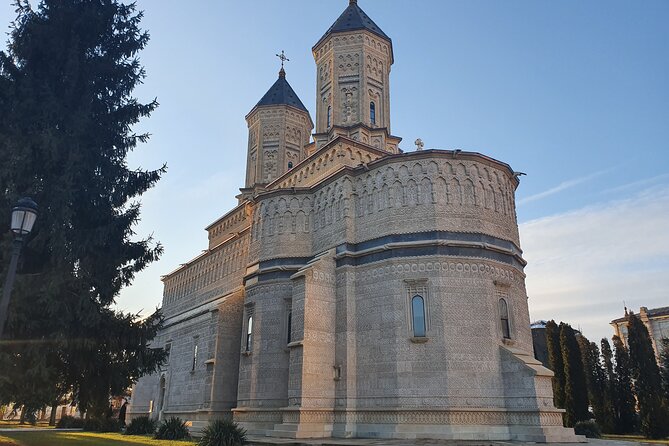
Day 1 starts with Snagov Monastery, tied to the long-running and controversial story about Vlad Țepeș. Even if you’ve heard fragments before, this stop is worth it because it turns a headline into a place you can stand in. The monastery visit is listed at 1 hour 30 minutes, and entrance tickets aren’t included.
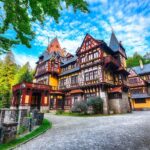
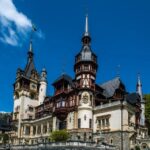
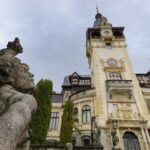
Next comes Peleș Castle in Sinaia. This is Romania’s royal-summer-world in stone and detail: grand rooms, impressive architecture, and that feeling that you’ve stepped into a carefully curated past. The visit is about 2 hours, and—again—entrance tickets aren’t included.
You close the day with Manastirea Sinaia, the Orthodox monastery near Peleș. It’s listed as around 30 minutes and is described as being over 300 years old, known as the Cathedral of the Carpathians due to its mountain-resort setting. It’s close enough that the day doesn’t feel like endless transit, and it adds a spiritual layer after the royal one.
Watch-outs for Day 1: you’ll likely want to bring enough patience for story-heavy stops. If you prefer quick sightseeing over context, you might feel the history talk is “a bit much,” but if you like meaning behind places, this is a strong start.
Day 2: Brasov for your bearings, Bran for the Dracula myth, Rupea for real fort walls
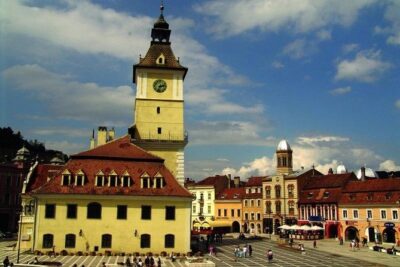
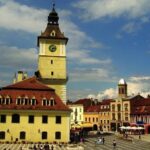
Brasov gives you a “get your bearings” moment. You get a 120-minute break in Brasov City with a chance to explore the Old Town at your own pace and to grab lunch. Since this break is listed as free, it’s also one of the best times to spend money on food instead of tickets.
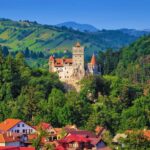
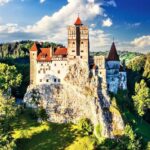
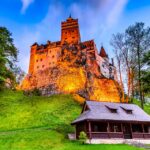
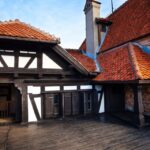
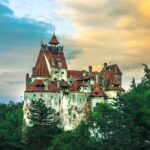
Then it’s Bran Castle, commonly tied to Dracula. It’s a big-name stop for a reason: it’s visually striking and it’s part of how Romania sells itself to the world. The visit is listed as about 2 hours, with entrance tickets not included.
After that, you head to Cetatea Rupea, a restored 14th-century fortress. It’s listed as about 1 hour, and the restoration is noted as completed in 2008. This stop balances the day: Bran is about legend and crowds; Rupea is about walls, position, and how a fortress really works.
Consideration for Day 2: Bran is popular. If you hate waiting in lines, plan to arrive ready to move and accept that it’s a high-interest site. Your private guide/driver helps, but popular doesn’t become empty.
Day 3: UNESCO fortified church, Vauban-style star power, and Sighișoara’s clock tower charm
Day 3 leans hard into heritage and fortifications.
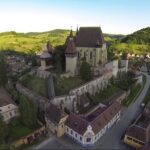
First is Biertan Fortified Church, a UNESCO World Heritage site. You’re visiting a strong example of Transylvanian Saxon settlement history, set on a hillock and defended by multiple walls and bastions. The visit is listed as 1 hour, entrance tickets not included.
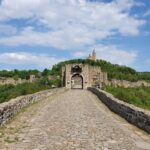
Then you move to Cetatea Alba Iulia, a Vauban-style fortress described with a 7-corner star model. The fortifications are extensive, with three lines of defense and architecture presented as among the largest of its kind in Eastern Europe. Plan about 2 hours.
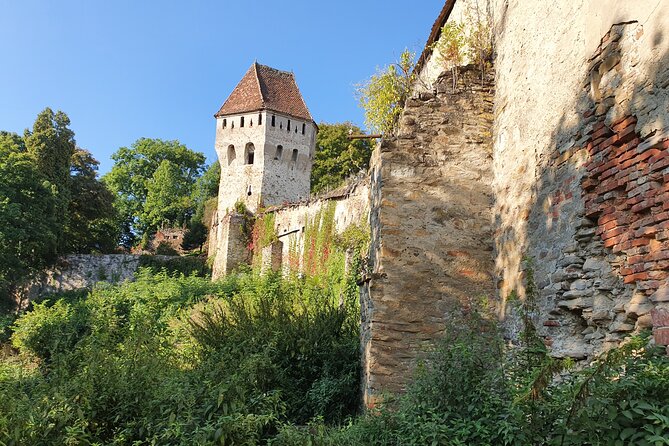
Next is Sighișoara Clock Tower, with a 45-minute stop. The details matter here: the tower began in the late 13th century, evolved in the 14th century, and later gained extra levels and baroque elements. Even if you don’t study architecture, the tower’s layering of time is the point.
You finish the day with a photo stop in Centrul Istoric Sighișoara, plus history talk, around 2 hours. This works well because you get both “look” time and “understand” time.
What I like about Day 3: it doesn’t just show you castles. It shows you systems—how settlements defended themselves, why certain forms worked, and what power looked like on the ground.
You can also read our reviews of more tours and experiences in Bucharest
Day 4: Densus’ layered church ruins and Dacian capital energy
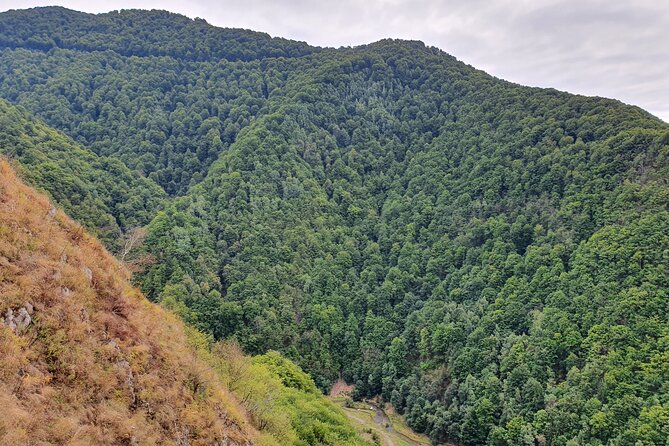
This is one of the days that feels like a time machine.
You start at Densus Church, noted as one of Romania’s oldest Orthodox churches. What’s special is the layering: it’s built on top of ruins dating back to the 4th century and changed over time, with final alterations in the 13th century. Expect about 45 minutes, and tickets aren’t included. The church is described as having mural paintings dating to 1443.
After that comes Sarmizegetusa Regia, identified as the capital of the Dacian Kingdom. The visit is about 2 hours, entrance tickets not included. This stop is all about scale and context: military, political, and religious importance of a center that sits in the bigger European timeline of early civilizations. If you like history that isn’t only Roman or Ottoman, this is a great anchor.
You end at Castelul Corvinilor (also known as Huniade Castle). It’s described as a top gothic castle and one of the largest castles in Europe, with a museum role after restoration following a devastating fire. You’ll spend about 1 hour 30 minutes; entrance tickets aren’t included.
Consideration for Day 4: you’ll want comfortable shoes. Several of these sites are uneven, and you’ll move more than you might think from the “how long is the visit?” numbers.
Day 5: Salina Turda air, Cheile Turzii hiking, and Cluj-Napoca’s Union Square unwind
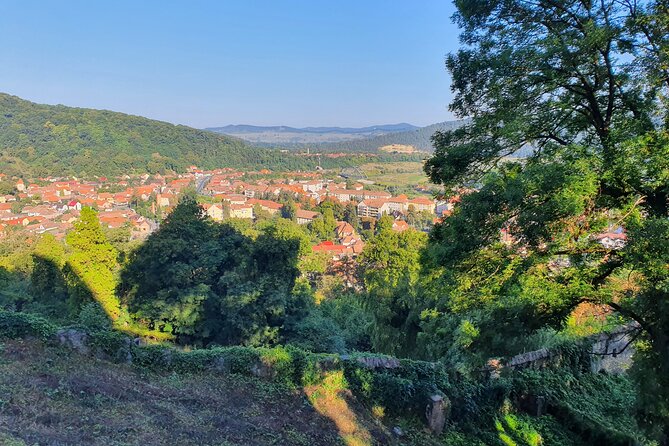
Day 5 balances body and brain.
First is Salina Turda (Turda Salt Mine), around 2 hours with tickets not included. This isn’t just sightseeing underground. The description highlights the saline air and even notes it can be beneficial for respiratory issues like allergies or asthma, which is a practical reason to consider it, not just a wow factor. You’ll see features of Roman heritage and multiple mines (Iosif, Terezia, Rudolf), plus medieval mining machinery and displays like the Stairway of the Rich.
Next is Cheile Turzii. This one is listed as free and about a 2-hour hiking trip. It’s a nature reset and a chance to look for birds, too—more atmosphere than “thing to check off.”
Then you head to Gradina Botanica Alexandru Borza, listed as 1 hour, with tickets not included. The garden’s size is impressive—over 14 hectares and 10,000+ plants. You get highlights like a Japanese Garden and a Roman Garden with archaeological remains from the Roman colony of Napoca, including a statue of Ceres.
After the garden, you land in Cluj-Napoca with stops around Piața Unirii (Union Square) and St. Michael’s Church. This part is listed as free and totals about 1 hour. The church is described with the highest tower in Romania (80 meters), plus a statue of King Matthias Corvinus nearby.
Good fit for Day 5: it’s for people who like variety—underground, outdoors, then a real city square.
Day 6: Transfăgărășan Highway drama, Poienari steps, and Sibiu’s Renaissance-squared finish
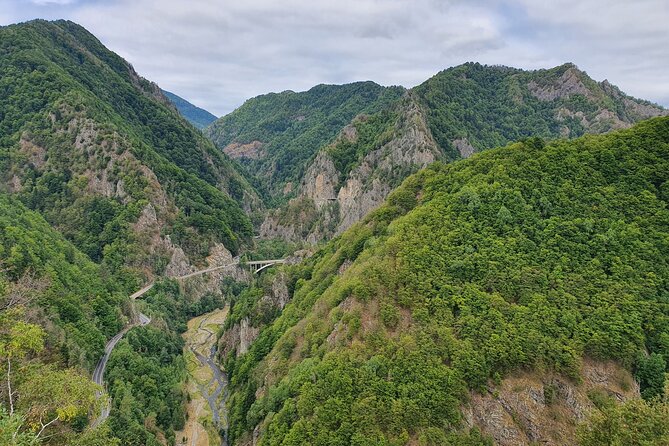
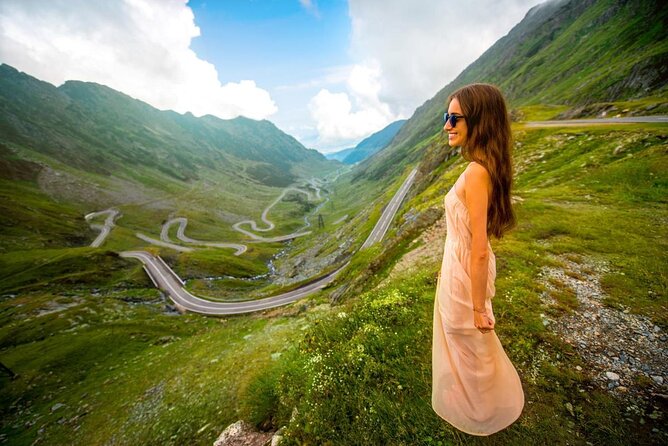
Day 6 starts with Transfăgărășan Highway, listed as free and about 2 hours. This is a scenic road drive famous enough that it’s referenced with TV history (Top Gear). Even if you’re not a TV person, plan to slow down your phone reflex and look out the window. The point here is the view, not the speed.
You then stop in Călimănești, with Cozia Monastery described as fortified for over 600 years and set beside the Olt River with Mount Cozia on the other side. The stop is listed as 1 hour and is free. There’s also a curious local note: Calimanesti Spring water is said to have been used by Napoleon III for liver problems.
Next is Poienari Castle, described as the real Castle of Dracula, with a tough climb: 1400 steps to reach the citadel. Plan about 2 hours, entrance tickets not included. If you have knees or mobility issues, this is the day’s make-or-break physical moment.
After that you visit Vidraru Dam, about 30 minutes and free, focusing on the reservoir lake view and engineering.
Then you finish in Sibiu, starting with Piața Mare (Large Square) for about 1 hour, free. The final stretch includes the Union Square in Sibiu, about 1 hour, also free, with an emphasis on the square’s layout and the Bridge of Lies area described in the route.
How to approach the finish: plan for a “walking but not climbing” mood. By this point, your legs will know it, and the free squares are a good way to end without ticket queues.
Price and value: what you’re really paying for at $2,140.17
Let’s talk money in a way that helps you decide.
You’re paying for a private experience with a licensed English-speaking guide/driver, plus the mechanics that usually create hidden costs in independent travel: car expenses like gasoline, parking, and road tolls. You also get a private vehicle that stays only for your party, and there’s Wi-Fi in the car for downtime between stops.
A big value detail: the price includes accommodations, meals, and entrance fee for the guide. That may sound like an accounting note, but practically it usually signals a more stable, managed operation. Still, you should assume your own accommodation and meals are not included, since the tour lists those as not included (and says meals and beverages aren’t included, though it recommends them).
The other big budget item is entrances. Many stops show entrance tickets as not included—think Peleș Castle, Bran Castle, UNESCO sites like Biertan, the salt mine, and major churches/castles. Some stops are free (like certain squares and viewpoints), but the ticketed ones can add up.
My practical advice: if you’re booking, set aside a realistic extra amount for entrances and plan meals on the go. If you hate ticket budgeting, this tour might feel more expensive than it appears.
Who this private tour is best for
This tour fits best if you want:
- A private route rather than a bus schedule.
- A guide who turns history into stories you can follow without a textbook.
- Mix of castles + UNESCO + nature in one trip, without you planning logistics between stops.
It’s also a good match if your group likes pace control. The tour mentions flexibility to change the daily itinerary even after it starts, which is exactly what you want if weather, energy, or interests shift.
It’s less ideal if:
- You only care about exterior views and don’t want any ticketed interiors.
- You don’t handle stairs well—Poienari’s 1,400 steps are real.
- Your group hates long days of driving between regions.
Should you book this private Romania tour?
I’d book it if you want a managed, story-rich Romania experience that feels like Transylvania and beyond, not just Dracula-flavored marketing. The private car, the licensed English-speaking guide/driver, and the fact that many major sights are already slotted (from royal and religious sites to UNESCO forts and the Transfăgărășan drive) makes it a strong value for the effort it saves you.
Skip or reconsider if entrance fees are a deal-breaker, or if your group needs to avoid strenuous climbs. In particular, Poienari is the moment to take seriously. If you’re comfortable planning for tickets and you’re ready for a full 6 days, this tour looks like an efficient way to see a lot of Romania without losing your mind to logistics.
FAQ
How long is the private tour?
It’s listed as approximately 6 days.
What city does the tour start from?
The tour is based in Bucharest, Romania.
Is pickup offered?
Yes, pickup is offered.
Is this tour only for my group?
Yes. It’s a private tour/activity, so only your group participates.
Are entrance fees included?
No. Entrance fees are not included as per the itinerary.
Are accommodations and meals included for me?
No. Accommodation, meals, and beverages are not included, though the tour recommends them.
Do you provide Wi-Fi in the car?
Yes. Complimentary wireless internet access is included in the comfortable car.
Is there free cancellation?
Yes. Free cancellation is allowed up to 24 hours in advance for a full refund.
Can I bring a service animal and is it suitable for most travelers?
Service animals are allowed, and most travelers can participate.