REVIEW · BUCHAREST
Bucharest: Dinner at the Museum of Communism & tour after closing
Book on Viator →Operated by Bucharest by Foot Tours · Bookable on Viator
Dinner and history in the same room.
What makes this one special is the hands-on Museum of Communism visit, then the meal served in the museum’s living-room vibe, usually after it’s quiet and closed to the public. I especially liked the chance to touch exhibits and try period items instead of just reading labels, and the way the evening connects politics to everyday life.
The second big win for me is the dinner setup: Romanian homemade-style starters and a proper sit-down meal that feels more like being hosted than being processed. One possible drawback to keep in mind: the food is described as traditional, but at least one person felt the main course portion wasn’t as substantial as the word dinner can suggest.
If you want a Bucharest evening that’s more real-life than postcard, this is a strong pick. Just come with a history mindset, and you’ll get more out of it.
In This Review
- Key highlights worth your attention
- How the Museum of Communism dinner tour works (and why it’s different)
- Entering the interactive Undeva in Comunism museum
- What you’ll do right before dinner (the pacing matters)
- The dinner inside the museum living-room: what’s actually served
- Drinks and the food philosophy (what to expect beyond the menu)
- Guides, group size, and why this tour feels personal
- Price and value for a Bucharest evening meal plus museum access
- Where the tour starts and how to plan your evening
- Who should book this Museum of Communism dinner tour
- Should you book it?
- FAQ
- FAQ
- What time does the tour start?
- How long is the experience?
- Where is the meeting point?
- What does the museum portion include?
- What’s included in the dinner?
- Are drinks beyond the included ones covered?
- Is the tour in English?
- How many people are in the group?
- What happens if the weather is bad?
Key highlights worth your attention
- Interactive exhibits you can touch (clothes, old cups, and hands-on moments)
- A dinner that’s built into the museum experience, not tacked on elsewhere
- Small group size (max 12) for a calmer, more conversational pace
- Guides who bring personal context, with examples like Ali, Catalina, Katerina, and Alexandra mentioned in feedback
- Romanian foods you won’t easily find in regular restaurants, especially the desserts
- After-closing feel in the evening, so the museum experience stays focused
How the Museum of Communism dinner tour works (and why it’s different)
This is an evening tour built around one place: the Museum of Communism in Bucharest (Strada Soarelui 1). It runs about 2 hours 30 minutes and starts at 6:30 pm, so you don’t waste the late afternoon trying to squeeze in another attraction.
The schedule is simple. You get the museum visit first, then you eat. The real twist is that the museum isn’t just photographed and filed away. It’s set up so you can interact—touch items, try things on, and experience the displays in a more physical way than a typical museum.
And because the tour is offered in English with a maximum of 12 people, the night tends to feel more like a guided evening at a niche museum than a rushed bus stop with headsets.
You can also read our reviews of more museum experiences in Bucharest

Entering the interactive Undeva in Comunism museum
The museum is often described as the only interactive one of its kind, and the details matter. Instead of standing behind ropes, you can touch exhibits and handle objects that connect to daily life during the Communist period.
That hands-on angle changes what you notice. You’re more likely to remember the small things: how clothing fits, how objects look up close, and how ordinary routines could feel shaped by an era. It’s also one reason this works well even if you’re not a museum superfan.
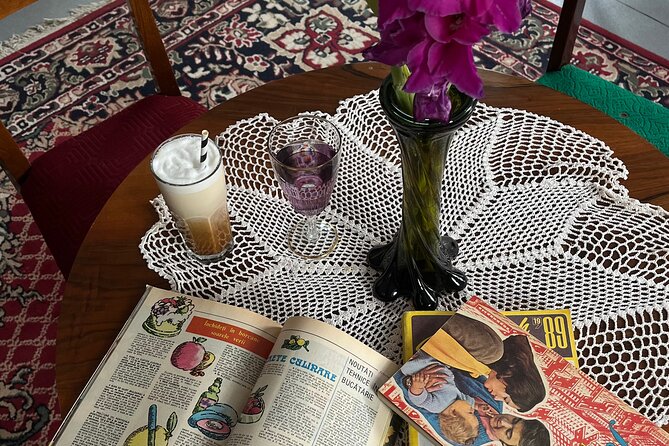
The experience also leans practical and sensory. You might get moments like trying on period clothes, drinking from older cups, and spending time in a museum “home” setting. That last part is key, because it’s what makes the dinner feel like a continuation of the exhibits rather than a separate activity.
One other note that helps you plan your expectations: this is not the kind of museum where you only look. It’s built for participation, so if you’re traveling with a mindset of learning by doing, you’ll get more out of the evening.
What you’ll do right before dinner (the pacing matters)
Most nights follow a pattern that makes the museum easier to digest. You’ll get an initial guided orientation to the displays, then you’ll have time to explore on your own at a comfortable pace before you sit down to eat.
In the feedback, people describe a setup where the host gives an overview and then there’s a chunk of free exploration. That’s a smart flow for a museum like this. It stops the experience from becoming either too scripted or too random.
The host role is also a big deal. Names that show up in the feedback include Ali, Catalina, Katerina, Luca, and Alexandra, and the common thread is guidance that turns objects into stories. You don’t just learn what things were. You hear why they mattered, and how they show up in personal memory.
If you like asking questions, this is usually a good match. The small group size helps, and the museum content is the kind that invites conversation instead of silence.
The dinner inside the museum living-room: what’s actually served
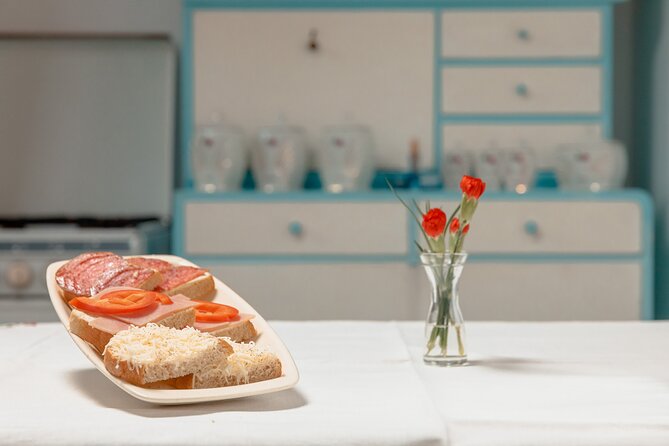
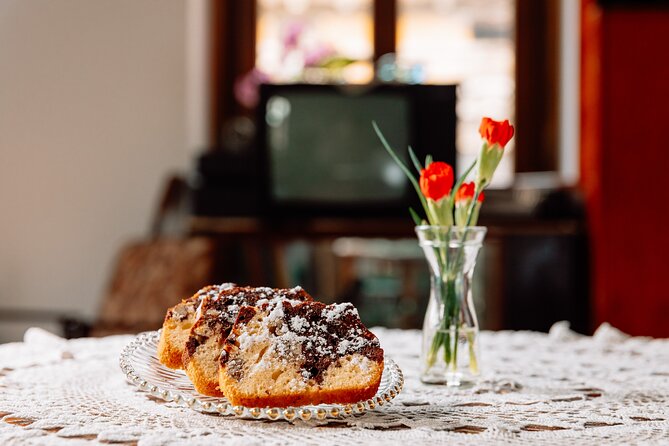
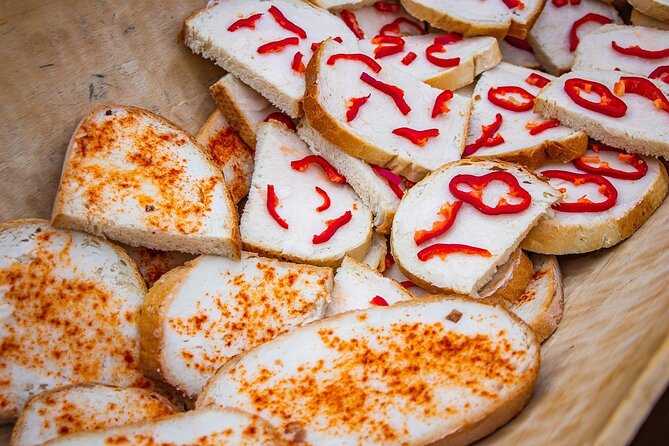
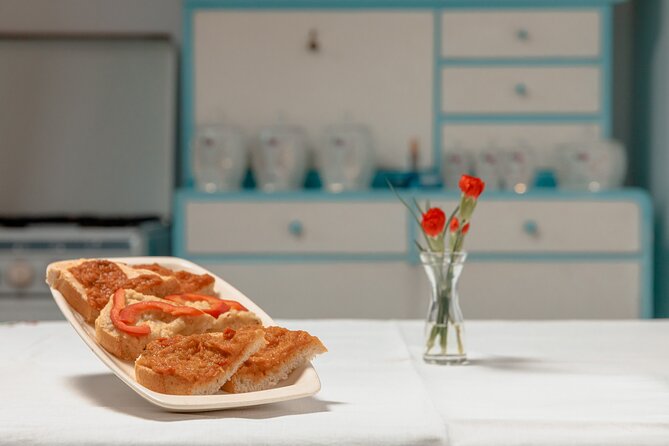
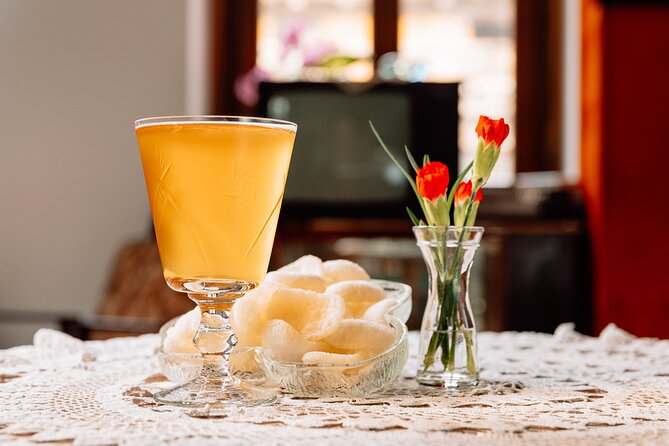
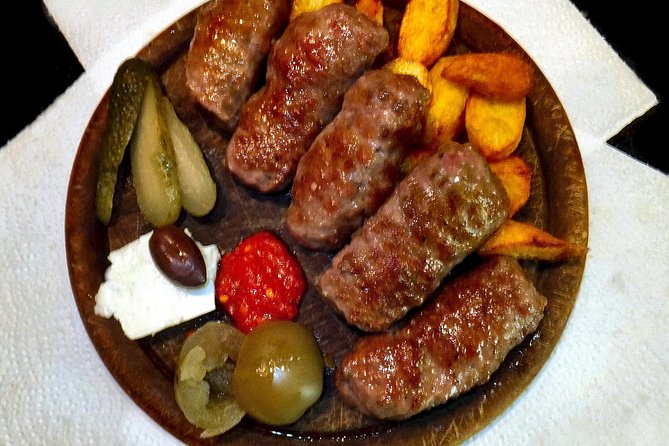
Here’s where the tour earns its reputation. The dinner includes Romanian starters, a typical Romanian main course, and Romanian desserts that you’re told you can not find in restaurants. You’re also served two alcoholic drinks and one non-alcoholic drink with the meal.
The setting is the point: the meal happens in a museum living-room style space, so the dinner feels like part of the show, not a separate restaurant stop. It’s a clever way to connect food to culture without pretending a museum can fully recreate a whole era.
From what’s described, the starters are Romanian and most are homemade, and the desserts sound like the best “only-here” part of the menu. That matters for value. If the meal were generic Romanian fare, it would be easy to recreate on your own. But desserts that you can’t find in regular restaurants raise the odds that you’ll remember the food later.
Now for the balanced part. One review points out a disappointment with the dinner structure—specifically that there wasn’t a substantial main course, despite being described as an evening dinner. So if you’re the type who measures a dinner by portion size and want heavy-course weight, go in prepared that the meal is more “traditional sampling” than banquet-style.
If you’re comfortable with that, you’ll likely enjoy the meal more, especially because the guide tends to explain what you’re eating and how it fits traditions like Christmas meals and drink culture such as palinca and Romanian wine (as referenced in the feedback).
Drinks and the food philosophy (what to expect beyond the menu)
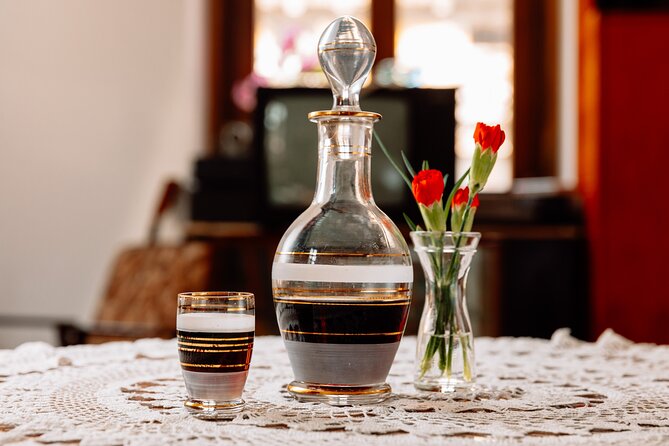
You don’t have to guess about drinks. The tour includes two alcoholic drinks and one non-alcoholic drink. If you want anything beyond that, other drinks are listed as not included.
That structure is helpful because it keeps the dinner from turning into an open-ended spending situation. You can focus on the experience and conversation, not on managing a bar tab.
Food-wise, the tour description emphasizes authentic, Romanian, and home-style. The point is not fancy plating. It’s the feeling of eating something shaped by household routines and limited options. That can be fascinating, even if some items are unusual to you.
And if you’re worried about comfort boundaries, keep it realistic. This is an experience designed to test your expectations a bit, not a safe-by-default tasting menu.
You can also read our reviews of more tours and experiences in Bucharest


Guides, group size, and why this tour feels personal
With a max of 12 travelers, you won’t be swallowed by a crowd. That small group size changes the tone. You can hear your host, ask questions, and stay engaged instead of competing for attention.
The feedback repeatedly praises the guide ability to connect exhibits to real life. Different hosts are named in the reviews, including Ali, Catalina, Katerina, Luca, and Alexandra, but what stands out is their ability to explain the exhibits with personal stories and cultural context.
That matters because the museum topic can feel heavy. People described “powerful” exhibits, and the best guides handle that by pairing facts with human experience. You leave with a clearer sense of what everyday life might have felt like, not just the historical bullet points.
Also, the dinner portion sounds like it often becomes an extended conversation. The host joining at the meal is mentioned in feedback, and that’s a big reason this tour can feel like an evening with informed friends rather than a lecture.
Price and value for a Bucharest evening meal plus museum access
At $59.03 per person, you’re paying for a package: museum admission plus the dinner, with included drinks. For Bucharest, that can be good value when you compare it to the cost of a similar-length guided museum evening and then adding a sit-down Romanian meal.
The value depends on what you want from your evening. If you mainly want photo stops and independent wandering, this might feel more structured than you prefer. But if you want guided context and a meal that’s part of the program, the pricing starts to make sense fast.
Two things drive the value here. First, the museum experience is interactive, not just observational. Second, the menu includes starters, main, desserts, and multiple drinks—so you’re not scrambling to find a place after you finish the museum.
Just remember the one caution: a small minority felt the main course was less substantial than expected. If you’re a big-eater who needs a heavy main, treat this as a traditional multi-part meal rather than a full-course feast.
Where the tour starts and how to plan your evening
You’ll meet at the Museum of Communism in Bucharest, Strada Soarelui 1, București 030167 at 6:30 pm. The location is noted as near public transportation, which helps if you’re staying somewhere central and want an easy walk or transit hop.
Because this is evening-focused, plan your day with the timing in mind. Don’t schedule a long final-museum block right before 6:30, and don’t build in a late dinner plan elsewhere. The dinner is the event, and it sits at the end of the experience.
If you’re trying to hit a lot in Bucharest, this tour is one of those “buy a focused block of time” activities. It’s easier than cramming museums and then separately booking dinner with limited options.
Who should book this Museum of Communism dinner tour
This is a great fit if you:
- want an English-language guided experience that’s short enough for an evening
- like hands-on museums where you can touch and try things
- care about understanding how recent history affects daily life
- enjoy guided food experiences, especially when the meal is tied to the theme
You might skip it if you:
- only want a large, heavy main-course dinner and prefer restaurants for that
- dislike interactive museum formats
- want a purely passive, read-a-label kind of visit
Also, if you’re traveling with a birthday or special occasion mindset, this type of hosted evening can land well because the guide presence and gift-like touches are mentioned in feedback.
Should you book it?
Yes, if you want a Bucharest experience that mixes the Museum of Communism’s interactive exhibits with a traditional Romanian dinner in the same narrative. The small group size, the strong guide presence, and the fact that dessert is part of the included experience all support it as a real value play.
I’d book it with one expectation check: treat the dinner as a hosted Romanian meal experience with multiple parts, not as a guaranteed “massive main course” banquet. If you’re good with that, you’re likely to walk away feeling like you understood the era through objects, stories, and food—not just facts on walls.
FAQ
FAQ
What time does the tour start?
The start time is 6:30 pm.
How long is the experience?
It runs about 2 hours 30 minutes (approx.).
Where is the meeting point?
You meet at the Museum of Communism in Bucharest, Strada Soarelui 1, București 030167, Romania.
What does the museum portion include?
The dinner includes a full tour of the Museum of Communism, described as the only interactive museum where you can touch exhibits and try on clothes, drink from old cups, and eat in the museum’s living-room.
What’s included in the dinner?
The dinner includes Romanian starters (most homemade), a typical Romanian main course, Romanian desserts you can not find in restaurants, and two alcoholic and one non-alcoholic drink.
Are drinks beyond the included ones covered?
No. Other drinks are not included and are available at the customer’s wish.
Is the tour in English?
Yes, it is offered in English.
How many people are in the group?
The tour has a maximum of 12 travelers.
What happens if the weather is bad?
The experience requires good weather. If canceled due to poor weather, you’ll be offered a different date or a full refund.