REVIEW · BUCHAREST
Bucharest: private and exclusive Italian walking tour
Book on GetYourGuide →Operated by S.C. VIAGGIARE BUCAREST S.R.L. · Bookable on GetYourGuide
Bucharest feels less like a blur. A private Italian walking tour with a certified guide turns the city’s “past vs. future” mood into clear, walkable stories, and you get maximum flexibility to match your pace (the guide I read about—Giuseppe, also known as Beppe, and Filippo Di Cataldo—leans into details without rushing). One catch: the route involves walking and it’s marked not suitable for hearing-impaired people, so think about your comfort with street-level navigating.
I like that this tour doesn’t just list sights; it explains why each corner matters. You’ll move from the classic Old Town spine toward Revolution Square and the Romanian Athenaeum, picking up context along the way, including how Bucharest’s layers show up in architecture. And yes, the guide adapts when conditions get tough—rain can happen, but the tour keeps its rhythm.
If you only have a short window in town, this is a good way to get your bearings. You’ll see major highlights plus a few quieter, less-obvious stops, all in Italian, with a format that’s private rather than a big group shuffle. Wear comfortable shoes—your feet will earn the history.
In This Review
- Key things to know before you go
- Private Italian Bucharest: why 2.5 hours can feel like more
- Price and pace: what $53 buys (and what it doesn’t)
- Meeting at Caru cu bere: the easiest start point in the old center
- Old Town highlights: monasteries, inns, and the feel of Lipscani
- Stavropoleos Monastery (about 15 minutes)
- Manuc’s Inn (about 15 minutes)
- A brief 5-minute stop that adds context
- The New Saint George Church (about 15 minutes)
- Cărturești Carusel and the umbrella street: photos with a point
- Cărturești Carusel (about 10 minutes)
- Umbrellas Street (about 10 minutes)
- Pasajul Villacrosse and the National Bank: Bucharest’s in-between spaces
- Pasajul Villacrosse (about 10 minutes)
- National Bank of Romania (about 10 minutes)
- Calea Victoriei: Bucharest’s elegant boulevard walk
- Revolution Square and the Romanian Athenaeum: the 1989 story in real space
- The part you can control: comfort, questions, and pacing
- So, should you book this Bucharest Italian walking tour?
- FAQ
- FAQ
- How long is the Bucharest private Italian walking tour?
- What language is the guide?
- Where does the tour start?
- Is this tour private?
- Is food included?
- Is the tour refundable if plans change?
Key things to know before you go
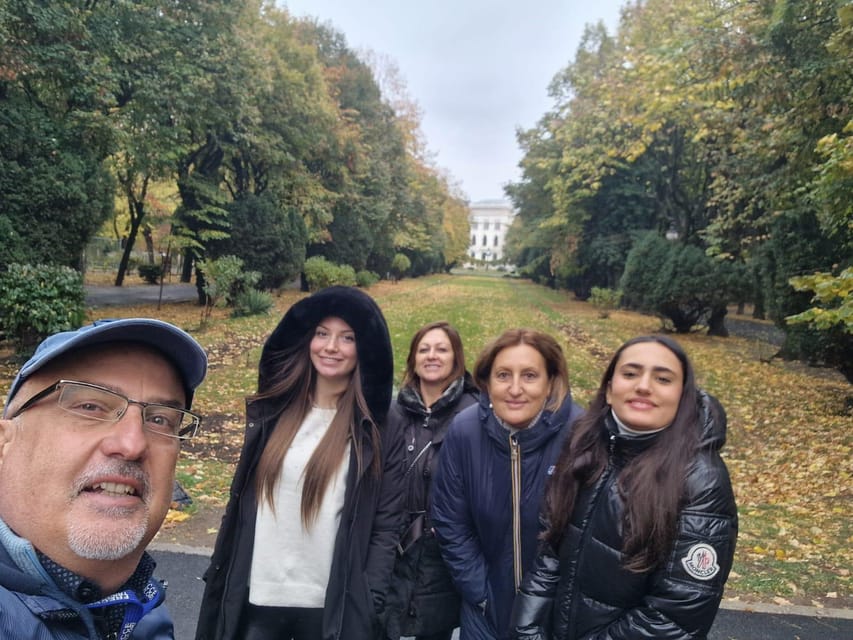
- Private and exclusive in Italian: your questions can steer the pacing.
- Two big zones in one walk: Old Town architecture up through Calea Victoriei.
- Story-first sightseeing: the guide focuses on what you’re looking at, not just where it is.
- Brief stops, no marathon: about 2.5 hours total, with frequent short photo or viewing moments.
- Start right at Caru cu bere: easy meetup point in the old center.
- Walking-focused route: it’s wheelchair-accessible per the details given, but it’s also marked not suitable for mobility impairments, so confirm your needs.
Private Italian Bucharest: why 2.5 hours can feel like more
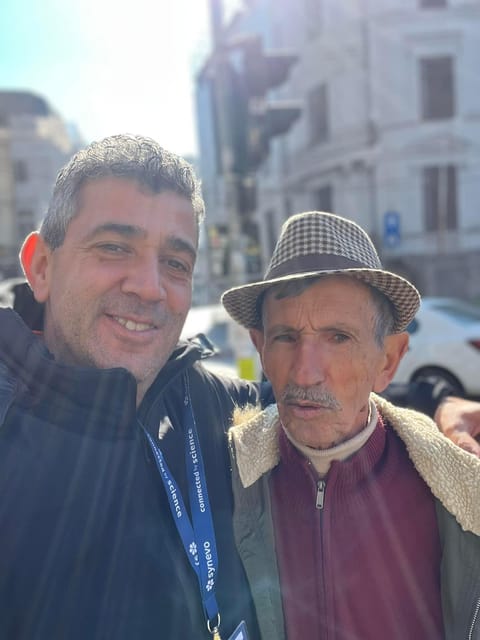
A short walking tour can go one of two ways: either you get a fast scan of postcards, or you leave with a city that actually clicks. This one leans toward the second. You’re with a guide who’s certified to lead in Italian, and you’re not squeezed into a crowded group. That alone changes the vibe. You can ask a question when something catches your eye—often the exact moment you’d miss on your own.
What I like most is how the tour treats Bucharest like a place made of conversations. Instead of repeating facts, the guide points out stories behind buildings and small corners. You start in the old center and work your way toward the grand political and cultural heart of the city, so the meaning builds as you walk.
And because it’s private, the tour is genuinely flexible. If you want a slower look outside Caru cu bere or you want extra time at Revolution Square, you’re not stuck with a rigid crowd schedule. The whole thing is built around adapting to your needs and pace.
You can also read our reviews of more walking tours in Bucharest


Price and pace: what $53 buys (and what it doesn’t)
At $53 per person for about 2.5 hours, you’re paying for three things: a private setting, a guide who speaks Italian, and a structured route that covers multiple “themes” of Bucharest (old streets, stylish boulevards, and the 1989 turning point). For many travelers, that’s the sweet spot—short enough to fit a day, specific enough that you actually learn something.
This is not a food tour. Caru cu bere and other stops are part of the route, but your ticket doesn’t include meals or drinks. If you want to eat, plan to do it afterward. You’ll also want comfortable shoes, because this is a walking experience with a series of short visits and photo stops rather than one long sitting-based tour.
Meeting at Caru cu bere: the easiest start point in the old center
Your guide meets you in front of Caru cu bere at Strada Stavropoleos 5. That’s helpful because Bucharest can feel like a patchwork—finding the right street corner without stress matters, especially early in the day.
The first stretch gives you a quick orientation. You get a guided introduction (about 10 minutes) right where the tour’s energy starts: in the thick of the Old Town’s reputation and personality. Even if you don’t plan to go inside for a meal, the building presence gives you an immediate sense of Bucharest’s style and how the old center still pulls weight.
Practical tip: arrive on foot if you can. The route is designed around short moves between points, and being already in the area keeps everything smooth.
Old Town highlights: monasteries, inns, and the feel of Lipscani
The Old Town section is where the tour makes Bucharest feel real. This is the zone tied to Lipscani Street, famous for nightlife, but your guide keeps it from being just a party story. You’ll see religious architecture, old-world commerce, and the kind of streets where the building details do the storytelling.
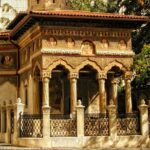
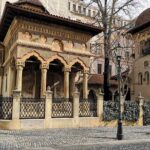
Stavropoleos Monastery (about 15 minutes)
Stavropoleos Monastery is one of those places where you can visually read time layers—stonework, sacred space, and a calm contrast to nearby streets. In a short visit, the guide helps you notice the elements that make it more than a quick photo. Think of this stop as your reset button: after the city buzz, you get something quieter and more focused.
You can also read our reviews of more private tours in Bucharest



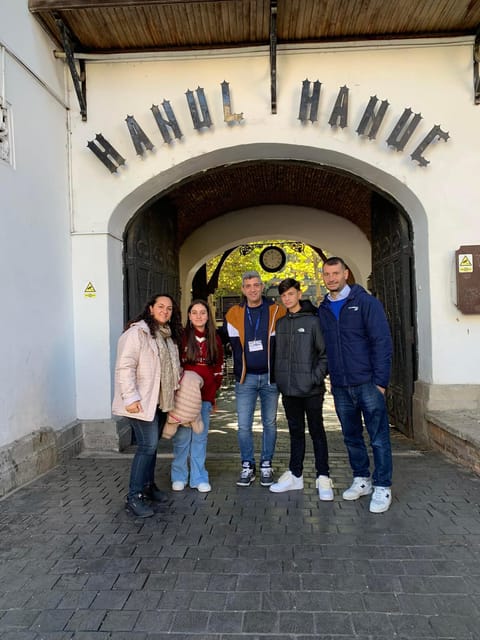
Manuc’s Inn (about 15 minutes)
Then you shift from a sacred space to a historic commercial one. Manuc’s Inn represents how Bucharest functioned as a meeting point long before modern travel made everything faster. You’re not just looking at a building—you’re picking up why these spaces mattered to traders, travelers, and the city’s social rhythms.
One reason this section works well on a private tour: if you pause to ask about a detail (doors, courtyards, architectural style), the guide can tailor the explanation in Italian without it slowing down a whole group.
A brief 5-minute stop that adds context
The itinerary includes a short additional stop (about 5 minutes) between Manuc’s Inn and the next church. Even though it’s brief, these tiny moments often act like “signposts” along a story—your guide uses it to connect themes as the route moves forward.
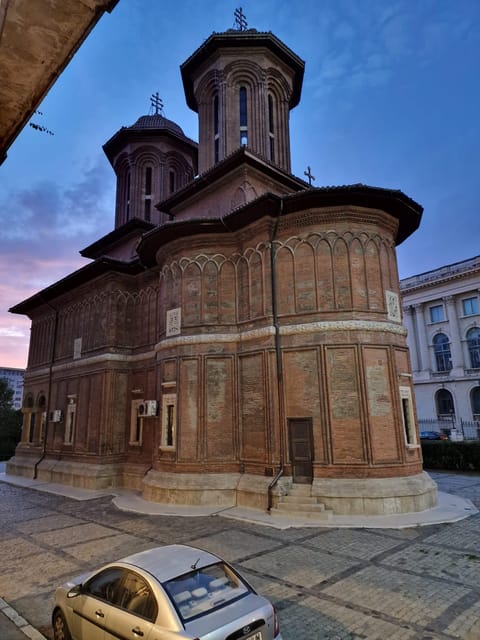
The New Saint George Church (about 15 minutes)
You’ll then visit the New Saint George Church for another guided chunk (about 15 minutes). Churches in Bucharest aren’t just religious landmarks; they’re anchors that help you understand how different periods shaped the city’s look and priorities.
If you’re the type who likes to compare styles, this is a good time to pay attention to how the church fits into its surroundings. Your guide’s job here is to help you connect what you see with what it represents.
Cărturești Carusel and the umbrella street: photos with a point
Not every stop here is a long visit. Some are short photo moments, and I think that’s smart. It keeps the tour lively and gives you time to get a few “memory shots” without turning the whole outing into a checklist.
Cărturești Carusel (about 10 minutes)
This is a photo stop. You’ll get a quick chance to frame the moment and move on. The value is less about a formal tour and more about giving your walk visual variety. When a city feels like architecture after architecture, a quick, photogenic break can help the rest of the tour stick.
Umbrellas Street (about 10 minutes)
Another photo stop follows: the Umbrellas Street area. It’s playful, but the guide can help you see why these kinds of themed details become part of Bucharest’s modern identity. Don’t underestimate how much a well-timed photo stop can reduce “walking fatigue” and make you more attentive for the big political/cultural sights ahead.
Pasajul Villacrosse and the National Bank: Bucharest’s in-between spaces
Between the most famous zones, you’ll pass through stops that show how Bucharest “works” as a city, not just as a collection of monuments.
Pasajul Villacrosse (about 10 minutes)
Pasajul Villacrosse is one of those covered-passage-type spaces where architecture and everyday movement collide. You get a guided orientation, likely focused on the building’s character and the role these passages played in city life. These are the places you’d rarely choose to visit if you only followed a top-10 list, which is exactly why they’re worth including.
National Bank of Romania (about 10 minutes)
The National Bank stop adds a different kind of weight. It’s not about nightlife or romance; it’s about how power and finance show up in architecture. If you pay attention here, you’ll start noticing patterns—how public institutions use style to project authority.
On a private tour, you can ask the natural follow-up: why does a building like this look the way it does, and what does it say about the era that shaped it? The guide’s explanations are built for that kind of curiosity.
Calea Victoriei: Bucharest’s elegant boulevard walk
Now you get into the grand-statement side of Bucharest: Calea Victoriei. This boulevard is known for historic buildings, high-fashion storefronts, and fine bistros, but what makes it interesting on a walking tour is how the street itself becomes a timeline.
You’ll spend about 15 minutes on a guided walk here. The guide helps you read the facades and connect them to different historical periods. Even if you don’t shop or stop for coffee, the street’s visual language is the point.
I especially like boulevard time on a tour like this: it’s long enough to appreciate the scale, but short enough that you keep momentum. You’re not stuck watching traffic while hoping the guide says something interesting. The guide gives you things to look for as you walk.
Revolution Square and the Romanian Athenaeum: the 1989 story in real space
The route lands on one of Bucharest’s most emotionally charged areas: Revolution Square. This stop is guided for about 20 minutes, so you’re not just seeing buildings—you’re getting the political context that turns the architecture into something meaningful.
Revolution Square is tied to the end of Ceausescu’s dictatorial regime in December 1989. The surrounding buildings help you see Romania across periods, not as a distant textbook but as structures you can stand beside.
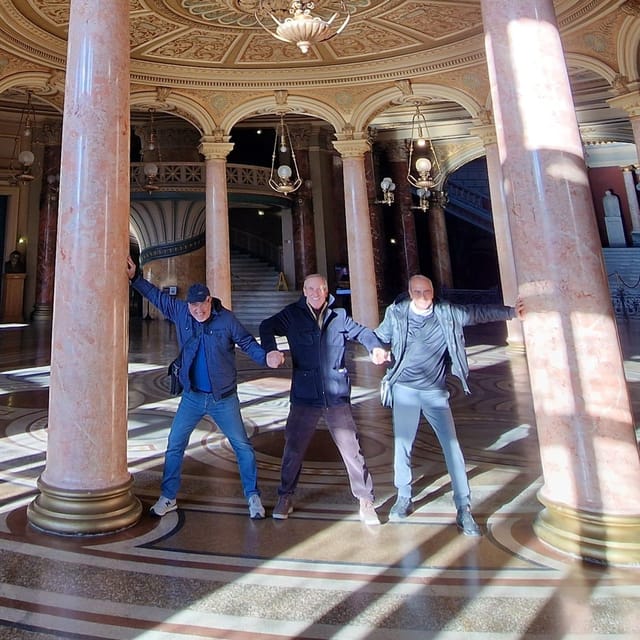
From there, you visit the Romanian Athenaeum (about 15 minutes). It’s one of those cultural landmarks where the guide’s job is to connect what you’re looking at with why it matters to national identity. When your guide explains the role of the Athenaeum in Bucharest’s cultural story, the stop stops feeling like a photo opportunity and starts feeling like a checkpoint—an anchor between the political and the artistic sides of the city.
The part you can control: comfort, questions, and pacing
Even though the itinerary is planned, this is still a private tour built around you. The biggest practical factor is footwear. Bring comfortable shoes—the tour is a walk with multiple short visits and photo stops, and you’ll be switching between outdoor streets and viewpoints.
Also pay attention to the format: the tour is in Italian, and it’s marked not suitable for hearing-impaired people. If you rely on hearing support or subtitles, treat that as a serious planning note rather than a tiny detail.
One more thing I value: guides who tell stories well also make the tour easier to follow. If you’re the kind of traveler who gets bored by long explanations, don’t worry—this tour is paced with movement. Short guided stretches break up time so you stay alert.
So, should you book this Bucharest Italian walking tour?
If you want a focused introduction to Bucharest and you’d rather learn in Italian with a real expert than guess your way through historic streets, I’d say yes. The private setup is a major advantage, and the route cleverly mixes Old Town texture (monastery, inn, churches) with grand-scale stops (Calea Victoriei, Revolution Square, Romanian Athenaeum).
Book it especially if:
- You want maximum flexibility and a pace that suits you
- You’re visiting for the first time and want the city’s story in a logical order
- You care about architecture and the “why” behind it, not just the where
Skip or reconsider if:
- You need accommodations beyond what a walking route can realistically provide
- Italian is not a workable language for you, since the tour is Italian-only
FAQ
FAQ
How long is the Bucharest private Italian walking tour?
The tour lasts about 2.5 hours.
What language is the guide?
The live tour guide leads in Italian.
Where does the tour start?
The meeting point is in front of Caru cu bere at Strada Stavropoleos 5, Bucharest.
Is this tour private?
Yes. It’s listed as a private, exclusive group experience.
Is food included?
No. Personal expenses and food and beverages are not included.
Is the tour refundable if plans change?
There is free cancellation up to 24 hours in advance for a full refund.