REVIEW · BUCHAREST
Life in Communism
Book on Viator →Operated by BucharestGuide · Bookable on Viator
A power walk through the city’s past. This Bucharest tour strings together major Communist-era landmarks so you can connect architecture, police fear, and everyday life to what you see today. You’ll cover key moments in Romania’s Communist timeline with a small group and clear English storytelling, making it easier to ask questions as you go.
I like two things a lot. First, the route gives you real context, not just dates—how Communism changed the built city and the way people lived inside it. Second, the guides—Daniela, Andreea, and Augustin in particular—bring the subject down to human scale, with detailed explanations and thoughtful nuance rather than a one-note lecture.
One possible drawback: this is a walking tour with about 15 stops over roughly 3 hours, so you’ll want moderate stamina and warm layers for the outdoor time, especially if you book in colder months.
In This Review
- Key Highlights You Shouldn’t Miss
- A 3-hour Walk That Makes Communist Bucharest Make Sense
- Start at the Patriarchal Cathedral and Get Your Bearings Fast
- Palace of Parliament: When Power Took Over the City
- Calea Victoriei: The Grand Avenue as a Story of What Changed
- Piața Revoluției: From Communist Control to Street-Level Reality
- The Other Stops: Nationalization, the Secret Police, and the Cost of Change
- Small-Group Format: Why It Makes a Difference
- Snacks, Mid-Tour Break, and Getting Through the Weather
- Price and Value: About $31.24 for 3 Hours of Context
- Who This Tour Suits Best (and Who Might Want to Skip)
- Quick Practical Tips Before You Go
- Should You Book Life in Communism in Bucharest?
- FAQ
- How long is the Life in Communism tour?
- How much does the tour cost?
- Where does the tour start and end?
- Is the tour offered in English?
- How big is the group?
- How many stops will we see?
- What is included in the price?
- Are alcoholic beverages included?
- Is there a break during the tour?
- What is the cancellation policy?
Key Highlights You Shouldn’t Miss
- Small group with a maximum of 15 travelers, so it’s easier to follow and ask questions
- About 15 Communist-era stops that map a timeline of change in Bucharest
- English-language guide with clear explanations at each objective
- Included snacks during the tour, plus a mid-tour break
- Stops that connect architecture to daily life, not just monuments
A 3-hour Walk That Makes Communist Bucharest Make Sense
Bucharest can look like a mix-and-match of eras. That’s exactly why this tour is helpful. You’re not just looking at big buildings; you’re learning what the Communist regime did to the city and to the people who had to live through it—then seeing how that legacy still shows up in the streets.
The tour runs about 3 hours on foot and centers on roughly 15 objectives. In plain terms, it’s designed to get your bearings fast. By the time you break off on your own, you should feel like you can read the city: which areas feel like power, where you can sense upheaval, and why certain choices in architecture and planning happened when they did.
And because it’s only up to 15 people, the guide can keep the story moving without it turning into a noisy group stampede. If you like to ask questions—or you just want the guide to explain what you’re seeing as you stand there—this format helps.
You can also read our reviews of more tours and experiences in Bucharest.
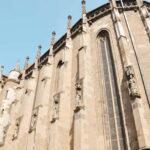
Start at the Patriarchal Cathedral and Get Your Bearings Fast
You meet at the Patriarchal Cathedral on Aleea Dealul Mitropoliei 25 in Bucharest. The session ends back at the same meeting point, so you don’t have to worry about a complicated return plan.
This matters more than it sounds. When a tour has a clear start and finish point, you can build the rest of your day around it. You can also plan to grab dinner nearby afterward without stress.
Also, the meeting location is listed as near public transportation. If you’re hopping between neighborhoods that day, that’s a real convenience. And if you travel with a service animal, you’re covered: service animals are allowed.
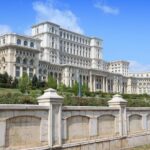
Palace of Parliament: When Power Took Over the City
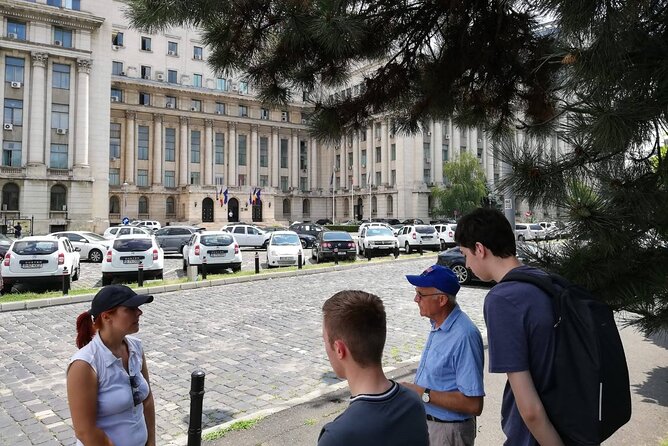
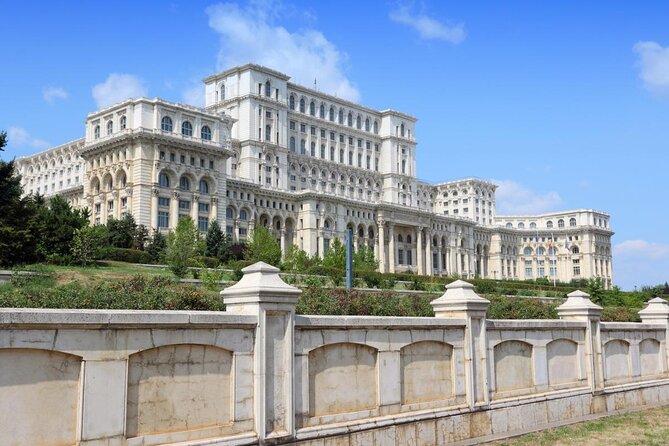
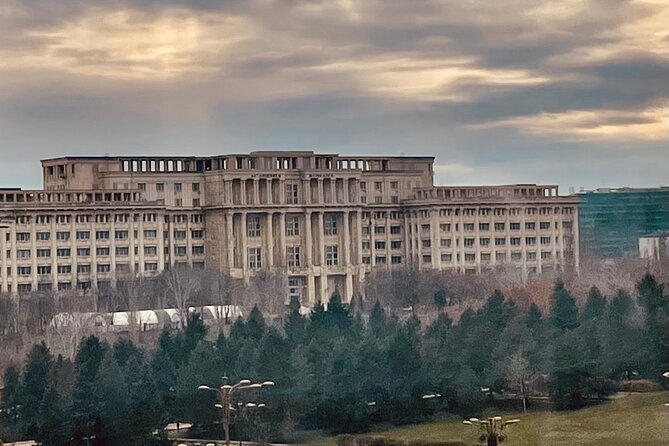
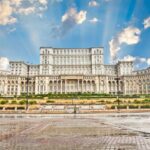
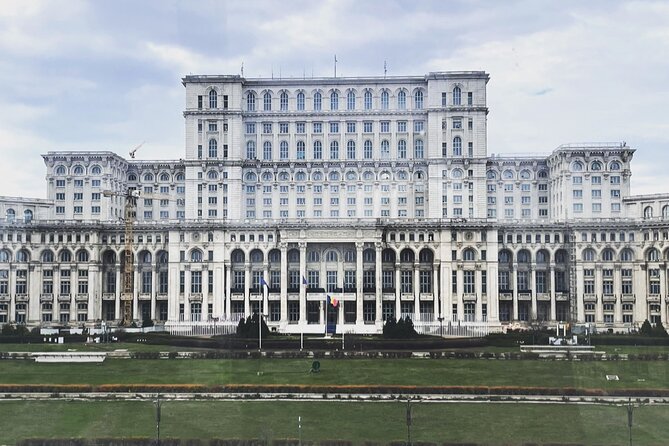
Stop one is the Palace of Parliament. It’s hard to overstate how much this kind of building signals control. Even if you’ve seen photos, standing near something on this scale changes your brain’s “normal size” setting. During the tour, the guide frames it within the Communist era and the regime’s ability to reshape Bucharest.
A practical way to get more out of this stop is to watch for contrasts. Ask yourself: what was sacrificed for this project, and what does the design communicate? Communism in Romania brought sweeping changes, including demolitions and major shifts in how land and resources were controlled. A building like this becomes a physical reminder of that kind of authority.
If you’re the type who enjoys political context tied to real places, this stop is usually the anchor for the whole tour. You’ll come back mentally to it again when later stops talk about policing, nationalization, and the timeline of change.
Potential drawback here: because the Palace of Parliament dominates attention, it can make the next stops feel smaller at first. The guide’s job is to keep connecting the dots so the story stays clear.
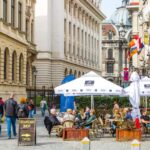
Calea Victoriei: The Grand Avenue as a Story of What Changed
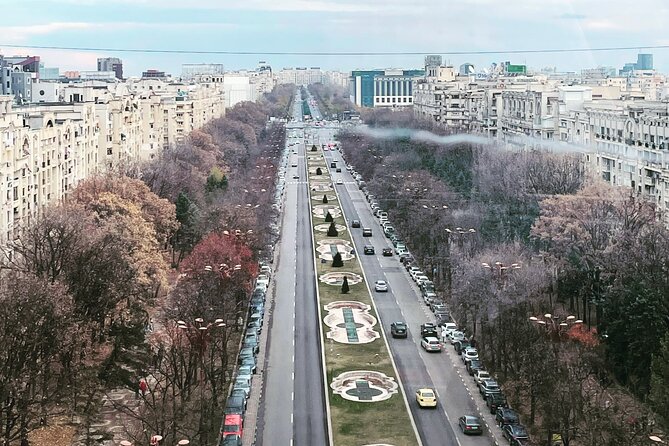
Next up is Calea Victoriei. This is the kind of street where you can sense layers—old grandeur, newer adaptations, and the political choices that shaped what stayed and what didn’t.
During the tour, you’re not meant to treat it like a sightseeing stroll. You’re meant to read it as a timeline. The guide ties Communist-era changes to what you see around you, helping you understand how the regime’s priorities affected the city’s look and feel.
Here’s what I’d do if you want this stop to land: slow down and look past the obvious beauty. Notice the feel of the street—how it guides movement, where the power vibes seem strongest, and how everyday life would have flowed alongside major political forces.
Even if you aren’t a history nerd, this street stop can give you a “so that’s why” moment. Once you connect the Communist period to planning decisions, Bucharest starts to feel less random.
Piața Revoluției: From Communist Control to Street-Level Reality
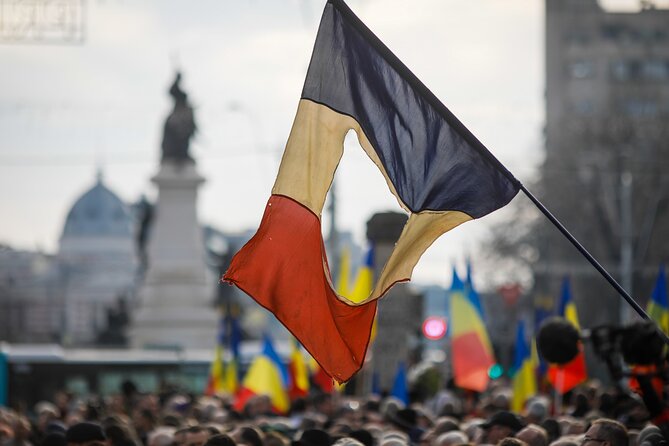
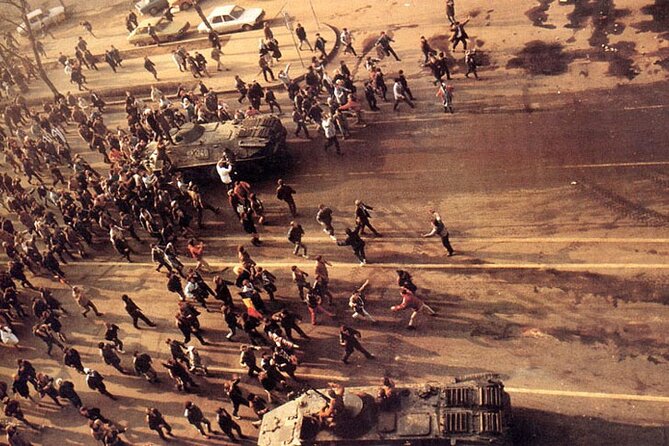
The tour includes Piaka Revolukiei (listed as Piața Revoluției). This area matters because it connects political history to the public space where people experience change directly.
You can think of this stop as the pivot. Earlier stops help you understand how the regime controlled architecture and society. This stop helps you sense the later pressures, the shift toward upheaval, and how the consequences of Communism show up in places people gather.
Even without memorizing every date, it’s still a valuable stop. In a city like Bucharest, the public squares and major thoroughfares are where political history becomes visible in everyday movement.
If you’re visiting with limited time, this is also a smart one to remember for later self-exploration. After the tour, you’ll likely want to come back and simply watch how the area functions now—because your new context will change what you notice.

The Other Stops: Nationalization, the Secret Police, and the Cost of Change
You’ll see around 15 objectives overall, and the descriptions mention major themes like nationalization and the Secret Police, along with demolitions. The key is that the tour treats these as lived realities, not just textbook terms.
Here’s why that approach is worth your time: these elements aren’t abstract. Nationalization changed who owned and controlled businesses, homes, and resources. Secret police control shaped what people dared to say, where they dared to go, and how they managed risk in everyday life. Demolitions physically erased parts of neighborhoods, then rebuilt the city with different priorities.
The tour keeps a timeline through these points, so you can follow the logic of change rather than collecting disconnected facts. And because you’re walking, the story stays anchored to real streets and buildings—your brain builds a map.
One more helpful detail: the guides behind this tour have a reputation for mixing research with human-scale storytelling. For example, Augustin is praised for a nuanced view of Communist history in Romania. John is noted for sharing personal experiences that give a more direct feel for what life under the regime could be like. That style helps the subject feel grounded instead of overly clinical.
Small-Group Format: Why It Makes a Difference
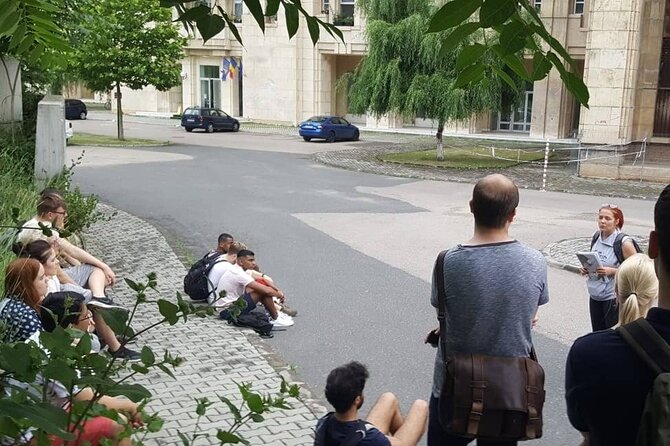
The tour caps at 15 travelers. That’s not a trivia point—it changes how the experience feels.
In bigger groups, the guide must race ahead to keep everyone together. Here, the pace is more conversational. It’s easier to hear, easier to ask, and easier to get explanations tailored to what you’re noticing on the sidewalk.
This also means you get a better chance at catching the emotional tone of the tour. This is a topic where people often have questions like: How harsh was daily life? What did people fear? How did the city’s design reflect control? A smaller group setup makes it easier to answer those without brushing you off.
As for English delivery, it’s offered in English, and multiple guides (Daniela, Andreea, and Andrea are referenced) are described as having English that’s easy to follow and a voice that carries well.
Snacks, Mid-Tour Break, and Getting Through the Weather
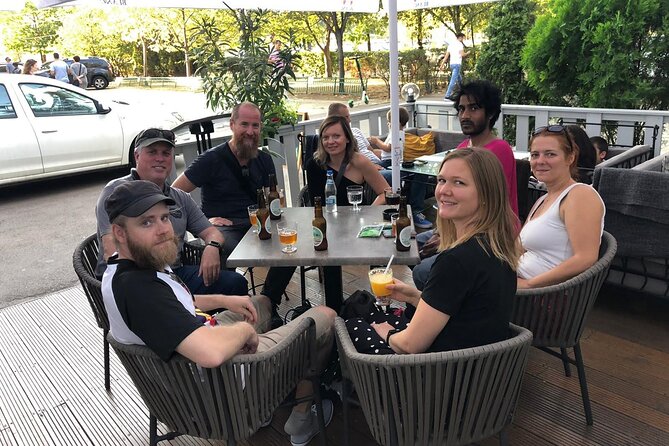
You get included Communist-type snacks during the tour. It’s a small thing, but it helps you stay comfortable when the walking stretches between stops.
There’s also a short break in the middle. The drink situation is simple: alcoholic beverages are not included, and drinks during the break are self supported—ideally with cash.
That’s practical advice for your day. If you want something to drink during the stop, don’t assume it’s included. Bring a small amount of cash if you’re the type who likes options. If it’s cold, that break can feel like the best part of the entire schedule, especially since one review specifically notes a chance to heat up from the cold.
Price and Value: About $31.24 for 3 Hours of Context
At $31.24 per person for about 3 hours, this tour isn’t trying to be the cheapest thing in Bucharest. It also isn’t trying to be a luxury production.
The value comes from three places:
- You’re paying for a guided route with about 15 stops, so you get interpretation instead of wandering.
- You get included snacks and a break built into the timing.
- You’re working with a small group size, which makes learning easier and the pacing more human.
If you’re in Bucharest for only a couple days, this is the kind of tour that can sharpen everything else you do afterward. You’ll likely visit other sites on your own with a clearer framework—what belongs to which era, what the city’s layout is communicating, and why certain landmarks look the way they do.
If you’re staying longer, it still helps. Even seasoned travelers benefit from a guided “map” for a city’s newest history and the way it shaped present-day Bucharest.
Who This Tour Suits Best (and Who Might Want to Skip)
This tour is a strong match if you want:
- A walkable orientation to Bucharest before you explore solo
- Clear English explanations tied directly to landmarks
- A structured timeline that covers Communism’s impact on architecture and daily life
It may be less ideal if:
- You don’t like walking tours or you’re likely to struggle with sustained outdoor time (it calls for moderate physical fitness)
- You prefer purely scenic sightseeing with no heavy political content
You’ll also appreciate it more if you like guides who bring nuance. Augustin is singled out for a nuanced narrative, while others are praised for detail and personal touch. That combination tends to work well for people who want both facts and tone.
Quick Practical Tips Before You Go
- Wear shoes you can trust. You’ll cover many stops on foot over ~3 hours.
- Bring layers. There’s a cold-weather break, and you’ll still be outdoors between points.
- Plan your drink expectations. Alcoholic beverages aren’t included, and drinks at the break are self supported.
- If you’re sensitive to heavy historical themes, know what you’re signing up for. The tour discusses major aspects of Communist Romania, including Secret Police and nationalization.
Also, the tour uses a mobile ticket, which is convenient if you prefer keeping everything on your phone.
Should You Book Life in Communism in Bucharest?
I think this is worth booking if you want your Bucharest trip to feel organized, meaningful, and connected. For a little over $31 and about three hours, you get a guided timeline that explains why the city looks the way it does—and how that look grew out of political power.
If you’re unsure, use this rule of thumb: if you like the idea of learning how a regime changed architecture, society, and everyday fear, book it. If you’re only chasing postcard views and want zero political framing, you might get more out of a different kind of walk.
If you do book, aim to show up ready to listen and look closely. This tour works best when you treat the streets like a story, not a checklist.
FAQ
How long is the Life in Communism tour?
It runs for about 3 hours.
How much does the tour cost?
The price is $31.24 per person.
Where does the tour start and end?
It starts at the Patriarchal Cathedral (Aleea Dealul Mitropoliei 25, București) and ends back at the same meeting point.
Is the tour offered in English?
Yes, the tour is offered in English.
How big is the group?
The maximum group size is 15 travelers.
How many stops will we see?
The tour covers roughly 15 stops around the city.
What is included in the price?
Snacks (Communist-type snacks) are included.
Are alcoholic beverages included?
No. Alcoholic beverages are not included, and drinks during the break are self supported.
Is there a break during the tour?
Yes, there is a short break in the middle of the tour.
What is the cancellation policy?
Free cancellation is available up to 24 hours in advance for a full refund. If you cancel less than 24 hours before the start time, you won’t receive a refund.