Bucharest rewards slow walking. This 2-hour private tour strings together Old Town lanes and major landmarks with a guide who keeps the story clear. I especially love how the route pairs places you can see in photos with spots that explain why Bucharest looks the way it does, and I love the way the tour stays flexible if your interests tilt toward history, architecture, or just practical tips. One possible drawback: it’s a short walk, so you won’t have time to linger for long museum-style visits at every stop.
You start in Lipscani, then move through courtyard and passage architecture, churches, and the grand political spaces that came later. The guide’s job is part sightseeing partner, part translator of the city’s shifts—from monarchy to communism to democracy. If you prefer a long, stop-everywhere pace (or you want food stops built in), this format might feel a bit “tight” since drinks and food aren’t included.
In This Review
- Key Points You’ll Actually Care About
- How This 2-Hour Private Walk Fits Bucharest’s Layout
- Starting at Str. Franceză 60 in Lipscani: Your Basecamp
- Cismigiu Park: A Calm Photo Stop That Sets the Tone
- Macca–Villacrosse Passage: Where Bucharest’s Trading Past Feels Visible
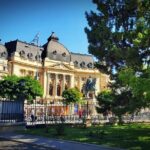
- CEC Palace: Money, Institutions, and the Weight of a Building
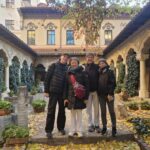
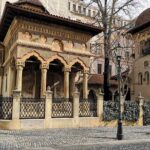
- Stavropoleos Monastery: Orthodox Beauty With Meaning in the Details
- Hanul Gabroveni: A Courtyard Reminder of How Bucharest Traded
- Manuc’s Inn: Where the City’s Story Feels Like a Place to Stand
- Palatul CEC to BNR, Then Royal and Stalin-Era Bucharest: The Big Story in One Stretch
- What Makes the Guides Matter: Real Names, Real Style
- Timing, Pace, and Transport: Why 2 Hours Actually Works
- Value Check: Is $29 Good for Bucharest?
- Practical Tips to Get Better Photos and Better Answers
- Should You Book This Bucharest Walking Tour?
- FAQ
- How long is the Bucharest highlights and hidden gems walking tour?
- What is the price per person?
- Is this a private tour?
- Where do we meet?
- What languages are available for the live guide?
- Does the tour include tickets for paid attractions?
- Is food or drink included?
- Is the tour wheelchair accessible?
- Can I cancel and get a refund?
Key Points You’ll Actually Care About
- Private and customizable: you won’t be sharing the walk with random strangers.
- Start in Lipscani at Str. Franceză 60, a practical base for Old Town sights.
- A guide who does more than point: you get context plus advice for what to do next.
- Built around walking plus transit (as needed), so you’re not stuck zigzagging blindly.
- Top stops in a tight loop: Cismigiu Park, Macca–Villacrosse Passage, Stavropoleos area, Hanul Gabroveni, and Manuc’s Inn.
- English/French/Spanish-speaking guides (and the group reviews name real guides like Alexandra, Augustin, Karim, Zoé, Irina, and Camélia).
How This 2-Hour Private Walk Fits Bucharest’s Layout
Bucharest can feel a bit like two cities stitched together: the compact Old Town core, and then the wide, ceremonial spaces from later eras. That’s why a short, well-planned walk helps. For $29 per person, you’re paying for time and interpretation—someone to help you connect the dots instead of guessing what you’re looking at.
You also avoid a common problem: tours that only skim the surface. This one is set up so you see the big sights you want, but you also catch the lesser-known streets, venues, and architectural quirks that make the city feel lived-in. It’s private and customizable, which matters because Bucharest isn’t the same everywhere. Ask questions and you’ll get answers that shape what you notice next.
One thing I like: the guide doesn’t just handle the walking. They share tips on other things to do in the city—useful when you’ve only got a day or two.
You can also read our reviews of more walking tours in Bucharest

Starting at Str. Franceză 60 in Lipscani: Your Basecamp
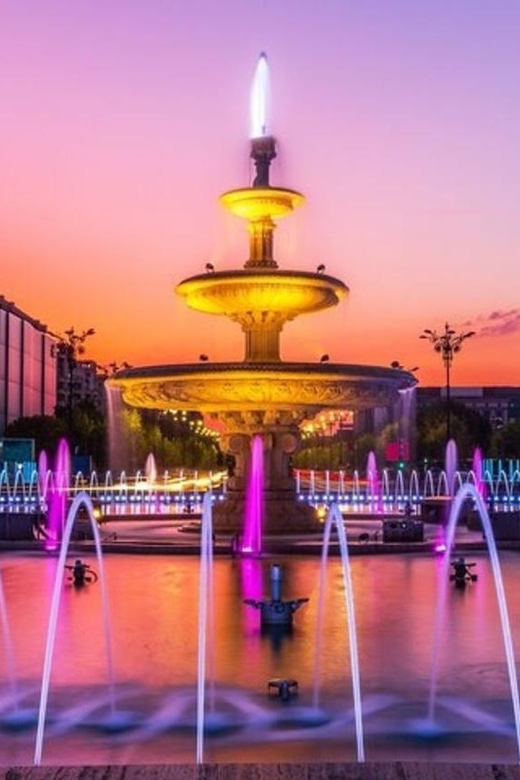
Your meeting point is in Lipscani, at Str. Franceză 60. Lipscani is one of the best areas to orient yourself fast. You’re close to the Old Town (Centrul Vechi), and it also connects well to major sights like the National Museum of Romanian History and, depending on your direction, the Parliament area.
A practical advantage of starting here: you get momentum. You’re not spending your “tour time” commuting across town. Instead, you begin with streets and buildings that explain Bucharest’s earlier role as a trading and community hub.
And because it’s a walking tour, you’ll pick up on small details—signs, courtyards, passage entrances—that you’d easily miss if you only rode between monuments.
Cismigiu Park: A Calm Photo Stop That Sets the Tone
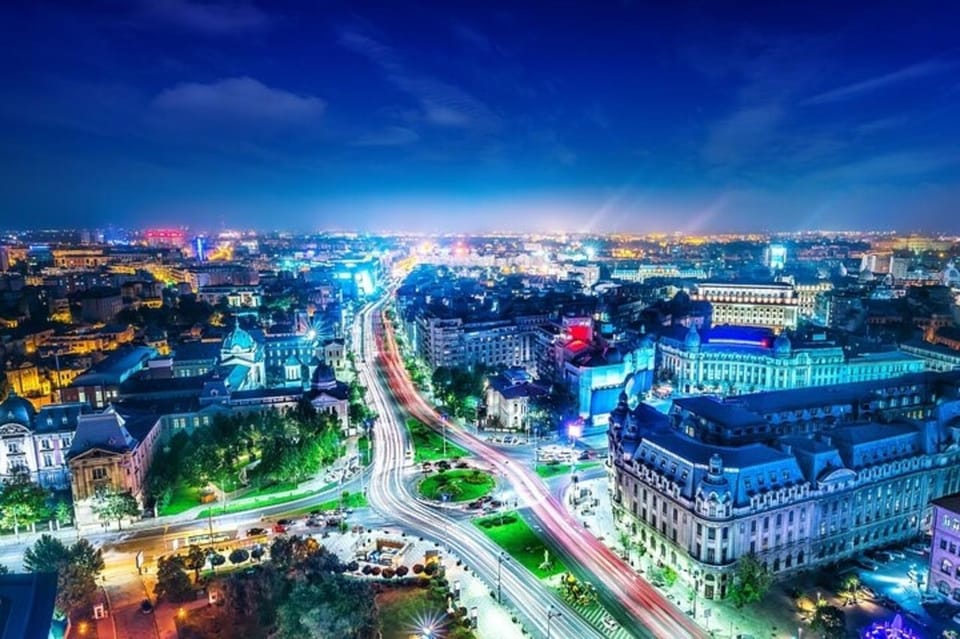
You begin with Parcul Cismigiu, Bucharest’s oldest park. Even if you’re not a “park person,” this is a smart first move. It slows you down. It gives you a breather before the city’s architecture turns more intense.
Expect a photo stop and a guided tour. The key value here isn’t just the greenery—it’s timing and pacing. When a walking tour starts with a short scenic pause, your feet feel better and your eyes start noticing symmetry, building edges, and transitions between old and newer urban styles.
If you’re traveling in warm months, this is also a nice chance to step into shaded corners. If it’s cool or breezy, it’s still a good reset before the tighter streets and passageways.
Macca–Villacrosse Passage: Where Bucharest’s Trading Past Feels Visible
Next is the Macca–Villacrosse Passage. Passages in Bucharest aren’t just pretty walk-throughs. They’re physical evidence of a time when commerce shaped the city’s daily rhythms.
You’ll have a photo stop, a guided walk, and time to look around. This is one of those areas where your guide’s role becomes very real. With context, you start seeing how these “in-between” spaces work: the architecture, the entrances, and how the passage connects people and storefront energy to surrounding streets.
It also sets you up for what comes next. Once you’ve seen a passage, churches and palaces don’t feel random. They feel like parts of the same story: power, faith, money, and daily life layered together.
CEC Palace: Money, Institutions, and the Weight of a Building
The stop at Palatul CEC brings the theme of money and institutions into view. You’ll do another photo stop and guided visit here. Even without getting lost in architectural jargon, you’ll walk away understanding that buildings like this aren’t just offices. They’re public statements.
This is the kind of place where a guide helps you read details you might otherwise ignore. You’ll connect the building to Bucharest’s shift toward more formal financial and civic structures. It’s also a helpful contrast: a park and a passage feel human-scaled, while a palace pulls you toward scale and authority.
If you like architecture, keep an eye on the building’s massing and how it frames the street. If you’re more into history, treat this as a “chapter marker” for the city’s modernization.

Stavropoleos Monastery: Orthodox Beauty With Meaning in the Details
Then comes Stavropoleos Monastery, an Orthodox landmark with a strong visual identity. Expect guided viewing plus sightseeing time. Monasteries like this usually hit best when you slow down enough to notice materials, layout, and how the space holds sound and movement.
This stop is valuable for a simple reason: it adds a spiritual and cultural layer that isn’t always obvious in a “monuments first” itinerary. You’ll learn what makes it special in Orthodox tradition and why it became part of Bucharest’s identity.
Practical tip: be respectful with behavior and photos. Even if the tour keeps moving, you’ll likely have enough time to look closely if you give yourself short, focused bursts rather than trying to photograph everything at once.
Hanul Gabroveni: A Courtyard Reminder of How Bucharest Traded
After the monastery, you’ll visit Hanul Gabroveni. This is one of those places that makes the city’s trading history tangible. Courtyards and market inns don’t read as “history” until you’re standing inside them.
You’ll stop, walk the area, and get guided context. The value here is how the guide links commerce to architecture: how traders needed storage, meeting spaces, and routes that worked for goods and people.
If you like authenticity, this is where the tour earns its “highlights and hidden gems” promise—without forcing you into niche trivia. It feels real because it’s tied to everyday function, not just big-time politics.
Manuc’s Inn: Where the City’s Story Feels Like a Place to Stand
The tour ends with Manuc’s Inn. Like Hanul Gabroveni, it carries the trading and social history theme, but it also works as a closing image—an old structure that still reads clearly in the present.
You’ll have a photo stop and guided walk through the area. This is a good final checkpoint because the city has already shown you the shift from older commerce spaces to later institutional and political monuments. Manuc’s Inn helps you make sense of that whole arc while giving you a final “walkable” historic anchor.
If you’re the kind of person who likes to end with one strong feeling—this is that stop.
Palatul CEC to BNR, Then Royal and Stalin-Era Bucharest: The Big Story in One Stretch
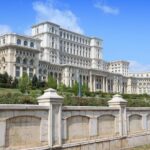
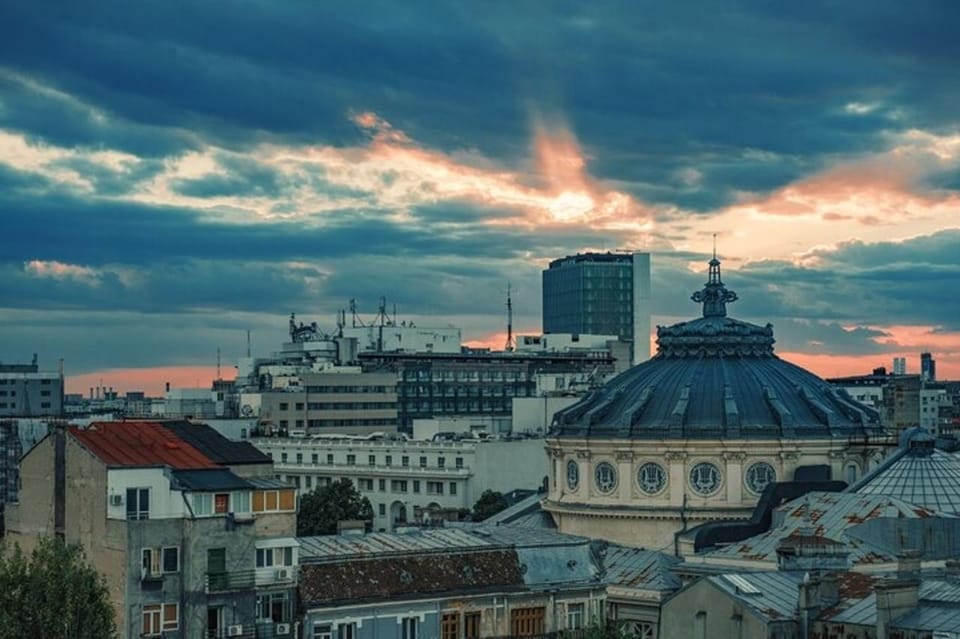
Even though the route focuses heavily on the Old Town core, the tour’s description points to bigger sights too, including the BNR Palace, the Palatul Regal/Royal Palace area, and Sala Palatului (Stalin-era architecture). In practical terms, you’re not just seeing buildings; you’re seeing how political eras left handwriting across the city.
Here’s how it typically lands for me as a reader and decision-maker:
- Old Town spaces explain daily life and trade.
- Financial and civic palaces explain the growth of formal institutions.
- Royal and later monumental architecture explain power—how a state wants to look.
That mix is the tour’s real strength. If you only visited parks and churches, you’d miss the political architecture. If you only visited grand monuments, you’d miss the human scale of how Bucharest used to work.
What Makes the Guides Matter: Real Names, Real Style
The experience stands or falls on the guide. And here, the feedback you’re given isn’t generic. It’s tied to named guides and concrete help.
Examples from the guide lineup you may encounter:
- Alexandra is highlighted for being helpful with practical ticket needs related to the Parliament area, plus a strong grasp of city history.
- Augustin gets praise for being attentive and warm, and for explaining the historic center in a way that makes Bucharest feel like a place, not a lecture.
- Karim is praised for excellent knowledge and an easy, friendly presence.
- Zoé is praised for a French-language tour that teaches and keeps the time feeling worthwhile.
- Irina stands out for organization, engagement, and a comfortable pace with time for questions.
- Camélia is noted for being especially pleasant.
In plain language: you’ll get a guide who can explain, not just recite. And you’ll have room to ask questions while you’re still standing in front of the thing you’re asking about.
Timing, Pace, and Transport: Why 2 Hours Actually Works
A 2-hour walking tour is short enough to stay energetic, but long enough to connect multiple neighborhoods and eras. The usual rhythm includes photo stops plus guided walks at each location.
Walking tours can feel rushed if everything is “one-and-done.” This one is designed to give you time to look, not just move. That’s important when you’re photographing older architecture and courtyards. Details disappear if you’re always moving.
The tour also includes walking and public transport when needed (unless you choose an option that changes that). That matters in Bucharest because distance between Old Town and monumental areas can drain your day. Using transit keeps the tour efficient without turning it into a bus-only slog.
Value Check: Is $29 Good for Bucharest?
At $29 per person for 2 hours, the price is less about “lots of stops” and more about what you get: a private format, an English/French/Spanish-speaking guide, and help with planning ticketed visits when needed.
For a city where you can accidentally spend hours staring at buildings and guessing, a guide saves time. You also avoid the stress of figuring out what belongs together. This tour bundles a sequence of locations that make sense when explained.
If you’re traveling with someone who asks questions—this is a good use of money. If you’re traveling solo and want structure—also good. If you’re already a Bucharest superfan with your own reading list and you prefer self-guided wandering, it may feel like paying for context you could research. Most people, though, will find the guided clarity worth it.
Practical Tips to Get Better Photos and Better Answers
A few small moves make a big difference on tours like this:
- Bring comfortable shoes. You’re on foot for most of the experience.
- Use your questions early. Ask how the different political eras changed what you’re seeing.
- Take fewer photos at each stop, then look again. Buildings and courtyards reward repeat glances.
- If you care about the Parliament area, remember the guide can help with booking needs related to it (when it’s part of your visit plan).
Also, don’t treat the tour as a checklist. Treat it as a map for understanding. When your guide explains why a passage exists, you’ll start spotting other “in-between” urban spaces on your own later.
Should You Book This Bucharest Walking Tour?
Book it if:
- You want a short, well-structured way to see Old Town landmarks and understand what you’re looking at.
- You value a guide who offers practical advice for the rest of your trip.
- You like history that connects daily life, faith, commerce, and politics—not just dates.
Skip it (or pair it with something else) if:
- You need more time per location, like you’re planning museum-style deep stays.
- You want a food-and-drink tour vibe. Drinks and food aren’t included.
- You prefer long, independent wandering with no guided structure at all.
FAQ
How long is the Bucharest highlights and hidden gems walking tour?
The tour lasts 2 hours.
What is the price per person?
It costs $29 per person.
Is this a private tour?
It’s described as private and exclusive, meaning your group won’t share the tour with others.
Where do we meet?
The meeting point is Str. Franceză 60 in the historic Lipscani district.
What languages are available for the live guide?
The guide is available in English, French, and Spanish.
Does the tour include tickets for paid attractions?
The tour includes help from the team to book the tickets for the desired visits, but ticket costs are not listed as included.
Is food or drink included?
No. Drink or food is not included.
Is the tour wheelchair accessible?
Yes, the tour is wheelchair accessible.
Can I cancel and get a refund?
You can cancel up to 24 hours in advance for a full refund.