REVIEW · BUCHAREST
Bucharest: Private Last Days of Ceausescu Tour in a Dacia
Book on GetYourGuide →Operated by Gold Voyage · Bookable on GetYourGuide
Ceaușescu’s escape feels uncomfortably close on this tour. A private ride through Bucharest in a fully restored Dacia turns history into a moving story, and the guide ties every stop to what was happening in real time. I especially like the way the route follows the helicopter-to-ground timeline, and I also like that you get a guided visit at Palatul Primăverii rather than just a photo stop. The main drawback is that the subject matter is heavy, and there’s a building connected to the execution where you can’t go inside.
This is a 6-hour private tour built around a 180 km car route, with short photo moments and a clear narrative from Revolution Square toward the Târgoviște area and back. You’ll also get small comforts that make a difference—water in the car and regular breaks, plus a tour newspaper and a personalized gift. One more consideration: it’s not recommended for people with back or heart issues, and it’s not suitable for kids under 10.
In This Review
- What You’ll Remember Most: the Dacia, the Story, and the Places That Still Matter
- Key Highlights at a Glance
- Bucharest’s Last-Day Route in a Restored Dacia
- Following the Timeline: From the Roof Escape to the Târgoviște Capture
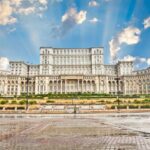
- Revolution Square: Where Power Began and Ended
- The Short Stops That Actually Work: Quick Photo Stops with Real Context
- Ceaușescu’s Helicopter Escape, Recreated Through Stops in the City
- The Detention, Trial, and Execution Stop (and Why Interior Access Matters)
- House of Ceaușescu and Palatul Primăverii: Living History You Can Walk Through
- Comfort, Breaks, and How to Plan Your Day in Bucharest
- Price and Value: What You’re Really Paying For
- Who This Tour Suits Best (and Who Should Skip It)
- Should You Book This Private Last Days of Ceaușescu Tour in a Dacia?
- FAQ
- How long is the tour?
- Is the tour private?
- What car is used?
- Where does the tour start?
- What major sites do we visit?
- Is the guide available in English?
- Is the entrance ticket included for Palatul Primăverii?
- What do I need to bring?
- Is free cancellation available?
What You’ll Remember Most: the Dacia, the Story, and the Places That Still Matter
If you like history, you’ll get the big landmarks. If you like context, you’ll get something better: a guided timeline you can watch unfold as you drive.
The private format helps a lot. It means your English-speaking guide can shape explanations to your pace, and you can ask questions without feeling rushed. In the reviews, guide Serban gets singled out for being friendly and clear, and for giving details that match what you want to know.
Key Highlights at a Glance
- Restored Dacia drive through Bucharest and on the road toward Târgoviște, following the last-day route in motion
- Revolution Square with a guided walk-through tied to the start and end of Communist power
- The helicopter escape story recreated with stops where Ceaușescu shifted from one vehicle to the next
- Stops tied to support attempts at locations like the Steel Factory and the Militia station
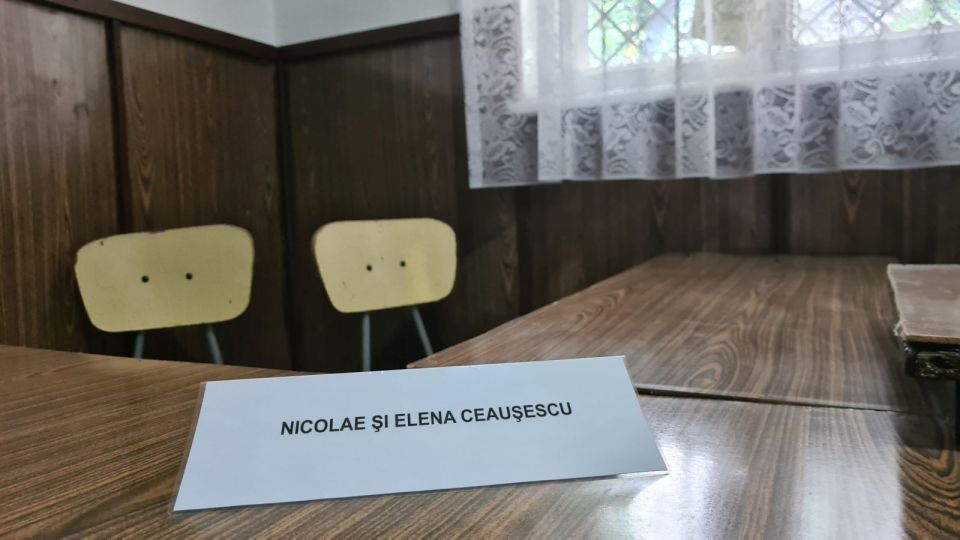
- Detention and execution area where the trial and December 1989 ending played out (interior access is limited)
- Palatul Primăverii visit with tickets included for Ceaușescu’s private Presidential residence
You can also read our reviews of more private tours in Bucharest

Bucharest’s Last-Day Route in a Restored Dacia
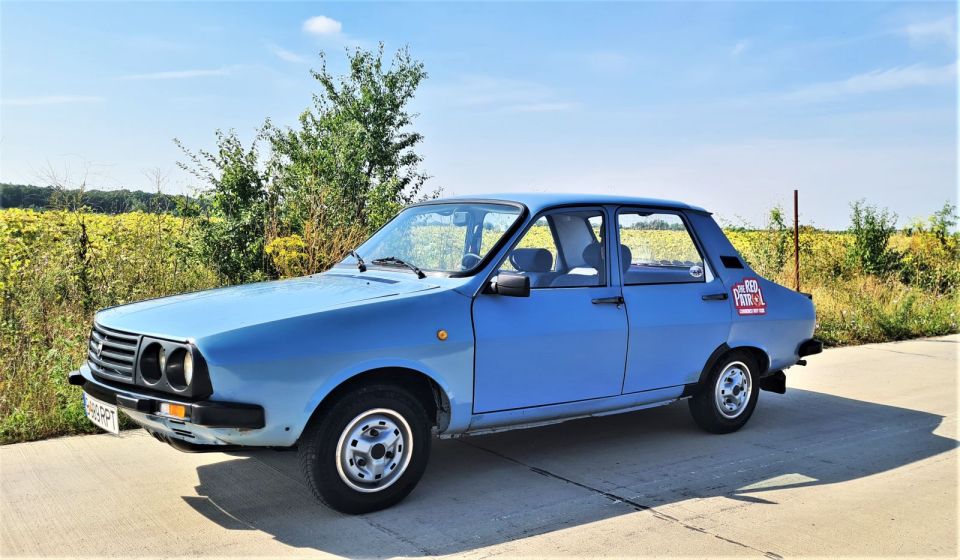
Bucharest can feel big and spread out. This tour cuts through that in a practical way: you get a classic, fully restored Dacia and a guide to do the heavy lifting of meaning, not just driving you between points.
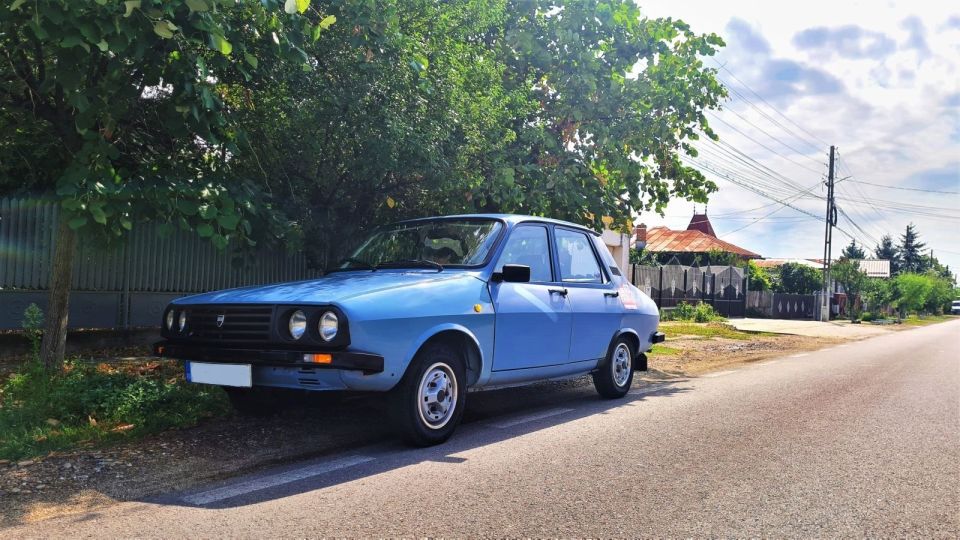
The car part matters more than you might think. The Dacia is built to slow you down and keep you watching the streets the way locals would. It turns the commute into the experience, so you’re not only seeing monuments—you’re also picking up street-level geography. And since it’s private, your driver and guide can keep the flow smooth.
At the same time, keep expectations grounded. This is still a history route, not a casual sightseeing day. The story covers power collapsing in a single day, the panic that follows, and the grim end that comes a few days later.
Following the Timeline: From the Roof Escape to the Târgoviște Capture
The emotional logic of the tour is based on a single dramatic day: 22 December 1989.
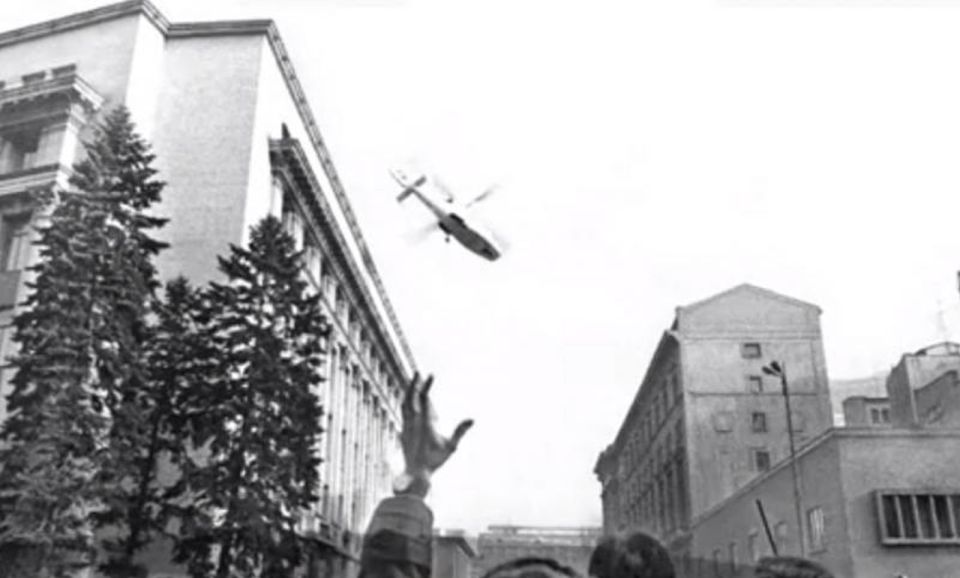
You’re guided through the sequence starting with the helicopter escape. At 12:07, Nicolae Ceaușescu and Elena leave the roof of the Communist Party Headquarters Palace by helicopter while crowds surge and demand his resignation. Then comes the hard pivot: he tries to regroup and find support from the working class and the army, running in an effort to regain control.
The route you take reflects that chase. You drive roughly 90 km toward the Târgoviște area and then back toward Bucharest, for a total of about 180 km by car. You’re not just hearing a speech about history—you’re moving across the same broad geography that frames the escape, the regroup attempt, and the eventual capture later that day near Târgoviște.
You also get the later landing point in the story. The tour reaches the places connected to when Ceaușescu was detained, judged, and executed on 25 December 1989. That means the day’s driving doesn’t stay “in the moment.” It ties the chaos of 22 December to the final outcome a few days later.
Revolution Square: Where Power Began and Ended
The tour starts at Revolution Square, and that choice is smart. This is the kind of place where you can understand a political shift without needing a museum ticket.
You get a photo stop plus a guided component (about 40 minutes), which is time enough to get oriented and learn why this square became symbolic. The tour frames it as the place where Communism started and ended—an oversimplification if you’re thinking academically, but useful in the way travel should be useful: it helps you anchor the story fast and then build from there.
If you’re the sort of person who likes “where were they standing?” this is a good opening. It sets the scene for why the rest of the route feels urgent. The revolution isn’t treated as a distant event; it’s treated as something that arrived here, in the middle of the city.
The Short Stops That Actually Work: Quick Photo Stops with Real Context
Between the big named locations, you’ll make a couple of short stops that are more than filler.
There are two quick photo-and-story moments described as secret stops, plus a brief guided component where the guide sets context in a compact amount of time. You’ll also visit a small museum stop tied to Ceaușescu’s last hours (around 25 minutes). Even if you don’t love museums, these brief stops help the driving make sense. They give you mental labels, so later you connect the dots instead of just collecting names.
This is one of the tour’s quiet strengths: it doesn’t just throw landmarks at you. It gives you checkpoints along the emotional route so the narrative doesn’t blur.

Ceaușescu’s Helicopter Escape, Recreated Through Stops in the City
One of the tour’s core ideas is to follow the practical movement: what happens when someone leaves one kind of escape and has to continue by other means.
That’s where the stops begin to feel cinematic. You’ll follow the steps associated with the helicopter escape from Bucharest and then where the narrative shifts to continuing the run on the ground.
You’re guided to locations connected to attempts at regrouping and gathering support. The tour specifically includes stops near the Steel Factory and the Militia station, where Ceaușescu tried to organize backing before the situation tightened and he was arrested.
Here’s the thing I like about this part: it turns “famous events” into “how this could realistically unfold.” You start to understand why support matters, why certain types of places would be targeted, and why the timeline feels so compressed.
The Detention, Trial, and Execution Stop (and Why Interior Access Matters)
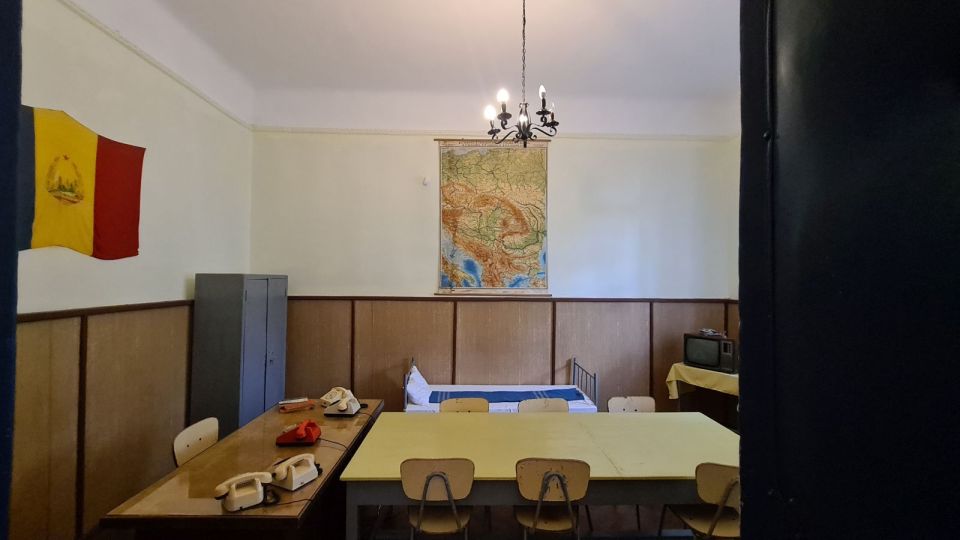
After the road story and the city stops, the tour lands on the place connected to the December 25 ending. This is handled carefully, and it’s also where you should adjust expectations.
The building where Nicolae and Elena Ceaușescu were detained, judged, and executed is part of what you see, but the execution building itself is not accessible on the interior due to renovation. That limitation doesn’t ruin the experience, but it does shape how you’ll experience it: more guided explanation around the outside and the story around what happened, less time walking through rooms.
This is still heavy material. Even with good storytelling, the subject is stark. If you want a polished, upbeat day out, this isn’t that. If you want a meaningful, grounded understanding of how quickly power collapses and ends, it works.
House of Ceaușescu and Palatul Primăverii: Living History You Can Walk Through
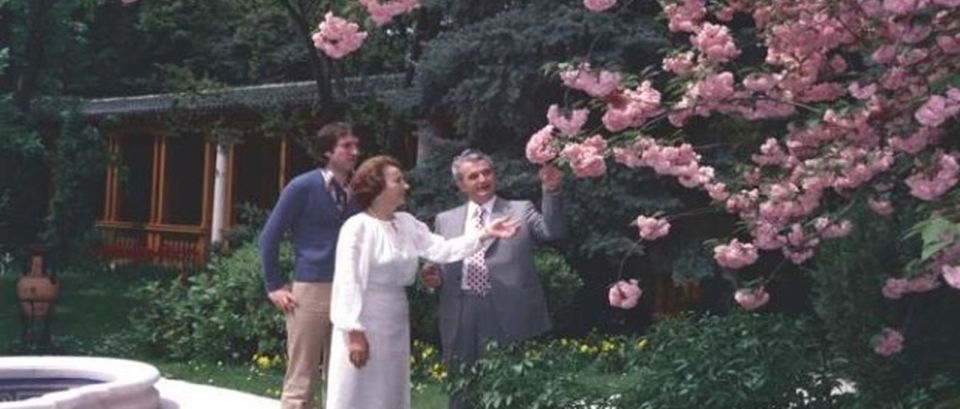
By the time you reach the private residence, the story shifts from chase and capture to control and comfort.
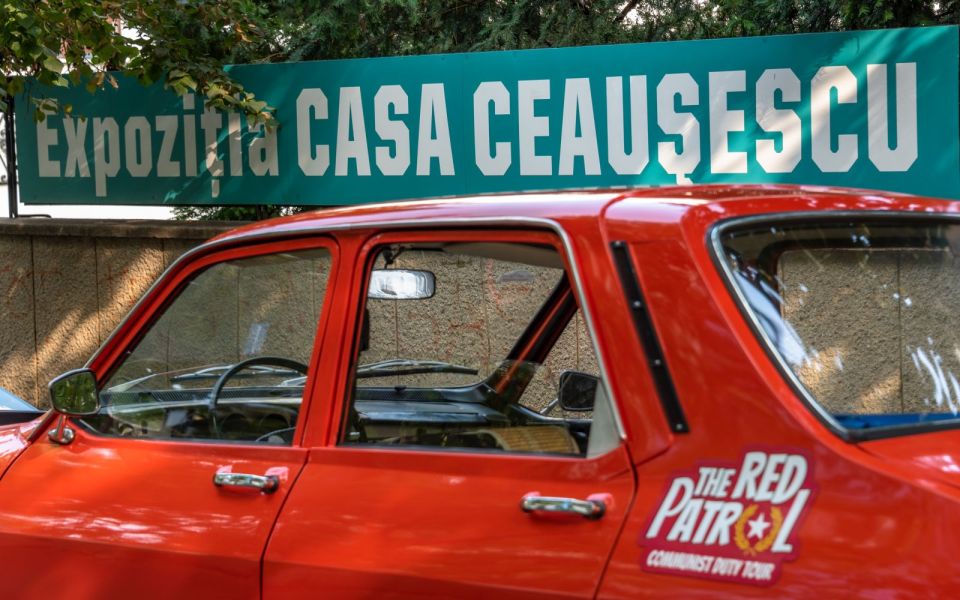
The tour includes the House of Ceaușescu as a photo stop with guided visit time (about 1 hour). This is where you see the other side of the regime: the private domestic space, separate from the street protests and the public theater of power.
Then comes Palatul Primăverii, Ceaușescu’s Presidential private residence. You get a guided visit, and tickets are included. This part is especially valuable because it answers a travel question people often have when learning about dictators: how did they live day-to-day?
You’re not only seeing rooms. You’re connecting physical space to political behavior: who had access, how authority was staged, and how “home” could function as another layer of power.
Comfort, Breaks, and How to Plan Your Day in Bucharest
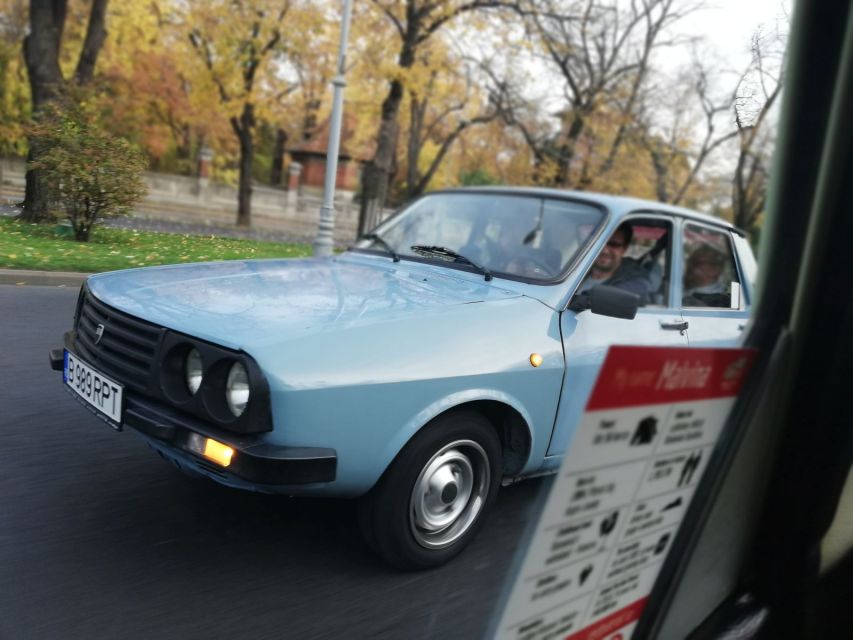
This is a 6-hour private tour, and the time isn’t just sitting in the car. There are guided components, photo stops, and the palace visit. That makes it a good choice if you’re in Bucharest for a short trip and want something that feels like a complete storyline.
There are practical comforts too. Water is provided in the car, and lunch or toilet breaks are built in. In the reviews, the driving experience in a Dacia is described as more comfortable than people expect, which matters because you will be spending time on the move.
One planning tip: wear shoes you can handle for guided walks and museum-like stops. The tour isn’t a long hike, but you’ll be getting out often enough that comfort adds up.
Price and Value: What You’re Really Paying For
At $223 per person, you’re not just buying a “sightseeing transfer.” You’re paying for a private guide, a professional driver, an English-speaking narration, classic car transportation, and paid entry to Palatul Primăverii.
Value is strongest if you fall into one of these categories:
- You want private pacing instead of a crowded group.
- You care about the storyline enough to justify a longer drive and multiple short stops.
- You want more than external sightseeing—you want meaning explained.
If you’re traveling on a tight budget, you can find cheaper Bucharest tours. But if you want the Ceaușescu story tied to specific places and driven through the city and road route, the cost starts to make sense. The classic Dacia isn’t just a gimmick; it’s part of why the day flows like a reenactment.
Who This Tour Suits Best (and Who Should Skip It)
This tour fits best if you like political history that’s told through real locations, not through generic talking points. It’s also a good match for couples and small groups who want a private car experience and enough time to ask questions.
In the provided suitability info, it’s not recommended for:
- Children under 10
- Pregnant women
- People with back problems
- People with heart problems
- People over 70
That’s less about being picky and more about managing a day that includes driving, getting in and out at multiple stops, and handling emotional subject matter.
Should You Book This Private Last Days of Ceaușescu Tour in a Dacia?
I’d book it if you want a Bucharest day that feels like a story with movement—Revolution Square first, then the escape narrative, then the capture-linked stops, and finally Palatul Primăverii where you see how power lived.
I wouldn’t book it if you want a light, carefree sightseeing loop, or if the heavy subject matter will be too much for you. Also, if you fall into the health or age categories listed as not suitable, you should choose another format.
If you do book, aim to bring patience for a guided narrative. This tour works best when you treat the route like a timeline you’re following, not just a list of landmarks you check off.
FAQ
How long is the tour?
It lasts 6 hours.
Is the tour private?
Yes, it’s a private group tour.
What car is used?
You’ll travel in a fully restored classic Dacia.
Where does the tour start?
Pickup starts in Bucharest, and you begin at Revolution Square.
What major sites do we visit?
You’ll visit Revolution Square, the private residence at Palatul Primăverii, and stops connected to Ceaușescu’s last-day timeline, including areas linked to the Steel Factory and the Militia station. You’ll also see the place connected to detention, judgment, and execution on 25 December 1989, with interior access restricted for the execution building due to renovation.
Is the guide available in English?
Yes, the live tour guide is English-speaking.
Is the entrance ticket included for Palatul Primăverii?
Yes, entrance at Palatul Primăverii is included.
What do I need to bring?
Bring a passport or ID card.
Is free cancellation available?
You can cancel up to 24 hours in advance for a full refund.