REVIEW · BUCHAREST
The essence of Saxon Transylvania – 3-day tour of its citadels
Book on Viator →Operated by Transylvanian Tours · Bookable on Viator
Most people picture Dracula; this trip gives Saxons instead. In just three days, you connect medieval cities and fortified churches across Transylvania, then compare myth with real local history and daily life in Saxon villages. I like how the pace mixes big-name sights (Sibiu, Sighisoara, Brasov, Bran, Peles) with UNESCO-protected fortifications that explain why these places survived. I also like the human touch: guided storytelling from Gelu, with very strong English that keeps any language worries from getting in the way. One watch-out: it’s a lot of driving and walking on medieval streets and stairways, so plan comfy shoes and be ready for shorter stops in each town.
You’ll come away with a clearer map of the region: religion shaped communities, and competition among nations and empires shaped borders, stone walls, and traditions. And yes, Dracula shows up, but as a thread tied to the real people and places where the Saxon story intersects the Wallachian one. If you want slow travel and long, unstructured wandering time, this might feel scheduled; if you want a well-paced highlights tour with context, it fits nicely.
In This Review
- Key highlights before you go
- Why this 3-day Saxon Transylvania route makes sense
- Day 1: Cozia Monastery and Sibiu’s plazas with a Council Tower payoff
- Cozia Monastery: history with a direct Dracula link
- Sibiu: the medieval city you can actually navigate
- Day 2: Biertan’s fortified church, Sighisoara citadel, and Brasov’s first impressions
- Biertan Fortified Church: defense built into faith
- Sighisoara citadel: Clock Tower, hill church, and Vlad’s birthplace
- On the way to Brasov: Saschiz and Rupea from the road
- Brasov’s old center: Black Church, fortifications, and Rope Street
- Day 3: Rasnov from afar, Bran Castle’s strategic rock, then Peles’s royal contrast
- Bran Castle: the myth machine on a strategic site
- Peles Castle in Sinaia: where royal taste changes the mood
- What you actually learn: Saxons, religion, and empire competition
- Price and value: what the $914.51 covers (and what it doesn’t)
- Tips to get the most from a fast-paced fortress circuit
- Who this Saxon Transylvania tour is for (and who should skip it)
- Should you book this tour?
- FAQ
- How long is the Saxon Transylvania 3-day tour?
- Where does the tour start, and is pickup available?
- What is the price per person, and what’s included?
- Which UNESCO World Heritage sites are visited?
- What castles and key towns are part of the route?
- Are meals included in the tour price?
- What is the cancellation window for a full refund?
Key highlights before you go
- Gelu-led guidance with strong English and memorable anecdotes
- UNESCO fortified churches and citadels built for protection, not just beauty
- Sibiu’s plazas and Council Tower climb, rewarding views with a short effort
- Sighisoara’s medieval defenses and Clock Tower circuit, plus the Vlad connection
- Brasov’s Black Church and Rope Street, Gothic with real city-life energy
- Bran Castle and Peles Castle back-to-back, so you compare myth versus royal style
Why this 3-day Saxon Transylvania route makes sense
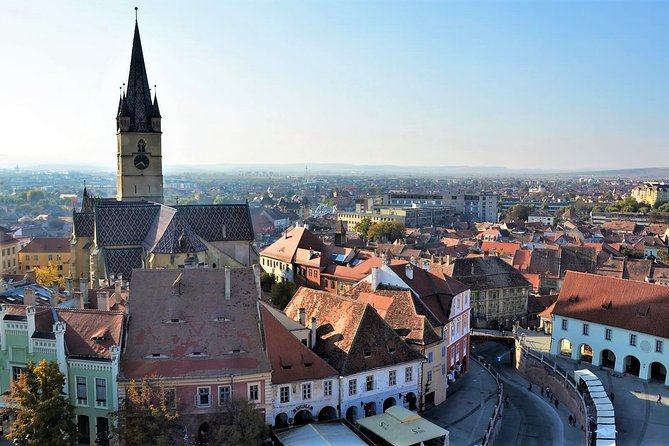
I like tours that solve two problems at once: they cut down logistics, and they give you enough background to see more than postcards. This one does both. You’re based out of Bucharest with pickup, and you use air-conditioned transport so the long stretches between towns don’t drain your energy before you even start sightseeing.
The bigger win is how the route tells a story in layers. You’ll see Saxon urban planning in Sibiu, defensive architecture in Biertan and Sighisoara, and then you’ll shift into a more mixed culture in Brasov. Later, Bran and Peles add a stark contrast—one built for control, the other built for spectacle and modern-looking royal taste from the turn of the 20th century.
The pacing is tight but fair: guided city time where it matters, short stops with worthwhile context, and enough breaks (plus lunch time in town) to keep you from feeling like you’re sprinting from door to door all day.
You can also read our reviews of more tours and experiences in Bucharest
Day 1: Cozia Monastery and Sibiu’s plazas with a Council Tower payoff
Your trip starts with pickup in Bucharest (or at the airport), then a drive through the Olt River Valley. That’s not just scenery credit; it sets the mood. Romania’s distances can be deceiving on a map, and this valley route helps you understand how people historically moved and traded between regions.
Cozia Monastery: history with a direct Dracula link
Cozia Monastery is a compact start—about 30 minutes—founded in 1388 by Mircea the Elder, a Wallachian prince. The tour ties him to the later Vlad lineage, so you’re not just ticking off another church. You’re building a timeline: Wallachia and Transylvania weren’t separate worlds; leaders, families, and conflicts flowed across them.
Practical tip: monasteries are calm places, but they’re also where you’ll want good footwear and patience for uneven ground. Don’t rush the details; even in a short stop, the setting does work.
Sibiu: the medieval city you can actually navigate
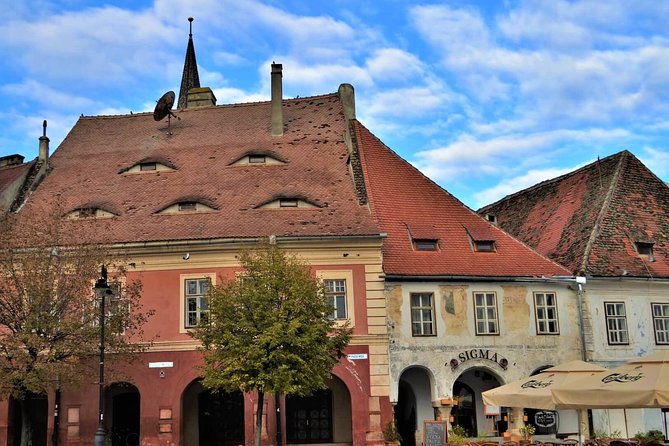
After a quick lunch and rest, you get a guided walk through Sibiu’s old center. This is where the Saxon influence turns visible in daily form—plazas you can orient yourself in, streets that still feel designed for movement, and churches that reflect the region’s religious mix.
You’ll spend about two hours in the historic core, hitting the Grand Square, the Small Square, and Albert Huet Square (dating from the 12th century). You’ll also see both the Orthodox Cathedral and the Evangelical Church—similarities in design and contrasts in worship style. Then there’s the Council Tower climb: you earn your views by climbing medieval stairs.
A small but real consideration: the “cool-down” for your legs can’t compete with medieval stone. If you’re coming in from a flight or an early morning, give your body a few minutes before you start the climb.
Day 2: Biertan’s fortified church, Sighisoara citadel, and Brasov’s first impressions
Day two is where the architecture starts doing the talking. You travel through the Hartibaciu Valley, passing Saxon villages and forests, and that transition matters. These aren’t isolated monuments; they’re part of a network that once supported local communities and protected bishops, traders, and families.

Biertan Fortified Church: defense built into faith
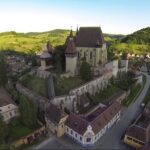
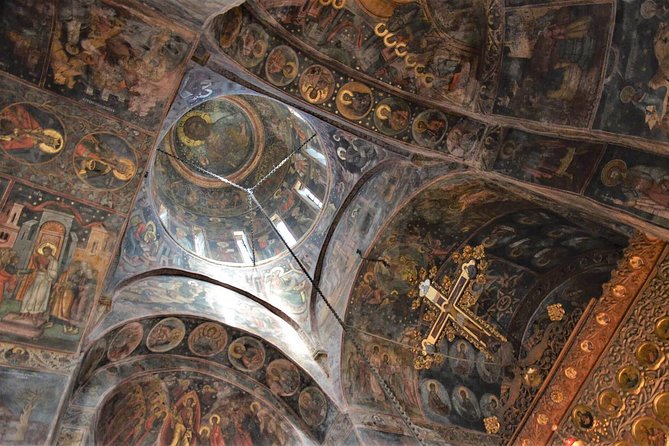
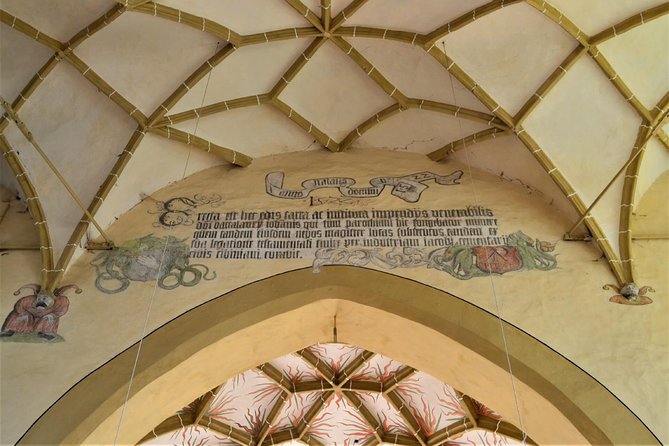
The Biertan fortified church is UNESCO-protected, and it’s easy to see why. Built from 1486 to 1524, it was the seat of the Lutheran bishopric for centuries, so fortifications weren’t optional. The church’s defense walls create a strong sense of safety and purpose, and you’ll also have time to look at a beautiful nave ceiling plus tombstones of former bishops and notable figures.
What I love here is how the walls change your interpretation of a church. It’s not only religious. It’s political, practical, and tied to conflict and protection.
The drawback: once you’ve seen one church, another church can start blending into the next. The guide’s job is crucial—so if you’re the type who remembers details by narrative, you’ll get a lot out of this stop.
Sighisoara citadel: Clock Tower, hill church, and Vlad’s birthplace
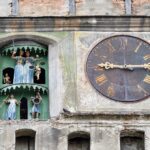
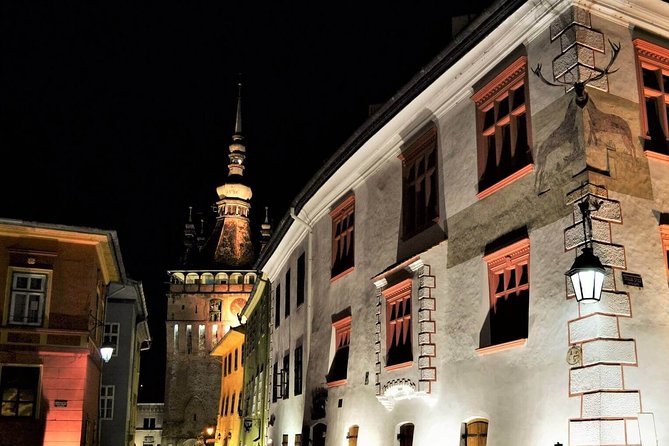
From Biertan, you head to Sighisoara, also UNESCO-protected. The guided visit takes about two hours and covers the Clock Tower, the Church on the Hill, the stairs, and the fortifications and towers.
This is the Saxon city that feels like a machine built for survival. The hill layout and defensive structures show you how much energy went into keeping people safe. And yes, the tour brings in the Vlad connection—Sighisoara is where Vlad the Impaler was born, tied back to the earlier Mircea the Elder thread.
Then you get lunch in Sighisoara before moving on to Brasov. The transition isn’t random. It’s built into the rhythm: you walk the old city of one fortress culture, then you shift to a larger regional hub that draws people from across Romania.
On the way to Brasov: Saschiz and Rupea from the road
You also get quick views (not long visits) of Saschiz fortified church and the Rupea fortress. Both built at the end of the 15th century and on earlier Roman and Dacian foundations, respectively. Even from the road, they help you see the region as a whole, not just three stand-alone towns.
Brasov’s old center: Black Church, fortifications, and Rope Street
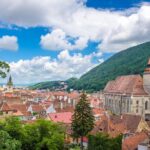
Once you check in to your hotel or guesthouse, you shift into Brasov. The tour frames Brasov as a working city with a deeper history: a fortress established in 1211 by the Teutonic Knights, followed by German settlers after a quarrel. That detail matters because it explains why Saxon-style architecture and Central European influences feel so baked in.
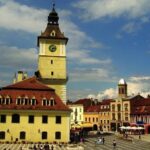
Your Brasov time includes the Black Church, a 14th-century Gothic landmark, plus the medieval fortress elements—fortifications, bastions, and towers. And then there’s Rope Street, famous for being one of the narrowest streets in the world.
I like that you don’t just see one “big sight.” You get the sense of how people moved through tight spaces, how trade and housing shaped street widths, and how the city kept growing.
Small practical note: Brasov’s old center is charming, but you’ll be doing a lot of step-to-step walking in uneven medieval terrain. If you carry a camera bag, keep it light.
Day 3: Rasnov from afar, Bran Castle’s strategic rock, then Peles’s royal contrast
Day three keeps the historical pulse but changes the tone. On the way from Brasov to Bran, you admire Rasnov fortress from afar—built in the 13th century, often connected with Teutonic influence in the area between 1211 and 1225. Seeing it from a distance works well because it shows the fortress logic: high ground, controlled views, and defense-by-position.
Bran Castle: the myth machine on a strategic site
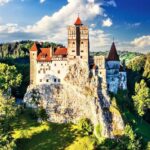
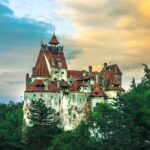
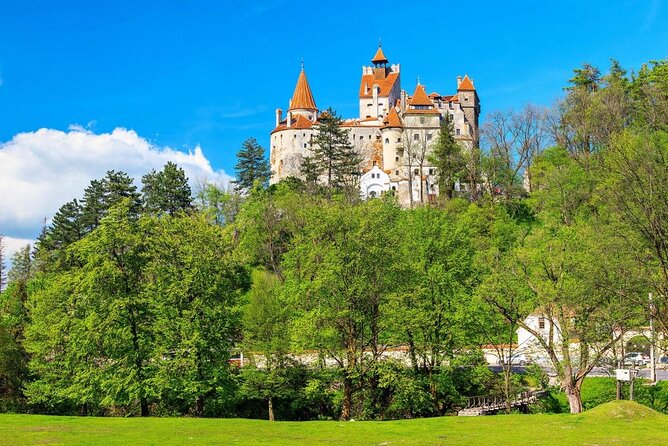
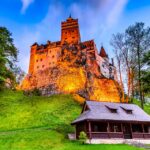
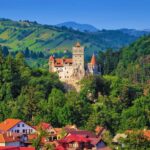
Bran Castle is the Dracula stop everyone knows. Here, the tour leans into practical history: the castle was built in the 14th century to guard a strategic commercial route between Wallachia and Transylvania. The setting—on a corner of a rock with steep drops—explains why it was quickly associated with ominous stories.
I find this stop more satisfying than expected because it turns Dracula from a standalone horror brand into a cultural lens. You still get the legend, but you also get the why: geography, routes, and power.
A consideration: castle visits often mean more stairs and more time outdoors than you expect. If you’re sensitive to crowds, go at the calm pace your guide sets.
Peles Castle in Sinaia: where royal taste changes the mood
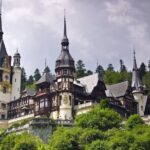
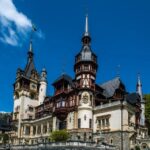
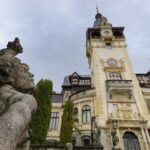
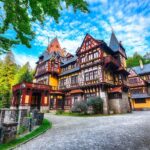
In early afternoon you arrive at Sinaia and visit Peles Castle, built at the end of the 19th century. This is a completely different vibe from Bran: flamboyant royal architecture tied to Carol I, the first King of Romania, of German origin. The tour contrasts his serious, modernizing role with the castle’s theatrical style, so you see how politics and culture can show up in stonework.
This part is a great reality check. Dracula fits the brooding rock stereotype; Peles makes it clear that Romania’s story also includes modernization, European connections, and royal ambition.
What you actually learn: Saxons, religion, and empire competition
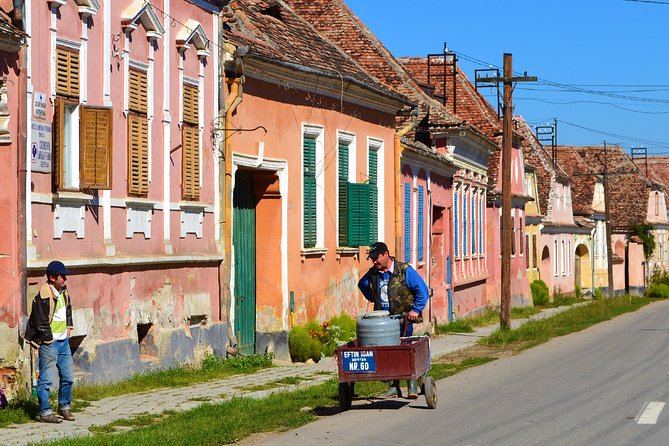
The tour’s real strength is how it connects big ideas to physical places. You’ll see that Saxon history wasn’t just about building pretty towns. It was about governing, protecting, and maintaining influence.
- The fortified church concept at Biertan shows how Lutheran leadership needed defense when borders and power shifted.
- The Sighisoara citadel circuit makes the idea of safety visible through towers, walls, and the hill church placement.
- Sibiu and Brasov explain how different Christian traditions coexisted in the same region, and how the built environment reflected that.
On top of the historical thread, the guide’s storytelling style matters. In the trip experience I’m describing here, Gelu is the kind of guide who can make facts feel like a timeline you can picture. The anecdotes land because they match what you’re looking at in front of you. If you’ve worried about language gaps, this is a strong point in the tour’s favor: English comes through clearly, and you’ll be able to follow the logic without feeling lost.
Price and value: what the $914.51 covers (and what it doesn’t)
At about $914.51 per person for roughly three days, this tour doesn’t feel cheap on paper. But it becomes easier to justify when you see what you’re getting: pickup, air-conditioned vehicle transport, private transportation, and all fees and taxes. You also get two nights in a 3-star superior hotel or guesthouse with breakfast included, in double room occupancy.
Sightseeing fees are also handled for the major paid entries listed in the schedule, with admission ticket included for stops like Biertan, the Sighisoara citadel portion, Brasov sights, Bran Castle, and Peles Castle. Some early stops are free (Cozia and Sibiu), which helps you feel like you’re not paying repeatedly for everything.
What’s not included is meals. So you should budget for lunch and dinner on your own. For value-minded travelers, this is often a plus in disguise: you can choose where to eat in town rather than being locked into set menus.
If you compare this to the cost of renting a car, covering parking, arranging multiple guided entrances, and paying for hotels plus breakfast on your own, the package price can start looking like a fair deal—especially if you prefer not to handle route decisions each day.
Tips to get the most from a fast-paced fortress circuit
Here are the practical things that matter most on this kind of trip:
- Wear shoes you can trust on stone steps and older street surfaces. You’ll climb at least one famous tower view in Sibiu, plus you’ll do plenty of walking across citadel areas.
- Plan for breaks that are short. Your time inside towns is guided, and you’ll have lunch time, but you won’t get long independent wandering every stop.
- Pack light for photos and warmth. Castles and church areas tend to mean open courtyards and more wind than you expect.
- Use the mobile ticket when it’s provided; it keeps entry smoother and cuts down on last-minute confusion.
- Bring a flexible mindset about crowds. Bran and Peles can draw a lot of day-trippers because they’re famous. Going with your guide’s flow helps.
Who this Saxon Transylvania tour is for (and who should skip it)
This tour is a strong match if you want an efficient route that explains the region through fortifications, religion, and border history. It’s also a good fit if you like guided interpretation—someone telling you what to look for makes these defensive buildings and church interiors far more meaningful.
It’s less ideal if you hate schedules or if you need lots of downtime after driving. The itinerary is built around seeing major cities and major castles in a short window. You’ll get a lot of highlights, but you won’t linger the way you might on a self-guided week.
Should you book this tour?
If you want three days that feel organized, story-driven, and heavy on UNESCO-protected defense architecture, I’d book this. The price can feel bold, but the combination of transport, private pacing, included major admissions, and two nights with breakfast is where the value lands.
I’d only hesitate if you’re prone to exhaustion from stairs and walking or if you need long independent free time in each town. For everyone else who wants Saxon Transylvania with enough Dracula flavor to satisfy curiosity, this is the kind of trip that makes the region click fast—then stays with you long after you’re back home.
FAQ
How long is the Saxon Transylvania 3-day tour?
It runs for about 3 days.
Where does the tour start, and is pickup available?
The tour is based in Bucharest, Romania, and pickup is offered at your hotel in Bucharest or at the airport.
What is the price per person, and what’s included?
The price is $914.51 per person. Included are air-conditioned vehicle and private transportation, all fees and taxes, and 2 nights accommodation in a 3-star superior hotel or guesthouse (double room occupancy) with breakfast. Admissions are included for several major stops, while meals are not included.
Which UNESCO World Heritage sites are visited?
You visit Biertan Fortified Church (UNESCO) and the Sighisoara citadel (UNESCO). You also have a stop by Saschiz fortified church, which is listed as a UNESCO World Heritage monument.
What castles and key towns are part of the route?
You visit Sibiu, Sighisoara, and Brasov, plus Bran Castle and Peles Castle. You also make shorter stops connected to the region, like Cozia Monastery and views of fortresses such as Rasnov.
Are meals included in the tour price?
No. Meals are not included, so you’ll want to plan for lunch and dinner on your own during the free time.
What is the cancellation window for a full refund?
You can cancel up to 6 days in advance for a full refund. If you cancel less than 2 days before the experience start time, there is no refund.