REVIEW · BUCHAREST
10 Days Private Tour in Romania from Bucharest
Book on Viator →Operated by Nicolas Experience Tours · Bookable on Viator
Romania hits you in full color. This 10-day private tour is built around real places and real context, from Bucharest’s Palace of Parliament to the painted monasteries of Bukovina. I like that it keeps the pace human with a licensed English guide who explains what you’re seeing, not just where it is.
Two things I especially like: the route mixes major landmarks with smaller, specific stops (salt air, wooden churches, and quirky museums), and the private setup means you can adapt if you’re tired or want more time. One consideration: this is a lot of driving and a lot of sight-hours in 10 days, so you’ll want comfortable shoes and a willingness to move.
In This Review
- Key highlights you’ll feel on the trip
- What a Bucharest-to-Romania private tour really buys you
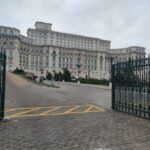
- Bucharest in one day: Palace of Parliament, Village Museum, Athenaeum, Revolution Square
- Curtea de Argeș and Poienari: royal tombs, fortress ruins, and Vlad’s escape legend
- Hunedoara’s castles and Dacian power: Corvin, Densus, and Sarmizegetusa Regia
- Salt air and wooden craftsmanship: Turda Mine, Borza Gardens, Surdesti Church
- Maramureș in two moods: Merry Cemetery and the Memorial of Communism Victims
- Barsana Monastery, Tihuța Pass, and Ciocănești painted houses
- Voroneț, Humor, Sucevita, Moldovița: the painted monasteries of Bukovina
- Egg museum, naive sculpture, and Bicaz Gorges
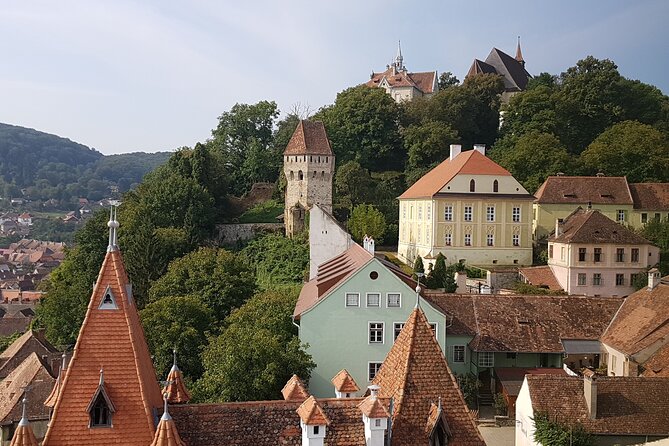
- Sighișoara’s medieval citadel and Biertan fortified church
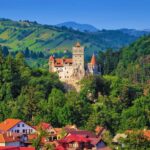
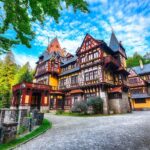
- Brasov finale: Black Church, Bran Castle, and Peleș Castle
- Meals, timing, and the pace you should plan for
- Price and value: where the money goes
- Who this private Romania tour fits best
- Should you book this 10-day Romania tour?
- FAQ
- FAQ
- How long is the Romania private tour from Bucharest?
- Where does the tour start?
- Is this a private tour or a group tour?
- Do I get pickup?
- Is the guide available during the whole tour?
- Are mobile tickets used?
- What’s included in the price?
- What is not included?
- Can the itinerary change after the tour starts?
- What is the cancellation policy?
Key highlights you’ll feel on the trip
- Private car for your group only with pickup offered in Bucharest
- English-speaking guide/driver with you throughout, plus guide meals and entrance fees included
- Bucharest contrasts: People’s House, the Village Museum, the Athenaeum, and the Revolution Square
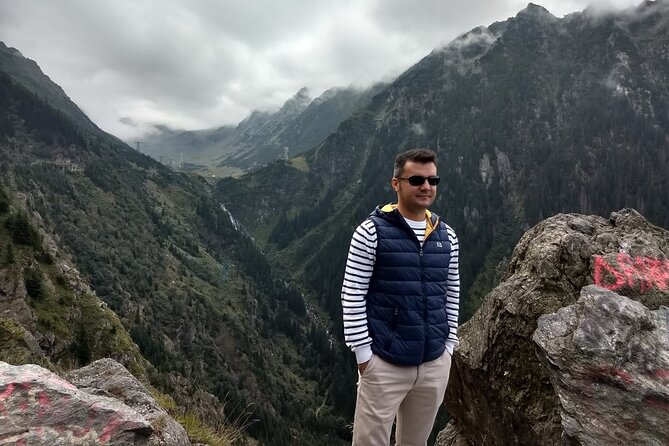
- Transfăgărășan highway timing matters (open only June to October)
- Bukovina painted monasteries with famous Voroneț blue frescoes
- Dracula-adjacent stops: Tihuța Pass lore, Bran Castle, and medieval Saxon towns
What a Bucharest-to-Romania private tour really buys you
On this trip, the big value is not just the list of stops. It’s the way the days are stitched together. A private car means no waiting around for strangers, no guessing which bus you’re supposed to take, and fewer “logistics headaches” when you’re trying to see something that only works at a certain time.
You also get flexibility. The itinerary is structured, but the company notes you can make changes even after the start of the tour. That matters on a 10-day plan, because weather, your energy level, and opening hours can all shift the “best” order of activities.
Now, about the price: $3,472.81 per person for a 10-day private tour is not cheap. But private driving across several regions (Bucharest, Wallachia, Transylvania, Maramureș, Bukovina, Moldavia, and back through Brasov) is exactly the kind of trip where “budget” tours start to feel slow or stressful. You’re paying for time, context, and a guide who can keep the story straight across very different places.
You can also read our reviews of more private tours in Bucharest

Bucharest in one day: Palace of Parliament, Village Museum, Athenaeum, Revolution Square
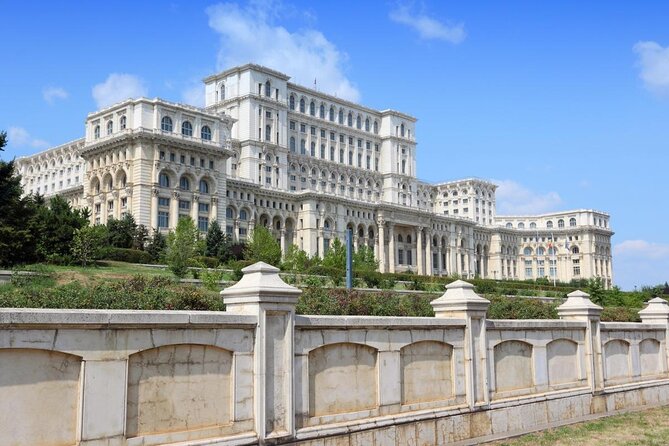
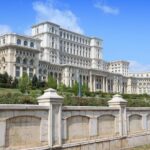
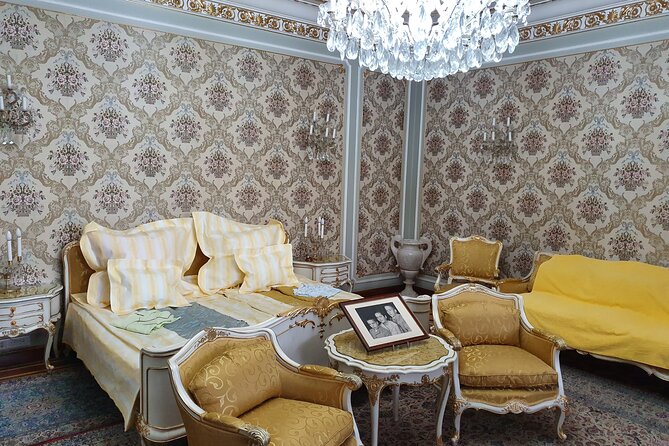
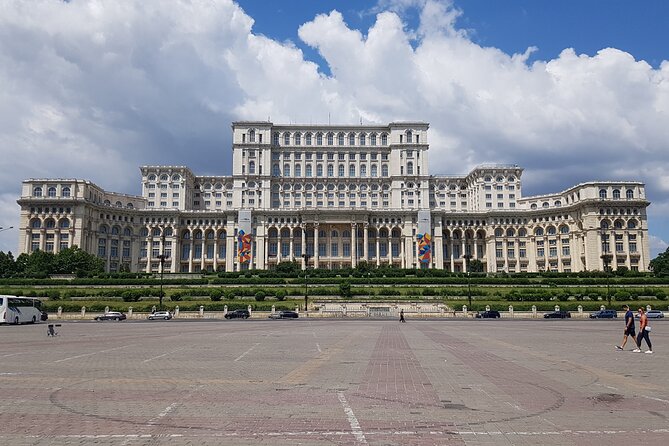
Bucharest is a city of contrasts, and this tour uses that fact. You start at the Palace of Parliament (People’s House), one of the most controversial buildings in the world. The point here is not to “collect a photo.” It’s to understand scale and power: the building is enormous, the opulence feels almost unreal, and the history behind it is heavy. Admission is included, and the stop is listed at about 2 hours.
Next comes the Bucharest National Village Museum (Dimitrie Gusti). This is where the trip slows down and becomes more human. You’ll see Romanian traditions in a single place, including what rural life aimed for: sustainability, community, and a simple rhythm tied to the land. It’s listed at about 1 hour with admission included.
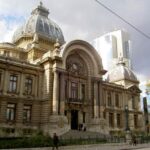
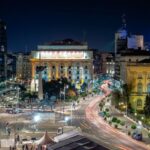
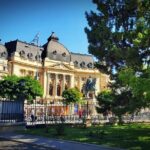
Then you visit the Romanian Athenaeum, a major cultural symbol on Calea Victoriei and part of the European Heritage list. The tour keeps this as a quick but meaningful stop—about 45 minutes—so you’re not stuck rushing past it.
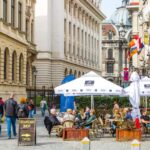
You finish the morning/afternoon feel with Revolution Square and the broader communist-era story connected to the December 1989 events. The Senate Palace viewpoint is part of the experience, and this specific segment is listed as free (about 45 minutes). After that, the Old Town walk rounds everything out: streets, atmosphere, and landmarks like Hanul lui Manuc (built around 1806), a fortified inn that functioned as a major trading and gathering spot.
Practical note: Day 1 is dense. If you’re arriving with jet lag, you’ll want your guide’s pacing to match your energy. The private format helps here.
Curtea de Argeș and Poienari: royal tombs, fortress ruins, and Vlad’s escape legend
Day 2 leans into Wallachia and the “high drama” side of Romanian folklore—without ignoring the architecture and ruins.
At Curtea de Argeș Monastery, you’re pointed toward royal tombs and the older layers of Wallachian power. The tour highlights the 13th-century Royal Church and the ruins of the princely court. Expect a focused visit of about 45 minutes with admission included. The mood is reflective: it’s a site with a sense of time depth and loss.
Then you move to Poienari Castle (fortress) ruins, high on a cliff above the Argeș River. The story centers on changing residents and fortunes, but the strongest thread is the Vlad connection. The description includes the idea of Vlad’s escape via a secret passageway through the mountains. This is listed at about 2 hours, and admission is included.
After the cliffside history, you hit Romania’s “road spectacle” moment: the Transfăgărășan Highway. It’s famous for views, engineering, and the fact it appeared on BBC Top Gear in 2009. The crucial practical detail: this road is fully open only June to October, and the highest point reaches 2,042 meters, with the Balea Lac area and a tunnel linking sides. In the itinerary it’s about 2 hours, and it’s listed as free for the stop itself.
The final piece on Day 2 is Piata Mare (Big Square), with the description framing it through Sibiu—including the Evangelical Cathedral and the old town center. If your guide is keeping to that pairing, this is where you get a slower city-stroll moment before you move deeper into Transylvania.
Hunedoara’s castles and Dacian power: Corvin, Densus, and Sarmizegetusa Regia
Day 3 is a great example of why this tour works: it jumps between eras without feeling random.
You start with the Corvin Castle (Castelul Corvinilor / Hunedoara Castle). It’s described as a Gothic-Renaissance castle and one of the largest in Europe, also featured as one of the Seven Wonders of Romania. You get about 2 hours, with admission included. This is a good stop for anyone who likes architecture that looks theatrical—but still grounded in history.
Next is Densuș Church (St Nicholas’ Church), credited as the oldest stone church in Romania. The tour description notes it’s built in its current form in the 13th century, on the site of an older Roman temple, and it uses materials connected to Dacian fortresses. Inside, it points to 15th-century mural paintings showing Jesus in Romanian traditional clothes, with artists named in the description (Ștefan and later additions by Simion de Pitești). This is about 1 hour.
Then comes the big “who were the Dacians?” answer: Sarmizegetusa Regia. The tour highlights it as the Dacian capital and key military, religious, and political center, placed on a mountain around 1,200 meters, with multiple citadels and part of a defensive system in the Orăștie Mountains. It’s a longer stop at about 3 hours, with admission included.
Tip for this day: if you love photos, do them fast early, then switch to slower looking. The Dacian site is the kind where it helps to stand still long enough to see the layout, not just the “main view.”
Salt air and wooden craftsmanship: Turda Mine, Borza Gardens, Surdesti Church
Day 4 is where the trip gets practical in a good way. Not every stop is about memorizing dates.
The highlight is Salina Turda (Turda Salt Mine). The itinerary frames it as one of Transylvania’s most interesting sights, with a focus on the air: purifying saline air that can be beneficial for respiratory issues like allergies or asthma. The tour lists about 2 hours with admission included. Even if you don’t have breathing concerns, it’s an unusual environment that feels like a “different planet” compared to normal sightseeing.
Then you go to Gradina Botanica Alexandru Borza. The description also connects this stop to a Cluj-Napoca city experience, mentioning Baroque, Renaissance, and Gothic-style buildings and the oldest dating back to the 17th century. You’ll also be reminded about food and the possibility of restaurant lines. This segment is listed at about 1 hour with admission included.
Finally, you visit Surdesti Wooden Church. The tour calls it an architectural masterpiece and gives you numbers to picture the scale: towers measuring 54 meters and a wooden structure described as a 72-meter high gem, built in 1721. You get about 45 minutes, with admission included.
Practical note: wooden churches are often worth it, but you may want to manage expectations if you’re expecting a huge interior museum setup. The power is in the structure and craftsmanship.
Maramureș in two moods: Merry Cemetery and the Memorial of Communism Victims
Day 5 balances humor and gravity, which is exactly the kind of emotional rhythm Romania can pull off well.
At Merry Cemetery (Sapanta), the tour points to Dacian attitudes toward funerals and babies. It then lands in Sapanta, where tombstones and crosses are decorated with colorful art and humorous poems about the deceased. This is listed at about 1 hour with admission included. It’s funny, but it also feels like a society choosing to remember without turning every memorial into pure gloom.
Then you shift to a serious museum: the Memorial Museum for the Victims of Communism and of the Resistance. The description explains it as a way to understand how damaging totalitarian rule was, and the level of pain and suffering involved in a short time. This stop is about 2 hours, admission included.
If you’re sensitive to heavy topics, do yourself a favor: give yourself time afterward to reset. The private car makes that easier because you can take a break without breaking the day’s structure.
Barsana Monastery, Tihuța Pass, and Ciocănești painted houses
Day 6 is the wooden-church and Carpathian story in three chapters.
First: Barsana Monastery, described as one of the tallest wooden churches in Romania, at 57 meters. The tour also emphasizes a spiritual feel through the walk barefoot across grass (yes, literally) and the connection between earth and sky as you enter the courtyard. This stop is about 45 minutes with admission included.
Next comes Tihuța Pass, in the Bârgău Mountains, connecting Bistrița with Vatra Dornei. The itinerary ties it to Bram Stoker’s Dracula, calling it the Borgo Pass and noting that Stoker likely used a map name without visiting. Today it’s home to Hotel Castel Dracula, built in 1976, at 1,116 meters. This segment is about 2 hours and listed as free.
Then you finish with Ciocănești, known for painted houses with traditional motifs. The tour says it’s on both sides of the Golden Bistrița River, set among pine spruce forests and meadows, near Vatra Dornei. This stop is about 1 hour, listed as free.
This day is especially good for photographers, but also for anyone who wants Romania’s identity beyond castles: art on buildings, local symbolism, and mountain travel lore.
Voroneț, Humor, Sucevita, Moldovița: the painted monasteries of Bukovina
Day 7 is built for people who love visual history. And if you don’t, you’ll probably end up loving it anyway—because the frescoes are designed to be seen from the road, from across a courtyard, and at close range.
You begin with Voroneț Monastery, often called the Sistine Chapel of the East. The description highlights Stephen the Great, construction finished over 3 months and 3 weeks in 1488, and the victory at the Battle of Vaslui. The key visual is the intense shade of blue known as Voroneț blue. This stop is about 45 minutes with admission included.
Next: Humor Monastery, presented as a fortified monastery that endured after churches built earlier were destroyed. It’s another about 45 minutes with admission included.
Then comes Sucevita Monastery, described as one of the most beautiful monasteries in Romania and part of international spiritual and cultural heritage. The stop emphasizes biblical scenes painted on walls and the fortified church feel, plus the UNESCO World Heritage connection. It’s about 45 minutes with admission included.
Finally: Moldovița Monastery, built in 1532, with Byzantine, Gothic, and Moldavian style elements, and murals both inside and outside the church. Again, it’s about 45 minutes with admission included.
Practical tip: these days can feel repetitive if you only focus on the word monastery. Try a different approach: look at the blue tones at Voroneț, then compare how the fortification details look in Humor and Sucevita, then notice style shifts at Moldovița.
Egg museum, naive sculpture, and Bicaz Gorges
Day 8 keeps variety high, in a way that prevents “monastery fatigue.”
First is the Lucia Condrea International Egg Museum in Moldovița. The description says it opened in 1993 and is unique in Romania and maybe the world, with more than 5,500 exhibits displayed across 56 display cases. Expect about 1 hour with admission included.
Next is The Popa Museum in Târpești, Neamț County. The itinerary connects it to sculptor Nicolae Popa, who was wounded in World War II, imprisoned by communists for fighting the regime, and left with only his house. He then created a body of naive sculpture tied to Romanian values. This stop is about 1 hour with admission included.
Then you get outdoors with Bicaz Gorges. The description focuses on a walk along a river that carved through mountains and virgin forests. This stop is about 2 hours, listed as free.
This is a good day if you’re the kind of person who likes a “side quest” museum between big-hitters.
Sighișoara’s medieval citadel and Biertan fortified church
Day 9 is about Saxon-era Transylvania, with strong defensive architecture and lived-in medieval structures.
You visit Sighișoara Old Town, including the Clock Tower and Arms museum. The itinerary points out that the citadel remains inhabited for over 700 years, which is rare, and that Sighișoara is connected to Count Dracula’s birth story (specifically Vlad the Impaler as described). This segment is about 2 hours with admission included.
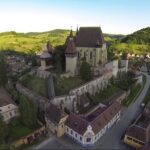
Then you go to Biertan Fortified Church, listed as a UNESCO World Heritage site and described as breathtaking. The tour highlights it being among the first Transylvanian Saxon settlements in Ardeal, with the church built on a hillock surrounded by three defensive walls and seven bastions. The town dates back to 1224 in the description. Expect about 2 hours, admission included.
If you want a “how did people defend faith and daily life” lesson, this is one of the best pairings in the whole route.
Brasov finale: Black Church, Bran Castle, and Peleș Castle
You end in Brasov, with three big names and a mix of myth and royalty.
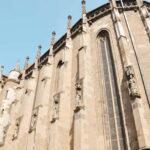
First: Black Church (Biserica Neagră) in Brasov’s medieval Old Town, plus the Old Town square and city walls. The tour also gives you time to sit in a café and absorb the atmosphere. This stop is about 2 hours with admission included.
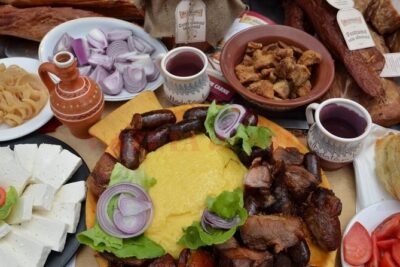
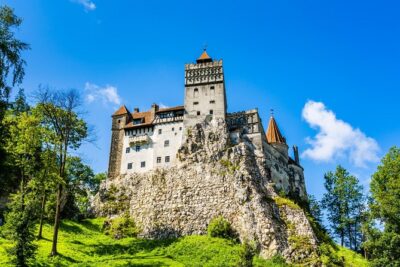
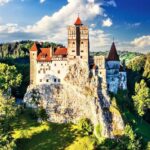
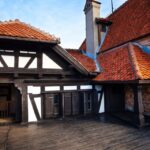
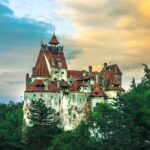
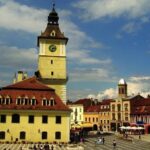
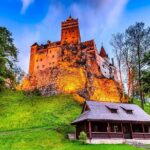
Then comes the famous one: Bran Castle (Dracula’s Castle). The itinerary frames it as the point where myth meets history, explaining why it’s widely believed Bram Stoker used Bran-like descriptions for Dracula’s fictional home. You also get traditional food suggestions nearby: handmade cheeses, pálinka (plum and pear brandy), and traditionally-produced ham and sausages. This segment is about 2 hours, admission included.
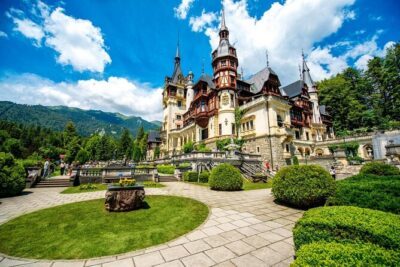
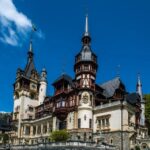
Finally: Peleș Castle, described as the Romanian royal family’s summer residence and a major attraction in Europe. This stop is about 2 hours with admission included. It’s the “dress-up” ending that feels well-earned after days of monasteries and fortress ruins.
Meals, timing, and the pace you should plan for
The tour includes accommodation, meals, and entrance fees for the guide, plus you get wireless internet in the car. For you, the package notes accommodation, meals and beverages are not included, and it also lists entrance fees as not included in the base terms. At the same time, the daily stops often say admissions are included—so what you pay can depend on what’s covered in your exact booking.
My practical advice: before you go, confirm what’s definitely covered for your itinerary day by day. If you do, you’ll avoid the annoying moment of pulling out your wallet at one of the “this should have been included” stops.
As for pacing: many visits are 45 minutes to 2 hours, with one longer day at sites like Sarmizegetusa Regia. That means you’ll spend part of each day walking and part in transit. Bring water, take breaks when your guide offers them, and don’t try to sprint through every photo angle.
Price and value: where the money goes
You’re paying about $3,472.81 per person for a private 10-day circuit. The value shows up in three places:
1) Private transportation across regions: you’re not relying on public schedules between distant stops.
2) A single guide threading the story: from communist-era buildings in Bucharest to Dacian ruins and Bukovina frescoes, it’s easier when someone connects the dots.
3) Flexibility: the company highlights that itinerary changes can be made after the start, which is rare at this scale.
In the reviews shared with me afterward, people praised Nicolas for taking good care of them and creating a fun trip atmosphere. One review even called out the hotel being chosen with attention and the experience at the Dracula-themed stops. That matches what you should expect from a well-run private guide: smooth logistics, calm explanations, and time for the fun stuff without feeling rushed.
Who this private Romania tour fits best
This tour is a strong match if you:
- Want private driving and a guide who handles the details in English
- Like mixing big-ticket sights with specific “what is that?” stops (salt mine, painted houses, the egg museum)
- Prefer learning the context behind sites like the Palace of Parliament and the communism memorial
- Travel as a couple or small group and want the day to move at your pace
If you hate car time, this may be too much. But if you’re okay with driving in exchange for seeing more in fewer days, it’s a solid route.
Should you book this 10-day Romania tour?
I’d book it if you want Romania in full range: capital shock, medieval fortresses, Dacian earthworks, wooden churches, Bukovina frescoes, and the Dracula myth funnel into real places. The private guide-driven format is the key reason it works, especially on a long route where timing and context matter.
Skip it or think twice if you’re on a tight budget or if you’re the type who wants lots of free unstructured time every day. This trip is designed to keep moving and keep seeing.
FAQ
FAQ
How long is the Romania private tour from Bucharest?
It runs for 10 days approximately.
Where does the tour start?
The tour is based in Bucharest, Romania.
Is this a private tour or a group tour?
It is a private tour/activity, and only your group participates.
Do I get pickup?
Pickup is listed as offered.
Is the guide available during the whole tour?
Yes. You get a private, licensed English-speaking guide/driver available throughout the tour.
Are mobile tickets used?
Yes, the tour lists a mobile ticket.
What’s included in the price?
The tour includes a private car for your group, a guide/driver, car expenses (gasoline, parking, road tolls), and guide accommodation/meals/entrance fees.
What is not included?
The tour notes accommodation, meals, and beverages are not included, and entrance fees may also not be included depending on the specific terms for your booking.
Can the itinerary change after the tour starts?
Yes. There is great flexibility regarding changes to the daily itinerary even after the start of the tour.
What is the cancellation policy?
There is free cancellation. You can cancel up to 24 hours in advance for a full refund.