REVIEW · BUCHAREST
Bucovina Painted Monasteries & Transylvania Tour: 4-Day Private
Book on Viator →Operated by Crafted Tours Romania · Bookable on Viator
Painted churches and Saxon towns in four days.
What makes this trip so appealing is the combination of Bucovina’s famous fresco monasteries plus one-on-one guidance that turns the art and religion into something you can actually follow. I also like how the tour is structured to keep the days efficient with included entrance tickets for most major stops.
There is one thing to watch: not every site has an included ticket, and you should also plan for extra small fees for specific photo rules at some monasteries. That’s easy to handle, but it’s still money and time you’ll want to keep in mind.
In This Review
- Key Highlights You’ll Care About
- Why This Bucovina-to-Transylvania Route Feels Just Right
- Bucharest Pickup, Private Guide Style, and How the Days Flow
- Day 1: Agapia Monastery and Văratec Monastery for Real Monastic Scale
- Day 2: Sucevita, Moldovița, and Voroneț for Painted Church Art at Maximum Intensity
- Day 3: Sighișoara and Viscri UNESCO Stops, Then Brașov’s Old Center
- Day 4: Brașov’s Black Church and Peleș Castle for a Big Grand Finale
- Hotels and Breakfast: What’s Included, and How That Affects Value
- Transportation Comfort Matters More Than You Think
- Who This Tour Fits Best (and Who Might Want Another Plan)
- Should You Book This Private Tour?
- FAQ
- Where does the tour start and end?
- Is pickup available in Bucharest?
- How many nights are included, and what’s the hotel level?
- What’s included in the price?
- Are entrance fees included for every stop?
- What language is the tour offered in?
- Is the tour physically demanding?
- FAQ
- What happens if the weather is poor?
- What’s the cancellation deadline for a full refund?
Key Highlights You’ll Care About
- Private transport that saves you from guessing routes and timing
- Agapia and Văratec for the scale of Orthodox monastic life
- Voroneț with its famous Voroneț blue frescoes
- UNESCO stops in Sighișoara and Viscri for medieval continuity
- Brașov’s Black Church for Gothic Lutheran architecture
- Peleș Castle near Sinaia for a royal-style finish to the trip
Why This Bucovina-to-Transylvania Route Feels Just Right
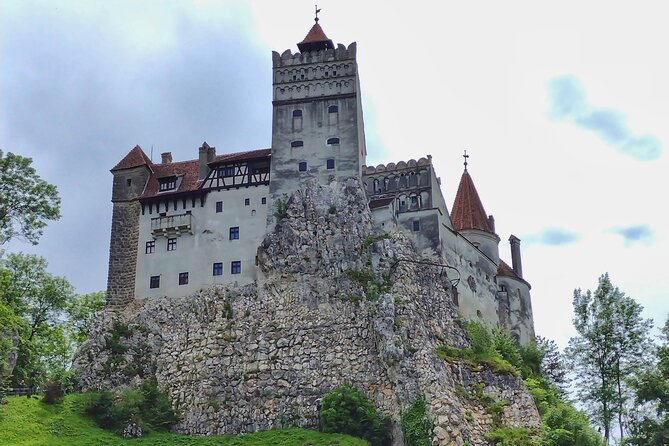
This tour links two regions that are often visited separately, but they actually fit together well. You’ll start in Bucovina with monastery frescoes that are the main event, then shift west into Transylvania for Saxon-era towns and medieval churches, and finally close with a major landmark day around Brașov and Peleș.
I like that you don’t spend your energy on logistics. You get comfortable, efficient private transport and a guide who can explain what you’re seeing while you’re moving between stops.
If you’re the type who wants to understand your photos later (not just take them), this route makes sense.
You can also read our reviews of more private tours in Bucharest

Bucharest Pickup, Private Guide Style, and How the Days Flow
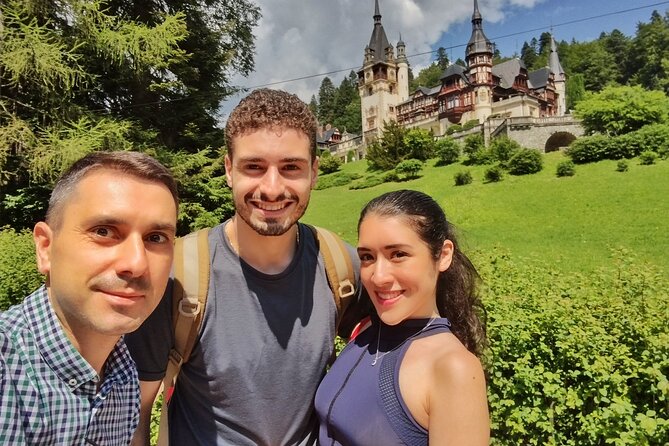
You start and finish in Bucharest, with pickup available anywhere in the city. The tour begins at 9:00 am, so you get a full day right away instead of burning mornings on slow starts.
Because it’s a private tour, your guide can pace the day around your interests. In the feedback I read, names like Toni Tătar and Marius came up repeatedly for keeping things organized, on-time, and genuinely helpful when unexpected situations happened.
Practical note: the tour lists moderate physical fitness as the target. You won’t be hiking a mountain, but expect walking inside churches, moving between sites, and some uneven areas around historical complexes.
Day 1: Agapia Monastery and Văratec Monastery for Real Monastic Scale
Day 1 focuses on two major nunneries in the Neamț region. Agapia Monastery is known for its long history and for the church being painted in the mid-1800s by Romanian artist Nicolae Grigorescu (1858–1861). It’s also one of the largest nunneries in Romania, with an impressive number of nuns depending on the time period.
Then you head to Văratec Monastery, which is the largest nun monastery in Romania and hosts more than 400 nuns. This is one of those experiences where the place isn’t just “a building you tour,” it’s a functioning spiritual community.
What I love here is the contrast: you see one monumental site with Grigorescu’s painted work, then you go to the even larger monastic center and the whole atmosphere shifts from artistic focus to living scale.
What to consider: monasteries are religious sites, so dress and rules matter. In the feedback I read, at least some churches required trousers or a long skirt to enter the grounds, and interior photography was restricted in some places.
Day 2: Sucevita, Moldovița, and Voroneț for Painted Church Art at Maximum Intensity
Day 2 is the big Bucovina art day. You start with Sucevița Monastery, where the church architecture mixes Byzantine and Gothic elements, and the walls are covered in mural paintings. The murals include scenes from both the Old and New Testament, which helps you connect the visuals to stories instead of just seeing ornament.
Next is Moldovița Monastery, built in 1532 by Petru Rareș (connected to the rulers of Moldavia). The monastery was founded as a protective barrier against Ottoman threats from the east, so the murals aren’t just decoration—they’re part of a cultural defense story.
Then comes Voroneț Monastery, often called the Sistine Chapel of the East. Its fresco program and the intense blue shade known in Romania as Voroneț blue are why this stop is famous. Construction happened in 1488 over a short, intense period, which makes the scale of the artwork feel even more dramatic.
The main benefit of this day: you’ll see how styles and themes evolve across multiple painted churches. If you like pattern recognition, this is your day—each monastery has its own look, its own emphasis, and its own way of using color and biblical scenes.
What to consider: this is a long “art sprint.” You’ll get value from going in with curiosity and letting your guide stitch the story together, because three churches back-to-back can feel like sensory overload without context.
Day 3: Sighișoara and Viscri UNESCO Stops, Then Brașov’s Old Center
Day 3 shifts from monastery art to medieval towns. First up is Centrul Istoric Sighișoara, the well-preserved walled old town. It’s UNESCO-listed, which usually means the core medieval structure survived when most places lost theirs. This is the day for cobblestones, tight streets, and that medieval “this place still works” feeling.
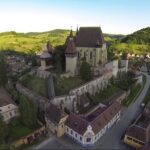
Then you visit Viscri Fortified Church, also UNESCO-listed. Viscri is tied to Saxon settlement history, and the fortified church gives you a clear sense of how communities prepared for risk in earlier centuries. It’s a focused visit, and it works well after the long monastery day before.
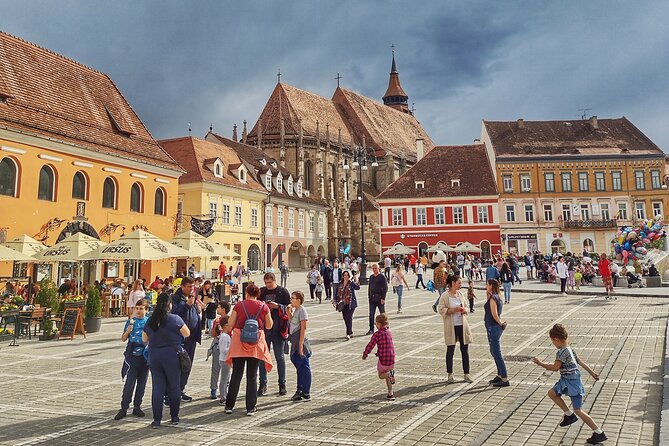
After that, you head to Brașov Historical Center, another UNESCO-worthy kind of place even when you’re not looking for the stamp. Brașov mattered as a commercial hub between east and west, and it’s tied to the Transylvanian Saxons of Burzenland. You’ll also hear about cultural connections, including the birthplace of Romania’s national anthem.
One thing I like about the pacing here: you get a medieval town, then a fortified church, then a larger city center—three different “scales” of medieval life without feeling like you’re repeating the same scene.
What to consider: this is still travel-heavy. If you tend to get tired from nonstop walking, keep your energy for the old centers and save longer breaks for the car ride between stops.
You can also read our reviews of more tours and experiences in Bucharest
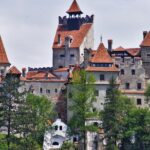
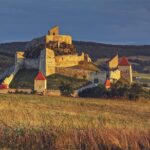
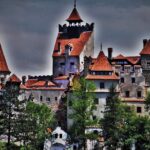
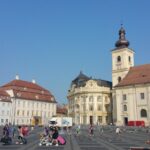
Day 4: Brașov’s Black Church and Peleș Castle for a Big Grand Finale
You finish with two major landmarks: Black Church and Peleș Castle.
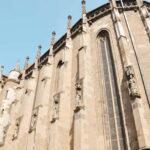
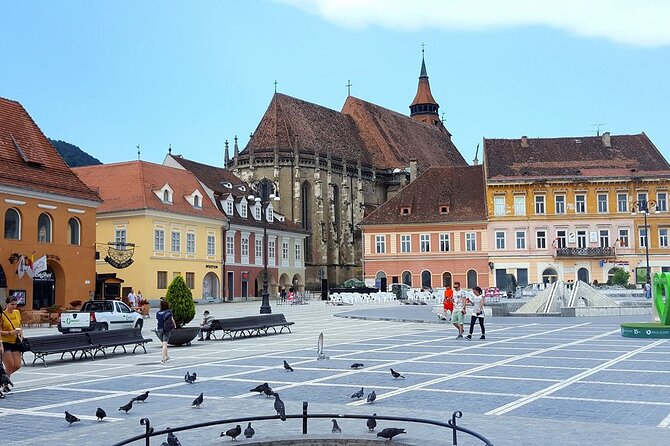
The Black Church is one of Romania’s top Gothic monuments and the largest and most important Lutheran place of worship in the region. It was built by the German community of Brașov, which helps explain the architectural tone and why the building feels so distinct compared with nearby Orthodox landmarks.
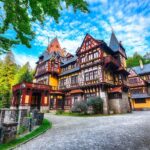
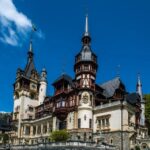
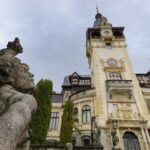
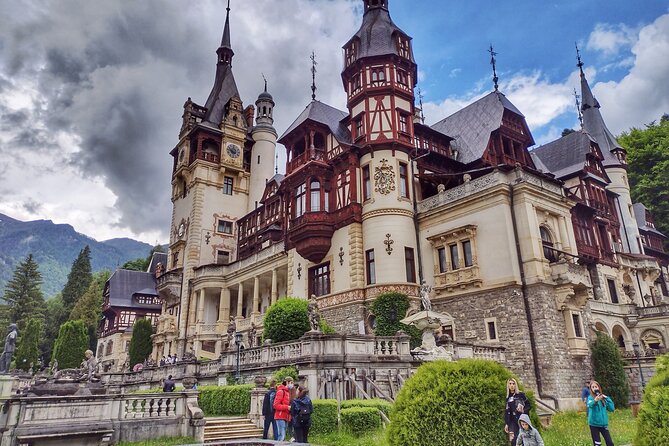
Then you go to Peleș Castle, the summer royal residence near Sinaia. This is a Neo-Renaissance castle built between 1873 and 1914 for King Carol I. It’s the kind of stop that feels like a reward: you go from church fresco programs and medieval towns to something that looks designed for show, comfort, and power.
The value of ending here: it gives your trip an emotional arc. After days of sacred art and medieval defense architecture, Peleș Castle adds texture—political history, royal ambitions, and mountain scenery around Carpathian routes.
What to consider: these two stops have a “ticket on-site” feel. The itinerary marks entrance tickets for these as not included, so budget time and money for that on the day.
Hotels and Breakfast: What’s Included, and How That Affects Value
You’ll stay three nights in three-star hotels, with breakfast included for three days. That’s a practical level of comfort for a tour where you’re out of the hotel most of the day. You’re not paying extra for luxury when your time is spent touring frescoes and historic towns.
Where the value really comes in is in what you don’t have to arrange yourself: hotel location, transportation, and a private guide who can move you from stop to stop without you losing time to decision-making.
Entrance fees are listed as included for most stops, with a few exceptions (notably Viscri Fortified Church, plus Black Church and Peleș Castle). Your best move is to budget about EUR 25–30 per person for the paid-entry portions shown in the tour details.
A bonus detail from the feedback: at least one monastery visit included a note about a small fee for exterior photos (10 Lei) and no interior photography. That’s exactly the sort of rule that’s easy to miss until you’re standing there with a camera—so keep your expectations flexible.
Transportation Comfort Matters More Than You Think
This is a private-transport tour, and comfort shows up in the feedback. One description mentioned a spacious, air-conditioned van and a smooth, comfortable ride between sites.
That matters because the days cover a lot of ground. Even when the distances aren’t huge, the time spent getting from one historical complex to another adds up. You’ll be glad you’re not bouncing around in a crowded vehicle, especially on days 2 and 3 where the schedule is packed.
Who This Tour Fits Best (and Who Might Want Another Plan)
This tour is ideal if you care about:
- Bucovina painted monasteries and learning what the frescoes depict
- Orthodox monastic culture (Agapia and Văratec really hit this)
- Saxon-era Transylvania through UNESCO sites like Sighișoara and Viscri
- Big historical architecture as a sequence—churches to fortress church to grand castle
It may not be the best match if you’re hoping for a slow, lounging travel pace or if you don’t enjoy religious sites. This is a “see a lot, learn a lot” plan, with stops that require attention and respect for rules inside churches.
Also, bring patience for on-site photo rules. Some places restrict or charge for certain kinds of photography, so plan around that instead of fighting it.
Should You Book This Private Tour?
I’d book it if you want a well-paced, guide-led version of Romania’s highlight route—monasteries first, UNESCO towns second, royal architecture to finish. The private setup, comfortable transport, and guide focus make it feel like you’re getting the story, not just the checklist.
I’d think twice if your budget is tight once you add the extra paid entries on specific stops and you strongly dislike spending long days on the move. Also, if fresco art and churches don’t interest you, you’ll feel the time pressure more.
If you like history you can see—painted walls, fortified churches, UNESCO old streets—this is a strong match.
FAQ
Where does the tour start and end?
The tour starts and ends in Bucharest, Romania.
Is pickup available in Bucharest?
Yes. Pickup can be arranged anywhere in Bucharest, and the tour begins at 9:00 am.
How many nights are included, and what’s the hotel level?
The tour includes 3 nights in three-star hotels.
What’s included in the price?
Included items are hotel pickup and drop-off, a private tour, private transport, and breakfast for 3 days. Entrance fees are included for many stops, but not all.
Are entrance fees included for every stop?
No. Some sites are marked as not included for entrance tickets, so you should expect to pay on site for those.
What language is the tour offered in?
The tour is offered in English.
Is the tour physically demanding?
It’s listed as suitable for travelers with moderate physical fitness.
FAQ
What happens if the weather is poor?
The experience is noted as requiring good weather. If it’s canceled due to poor weather, you’ll be offered a different date or a full refund.
What’s the cancellation deadline for a full refund?
You can cancel up to 6 days in advance for a full refund.